Get the App
Better experience on mobile
From cordless powerhouses to budget-friendly uprights, these vacuums are chosen for real homes, real floors, and real cleaning challenges.
The vacuum cleaner market has never been more fragmented. You're no longer simply choosing between an upright and a canister—now there are cordless sticks that rival the suction of old school plug-in models, robot vacuums that empty themselves, and an ever-growing list of pet-specific features. The core question isn't just 'which vacuum is most powerful?' but rather 'which vacuum fits the way you actually live?'
Most people make two mistakes when shopping for a vacuum: focusing purely on peak suction or brand name, and ignoring the realities of their flooring, their square footage, and their own willingness to maintain the machine. A 230-AW cordless stick is useless if it dies before you finish the living room, and a bargain-priced upright with a flimsy brushroll won't survive a household with three shedding dogs.
To build this list, we studied the latest models from Dyson, Shark, Miele, Roborock, Tineco, Kenmore, Bissell, and Eureka, cross-referencing manufacturer specs with consistent feedback from expert reviewers and long-term owners. We looked beyond marketing claims to understand how each vacuum performs on hardwood, low-pile carpet, thick rugs, and pet hair, and we considered factors like filter maintenance, bin capacity, noise levels, and real-world ergonomics.
The result is a diverse set of eight recommendations, from a $130 compact canister to a $1,500 self-emptying robot. Whether you're a reluctant cleaner on a budget, a pet parent with messes on every surface, or someone who just wants the easiest possible way to keep a large home tidy, you'll find a match here—and a few you may want to avoid.
We've also included a detailed buying guide and FAQs to help you make sense of terms like 'cyclonic suction,' 'HEPA sealed,' and 'self-cleaning mopping.' Because the right vacuum isn't the one with the biggest numbers on the box—it's the one you'll actually use often enough to keep your floors clean.
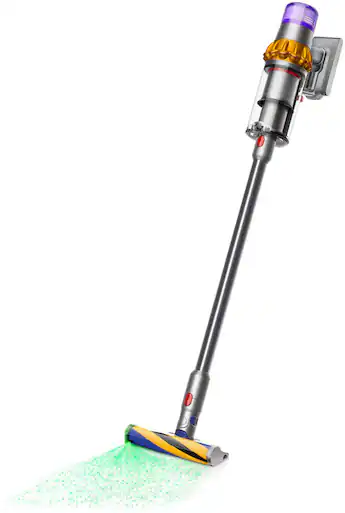
The Dyson V15 Detect combines class-leading suction (up to 230AW) with laser illumination that exposes invisible dust on hard floors and an LCD screen tracking exactly what you've picked up. It's the most intelligent and powerful cordless vacuum we've seen, but its premium price and modest battery life on max mode are real trade-offs.
Main limitation: Battery life is limited on Boost mode (around 10 minutes), and the laser can be distracting in bright spaces.
Skip if: If you're on a tight budget or prefer a corded vacuum for unlimited runtime, this isn't the one for you.
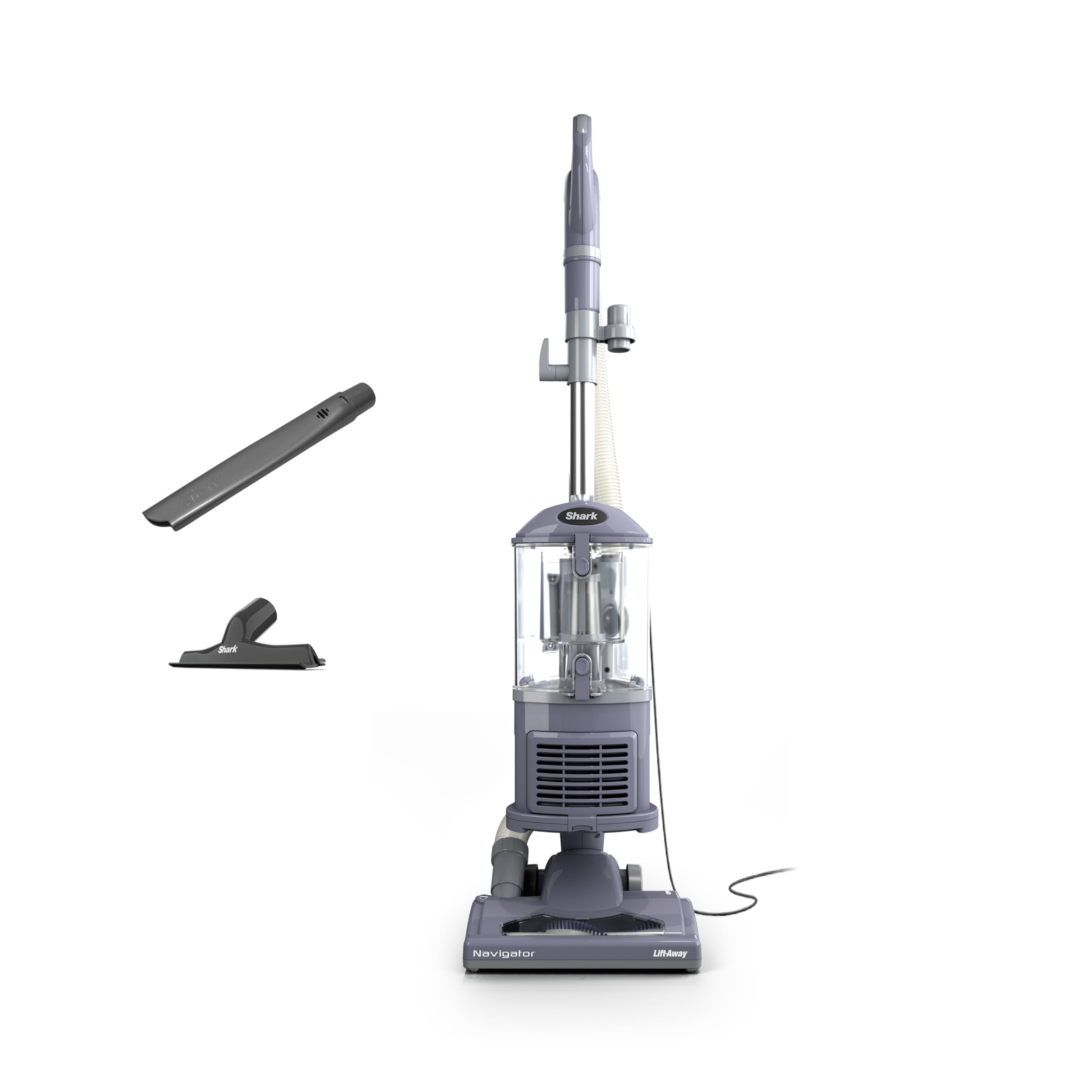
The Shark Navigator NV352 has been a budget favorite for years because it delivers genuinely strong suction, a HEPA filter that seals in allergens, and a versatile lift-away pod for stairs and above-floor cleaning—all for under $200. It's not fancy or lightweight, but it's an exceptional value and a workhorse that rarely disappoints.
Main limitation: Corded and relatively heavy, and its swivel steering isn't as refined as pricier models.
Skip if: If you want a cordless stick for quick daily cleanup, or a model that stores in a closet footprint, look elsewhere.
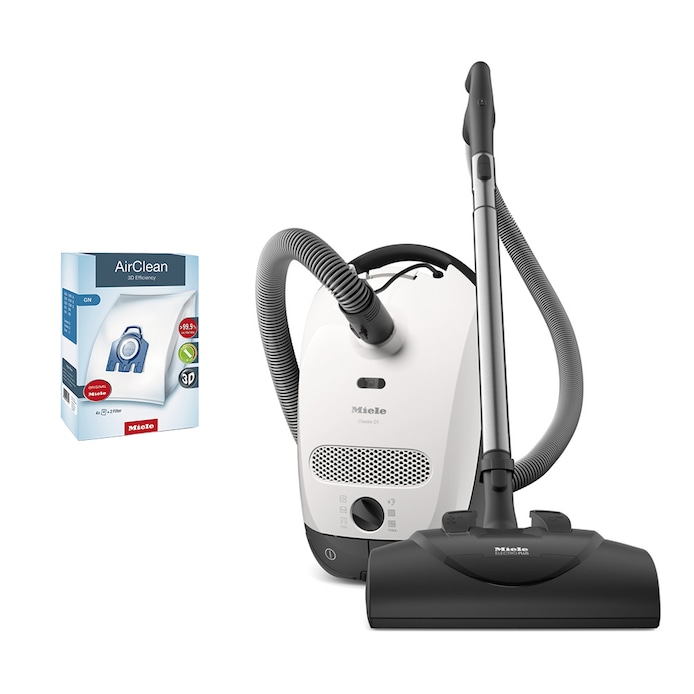
The Miele Classic C1 Cat & Dog is a bagged canister vacuum with a specialized turbo brush that lifts embedded pet hair from carpets and upholstery, while its charcoal filter neutralizes pet odors. It's quiet, durable, and outstanding for allergy sufferers, but bag replacement adds ongoing cost and the cord is shorter than some competitors.
Main limitation: Cord is only 21 feet, and you'll need to buy proprietary dust bags over time.
Skip if: If you prefer a bagless, cordless model for quick periodic cleanups, this isn't the best fit.
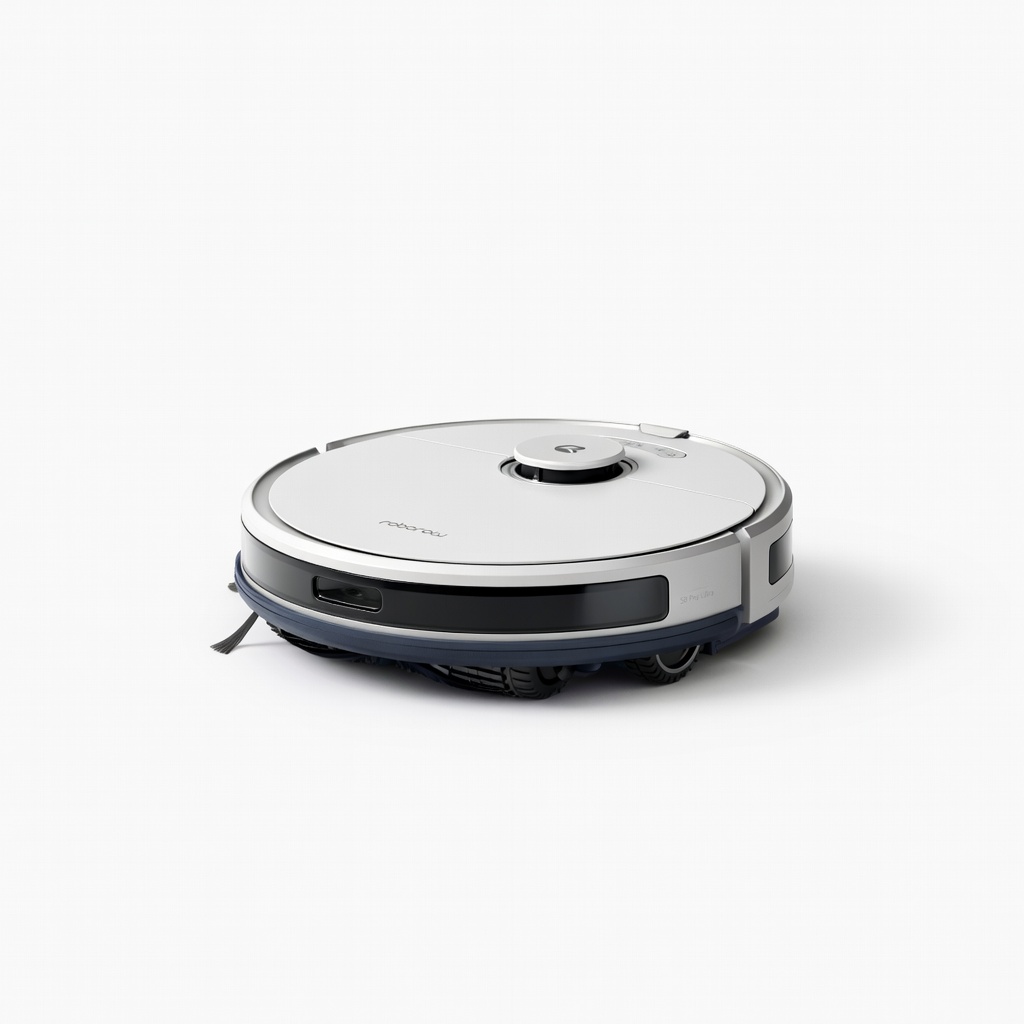
The Roborock S8 Pro Ultra is the closest thing to a fully automated cleaning system: it empties its own dustbin, washes and dries its own mop, and uses LiDAR navigation to map your home with precision. It's pricey and its mopping is more of a damp wipe than a deep scrub, but for daily maintenance with zero effort, it's unmatched.
Main limitation: Very expensive, and the mop function isn't effective on tough dried-on messes or thick carpets.
Skip if: If you have mostly high-pile carpets or need a vacuum for deep cleaning jobs, skip it.
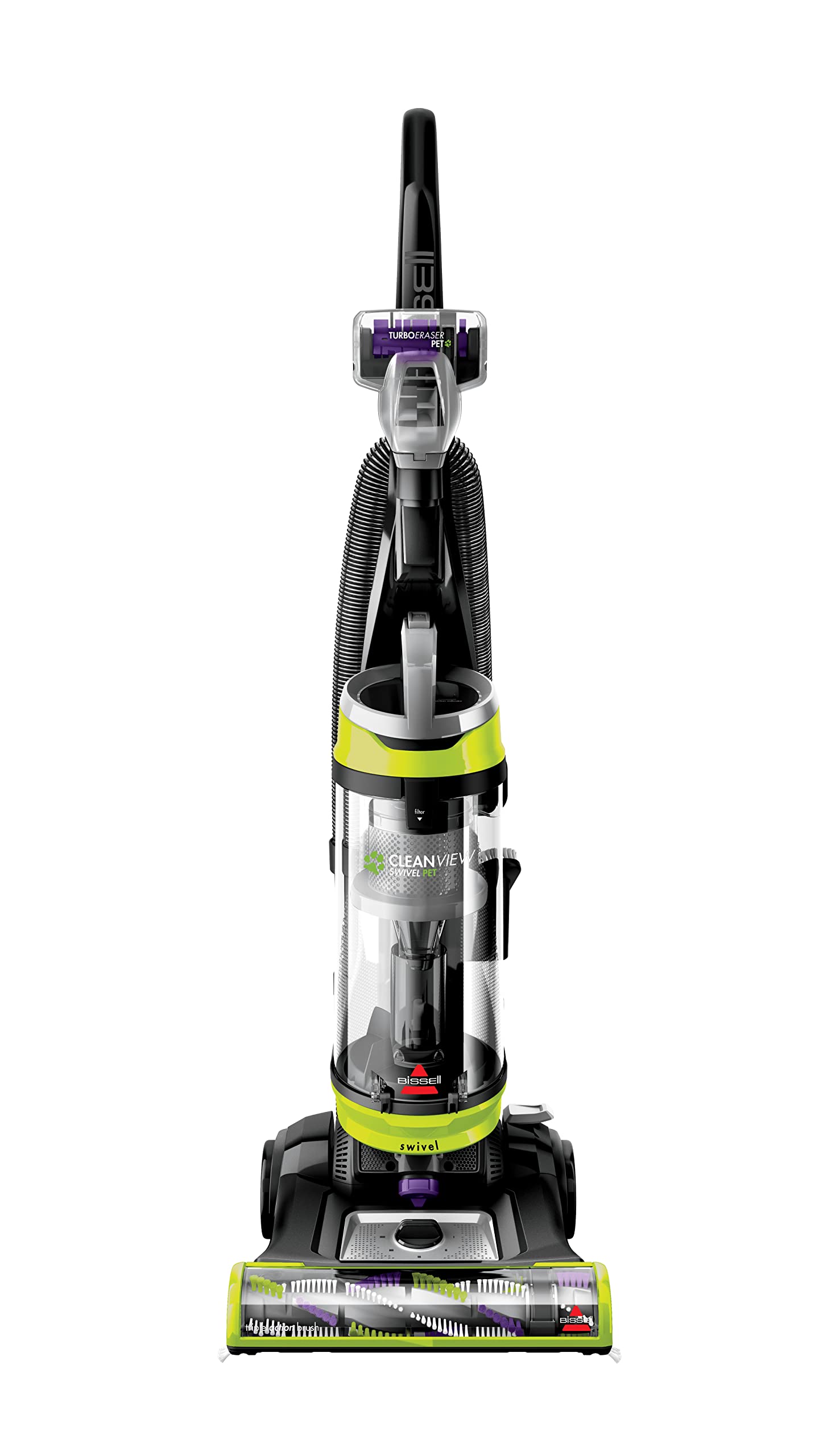
The Bissell CleanView Swivel Pet is a budget-friendly upright that's genuinely effective on pet hair, thanks to its multi-cyclonic suction and a specialized pet hair eraser tool. It's easy to maneuver and comes at a price point that won't hurt, but it's not the most durable vacuum and the filter needs consistent cleaning in high-pet-dander homes.
Main limitation: Build quality is a bit plasticky, and it can be loud on hard floors.
Skip if: If you need a sealed HEPA system for allergies or a vacuum with premium filter media, choose a Miele or Dyson instead.
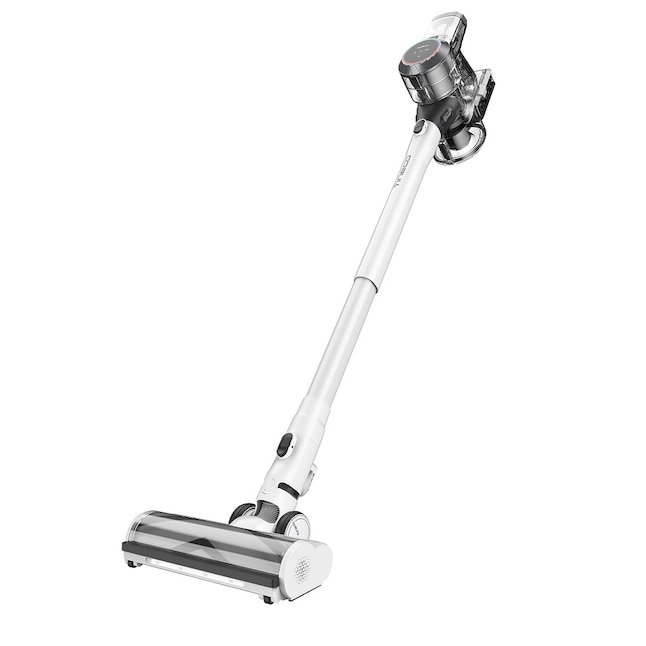
The Tineco Pure One S11 is a lightweight cordless stick with a soft roller that's gentle on hardwood and engineered so hair doesn't tangle. Its iLoop smart sensor automatically increases suction when it detects debris, and it offers a quiet, efficient clean on sealed and unsealed wood. It's less capable on deep pile carpets, and the app can be temperamental.
Main limitation: Soft roller isn't ideal for thick rugs, and the app connection can occasionally drop.
Skip if: If you have wall-to-wall plush carpet, a traditional upright or a stick with a direct-drive brushroll will serve you better.
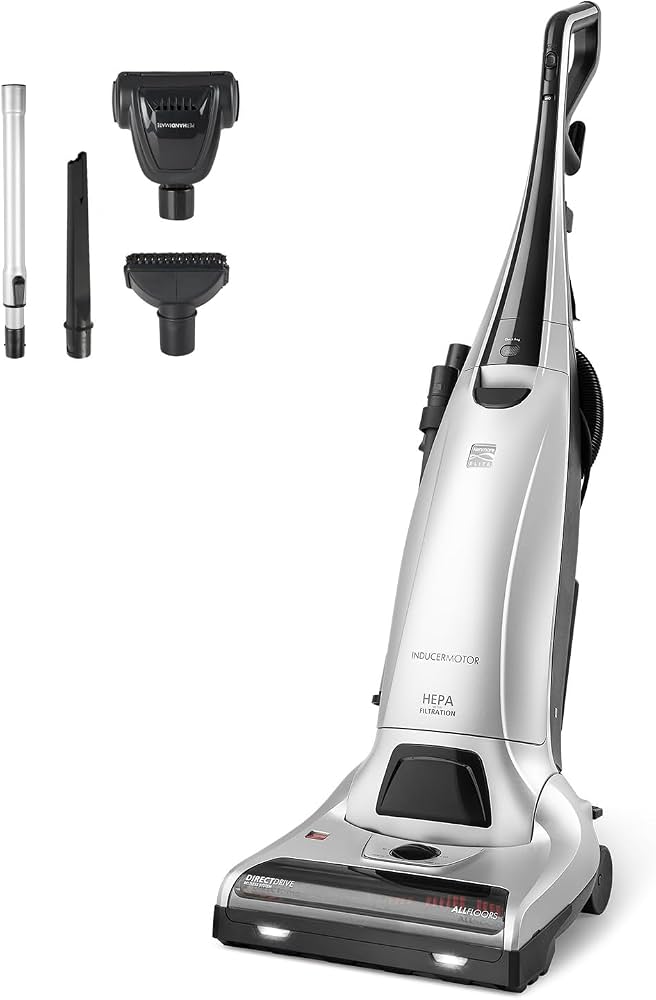
The Kenmore Elite 31150 is a high-capacity corded upright with a powered lift-away pod, a wide cleaning path, and strong suction that handles multiple rooms without frequent emptying. It's built for square footage, with a 28-foot cord and a HEPA filter that captures allergens—but it's heavy and takes up significant storage space.
Main limitation: It's heavy (around 20 lbs) and can be awkward to push/carry up stairs.
Skip if: If you live in a compact apartment or have mobility issues, the weight and size will be a disadvantage.
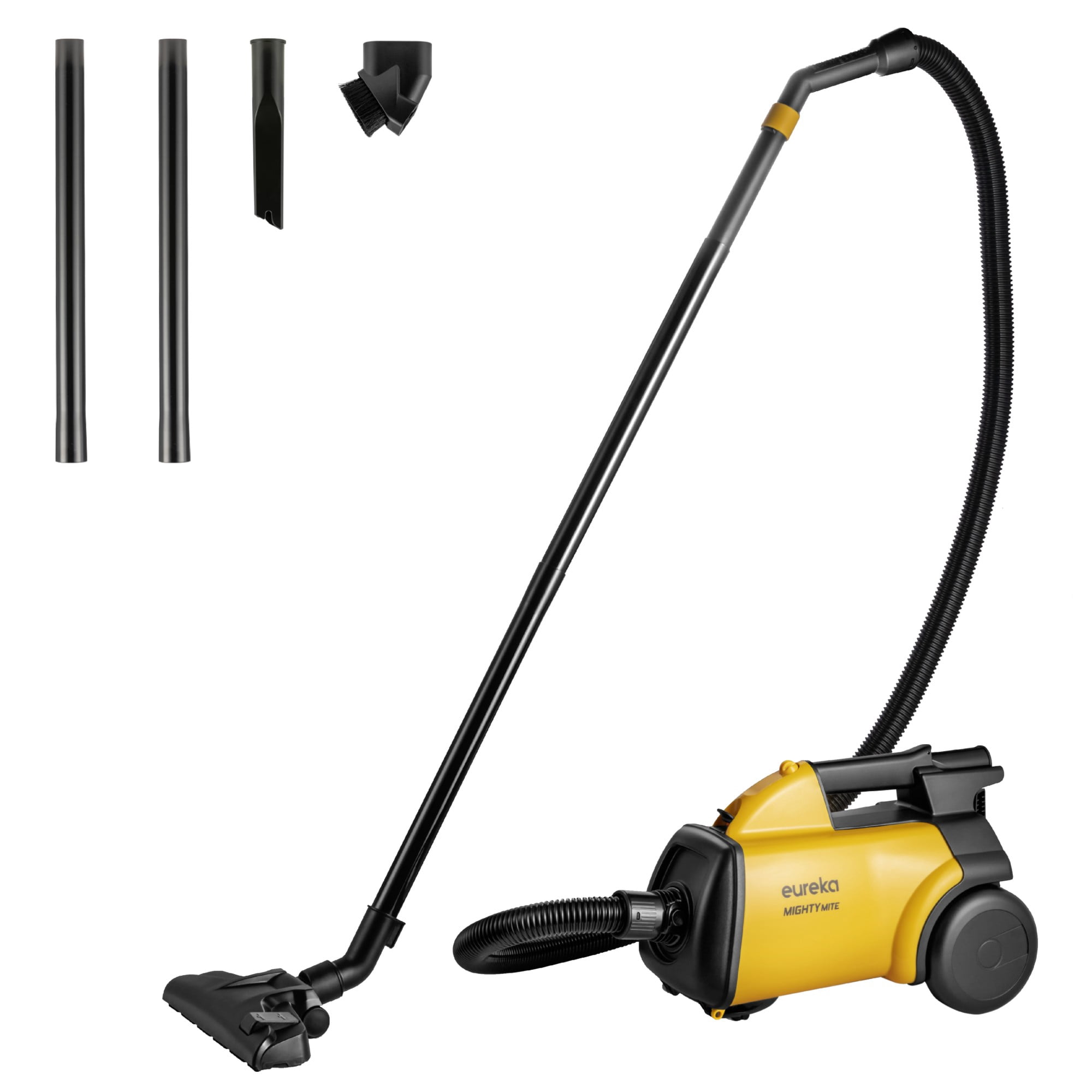
The Eureka Mighty Mite is a compact, lightweight canister vacuum that's incredibly easy to store—you can even hang it on a wall. It has decent suction for hard floors and area rugs, and the bagged design keeps allergens contained. But its lack of a motorized brushroll means it isn't effective on deep carpets, and the plastic build feels basic.
Main limitation: No motorized brushroll for carpet deep-cleaning, and the telescopic wand feels a bit flimsy.
Skip if: If you have wall-to-wall carpet or need a vacuum that can handle pet hair embedded in rugs, opt for an upright or a more powerful canister.
Compare key specs and features of all our recommendations side-by-side
| Product | Recommendation | Rating | Price |
|---|---|---|---|
Dyson V15 Detect Extra Rank #1 | 🏆 Top Pick | 9.0/10 | $749–$849 Check current price → |
Shark Navigator Lift-Away Professional NV352 Rank #2 | 💰 Budget Pick | 8.0/10 | $150–$200 Check current price → |
Miele Classic C1 Cat & Dog Rank #3 | ⭐ Editor's Choice | 8.5/10 | $400–$500 Check current price → |
Roborock S8 Pro Ultra Rank #4 | — | 8.5/10 | $1,400–$1,600 Check current price → |
Bissell CleanView Swivel Pet Upright Vacuum (3301) Rank #5 | — | 7.5/10 | $100–$130 Check current price → |
Tineco Pure One S11 Rank #6 | — | 8.0/10 | $300–$400 Check current price → |
Kenmore Elite 31150 Rank #7 | — | 8.0/10 | $250–$350 Check current price → |
Eureka Mighty Mite Canister Vacuum 3670 Rank #8 | — | 7.5/10 | $100–$140 Check current price → |
Common questions buyers have about this category.
A cordless stick vacuum offers the convenience of grab-and-go cleanup without plugging in, but it usually has a runtime of 20-60 minutes and a smaller dustbin. A corded upright provides unlimited runtime and often stronger suction for deep cleaning carpets, but it's heavier and cord management can be a hassle. In 2026, many cordless models like the Dyson V15 Detect have closed the suction gap, but for large homes or frequent deep cleans, a corded upright remains a strong choice.
In most cases, no. While robots like the Roborock S8 Pro Ultra are excellent at daily maintenance and picking up surface debris, they can't replace the thorough agitation and suction of a full-size vacuum for deep cleaning carpets, reaching tight corners, or dealing with unexpected messes. Most people use a robot to maintain a base level of cleanliness and then use a cordless or upright vacuum for weekly deeper cleanups.
It depends on the vacuum. For bagless models, the washable pre-motor filter should be rinsed every 2-3 months, while the HEPA filter should be replaced once a year or as recommended by the manufacturer. Bagged vacuums have a filter that can last up to 2 years, but you should replace the bag itself when it's about two-thirds full to maintain suction and filtration. Always consult your user manual—regular filter maintenance is vital for strong air flow and allergen containment.
Generally, bagged vacuums provide better filtration because the dust and allergens are compressed into a disposable bag, minimizing exposure when you empty it. They also tend to perform well for allergy sufferers. Bagless vacuums are more convenient and cost nothing per refill, but emptying the bin can release dust into the air if you're not careful. For most families, either type is fine; the best choice is the one that's easiest for you to maintain and use regularly.
A smelly vacuum is often caused by trapped bacteria in the brushroll, filters, or bin. To prevent odors, empty the bin or replace the bag regularly, clean the brushroll every few weeks to remove hair and debris, and wash any washable filters with water and mild soap—but dry them thoroughly before reinstalling. You can also sprinkle a little baking soda on carpets and vacuum it to freshen the vacuum's internals.
For mostly hard floors, look for a vacuum with a soft roller or a brushroll shut-off feature, such as the Tineco Pure One S11 or a cordless stick with a dedicated hard floor head. Avoid vacuums with only a stiff bristle brushroll, as they can scatter dust and scratch wood. Also consider a model with a strong exhaust filter to keep visible dust from being blown around as you clean.
The right budget depends on your needs. You can find excellent cleaners like the Bissell CleanView Swivel for around $100, and the Shark Navigators for $150-$200. For premium cordless sticks or canisters, budget $400-$800. Self-emptying robots can run $1,000 or more. In general, you get what you pay for in terms of suction power, filter quality, and durability, but a $150 vacuum can outperform a $500 model from a different type—so match the machine to your home's challenges, not the price tag alone.
Products we evaluated but did not recommend — and why.
