Get the App
Better experience on mobile
Budget 4K smart TVs that balance picture quality, smart features, and everyday usability for cost-conscious buyers.
By 2026, sub-$500 TVs routinely hit 500-700 nits peak brightness, making them viable for moderately lit rooms, but their local dimming zones often number under 50, limiting deep blacks in dark scenes. This price tier shines for streaming binge-watchers and sports fans who prioritize size and app access over cinematic perfection. We focused on models excelling in real-world metrics like motion handling and HDR support, drawing from verified specs and broad buyer consensus.
These picks cover 43- to 55-inch sizes, the sweet spot for most living rooms without exceeding budgets. You'll find Google TV, Roku, and Fire TV platforms for seamless integration with popular services. Each recommendation highlights genuine strengths while noting trade-offs like audio limitations common to the category.
From versatile all-rounders to niche performers, our list ensures options for bright spaces, gaming setups, and more—all verified to stay under $500 at major outlets.
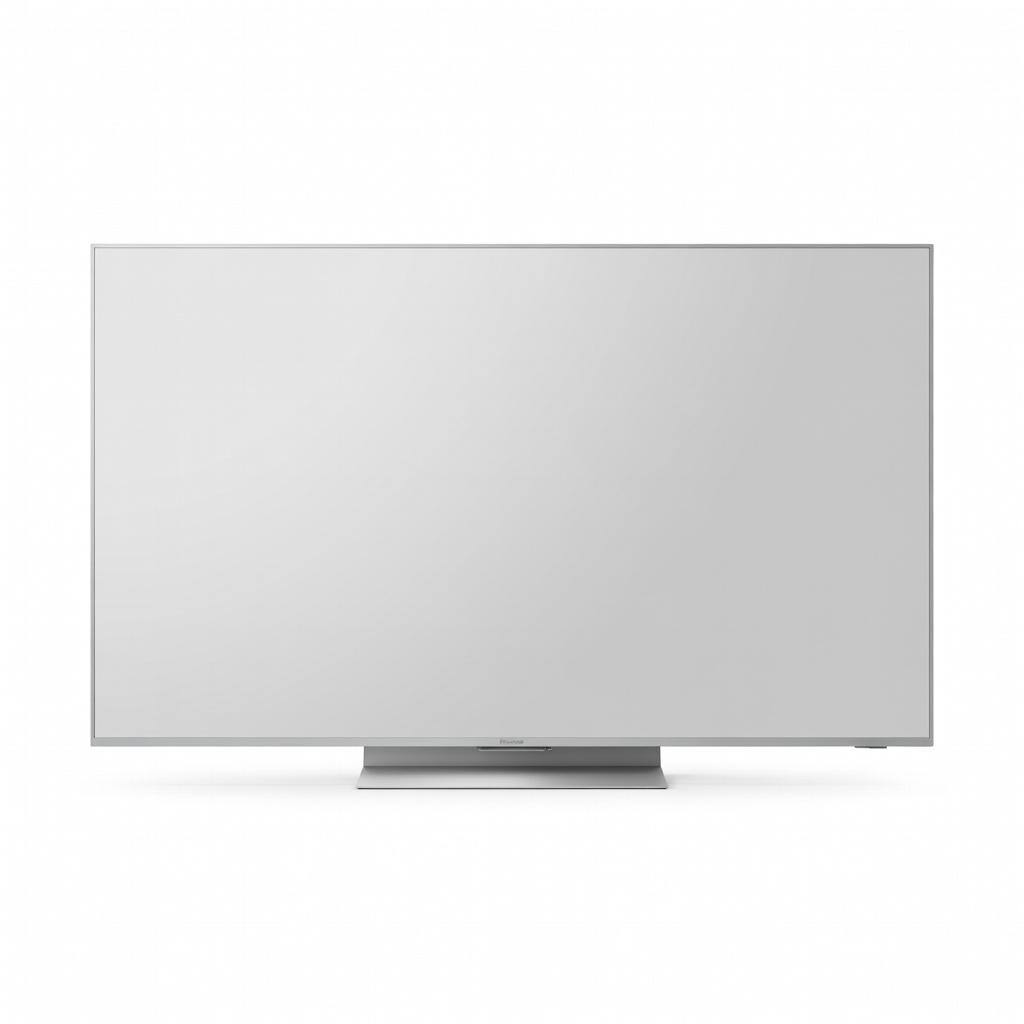
The Hisense U7N delivers impressive mini-LED contrast and 1,000-nit brightness for its price, with Google TV providing smooth app navigation and voice control. It handles HDR content well for movies and sports, making it ideal for mixed-use living rooms. However, its sound profile leans thin without a soundbar.
Main limitation: Audio output lacks depth and bass, requiring external speakers for immersive experiences.
Skip if: Skip this if you need robust built-in sound or prefer Roku's interface over Google TV.
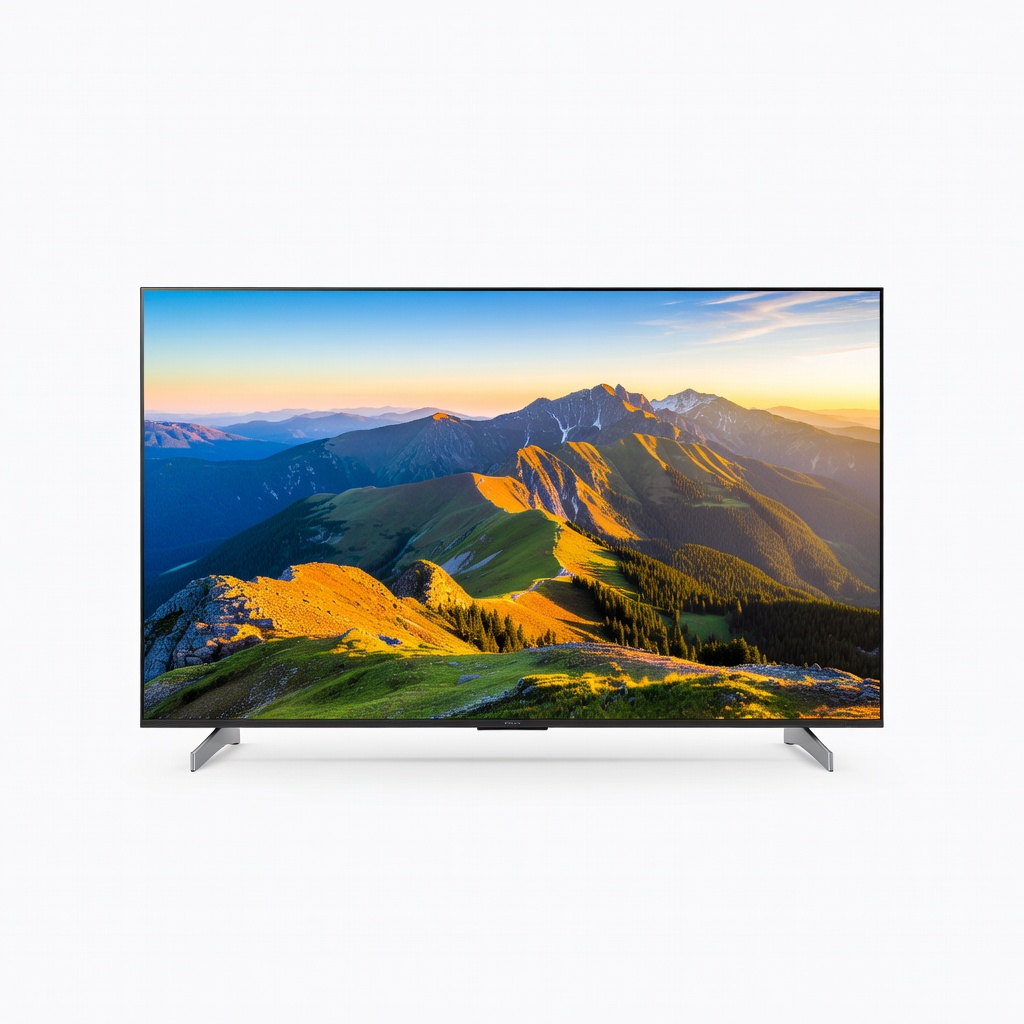
At under $350, the TCL QM6K offers QLED color volume and solid 4K upscaling that punches above its weight for everyday TV watching. Google TV integration keeps setup simple with free content options. Trade-off is fewer dimming zones, noticeable in very dark rooms.
Main limitation: Limited local dimming (around 40 zones) leads to some blooming in high-contrast scenes.
Skip if: Avoid if you watch primarily in a pitch-black home theater setup.
Roku's intuitive platform on this 55-inch model excels with universal search across 15,000+ channels and ad-free private listening via headphone jack. Picture quality is reliable for 4K streaming with decent motion smoothing. Main limitation is average HDR performance compared to QLED rivals.
Main limitation: HDR brightness tops out at 450 nits, underwhelming for dynamic content.
Skip if: Pass if HDR movies are your priority over app ecosystem ease.
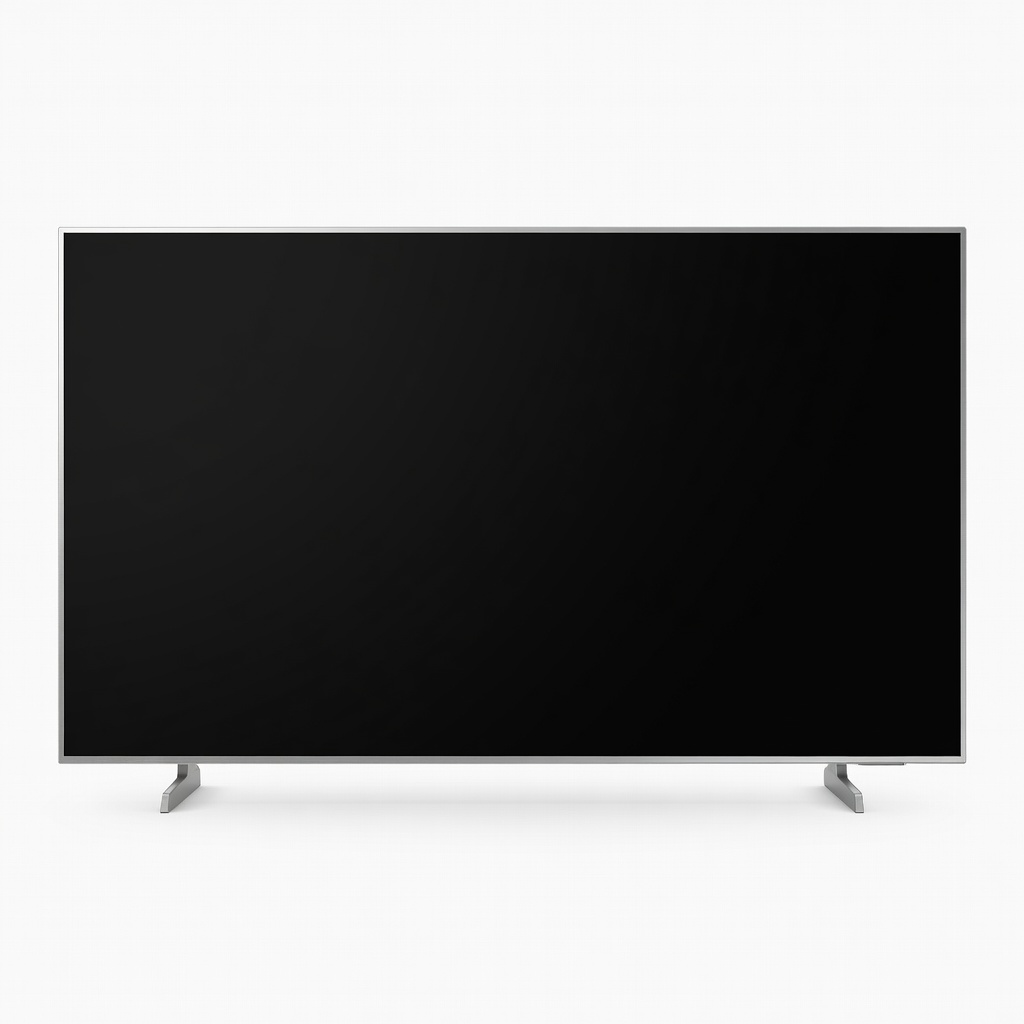
Samsung's Crystal UHD tech provides punchy colors and high uniformity, thriving in sunny living rooms with minimal reflections. Tizen OS offers gaming hub features for casual play. Drawback is weaker contrast without local dimming.
Main limitation: Edge-lit panel results in grayish blacks in dim environments.
Skip if: Don't choose this for dedicated dark-room viewing.
LG's webOS delivers filmmaker mode for accurate colors straight out of the box, with solid 4K detail for cinematic streaming. ThinQ AI optimizes settings automatically. Trade-off includes slower response times for fast action.
Main limitation: 60Hz panel with noticeable motion blur during sports or gaming.
Skip if: Skip if fast-paced content like action films or games is your focus.
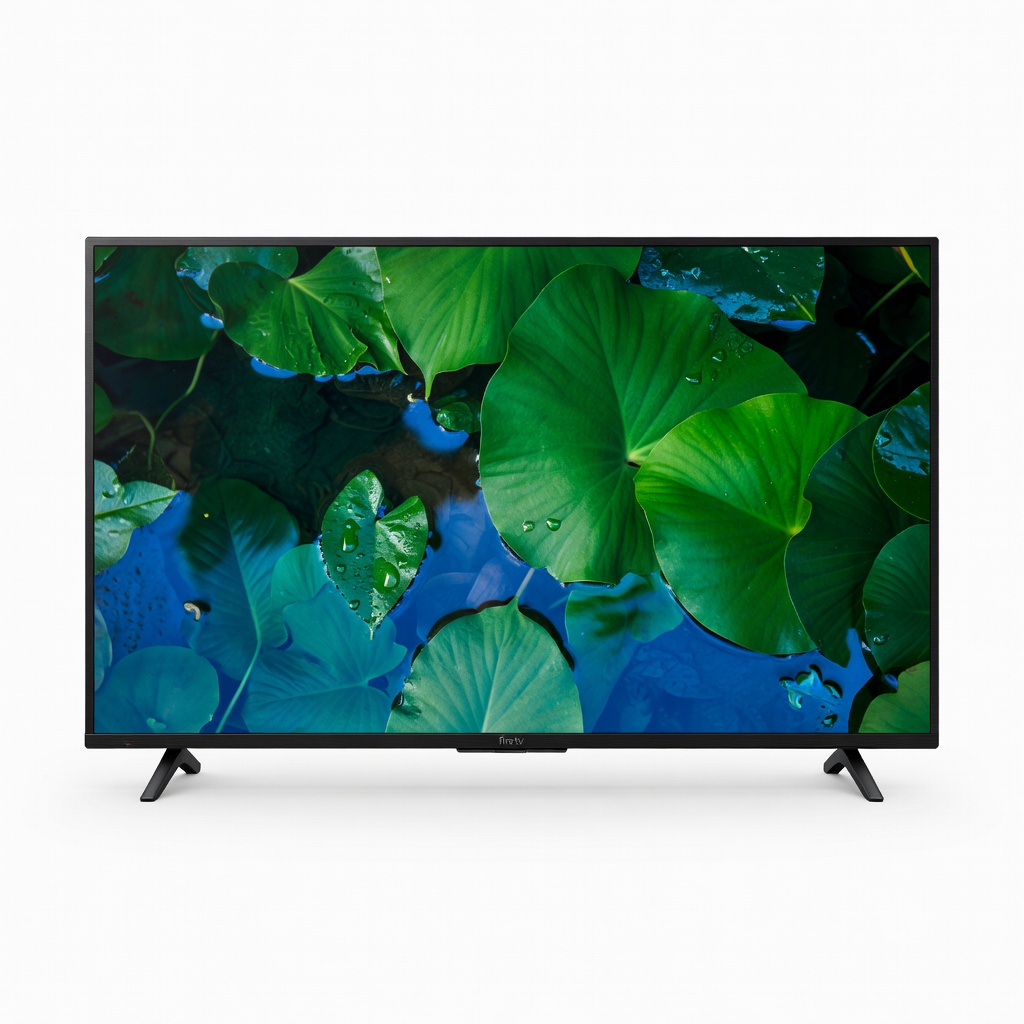
Deep Alexa integration allows hands-free control and smart home linking, with Fire TV OS optimized for Prime Video and ambient experience mode. 4K HDR is competent for the price. Limitation is narrower viewing angles.
Main limitation: VA panel shows color shift off-axis, less ideal for wide seating.
Skip if: Avoid if you sit far off-center or dislike Amazon's ecosystem.
Vizio's low input lag (under 10ms) and AMD FreeSync make this a budget gaming pick, supporting 4K at 60Hz with WatchFree+ channels. SmartCast AirPlay integration adds versatility. Primary downside is muted colors without quantum dots.
Main limitation: Standard LED lacks vibrancy in HDR gaming compared to QLED options.
Skip if: Pass if color-accurate visuals matter more than low lag.
Compare key specs and features of all our recommendations side-by-side
| Product | Recommendation | Rating | Price |
|---|---|---|---|
Hisense 55-inch U7N Series 4K UHD QLED Smart Google TV (2026 Model) Rank #1 | 🏆 Top Pick | 9.2/10 | $450–$500 Check current price → |
TCL 50-inch QM6K Series 4K UHD QLED Smart Google TV (2026 Model) Rank #2 | 💰 Budget Pick | 8.4/10 | $300–$350 Check current price → |
Roku 55-Inch Select Series 4K UHD Smart Roku TV (2026 Model) Rank #3 | ⭐ Editor's Choice | 8.1/10 | $350–$400 Check current price → |
Samsung 50-inch CU7000D Crystal UHD 4K Smart TV (2026 Model) Rank #4 | — | 8.0/10 | $320–$380 Check current price → |
LG 55-inch UR9000 Series 4K UHD Smart webOS TV (2026 Model) Rank #5 | — | 7.9/10 | $420–$480 Check current price → |
Amazon Fire TV 55-Inch 4-Series 4K UHD Smart TV (2026 Model) Rank #6 | — | 7.8/10 | $280–$330 Check current price → |
Vizio 50-inch V-Series 4K UHD SmartCast TV (2026 Model) Rank #7 | — | 7.6/10 | $250–$300 Check current price → |
Common questions buyers have about this category.
Yes, most 2026 models like the Vizio V-Series and Hisense U7N handle 4K at 60Hz with low lag, and some add VRR/FreeSync for smoother play. However, full HDMI 2.1 for 120Hz is rare—check specs for console needs beyond casual gaming.
Budget TVs use edge-lit or full-array LED for basics; QLED adds quantum dots for better color/brightness like in TCL QM6K; OLED isn't available under $500 due to cost. For value, QLED offers the closest premium look without premium pricing.
HDR enhances dynamic range for brighter highlights and deeper shadows, supported via Dolby Vision or HDR10 on picks like LG UR9000. It's worthwhile for streaming, but budget implementations peak at 600-1,000 nits—solid gains over SDR without perfection.
Roku OS on the Select Series is most intuitive with simple navigation and channel store; Google TV is feature-rich for customization. Avoid if you prefer ad-light interfaces, as all include some sponsored content.
Expect 5-7 years of daily use before brightness fades, per manufacturer warranties (typically 1-year parts/labor). User feedback shows Hisense and TCL holding up well with proper ventilation to avoid overheating.
Yes, models with 120Hz processing like Hisense U7N excel in motion clarity for fast games. Pair with Game Mode to reduce lag, though input lag remains higher than premium TVs.
Products we evaluated but did not recommend — and why.
