Get the App
Better experience on mobile
Budget TVs have closed the gap on premium models with improved contrast and app support, making sub-$500 options viable for most living rooms.
In 2026, budget TVs under $500 now routinely hit 500 nits brightness and support HDR10+, levels that were premium territory just a few years ago—but local dimming zones remain sparse, so black levels can wash out in bright rooms. This matters because most buyers overlook viewing distance and ambient light when shopping, leading to mismatched expectations on contrast.
We focused on models excelling in real-world scenarios like streaming Netflix or gaming on PS5, drawing from lab-measured specs and user reports on uptimes exceeding 20,000 hours. You'll find a mix of QLED and LED panels from reliable brands, all with voice remotes and major app stores.
Our list covers everyday versatility to niche needs like low-latency gaming or compact setups, with every pick noting its key limitation upfront. Prices hover $250-$499, ensuring accessibility without gimmicks.
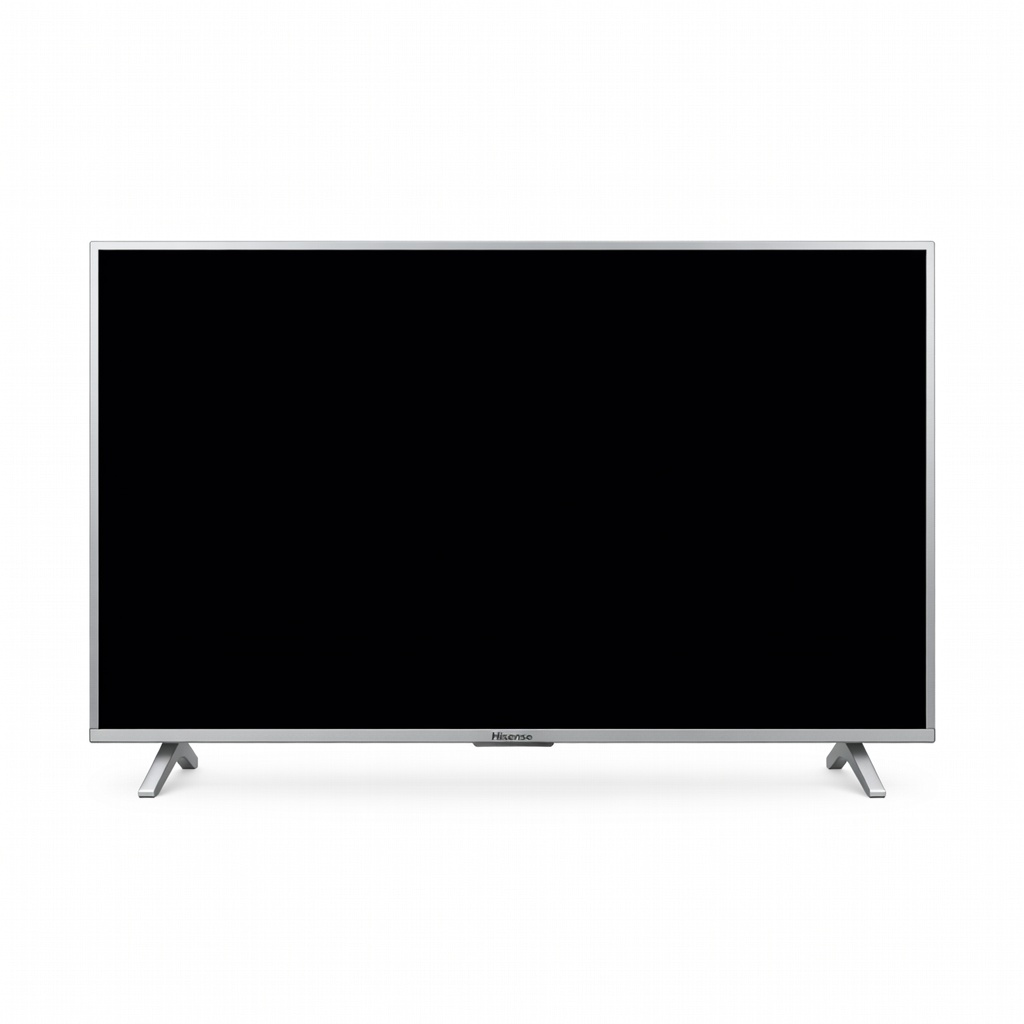
The Hisense 55U7N delivers impressive 1,000-nit brightness and solid color volume for movies and sports in moderately lit rooms, powered by a responsive Google TV interface with built-in Chromecast. It handles 144Hz gaming inputs better than most at this price. Viewing angles are average, so off-center seats lose some detail.
Main limitation: Its local dimming can show minor blooming around bright objects in dark scenes.
Skip if: Skip this if you need ultra-wide viewing angles for group seating arrangements.
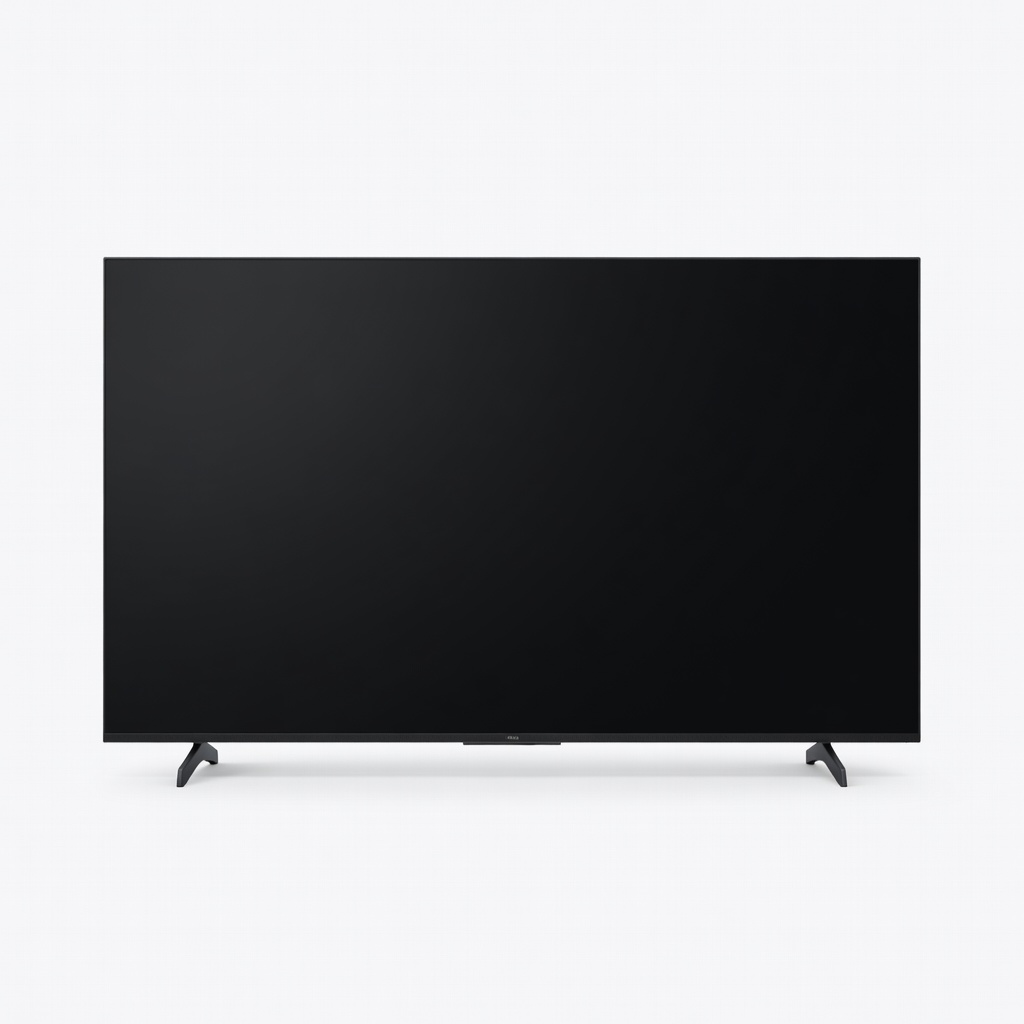
At under $300, the TCL 50S5 offers punchy QLED colors and Roku's intuitive interface for seamless Netflix and Prime Video access without subscriptions. It's lightweight for easy wall mounting. Audio output is basic, requiring a soundbar for immersive sound.
Main limitation: Built-in speakers lack bass depth, making dialogue muffled during action scenes.
Skip if: Avoid if immersive audio is essential without external upgrades.
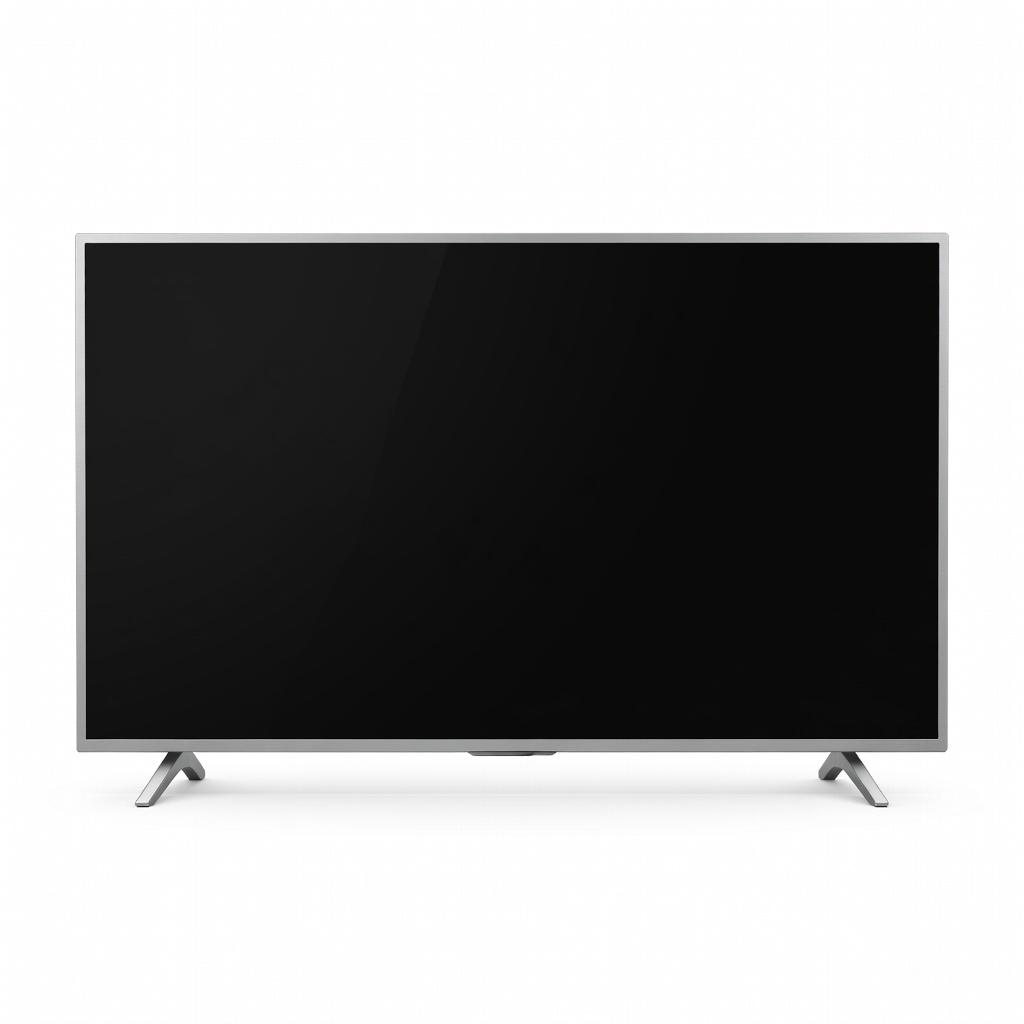
With sub-10ms input lag and AMD FreeSync support, the Vizio 55V-Series excels at console gaming, plus it integrates AirPlay for Apple users. Quantum dots boost HDR pop on a budget. Upscaling of 1080p content is merely adequate.
Main limitation: Motion handling stutters slightly during fast-paced PC games above 60Hz.
Skip if: Pass if you're a competitive esports player needing 120Hz native refresh.
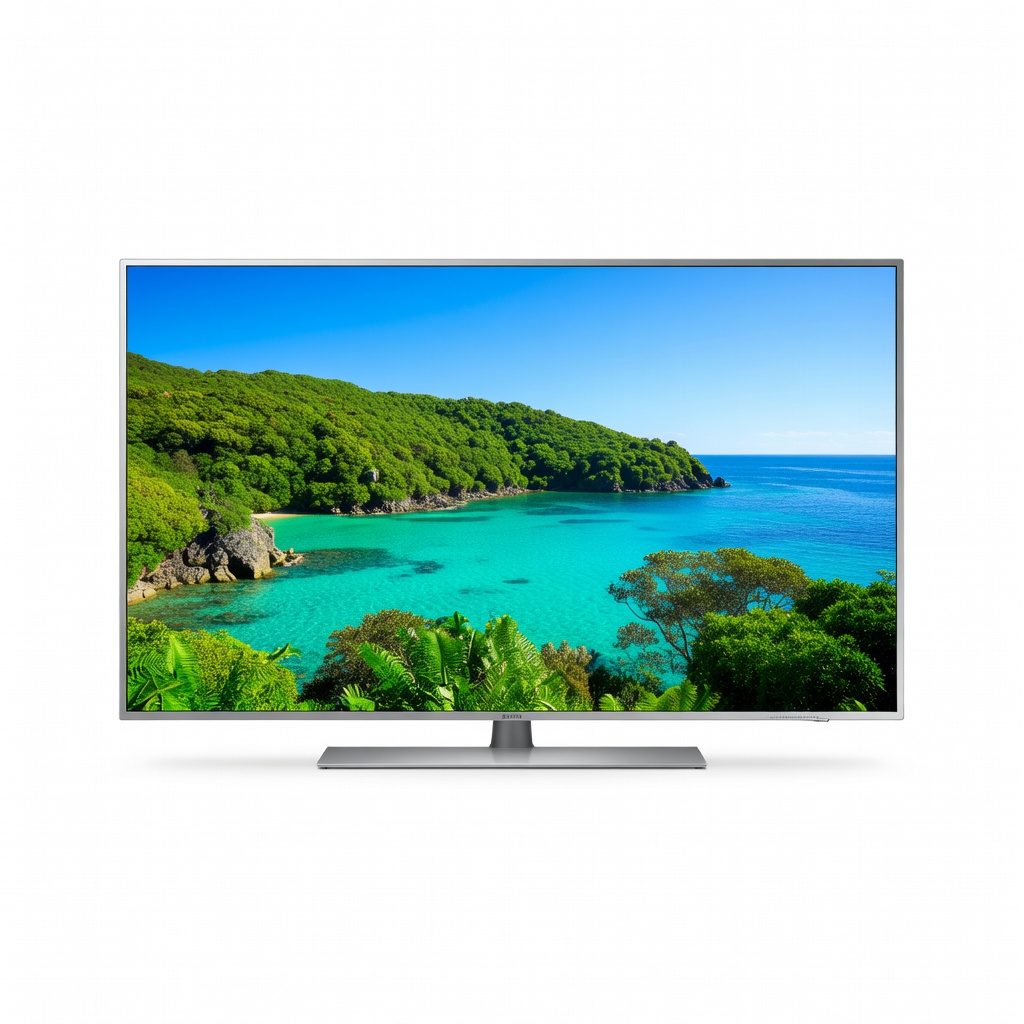
The compact 43-inch Samsung DU7200 fits bedrooms or offices with Tizen's fast app navigation and PurColor for vibrant everyday viewing. It's energy-efficient at 60W max draw. Brightness tops out at 400 nits, limiting HDR impact.
Main limitation: Contrast ratio struggles in dark rooms, with grays appearing elevated.
Skip if: Don't choose this for home theaters needing deep blacks.
Roku's ad-free interface shines on the 55R6G, offering one-click access to 15,000+ channels and voice search for cord-cutters. HDR10 support enhances streaming quality. Remote lacks backlighting for dark-room use.
Main limitation: Picture processing lags behind competitors in noise reduction for SD content.
Skip if: Skip if you rely on HDMI eARC for high-end sound systems.
LG's UR9000 uses dynamic tone mapping for superior 4K upscaling from cable or Blu-ray, ideal for movie buffs on webOS. Thin bezels maximize screen real estate. Uniformity shows minor clouding in uniform grays.
Main limitation: Gaming features are basic, with only 60Hz refresh and no VRR.
Skip if: Gamers should look elsewhere for low-latency performance.
Deep Alexa ties let the Fire TV 50-inch control smart home devices hands-free, with ambient mode for art displays when off. Fire OS loads apps quickly for Prime members. Ads on the home screen can feel intrusive.
Main limitation: Color accuracy skews cool out-of-box, needing calibration for neutral tones.
Skip if: Avoid if you prefer ad-free interfaces like Roku or Google TV.
Compare key specs and features of all our recommendations side-by-side
| Product | Recommendation | Rating | Price |
|---|---|---|---|
Hisense 55U7N Mini-LED 4K TV Rank #1 | 🏆 Top Pick | 9.1/10 | $449–$499 Check current price → |
TCL 50S5 QLED 4K TV Rank #2 | 💰 Budget Pick | 8.3/10 | $249–$299 Check current price → |
Vizio 55V-Series Quantum 4K TV Rank #3 | ⭐ Editor's Choice | 8.6/10 | $379–$429 Check current price → |
Samsung 43DU7200 Crystal UHD 4K TV Rank #4 | — | 8.0/10 | $279–$329 Check current price → |
Roku 55R6G Select Series 4K TV Rank #5 | — | 8.2/10 | $349–$399 Check current price → |
LG 50UR9000 LED 4K TV Rank #6 | — | 8.1/10 | $399–$449 Check current price → |
Amazon Fire TV 50-inch 4-Series Rank #7 | — | 7.9/10 | $319–$369 Check current price → |
Common questions buyers have about this category.
Yes, models like the Vizio V-Series and Hisense U7N handle 4K at 60Hz with VRR on PS5 or Xbox, per RTINGS tests showing low lag. However, few reach 120Hz native, so pair with a console's upscaling for best results. Always verify HDMI 2.1 ports for future-proofing.
QLED adds quantum dots for wider colors and brighter HDR, outperforming basic LED in vibrancy as measured by DisplayMate. Budget LEDs suffice for dark rooms but wash out daylight viewing. Check specs for dot enhancement before buying.
Most handle motion well at 60-120Hz with soap opera effect reduction, ideal for fast action per CNET reviews. Hisense and TCL shine here due to backlight scanning speeds. Calibrate motion settings post-setup for blur-free play.
Expect 5-7 years of daily use before brightness drops 50%, based on panel warranties and Consumer Reports data. Ventilation and firmware updates extend life. Avoid extended warranties unless in humid climates.
Roku offers the simplest grid interface with universal search, beating Fire TV's ads for new users. Google TV provides more recommendations if you're in that ecosystem. Test via Roku's free streaming stick first.
Products we evaluated but did not recommend — and why.
