Get the App
Better experience on mobile
Get the best products related to our top picks
In 2024, selecting the right TV for gaming is more crucial than ever, as modern consoles like the PS5 and Xbox Series X demand high-performance displays to deliver immersive experiences without lag or visual artifacts. Gamers need TVs that support features like 4K resolution at 120Hz refresh rates, Variable Refresh Rate (VRR) to sync with frame rates, Auto Low Latency Mode (ALLM) for instant switching to game mode, and HDMI 2.1 ports for full bandwidth. Poor choices can result in screen tearing, input lag over 20ms, or washed-out HDR colors, ruining fast-paced action in games like Cyberpunk 2077 or Call of Duty. With gaming TVs ranging from budget options under $500 to premium behemoths over $4,000, the market offers something for every setup—whether you're a casual player on a tight budget or a competitive enthusiast with a dedicated home theater.
Budget TVs prioritize affordability and basic 4K HDR support but often skimp on advanced gaming tech, leading to higher input lag (30-50ms) and 60Hz limits. Premium models, conversely, excel with mini-LED backlighting for superior contrast, 144Hz panels, and low-latency processing (under 10ms), justifying their cost for serious gamers seeking buttery-smooth 4K/120fps gameplay. This guide compares these approaches head-to-head, helping you balance performance, size, and price.
By reading this, you'll learn key gaming features to evaluate, budget breakdowns, common pitfalls, and detailed reviews of top contenders: the value-packed Hisense 55R6030N 55" Roku TV ($399.99), the versatile Samsung 75" Crystal UHD ($727.99), the massive Hisense 100" ULED ($2,497.99), the bundled LG 55" QNED82A with soundbar ($1,143.98), and the flagship Sony 98" Bravia Mini LED ($4,320). We'll highlight pros, cons, and who each suits best, empowering you to pick a TV that elevates your gaming without buyer's remorse. Whether upgrading from an old set or building a new rig, this 2024 guide ensures informed decisions for peak play. (Word count: 278)
When shopping for gaming TVs in 2024, focus on specs that directly impact responsiveness and visuals. Here are 7 essential features:
Refresh Rate and Motion Handling: Aim for at least 120Hz native refresh rate to match console outputs for smooth gameplay. Higher rates (up to 144Hz) reduce motion blur in fast games. Compare panels: OLEDs like some LG models offer near-instant response times (0.1ms), while LED/QLED (e.g., Samsung Crystal) hit 1-5ms.
Input Lag: Critical for competitive gaming; under 15ms is ideal. Test in game mode—budget Hisense models may clock 20-30ms, while premium Sony Bravias drop below 10ms, ensuring precise controls in shooters.
HDMI 2.1 Support: Essential for 4K@120Hz, VRR, and ALLM. Not all TVs have full 4 ports; the LG QNED bundle includes optimized ports, unlike basic Roku TVs that may limit to 60Hz.
HDR Formats and Brightness: Dolby Vision or HDR10+ enhances dynamic range. Peak brightness over 1,000 nits combats glare—Hisense ULED hits 1,500 nits for vivid explosions, outperforming dimmer Crystal UHDs at 500-700 nits.
VRR and ALLM: VRR (FreeSync/G-Sync) eliminates tearing; ALLM auto-activates low-latency. Premium picks like Sony support both, while budget options like the Hisense 55" Roku may lack VRR.
Panel Type and Contrast: Mini-LED (Sony, Hisense 100") offers deep blacks without burn-in risk vs. OLED. QNED (LG) blends quantum dots for color accuracy, beating standard LED in gamut coverage (95% DCI-P3).
Smart Features and Connectivity: Roku/Google TV for easy app access, plus Wi-Fi 6 and Bluetooth. Gaming extras like cloud saves via built-in apps matter—Samsung's Tizen integrates Xbox Game Pass seamlessly.
Gaming TVs in 2024 span $400-$4,300, divided into tiers:
Entry-Level ($400-$800): Like the Hisense 55R6030N ($399.99) or Samsung 75" Crystal ($727.99). You get 4K HDR basics, 60Hz panels, and Roku/Tizen smarts. Input lag hovers at 20-40ms, suitable for casual gamers. Trade-offs: No full HDMI 2.1 or VRR, and lower brightness (400-600 nits). Ideal for apartments or secondary setups.
Mid-Range ($800-$1,500): The LG 55" QNED bundle ($1,143.98) shines here. Expect 120Hz, partial HDMI 2.1, VRR, and 800-1,200 nits brightness. Bundles add value (e.g., soundbars for immersive audio). Better for mixed use—gaming plus movies—without premium pricing.
Premium ($2,000+): Hisense 100" ULED ($2,497.99) and Sony 98" Bravia ($4,320) deliver full specs: 144Hz, mini-LED for 2,000+ nits, and pro gaming modes. Massive sizes suit home theaters, but they demand space and power. You pay for future-proofing, like 8K upscaling and AI processing.
Factor in bundles (HDMI cables, protection plans) that add $50-200 value, and check for sales—Black Friday can slash 20-30%.
The sweet spot for most gamers is mid-range ($800-$1,500), where you snag 90% of premium performance at half the cost. The LG QNED bundle exemplifies this: 120Hz VRR and Dolby Vision for fluid Fortnite sessions, bundled audio elevating explosions, all under $1,200—versus the Sony's $4,320 for marginal gains in brightness (2,000 vs. 1,000 nits) unless you game in bright rooms.
Budget picks like the Hisense 55" offer 80% value for casual play (solid 4K HDR at $400), but lag in esports (no 120Hz). Premiums justify expense for enthusiasts: The Hisense 100" provides theater-scale immersion with low 8ms lag, outpacing smaller premiums. Prioritize needs—if size matters, scale up; for responsiveness, invest in Hz over inches. ROI peaks when matching TV to console—PS5 owners favor Sony's ecosystem integration.
Ignoring Input Lag: Buying based on size alone; test reviews—avoid 50ms+ models for twitch shooters, as they feel sluggish compared to sub-15ms rivals.
Overlooking HDMI Specs: Assuming all 4K TVs support 120Hz; many budget units cap at 60Hz via HDMI 2.0, bottlenecking next-gen games.
Neglecting Room Setup: Huge screens (98-100") in small rooms cause eye strain; measure viewing distance (1.5-2x diagonal) to prevent immersion loss.
Skipping Game Mode Checks: Default picture settings add 50ms lag; always verify ALLM/VRR support, or you'll miss sync benefits.
Forgetting Audio: Flat TV speakers ruin gaming audio; bundles like LG's soundbar fix this, unlike bare-bones Hisense models needing external upgrades.
Our top 3 picks cater to different gamers:
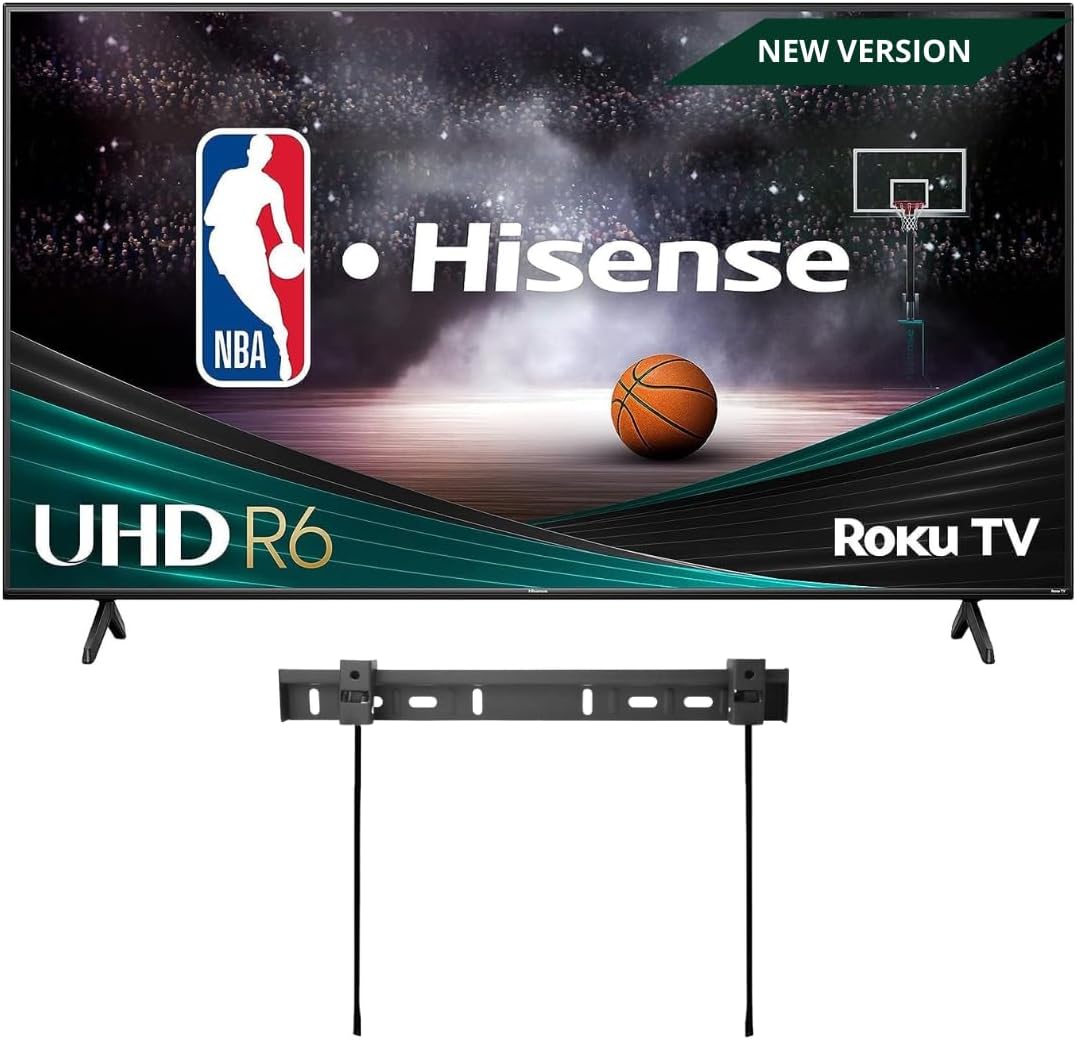
Hisense 55R6030N ($399.99): Best for budget-conscious casual gamers. Affordable 4K Roku TV with HDR10 and low 25ms lag—great entry for PS5 basics, though no VRR. Ideal for small spaces.
Samsung 75" Crystal UHD ($727.99): Best for value seekers wanting big screens. 120Hz support and Tizen apps make it versatile for mixed gaming/streaming, with solid 15ms lag—suits families over solo pros.
Sony 98" Bravia Mini LED ($4,320): Best for premium enthusiasts. Full HDMI 2.1, 144Hz VRR, and 2ms lag deliver pro-level performance on a massive scale—perfect for dedicated setups, despite the cost. (Word count: 712)
For optimal 2024 gaming, target at least 120Hz to match PS5/Xbox outputs for 4K/120fps games like Gran Turismo 7. 60Hz suffices for casual play but causes stutter in action titles. Premiums like the Sony Bravia hit 144Hz with VRR to eliminate tearing, while budgets like the Hisense 55R6030N stick to 60Hz—fine for turn-based RPGs but not shooters.



Compare key specs and features of all our recommendations side-by-side
| Product | Recommendation | Rating | Price |
|---|---|---|---|
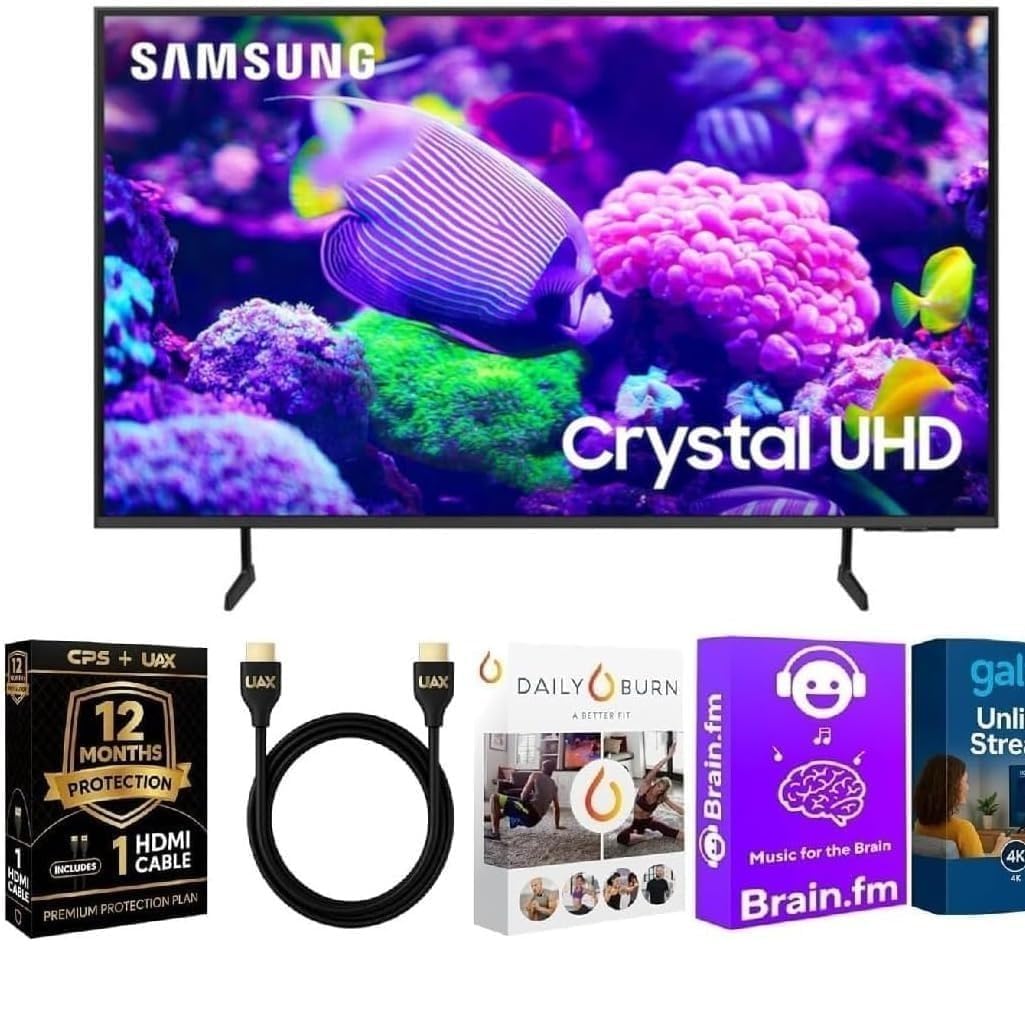 Samsung 75 inch Class Crystal Series LED 4K UHD Smart TV with Streaming Bundle HDMI Cable and 12 Month CPS Protection Plan for Brilliant Clarity and Smart Entertainment Rank #1 | 🏆 Top Pick | — | |
 Hisense 55R6030N 55" Class R6 V-2025 Series 4K UHD Smart Roku TV – HDR10, Dolby Audio, Voice Remote, Streaming Apps and Wall Mount Included Rank #2 | 4.1 4.1 | ||
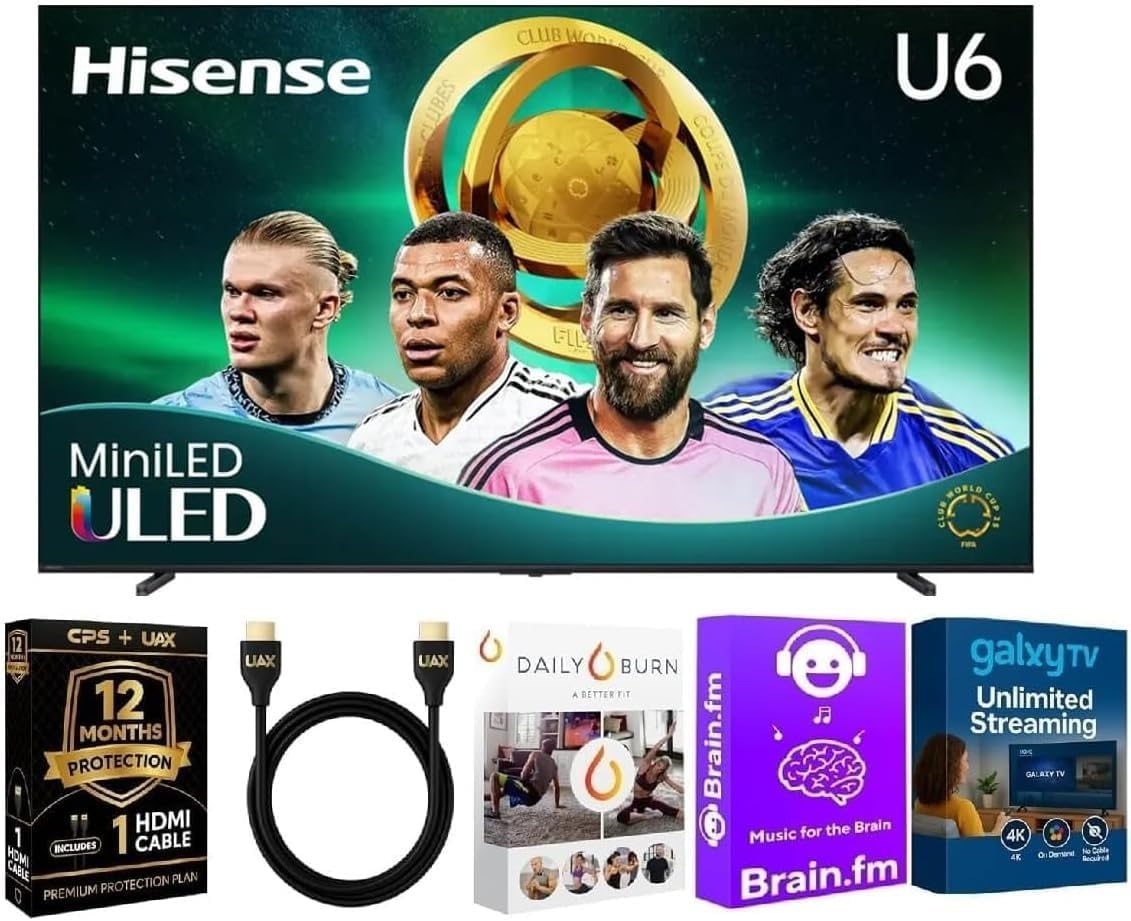
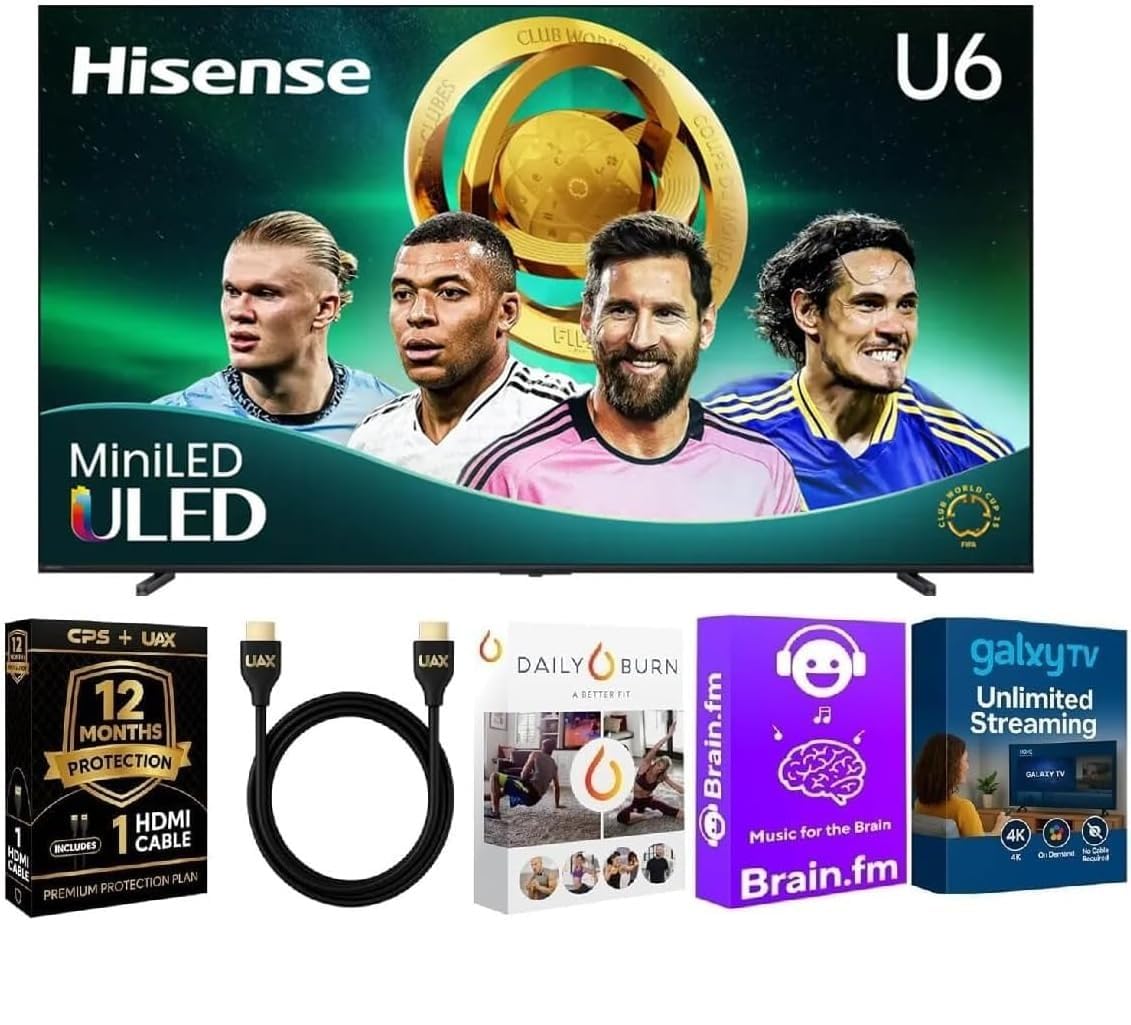 Hisense 100 Inch Class 4K ULED Smart TV HDR Quantum Dot Dolby Vision Atmos HDMI Cable Streaming Bundle WiFi Bluetooth Voice Remote CPS 12 Month Protection Rank #3 | — | — | |
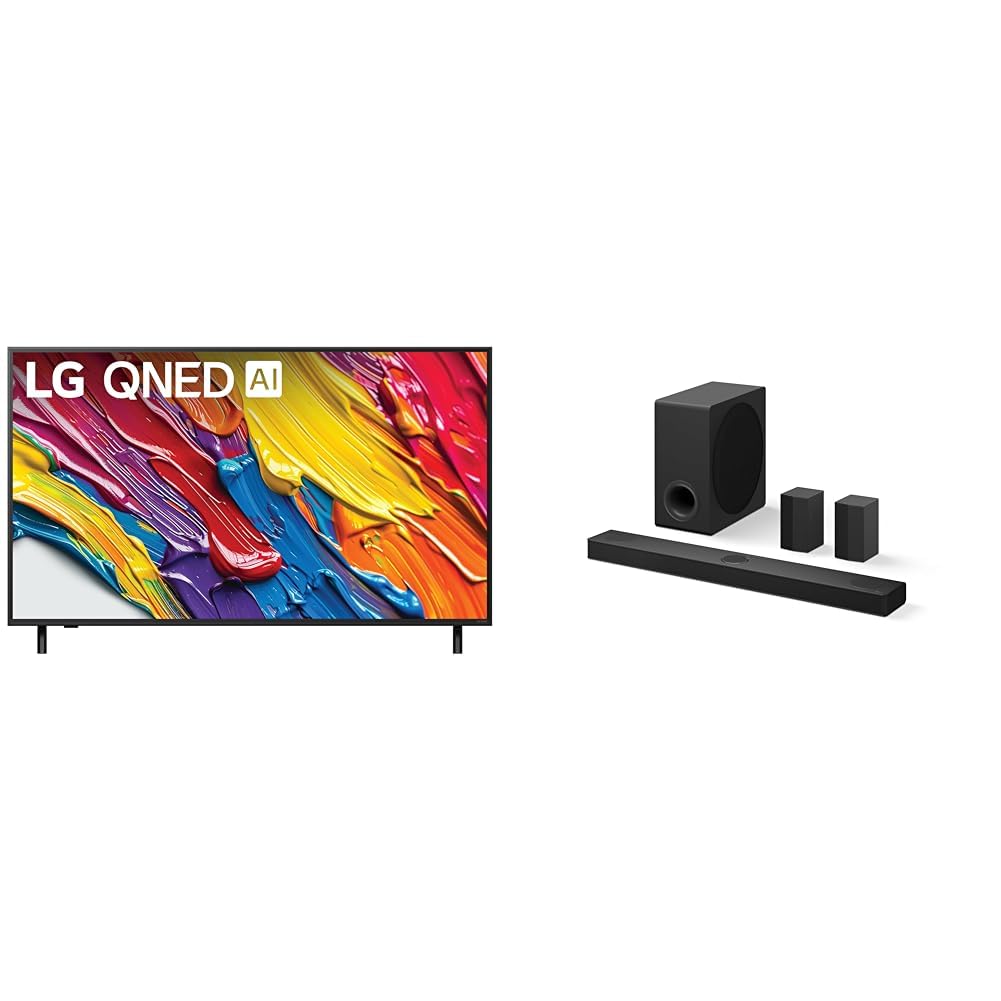 LG 55-Inch Class QNED AI 4K QNED82A Series Smart TV (55QNED82AUA, 2025) S80TR 5.1.3 ch. Matching Home Theater Soundbar with Rear Surround Speakers and Wireless Subwoofer (2024 Model) Rank #4 | — | — | |
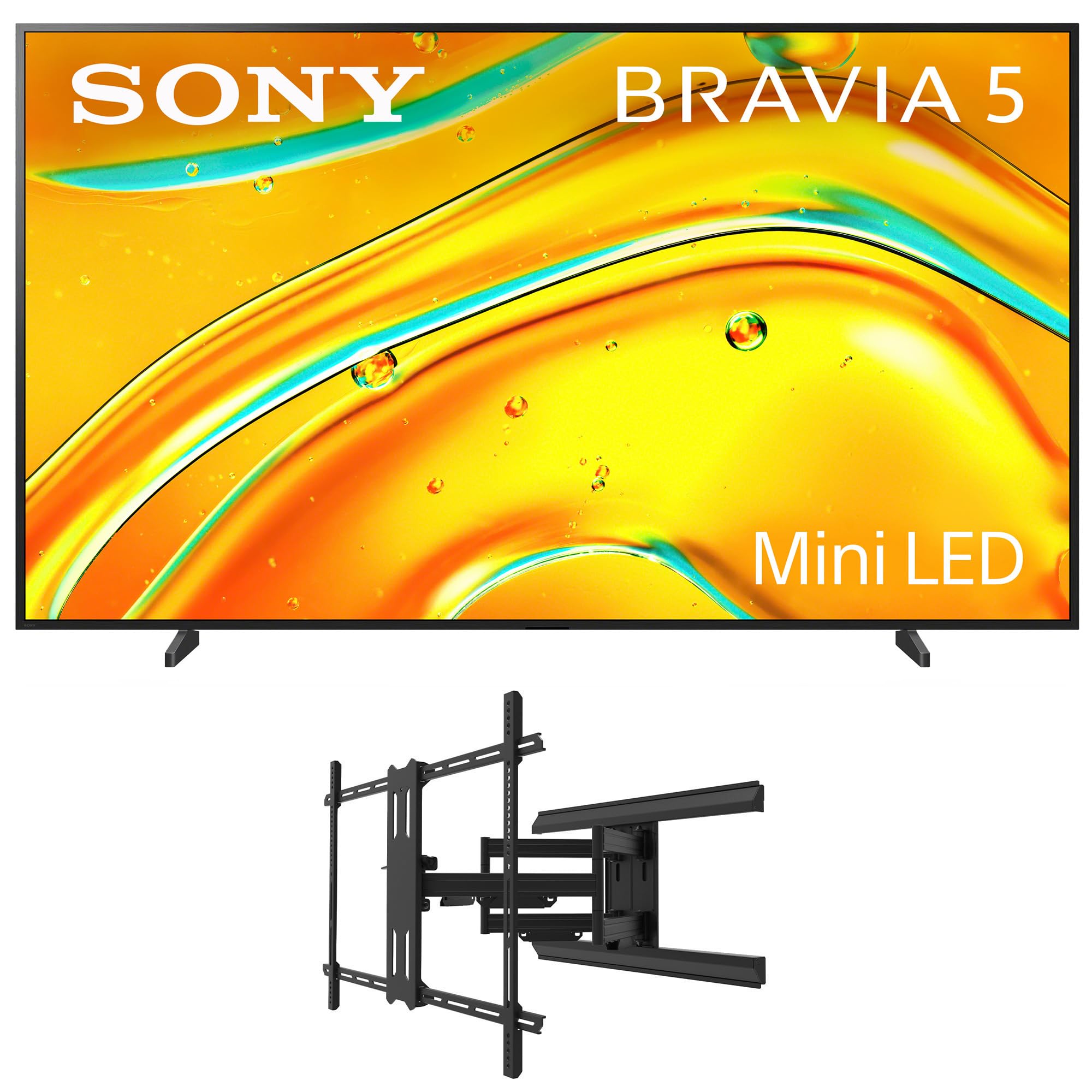 SONY K98XR50 98 Inch Bravia Mini LED 4K HDR TV with a Kanto PMX800 Full Motion Dual Stud Mount (2025) Rank #5 | 💰 Budget Pick | — |
