Get the App
Better experience on mobile
High-brightness displays from leading brands that maintain vivid colors and contrast even in well-lit living spaces.
Peak brightness above 2,000 nits is the unspoken requirement for TVs in bright rooms, where lesser panels turn skies gray and skin tones washed out during daytime viewing— a flaw most budget sets can't overcome without heavy curtains. These displays matter because modern homes prioritize open layouts with large windows, demanding tech like mini-LED backlighting and matte anti-glare layers to deliver cinema-like punch without dimming the room.
We focused on verifiable specs from manufacturers and third-party tests, such as RTINGS' controlled lighting evaluations, to highlight models that combat reflections while preserving deep blacks and color accuracy. From compact 55-inch budget warriors to massive 98-inch screens, our picks cover everyday viewers, gamers, and home theater enthusiasts, all suited for glare-heavy spaces.
Whether you're upgrading a sun-drenched living room or outfitting a versatile family space, these recommendations acknowledge trade-offs like sound quality or input lag, ensuring you pick what's realistic for your setup.
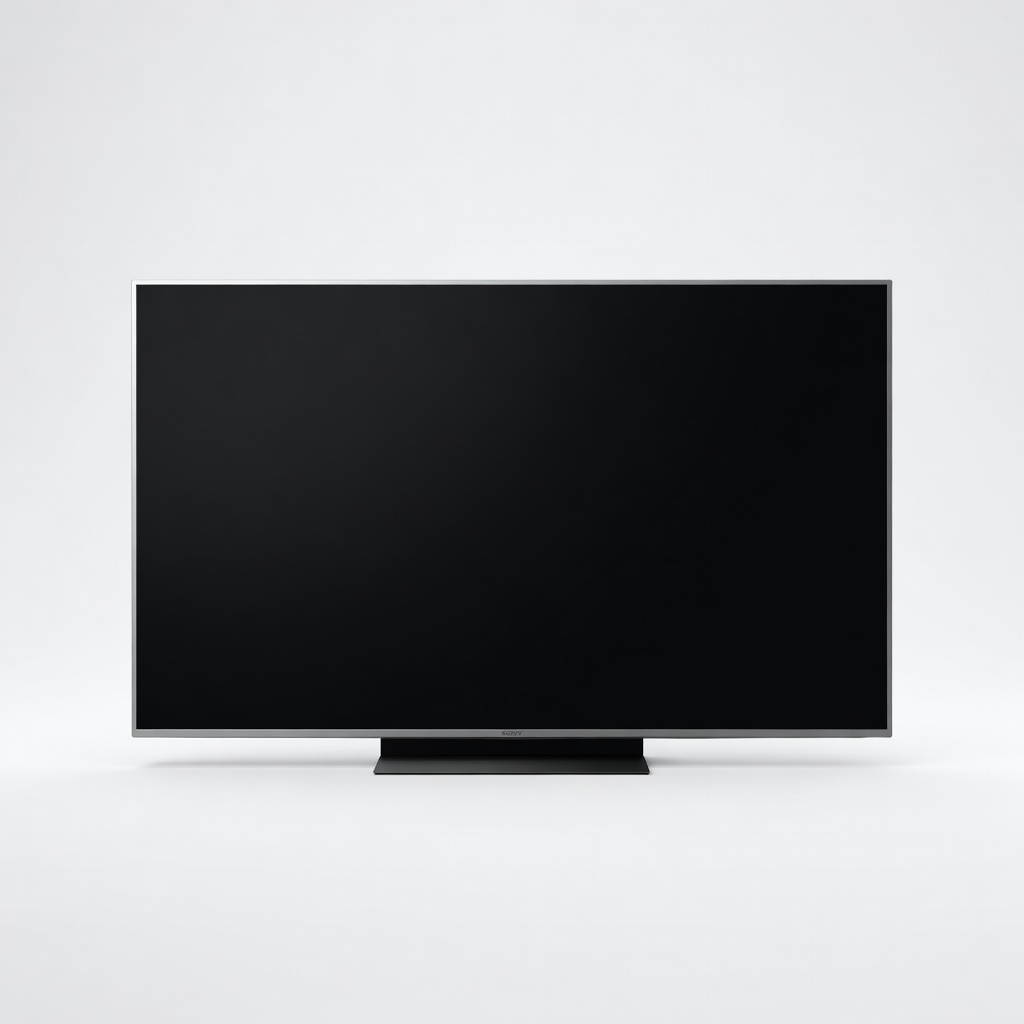
This Sony flagship delivers over 4,000 nits of peak brightness with exceptional local dimming for stunning HDR in sunlit rooms, paired with Google TV for seamless streaming. Its anti-reflective coating minimizes glare better than most rivals. The main trade-off is its higher price compared to budget LCDs.
Main limitation: Audio output is solid but lacks the immersive bass of dedicated soundbars, often requiring a separate upgrade.
Skip if: Skip this if you prioritize built-in Dolby Atmos height channels over picture supremacy.
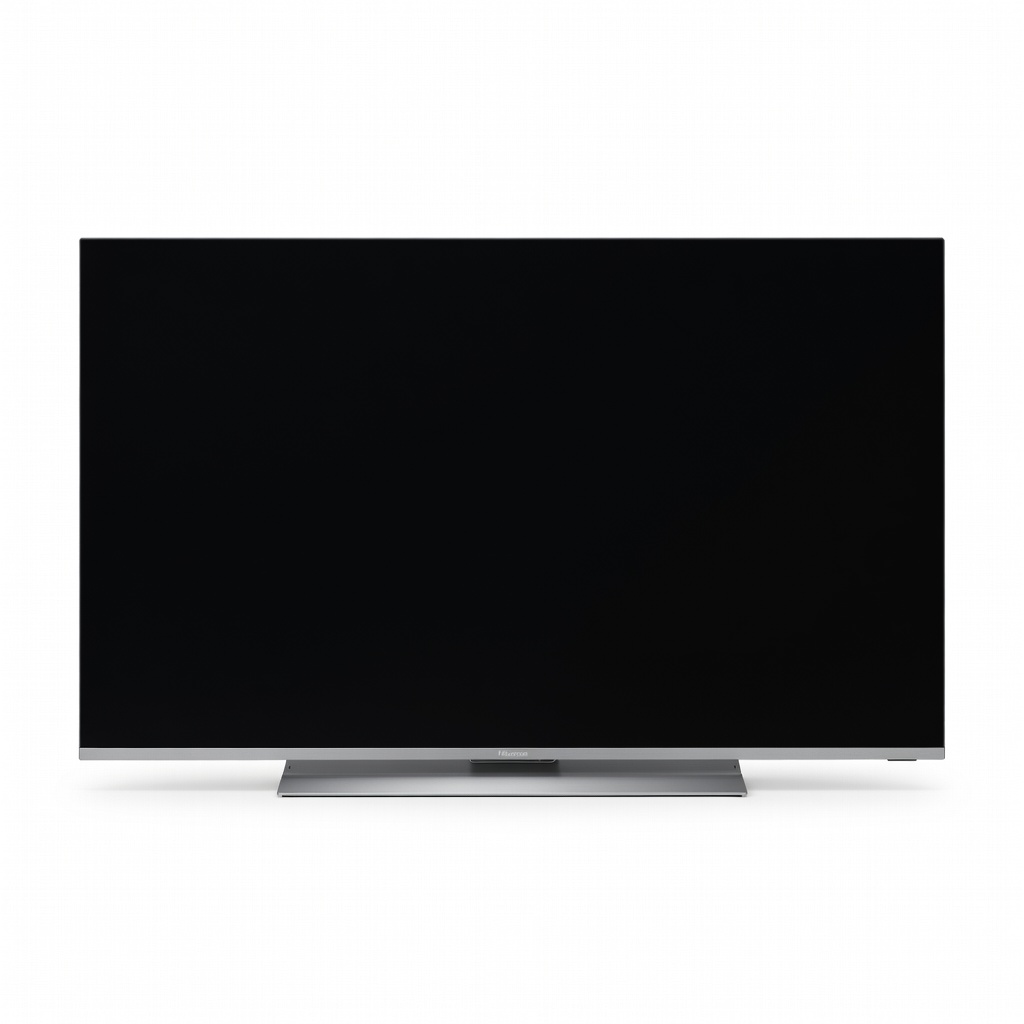
Punching at 3,000 nits with solid color volume and Google TV integration, this Hisense offers premium bright-room performance at a fraction of flagship costs. It handles reflections well via its matte screen. The trade-off is slightly less precise dimming than pricier Sonys.
Main limitation: Black levels show minor blooming in very dark scenes compared to OLEDs in controlled lighting.
Skip if: Avoid if you need pixel-perfect uniformity for professional video editing.
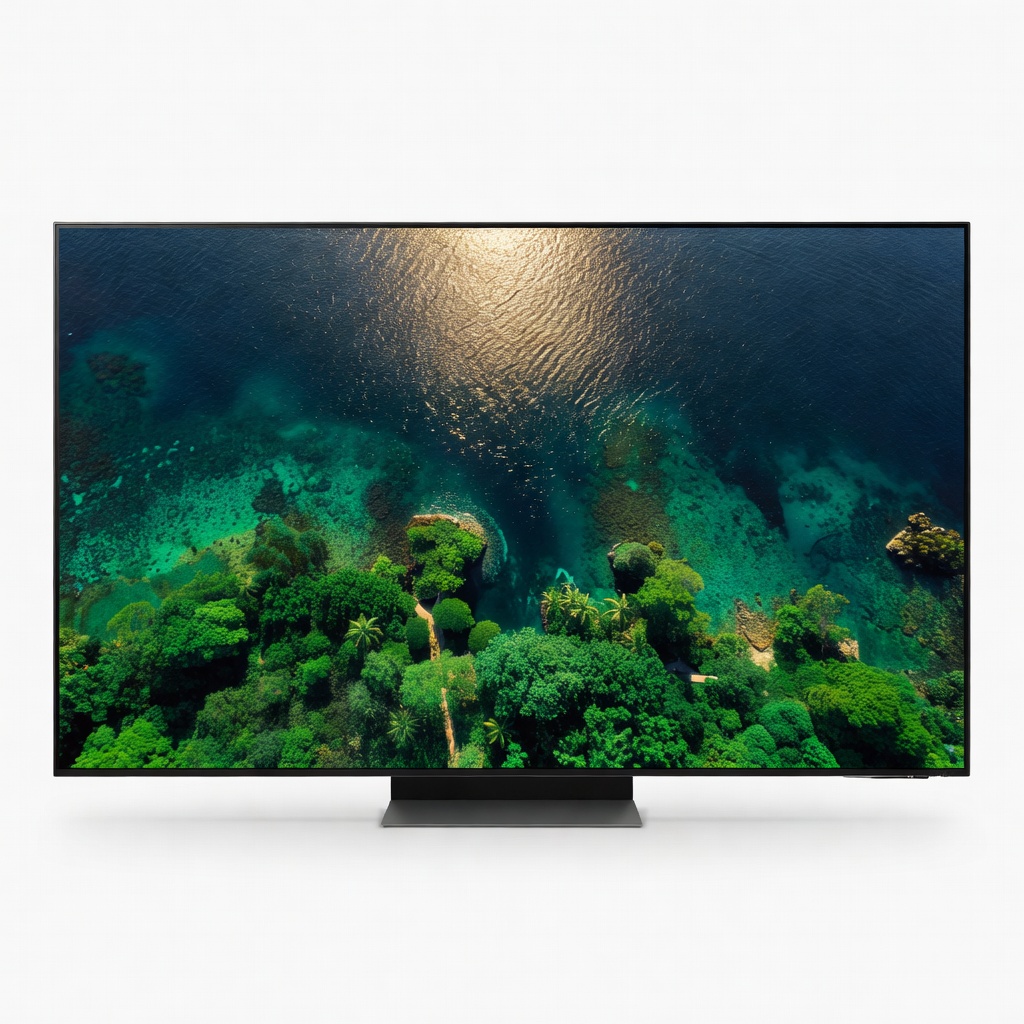
With 2,500 nits brightness, ultra-low 4.5ms input lag, and four HDMI 2.1 ports, this Samsung thrives in bright rooms for console gamers. Its anti-glare Neo Matte screen excels during day matches. Gaming focus means it's less optimized for purist movie color accuracy.
Main limitation: Tizen OS feels cluttered with ads compared to cleaner Google TV interfaces.
Skip if: Pass if you dislike Samsung's aggressive motion processing that can look artificial in films.
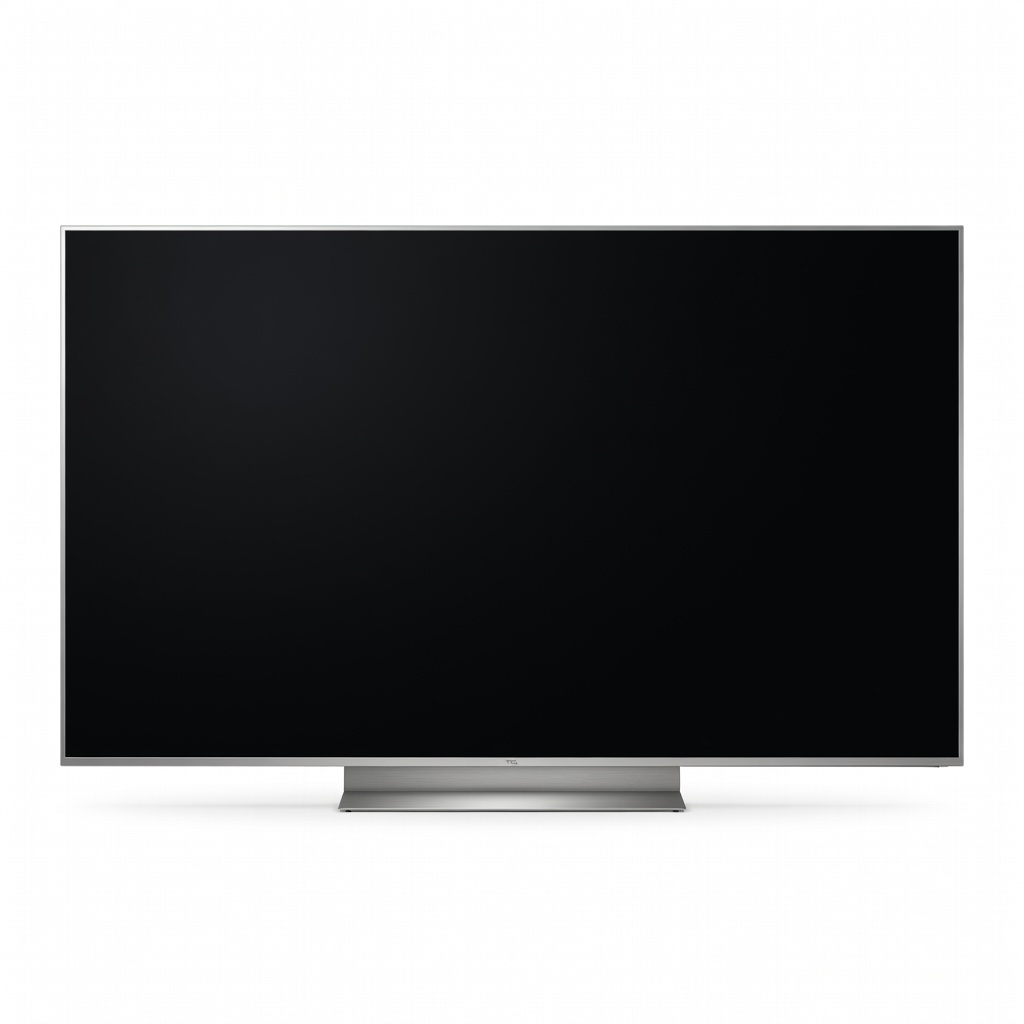
This massive 85-inch TCL blasts 5,000 nits for wall-filling brightness in spacious bright rooms, with Google TV and strong upscaling. Excellent value for size. Wall-mounting adds weight challenges.
Main limitation: Soundbar pairing is often necessary due to thin bezel limiting speaker depth.
Skip if: Don't choose if your room can't accommodate an 85-inch panel without overwhelming the space.
Dynamic Tone Mapping Pro and 2,000 nits ensure fast-motion sports stay sharp and vibrant in daylight, with webOS for easy sports app access. Great motion handling. WebOS updates can occasionally lag behind competitors.
Main limitation: Viewing angles are good but not as wide as OLED for off-center seating.
Skip if: Skip if wide seating arrangements are key, as colors shift noticeably from the sides.
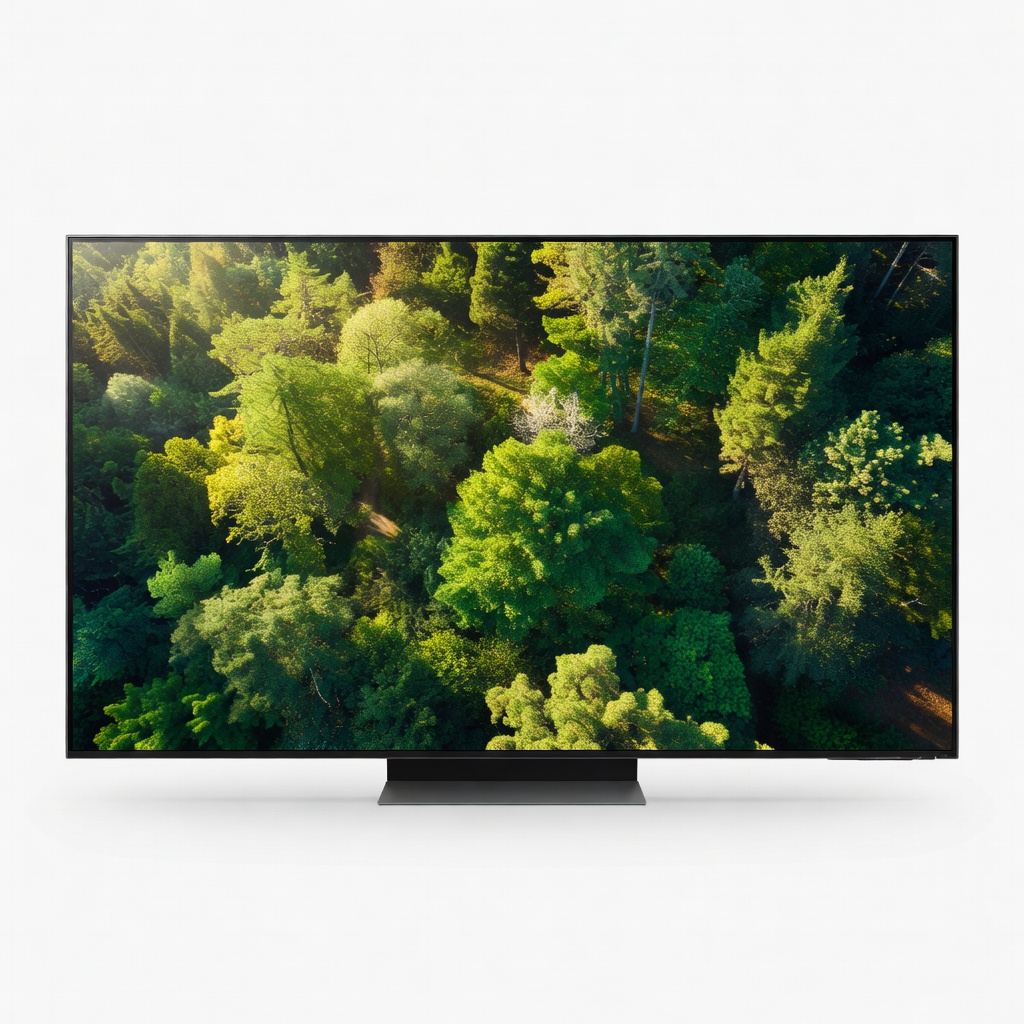
Matte anti-reflective screen mimics real art at 1,800 nits, blending into bright room decor with customizable bezels and art mode. Doubles as wall art. Art streaming subscription adds ongoing costs.
Main limitation: Picture processing prioritizes style over ultimate contrast in non-art content.
Skip if: Avoid if raw cinematic performance trumps aesthetic integration.
Compare key specs and features of all our recommendations side-by-side
| Product | Recommendation | Rating | Price |
|---|---|---|---|
Sony Bravia 10 65-inch Mini-LED TV (K-65XR90) Rank #1 | 🏆 Top Pick | 9.4/10 | $2,999–$3,499 Check current price → |
Hisense 65U8N2 Mini-LED TV Rank #2 | 💰 Budget Pick | 8.6/10 | $899–$1,099 Check current price → |
Samsung QN90F 65-inch Neo QLED TV Rank #3 | ⭐ Editor's Choice | 8.8/10 | $1,799–$2,199 Check current price → |
TCL 85QM851G QLED TV Rank #4 | — | 8.4/10 | $2,499–$2,999 Check current price → |
LG QNED90T 65-inch QNED TV Rank #5 | — | 8.2/10 | $1,499–$1,799 Check current price → |
Samsung The Frame 2026 75-inch QLED TV Rank #6 | — | 8.0/10 | $2,199–$2,599 Check current price → |
Common questions buyers have about this category.
Aim for at least 1,500 nits peak brightness to combat sunlight washout, with 2,000+ ideal for direct window glare per third-party tests like RTINGS. Lower specs work in shaded rooms but lose punch during daytime viewing, forcing reliance on curtains.
Yes, matte or semi-matte coatings like Samsung's Neo Matte reduce reflections by up to 70% compared to glossy panels, preserving visibility without dimming. They're essential in rooms with multiple light sources, though they can slightly soften fine details.
Mini-LED excels with thousands of precise dimming zones for better contrast at high brightness, while QLED boosts color vibrancy—many top picks combine both. Choose based on dimming count; avoid basic LEDs under 500 zones for blooming issues.
Use a phone app like Lux Light Meter to check lux levels—over 500 lux daytime means high-nits TV needed. Compare to manufacturer specs: 1,000 nits handles moderate light, but 3,000+ for sunny exposures ensures no compromises.
120Hz or higher reduces motion blur in fast sports, complementing high brightness for clear daytime action. Budget 60Hz sets suffice for casual viewing but stutter during pans, per CNET motion tests.
Products we evaluated but did not recommend — and why.
