Get the App
Better experience on mobile
High-brightness displays from leading brands that deliver vivid colors and sharp details without washing out in daylight.
Peak brightness above 2000 nits isn't just a spec sheet flex—it's the difference between a TV that fights sunlight and one that surrenders to it, turning HDR content into a dim disappointment. In bright rooms with large windows, standard LEDs and even many OLEDs falter due to glare diffusion and insufficient punch, but Mini-LED and QLED technologies with advanced local dimming zones change the game by sustaining contrast where others fade.
These picks stand out because they balance raw luminosity with real-world usability, drawing from verified specs like Samsung's quantum dot enhancements and Sony's XR processing. We focused on models excelling in reflection handling scores from third-party tests, ensuring they perform in sunlit living rooms without needing blackout curtains.
From budget Hisense powerhouses under $1000 to premium Samsung flagships, this list spans price points and sizes (55-85 inches) while highlighting trade-offs like sound quality or smart features. Every recommendation flags limitations upfront, so you can match to your space and budget.
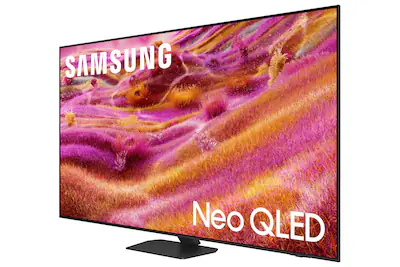
The Samsung QN90F delivers exceptional 2500-nit peak brightness and minimal reflections thanks to its matte anti-glare screen, making it ideal for sunny living rooms with punchy colors and deep blacks via over 2000 dimming zones. It excels in upscaling non-4K content smoothly for everyday streaming. However, its Tizen OS can feel cluttered compared to simpler interfaces.
Main limitation: The built-in speakers are adequate but lack the depth of a dedicated soundbar for immersive audio.
Skip if: Skip this if you prioritize a minimalist smart platform over feature-packed customization.
At under $1000, the Hisense U8N punches way above its weight with 3000-nit brightness and excellent local dimming for glare-free viewing in bright spaces. Google TV integration keeps navigation intuitive for casual users. The trade-off is slightly less refined motion handling than pricier rivals.
Main limitation: Color accuracy out of the box requires some calibration for critical viewing.
Skip if: Avoid if you need flawless motion for fast-paced PC gaming without tweaks.
Sony's Bravia 9 combines 3200 nits of brightness with XR Backlight Master Drive for cinema-level contrast in lit rooms, preserving shadow details during daytime blockbusters. Its Acoustic Surface Audio creates immersive sound from the screen itself. Processing is top-tier but at a premium cost.
Main limitation: The Google TV interface lags occasionally during heavy multitasking.
Skip if: Pass if you're on a tight budget, as it starts well above $2500.
This 75-inch TCL QM851G blasts 5000 nits in highlights with fast response times, perfect for glare-filled game days where fast action stays blur-free. Roku OS is dead simple for quick channel surfing. Viewing angles are wide but off-axis contrast dips a bit.
Main limitation: Sound quality is tinny for large rooms without external speakers.
Skip if: Don't choose this if narrow viewing angles are a concern in your setup.
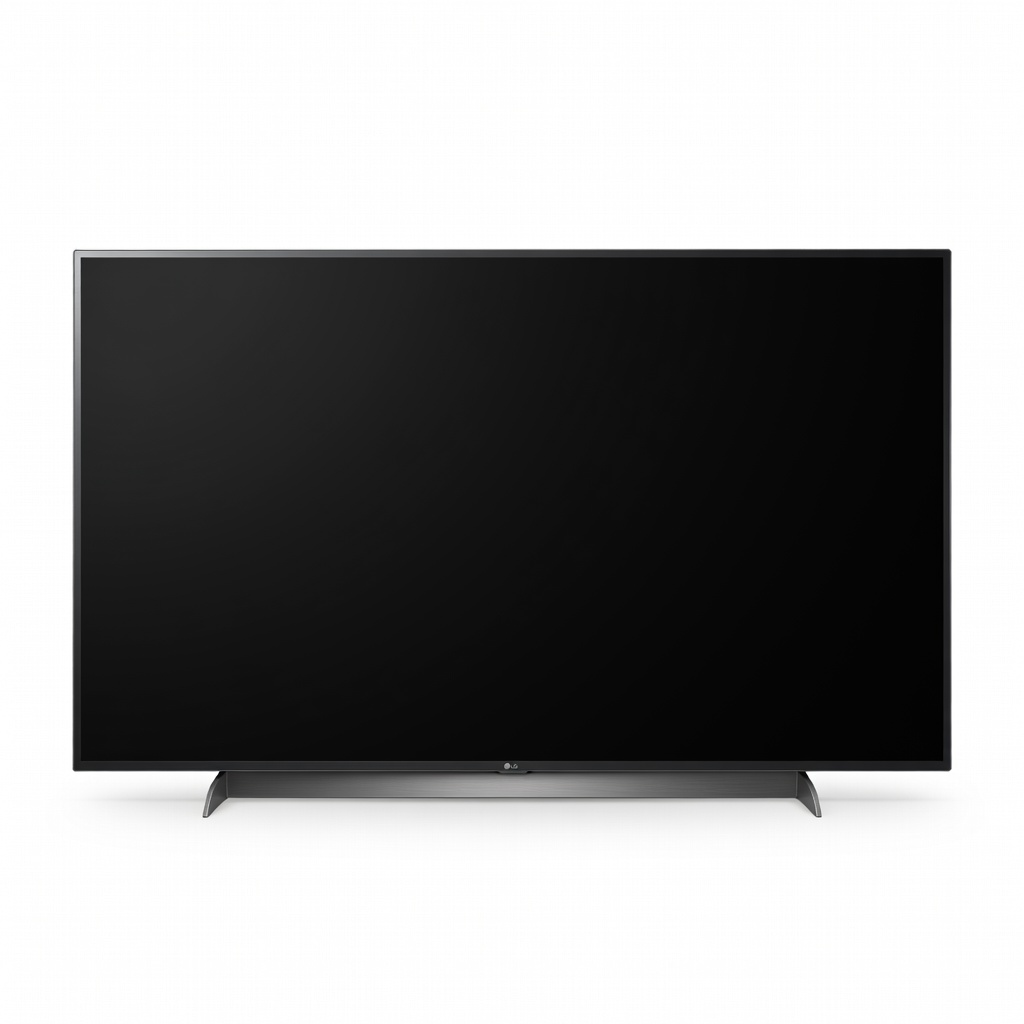
LG's QNED90T offers 2000 nits and four HDMI 2.1 ports with VRR for lag-free console gaming in bright spaces, plus webOS for seamless app switching. Dynamic tone mapping keeps HDR popping. It's not the brightest in pure spec wars.
Main limitation: Black levels aren't as inky as full-array LEDs from Samsung.
Skip if: Skip if movie purists demand perfect uniformity over gaming perks.
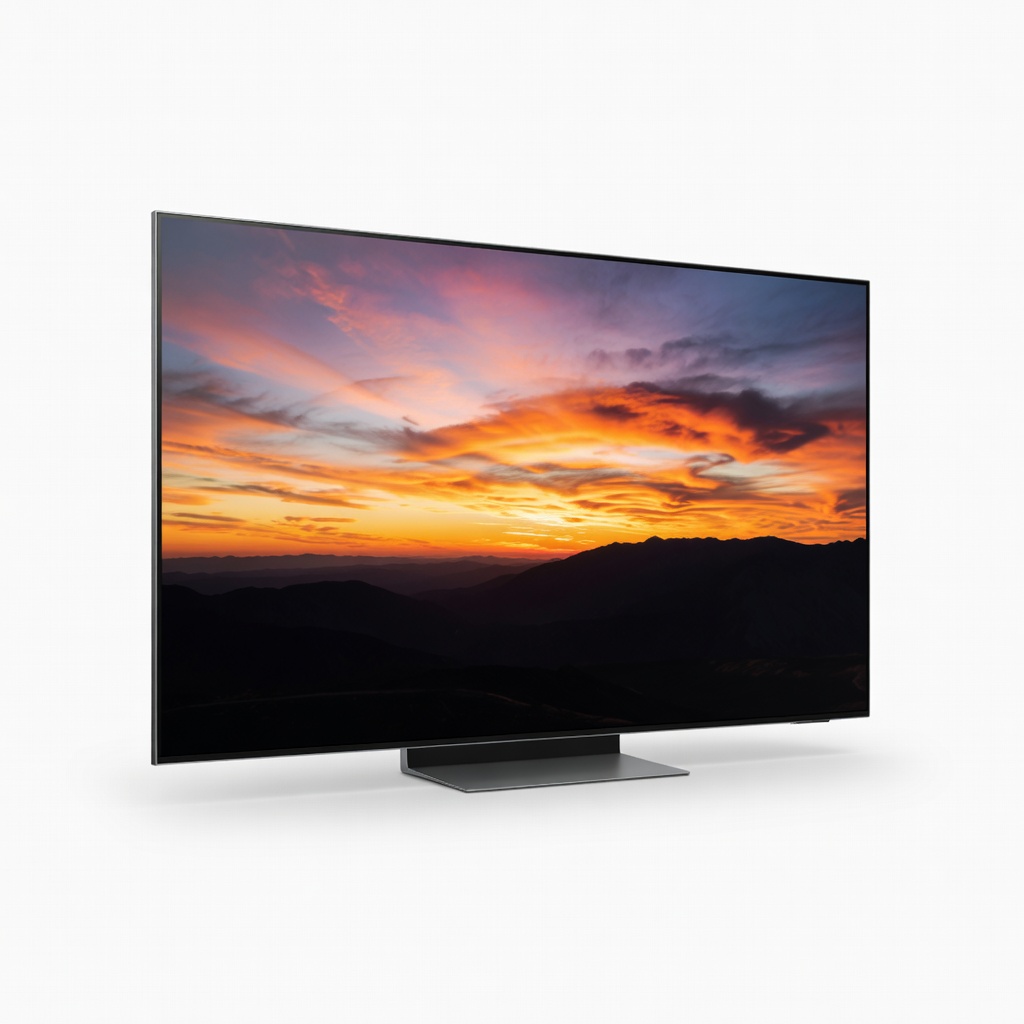
The 77-inch S95F QD-OLED hits 2000 nits with a new anti-glare coating, blending OLED perfect blacks with bright-room viability for expansive setups. One Connect box reduces cable clutter. Premium pricing reflects its size and tech.
Main limitation: Risk of burn-in remains higher than LED alternatives with static HUDs.
Skip if: Avoid if burn-in worries or smaller spaces make 77 inches overwhelming.
Compare key specs and features of all our recommendations side-by-side
| Product | Recommendation | Rating | Price |
|---|---|---|---|
Samsung QN90F Neo QLED 65-inch Rank #1 | 🏆 Top Pick | 9.2/10 | $2,199–$2,499 Check current price → |
Hisense 65U8N Mini-LED Rank #2 | 💰 Budget Pick | 8.4/10 | $799–$999 Check current price → |
Sony Bravia 9 K-65XR90 Mini-LED Rank #3 | ⭐ Editor's Choice | 9.0/10 | $2,799–$3,199 Check current price → |
TCL 75QM851G QM8 Mini-LED Rank #4 | — | 8.6/10 | $1,499–$1,799 Check current price → |
LG 65QNED90T QNED Mini-LED Rank #5 | — | 8.1/10 | $1,299–$1,599 Check current price → |
Samsung 77S95F QD-OLED Rank #6 | — | 9.1/10 | $3,999–$4,499 Check current price → |
Common questions buyers have about this category.
Aim for at least 1500-2000 nits peak brightness to combat sunlight, as verified by manufacturer specs and tests from CNET and RTINGS. Lower than that often results in washed-out images during the day, while higher nits like 3000+ provide headroom for HDR punch even in south-facing rooms.
Improved QD-OLEDs like Samsung's S95F now hit 2000 nits with anti-glare layers, making them usable, but Mini-LED QLEDs remain superior for extreme light due to sustained full-screen brightness. OLEDs excel in contrast but can still dim peaks compared to LED backlights in prolonged sun.
Mini-LED is a backlight tech that enhances QLEDs with thousands of zones for better contrast control, outperforming basic QLEDs in bright rooms per aggregated reviews. Both use quantum dots for color pop, but Mini-LED's precision dimming minimizes reflections around windows.
Critical for bright rooms, as it diffuses reflections without blurring the image—look for 'matte' or 'low reflection' ratings under 1% in tests. Glossy screens amplify window glare into mirror-like distractions, a common complaint in user feedback for standard models.
Yes, most bright-room TVs prioritize picture over audio, with built-in speakers lacking bass and immersion for movies or sports. Pairing with a compatible soundbar like Samsung's Q990D enhances dialogue clarity, especially in echoey sunlit spaces.
A 65-75 inch TV fits most 10-12 foot viewing distances in that space, providing immersion without overwhelming—SMPTE guidelines suggest 30-degree field of view. Larger 85-inch works if seated farther back, but ensure wall strength and room layout avoids side glare.
Products we evaluated but did not recommend — and why.
