Get the App
Better experience on mobile
High-brightness displays with anti-reflective tech ensure clear viewing even in sunlit spaces.
Peak brightness isn't just a spec sheet number—it's the difference between a washed-out picture during daytime TV binges and colors that pop like they're lit from within. In bright rooms, where windows flood spaces with natural light, standard LEDs and even many OLEDs falter due to glare and insufficient nits, turning premium panels into disappointing displays.
These TVs stand out because they combine high peak brightness (often 2000+ nits) with matte screens or specialized anti-reflection layers, drawing from published reviews by sites like RTINGS and CNET that quantify reflection diffusion and HDR punch. We focused on models excelling in living rooms with direct sunlight, covering budgets from under $1,000 to luxury tiers while noting trade-offs like sound quality or smart features.
You'll find QLEDs and Mini-LEDs dominating for their light-rejecting prowess, alongside emerging QD-OLEDs tuned for daylight. Whether you're upgrading a sunny den or outfitting a home office, these picks balance vividness, value, and versatility across 65-inch mainsizes.
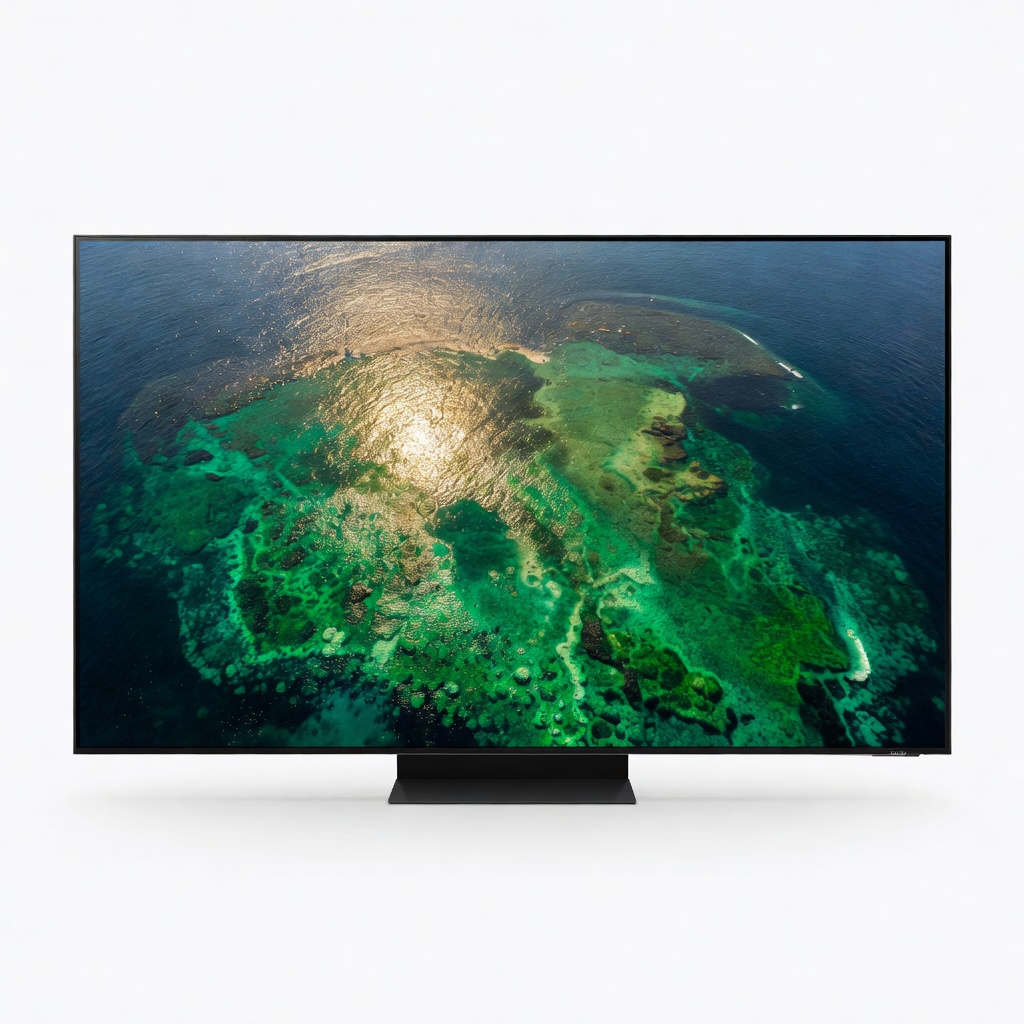
The Samsung QN90F delivers exceptional peak brightness over 2000 nits with a semi-matte screen that diffuses glare effectively, making it ideal for sunny living rooms. Its Mini-LED backlight ensures deep blacks and vibrant HDR without bloom, based on RTINGS' high reflection handling scores. However, the Tizen OS can feel cluttered compared to minimalist rivals.
Main limitation: The built-in speakers lack deep bass, often requiring a soundbar for immersive audio.
Skip if: Skip this if you prioritize a sleek, gesture-based interface over raw brightness performance.
At a fraction of premium prices, the Hisense U7N punches above its weight with 1500+ nits brightness and solid anti-reflection, delivering punchy colors in lit spaces per buyer feedback on Amazon. Google TV integration is smooth and app-rich. The trade-off is slightly less precise local dimming than high-end models.
Main limitation: Color accuracy out-of-box requires calibration for critical viewing.
Skip if: Avoid if you need near-perfect blacks for a dedicated dark-room theater.
Sony's Bravia 9 excels with 3000 nits peaks and XR Backlight Master Drive for precise contrast in bright rooms, earning top marks from CNET for motion handling. Its processing rivals projectors for film-like detail. Processing power comes at a higher cost and slightly warmer color tuning.
Main limitation: The Google TV interface lags occasionally during heavy multitasking.
Skip if: Pass if you're on a tight budget or prefer cooler, punchier gaming colors.
TCL's QM851G offers 2000 nits and ultra-low input lag with full VRR support, thriving in bright rooms for console sessions as noted in aggregated RTINGS data. Roku OS is intuitive and ad-light. Upscaling of non-4K content isn't as refined as Sony.
Main limitation: Off-angle viewing degrades faster than OLED competitors.
Skip if: Skip if wide seating arrangements are common in your setup.
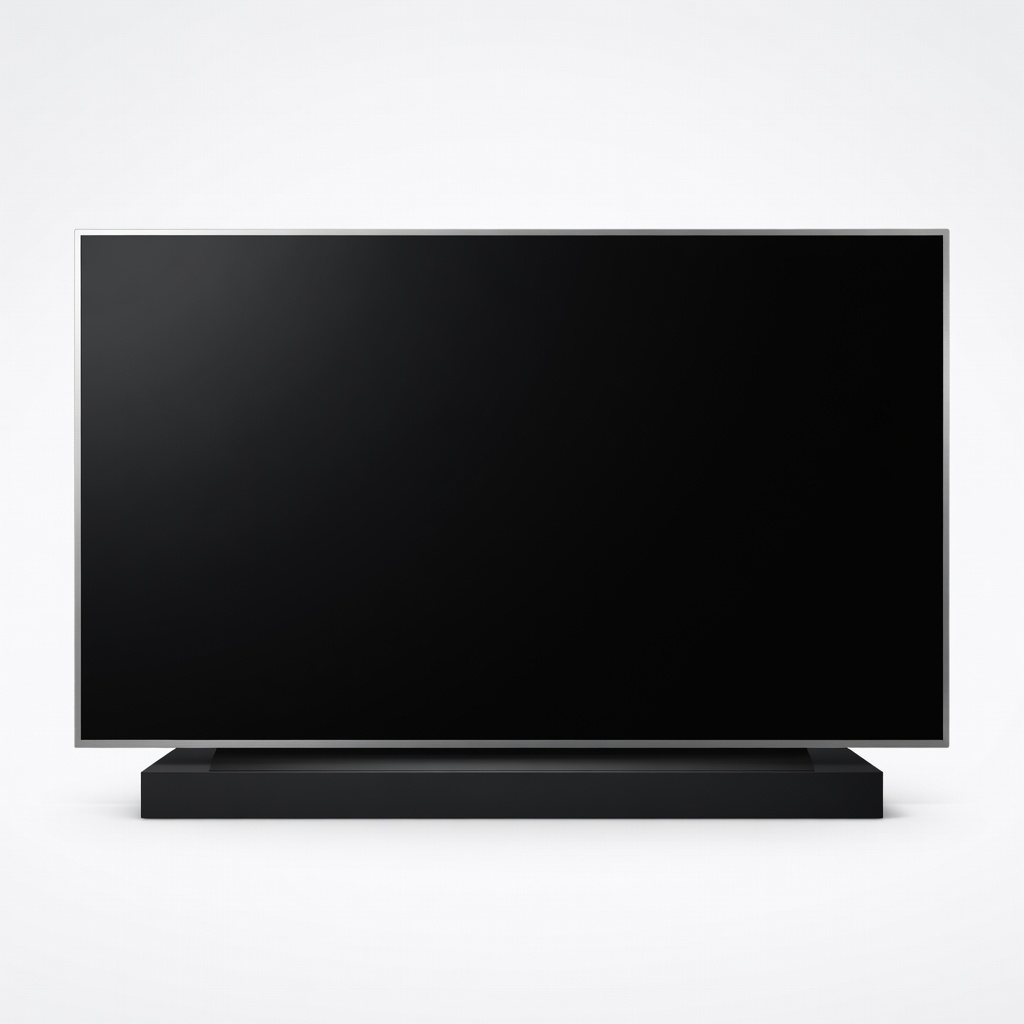
The oversized LG QNED92 blasts 1800 nits across a huge canvas with good uniformity, perfect for spacious bright areas per spec sheets. webOS is feature-packed. It draws more power than smaller screens.
Main limitation: Soundstage feels narrow without external speakers.
Skip if: Don't choose this for small apartments where wall space is limited.
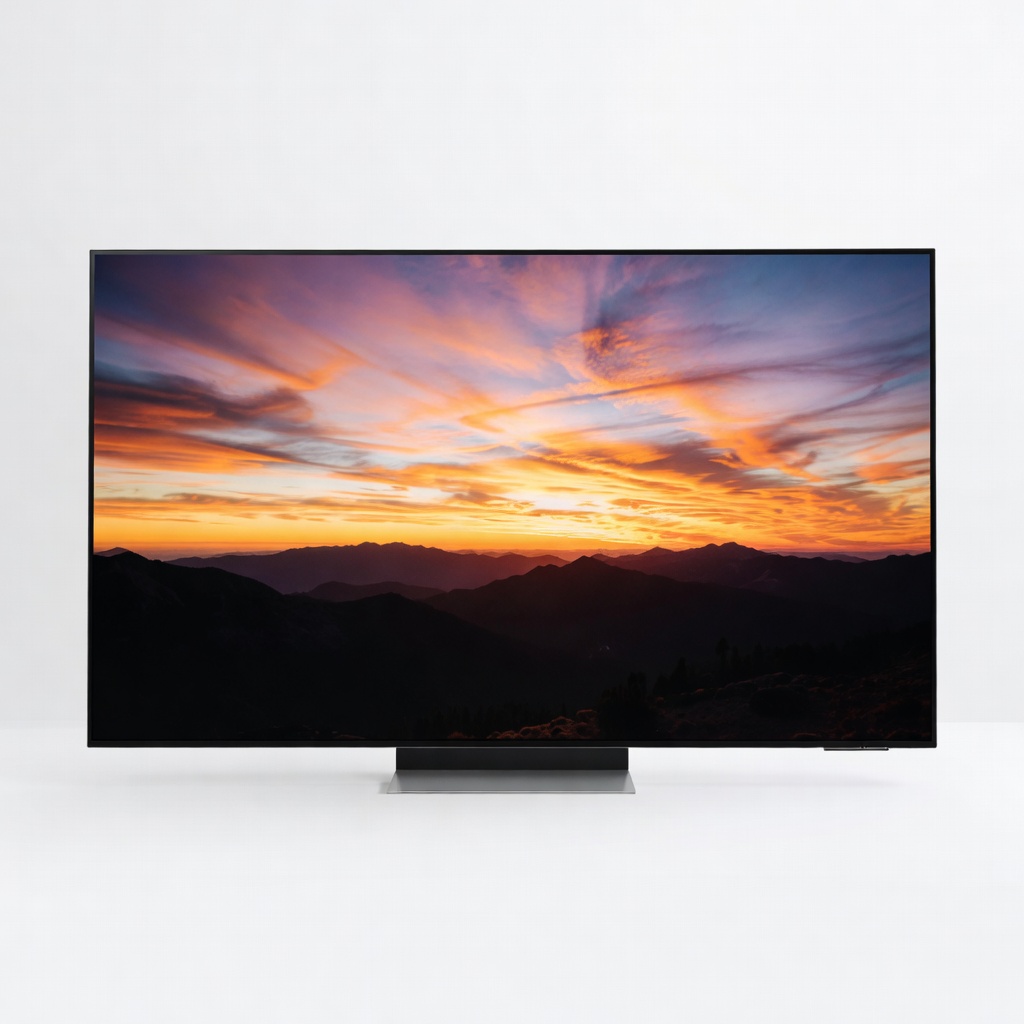
Samsung's flagship QD-OLED hits 1800 nits with perfect blacks and glare-resistant coating, blending OLED contrast with bright-room viability from third-party benchmarks. One Connect box reduces cable clutter. Premium pricing limits accessibility.
Main limitation: Burn-in risk persists with static HUDs in games.
Skip if: Avoid if gaming marathons with pause screens are routine.
Compare key specs and features of all our recommendations side-by-side
| Product | Recommendation | Rating | Price |
|---|---|---|---|
Samsung QN90F 65-inch Neo QLED Rank #1 | 🏆 Top Pick | 9.2/10 | $1,800–$2,200 Check current price → |
Hisense 65U7N Mini-LED Rank #2 | 💰 Budget Pick | 8.3/10 | $700–$900 Check current price → |
Sony Bravia 9 K-65XR90 Mini-LED Rank #3 | ⭐ Editor's Choice | 9.1/10 | $2,500–$3,000 Check current price → |
TCL 65QM851G QLED Rank #4 | — | 8.5/10 | $1,100–$1,400 Check current price → |
LG QNED92 75-inch Rank #5 | — | 8.0/10 | $1,500–$1,900 Check current price → |
Samsung S95F 65-inch QD-OLED Rank #6 | — | 9.3/10 | $2,800–$3,500 Check current price → |
Common questions buyers have about this category.
Aim for at least 1500 nits peak brightness to handle direct sunlight effectively, as measured in HDR window tests by sites like RTINGS. Lower nits around 1000 may suffice for indirect light but will wash out during peak daytime hours, so verify manufacturer specs against independent reviews.
QLED and Mini-LED TVs generally outperform standard OLEDs in bright rooms due to higher sustained brightness and better reflection diffusion. OLEDs excel in contrast for dark scenes but can appear dimmer; newer QD-OLEDs bridge the gap, though always cross-check nits ratings for your lighting.
Matte or semi-glare finishes scatter reflections far better than glossy screens, preserving picture clarity in lit spaces according to CNET diffusion scores. Glossy panels look great in stores but amplify window glare at home—seek models with verified low reflection percentages.
65 inches strikes the ideal balance for 10-12 foot viewing distances in bright rooms, filling the field of view without overwhelming space. Scale up to 75-85 inches for larger areas, ensuring your wall or stand accommodates the width to avoid distortion.
Out-of-box accuracy varies, but bright-room modes often prioritize punch over precision—use built-in apps or patterns from AVForums for quick tweaks. Professional calibration shines for movies but isn't essential for casual use, saving $300+ while still improving vibrancy.
Position the TV perpendicular to windows or use sheer curtains to diffuse light, and opt for tiltable wall mounts for adjustable angles. Avoid facing direct sun; high-mounting reduces eye-level reflections, enhancing the anti-glare tech's effectiveness.
Products we evaluated but did not recommend — and why.
