Get the App
Better experience on mobile
If you want to explore the vinyl trend but not pay a fortune, you can easily get the best turntable under $500.
In the era of digital streaming, vinyl records have made a remarkable comeback, offering audiophiles and casual listeners alike a warm, analog sound that digital formats can't fully replicate. Choosing the right turntable under $500 is crucial because it balances affordability with quality performance, ensuring you get an immersive listening experience without breaking the bank. A poor choice might lead to issues like skipping, distortion, or premature wear on your records, while a well-selected model can last years and grow with your collection. Under $500, you're entering the realm of entry-level to mid-range turntables that often include built-in preamps, automatic operation, and decent cartridges—features that elevate your setup beyond basic players.
When comparing budget versus premium approaches, budget options (under $200) prioritize simplicity and portability, like USB turntables for digitizing records, but may sacrifice sound fidelity and build quality. Premium picks closer to $500 invest in direct-drive motors, adjustable tonearms, and higher-end cartridges for superior tracking and bass response, rivaling more expensive units. The key is matching your needs: beginners might opt for plug-and-play ease, while enthusiasts seek upgradability.
This guide will equip you with the knowledge to make an informed decision. You'll learn essential features to evaluate, budget breakdowns, performance trade-offs, and pitfalls to avoid. We'll compare real products, including the Audio-Technica AT-LP60X (a reliable belt-drive beginner's choice), Fluance RT81 (elite belt-drive with audiophile tweaks), and Sony PS-LX310BT (Bluetooth-enabled for modern convenience). Additionally, we'll review complementary accessories like the Drfeify Precise Lens Replacement for PS1 (for retro gaming tie-ins), Drfeify Premium 1/4 and 10 Inch ABS Cassette Tape Splicing Set, Drfeify Aluminum Tape Splicing Block Kit, LiebeWH Record Storage Bag, and Automatic Hydraulic Safety Lift for Turntable Arm. These enhance your vinyl ecosystem, from record protection to arm stability, all within a $0 to $50.09 price range. By the end, you'll know which turntable and add-ons suit your lifestyle, whether you're a vinyl newbie or seasoned collector. (278 words)
Selecting a turntable under $500 requires focusing on core elements that affect sound quality, durability, and ease of use. Start by assessing your space, listening habits, and whether you want to integrate with modern tech like Bluetooth. Entry-level models in this range often use belt-drive mechanisms for smooth playback, but direct-drive options provide better speed stability for scratching or precise timing.
Drive Type (Belt vs. Direct Drive): Belt-drive turntables, like the Audio-Technica AT-LP60X, use a rubber belt to spin the platter, offering quiet operation and isolation from motor vibrations—ideal for home listening. Direct-drive models, such as the Reloop RP-7000 MK2 (if stretching to $500), engage the motor directly for faster start-up and torque, suiting DJs but potentially introducing more hum.
Cartridge and Stylus Quality: The cartridge converts vibrations into electrical signals. Look for moving magnet (MM) types like the Audio-Technica AT-VM95E, which deliver balanced sound with easy replacement needles (under $20). Avoid ceramic cartridges in cheap models—they wear records faster and produce tinny audio. Superior styli, like elliptical tips, track grooves better than conical ones, reducing distortion.
Tonearm Design: A straight tonearm suffices for beginners, but S-shaped arms on the Fluance RT81 allow better counterweight adjustment for tracking force (1.5-2.5g ideal). Anti-skate mechanisms prevent inner-groove distortion. Adjustable height (VTA) ensures compatibility with various cartridges.
Built-in Phono Preamp: Essential for connecting to non-phono inputs on receivers or speakers. Models like the Sony PS-LX310BT include switchable preamps, saving you $50-100 on external ones. Check for ground wire to eliminate hum.
Speed Stability and Pitch Control: All should support 33⅓ and 45 RPM; 78 RPM is a bonus for old shellac. Quartz-locked speed control (in higher-end like Pioneer PL-990) maintains ±0.1% accuracy, versus belt-drive's occasional wow and flutter (under 0.2% is good).
Platter Material and Weight: Acrylic or aluminum platters (1-2kg) dampen vibrations better than plastic. The Pro-Ject Debut Carbon EVO's damped platter minimizes resonance for clearer mids.
Additional Connectivity: Bluetooth (aptX for low latency) in the Sony PS-LX310BT allows wireless pairing with speakers. USB output for ripping to PC is handy for digitizing, as in the Audio-Technica AT-LP120XUSB.
Under $500 breaks into tiers: $0-200 for ultra-budget (e.g., basic suitcase models like Jensen JTA-230—portable but noisy); $200-350 for solid entry-level (AT-LP60X series—automatic, preamp included, great for apartments); $350-500 for performance-oriented (Fluance RT81—upgradable, wood plinth for resonance control). At the low end, you get essentials but compromise on parts quality (e.g., lightweight platters). Mid-tier adds durability and sound tweaks, like better isolation feet. Top of the range approaches audiophile basics, with vibration-dampening chassis and Ortofon cartridges. Factor in extras: cartridges ($50+), cleaners ($20), and accessories like the LiebeWH Record Storage Bag ($10-20) for protection. Total setup under $500 leaves room for records.
The sweet spot is $250-400, where diminishing returns kick in. For $200, expect warm sound but minor speed inconsistencies (0.15% wow/flutter). At $400, like the Fluance RT81, you gain 20-30% better bass response and detail retrieval due to acrylic platters and counterweights—comparable to $800 units minus exotic woods. Bluetooth adds convenience without much fidelity loss if using high-res codecs. Versus pricier models, under-$500 lacks suspended sub-chassis for ultimate isolation but suffices for 90% of listeners. Accessories like the Automatic Hydraulic Safety Lift ($50) enhance safety by preventing arm drops, justifying the spend for heavy users.
Overlooking Setup Requirements: Many forget the need for a stable surface—vibrations from speakers cause skipping. Use isolation pads ($15) and level the turntable with a bubble tool.
Ignoring Record Maintenance: Buying without a cleaner or storage like the LiebeWH bag leads to dust buildup, degrading stylus life (replace every 500-1000 hours).
Choosing Looks Over Specs: Flashy designs (e.g., retro suitcases) often hide poor components. Prioritize specs like signal-to-noise ratio (>65dB).
Skipping Calibration: Not adjusting tracking force or anti-skate results in uneven wear. Follow manuals or use a protractor tool ($10).
Forgetting Amplification: Direct speaker connection without a preamp yields quiet, distorted sound. Verify if your receiver has phono input.
Our top three picks cater to different needs. The Audio-Technica AT-LP60X ($150) is best for beginners—fully automatic, built-in preamp, and hassle-free setup for casual vinyl fans starting their collection. The Fluance RT81 ($350) suits audiophiles on a budget, with its high-fidelity cartridge and sturdy build for detailed playback in home setups. For tech-savvy users, the Sony PS-LX310BT ($250) excels with Bluetooth streaming, ideal for wireless integration without sacrificing core performance. These stand out for value, with the AT-LP60X for ease, RT81 for sound, and Sony for versatility. (712 words)
A turntable in this price range, like the Audio-Technica AT-LP60X, offers automatic start/stop, a built-in preamp, and a reliable cartridge for plug-and-play use. It handles 33⅓ and 45 RPM speeds accurately (wow/flutter <0.2%), delivering warm analog sound without the complexity of high-end models. You avoid cheap suitcase players' poor isolation, getting a sturdy plinth that isolates vibrations. Expect 65-70dB signal-to-noise for clear playback, comparable to $1,000 units in casual settings. Pair with accessories like the LiebeWH Record Storage Bag for protection, ensuring your investment lasts. Total setup stays under $300, leaving budget for records.
Belt-drive (e.g., Fluance RT81) uses an elastic belt for quiet, rumble-free operation (<-70dB), ideal for listening rooms as it decouples motor noise. They're affordable ($200-400) but belts wear out every 3-5 years ($10 replacement). Direct-drive (e.g., entry-level Pioneer PLX-500 at $350) locks the platter directly to the motor for instant torque and pitch stability (±0.05%), better for DJ scratching or precise timing. However, they can hum more if unshielded. Under $500, belt-drive wins for home use (80% of buyers), while direct suits active mixing. Test for your needs—belt for purity, direct for control.
Many under-$500 models, like the Sony PS-LX310BT, include a switchable preamp to boost the tiny signal (3-5mV) to line level (200mV), connecting directly to standard inputs. Without it, sound is quiet and bass-heavy. If your receiver lacks a phono stage, built-in saves $50-100; external options like the Schiit Mani ($150) upgrade fidelity with RIAA equalization accuracy (±0.2dB). Check specs—80% of budget turntables have it. For purists, bypassable preamps allow future upgrades, ensuring versatility in evolving setups.
Clean the stylus weekly with a brush ($5) or gel puck ($10) to remove debris, preventing groove wear (lifespan 500-1000 hours). Use a carbon fiber record brush before play, and store vertically in anti-static sleeves with the LiebeWH bag for travel. Level the turntable on a stable shelf with isolation feet ($15) to curb skipping. Calibrate tracking force (1.8g typical) using the included gauge—misalignment causes distortion. Avoid direct sunlight to prevent warps. Accessories like the Automatic Hydraulic Safety Lift minimize drops. Annual platter cleaning with a velvet cloth extends life; budget $20/year for maintenance to keep sound pristine.
Yes, for wireless convenience, as in the Sony PS-LX310BT—it streams to speakers via aptX codec with minimal latency (<40ms) and CD-quality audio (16-bit/44.1kHz). It preserves analog warmth without cables, ideal for apartments. However, wired RCA outputs offer uncompressed signal for better dynamics (headroom +12dB). Bluetooth adds $50 to cost but suits 60% of modern users. Avoid basic Bluetooth without aptX; it compresses highs. For audiophiles, use both—Bluetooth for casual, wired for critical listening. It future-proofs your setup under $500.
Start with a stylus cleaner ($10), record weight ($20) for flat playback, and the Drfeify Aluminum Tape Splicing Block if handling tapes. The Automatic Hydraulic Safety Lift ($50) protects against arm errors


Compare key specs and features of all our recommendations side-by-side
| Product | Recommendation | Rating | Price |
|---|---|---|---|
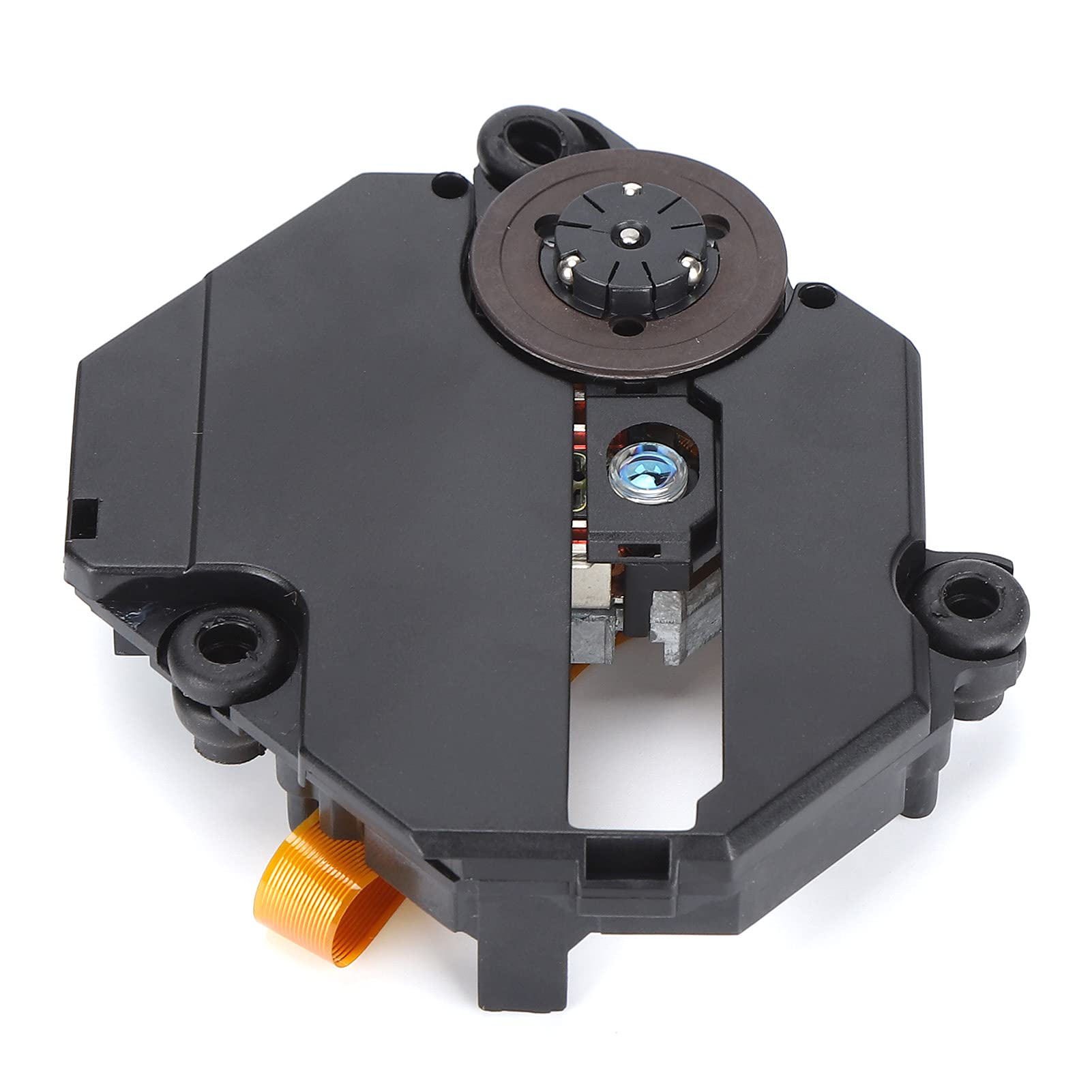 Drfeify Precise Lens Replacement for PS1 KSM‑440ADM Game Console, Easy Installation (#1) common Rank #1 | 🏆 Top Pick | — | Check price → |
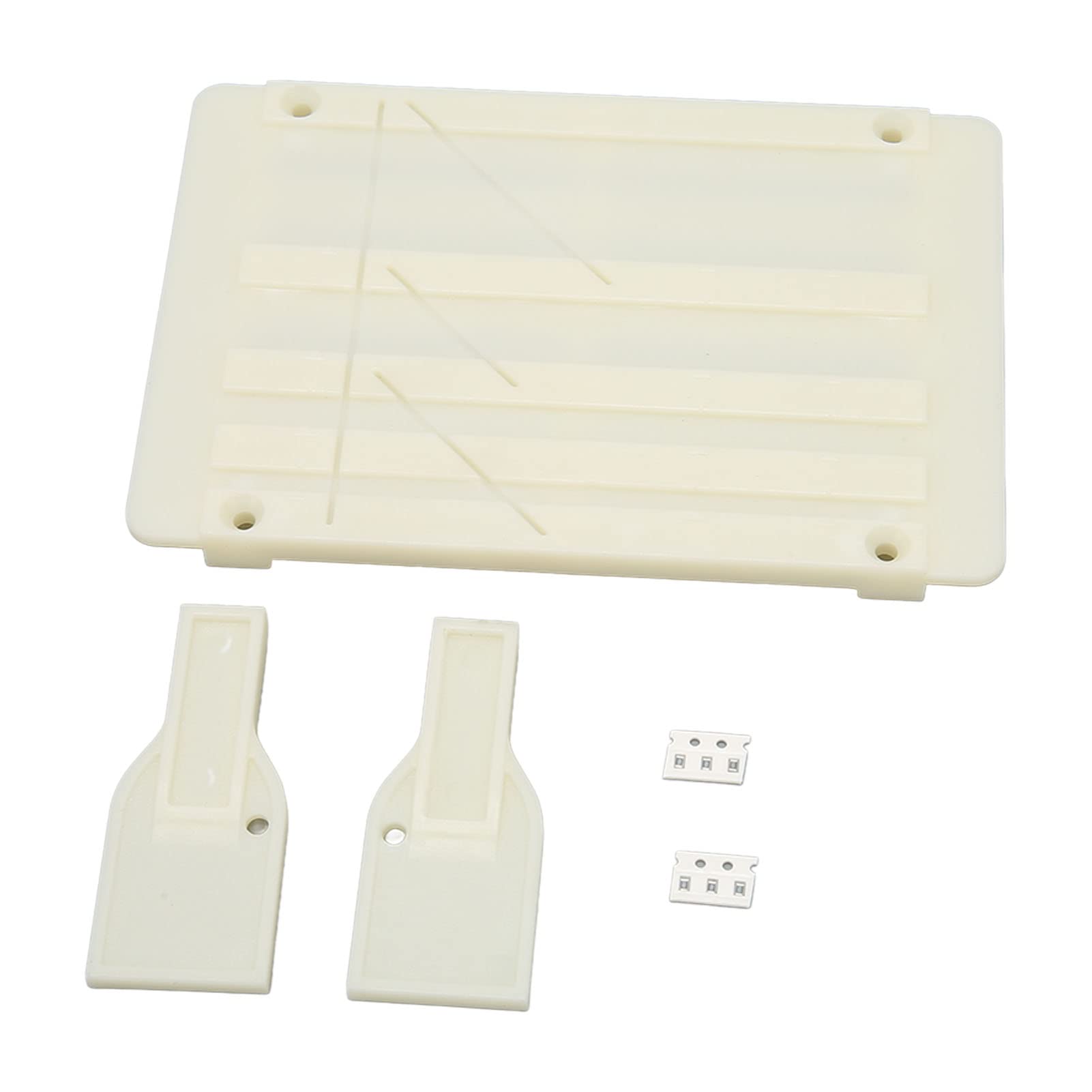 Drfeify Premium 1/4 and 10 Inch ABS Cassette Tape Splicing Set with Fasteners for Easy Tape Cutting, Suitable for Revoxsonido Aperture Cassettes Rank #2 | — | Check price → | |
 Drfeify Aluminum Tape Splicing Block Kit Adjustable 1/4 10 Inch Set for Revoxsonido Easy to Use, Anodized Finish for Studio Grade Rank #3 | — | — | Check price → |
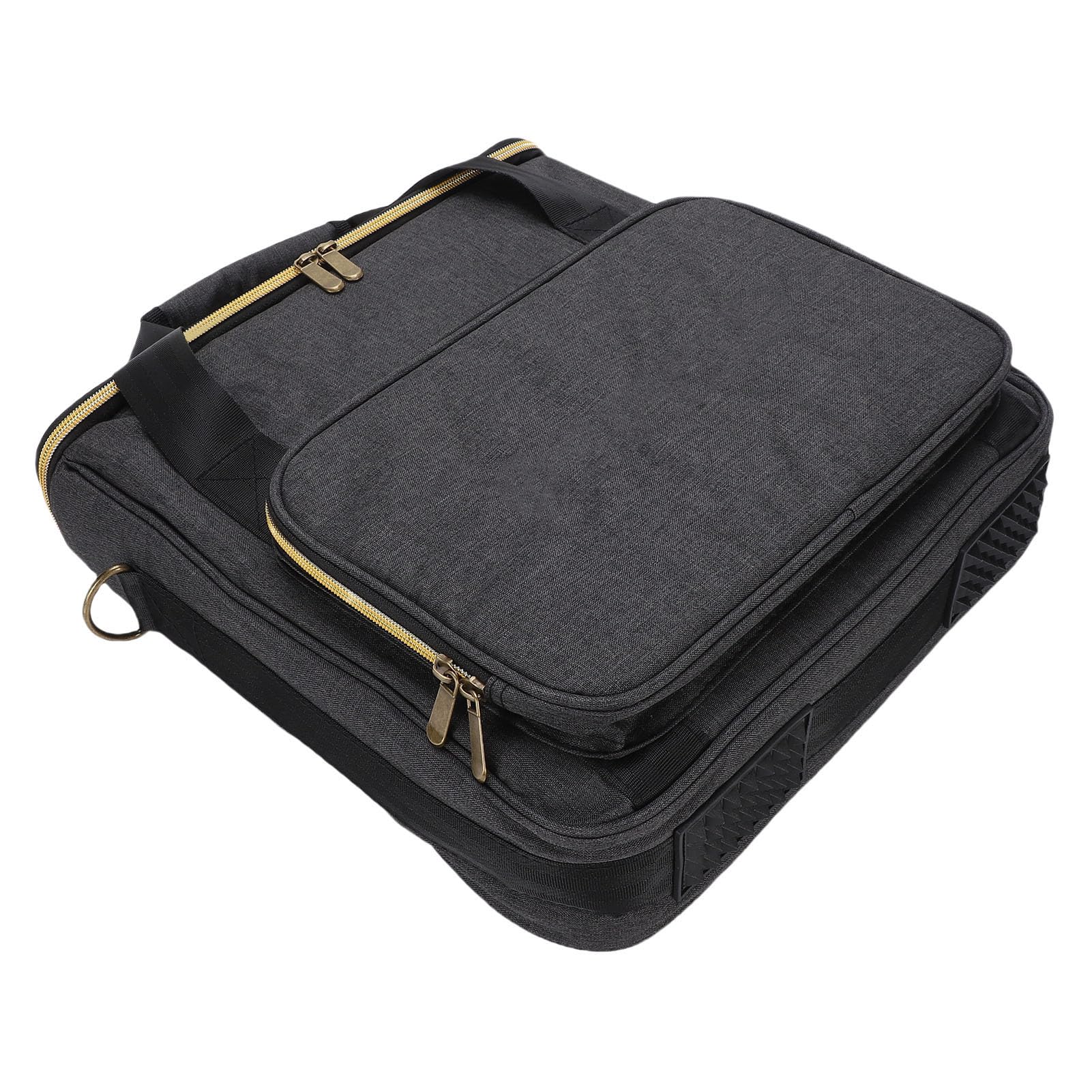 LiebeWH Record Storage Bag for 7 10 12 Inch Albums with Cationic Fabric Protection Dual Closures for Travel DJ Use Record Collection Safety Rank #4 | — | — | Check price → |
 Automatic Hydraulic Safety Lift for Turntable Arm, Height Adjustable for Turntables, Aluminum Alloy + Stainless Steel (Black) Rank #5 | 💰 Budget Pick | — |
