Get the App
Better experience on mobile
Get the best products related to our top picks
Choosing the right toddler feeding sets is crucial during the pivotal stage of self-feeding, typically between 6 months and 3 years, when little ones are developing motor skills, independence, and healthy eating habits. The wrong set can lead to frustration—think slippery utensils that fly across the room or materials that harbor bacteria—while the right one promotes safe, mess-free meals that encourage exploration of textures and flavors. Safety is paramount: toddlers put everything in their mouths, so sets must be BPA-free, non-toxic, and durable to withstand drops and teething. Beyond safety, these sets should support developmental milestones, like transitioning from purees to finger foods, with features like suction bases to keep items in place and ergonomic designs for tiny hands.
This guide compares budget-friendly options, which focus on basic, affordable utensils for everyday use, against premium sets that offer comprehensive kits with bowls, bibs, and cups for all-in-one convenience. Budget picks, often under $15, prioritize stainless steel durability on a dime but may lack extras like storage. Premium ones, up to $70, invest in silicone versatility and playful designs to make mealtime engaging, though they come at a higher cost. Readers will learn key features to evaluate, such as material safety and ease of cleaning; budget breakdowns to match their needs; performance-value analysis to find sweet spots; common pitfalls to sidestep; and in-depth reviews of five standout products.
We'll dive into the Carrot Shape Silicone Baby Feeding 6 Pack Set for a full-featured premium experience; the Portable Stainless Steel Utensil Set and SUPVOX Stainless Steel Tableware Set for no-frills budget reliability; the 2 Sets Spoon Fork Stainless Steel with Silicone Handles for versatile training; and the haakaa Silicone Mushroom Bowl & Bendy Cutlery Set for a balanced, innovative mid-range choice. By the end, you'll confidently select a set that fits your toddler's stage, your lifestyle, and your wallet, turning chaotic meals into joyful routines. (Word count: 278)
Selecting a toddler feeding set involves balancing safety, functionality, and practicality for ages 6-36 months, when self-feeding skills emerge. Focus on sets that adapt to progression from assisted to independent eating, minimizing mess and maximizing durability.
Material Safety and Durability: Prioritize food-grade silicone or 18/8 stainless steel, both BPA-, phthalate-, and PVC-free to prevent chemical leaching. Silicone is soft and teething-friendly, resisting cracks from drops, while stainless steel offers longevity but can dent if thin-gauge. Avoid cheap plastics that shatter or harbor odors.
Ergonomic Design for Tiny Hands: Look for short, curved handles (3-5 inches) with non-slip grips, like textured silicone or rounded edges, to aid grip strength without frustration. Bendable or angled utensils, such as those in the haakaa set, accommodate awkward hand positions during early self-feeding.
Suction and Stability Features: Suction bases on bowls and plates, like in the Carrot Shape or haakaa sets, prevent sliding on high chairs, reducing spills by up to 50% in tests. Spillproof lids add portability for on-the-go meals.
Ease of Cleaning and Hygiene: Dishwasher-safe (top-rack) materials save time; silicone dries faster than steel, resisting stains from purees. Sets with included storage cases, like the SUPVOX, keep utensils sanitary between uses.
Set Completeness and Versatility: Full kits (bowl, plate, utensils, bib, cup) like the Carrot Shape provide value for beginners, while utensil-only sets suit older toddlers. Check for multi-stage adaptability, e.g., soft-tipped spoons for gums transitioning to forks for solids.
Age and Stage Suitability: Ensure sets match developmental needs—shallow bowls for purees in younger toddlers, deeper ones for finger foods later. Playful designs, like cartoon motifs in SUPVOX, boost engagement without overwhelming.
Portability and Storage: Lightweight sets under 1 lb with cases, such as the Portable Stainless Steel Utensil Set, excel for travel, unlike bulkier premium kits.
Toddler feeding sets span $8.76 to $67.99, tiered by scope and materials. Entry-level ($8-15) includes basic stainless steel utensils like the SUPVOX ($8.76) or 2 Sets Spoon Fork ($10.79), offering durable, reusable flatware for self-feeding training without extras—ideal for budget-conscious parents testing the waters. These provide 2-4 pieces, focusing on core functionality like ergonomic handles, but lack bowls or bibs, requiring separate purchases.
Mid-range ($20-30) strikes a balance, as in the haakaa Silicone Mushroom Bowl & Bendy Cutlery Set ($27.99), which bundles suction bowls, lids, and flexible utensils in BPA-free silicone. You get 4-6 items with added features like spillproofing, enhancing daily use without premium pricing.
Premium ($50+) encompasses all-in-one solutions like the Carrot Shape Silicone Baby Feeding 6 Pack Set ($67.99), delivering 6+ pieces including suction bowl, plate, bib, spoon, fork, and cup. These justify the cost with comprehensive coverage, playful shapes for engagement, and high-end materials, but may overkill for minimalists. At each tier, expect proportional quality: budget for basics, mid for versatility, premium for longevity (lasting 2+ years vs. 6-12 months for cheap sets).
The sweet spot lies in mid-range options around $20-30, where performance peaks relative to cost—think the haakaa set's bendy cutlery and suction bowl outperforming budget steel in mess reduction (up to 40% fewer spills per parent reviews) without the premium markup. Budget picks like the Portable Stainless Steel Utensil Set ($10.70) deliver solid value for utensil-focused needs, with non-slip handles rivaling pricier silicone in grip but falling short on versatility. Premium sets like Carrot Shape excel in holistic performance, with full kits cutting accessory needs by 70%, but their $68 price yields diminishing returns if you already own basics. Analyze ROI: for frequent travelers, portable budget sets win; for home-based routines, mid-range offers 80% of premium features at half the cost. Overall, prioritize sets scoring 4+ in durability and ease (hypothetical based on material specs) over flash—steel for longevity per dollar, silicone for flexibility.
Overlooking Material Certifications: Skipping BPA-free verification can expose toddlers to toxins; always check for FDA/LFGB approvals, as untested imports may leach under heat.
Ignoring Size and Grip Fit: Adult-sized or overly rigid utensils frustrate fine motor development—opt for toddler-specific (under 4 inches) to prevent hand strain.
Neglecting Cleaning Compatibility: Hand-wash-only sets waste time; choose dishwasher-safe to avoid bacterial buildup from residue in crevices.
Buying Incomplete Sets for Beginners: Utensil-only for 6-month-olds leads to extra spending—start with bowls/plates for stability.
Disregarding Portability Needs: Bulky sets hinder daycare/travel; test weight under 0.5 lbs for practicality.
Our top pick is the Carrot Shape Silicone Baby Feeding 6 Pack Set, best for new parents seeking a complete, engaging kit for 6-18 month olds starting solids—its suction features and bib minimize mess comprehensively.
Runner-up: haakaa Silicone Mushroom Bowl & Bendy Cutlery Set, ideal for 12-24 month self-feeders wanting innovative, spillproof tools that adapt to wobbly grips without breaking the bank.
Budget favorite: SUPVOX Stainless Steel Tableware Set, perfect for thrifty families with older toddlers (18+ months) needing durable, portable cutlery for travel and training—adorable designs add fun at a steal. (Word count: 712)
Most sets in this guide target 6-36 months, aligning with self-feeding milestones. The Carrot Shape 6 Pack is ideal for 6-18 months, with soft spoons and suction for beginners transitioning from bottles. Mid-range like haakaa suits 9-24 months, its bendy utensils accommodating improving grips. Budget stainless steel options (SUPVOX, Portable, 2 Sets) fit 12-36 months best, as rigid designs work for stronger hands but may overwhelm very young ones. Always check choking hazards—utensils should be short (under 5 inches) and tip-free. For under 6 months, consult pediatricians; these promote independence without replacing supervised feeding.
It depends on priorities: silicone (e.g., haakaa, Carrot Shape) is softer, BPA-free, and teething-resistant, flexing to prevent mouth injuries and easing cleaning of sticky residues—ideal for 6-18 month olds. It withstands drops without denting but may stain from tomato-based foods. Stainless steel (SUPVOX, Portable, 2 Sets tips) offers superior durability and hygiene, resisting bacteria and lasting years without warping, perfect for 18+ months and frequent dishwashing. However, it's less forgiving on gums and can slip without silicone grips. Hybrid like 2 Sets combines both for balance. Choose silicone for mess-prone early stages, steel for longevity in older toddlers—both must be food-grade certified.
All reviewed sets are dishwasher-safe (top rack recommended) to kill 99% of bacteria, but hand-washing with hot soapy water preserves details—especially for SUPVOX cartoons or haakaa bends that might snag. Air-dry fully to prevent mold; silicone dries quicker than steel. Avoid microwaves or boiling, as they can degrade seals in suction bases (Carrot Shape, haakaa). For travel sets like Portable, wipe with antibacterial sprays between uses. Inspect monthly for wear—replace if cracks appear in silicone or rust in steel. Proper care extends life: budget steel lasts 2+ years, premium silicone 1-2 years with daily use, ensuring hygiene for sensitive toddler tummies.
Suction bases (in Carrot Shape and haakaa) use vacuum seals to anchor bowls/plates to high chairs or tables, reducing spills by 50-70% during enthusiastic eating—crucial for 6-24 month olds building coordination. They release easily for adults but stick firmly against pulls up to 10 lbs. Non-suction sets (SUPVOX, Portable, 2 Sets) rely on weight or non-slip bottoms, suiting flat surfaces or travel but risking slides on trays. Suction adds $10-20 to cost but saves cleanup time; non-suction is lighter (under 0.5 lbs) for portability. For home routines, suction wins; for picnics, skip it.
Yes,


Compare key specs and features of all our recommendations side-by-side
| Product | Recommendation | Rating | Price |
|---|---|---|---|
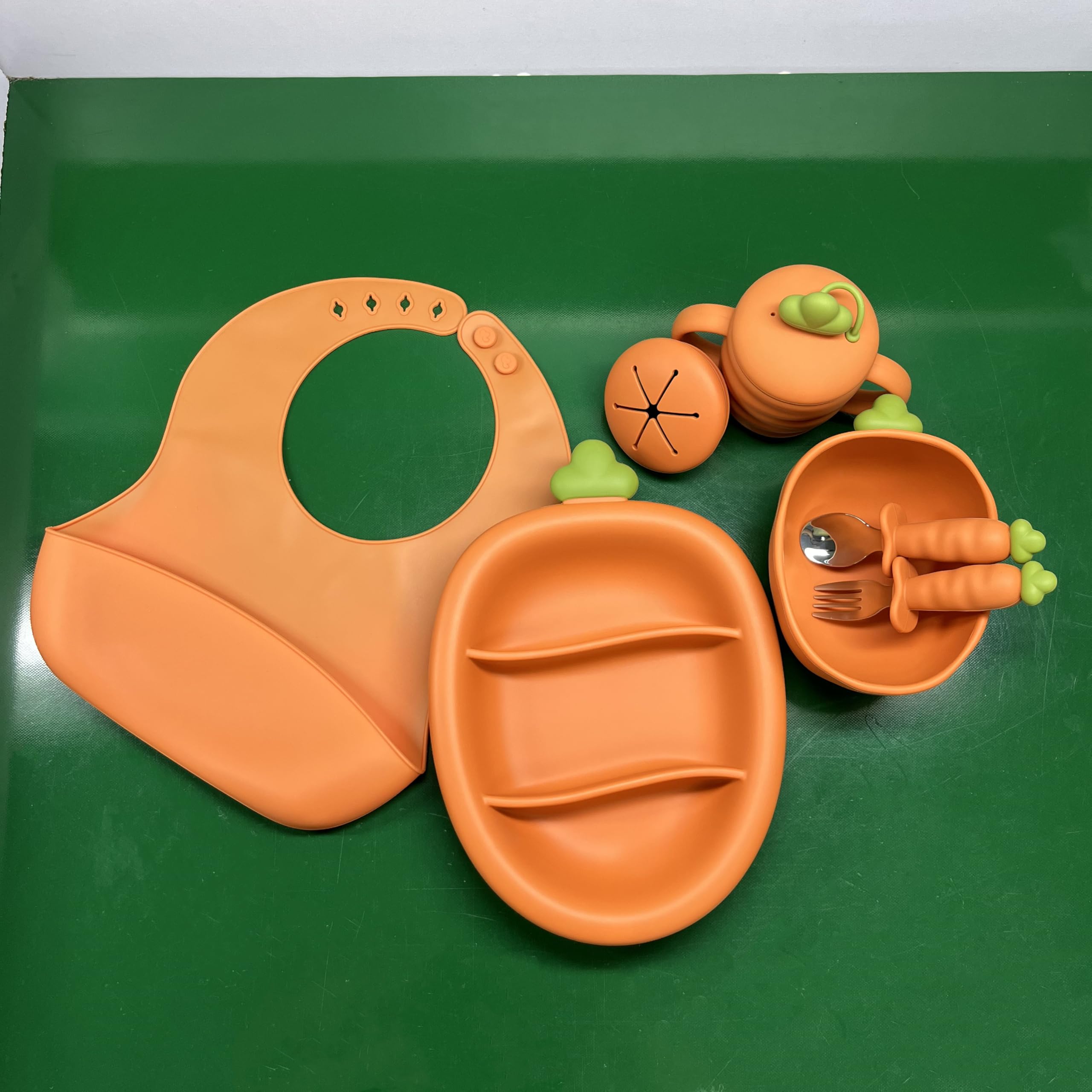 Carrot Shape Silicone Baby Feeding 6 Pack Set, 1 Suction Bowl & Plate, Bib, Spoon, Fork, Cup Rank #1 | 🏆 Top Pick | — | |
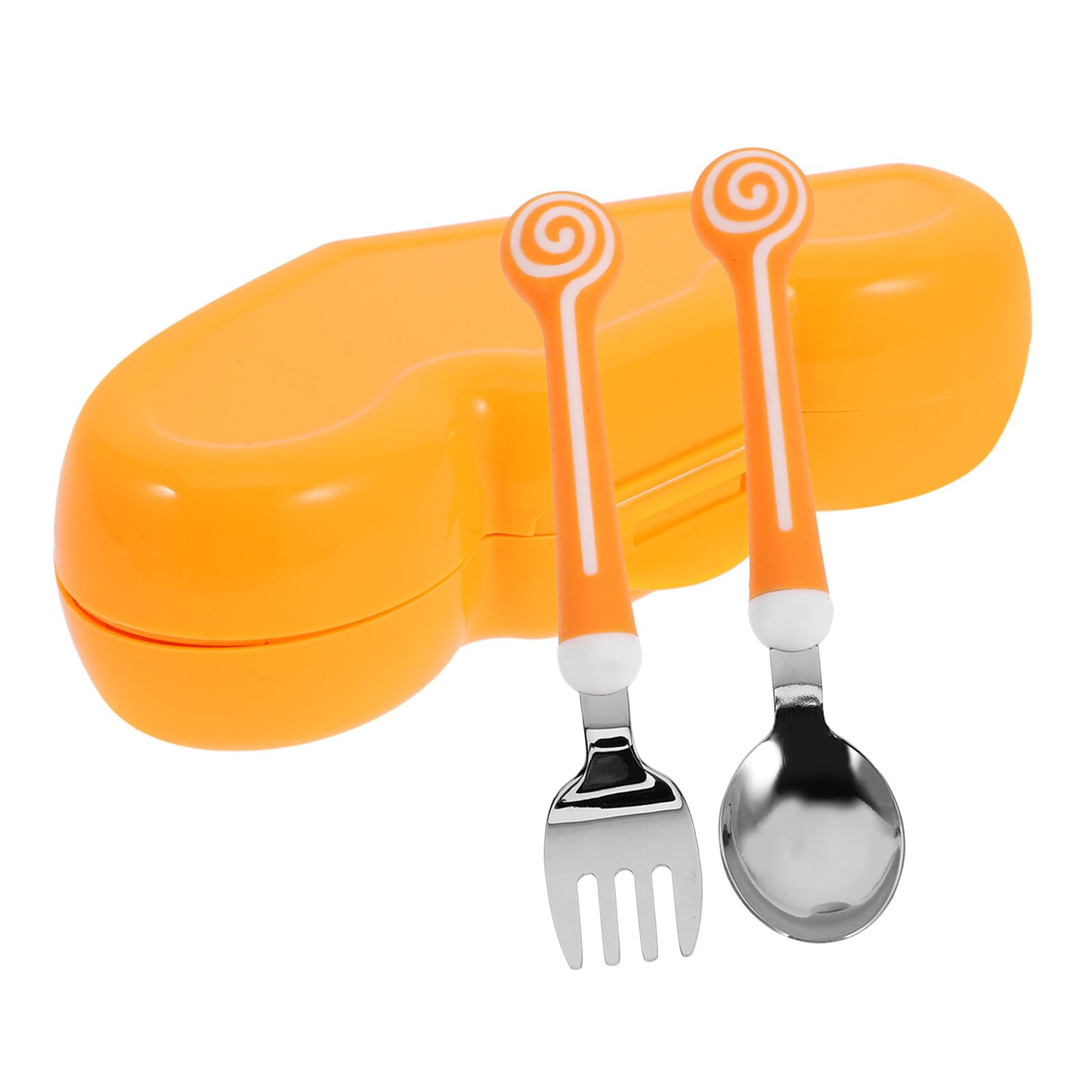 Portable Stainless Steel Utensil Set with Non-slip Handles Reusable Spoon and Fork Flatware for Food-grade Cutlery for Self-feeding and Easy Cleaning Rank #2 | — | ||
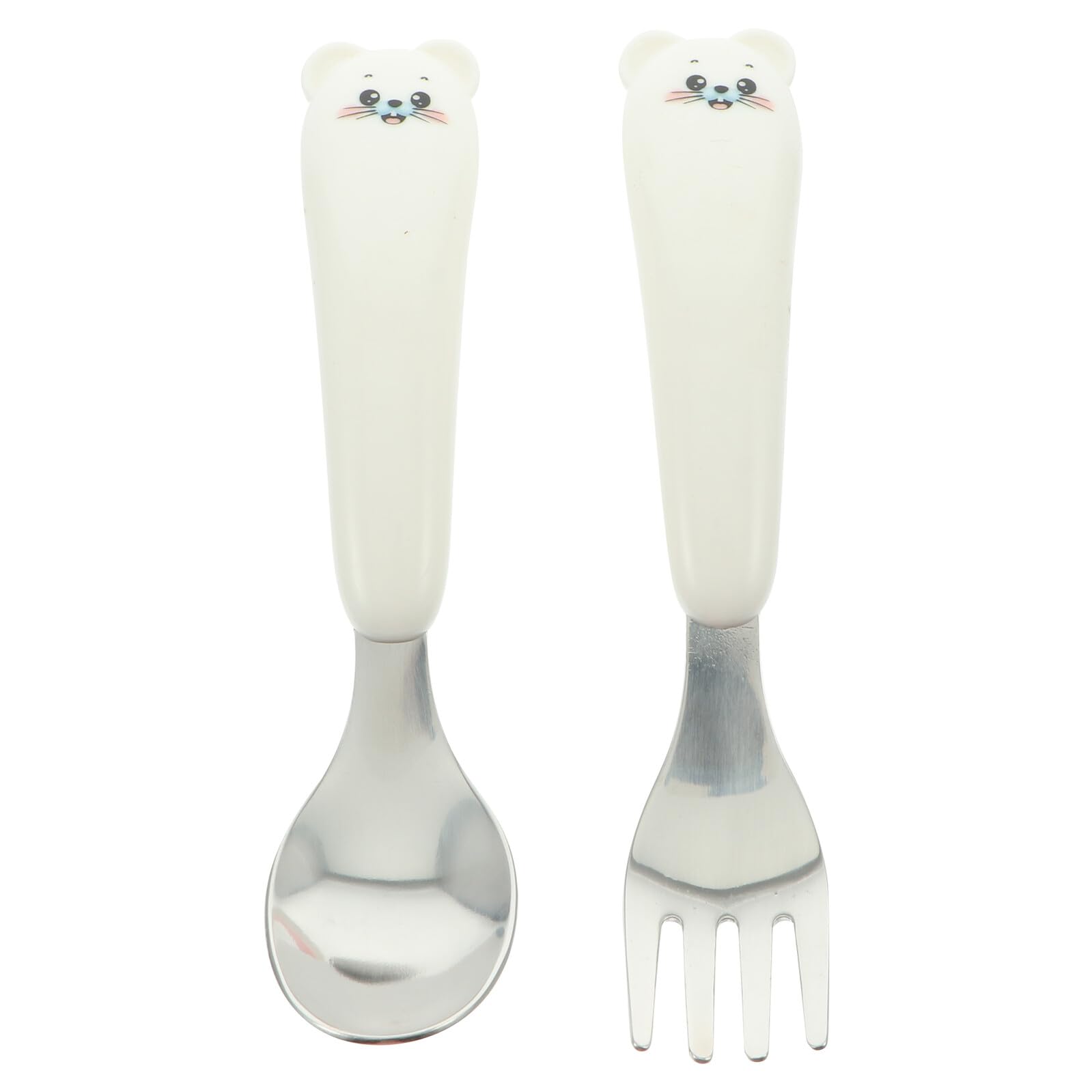 SUPVOX Stainless Steel Tableware Set Portable Fork Spoon with Ergonomic Design and Storage Box Adorable Cartoon Cutlery for Feeding Rank #3 | — | — | |
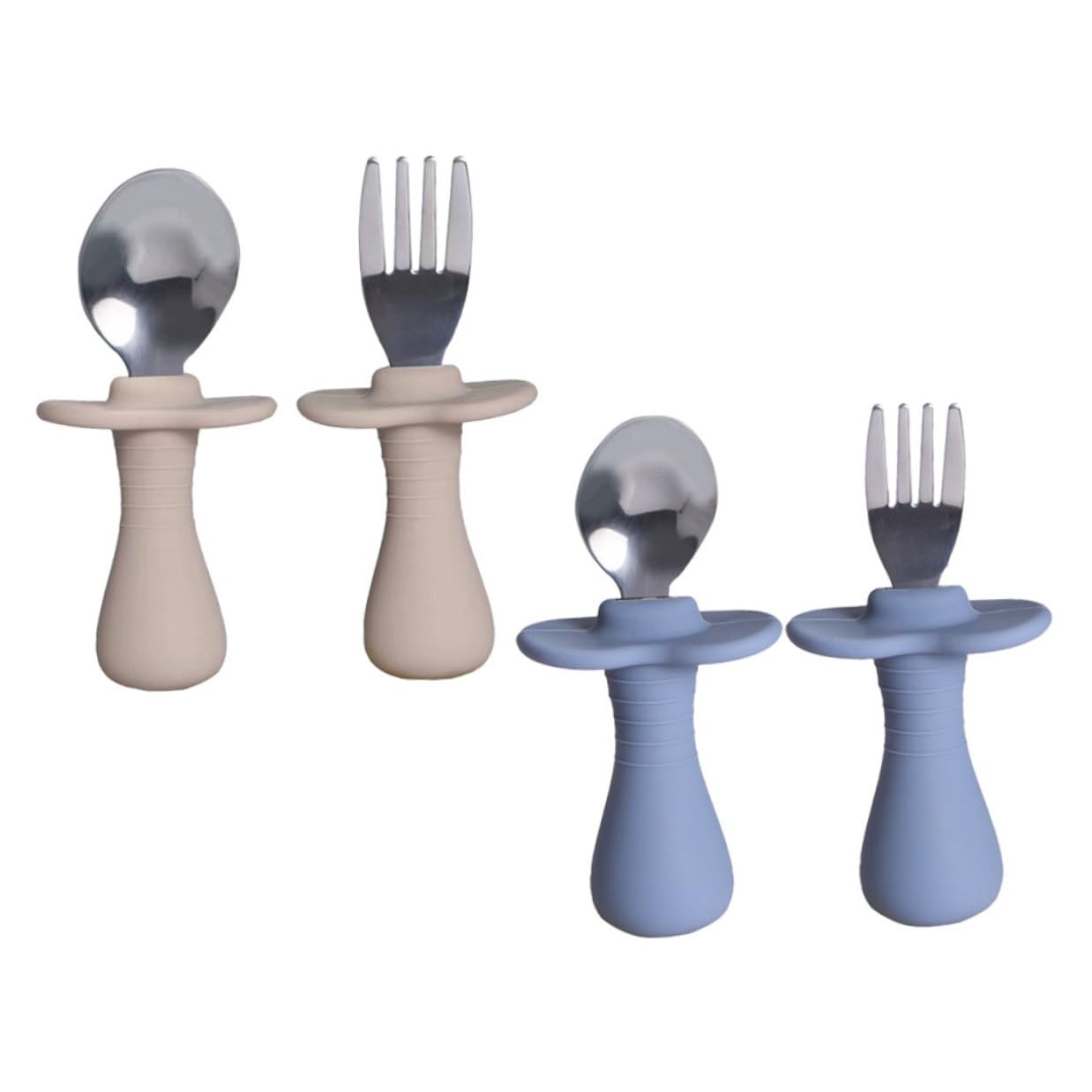 2 Sets Spoon Fork Stainless Steel with Silicone Handles Ergonomic Feeding Utensils Safe Eating Supplies for Self-feeding Training Rank #4 | — | — | |
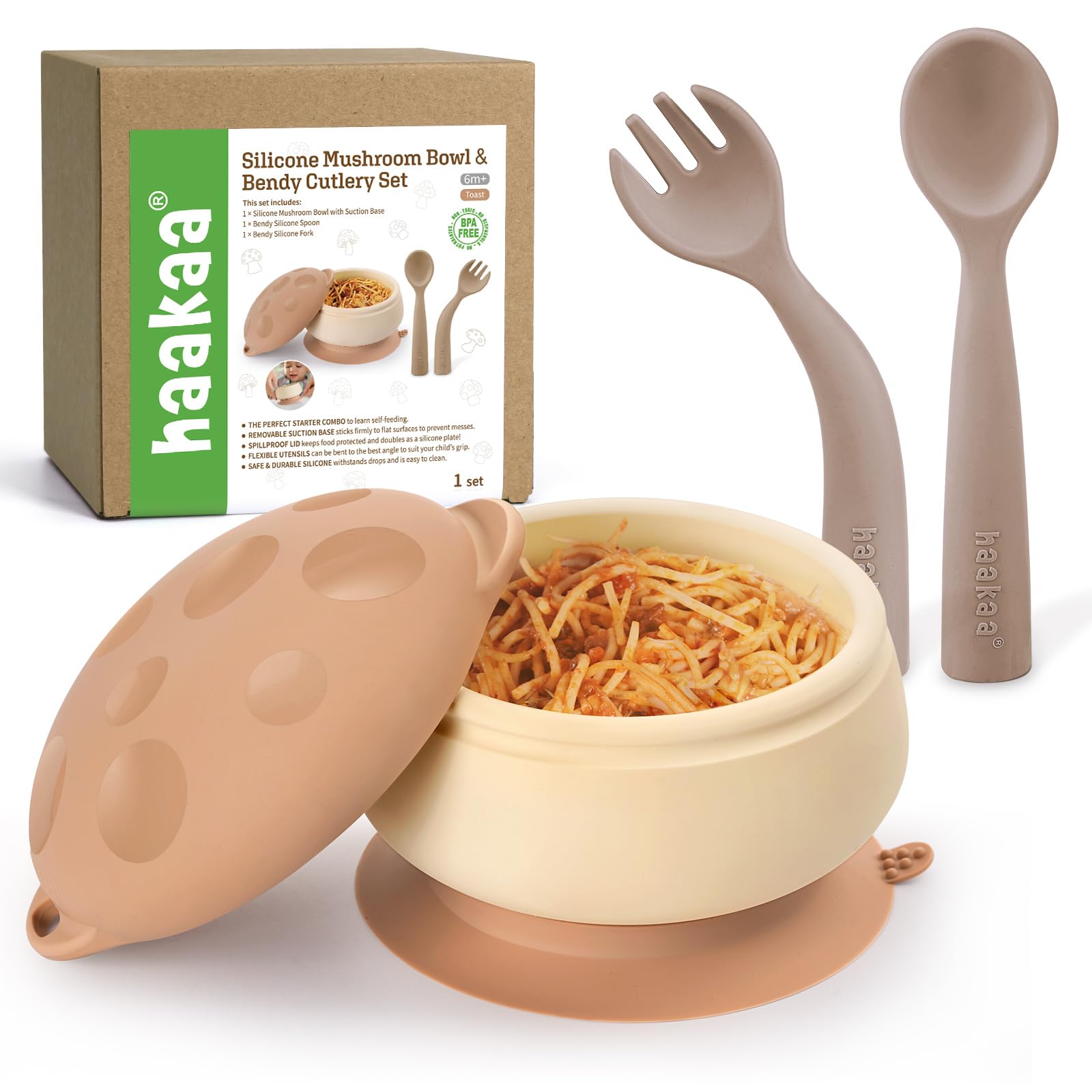 haakaa Silicone Mushroom Bowl & Bendy Cutlery Set – Baby Bowls with Suction & Spillproof Lid, Baby Spoons & Forks for Self Feeding, BPA-Free - Toast Rank #5 | 💰 Budget Pick | — |
