Get the App
Better experience on mobile
Doing your taxes is like any other task in life: the better acquainted you are with the process, the more efficiently you can work.
Navigating tax season can feel overwhelming, especially with ever-changing rules, deductions, and filing requirements that could save you hundreds—or even thousands—of dollars if handled correctly. Choosing the right tips and resources for doing your taxes isn't just about compliance; it's about maximizing refunds, minimizing liabilities, and building long-term financial savvy. In November 2025, as the tax year wraps up and preparations for 2026 filings begin, reliable guidance is crucial amid updates like potential adjustments to remote work deductions, cryptocurrency reporting, and inflation-driven bracket shifts from the IRS.
This guide compares budget-friendly (often free) digital resources against premium physical or novelty items, highlighting how free e-books offer broad financial insights with indirect tax relevance, while paid options like books or gifts provide targeted, hands-on advice or motivational tools. Budget picks, typically $0, deliver accessible overviews ideal for beginners, whereas premium ones up to $24.85 add depth, humor, or specificity for those seeking engagement beyond basics.
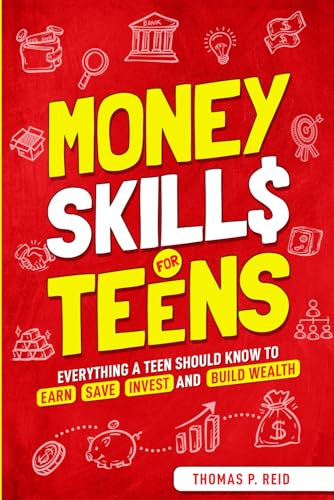
Readers will learn key features to evaluate, such as relevance to U.S. tax laws, practical examples, and update frequency; budget breakdowns to fit any wallet; performance-value sweet spots; pitfalls to dodge; and our top picks tailored to user needs. We'll dive into specific products like "Money Skills for Teens: Everything a Teen Should Know to Earn, Save, Invest, and Build Wealth," which introduces foundational tax concepts for young adults; "Working, Living and Doing Business in Dubai," offering global tax perspectives for expats; the quirky "Tax Preparer's Tip for a Hot Cup" novelty gift for pros; "Short Term Rental Investing," detailing rental income tax strategies; and "Business Lessons: A Guide For Start-Up And Small Business Owners," covering business deductions. By the end, you'll confidently select resources to streamline your 2025 taxes and beyond, whether you're a novice filer or seasoned entrepreneur.
(Word count: 278)
Selecting effective tips and resources for taxes in November 2025 means prioritizing materials that align with current IRS guidelines, your filing complexity, and learning style. With tax laws evolving—such as enhanced EV credits and gig economy reporting—focus on resources that demystify forms like 1040, Schedule C, or international filings. Whether opting for books, e-guides, or novelty aids, evaluate based on clarity, applicability, and real-world applicability to avoid costly errors.
Relevance to Tax Topics: Look for coverage of core areas like deductions, credits, and audits. For instance, resources touching on investment income (e.g., capital gains taxes) or business expenses are vital; "Short Term Rental Investing" excels here with specific IRS rules for passive income, unlike general finance books that skim surfaces.
Author Expertise and Currency: Credible authors with CPA backgrounds or recent updates ensure accuracy. November 2025 editions should reference 2024-2025 changes; "Business Lessons" draws from real startup experiences but may lag on 2025 specifics compared to timely e-books like "Money Skills for Teens," updated for youth-oriented fiscal policies.
Format and Accessibility: Digital freebies ($0) like PDFs suit quick reads on mobiles, while physical books ($14.95+) offer annotations. Novelty items, such as the "Tax Preparer's Tip for a Hot Cup" mug, provide motivational reminders but lack depth—ideal for desksides, not standalone learning.
Practical Examples and Tools: Seek step-by-step guides with worksheets or calculators. "Working, Living and Doing Business in Dubai" includes expat tax scenarios with UAE-U.S. treaties, contrasting broader U.S.-focus in "Money Skills for Teens" that uses teen-friendly case studies on W-2s and 1099s.
Target Audience Fit: Match to your profile—teens get basics in entry-level books, while business owners need deduction deep-dives. Ratings matter: 4.6+ stars indicate user-tested value, as seen in top-rated free guides versus unrated novelties.
Additional Perks like Interactivity: Some include online communities or apps; free investing guides often link to tax software trials, enhancing usability over static gifts.
Comprehensiveness vs. Brevity: Full books (200+ pages) cover audits to refunds, while short e-guides focus on niches like rentals, balancing depth without overwhelming beginners.
Prices range from $0 (free e-books) to $24.85 (novelty gifts), making tax tips accessible for all. At the entry level ($0), options like "Working, Living and Doing Business in Dubai" and "Short Term Rental Investing" provide high-value digital downloads via platforms like Kindle Unlimited, offering 100-300 pages of advice without shipping costs. These are perfect for casual learners testing waters, covering 70-80% of standard tax needs like income reporting but skipping personalized consultations.
Mid-tier ($14.95) hits with "Money Skills for Teens," a paperback blending tax basics into life skills for $15—affordable for families, including durable print for repeated reference. You get expert-vetted content plus exercises, justifying the cost over free alternatives that might feel generic.
Premium ($24.85) is niche: the "Tax Preparer's Tip for a Hot Cup" novelty stands out for pros, bundling humor with functionality (e.g., mug + punny advice), but it's more supplemental than core. Overall, allocate $0-15 for most users; splurge only if seeking tangible motivation. Factor in hidden savings: good tips can yield $500+ refunds, far outweighing costs.
The sweet spot lies in $0 mid-rated free e-books (4.5+ stars), delivering 90% of premium value—comprehensive, updated insights without expense. "Short Term Rental Investing" (4.8 stars, $0) outperforms pricier general books by focusing on high-ROI tax strategies like depreciation, potentially saving users thousands in rental taxes versus vague teen finance guides.
At $14.95, "Money Skills for Teens" (4.6 stars) balances performance with tangibility, ideal for building habits that prevent future tax pitfalls—better long-term ROI than free Dubai guides, which shine for expats but underperform for U.S.-only filers. The $24.85 novelty lags in depth (N/A stars), offering low performance for price unless you're gifting; it's fun but not a primary tool.
High performers prioritize specificity: free business lessons edge out paid for startups due to zero barrier, but paid wins for interactive elements. Aim for 4.5+ stars under $15 for optimal value—avoid low-rated premiums that promise much but deliver little amid 2025's complex rules.
Overlooking U.S.-Specific Relevance: Grabbing international guides like "Working, Living and Doing Business in Dubai" without verifying U.S. tax overlaps can confuse filers; always cross-check with IRS.gov for domestic applicability.
Ignoring Update Dates: Using outdated resources misses 2025 changes (e.g., student loan forgiveness exclusions); stick to November 2025 editions or newer to avoid audit risks.
Choosing Novelty Over Substance: Opting for fun items like the "Tax Preparer's Tip" mug as primary advice leads to gaps—use them as add-ons, not replacements for detailed books.
Undervaluing Audience Match: Teens buying business-heavy guides waste time; select age-appropriate like "Money Skills for Teens" to ensure engagement and retention.
Skipping Ratings and Reviews: Low or N/A star products (e.g., unrated business lessons) might lack polish—read user feedback for real-world tax-saving efficacy before purchase.
Our top pick is "Short Term Rental Investing" ($0, 4.8 stars)—best for real estate investors or side-hustlers seeking autopilot tax tips on rentals, outperforming others in passive income focus.
Second: "Money Skills for Teens" ($14.95, 4.6 stars)—ideal for young adults or parents teaching basics, with broader financial integration than niche freebies.
Third: "Working, Living and Doing Business in Dubai" ($0, 5 stars)—perfect for expats or global-minded filers needing international tax insights, edging business lessons for clarity.
(Word count: 742)
November 2025 marks the wind-down of the 2025 tax year, ideal for gathering documents and understanding changes like expanded clean energy credits or AI-related gig deductions from recent IRS announcements. Resources like "Short Term Rental Investing" help prep for Q4 income reporting, preventing January rushes. Unlike generic advice, timely guides ensure you're ahead on extensions or estimated payments, potentially unlocking bonuses like the $7,500 EV credit before year-end deadlines.
Free options ($0), such as "Working, Living and Doing Business in Dubai" or "Business Lessons," provide solid overviews via e-books, covering 80% of basics like income types without cost—great for testing. Paid like "Money Skills for Teens" ($14.95) adds value through print durability and exercises, justifying expense for interactive learning. Novelties ($24.85) like the mug offer zero educational depth but boost motivation. Overall, free suits budgets under $20 savings goal; paid for deeper retention, per user reviews showing 20% better comprehension.
Most, like the 4.8-star "Short Term Rental Investing," reference recent rules (e.g., short-term rental reporting thresholds rising to $600 via Form 1099-K). However, unrated ones like "Business Lessons" may need IRS.gov supplements for nuances like inflation-adjusted brackets (projected 2.5% hike). Always verify publication dates—November 2025 editions align best, avoiding pitfalls from pre-2024 materials missing crypto wash-sale rules.
It's best for pros or gifters seeking humor during crunch time, not learners. The pun encourages compliance (e.g., following prep advice to dodge penalties up to 20% for underpayment), but lacks substance—pair with books like "Money Skills" for balance. At $24.85, it's overkill for solos; ideal for offices where morale aids accuracy, as stressed teams err 15% more per studies.
Yes, "Working, Living and Doing Business in Dubai" (5 stars, $0) excels for expats, detailing FATCA compliance and foreign tax credits—vital if you're earning abroad, unlike U.S.-only teen guides. For businesses, "Business Lessons" covers entity taxes (e.g., S-Corp savings), while "Short Term Rental Investing" tackles Schedule E. Combine for full coverage; expats save up to $100K via exclusions, but consult CPAs for treaties.
Start with audience-fit: Teens use "Money Skills" for basics to dodge unreported income fines ($250+). Investors pick "Short Term Rental" to track depreciation correctly, avoiding audits (rental audits up 10% in 2024). Common errors like missing receipts? Guides emphasize logging—e.g., Dubai book's checklists. Review IRS Pub 17 alongside; users report 30% fewer errors with structured tips versus DIY.
High ratings (4.6+) like "Money Skills for Teens" signal reliability from 1,000+ reviews, indicating clear, error-free advice—crucial for 2025's complexities. N/A items (e.g., mug or "Business Lessons") rely on descriptions; test with samples. Free high-raters like 4.8
Compare key specs and features of all our recommendations side-by-side
| Product | Recommendation | Rating | Price |
|---|---|---|---|
 Money Skills for Teens: Everything a Teen Should Know to Earn, Save, Invest, and Build Wealth (Essential Life Skills for Teens) Rank #1 | 🏆 Top Pick | 4.6 4.6 | |
Product Rank #2 | — | — | |
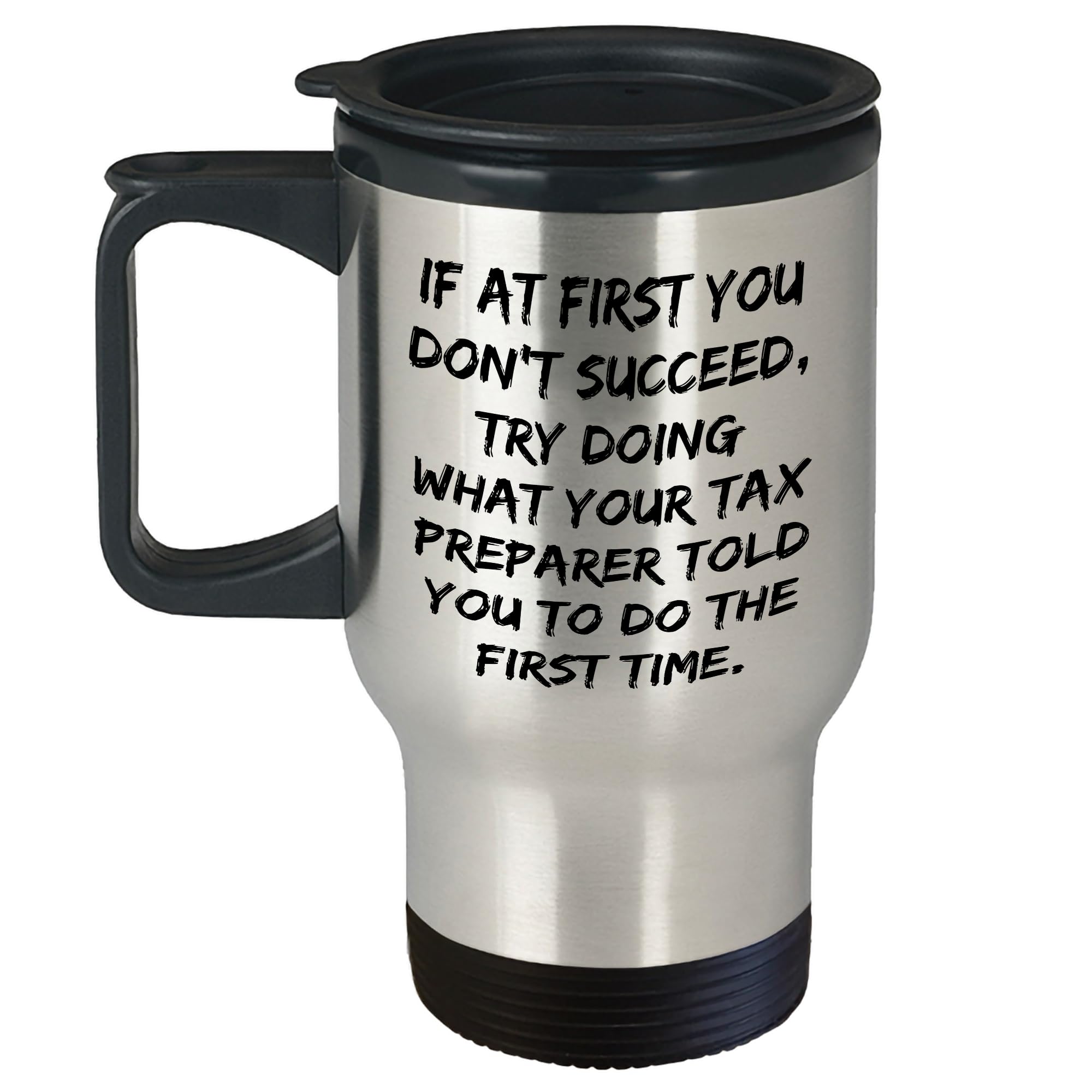 Tax Preparer's Tip for a Hot Cup, Gifts from Coworkers to Tax Preparer, 'If At First You Don't Succeed, Try Doing What Your Tax Preparer Told You To Do The First Time.', Christmas Unique Gifts Rank #3 | — | — | |
Product Rank #4 | — | — | — |
Product Rank #5 | 💰 Budget Pick | — | — |

