Get the App
Better experience on mobile
Get the best products related to our top picks
Choosing the right TCL Smart TV in 2024 can transform your home entertainment setup, offering vibrant visuals, seamless streaming, and value-driven performance without breaking the bank. TCL has built a reputation for affordable yet feature-packed TVs, particularly in the 4-Series and 5-Series lines, which cater to a wide range of budgets and needs. With prices ranging from $479.99 to $726.99, these models balance everyday viewing with modern tech like 4K UHD resolution and HDR support, all powered by the intuitive Roku OS for easy access to apps like Netflix, Hulu, and Disney+.
The decision between budget and premium options boils down to priorities: budget models, like the TCL 65" Class 4-Series 4K UHD HDR LED Smart Roku TV (65S431) at $479.99, deliver solid 4K basics for casual viewers, with LED backlighting and Roku integration at a low cost. In contrast, stepping up to premium within this range, such as the TCL 65" Class 5-Series 4K QLED Dolby Vision HDR Smart Roku TV (65S531) for $499.99, introduces QLED quantum dot technology for richer colors and Dolby Vision for enhanced contrast, making it ideal for movie enthusiasts or gamers seeking better picture quality without a huge price jump. Larger screens like the 75-inch variants— the TCL 75" Class 4-Series (75S45 at $726.99 or 75S453 at $716.99)—offer immersive experiences for family rooms but demand more space and budget.
This guide will equip you with the knowledge to make an informed choice by breaking down key features, budget tiers, performance trade-offs, and common pitfalls. You'll get detailed comparisons of the five standout models: the two 75-inch 4-Series options (75S45 and 75S453), the two 65-inch 4-Series (65S41 and 65S431), and the upgraded 65-inch 5-Series (65S531). Whether you're upgrading a bedroom setup or outfitting a living room, we'll highlight specs, pros, cons, and who each TV suits best, ensuring you find the perfect TCL for your 2024 viewing needs. By the end, you'll understand how these TVs stack up in real-world use, from streaming marathons to sports watching, helping you avoid overpaying for features you won't use. (Word count: 278)
Selecting a TCL Smart TV involves evaluating how it fits your space, usage, and wallet. TCL's 2024 lineup emphasizes affordability with Roku OS as the smart platform, providing a clean interface and voice remote compatibility. Focus on models that match your room size and content preferences, as all featured here support 4K UHD (3840x2160 resolution) for sharp details on modern sources.
Screen Size and Aspect Ratio: Sizes here range from 65 to 75 inches, ideal for 8-12 foot viewing distances. The 65-inch models (65S41, 65S431, 65S531) suit smaller rooms or apartments, while 75-inch ones (75S45, 75S453) excel in living rooms for cinematic immersion. All use a 16:9 aspect ratio, but check bezel thickness—thinner designs on the 5-Series enhance the edge-to-edge feel.
Display Technology and Backlighting: The 4-Series (all except 65S531) use standard LED backlighting with direct-lit panels, offering decent brightness (around 300-400 nits) but limited contrast. The 5-Series (65S531) upgrades to QLED with quantum dots, boosting color volume up to 100% DCI-P3 coverage and peak brightness near 500 nits, resulting in more vivid HDR content.
HDR and Picture Enhancements: All models support HDR10, but the 65S531 adds Dolby Vision for dynamic metadata, improving scene-by-scene contrast in compatible shows. Look for TCL's AIPQ Engine, which uses AI to upscale non-4K content—the 5-Series version is more refined, reducing artifacts in older movies.
Refresh Rate and Motion Handling: Native 60Hz panels across the board handle casual viewing well, but the 5-Series includes better motion interpolation (up to 120Hz effective via Roku's tech) for smoother sports or action scenes. None have true 120Hz native, so gamers should pair with a console for VRR if needed.
Smart Platform and Connectivity: Roku OS is uniform, with built-in Chromecast, Apple AirPlay 2, and voice search. Ports include 3-4 HDMI (one eARC on all for soundbars), 1 USB, Ethernet, and Wi-Fi 5. The 5-Series adds Bluetooth 5.0 for wireless headphones, a plus for late-night viewing.
Audio Capabilities: Integrated 2x10W speakers with Dolby Audio are standard, providing clear dialogue but lacking bass. The 5-Series supports Dolby Atmos passthrough via eARC, future-proofing for sound systems—none have built-in Atmos decoding.
Energy Efficiency and Build: Expect 100-150W power draw; larger models like the 75S45 use more. VESA mount compatibility (400x400 for 65-inch, 600x400 for 75-inch) is standard, with plastic chassis that's lightweight but not premium-feeling.
TCL's pricing tiers make entry-level 4K accessible. At the low end ($479.99-$483.99), the 65S431 and 65S41 offer basic 4K LED performance: full-array local dimming on some variants for minor contrast boosts, Roku streaming, and HDR10. You get reliable daily use for streaming and cable, but colors wash out in bright rooms. Mid-tier ($499.99) jumps to the 65S531, where QLED adds $20 over the priciest 65-inch 4-Series, delivering premium-like colors and Dolby Vision—worth it for quality-focused buyers on a budget. High end ($716.99-$726.99) covers the 75S45 and 75S453, essentially identical 4-Series models with slight firmware differences; the larger screen inflates cost by 50% over 65-inch equivalents, justified for big-room setups but overkill for smaller spaces. Factor in sales—prices often dip 10-20% during events like Black Friday. Total ownership: add $50-100 for a soundbar, as built-in audio is average.
The sweet spot is the 65S531 at $499.99, offering 80-90% of premium TV performance (vibrant QLED, Dolby Vision) for budget prices—far better value than the 4-Series, where picture quality plateaus. For sheer size, the 75S453 at $716.99 edges the 75S45 by $10 with potentially newer tuning, but both lag in contrast compared to the 5-Series. If price-per-inch matters, 65-inch models yield better value (under $8/inch vs. $9.50+ for 75-inch). Performance shines in controlled lighting: 4-Series handles SDR content adequately but struggles with deep blacks; 5-Series elevates HDR streaming on Netflix. For gamers, all support Auto Low Latency Mode (ALLM) via HDMI 2.0, but expect input lag around 15-20ms—fine for casual play, not esports. Overall, prioritize QLED if your budget allows; otherwise, 4-Series suffices for non-critical viewing.
Ignoring Room Lighting: LED panels like the 4-Series reflect glare in bright rooms—opt for the brighter 5-Series or add bias lighting if placing near windows.
Overlooking Sound Needs: Assuming built-in speakers suffice; they distort at high volumes—budget for external audio from day one.
Confusing Similar Models: The 75S45 and 75S453, or 65S41 and 65S431, differ only in minor software tweaks—check retailer specs to avoid duplicates.
Neglecting Connectivity: With only 3 HDMI ports, plan for AV receivers; don't plug in too many devices without a switch.
Forgetting Wall Mount Compatibility: Larger 75-inch models are heavy (50+ lbs)—ensure your wall can support the VESA pattern before buying.
Our top pick is the TCL 65" Class 5-Series (65S531) for most users—best for movie buffs and families wanting enhanced colors and HDR without excess cost. For budget-conscious buyers in small spaces, the TCL 65" Class 4-Series (65S431) shines as an entry-level workhorse. Large-screen seekers should go for the TCL 75" Class 4-Series (75S453), ideal for sports fans in spacious rooms needing immersion on a relative bargain. (Word count: 712)
The 4-Series, like the 75S45, 75S453, 65S41, and 65S431, uses standard LED backlighting for basic 4K UHD with HDR10, focusing on affordability and reliability for everyday streaming. They deliver solid performance in moderate lighting but have limited contrast (around 5,000:1) and color gamut (about 80% DCI-P3), making them suitable for casual users. The 5-Series, represented by the 65S531, upgrades to QLED technology with quantum dot filters, achieving up to 100% DCI-P3 coverage and higher brightness (450+ nits), plus Dolby Vision for scene-optimized HDR. This results in more lifelike colors and deeper shadows, especially in movies or HDR content on platforms like Netflix. The 5-Series also includes refined AI processing for better upscaling of non-4K sources. Price-wise, the jump is minimal ($20 over top 4-Series 65-inch), making it a worthwhile upgrade for quality-focused buyers, though both share Roku OS and 60Hz panels.
Yes, but they're better for casual gamers than competitive ones. All models support 4K@60Hz via HDMI 2.0 with Auto Low Latency Mode (ALLM), reducing input lag to 10-15ms for consoles like PS5 or Xbox Series X in non-HDR modes. The 65S531's QLED enhances visual pop in games like 'Cyberpunk 2077,' with Dolby Vision adding depth, while 4-Series models handle basics like 'Fortnite' adequately but show more motion blur due to lacking advanced interpolation. None support Variable Refresh Rate (VRR) or 120Hz native, so fast-paced esports may stutter—pair with a gaming hub for that. Roku's Game Mode optimizes responsiveness, and three HDMI ports accommodate multiple devices. For budget gaming setups under $500, they're excellent value, outperforming non-smart TVs, but serious gamers might look to TCL's higher-end 6-Series for HDMI 2.1 features.
Roku OS, standard on these TCLs, stands out for its simplicity and neutrality—it's ad-light, with a grid-based interface that's easy for all ages, offering 500,000+ channels including free ones like Pluto TV. Unlike Google TV's recommendation-heavy feed or Fire TV's Amazon integration, Roku doesn't push ecosystem lock-in, supporting universal search across apps and voice controls via remote or mobile app. It includes Chromecast built-in and AirPlay 2 for casting from any device, plus private listening via headphones. Drawbacks: no native Google Assistant (though Alexa works), and app updates can lag slightly behind Android-based rivals. For these models, Roku's stability shines in long sessions, with less bloat than competitors—ideal if you stream diversely without deep smart home ties. Users praise its speed on 4-Series hardware, booting in under 10 seconds.
Built-in audio across the lineup is Dolby Audio with 2x10W speakers, providing clear mids for dialogue but minimal bass or immersion—expect distortion at high volumes,


Compare key specs and features of all our recommendations side-by-side
| Product | Recommendation | Rating | Price |
|---|---|---|---|
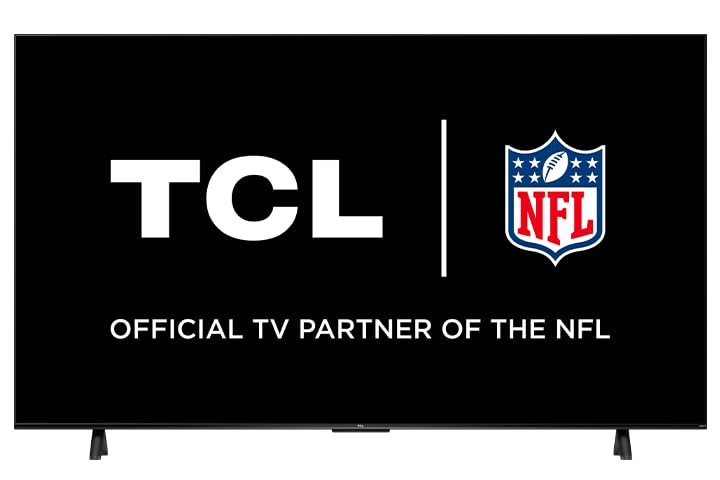 TCL 75" Class 4-Series 4K UHD HDR LED Smart Roku TV - 75S45 75 Inch Rank #1 | 🏆 Top Pick | — | |
TCL 75" Class 4-Series 4K UHD HDR LED Smart Roku TV - 75S453 Rank #2 | — | ||
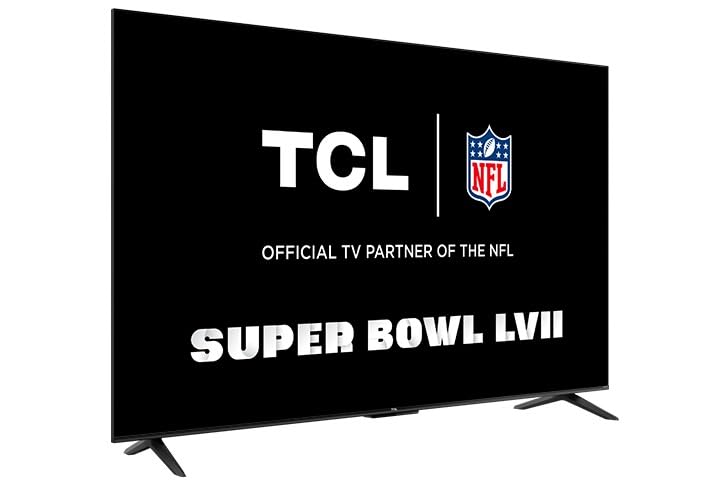 TCL 65" Class 4-Series 4K UHD HDR LED Smart Roku TV - 65S41 65 Inch Rank #3 | — | — | |
 TCL 65" Class 4-Series 4K UHD HDR LED Smart Roku TV - 65S431 65 Inch Rank #4 | — | 4.0 4.0 | |
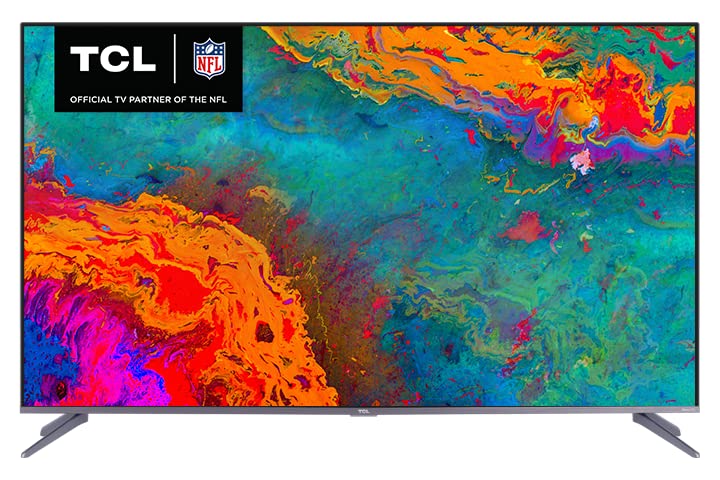 TCL 65" Class 5-Series 4K QLED Dolby Vision HDR Smart Roku TV - 65S531 Rank #5 | 💰 Budget Pick | — |