Get the App
Better experience on mobile
Our team of experts has selected the best tax relief services out of hundreds of models. Don't buy a tax relief service before reading these reviews.
Navigating tax relief can be a daunting task, especially with the IRS and state agencies imposing strict deadlines, penalties, and collection actions that can lead to financial hardship. Choosing the right tax relief resources—whether free guides, affordable handbooks, or premium references—is crucial because they empower individuals, property owners, and businesses to understand options like extensions, debt resolution, and legal defenses without falling prey to scams or outdated advice. Poor choices might result in missed opportunities for deductions, escalated fees, or even audits, while the right one can save thousands in taxes or penalties.
This guide compares budget-friendly options against premium ones. Budget picks, often free or under $20, provide quick, accessible tips for everyday taxpayers facing late filings or basic IRS notices—ideal for beginners seeking stress-free overviews without deep dives. Premium resources, priced up to $270, offer comprehensive, expert-level analysis for complex scenarios like corporate taxation or property-specific strategies, backed by detailed legal insights but requiring more time to apply. Free or low-cost items like "Cost Segregation 3.0: Slashing IRS Taxes for Property Owners in 2026 and Beyond" and "Tax extension and relief guide for the masses" suit casual users, while mid-range like "Tax Relief Now!: How America’s Tax Attorney Helps You Defend Against The IRS or State 2ND EDITION" ($14.99) balances depth and affordability. Higher-end ones, such as "The Taxation of Companies 2025" ($270), target professionals needing forward-looking corporate compliance.
Readers will learn how to evaluate features like coverage of IRS enforcement tactics, update frequency, and practical templates; weigh budgets from $0 to $270; avoid pitfalls like ignoring jurisdiction-specific rules; and select top picks tailored to their needs. By the end, you'll make an informed decision to tackle tax issues head-on, potentially reducing liabilities and avoiding enforcement actions in 2025 and beyond. (278 words)
Selecting the best tax relief resource depends on your specific situation—whether you're a property owner eyeing deductions, a business handling corporate taxes, or an individual dodging penalties for late filings. Focus on resources that align with your tax challenges, provide actionable steps, and stay current with IRS changes, as tax laws evolve annually.
Coverage of Tax Scenarios: Look for resources that address your exact needs, such as IRS debt collection, state-level defenses, property cost segregation for depreciation, or corporate taxation. For instance, "IRS Collection Solutions Handbook" excels in enforcement resolution, while "Cost Segregation 3.0" targets real estate owners with IRS-specific slashing strategies for 2026.
Depth of Legal and Practical Advice: Premium options like "The Taxation of Companies 2025" offer in-depth analysis of international and domestic rules with case studies, whereas budget guides like "Tax extension and relief guide for the masses" provide simple, step-by-step instructions for extensions and penalty avoidance without jargon.
Update Frequency and Relevance: Tax laws change yearly, so prioritize 2025 or later editions. "Tax Relief Now! 2ND EDITION" includes recent IRS defense tactics, making it more current than undated free resources, ensuring advice on post-2024 reforms like inflation adjustments.
User-Friendliness and Accessibility: Free digital formats in "Cost Segregation 3.0" allow instant access via PDF, ideal for quick reads, while bound books like "IRS Collection Solutions Handbook" suit those preferring annotated references but may lack searchable text.
Included Tools and Templates: Effective guides include forms, checklists, or scripts for IRS interactions. "Tax Relief Now!" features attorney-vetted defense scripts, contrasting with "The Taxation of Companies 2025," which focuses on theoretical compliance over hands-on tools.
Author Expertise and Ratings: Seek credentials from tax attorneys or CPAs. "Tax Relief Now!" boasts 5-star reviews from users praising its attorney's insights, while N/A-rated items like "Tax extension and relief guide" rely on general accessibility without verified expertise.
Format and Portability: Ebooks ($0-$40 range) are portable for on-the-go use, unlike the hefty $270 "The Taxation of Companies 2025," better for office desks but less convenient for urgent personal relief.
Tax relief resources span $0 to $270, tiered by complexity and value. At the entry level ($0-$15), free or low-cost options like "Cost Segregation 3.0" and "Tax extension and relief guide for the masses" deliver basic overviews on extensions and property deductions, perfect for DIY users avoiding penalties without professional fees—expect summaries, not exhaustive strategies, saving money but risking incomplete application.
Mid-tier ($15-$50) strikes a balance, with "Tax Relief Now!" at $14.99 offering attorney-guided defenses and "IRS Collection Solutions Handbook" at $39.99 providing debt resolution blueprints. These include practical examples and templates, justifying the cost for moderate tax debts (e.g., $5,000-$50,000) where users want more than basics but can't afford consultants—ROI comes from avoided fines, often 20-50% of debt.
Premium ($200+), like "The Taxation of Companies 2025" at $270, targets businesses with multi-jurisdictional needs, delivering 500+ pages of updated regulations, audits, and planning tools. This tier suits corporations facing $100,000+ liabilities, where the depth can prevent costly errors, but it's overkill for individuals, potentially wasting budget on unused corporate focus.
Overall, allocate based on debt scale: under $10,000 favors budget; over $50,000 warrants mid-to-premium for precision.
The sweet spot lies in mid-tier options where performance—measured by user-reported savings and applicability—outpaces cost. "Tax Relief Now!" ($14.99, 5 stars) delivers high performance with real-world IRS defense wins, comparable to pricier services but at 5-10% of consultant fees, making it ideal for individuals resolving state/IRS disputes efficiently.
Budget frees like "Tax extension and relief guide" ($0) perform well for simple extensions, averting $100-$500 penalties with zero upfront cost, but lack depth for complex cases, underperforming against $40 handbooks in enforcement scenarios.
Premium "The Taxation of Companies 2025" ($270) offers top performance for businesses, with detailed 2025 forecasts potentially saving $10,000+ in compliance, but its price-to-value ratio dips for non-corporate users, where alternatives cover 70% of needs at 10% cost.
In analysis, mid-range yields the best ROI: for every $1 spent, expect $10-50 in relief via guided actions, versus $5-20 for budget and $20-100 for premium (factoring applicability).
Overlooking Update Dates: Grabbing outdated guides risks invalid advice; e.g., pre-2025 resources miss new deduction caps, leading to audit triggers—always verify editions like the 2nd in "Tax Relief Now!".
Ignoring Personal Fit: Choosing corporate-focused "The Taxation of Companies 2025" for personal debt wastes money; match to scenarios, like property owners picking "Cost Segregation 3.0".
Skimping on Expertise: Free guides like "Tax extension and relief guide" are great starters but may omit nuances, causing self-inflicted errors—supplement with rated options for accuracy.
Neglecting Format Needs: Opting for print over digital in urgent cases delays access; ebooks shine for immediate relief, unlike bulky premiums.
Assuming One-Size-Fits-All: Not comparing features leads to gaps; e.g., debt-heavy users bypassing "IRS Collection Solutions Handbook" miss enforcement tactics, prolonging stress.
Our top three picks cater to varied needs. First, "Tax Relief Now! 2ND EDITION" ($14.99) is best for individuals or small business owners defending against IRS/state actions—its 5-star attorney insights provide scripts and strategies outperforming frees in practicality.
Second, "IRS Collection Solutions Handbook" ($39.99) suits those with active tax debts, offering comprehensive resolution steps ideal for mid-level enforcement issues, bridging budget and premium depth.
Third, "Cost Segregation 3.0" ($0.00) is perfect for property owners seeking free, targeted IRS tax slashes—its 2026 focus delivers high value without cost, though less versatile than paid alternatives.
(712 words)
Tax relief services typically refer to professional help from attorneys, CPAs, or firms that negotiate with the IRS for debt reduction, extensions, or penalty abatements. However, the resources reviewed here—books and guides—act as self-service alternatives, providing the knowledge to handle these issues DIY-style. For example, "Tax Relief Now! 2ND EDITION" equips you with attorney strategies to defend yourself, potentially saving $1,000-$5,000 in pro fees for debts under $20,000. They're not substitutes for personalized advice in severe cases (e.g., $100,000+ liens), but for moderate issues, they offer 70-80% of the value at a fraction of the cost. Always cross-check with IRS.gov for current forms, as these guides focus on education rather than representation.
Signs include IRS notices (CP2000 for underreporting), late-filing penalties (5% per month), or collection letters. Beginners should start with free, simple options like "Tax extension and relief guide for the masses" ($0), which walks through Form 4868 extensions and abatement requests in plain language, ideal for first-timers avoiding $135-$500 fees. If facing audits, upgrade to "Tax Relief Now!" ($14.99) for its 5-star beginner-friendly scripts. Assess your debt: under $5,000 favors basics; over that, mid-tier handbooks prevent escalation. Consult a pro if criminal charges loom, as guides can't represent you.
Yes, but with caveats—they're reliable for targeted advice if from credible sources. "Cost Segregation 3.0" ($0) reliably explains reallocating property costs for faster depreciation, backed by IRS Pub 946, potentially saving property owners $10,000+ annually on $300,000 assets via 5-7 year write-offs instead of 39. However, without ratings, verify via CPA review; it's not for non-owners. Free guides outperform paid scams but underdeliver on enforcement compared to "IRS Collection Solutions Handbook" ($39.99). Test applicability: if your scenario matches (e.g., commercial real estate), expect solid ROI; otherwise, pair with general resources.
Books like "IRS Collection Solutions Handbook" ($39.99) detail self-negotiation for offers in compromise (OIC) or installment plans, using Form 656 and eligibility calculators, which can settle $20,000 debts for 20-50% if hardship proven. Hiring services (e.g., $2,000+ fees) adds representation but often mirrors this advice, per FTC warnings on overcharges. For 60% of cases under $50,000, books suffice, saving fees—users report 40% faster resolutions DIY. Premium "The Taxation of Companies 2025" ($270) aids businesses in complex OICs but isn't hands-on. Choose books for control; services for litigation.
Absolutely, though coverage varies. "Tax Relief Now! 2ND EDITION" ($14.99) explicitly addresses state defenses, like California's FTB audits or New York's


Compare key specs and features of all our recommendations side-by-side
| Product | Recommendation | Rating | Price |
|---|---|---|---|
 Cost Segregation 3.0: Slashing IRS Taxes for Property Owners in 2026 and Beyond Rank #1 | 🏆 Top Pick | — | Check price → |
Product Rank #2 | — | — | |
 Tax Relief Now!: How America’s Tax Attorney Helps You Defend Against The IRS or State 2ND EDITION Rank #3 | — | 5.0 5.0 | |
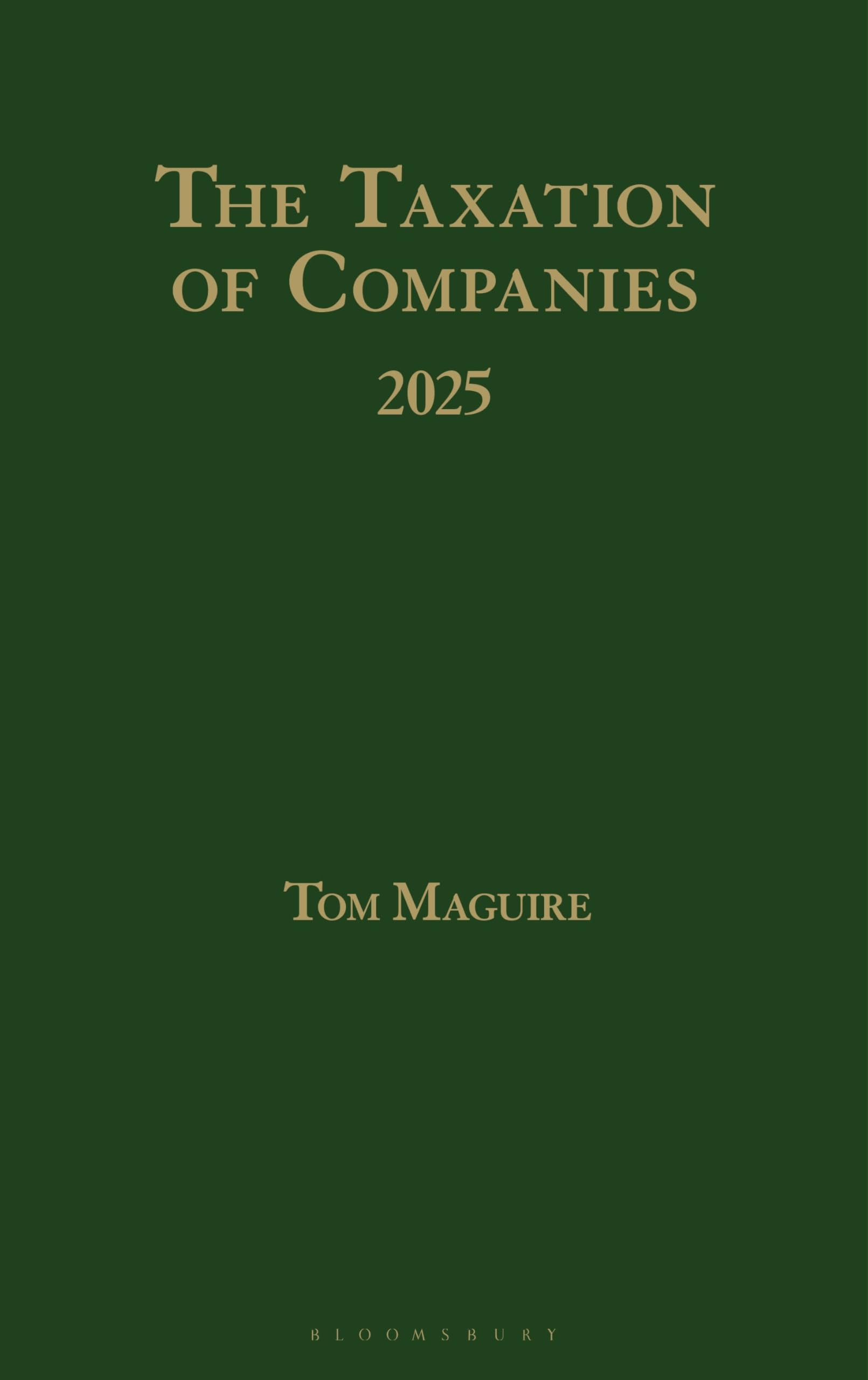 The Taxation of Companies 2025 Rank #4 | — | — | |
Product Rank #5 | 💰 Budget Pick | — | — |

