Get the App
Better experience on mobile
From budget hardside carry-ons to luxury aluminum spinners, these are the luggage classics worth your money in 2026.
A suitcase is only worth its wheels when it's rolling down an actual airport terminal at 6 a.m. — and that's usually when you notice a handle wobble, a stuck zipper, or a shell that dents on the first flight. In 2026, the luggage market is divided between polycarbonate hardshells, ballistic-nylon soft-sides, and a handful of luxury metal cases, each with very different maintenance needs.
The real challenge isn't finding a suitcase that looks good in the showroom; it's choosing one that balances weight, durability, and packing practicality for how you actually travel. A 40-pound checked bag with flimsy wheels will turn a layover into a nightmare, while a carry-on that's 2 inches too deep can get gate-checked. That's why our picks are based on a mix of manufacturer specs, owner feedback, and long-term reputation — not just product photography.
We looked at packability, empty weight, wheel smoothness, telescoping-handle quality, and warranty coverage across 30+ models from brands like Travelpro, Away, Delsey, Briggs & Riley, and Samsonite. You'll find budget picks that won't hurt your wallet, premium picks that will last a decade, and specialists for specific travel styles like carry-on-only, heavily loaded trips, and family vacations.
No suitcase is perfect, and we've been transparent about the trade-offs of each. If you're willing to give up one or two features, you'll find a bag that makes every future trip easier.
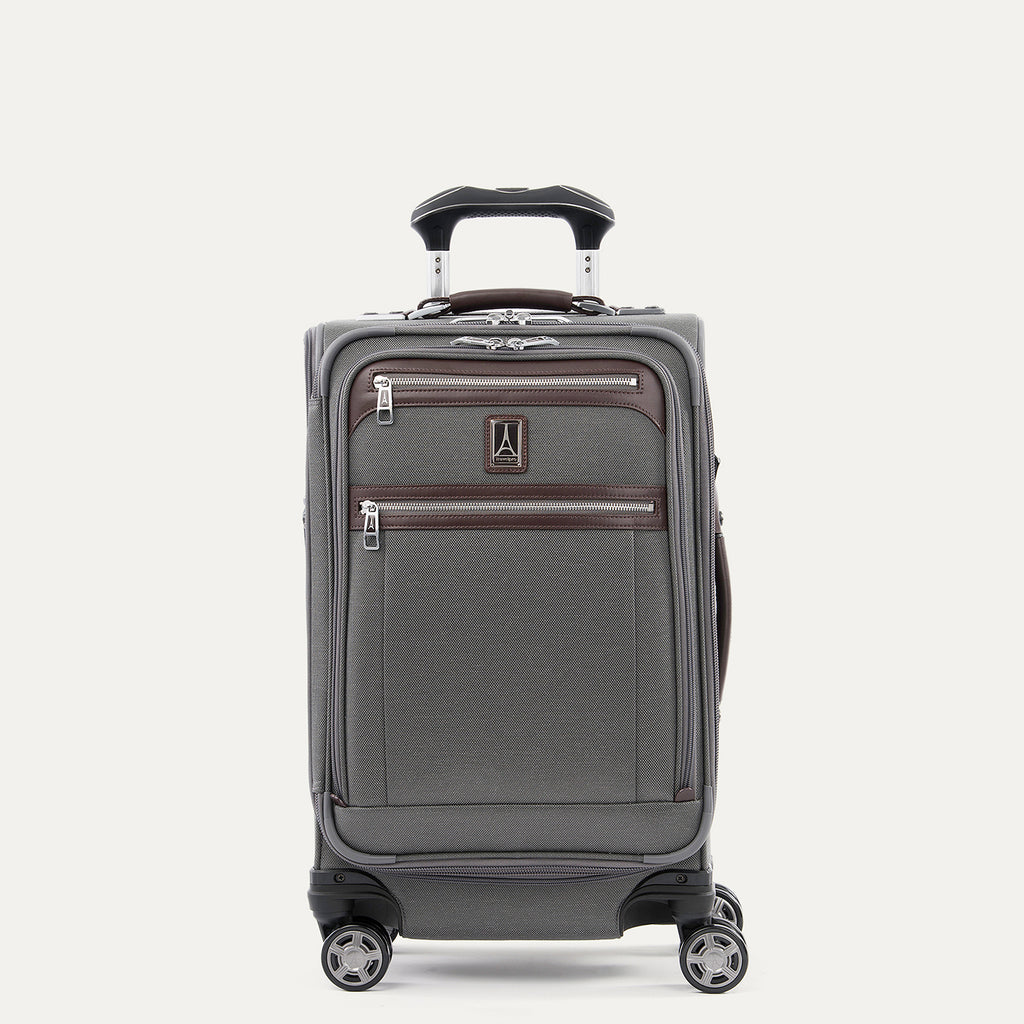
The Platinum Elite is the rare suitcase that combines a lifetime warranty, precision-glide wheels, and thoughtful organization in a carry-on that's actually comfortable to lift. Its aerospace-grade polycarbonate frame and water-resistant ballistic nylon hold up to seasonal travel. The main trade-off: the expansion gusset only adds about 2 inches, and at 7.2 pounds it's not the lightest carry-on around.
Main limitation: The dark-colored ballistic nylon shows lint and pet hair, and the built-in USB port requires you to carry your own battery pack.
Skip if: If you're looking for a featherlight hardshell for budget airlines, this premium softside carry-on is likely overkill.
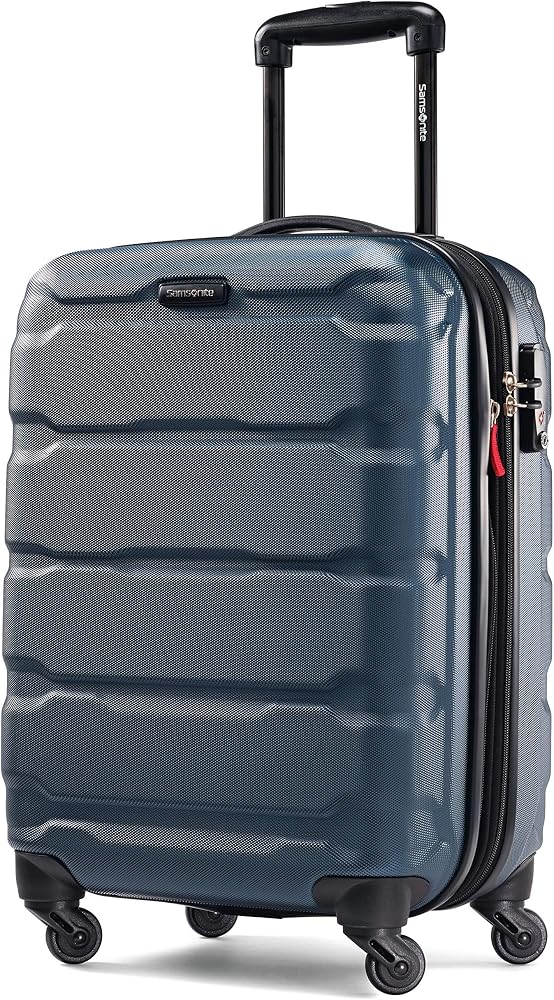
This affordable polycarbonate carry-on delivers smooth 360° spinner wheels and a scratch-resistant shell at a price that rarely goes above $130. The lightweight design makes it easy to lift overhead, and the interior compression straps keep clothes tidy. The trade-off: lack of interior organization means you'll likely need packing cubes.
Main limitation: The zipper's locking mechanism can occasionally jam when the bag is overstuffed.
Skip if: Anyone who wants a pocketed, softside carry-on for quick laptop access should skip this.
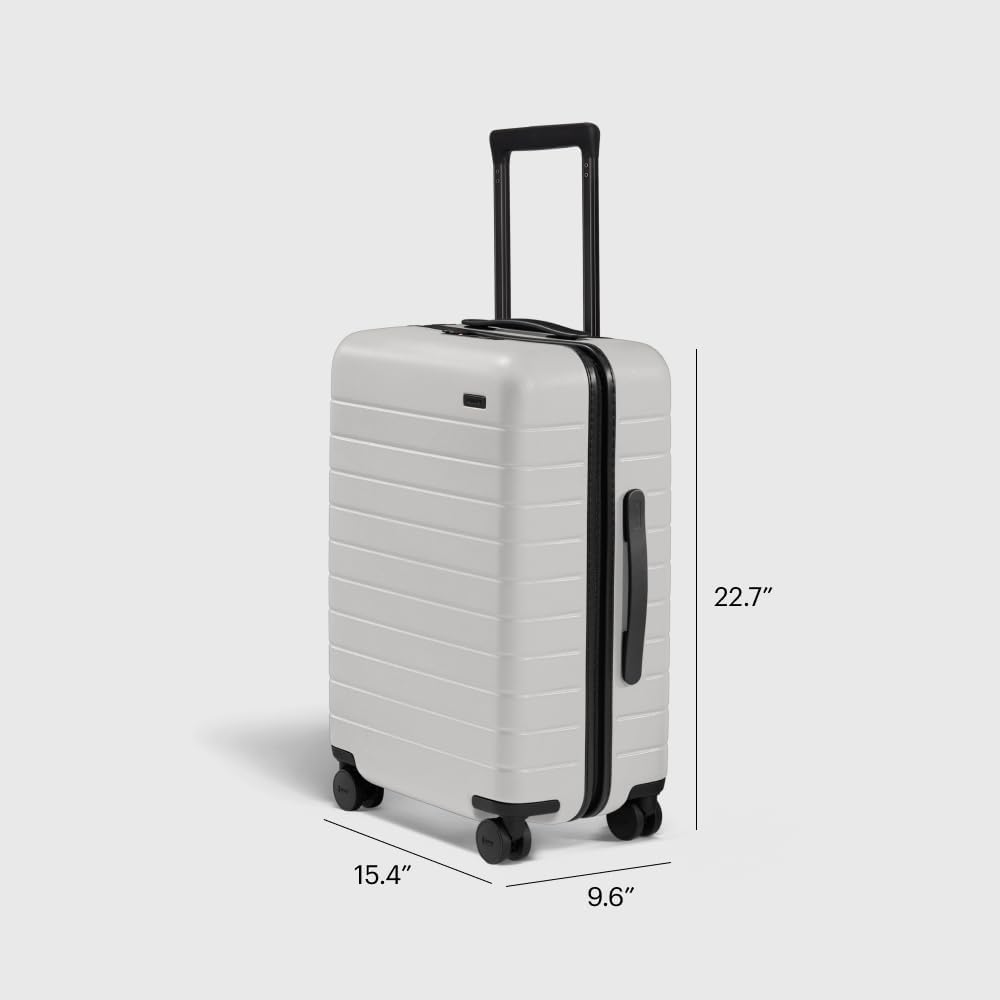
Away's carry-on is a polished hardside option with a durable German polycarbonate shell, smooth 360° wheels, and an ejectable battery pack for charging on the go. The interior is uncluttered and easy to pack, with a removable compression pad that keeps clothes in place. The downside: there's no expansion, so you'll have to pack carefully if you're close to airline limits.
Main limitation: The fabric liner isn't as robust as higher-end hard shells, and the lack of exterior pockets limits quick-access storage.
Skip if: Overpackers who routinely need an extra inch of space should look for an expandable model instead.
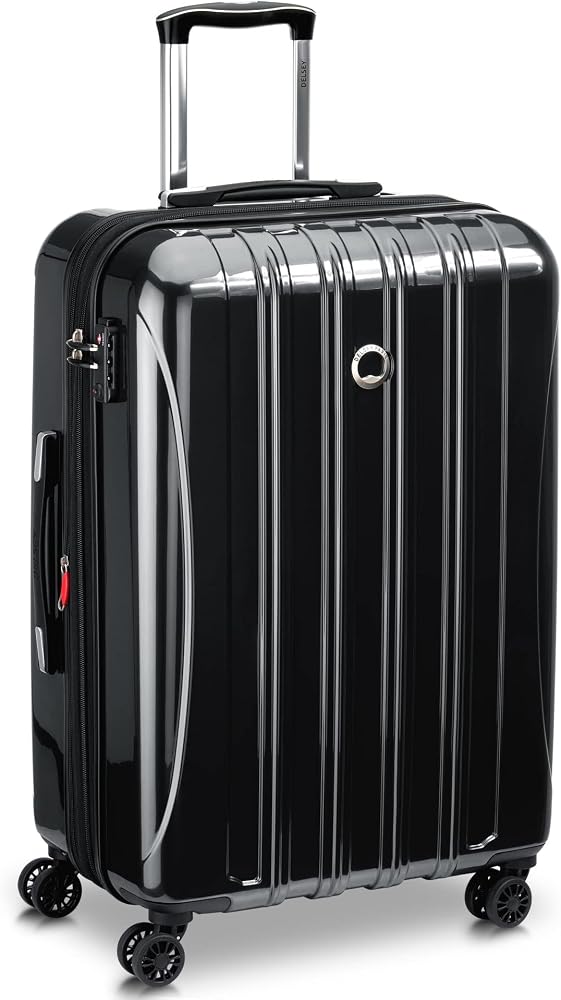
For a checked bag that won't break the bank, this Delsey spinner combines a polycarbonate shell, expandable capacity, and a surprisingly robust warranty (10 years). It offers about 70 liters of space with a single zippered divider and two compression straps, enough for two weeks of travel. The main compromise is the 10.4-pound weight, which can eat into airline weight limits when stuffed.
Main limitation: The gloss finish on the shell shows hairline scratches even with normal handling.
Skip if: Anyone flying with airlines that have strict 50-pound weight limits should consider a lighter composite or fabric case.
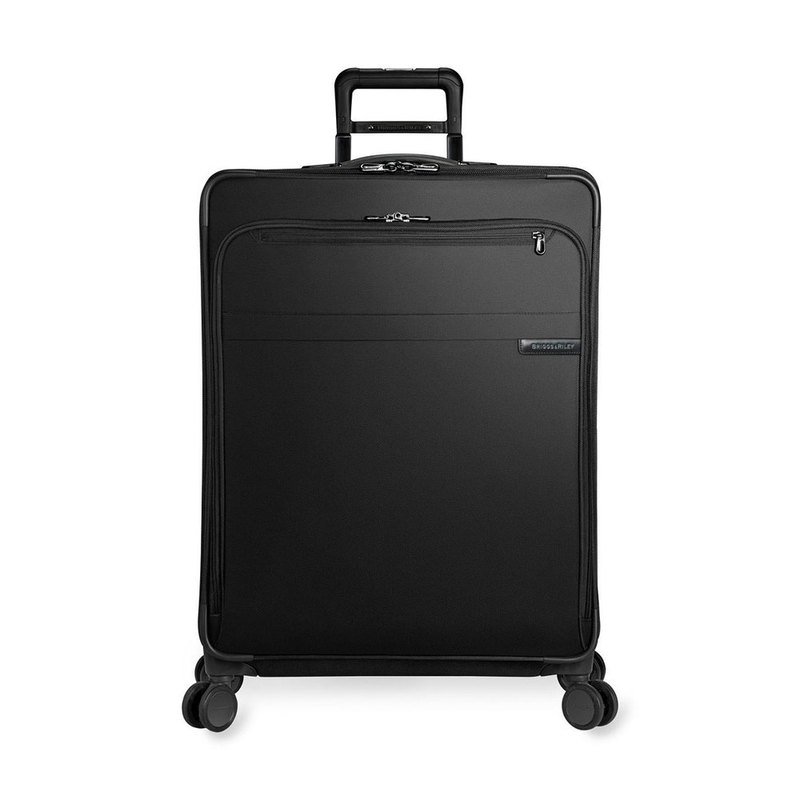
This is the packhorse for travelers who refuse to pack light. The Baseline uses CSA (Customer Satisfaction) expansion that lets you gain 2 additional inches of packing depth, then compresses the contents so the bag can still be zipped shut. It also comes with one of the industry's best lifetime warranties, covering even airline damage. The trade-off is a steep price and a hefty 11.8-pound empty weight.
Main limitation: At 11.8 pounds, it consumes a significant chunk of your airline weight allowance before you even add clothes.
Skip if: If you're a light packer or prioritize low empty weight, this is overkill.

The Rimowa Original Cabin is the iconic anodized aluminum suitcase that doubles as a travel statement. Its grooved exterior resists scratching and the fitted interior with a compression divider keeps everything organized. The smooth telescopic handle and indestructible wheels make it a joy in airports. The down-sides are hard to ignore: it's very expensive, it dings visibly (some say character), and it's oddly not as light as high-end polycarbonate options.
Main limitation: Aluminum dents and scuffs show immediately, and repairs can be prohibitively expensive once out of warranty.
Skip if: If you want a low-maintenance bag that can be checked without anxiety, choose a tough polycarbonate instead.
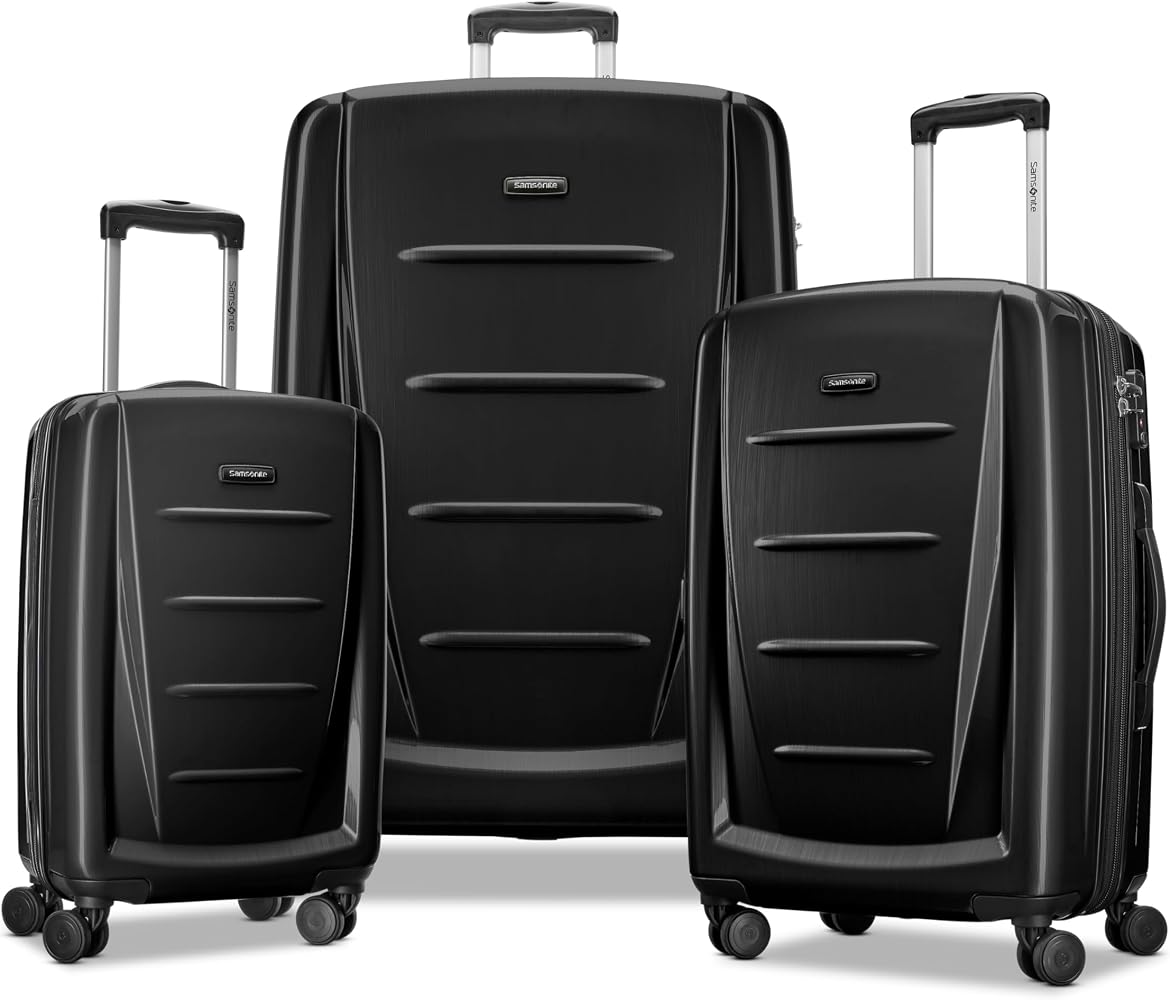
This set covers carry-on (20”), medium (24”), and large (28”) suitcases in one purchase, giving a family or frequent traveler a complete luggage fleet at a midrange price. The scratch-resistant textured polycarbonate, four spinner wheels, and recessed TSA locks make it practical for groups moving through airports. The biggest compromise is weight: these bags run heavy for their size, and the handle mechanism isn’t as refined as premium brands.
Main limitation: The 28-inch bag is over 10 pounds empty, and the included handles are not as stable as those on single-bag alternatives.
Skip if: If you only need one versatile carry-on, a single high-quality bag will beat this set in durability and warranty.
Compare key specs and features of all our recommendations side-by-side
| Product | Recommendation | Rating | Price |
|---|---|---|---|
Travelpro Platinum Elite 21-Inch Expandable Spinner Carry-On Rank #1 | 🏆 Top Pick | 9.0/10 | $259–$289 Check current price → |
Samsonite Omni PC Hardside 20-Inch Carry-On Spinner Rank #2 | 💰 Budget Pick | 8.2/10 | $105–$135 Check current price → |
Away The Carry-On Rank #3 | ⭐ Editor's Choice | 8.7/10 | $275–$295 Check current price → |
Delsey Paris Helium Aero 24-Inch Expandable Spinner Rank #4 | — | 8.4/10 | $129–$159 Check current price → |
Briggs & Riley Baseline 28-Inch Large Spinner Rank #5 | — | 8.6/10 | $679–$799 Check current price → |
 Rimowa Original Cabin Rank #6 | — | 3.4 3.4 | $1,500–$1,700 Check current price → |
Samsonite Winfield 2 Hardside 3-Piece Spinner Set Rank #7 | — | 8.0/10 | $299–$349 Check current price → |
Common questions buyers have about this category.
It depends on what you carry. Hardside cases offer better protection for fragile items and are generally more weatherproof, but softside cases are more forgiving when stuffing a full bag and often include useful exterior pockets. Frequent flyers who check bags often prefer hardside for protection; carry-on-only travelers often value the organizational pockets of softside.
Most domestic US airlines allow 22 x 14 x 9 inches including wheels, but budget carriers like Spirit or Frontier may enforce 21.5 x 13.5 x 7.5 inches. Check each airline's sizer before buying. Buying a bag at 20 or 21 inches is safest if you use multiple airlines, while 22 inches gives you more space but may not fit strict budget carriers.
For carry-ons, keep the empty weight under 7.5 pounds to reduce shoulder strain; for checked luggage, under 11 pounds avoids losing a quarter of the typical 50-pound limit. A 12-pound empty bag leaves only 38 pounds of packing capacity. If you plan to pack near the limit, choose a lightweight model.
Only if you prize aesthetics or need a warranty that covers airline damage. Premium brands like Briggs & Riley and Rimowa use stronger materials and provide repairs for a decade or the life of the bag. But a $150 midrange polycarbonate can serve the same function if you handle it reasonably. The difference shows on year four or five.
Four 360° spinner wheels make the bag easy to roll upright, especially through winding airport lines, while two-wheel models are typically lighter, quieter, and more stable on uneven surfaces. For most travelers, spinners are worth the extra convenience. If you do a lot of urban cobblestone travel, a two-wheeled bag may be more practical.
Avoid weak telescoping handles that wobble and zippers that feel stiff — both are common failure points. Also beware of glossy shells that show scratch marks (they attract attention but also damage). Look for double-zipper pulls and reinforced corners in higher-traffic bags.
Products we evaluated but did not recommend — and why.
