Get the App
Better experience on mobile
From budget spinners to premium softside cases, these are the seven suitcases worth your money this year.
A suitcase that's a joy to roll through an airport is rare; one that survives the baggage carousel is rarer still. The real challenge is balancing weight, durability, and price, and the market is crowded with options that compromise on all three.
Our research draws on published expert reviews, manufacturer specification sheets, and aggregated buyer feedback from major retailers. We've focused on the details that actually affect your travel experience: wheel smoothness, handle strength, shell thickness, and warranty coverage. From budget hardside spinners to luxury softside carry-ons, these seven picks cover the spectrum.
Keep in mind that the right size depends on the length of your trip and the airline you choose. Carry-on limits have tightened in recent years, so always check your airline's dimension and weight limits before you buy.
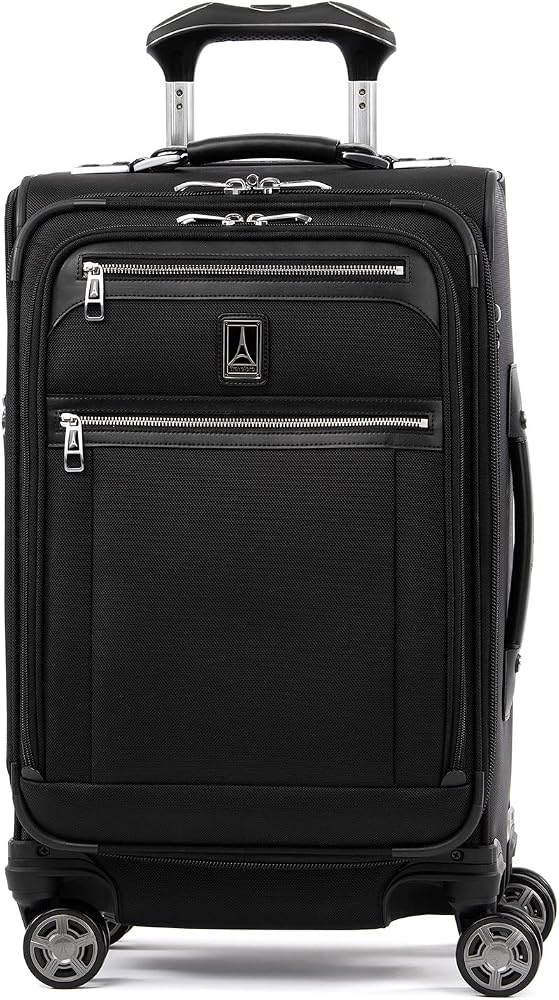
A durable nylon shell, smooth eight-wheel spinners, and a limited lifetime warranty make this the go-to suitcase for frequent trips. It rolls effortlessly over carpet and concrete, but it's on the heavier side and the expandable compartment can show wrinkles.
Main limitation: The 21-inch model weighs over 8 pounds, which limits packing capacity for weight-sensitive airlines.
Skip if: Minimalist packers who prefer ultra-light hardside cases.
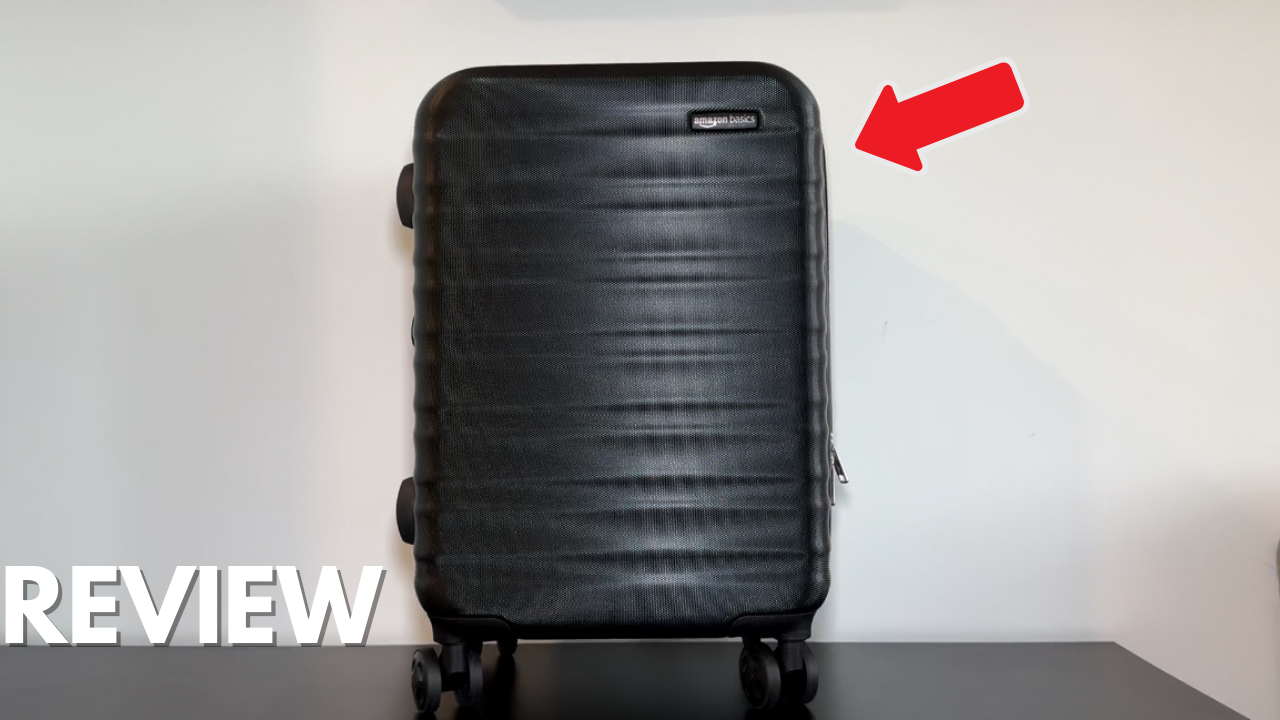
At less than $60, this polycarbonate spinner delivers surprising value for occasional travel. It's light and easy to maneuver, but the shell can crack under rough baggage handling and the zippers are a weak point.
Main limitation: The plastic zipper pull and thin polycarbonate shell won't survive years of heavy check-in abuse.
Skip if: Anyone who checks bags regularly on budget airlines that throw luggage around.
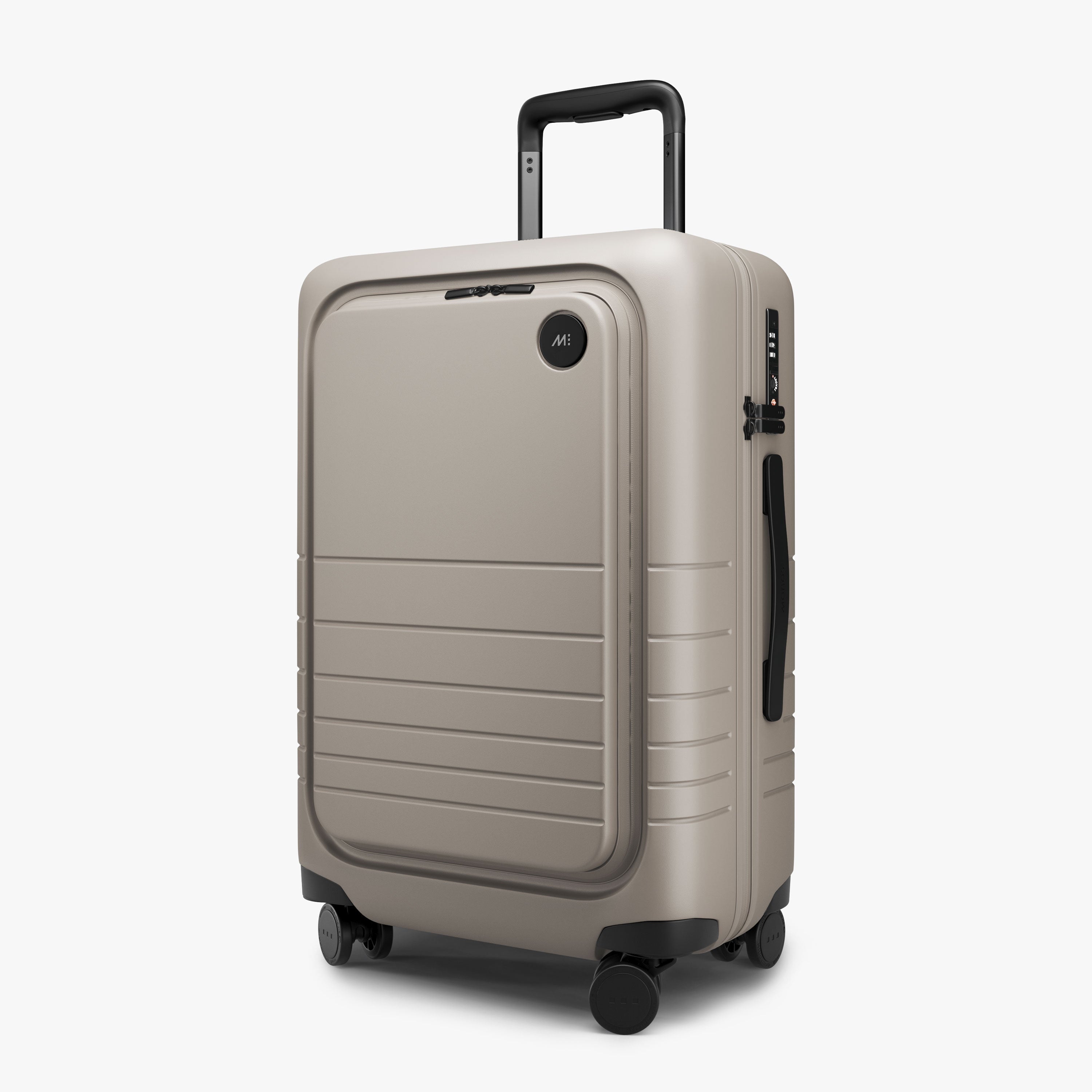
A clean, minimalist polycarbonate shell with a handy compression pad and a chic color palette — this is the suitcase you'll want to be seen with at the gate. It looks premium and rolls like a dream, but the high-gloss finish scratches noticeably.
Main limitation: The glossy exterior shows scuffs easily, and there's no external pocket for quick access.
Skip if: Travelers who prefer external organizer pockets or need a softer case for suits.
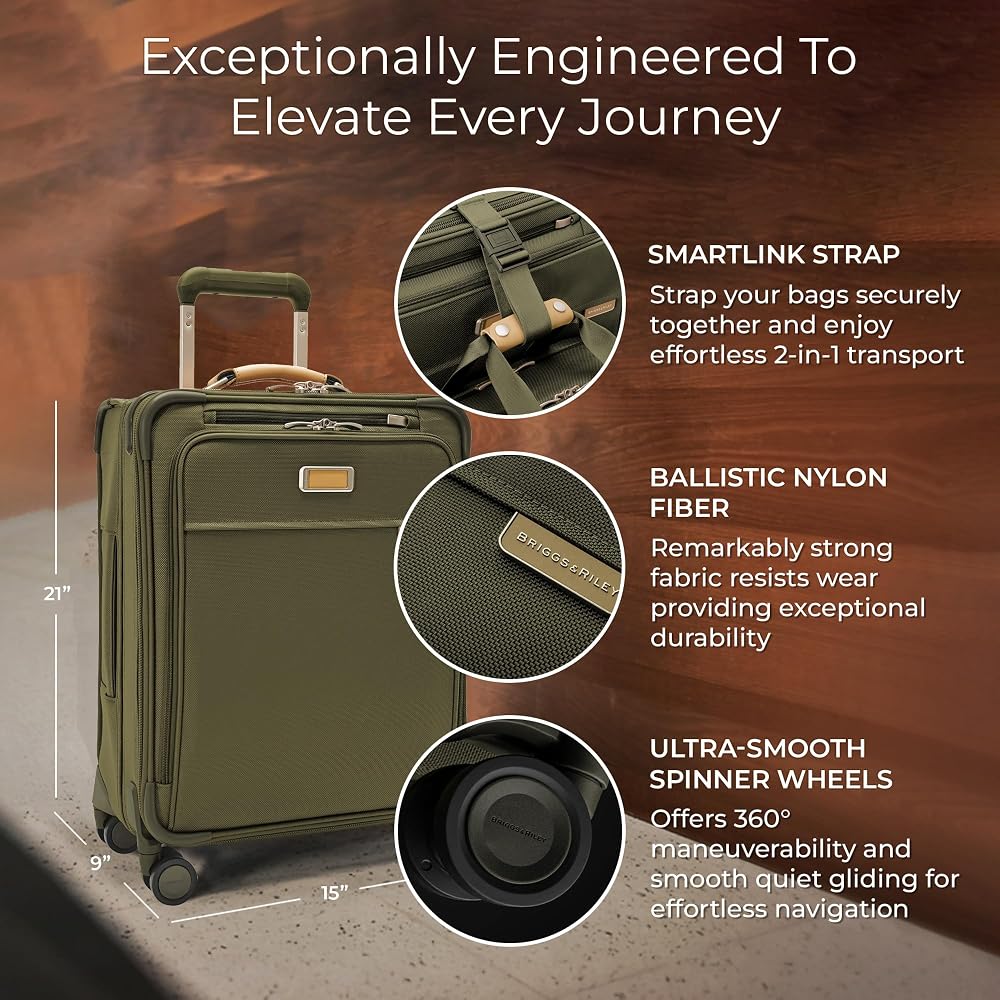
If you fly every week, the Briggs & Riley Baseline is built to outperform — and its lifetime warranty covers airline damage, even bending or breaking. The Cabin-style expansion uses a zip to expand rather than a hinge, giving you extra space without losing structural rigidity.
Main limitation: At $600+, it's a major investment, and at 7.5 pounds it's not the lightest option.
Skip if: Budget-conscious souls or travelers who want a hard-sided case.
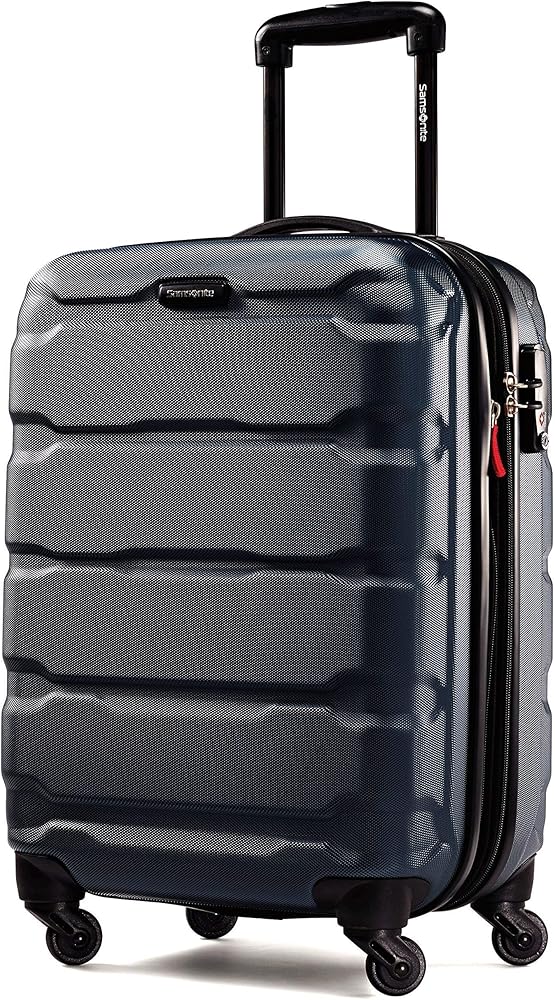
A well-priced polycarbonate case that's lighter than most and surprisingly scratch-resistant thanks to its textured surface. It's a favorite among travelers who want a hard shell without the premium price tag, though the zippers can be prone to snagging over time.
Main limitation: The short handle seems low for taller users, and the interior straps lack a compression panel.
Skip if: Taller travelers who need a longer handle or a full compression system.
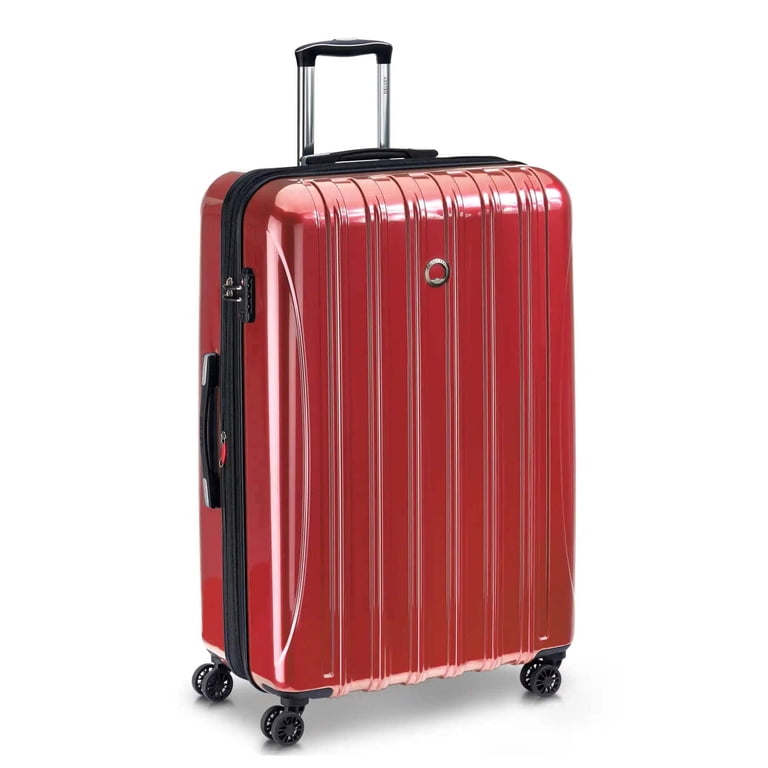
At just over 8 pounds for a 29-inch checked bag, this Delsey is a featherweight that gives you more room for souvenirs. The molded shell is dense and expands to add two inches of capacity, but the glossy exterior is prone to scuffs.
Main limitation: The glossy finish scratches easily and the telescoping handle feels slightly wobbly when extended.
Skip if: Travelers who prefer hard-sided cases with more internal organization.
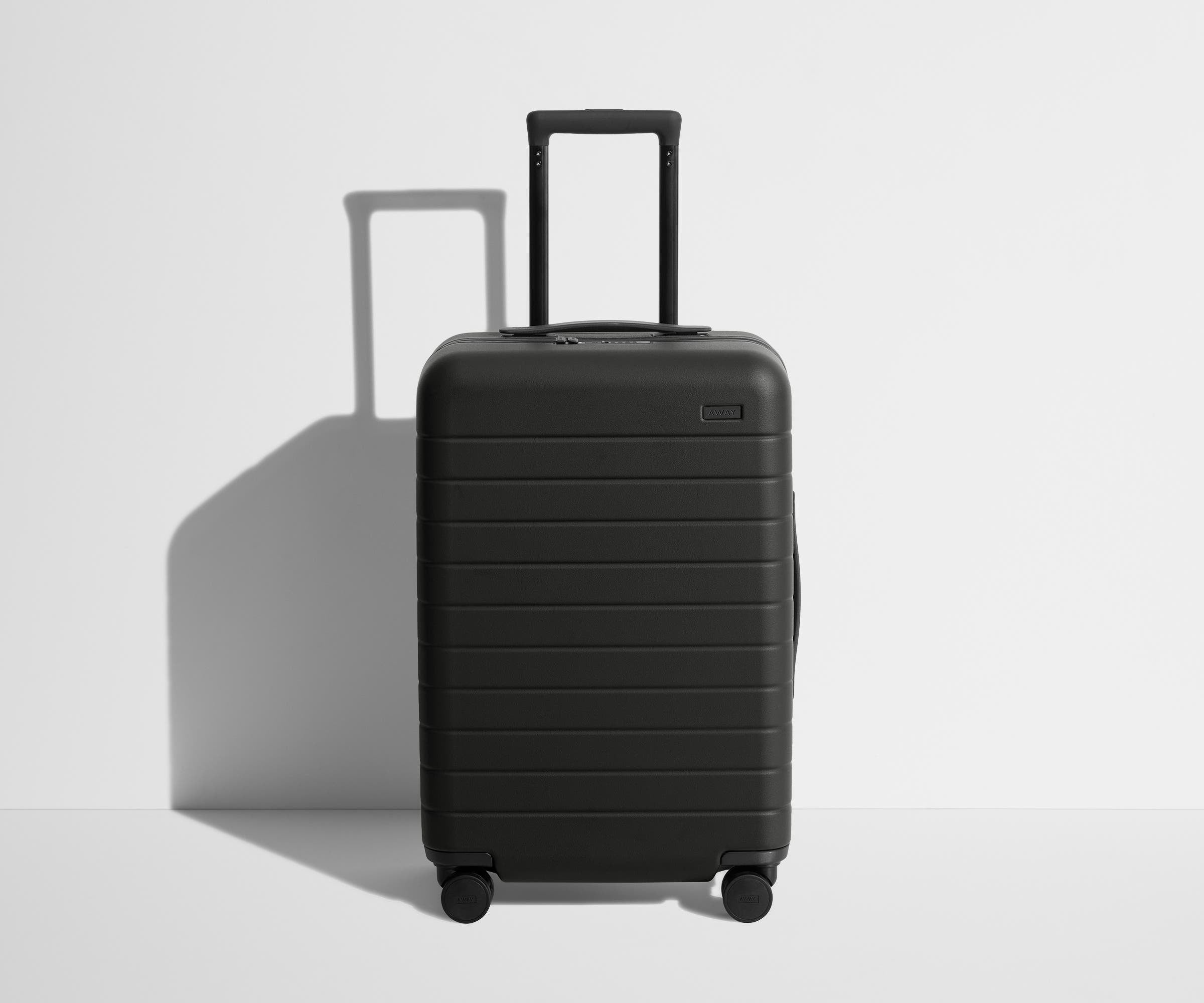
A 22.7-inch carry-on with room to spare — perfect for travelers who refuse to check bags but need extra space. The water-resistant nylon exterior is reinforced with a hard shell, but this 'bigger' size may not fit smaller regional jets.
Main limitation: It's a tight squeeze on smaller airlines with strict 21-inch limits, and the interior includes a built-in battery that adds weight.
Skip if: Anyone flying budget carriers with strict carry-on dimensions.
Compare key specs and features of all our recommendations side-by-side
| Product | Recommendation | Rating | Price |
|---|---|---|---|
Travelpro Platinum Elite 21-inch Expandable Spinner Rank #1 | 🏆 Top Pick | 9.0/10 | $300–$380 Check current price → |
Amazon Basics 20-Inch Hardside Spinner Rank #2 | 💰 Budget Pick | 7.8/10 | $55–$70 Check current price → |
Monos Carry-On Rank #3 | ⭐ Editor's Choice | 8.7/10 | $200–$280 Check current price → |
Briggs & Riley Baseline 21-inch Carry-On Expandable Spinner Rank #4 | — | 8.3/10 | $549–$650 Check current price → |
Samsonite Omni PC 24-inch Hardside Spinner Rank #5 | — | 8.5/10 | $140–$180 Check current price → |
Delsey Paris Helium Aero 29-inch Spinner Rank #6 | — | 8.2/10 | $200–$250 Check current price → |
Away The Bigger Carry-On Rank #7 | — | 8.0/10 | $245–$295 Check current price → |
Common questions buyers have about this category.
For a week-long trip, a 24-25 inch checked bag is usually ideal if you're not a minimalist packer. If you plan to take only carry-on, look for a 21-22 inch spinner that meets major airline personal item and overhead bin requirements. You can often get by with a 24-inch bag on a short vacation by packing light.
Hardside cases offer superior protection for fragile items and are often more water-resistant, making them great for electronics. Softside luggage is generally more flexible, easier to stuff into tight overhead bins, and has more exterior pockets for quick access. The right choice depends on your packing style and the type of trips you take.
Most modern suitcases feature four spinner wheels, which let you glide the bag upright alongside you — easier on your wrists and shoulders. Two-wheel models (often called inline skates) are more stable on uneven surfaces and are sometimes preferred by frequent flyers who roll them on two wheels while walking. For most travelers, four wheels are the best balance of ease and stability.
For hardside cases, polypropylene and polycarbonate are the most common; polypropylene is more flexible and crack-resistant, while polycarbonate is lighter but can dent. For softside cases, ballistic nylon is extremely durable and often used in premium brands like Travelpro and Briggs & Riley. Aluminum, like Rimowa, is beautiful and strong but heavy and easily dented.
You can find perfectly serviceable suitcases for under $100, but they may need replacing after a few trips. For a lifelong companion, expect to spend $200 to $350 on a quality hardside spinner like the Samsonite Omni PC or $300 to $600 on a premium softside with a great warranty. Frequent travelers benefit more from the higher-end options, while occasional flyers can save money with budget picks.
If you ever check your bag, a TSA-approved lock is essential — it allows security agents to open the bag without destroying the lock. Built-in locks with a travel setting are convenient and industry standard now. For carry-on only, a regular padlock works, but a TSA lock also adds a layer of security if you gate-check your bag at the last minute.
Yes, most carry-on suitcases can be checked, but they may not be as durable as standard checked luggage. The same dimensions that fit in the overhead bin will be thrown onto the baggage carousel, so check the warranty — some brands cover airline damage. If you check a carry-on frequently, consider a softside model or one with a reinforced shell, and always secure the zippers.
Products we evaluated but did not recommend — and why.
