Get the App
Better experience on mobile
We've researched the top sit-stand desks for ergonomics, stability, and value—here are our recommendations for home offices, gaming stations, and more.
For many workers, the idea of a standing desk promises relief from the 9-to-5 sit-slouch shuffle. But attention: a sit-stand desk is only as good as its low-end height and its stability when raised. There's no point in a desk that wobbles every time you type, and if it doesn't lower below 24 inches, it's uncomfortable for average-height users.
We scoured the market through published reviews, manufacturer specs, and aggregated buyer feedback to find a range of desks that actually perform — from budget-friendly models that don't shake at your elbows to premium frames built to hold three monitors. The goal is to help you choose a desk that becomes an invisible part of your workflow, not a daily frustration.
In this list, we've ranked options across seven unique use cases: the best overall pick for most people, the best budget option for those looking to save, and several specialized desks that solve for specific problems like gaming setups, compact footprints, and heavy equipment.
Pricing in this guide spans from around $300 to over $1,000, so there's a solution for most budgets. Our selections are based on meticulous research, not on gimmicks or brand hype.

The Uplift V2 stands out as the most complete sit-stand desk available, combining a quiet dual-motor system, a wide height range from 22.5 to 48.75 inches, and exceptional stability at standing height. Its modular top options and 15-year warranty make it a long-term investment. The main trade-off is price: a fully configured model can cost over $1,200.
Main limitation: The premium price tag and complex assembly can deter budget-conscious buyers.
Skip if: If you only need a desk for occasional standing and want to keep costs below $500, you can get a perfectly fine option without the Uplift's features.
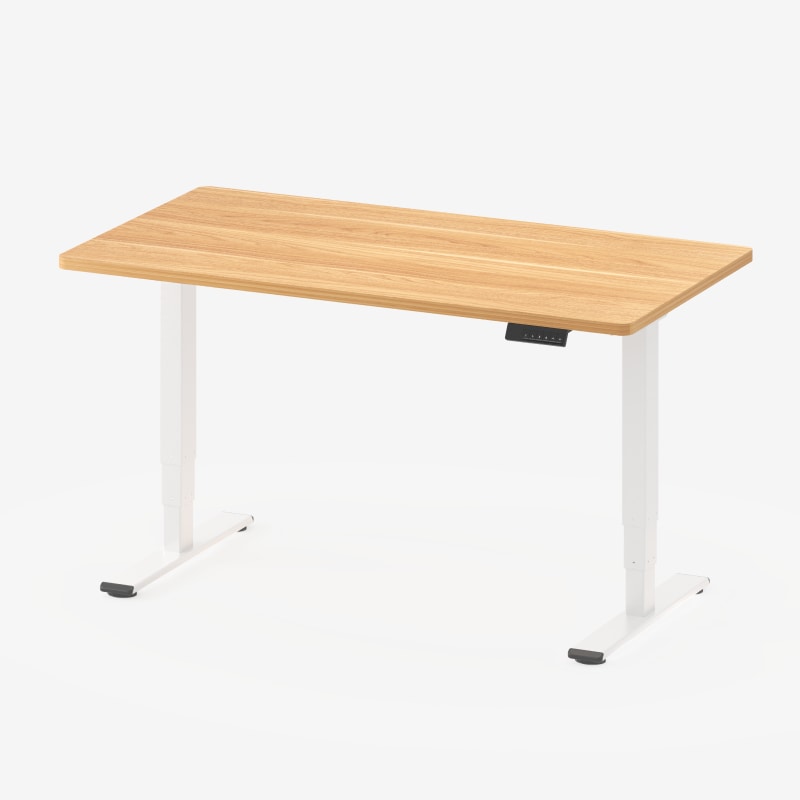
The Flexispot E5 delivers a full-size electric sit-stand desk for a fraction of the premium competition. With an 80-inch height range, a quiet lift motor, and a spacious top, it's an entry point that doesn't force you to sacrifice legroom. The trade-off is stability: at the highest settings, you'll notice more wobble than on a $1,000 frame.
Main limitation: The desk has a noticeable bounce when typing at maximum height, and the cable management tray lacks the finesse of pricier models.
Skip if: If you do intense typing/coding while standing and demand rigid stability, this is not the pick.
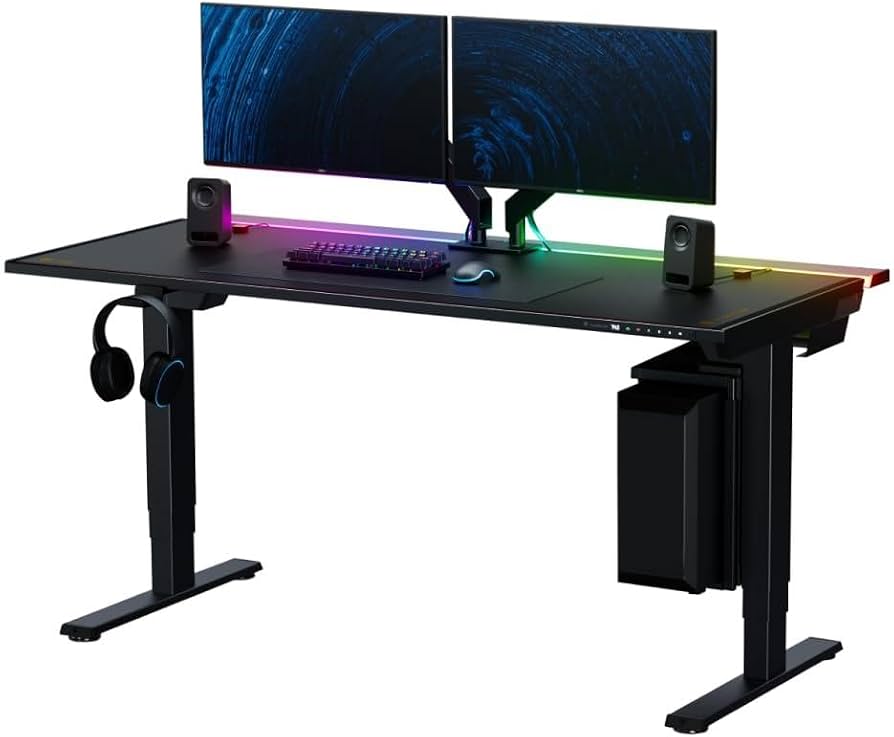
The Secretlab Magnus Pro XL is built with a pure steel frame and a full-surface magnetic top, letting you clip on various accessories and route cables with elan. Its dual-motor lift is quiet and fast, and the desk is remarkably stable under heavy monitors. However, its high price and limited size (XL only) make it a specialized purchase.
Main limitation: The desk's focus on its proprietary ecosystem means you'll likely invest in additional magnets and accessories to get the most out of it.
Skip if: If you don't game or don't need a super clean cable setup, you're paying a premium for features you won't use.
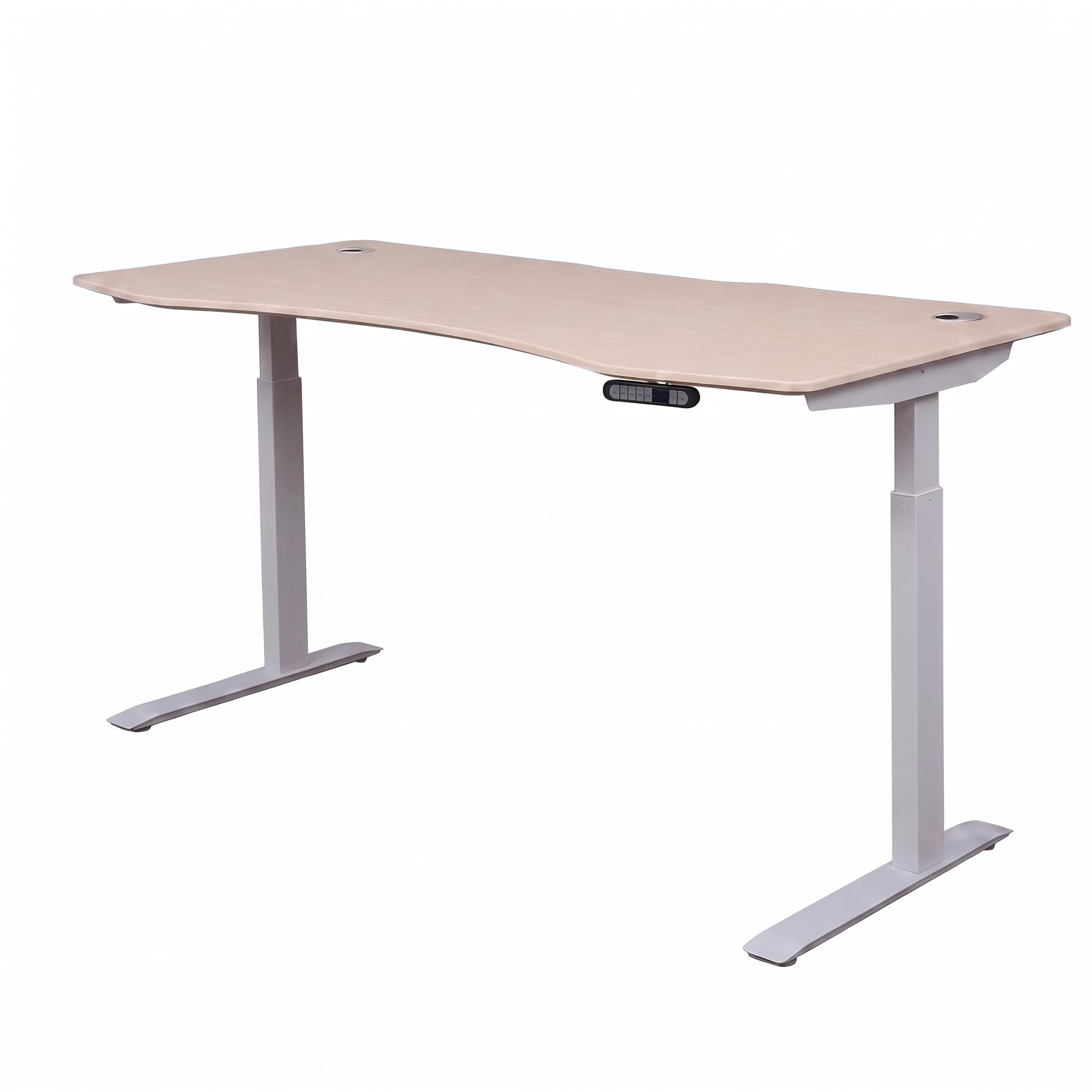
The ApexDesk Elite Pro 60 is a beast of a standing desk, supporting up to 300 pounds of gear on its solid steel legs and ultra-wide desktop. It's the go-to for triple-monitor rigs, heavy printers, and anything else you can throw at it. The drawback is its size and bulk—it takes up serious real estate and isn't simple to move.
Main limitation: The ApexDesk's control panel is less intuitive than digital presets found on rivals, and the desk is built more for utility than elegance.
Skip if: If you need a compact footprint or want a desk with a sleek aesthetic for a small home office, this is overkill and visibly utilitarian.
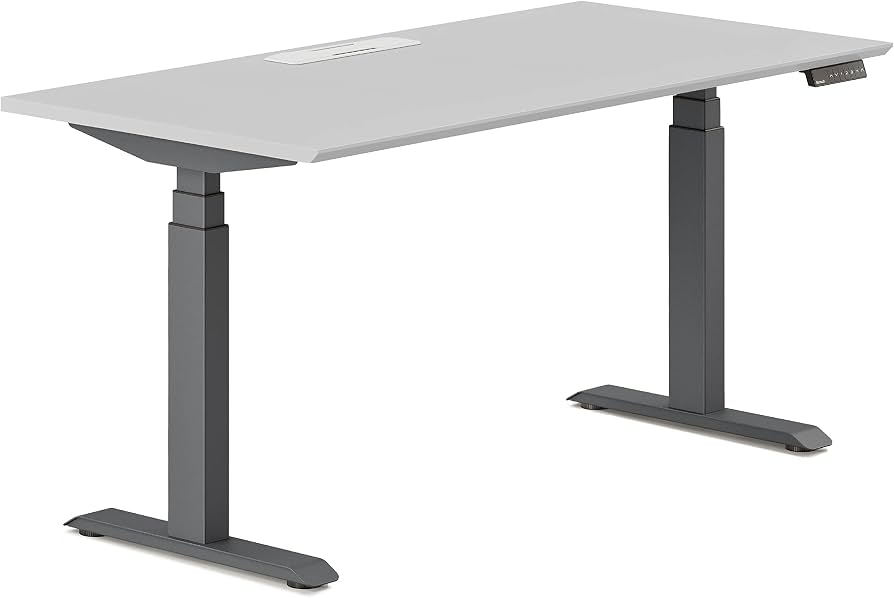
The Branch Standing Desk brings a clean, design-forward look to smaller home offices. With a 48-inch top and a slim steel frame, it fits into cramped corners without sacrificing adjustability. The trade-off is a slightly lower stabilizer performance at full height compared to heavier models.
Main limitation: The desktop is not as scratch-resistant as some panels, and the lift range tops out at 49 inches, so it's not ideal for very tall users.
Skip if: If you're over 6'2" or plan to use this as a double as a workbench, the size and height limits will be disappointing.
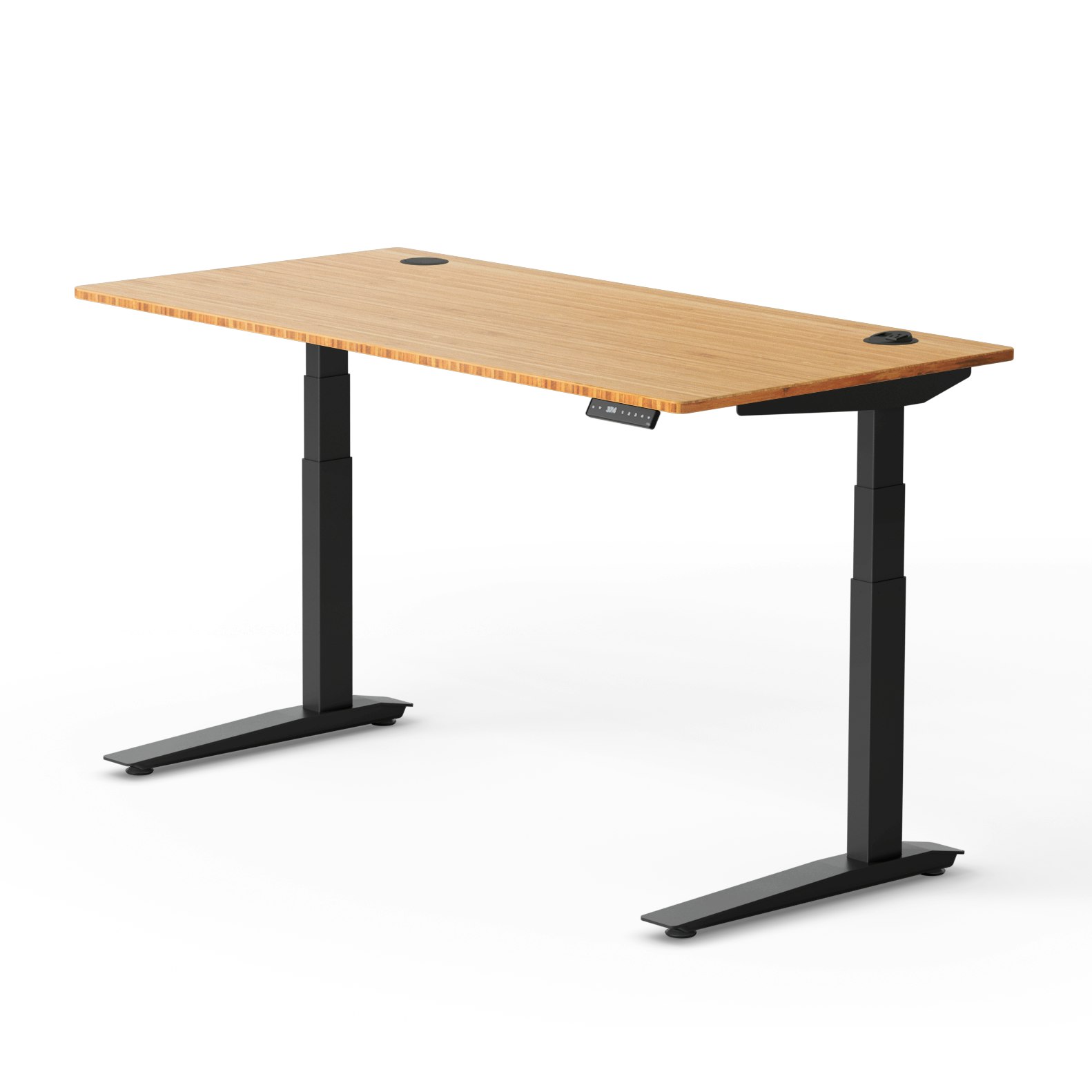
The Jarvis by Herman Miller gives you the durability of a high-end frame with a renewable bamboo desktop that looks great. The assembly is straightforward, and the lift system is smooth. However, the bamboo is softer than laminate, so it can dent with heavy impacts, and the base is a little less steady than the Uplift's.
Main limitation: The bamboo panel will show scratches and watermarks if you're careless, and the frame lacks the stability crossbar as standard.
Skip if: If you plan to write with pens or use a very heavy computer, the bamboo top may not hold up as well as a laminate or steel alternative.
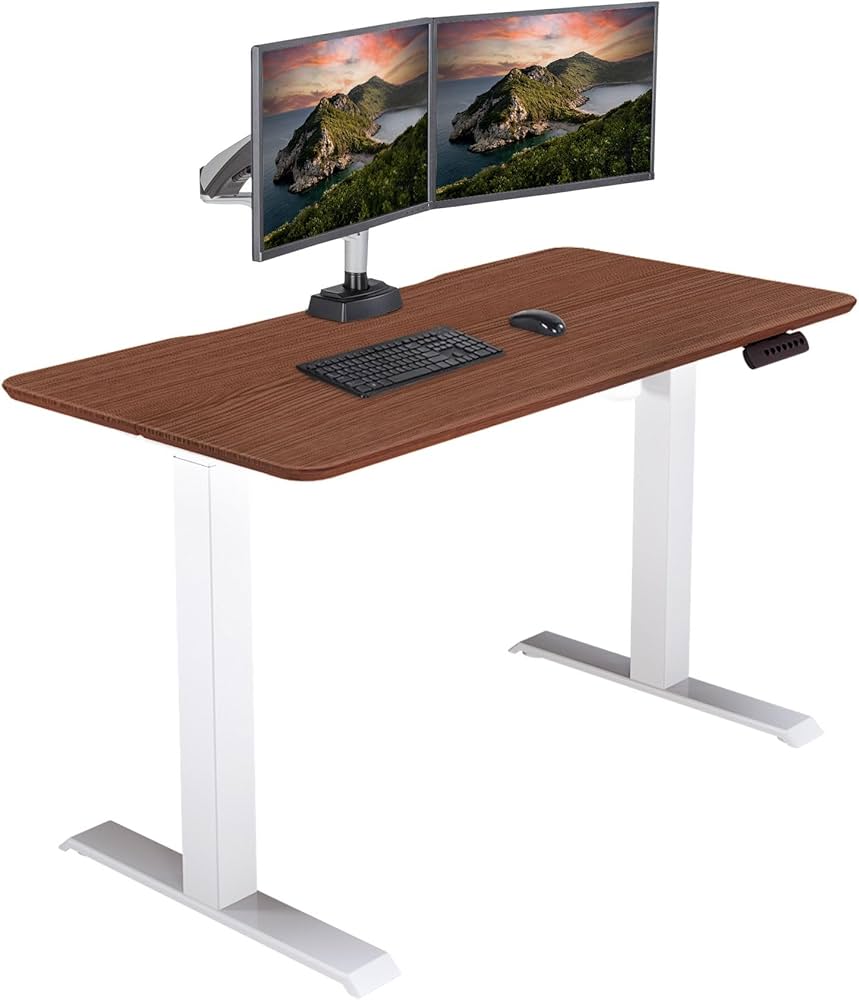
The Vari is a no-frills standing desk that many offices trust for its consistent performance and simple design. It has a clean, industrial look with a very low profile when raised, and the motor is whisper quiet. The trade-off is fewer customization options than the premium competition, and the frame is not as robust for high weight capacities.
Main limitation: The Vari's weight capacity is slightly lower than some competitors, and its preset controls are limited to two positions.
Skip if: If you're a heavy user with multiple oversized monitors, you'll likely need a desk with a higher load rating.
Compare key specs and features of all our recommendations side-by-side
| Product | Recommendation | Rating | Price |
|---|---|---|---|
 Uplift V2 Standing Desk Rank #1 | 🏆 Top Pick | 4.5 4.5 | $800–$1,200 Check current price → |
Flexispot E5 Standing Desk Rank #2 | 💰 Budget Pick | 7.9/10 | $300–$400 Check current price → |
Secretlab Magnus Pro XL Rank #3 | ⭐ Editor's Choice | 8.6/10 | $700–$900 Check current price → |
ApexDesk Elite Pro 60 Rank #4 | — | 8.1/10 | $450–$550 Check current price → |
Branch The Standing Desk Rank #5 | — | 7.7/10 | $500–$600 Check current price → |
Herman Miller Jarvis with Bamboo Top Rank #6 | — | 8.0/10 | $700–$900 Check current price → |
Vari Electric Standing Desk Rank #7 | — | 7.8/10 | $500–$600 Check current price → |
Common questions buyers have about this category.
Standing desks range from about $200 for budget single-motor models to over $1,500 for premium dual-motor desks with laminate or solid wood tops. Most quality desks fall in the $400–$800 band. The sweet spot for most users is around $500, where you'll get a stable frame, decent motor, and good warranty.
Stability is the #1 factor—a wobbly desk is a constant annoyance. Next is the height range: make sure the desk can go low enough for your typing position and high enough to match your standing elbow height. Finally, weight capacity should match your monitor setup, with 200 lbs being a comfortable baseline for dual-monitor users.
Absolutely, if you plan to raise the desk above 38 inches. A steel crossbar under the frame dramatically reduces side-to-side wobble and is a major differentiator for stability, especially on dual-motor desks. Some desks hide the crossbar under a rear shroud, so you don't have to sacrifice footroom.
Yes, that's the whole point. To obtain maximum benefit, alternate every 30 to 60 minutes. Use a memory preset to store a sitting height and a standing height so you can switch quickly. Avoid being in either position for longer than an hour at a time.
Standing reduces time spent sitting, which can lower back pain and improve posture, according to some studies. However, it also can put more load on your joints and promote fatigue. The best approach is to combine both positions and incorporate walking breaks.
Measure the width of your monitors and allow at least 20–24 inches of depth for your keyboard and writing area. A 60-inch desk is comfortable for a single large monitor, while a 72-inch or 80-inch desk is better for dual and triple monitor setups. Make sure the desk fits within your room's footprint and leaves walking space.
Inexpensive desks can take around 2–3 hours to assemble and may require two people to lift the frame. Premium desks like Uplift and Jarvis are easier but still need a buddy for parts. Look for desks with tool-less assembly or pre-installed brackets to simplify the process.
Products we evaluated but did not recommend — and why.
