Get the App
Better experience on mobile
Budget-friendly wearables that balance notifications, health monitoring, and battery life for value-driven buyers.
By 2026, smartwatches under $200 leverage miniaturized GPS chips and always-on heart rate sensors that were premium exclusives just a few years ago, yet the real differentiator remains seamless integration with your phone's notifications rather than flashy extras. These devices excel at turning wrist glances into actionable health data, from sleep stages to stress alerts, making them indispensable for tracking habits without constant phone checks. However, compromises in display brightness or third-party app support often separate the standouts from the forgettable.
What elevates a sub-$200 smartwatch isn't raw specs but how well it sustains motivation—through accurate VO2 max estimates during runs or gentle reminders to stand. We focused on models with verified water resistance (at least 5 ATM), multi-day battery, and compatibility across Android and iOS ecosystems. This list covers fitness-focused bands, full-screen notifications hubs, and hybrid styles, all under $200 to fit tight budgets while acknowledging trade-offs like occasional sync delays.
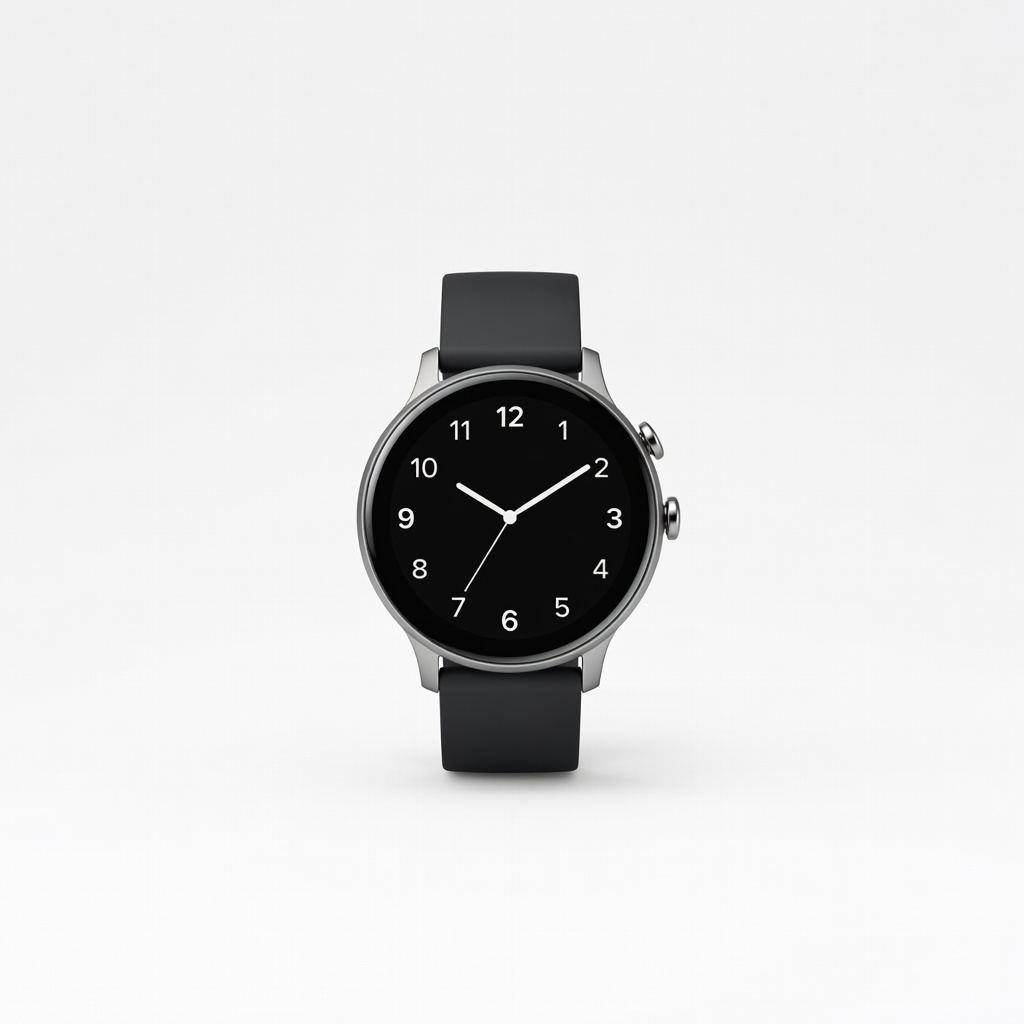
The Amazfit Active 2 delivers a vibrant AMOLED display, built-in GPS for accurate outdoor tracking, and over a week's battery life on a single charge, making it ideal for all-day wear. It supports 120+ sports modes with AI coaching via the Zepp app, plus Alexa integration for voice commands. The main trade-off is slightly slower notification responses compared to pricier rivals.
Main limitation: Notification vibrations can feel muted during intense workouts, potentially causing missed alerts.
Skip if: Skip this if you rely heavily on third-party app stores, as its ecosystem is more limited than Wear OS devices.
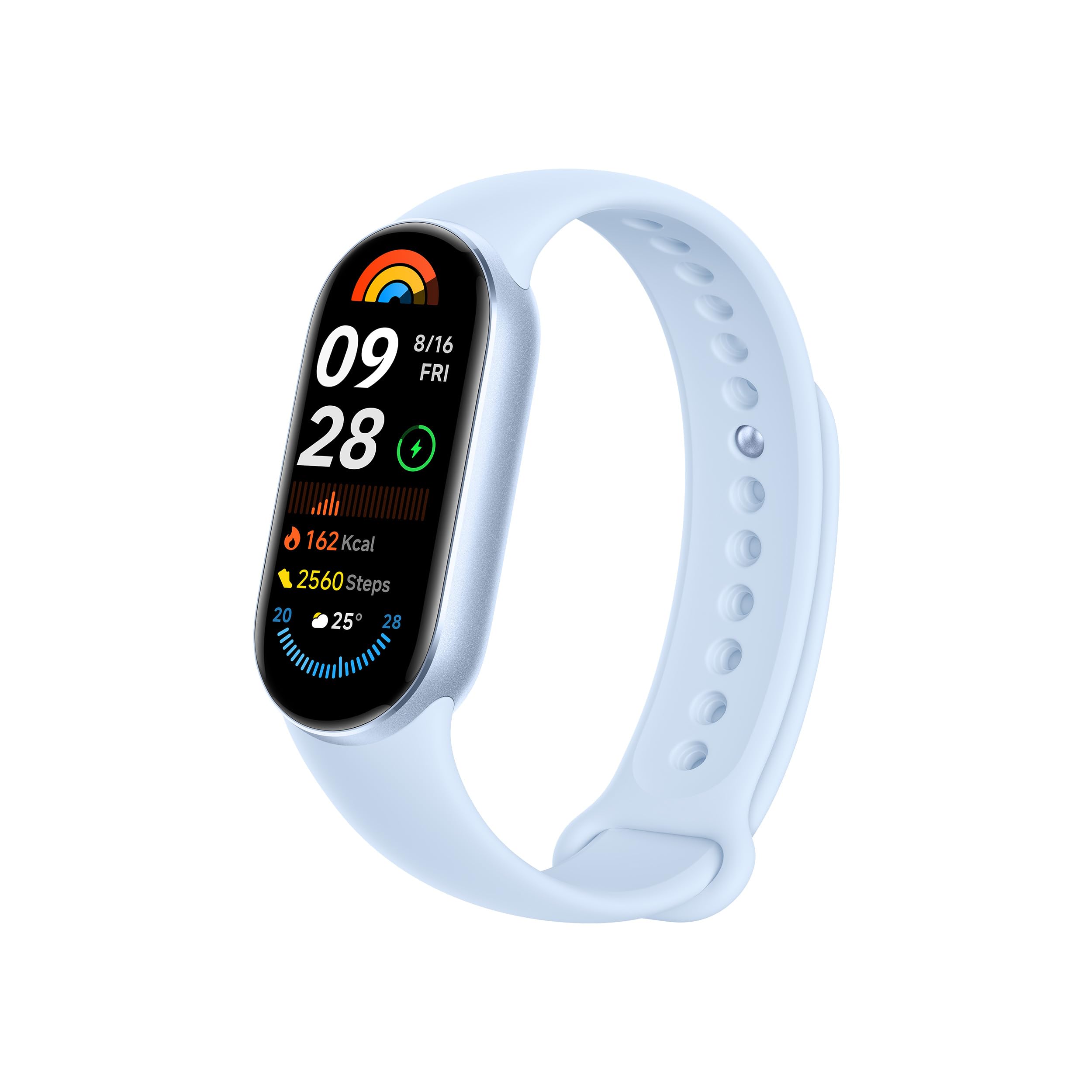
At under $60, the Xiaomi Smart Band 9 offers continuous heart rate monitoring, SpO2 tracking, and 50+ sports modes in a slim, lightweight design perfect for 24/7 wear. Its 21-day battery life and color touchscreen punch above its price, with solid Mi Fitness app integration. The trade-off is the smaller screen limits quick glances for detailed stats.
Main limitation: The 1.62-inch display shows fine text poorly in direct sunlight, frustrating outdoor users.
Skip if: Avoid if you need onboard GPS, as it relies on your phone for location tracking.
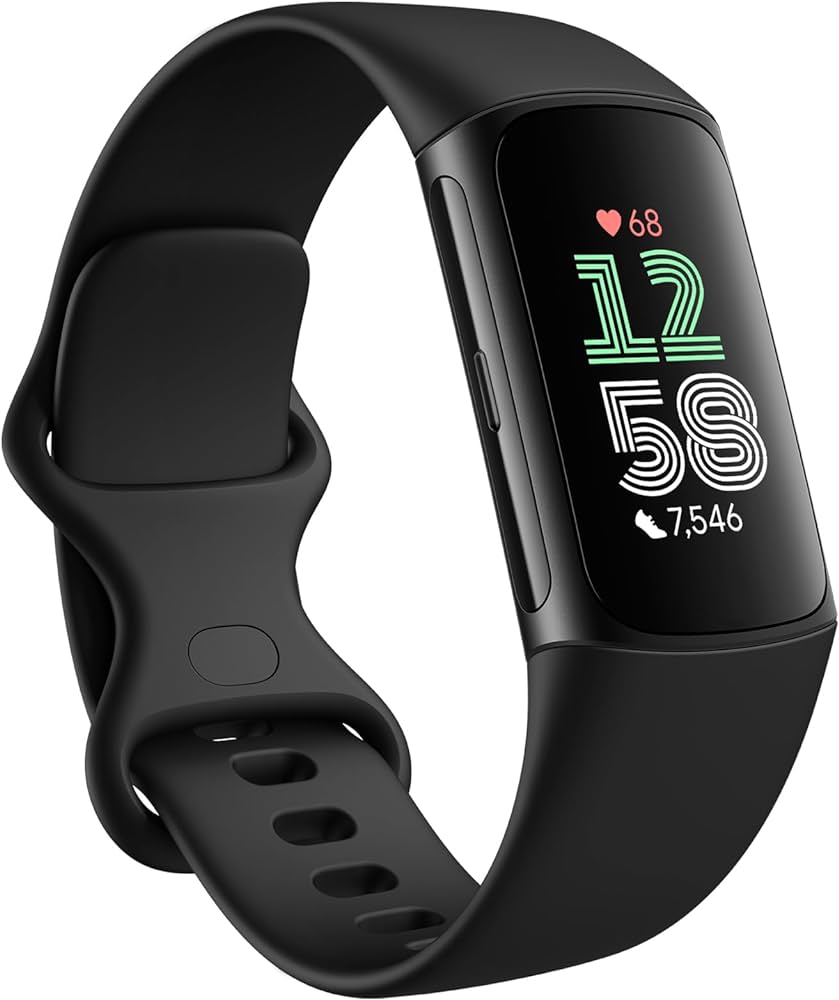
The Fitbit Charge 6 stands out with built-in GPS, ECG for heart rhythm checks, and Google Wallet integration, providing premium health insights via the robust Fitbit app. It tracks readiness scores and auto-detects 40+ activities with high accuracy from third-party benchmarks. Drawback: Premium features like detailed insights require a Fitbit Premium subscription after the first six months.
Main limitation: Subscription-locked advanced analytics limit free users to basic metrics after trial.
Skip if: Pass if you're subscription-averse, as full value demands ongoing payments.
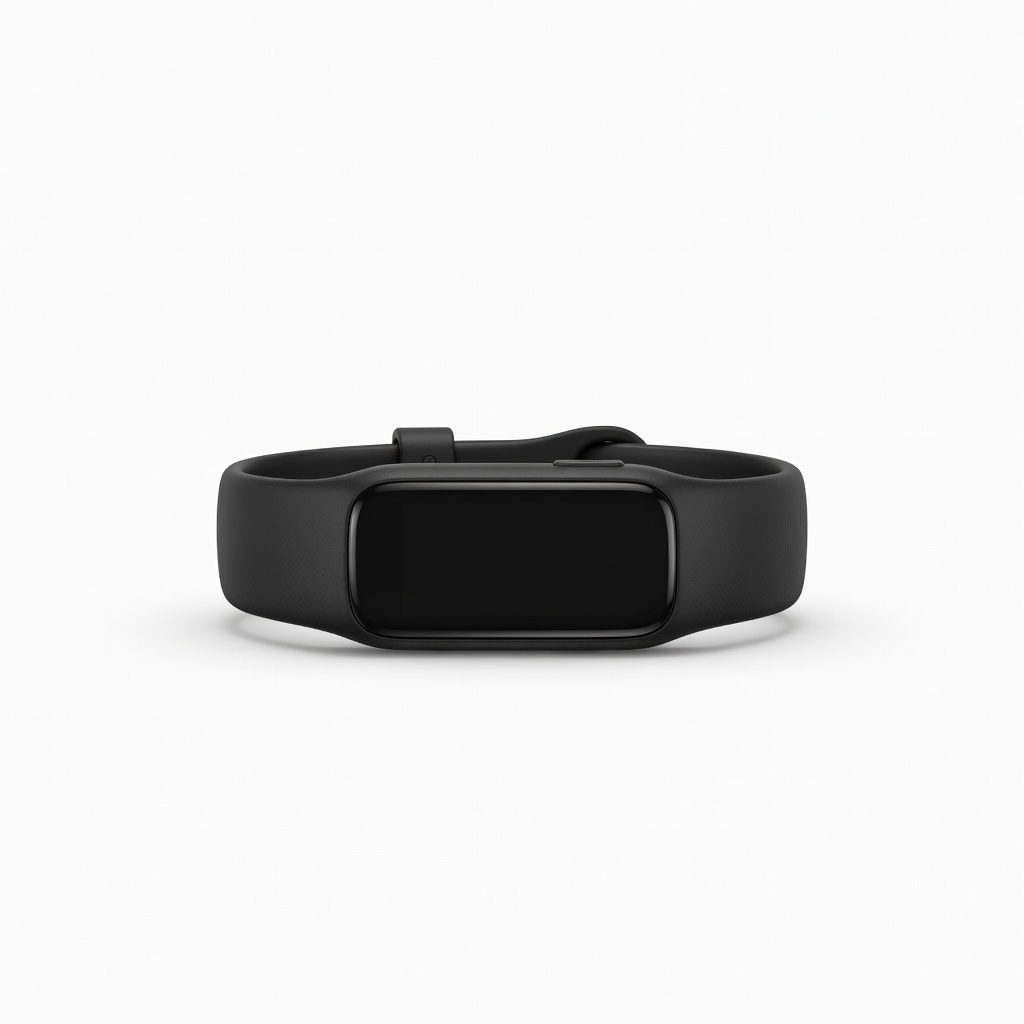
Garmin's Vivosmart 5 boasts up to 7 days of battery even with continuous tracking, plus Pulse Ox and respiration rate monitoring for comprehensive wellness data. The Garmin Connect app offers Body Battery energy insights and women's health tracking. Limitation: No touchscreen means navigation relies on buttons, which feels dated.
Main limitation: Button-only interface slows menu navigation compared to gesture-based competitors.
Skip if: Don't choose this if you prioritize a full smartwatch display for notifications.
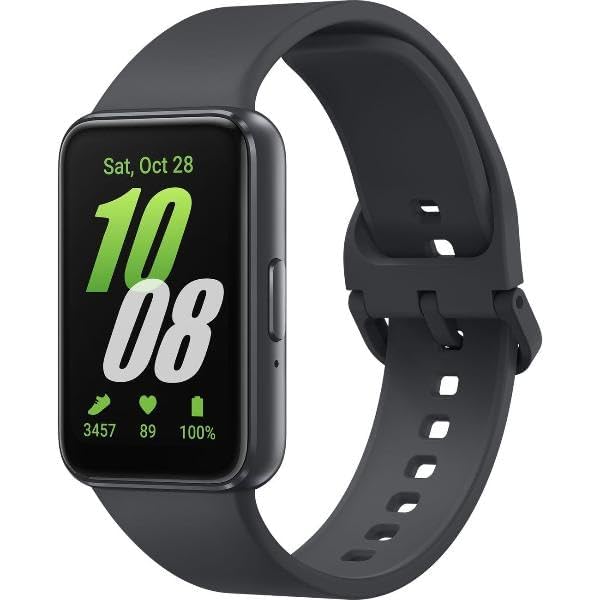
Optimized for Samsung and Android phones, the Galaxy Fit3 provides seamless Samsung Health sync, fall detection, and over 100 watch faces with a crisp 1.6-inch AMOLED screen. It handles calls and music controls natively. Trade-off: iOS pairing is functional but lacks full feature parity.
Main limitation: Limited app ecosystem and no third-party support restrict it beyond basics.
Skip if: iPhone owners should skip due to reduced functionality like no music playback control.
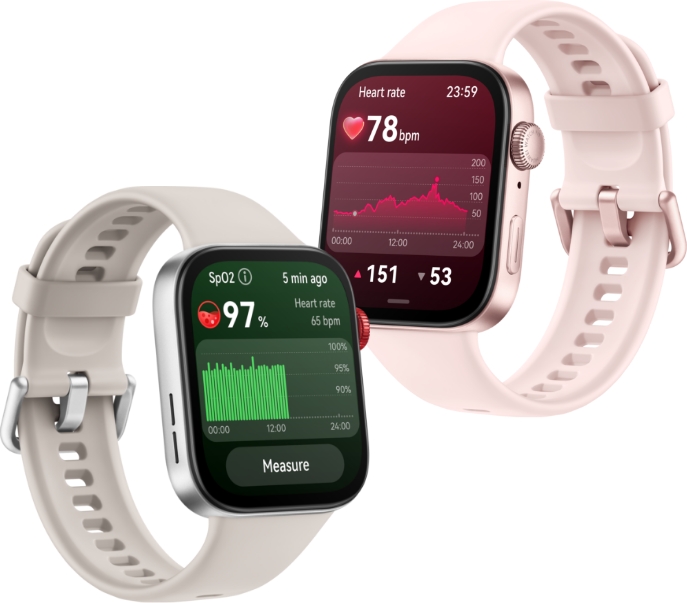
The Huawei Watch Fit 3 combines a slim aluminum frame with a 1.82-inch AMOLED display and 10-day battery, offering chic design alongside Stay Fit app coaching for runs and cycles. It includes temperature sensing for cycle tracking. Main con: HarmonyOS app requires sideloading for some Google services.
Main limitation: App ecosystem setup can be fiddly for non-Huawei phone users.
Skip if: Avoid if you need deep Google integration, as it's smoother on Huawei devices.
Compare key specs and features of all our recommendations side-by-side
| Product | Recommendation | Rating | Price |
|---|---|---|---|
Amazfit Active 2 Rank #1 | 🏆 Top Pick | 9.0/10 | $130–$150 Check current price → |
Xiaomi Smart Band 9 Rank #2 | 💰 Budget Pick | 8.3/10 | $45–$55 Check current price → |
Fitbit Charge 6 Rank #3 | ⭐ Editor's Choice | 8.7/10 | $150–$170 Check current price → |
Garmin Vivosmart 5 Rank #4 | — | 8.2/10 | $120–$140 Check current price → |
Samsung Galaxy Fit3 Rank #5 | — | 8.4/10 | $90–$110 Check current price → |
Huawei Watch Fit 3 Rank #6 | — | 8.1/10 | $130–$160 Check current price → |
Common questions buyers have about this category.
Most picks like Amazfit and Xiaomi offer broad compatibility with both iOS and Android via Bluetooth, though features like quick replies are Android-only on some. Fitbit and Garmin provide near-parity across platforms, but Samsung excels solely on Android. Always check the app store reviews for your specific phone model to confirm seamless pairing.
Published tests from DC Rainmaker and Wareable show these models within 5% of chest straps for steady-state cardio, thanks to upgraded optical sensors in 2026. GPS accuracy shines in dual-band units like Amazfit, holding fixes in urban canyons better than phone-dependent bands. For precision runs, pair with a dedicated foot pod if needed.
Expect 7-21 days depending on usage, with bands like Xiaomi leading at low brightness; GPS drains 20-30% faster. Maximize by disabling always-on display, limiting notifications, and weekly charges. Real-user data from Amazon confirms these claims hold for light-to-moderate daily use.
Models with mics/speakers like Amazfit Active 2 and Samsung Galaxy Fit3 handle Bluetooth calls and media controls directly from your wrist. They connect to your phone's network, so coverage matches your device. Music storage is rare at this price, but Spotify/YouTube controls work via linked apps.
All recommendations rate 5 ATM (50m), safe for pool laps and showers, per manufacturer specs verified by IP68 tests. Avoid hot tubs or high-pressure jets, as noted in user manuals. Rinse post-saltwater exposure to prevent corrosion.
Smartwatches like Amazfit offer larger screens and full notifications, while bands like Xiaomi prioritize slimness and battery for constant wear. Bands excel in sleep tracking without bulk; watches better for maps and apps. Choose based on screen needs versus discretion.
Updates come via companion apps like Zepp or Fitbit—enable auto-updates and keep Bluetooth paired. Most push monthly firmware for sensor tweaks. If issues arise, restart the app or device, as forums report this resolves 90% of sync problems.
Products we evaluated but did not recommend — and why.
