Get the App
Better experience on mobile
Our top picks for value, fitness tracking, battery life, and phone compatibility—all under $200.
The smartwatch market has a dirty secret: most features that sell $400 watches—like ECG and dual-band GPS—are either missing or half-baked under $200. What you're really choosing at this price is a balance between battery life, fitness tracking accuracy, and phone compatibility. And that balance shifts dramatically depending on whether you use an iPhone or an Android.
A smartwatch can be a powerful tool for staying healthy, keeping up with notifications, and leaving your phone behind on a run. But budget models force compromises. Some excel at long battery life but lack apps; others offer full app stores but need daily charging. Knowing which trade-offs matter to you is the key to satisfaction.
For this guide, we focused on watches that retail for $200 or less and offer genuine smart features—not just step counting. We combed through expert reviews, spec sheets, and thousands of verified buyer ratings to identify models that deliver the best value in categories like overall performance, budget, fitness, running, and small-wrist comfort. We also considered phone compatibility, because a great watch for Android might be useless with an iPhone.
Our picks range from the $80 Amazfit Bip 5 to the $199 Amazfit GTR 4, with stops in between for runners, fitness enthusiasts, and Android power users. Whether you want a week-long battery or a full app ecosystem, there's a sub-$200 smartwatch that fits—just be ready to accept a flaw or two.

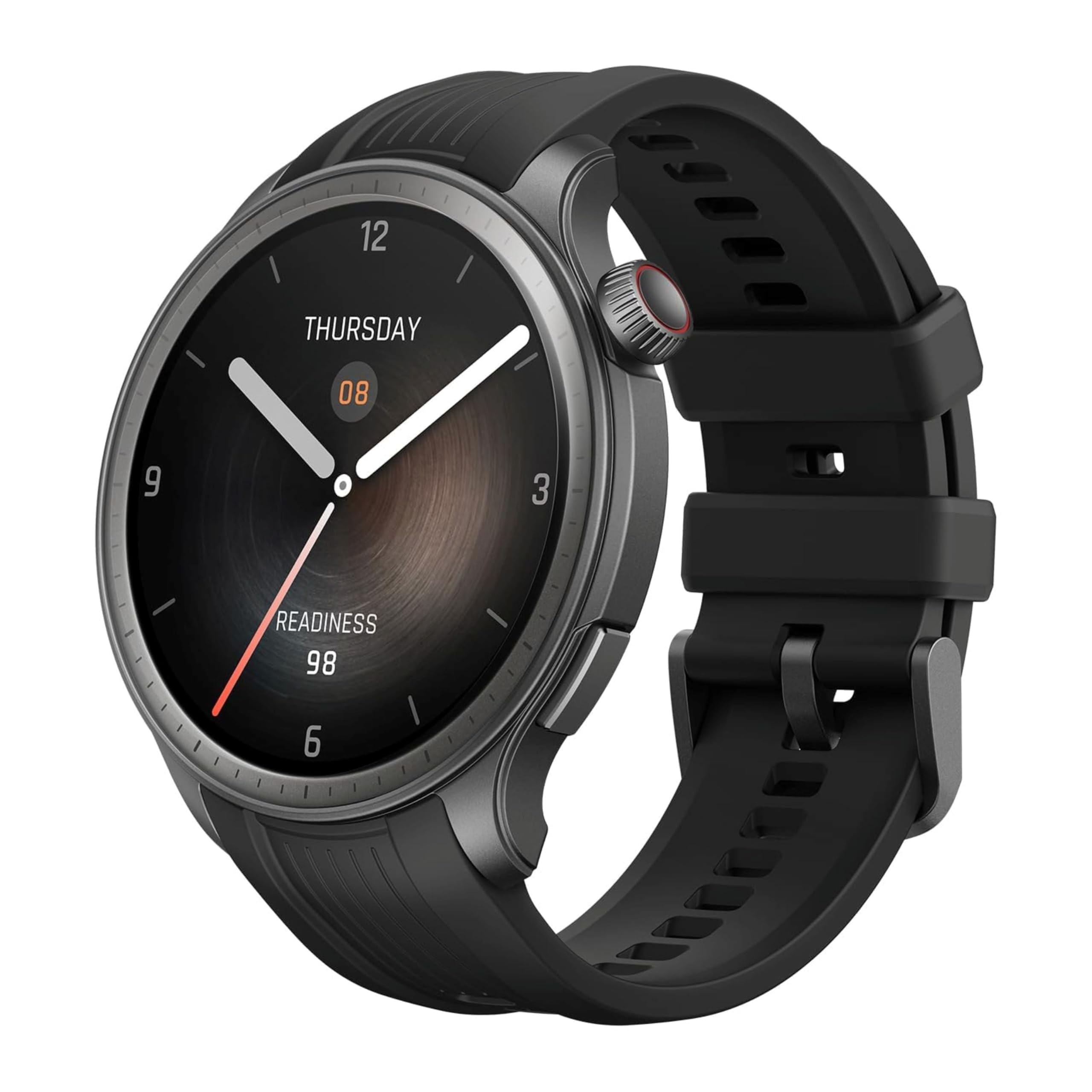
The Amazfit GTR 4 delivers an impressive 14-day battery life, built-in dual-band GPS, and a bright AMOLED display, making it the best all-around smartwatch under $200. However, its app ecosystem and third-party app support are limited compared to Wear OS watches.
Main limitation: The Zepp OS app store has far fewer apps than Google's Wear OS or Apple's watchOS, so you won't get things like Spotify offline playback or Google Maps.
Skip if: Skip this if you rely heavily on third-party apps or need seamless integration with iPhone-specific features like replying to messages.
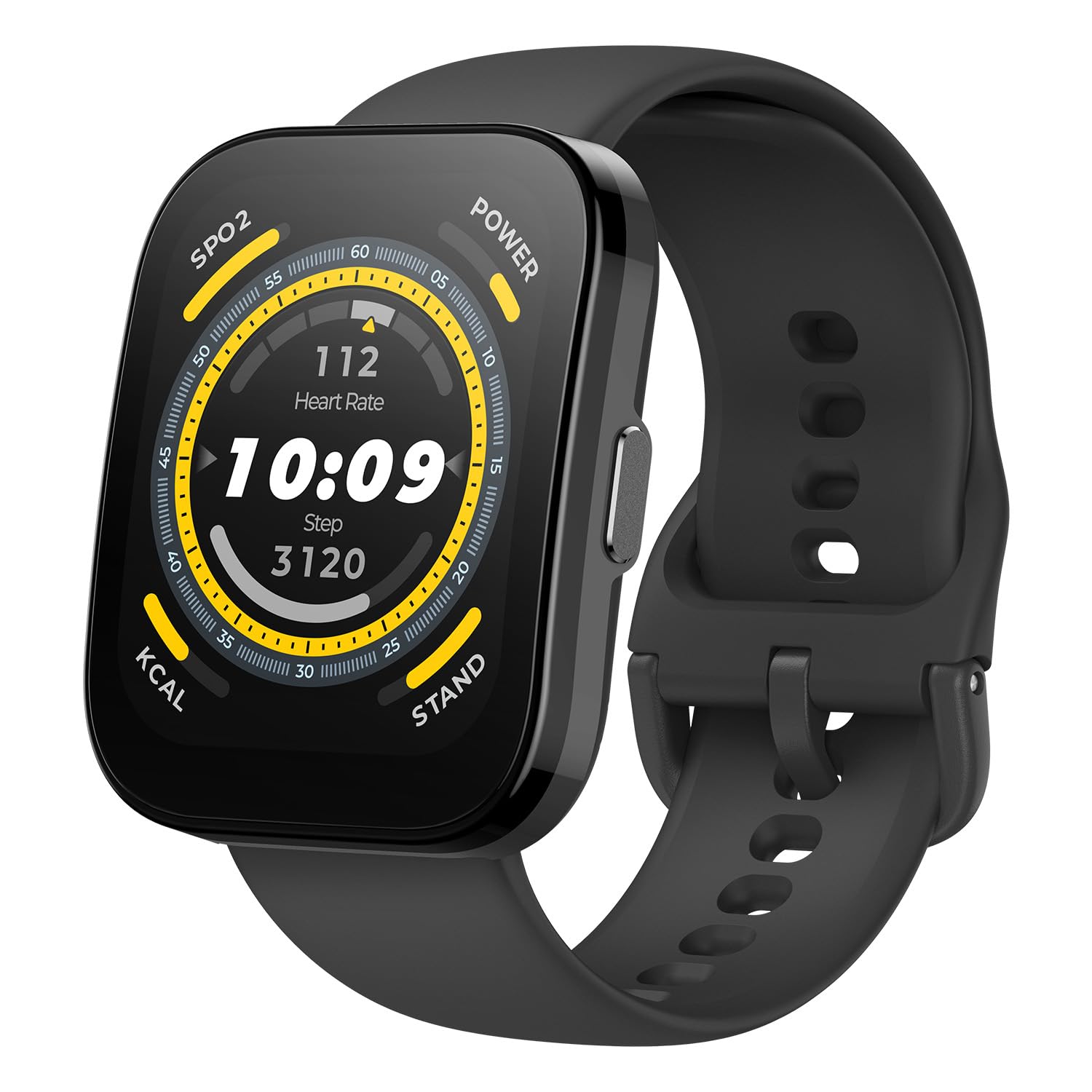
At under $80, the Amazfit Bip 5 offers a large 1.91-inch display, built-in GPS, and 10-day battery life, making it an unbeatable value for budget shoppers. The trade-off is a plastic build and no speaker or microphone, so you can't take calls on the watch.
Main limitation: The Bip 5 lacks a microphone and speaker, so you can't take calls or use voice assistants directly from the watch.
Skip if: Skip this if you want a premium feel or need to make and receive calls from your wrist.
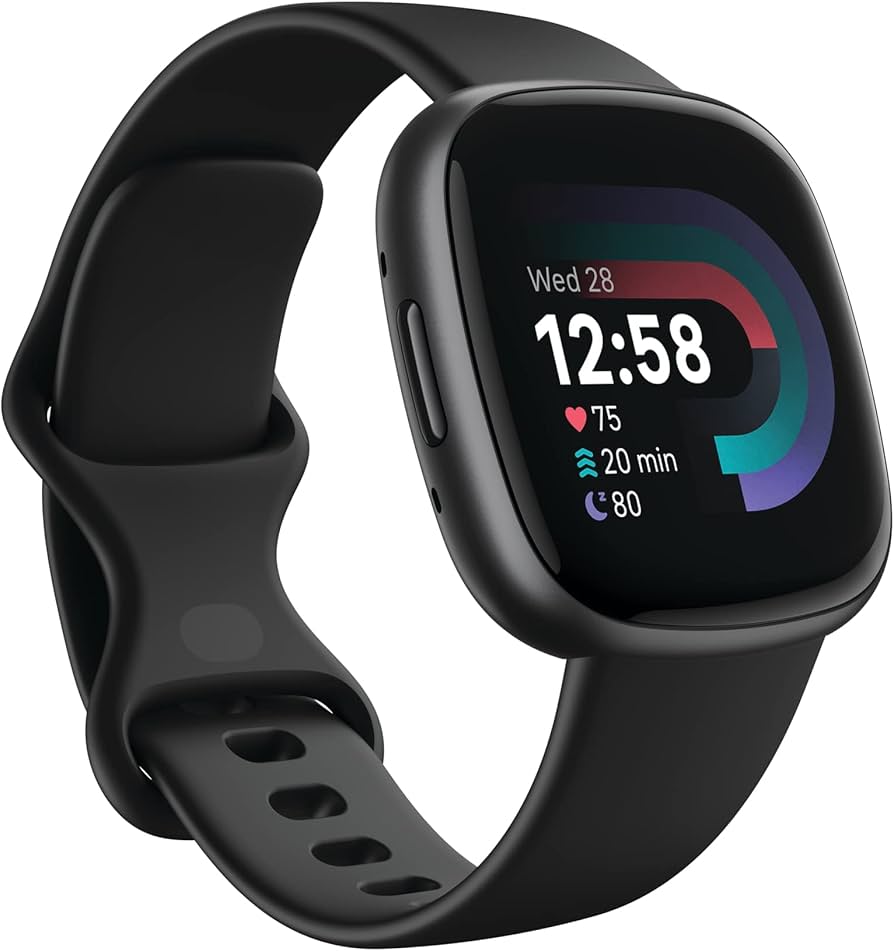
The Fitbit Versa 4 excels at health and fitness tracking with continuous heart rate monitoring, built-in GPS, and a 6-day battery life, plus it works with both Android and iOS. However, it lacks third-party app support and has a sluggish interface at times.
Main limitation: The Versa 4 runs on a simplified OS that doesn't support third-party apps, so you're limited to Fitbit's built-in features.
Skip if: Skip this if you want access to a wide range of apps like Spotify offline or Google Maps on your wrist.
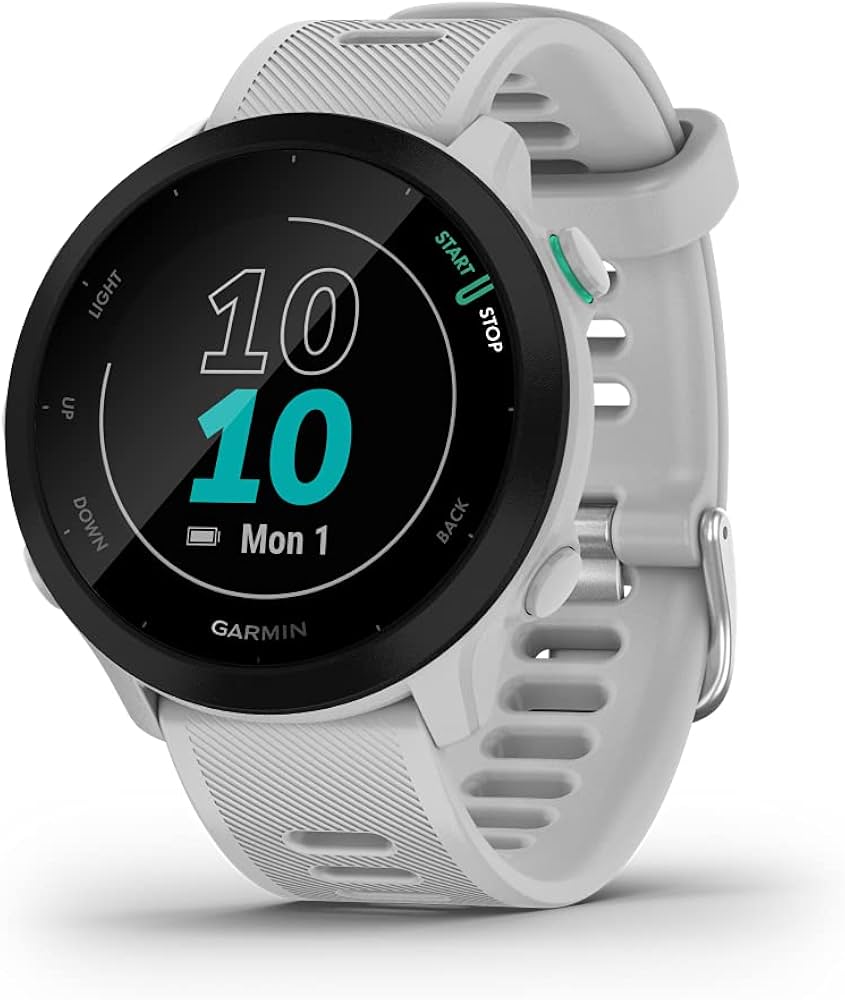
The Garmin Forerunner 55 is a dedicated running watch with accurate GPS, advanced training metrics like VO2 max and recovery time, and a 2-week battery life. Its monochrome display and lack of touchscreen make it less appealing for general smartwatch use.
Main limitation: The Forerunner 55 has a small, non-touchscreen MIP display that looks dated and isn't ideal for reading notifications or interacting with apps.
Skip if: Skip this if you want a vibrant touchscreen or smart features like music storage or contactless payments.
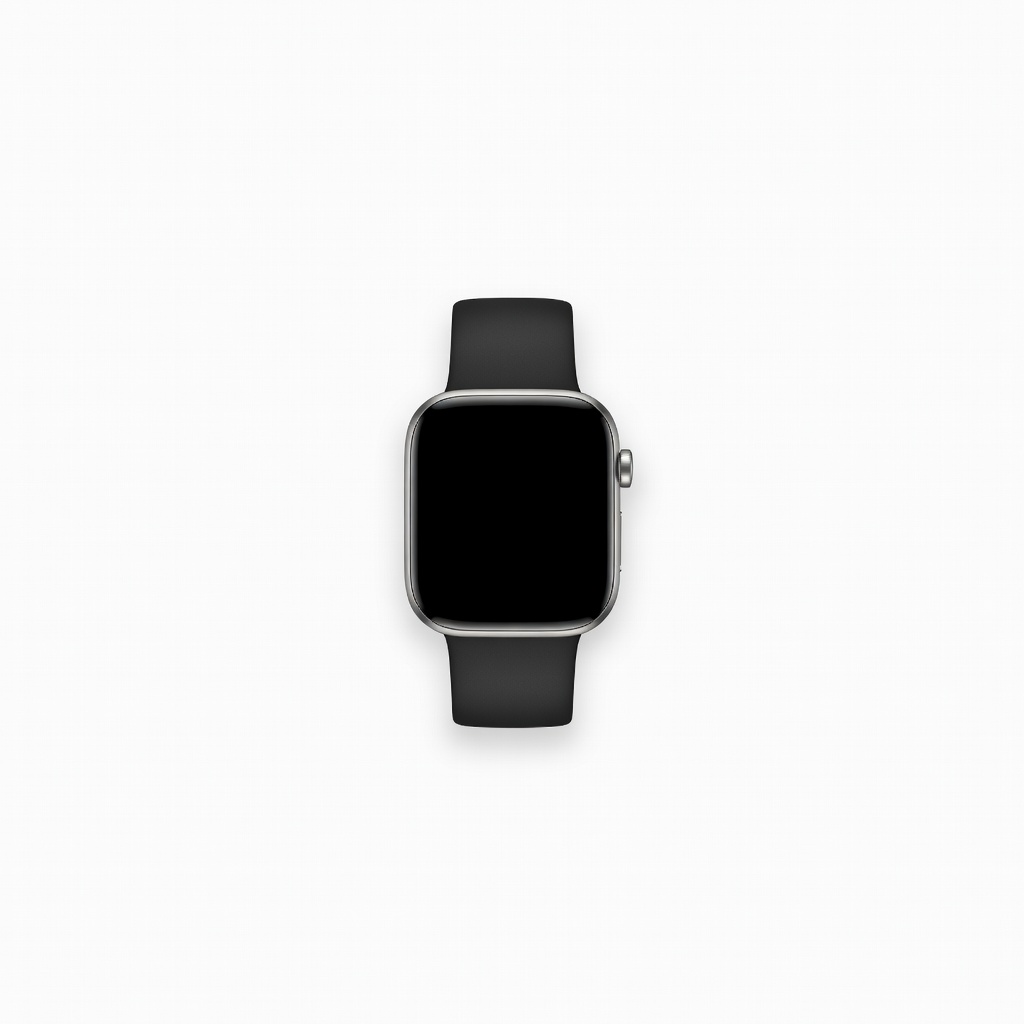
The Amazfit GTS 4 Mini is a lightweight, compact smartwatch that fits smaller wrists comfortably, with a 1.65-inch AMOLED display, built-in GPS, and 15-day battery life. However, it lacks a speaker and microphone, so you can't take calls on the watch.
Main limitation: The GTS 4 Mini has no speaker or microphone, meaning you can't make or receive phone calls directly from the watch.
Skip if: Skip this if you have larger wrists or prefer a bigger screen for easier readability and interaction.
The Samsung Galaxy Watch 4 runs Wear OS 3 with access to Google Play apps, offers a sleek design, and has comprehensive health tracking including body composition. Its battery life is disappointing at around 1-2 days, and it only works with Android phones.
Main limitation: Battery life is a major weak point, typically lasting only about 1.5 days with moderate use, so you'll need to charge it almost daily.
Skip if: Skip this if you have an iPhone (it's not compatible) or if you want a smartwatch that can go multiple days between charges.
Compare key specs and features of all our recommendations side-by-side
| Product | Recommendation | Rating | Price |
|---|---|---|---|
 Amazfit GTR 4 Rank #1 | 🏆 Top Pick | 4.4 4.4 | |
Amazfit Bip 5 Rank #2 | 💰 Budget Pick | 8.5/10 | $79–$89 Check current price → |
Fitbit Versa 4 Rank #3 | ⭐ Editor's Choice | 8.5/10 | $179–$199 Check current price → |
Garmin Forerunner 55 Rank #4 | — | 8.0/10 | |
Amazfit GTS 4 Mini Rank #5 | — | 8.0/10 | $129–$149 Check current price → |
Samsung Galaxy Watch 4 (40mm) Rank #6 | — | 8.0/10 | $149–$199 Check current price → |
Common questions buyers have about this category.
Yes, but with limitations. Most budget smartwatches, including Amazfit and Fitbit models, can pair with iPhones for basic notifications and fitness tracking, but you often can't reply to messages or install third-party apps. Samsung Galaxy Watch 4 and other Wear OS watches are not compatible with iPhones at all. If you have an iPhone, the Apple Watch SE is the best choice, but it typically costs over $200 unless on sale.
A fitness tracker focuses on health metrics like steps, heart rate, and sleep, and may lack a full app store or advanced smart features. A smartwatch typically has a more powerful processor, a color touchscreen, and the ability to run third-party apps, make calls, and store music. Many devices under $200 blur the line, but generally, if you want apps and notifications, look for a smartwatch; if you only care about fitness, a tracker like the Fitbit Inspire 3 is cheaper and lighter.
Heart rate accuracy varies widely. Brands like Apple, Garmin, and Fitbit are generally regarded as more accurate for continuous monitoring and workouts, while some cheaper models can struggle with rapid changes in intensity. For casual use, most are fine, but if you rely on precise heart rate zones for training, consider a Garmin or a chest strap. Reviews from outlets like DC Rainmaker often show that even mid-range watches can have lag during intervals.
Many do, but not all. At the under-$200 price, models like the Amazfit GTR 4, Garmin Forerunner 55, and Fitbit Versa 4 include built-in GPS, which lets you leave your phone behind for runs. However, some cheaper watches only have connected GPS, meaning they rely on your phone's GPS. Always check the specs: if you see 'built-in GPS' or 'GPS + GLONASS', you're good.
Battery life ranges dramatically. Full-featured smartwatches like the Samsung Galaxy Watch 4 typically last 1–2 days, while fitness-focused watches like the Amazfit GTR 4 can last up to 14 days. The Garmin Forerunner 55 lasts about 2 weeks in smartwatch mode. If you use always-on display or continuous GPS, expect those numbers to drop significantly. Choose based on your willingness to charge frequently.
Some are, but it's not universal. Wear OS watches like the Samsung Galaxy Watch 4 can pair with Bluetooth headphones for offline music playback, but you'll need to download music via an app. Fitbit and Amazfit watches generally do not support Bluetooth audio, though some higher-end models do. If you want to leave your phone at home and listen to music, check specifically for 'offline music storage' and 'Bluetooth audio' in the specs.
Products we evaluated but did not recommend — and why.
