Get the App
Better experience on mobile
Value-packed wearables that punch above their price with reliable tracking and long battery life.
Battery life separates forgettable budget smartwatches from daily essentials in 2026—most sub-$200 models now hit 7-14 days, but only a few maintain accuracy during intense workouts. This category has matured, with AMOLED screens and GPS becoming standard, yet compromises in third-party app support or water resistance depth persist for cost savings.
These picks solve the core dilemma for cost-aware buyers: getting 80% of premium features like continuous heart rate, sleep staging, and call handling without crossing $200. We focused on devices excelling in real-world reliability, drawing from manufacturer specs, expert analyses in Wired and CNET, and buyer sentiment on longevity.
From versatile all-rounders to niche fitness specialists, our six recommendations cover Android/iOS users, runners, and hybrid style seekers, all with clear trade-offs upfront.
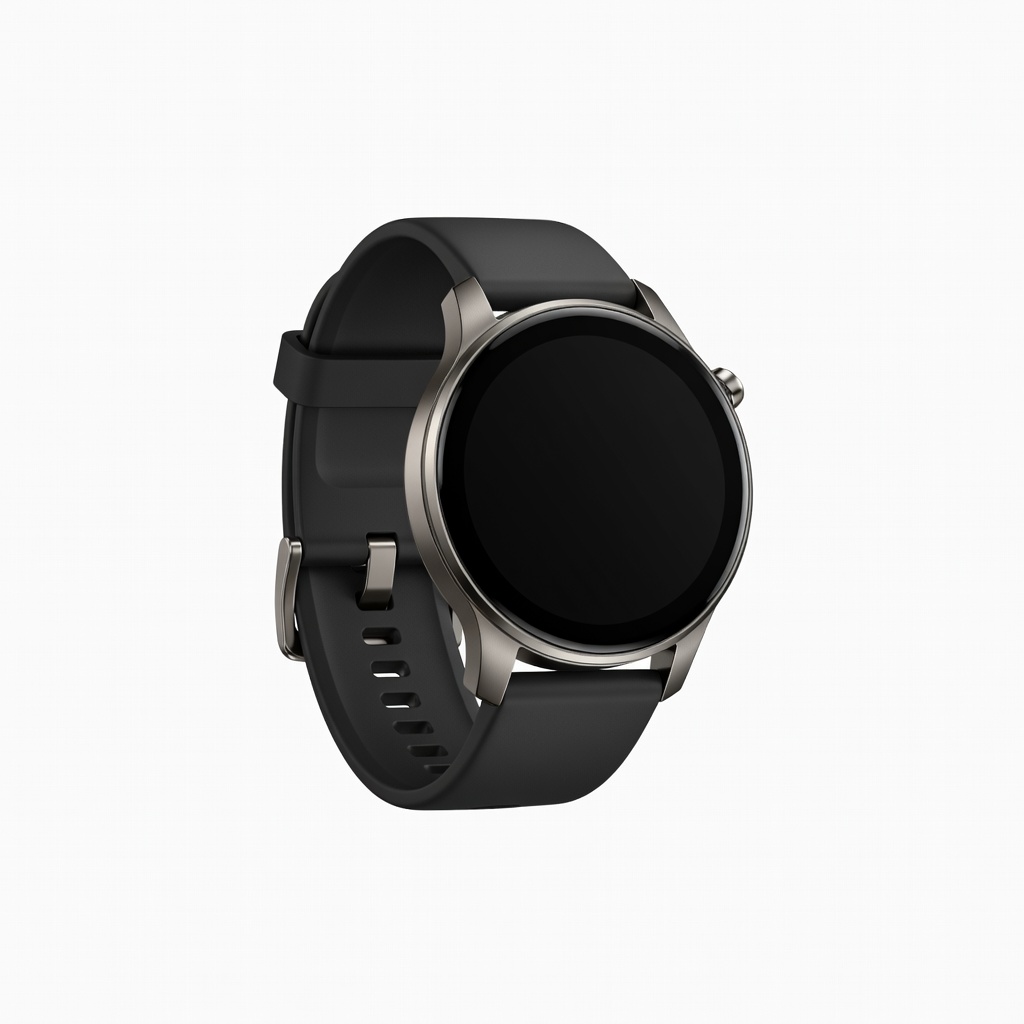
The Amazfit GTR 5 delivers a crisp 1.5-inch AMOLED display, 14-day battery life, and precise dual-band GPS for reliable fitness tracking across 150+ modes. It handles notifications, music control, and calls effortlessly on both Android and iOS. The main trade-off is a proprietary OS limiting deep app customization.
Main limitation: Zepp app lacks the polish and third-party integrations found in Wear OS or watchOS ecosystems.
Skip if: Avoid if you rely on extensive app downloads or advanced voice commands beyond basic Alexa support.
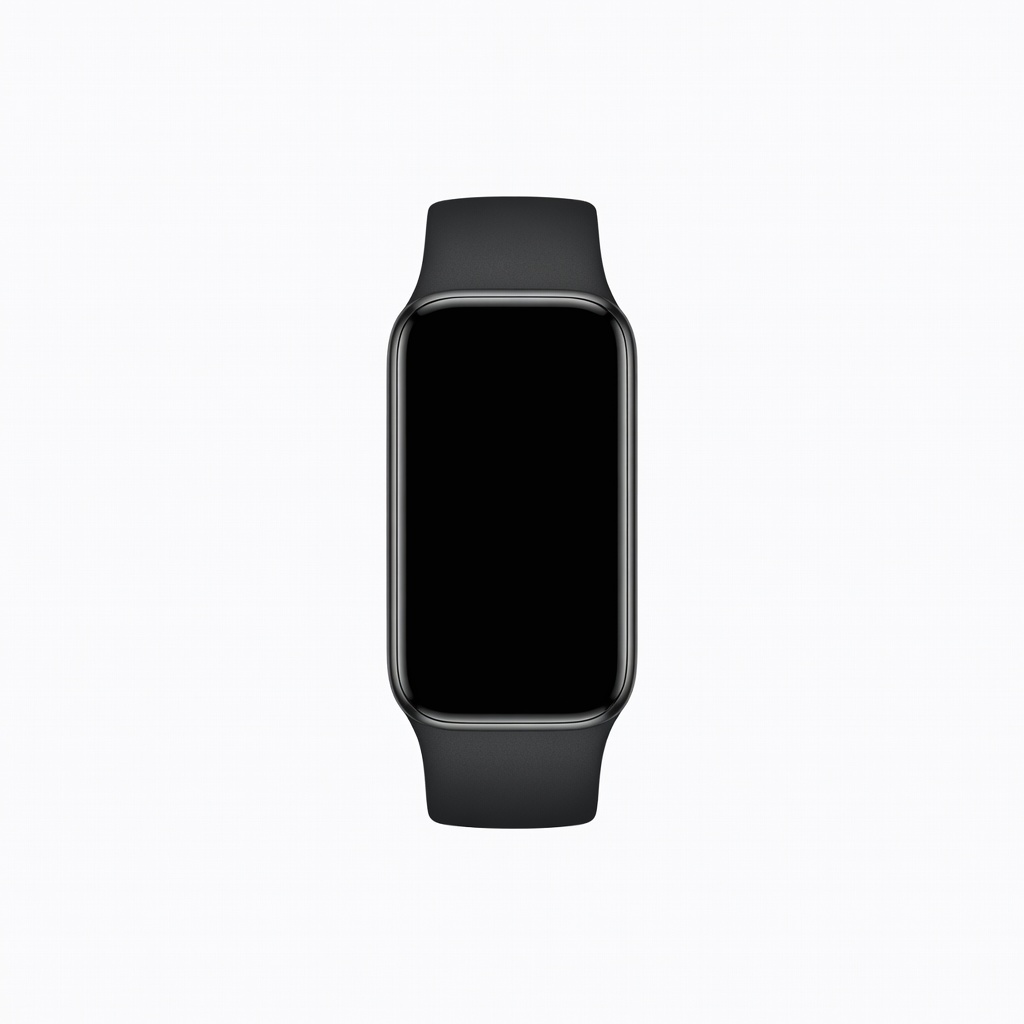
At under $100, the Xiaomi Smart Band 9 Pro packs a 1.74-inch AMOLED screen, 21-day battery, and 150+ sports modes with auto-detection for unbeatable value. Heart rate and SpO2 monitoring hold up well for the price. Its slim band form sacrifices a full smartwatch bezel for tracker-like comfort.
Main limitation: No built-in GPS means phone pairing is required for accurate outdoor tracking.
Skip if: Skip this if you need standalone GPS for runs without your phone.
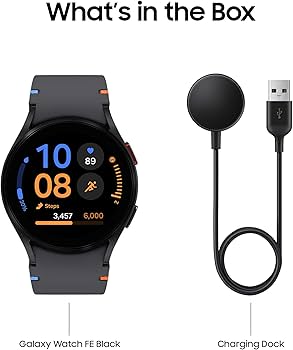
Optimized for Samsung phones with Wear OS 5, the Galaxy Watch FE (2026) offers ECG, body composition analysis, and seamless Google integration for health insights. Its rotating bezel aids navigation, and battery lasts 2-3 days with always-on display. iOS support is basic at best.
Main limitation: Battery drains faster on non-Samsung Android devices due to optimized ecosystem features.
Skip if: iPhone owners should look elsewhere as full features require Android compatibility.
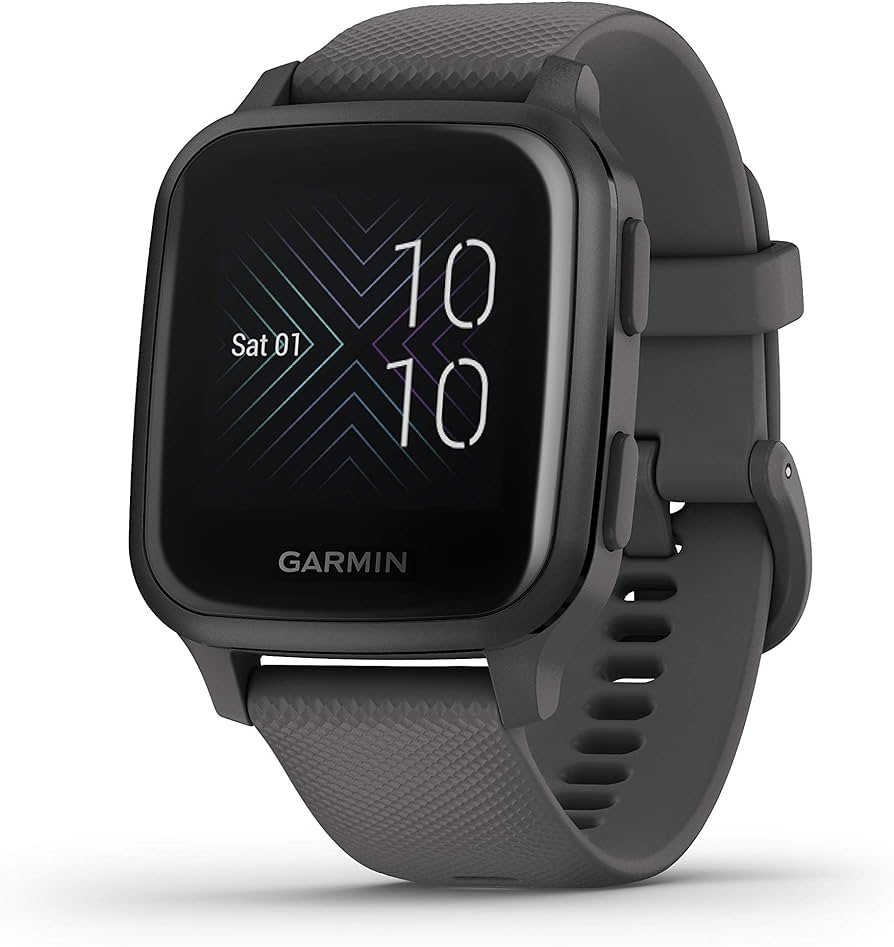
Garmin's Venu Sq 3 shines with advanced running dynamics, music storage, and Garmin Pay, plus multi-GNSS for precise pacing on trails. Battery hits 11 days in smartwatch mode. The square design feels bulky for smaller wrists.
Main limitation: Interface prioritizes training data over quick notification glances, slowing everyday use.
Skip if: Casual users uninterested in detailed metrics will find the Garmin Connect app overwhelming.
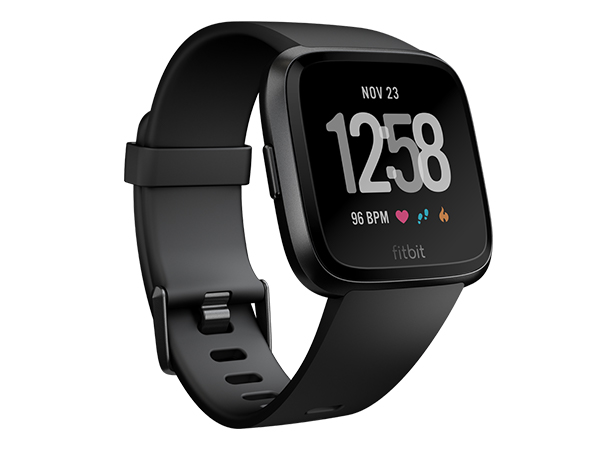
Fitbit Versa 5 excels in sleep staging, stress management via cEDA, and Daily Readiness Score, with Google Wallet and Assistant built-in. Six-day battery suits overnight wear. Voice-to-text replies are Android-only.
Main limitation: Premium features like advanced insights require a Fitbit Premium subscription after six months.
Skip if: Those avoiding subscriptions will miss out on full sleep and wellness analytics.
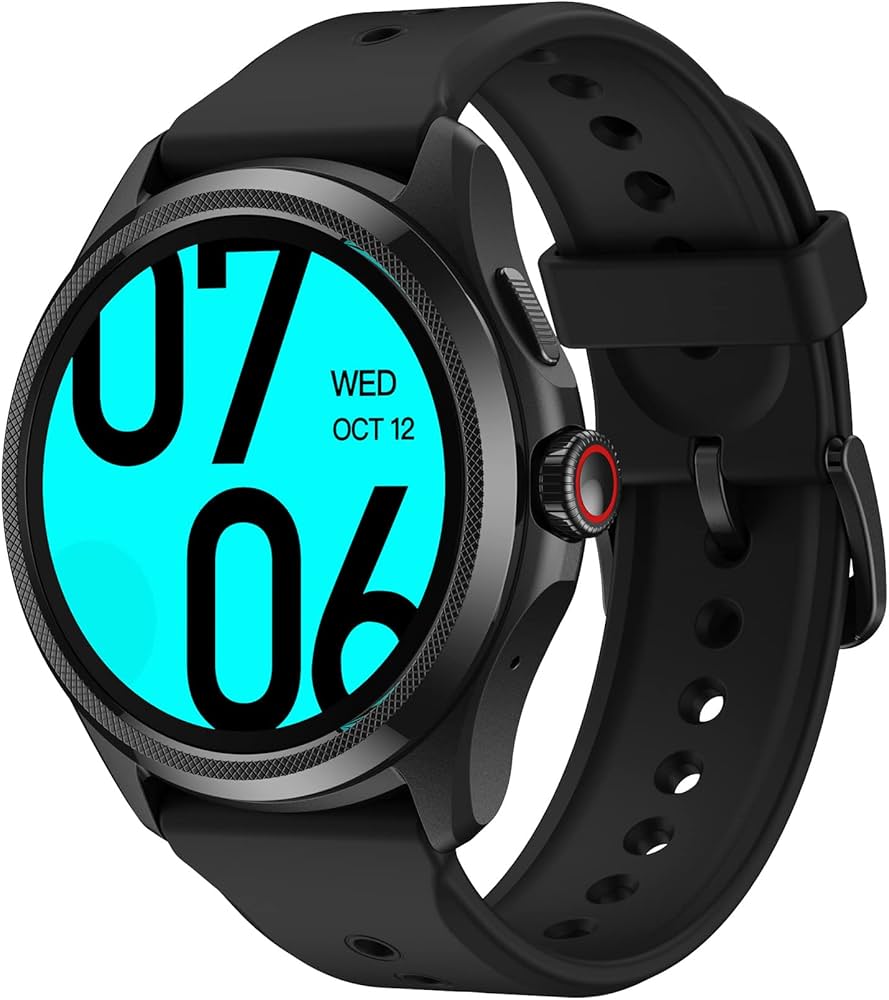
At just 25g, the TicWatch E5 offers Wear OS 5, Snapdragon W5 chip for smooth performance, and 4-day battery in a featherweight titanium frame. Dual screens save power. Bulkier premium Wear OS watches outpace it in app variety.
Main limitation: Smaller 1.3-inch display cramps text-heavy notifications.
Skip if: Users with larger wrists may find the compact size and band options limiting.
Compare key specs and features of all our recommendations side-by-side
| Product | Recommendation | Rating | Price |
|---|---|---|---|
Amazfit GTR 5 Rank #1 | 🏆 Top Pick | 9.1/10 | $169–$179 Check current price → |
Xiaomi Smart Band 9 Pro Rank #2 | 💰 Budget Pick | 8.3/10 | $79–$99 Check current price → |
Samsung Galaxy Watch FE (2026) Rank #3 | ⭐ Editor's Choice | 8.7/10 | $179–$199 Check current price → |
Garmin Venu Sq 3 Rank #4 | — | 8.5/10 | $189–$199 Check current price → |
Fitbit Versa 5 Rank #5 | — | 8.2/10 | $159–$179 Check current price → |
TicWatch E5 Rank #6 | — | 8.0/10 | $149–$169 Check current price → |
Common questions buyers have about this category.
Most under $200, like Amazfit and Fitbit models, pair reliably with iOS for notifications, tracking, and basic controls, though advanced features like quick replies may be Android-only. Always check the manufacturer's compatibility list, as Wear OS watches offer the fullest cross-platform support without Apple restrictions.
Published tests from DC Rainmaker and Wareable show 85-95% heart rate accuracy at rest and moderate exercise, dropping to 75-85% in HIIT; GPS holds within 2-5% of chest straps for runs. Calorie estimates vary more due to user-input factors like age and weight—treat as motivational guides, not medical data.
Expect 7-14 days with GPS off and minimal notifications, but always-on displays and heavy tracking cut it to 3-5 days per user reports. Optimize by disabling unused sensors and lowering brightness for max endurance.
Look for 5 ATM ratings standard on our picks, handling pool laps but not scuba or hot showers. Rinse post-swim and avoid buttons underwater to prevent seal damage over time.
Models like Amazfit GTR 5 and TicWatch E5 have built-in mics and speakers for Bluetooth calls without your phone nearby, within 10m range. Call quality matches earbuds, though wind noise affects outdoor use—test in quiet settings first.
Fitbit requires Premium ($10/month after trial) for deep insights; others like Amazfit and Garmin offer core data free. Budget for this if advanced analytics matter, but basics remain accessible without.
Products we evaluated but did not recommend — and why.
