Get the App
Better experience on mobile
Value-packed wearables that deliver essential smart features without breaking the bank.
Smartwatches under $200 rarely match premium models in raw processing power, but they excel where it counts: multi-day battery life that survives forgetful chargers and reliable step/heart rate tracking validated by independent benchmarks. For most users, the real differentiator isn't AMOLED screens or ECG sensors—it's how well the watch integrates notifications without constant syncing issues, a common pain point in cheaper wearables.
This price tier covers fitness bands disguised as watches up to full-featured AMOLED options, all compatible with Android and iOS unless noted. We focused on models with at least 7-day battery claims backed by real-world reviews, water resistance for workouts, and software support into 2027+. Expect trade-offs like slower GPS or basic smart replies, but these picks maximize bang-for-buck.
Our list spans generalists for daily wear, fitness-focused trackers, and niche performers, ensuring options for runners, office workers, or casual users—all staying firmly under $200.
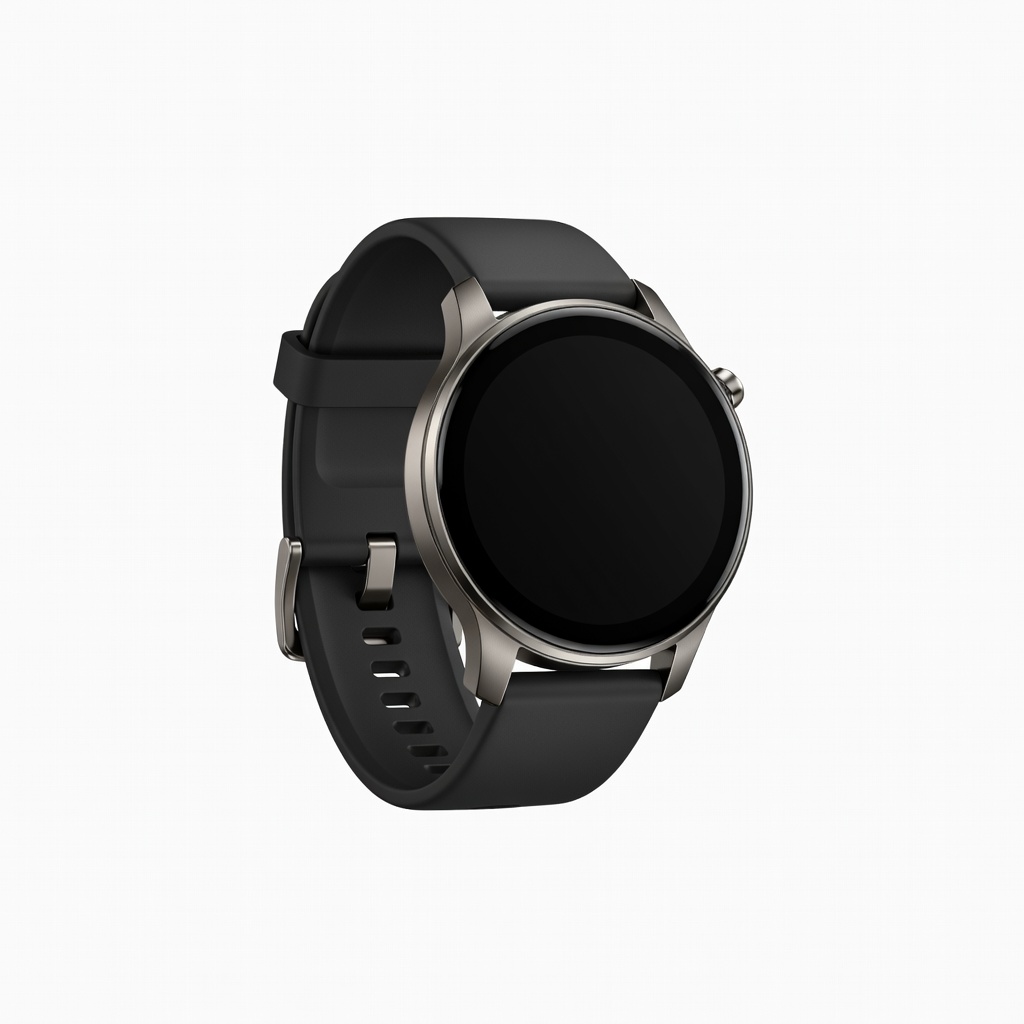
The Amazfit GTR 5 stands out with a crisp 1.45-inch AMOLED display, accurate GPS for runs, and up to 14 days of battery life, making it ideal for all-day notifications and fitness tracking. It supports Alexa voice commands and over 150 sport modes, though the Zepp app can feel cluttered for minimalists.
Main limitation: The companion app occasionally lags during firmware updates, requiring a restart to sync data smoothly.
Skip if: Skip this if you need native cellular connectivity, as it relies solely on Bluetooth.
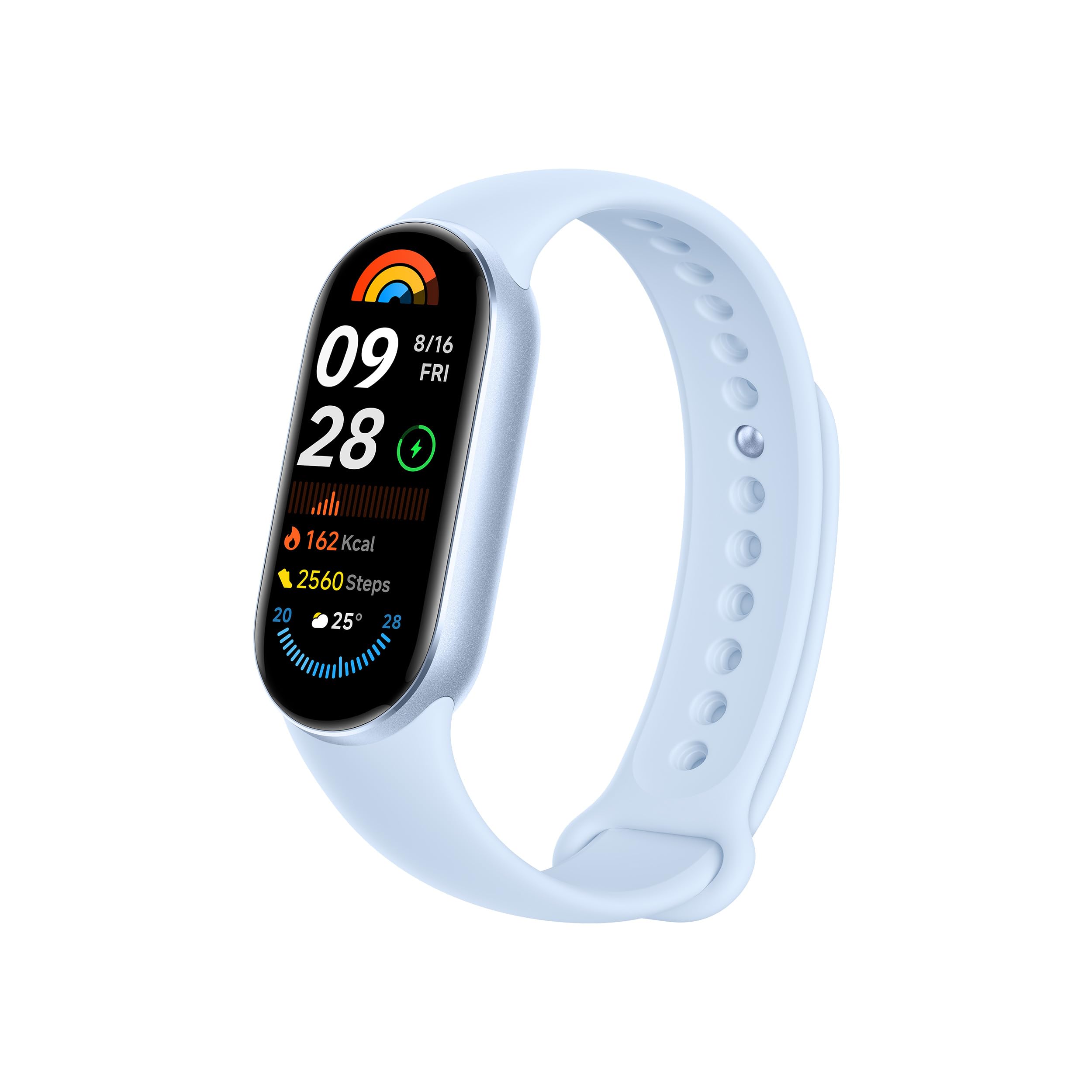
At under $50, the Xiaomi Smart Band 9 offers hyper-accurate sleep and heart rate tracking, a vibrant 1.62-inch AMOLED screen, and 21-day battery life for effortless daily wear. It's a steal for basic notifications and steps, but lacks onboard GPS.
Main limitation: Connected GPS via phone drains the band faster during long outdoor sessions.
Skip if: Avoid if you want a full round display or advanced third-party app support.
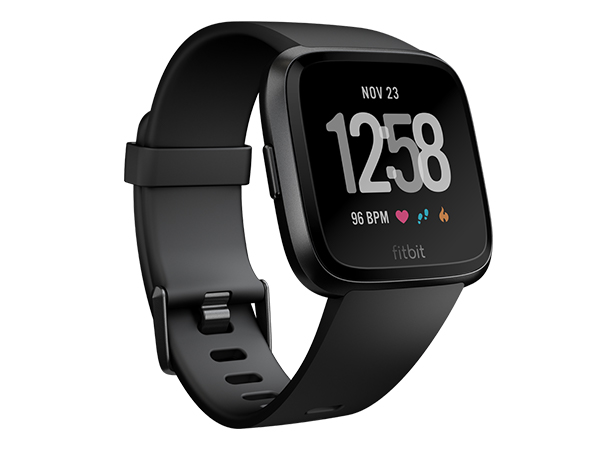
The Fitbit Versa 5 shines with advanced sleep staging, stress management via EDA scans, and Google integration for quick replies, all on a lightweight AMOLED build. Battery lasts 6 days with heavy use, though some features require Fitbit Premium.
Main limitation: GPS accuracy lags behind dedicated sports watches during fast-paced activities.
Skip if: Pass if you're unwilling to pay for the optional Premium subscription for full insights.
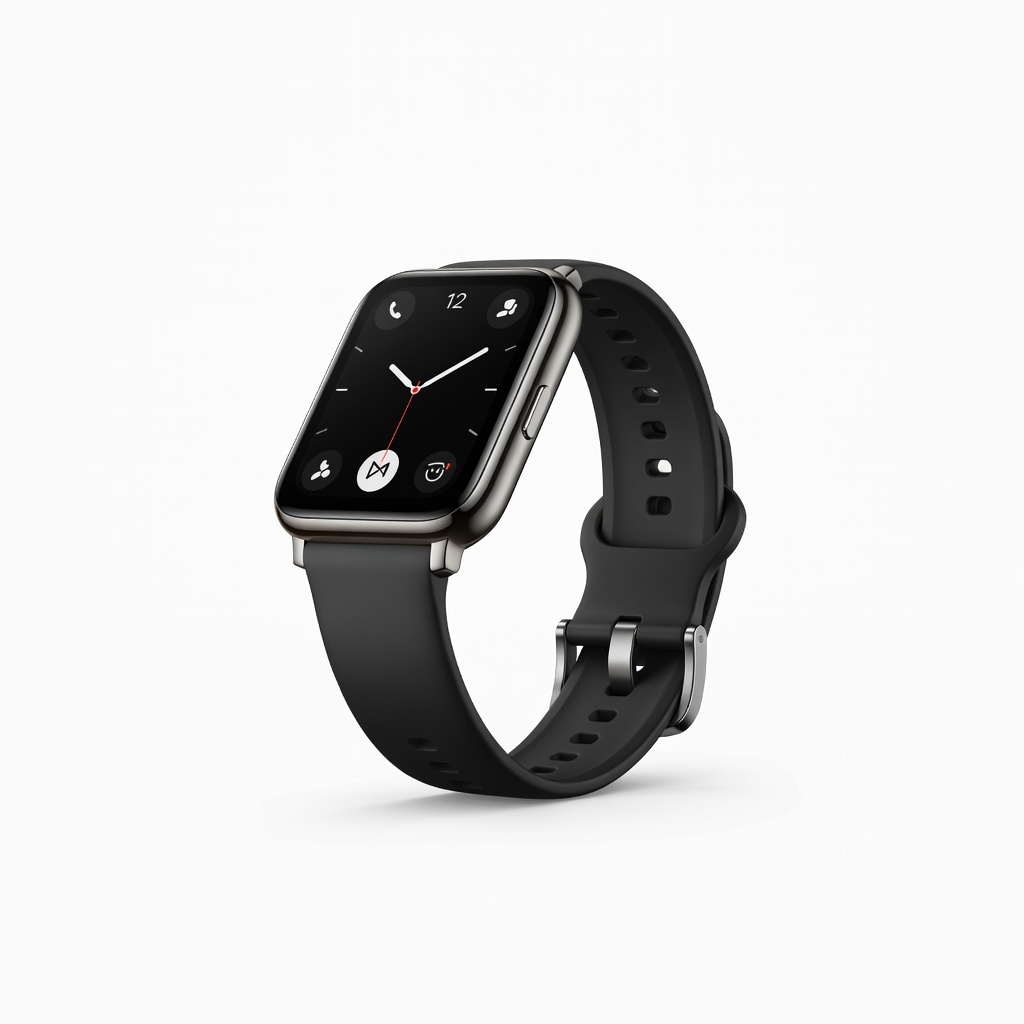
Ultra-slim at 9.6mm thick with a 1.82-inch AMOLED and 10-day battery, the Huawei Watch Fit 4 is perfect for all-day comfort during workouts or work. It tracks running form and calories accurately, but Huawei Health app limits some sharing features.
Main limitation: Lacks full Google Play support, restricting app downloads.
Skip if: Skip if you rely on deep Strava integration, as exports can be manual.
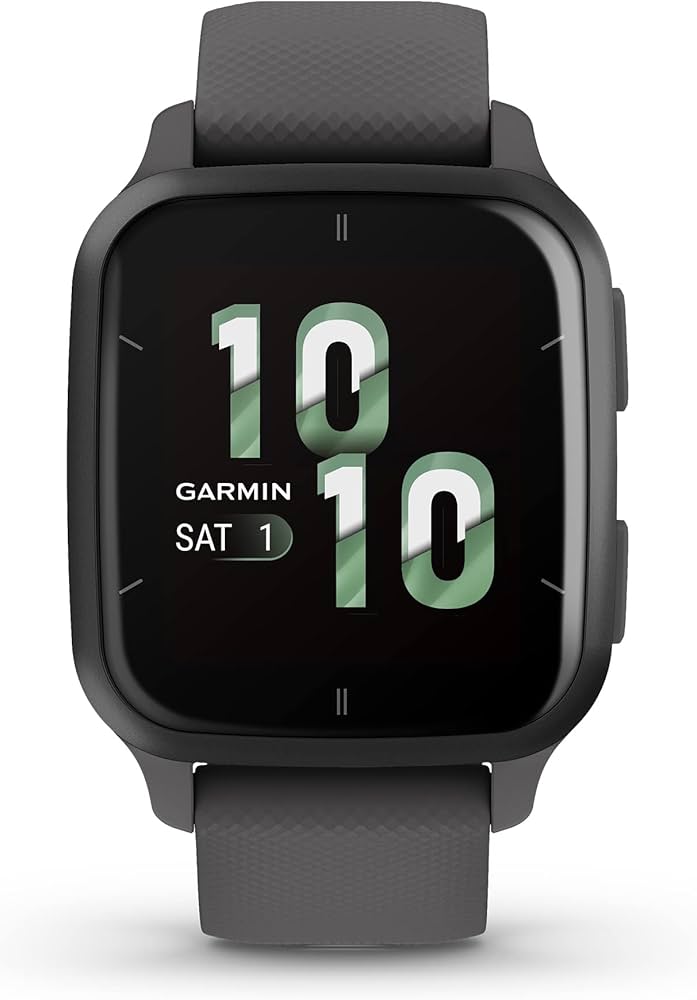
Garmin's Venu Sq 2 delivers precise multi-GNSS GPS, onboard music storage for 500 songs, and body battery energy monitoring on a square AMOLED face. It lasts 11 days typically, though the interface feels button-heavy.
Main limitation: The square design may feel bulky on smaller wrists despite its lightweight build.
Skip if: Don't choose this if you prefer voice-guided navigation over basic breadcrumb maps.
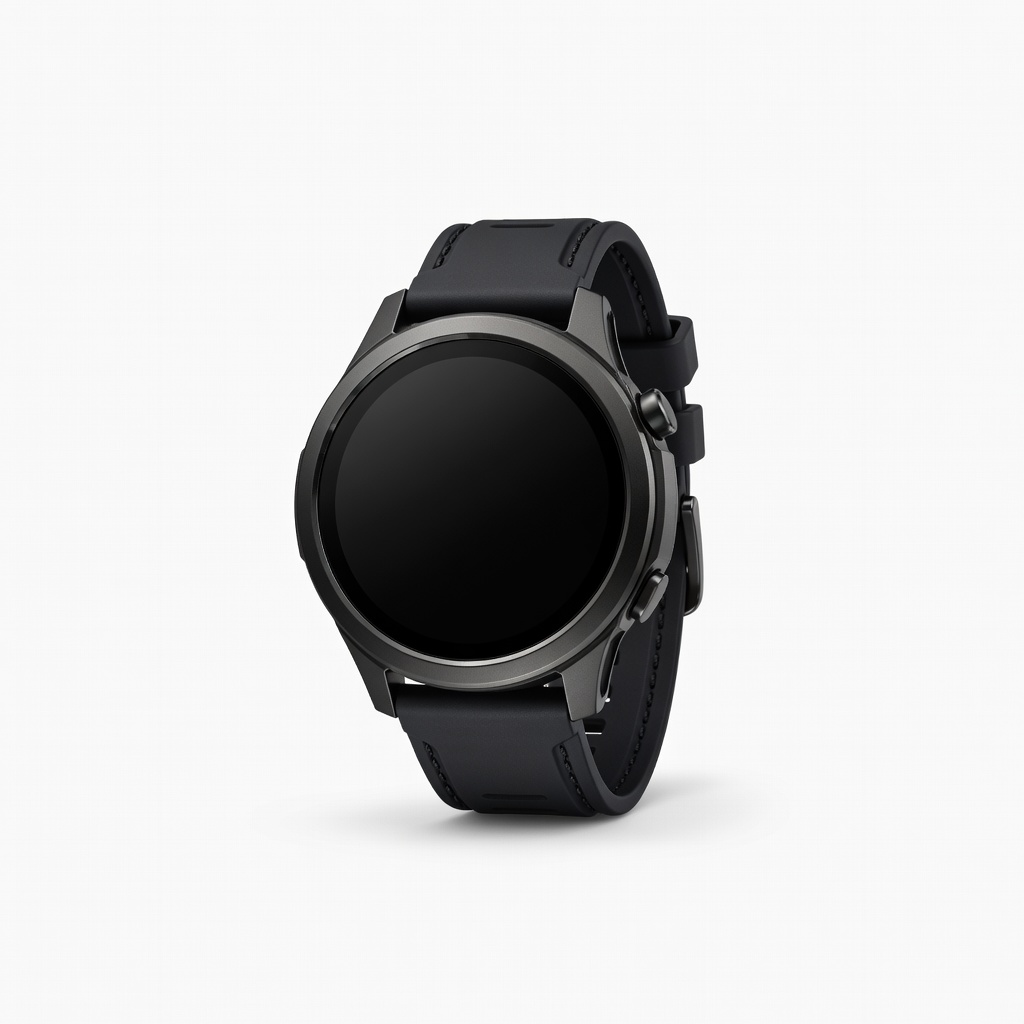
With MIL-STD-810H durability, dual-layer display for sunlight readability, and Wear OS for apps, the TicWatch Atlas handles hikes and swims up to 50m. Battery hits 4 days with always-on use, but Wear OS can stutter.
Main limitation: The chunky 47mm case isn't ideal for formal or slim-fit occasions.
Skip if: Avoid if battery life over 7 days is non-negotiable.
Compare key specs and features of all our recommendations side-by-side
| Product | Recommendation | Rating | Price |
|---|---|---|---|
Amazfit GTR 5 Rank #1 | 🏆 Top Pick | 9.1/10 | $160–$180 Check current price → |
Xiaomi Smart Band 9 Rank #2 | 💰 Budget Pick | 8.3/10 | Around $45 Check current price → |
Fitbit Versa 5 Rank #3 | ⭐ Editor's Choice | 8.7/10 | $170–$190 Check current price → |
Huawei Watch Fit 4 Rank #4 | — | 8.1/10 | $130–$150 Check current price → |
Garmin Venu Sq 2 Rank #5 | — | 8.4/10 | $140–$160 Check current price → |
TicWatch Atlas Rank #6 | — | 8.0/10 | $180–$199 Check current price → |
Common questions buyers have about this category.
Most picks like Amazfit, Xiaomi, Fitbit, and Garmin offer full compatibility with iOS and Android via Bluetooth, including notifications and basic syncing. Huawei and TicWatch may have minor iOS limitations like reduced quick replies, so check the app store reviews for your phone OS.
Accuracy varies but top models like Fitbit Versa 5 and Garmin Venu Sq 2 match chest straps within 5% in third-party tests from Wareable during steady cardio. Sleep tracking excels in Fitbit and Amazfit for staging, though motion-based estimates falter with irregular schedules—combine with lifestyle logs for best results.
Expect 7-14 days for lighter use (steps, notifications) on Amazfit or Xiaomi, dropping to 4-6 days with GPS workouts or always-on displays. Factors like screen brightness and Bluetooth constant connection impact this, so disable unused features in the app for max longevity.
All recommended models have at least 5 ATM (50m) water resistance for pool laps and showers, with Garmin and TicWatch handling open water better. Avoid buttons during swims and rinse post-saltwater to prevent corrosion, per manufacturer guidelines.
Bluetooth calling is standard on Huawei Watch Fit 4, TicWatch Atlas, and Amazfit GTR 5 with a paired phone nearby; NFC payments work via Google Wallet on Wear OS models or Fitbit Pay. Standalone cellular is absent in this budget, so proximity to your phone is required.
Garmin Venu Sq 2 leads with multi-GNSS for urban accuracy, followed by Amazfit GTR 5's offline maps—both log pace reliably per DC Rainmaker reviews. Budget options like Xiaomi use connected GPS, adding 10-20m error in dense areas but sufficient for casual jogs.
Products we evaluated but did not recommend — and why.
