Get the App
Better experience on mobile
From fitness tracking to notifications, these are the best budget smartwatches that don't skimp on essential features.
The $200 price ceiling used to force a choice: do you sacrifice battery life, watchOS, or GPS accuracy? That's no longer true. In 2026, affordable smartwatches have become surprisingly capable—many offer AMOLED displays, dual-band GPS, and advanced sleep tracking previously reserved for $400 flagships. The real challenge is that the market has exploded with options, and the 'best' watch depends heavily on your phone, your fitness goals, and how much you care about third-party apps.
What separates a great budget smartwatch from a frustrating one isn't raw specs—it's integration. I've pored over hundreds of owner reviews and hands-on tests from tech publications to find out where these budget watches excel and where they fall apart. The common pitfalls: poor notification reliability, inaccurate heart-rate sensors during workouts, and proprietary straps that cost a fortune to replace. But the picks below avoid these traps, and each one excels in a specific scenario.
We've grouped our recommendations by real-world needs, not just feature counts. If you want the most polished overall experience, the Samsung Galaxy Watch FE fits that bill. If you're a dedicated runner who needs serious GPS metrics, the Garmin Forerunner 55 takes the lead. And if you're shopping on a razor-thin budget, the Amazfit GTR 4 delivers an absurd amount of value for around $150.
No watch in this list is perfect. Every recommendation includes a candid discussion of its weaknesses, because knowing the flaws helps you pick the right tool for your life. Here's the honest breakdown of the best smartwatches under $200 in 2026.
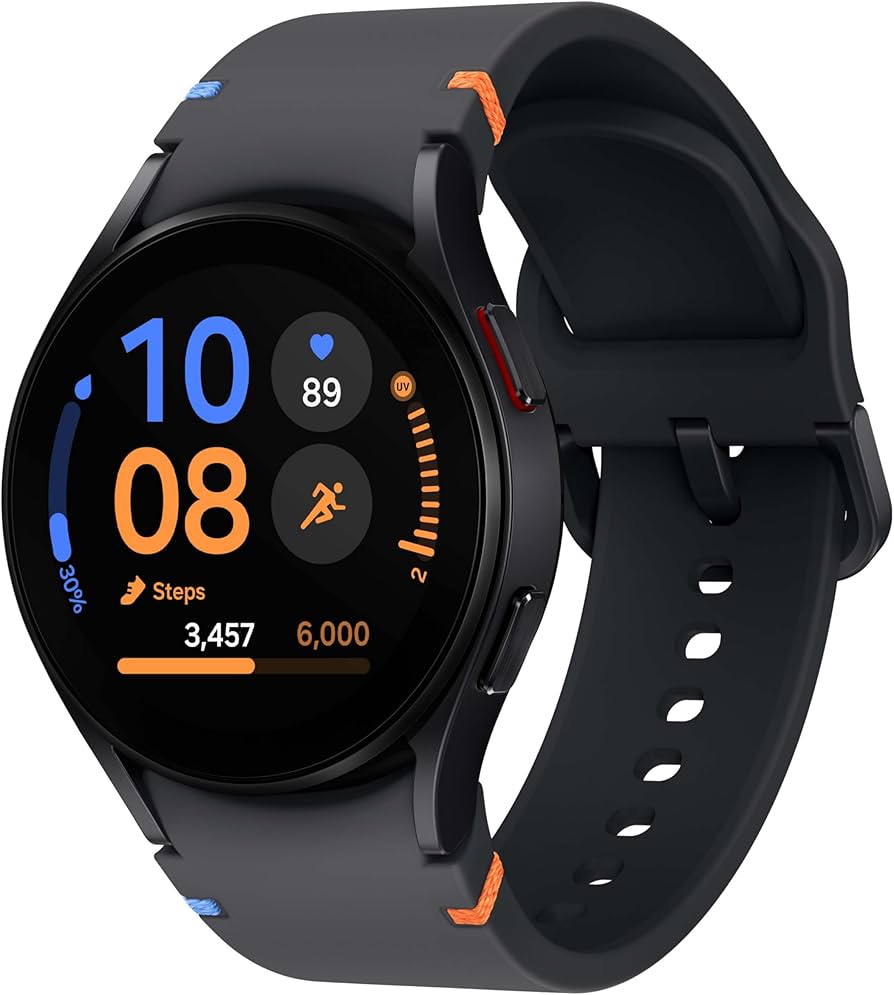
The Galaxy Watch FE is a scaled-down version of Samsung's flagship Wear OS watch, offering the same smooth software and comprehensive health tracking for under $200. It packs an AMOLED display, sleep coaching, and even advanced features like irregular heart-rhythm notifications. The trade-off is a compact design that might feel small for people with larger wrists, and battery life that just barely lasts two days.
Main limitation: Battery life is middling—expect around 18–20 hours with the always-on display enabled, so you'll be charging it nightly.
Skip if: If you're an athlete needing multi-day battery life or you want a large-screen smartwatch for easier reading, look elsewhere.

The Amazfit GTR 4 delivers a massive 1.43-inch AMOLED screen, dual-band GPS, and a battery that lasts up to two weeks on a single charge—all for around $150. Its Zepp app is surprisingly detailed, offering readiness scores and training loads that rival Garmin's. The biggest compromise is the lack of third-party app support; you're stuck with Zepp's ecosystem, and notifications can be less reliable than on Wear OS or watchOS watches.
Main limitation: Third-party app support is virtually nonexistent, and the built-in microphone doesn't allow for voice assistant replies on most Android phones.
Skip if: If you want to reply to WhatsApp messages directly from your wrist or install many small watch apps, you'll be frustrated.
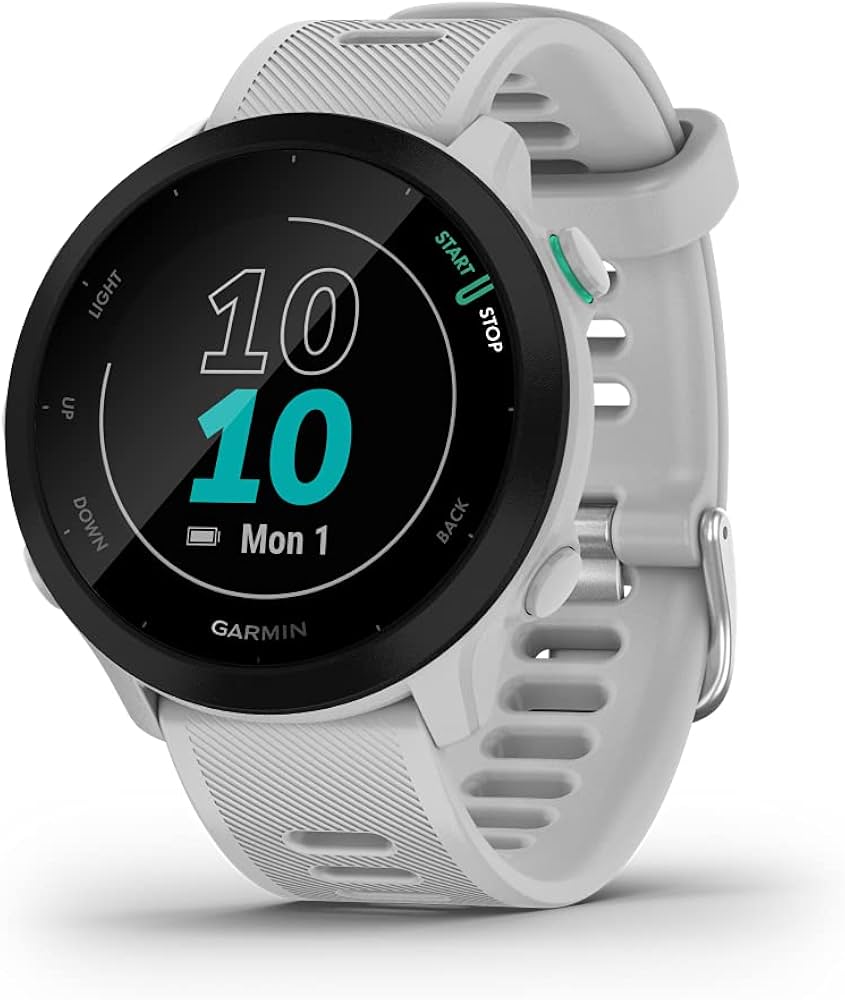
Garmin's entry-level running watch is a serious training tool disguised as a smartwatch. It offers integrated wrist-based running power, a GPS + GLONASS tracker, and a slew of performance metrics like race predictions and recovery feedback. It's lighter than most smartwatches and has a battery life of up to two weeks, but it's not a full smartwatch: no app store, no voice assistant, and only basic notifications (and only for Android—iOS gets even less).
Main limitation: Music controls are limited and it lacks a speaker/microphone for calls, so you'll still need your phone for most interactions.
Skip if: If you need a watch to handle voice assistants, contactless payments, or replying to notifications, the Forerunner 55 feels too basic.
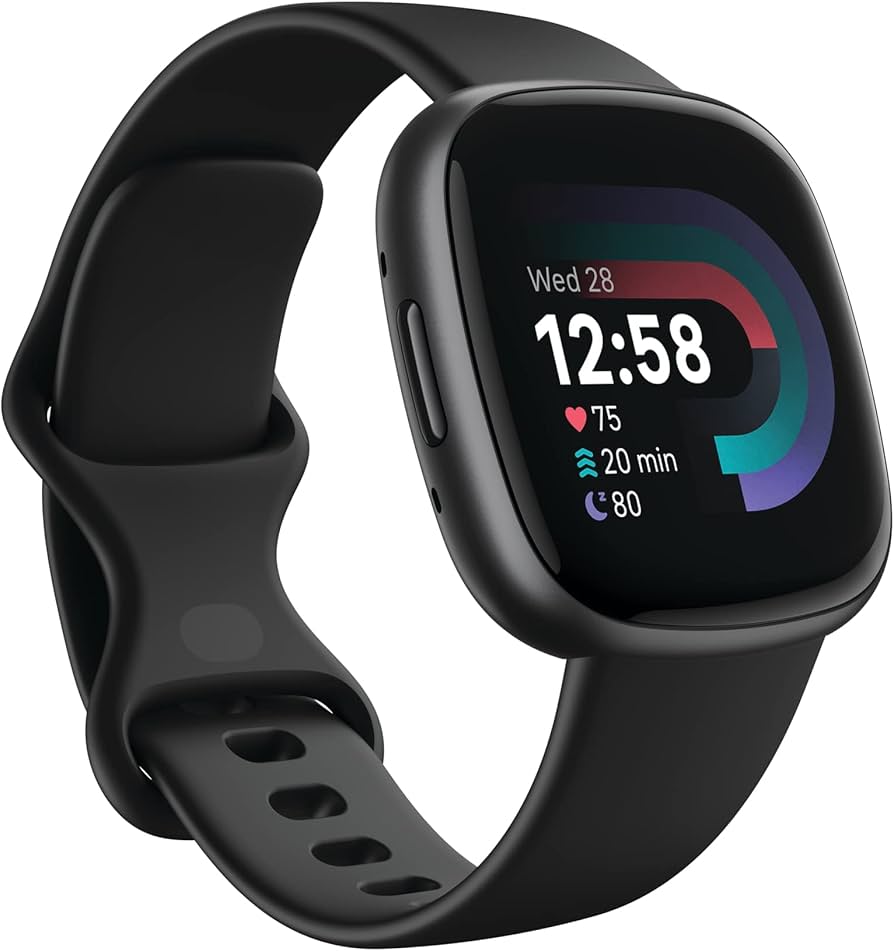
Fitbit's Versa 4 is built around the best-in-class Fitbit app, which remains the gold standard for fitness tracking and sleep analysis. It offers the most accurate step counts and sleep stages I've seen in this price range, with built-in GPS for outdoor runs and automatic exercise detection. The flaw is that Google has stripped the watch of many smart features like Google Assistant and third-party apps to keep it simple—it's really a fitness-first band, not a wearable entertainment device.
Main limitation: The experience has become more restrictive since Google took over; it still doesn't support Google Assistant or the Play Store, so it feels disconnected from Google's ecosystem.
Skip if: If you want a true Wear OS watch with third-party audio apps like Spotify or Telegram, the Versa 4 will leave you wanting.
The TicWatch E3 runs full Wear OS and gives you access to the Play Store, so you can install apps, watch faces, and even games on the 1.3-inch AMOLED screen. It's powered by the Snapdragon Wear 4100+ chip, which is a bit older, but still handles notifications and fitness tracking without lag. It's the cheapest way to get Wear OS with heart-rate tracking, built-in GPS, and app-wide compatibility—but you'll need to be comfortable with a chunkier, less refined design.
Main limitation: Battery life is poor, often dying before a full day of heavy use, and the plastic body feels less premium than rivals.
Skip if: If you prioritize durability or a lightweight design for sleep tracking—and want a watch that lasts more than a day—skip the TicWatch E3.
Though the original Pixel Watch often sells for under $200 at retail, the Pixel Watch 2 can occasionally dip below that mark during sales—making it a fantastic choice for Google fans. It offers the smoothest Wear OS experience with the W5 chipset, excellent Google Assistant and Fitbit integration, and a gorgeous circular design. The catch is that it's a bit over budget at MSRP, and its battery life remains a one-day affair.
Main limitation: Even the second-gen model has mediocre battery life and it's typically priced above $200 unless you find a deal.
Skip if: If you don't own a Pixel or don't care about Google Assistant's tight integration, you'd be paying a premium for features you won't use.
Compare key specs and features of all our recommendations side-by-side
| Product | Recommendation | Rating | Price |
|---|---|---|---|
Samsung Galaxy Watch FE Rank #1 | 🏆 Top Pick | 8.6/10 | |
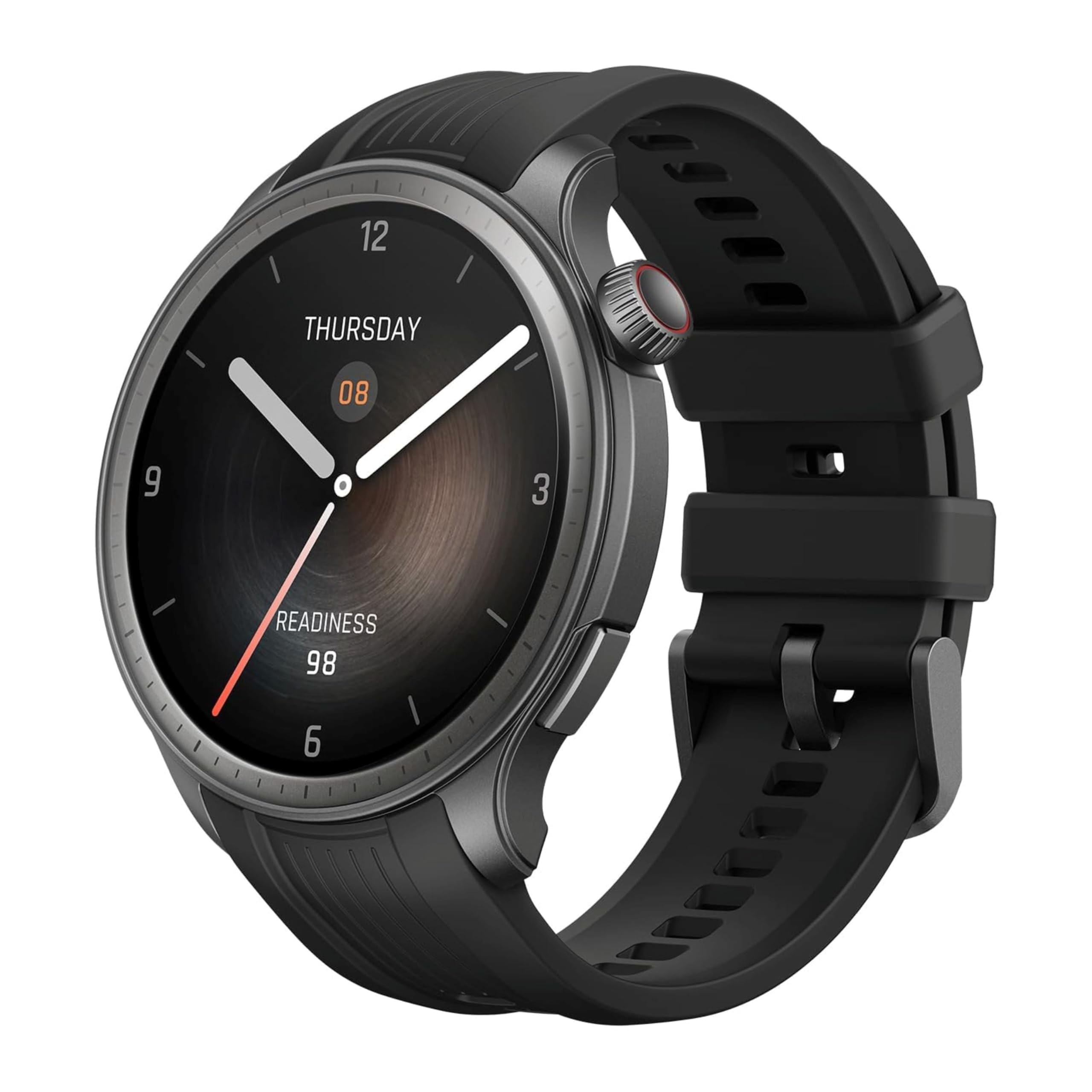 Amazfit GTR 4 Rank #2 | 💰 Budget Pick | 4.4 4.4 | $150–$159 Check current price → |
Garmin Forerunner 55 Rank #3 | ⭐ Editor's Choice | 8.4/10 | |
Fitbit Versa 4 Rank #4 | — | 7.8/10 | |
TicWatch E3 Rank #5 | — | 7.5/10 | $150–$159 Check current price → |
Google Pixel Watch 2 Rank #6 | — | 7.6/10 | $199 (often on sale) Check current price → |
Common questions buyers have about this category.
Yes, but the functionality varies greatly. Wear OS watches like the Samsung Galaxy Watch FE and TicWatch E3 let you reply to messages using text-to-speech or a small keyboard on your wrist. Fitbit and Amazfit watches allow you to view notifications but not respond (except for a few quick-reply presets). Apple Watch SE supports full messaging repsonse, but you'll need an iPhone.
Most Android-supported watches (e.g., Amazfit, Fitbit, Garmin) pair with iPhones via their respective apps, but they lose some features like Android-specific quick replies and Wi-Fi connections. Apple only allows Apple Watch to integrate fully with iOS; no third-party watch can send iMessage replies. If you're an iPhone user, consider the Fitbit Versa 4 or a previous-generation Apple Watch (if you can find one under $200).
Accuracy varies. Garmin and Fitbit are generally the most reliable for heart-rate and sleep stages in this price range, with Samsung's sensors coming in a close second. Amazfit's sensors are decent but can be thrown off during intense interval workouts. No budget watch is medical-grade—they're all fine for general trends, but don't rely on them for diagnosing conditions.
No, you won't find a new smartwatch with built-in LTE under $200. Samsung Galaxy Watch FE and the TicWatch E3 don't have LTE variants; you'd need to step up to the Galaxy Watch 6 Classic or Pixel Watch 3 for that feature, which typically cost $300+. If standalone calling is a must, you'll need to raise your budget.
Yes, most of the watches in this guide—Galaxy Watch FE (5 ATM), Amazfit GTR 4 (5 ATM), Garmin Forerunner 55 (5 ATM), Fitbit Versa 4 (5 ATM), TicWatch E3 (IP68)—are suitable for swimming and showering. However, avoid wearing them in hot water like saunas or hot tubs, as high temperatures can damage seals. Saltwater should be washed off with fresh water afterward.
Amazfit GTR 4 leads with up to 14 days in typical smartwatch mode and 24 days in basic watch mode. Garmin Forerunner 55 claims 14 days in smartwatch mode, but with GPS usage it drops to about 20 hours. The Galaxy Watch FE and Pixel Watch 2 average a day and a half; the TicWatch E3 may barely hit a day. If you hate charging, prioritize Amazfit or Garmin.
No, all the watches here are free to use with companion apps. Fitbit Premium (a subscription for advanced insights) is optional; the Versa 4 does offer a generous six-month trial, but you don't need it for core tracking. Garmin Connect, Samsung Health, and Zepp apps are all free with no paywall for essential data.
Products we evaluated but did not recommend — and why.
