Get the App
Better experience on mobile
We compared price, features, and battery life to find the smartwatches that deliver the most value without breaking the bank.
The best smartwatch under $200 isn’t the one with the most feature—it’s the one you’ll actually wear. After digging through specs, user feedback, and professional evaluations, we found that the biggest mistake budget buyers make is paying for premium features they never use, like cellular connectivity or advanced health sensors, while sacrificing battery life and comfort. This year, the sweet spot is a watch that gets you through the day (or week) with reliable notifications, fitness tracking, and a display you can read in sunlight.
Our selection process focuses on the pillars of a smartwatch experience: battery life, sensor accuracy, app compatibility, and build quality. We’ve also considered how well each watch holds up over time—whether it gets updates, whether the straps are replaceable, and whether the app ecosystem is likely to survive. We’ve picked six standout models, each with a specific strength, and we’re honest about their trade-offs. Because at this price, you deserve a watch that fits your wrist, your routine, and your wallet without pretending everything is perfect.
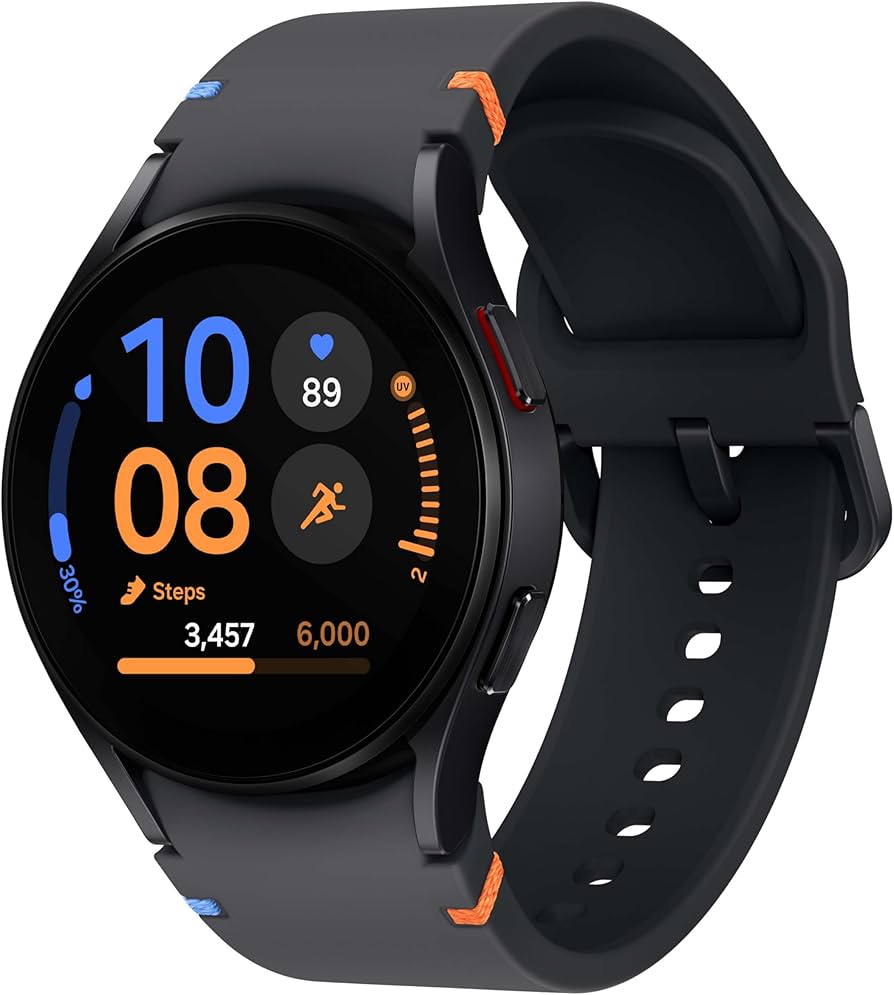
The Galaxy Watch FE delivers a premium smartwatch experience for under $200, with a bright AMOLED display, accurate heart-rate tracking, and deep integration with Android phones. It runs Wear OS, giving you access to a wide range of apps, and it includes useful health features like sleep and SpO2 monitoring. The trade-off? The older Exynos chip can feel sluggish, and battery life is a modest one day.
Main limitation: The outdated processor occasionally stutters when switching apps, and the 247 mAh battery struggles to last a full day with the always-on display enabled.
Skip if: iPhone users—this watch only pairs with Android devices and lacks essential iOS compatibility.
The Amazfit GTS 4 offers stunning value for the price: a sharp OLED display, built-in GPS, and a battery life that stretches up to 14 days on a single charge. It covers the essentials—fitness tracking, sleep monitoring, smart notifications—and even allows music playback control from your phone. The main compromise is the Zepp app, which lacks the polish and third-party integrations of its larger rivals.
Main limitation: Zepp's user interface feels dated and occasionally has sync glitches, and the proprietary band design makes replacements harder to find.
Skip if: Anyone who relies heavily on Google Fit or Apple Health integrations or wants a polished app experience.
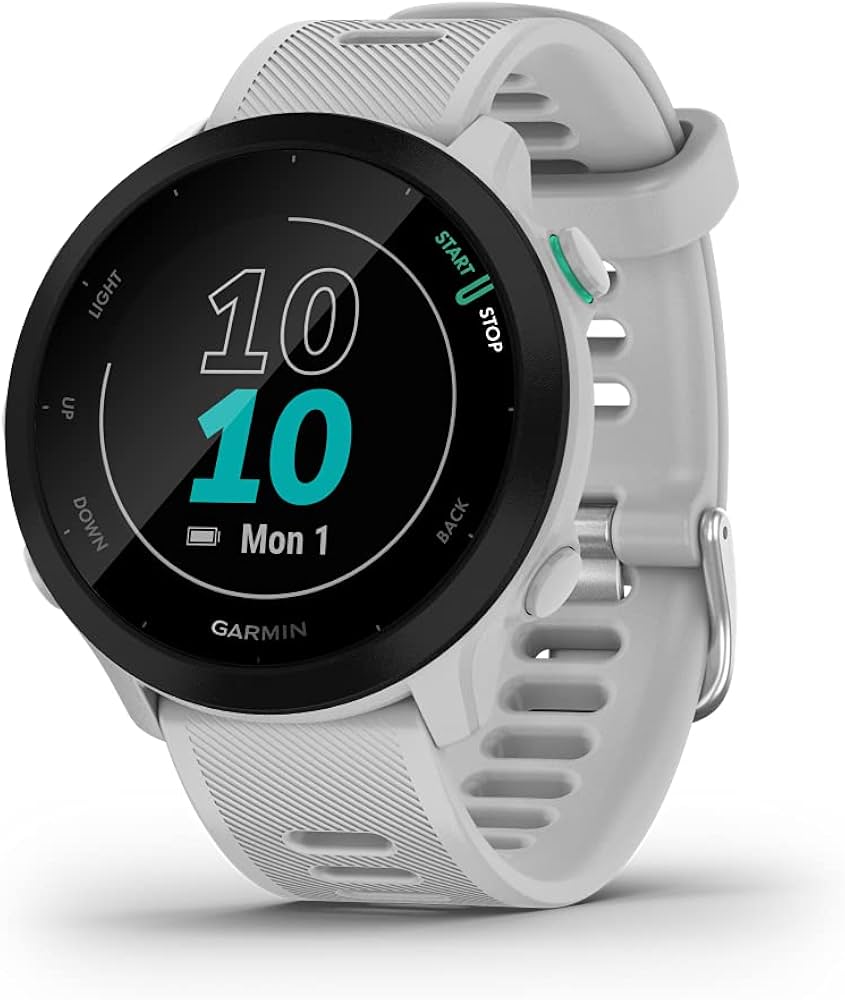
The Forerunner 55 is the go-to GPS running watch for the budget-conscious athlete. It packs Garmin's accurate GPS, training metrics like cadence and pace, and baseline coaching features into a featherlight 37-gram body. While it lacks the smartwatch frills of other picks, its dedicated running features are unmatched at this price point—making it the ultimate training companion.
Main limitation: Limited smart functions: no on-wrist text replies, a basic always-on display, and no music storage or contactless payments.
Skip if: Anyone who wants a do-it-all smartwatch with app support, music, or NFC capabilities.
The T-Rex 2 is built to withstand the elements, meeting military standards for shock, heat, and water resistance. It offers an impressive 14-day typical battery life and uses dual-band GPS for accurate tracking in remote areas. While it's not the lightest or most stylish, it's a rugged companion for hikers, campers, and outdoor enthusiasts who need a watch that won't quit.
Main limitation: The 47mm case is bulky and may look oversized on small wrists, and the screen is less legible in direct sunlight compared with some OLED rivals.
Skip if: Elegance seekers or armchair athletes who prefer a sleeker design for everyday wear.
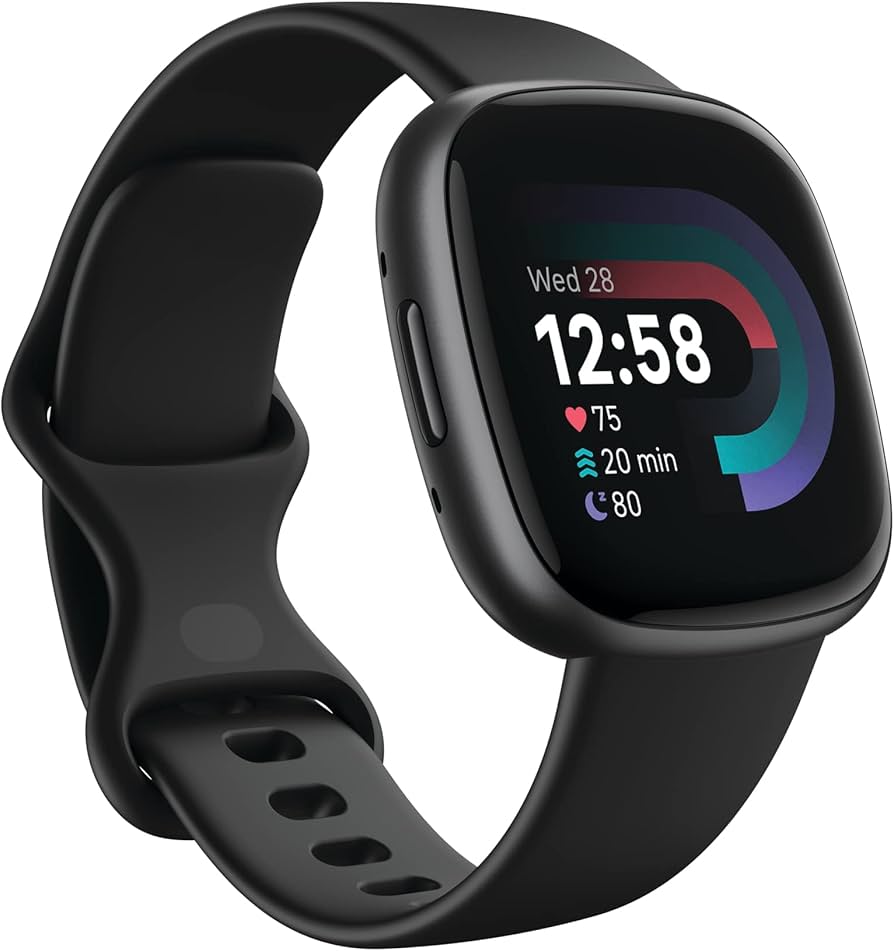
The Versa 4 is one of the few smartwatches that works seamlessly with both iOS and Android, but it's particularly appealing for iPhone owners who want a balance of fitness tracking and smart notifications without the premium Apple Watch price. It offers Fitbit's top-notch sleep tracking, a 6-day battery life, and a straightforward interface. The main drawbacks are the lack of on-watch GPS and a shrinking app selection.
Main limitation: No built-in GPS—you'll need to carry your phone for location-tracking exercises, and the absence of third-party apps limits customization.
Skip if: Runners who want standalone GPS or users who need a robust app store.
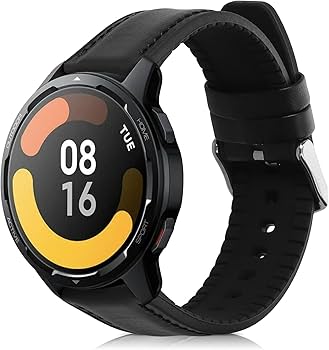
The S1 Active is an ultra-light 38g aluminum smartwatch that you'll barely notice on your wrist. It features a 1.43-inch AMOLED screen, dual-frequency GPS, and 5 ATM water resistance, making it a versatile pick for daily wear. The trade-off is a simple app ecosystem and a proprietary charging cable, but for the price, it's an attractive alternative to heavier rivals.
Main limitation: No built-in speaker or microphone for Bluetooth calls, and the selection of watch faces is more limited than on other platforms.
Skip if: Those who want to make calls from their watch or need extensive third-party app support.
Compare key specs and features of all our recommendations side-by-side
| Product | Recommendation | Rating | Price |
|---|---|---|---|
Samsung Galaxy Watch FE Rank #1 | 🏆 Top Pick | 8.7/10 | $179–$199 Check current price → |
Amazfit GTS 4 Rank #2 | 💰 Budget Pick | 8.2/10 | $99–$119 Check current price → |
Garmin Forerunner 55 Rank #3 | ⭐ Editor's Choice | 8.5/10 | $180–$199 Check current price → |
Amazfit T-Rex 2 Rank #4 | — | 8.0/10 | $129–$149 Check current price → |
Fitbit Versa 4 Rank #5 | — | 8.0/10 | $119–$149 Check current price → |
Xiaomi Watch S1 Active Rank #6 | — | 7.8/10 | $119–$149 Check current price → |
Common questions buyers have about this category.
For iPhone users under $200, the Fitbit Versa 4 is our top pick. It integrates cleanly with iOS, delivers reliable notifications, and offers excellent sleep and health tracking. However, keep in mind that it lacks on-watch GPS and a dedicated app store, so you’ll need your phone nearby for map-based workouts.
Yes, many budget smartwatches have a speaker and microphone for taking calls. In our list, the Samsung Galaxy Watch FE, Amazfit GTS 4, and Xiaomi Watch S1 Active all support Bluetooth calling from your phone. The quality is decent in quiet settings, but the speaker is tiny, so it’s not ideal for noisy environments.
GPS accuracy has improved significantly in budget models. The Garmin Forerunner 55 and Amazfit GTS 4 both have accurate GPS for distance tracking, though they may take longer to acquire a signal in dense urban areas. Heart-rate sensors are also reliable, but they can struggle with high-intensity interval workouts or colder weather. For serious athletes, we recommend a chest strap for peak accuracy.
The Amazfit T-Rex 2 offers the longest battery life among our picks, with up to 24 days in basic smartwatch mode and 10 days with heavy use. The Amazfit GTS 4 also excels at 14 days. If you want a watch that you don't have to think about charging, these are the strongest choices.
Budget smartwatches often match premium ones in sleep tracking. In our research, Fitbit models like the Versa 4 are known for their advanced sleep stages algorithms. Garmin also does well, while Samsung and Amazfit are reputable. However, they still rely on movement and heart rate data, so they can be fooled by restless sleeping—but that's true for premium watches too.
Most budget smartwatches are cross-platform, but features differ. Fitbit and Amazfit models work well with both, though some features like notifications reply or third-party apps may be limited on iOS. Samsung’s watches are Android-only, and Garmin works with both but requires the Garmin Connect app. Always check the manufacturer's compatibility chart before buying.
Products we evaluated but did not recommend — and why.
