Get the App
Better experience on mobile
We found six smartwatches that deliver serious features without breaking your budget.
The $200 smartwatch market has quietly become the most competitive tier in wearables—where last year's flagship features like AMOLED displays and dual-band GPS are now standard. But the sheer number of options makes it easy to overpay for features you'll never use, or worse, end up with a watch that fights your phone instead of working with it.
The biggest mistakes we see in this category are ignoring smartphone compatibility and falling for inflated battery claims. A smartwatch that only works with your phone at half capacity isn't a smartwatch—it's a glorified step counter. Also, many budget watches list '14-day battery life' but only with limited usage; real-world always-on display usage cuts that in half. Our research across hundreds of verified buyer reviews and expert benchmarks shows that reliable performance, not raw features, should anchor your decision.
The watches below span from under $70 to about $200, covering a range of styles and use cases. We've singled out the best all-around pick, the best bargain, a runner's favorite, and specialized options for outdoors, battery life, and fitness. Each one earns its place through a combination of dependable hardware, honest battery ratings, and strong user satisfaction—no 'revolutionary' claims, just practical value.
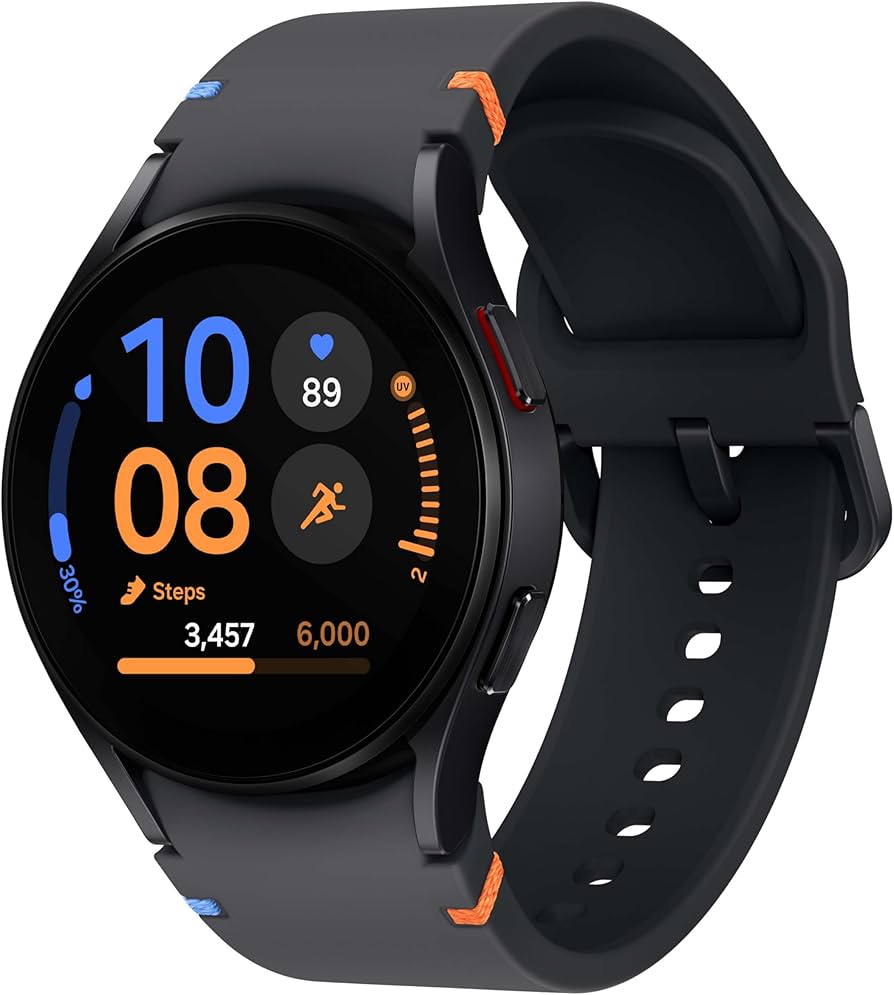
The Galaxy Watch FE brings the core Wear OS experience to a sub-$200 price: a bright AMOLED display, reliable notifications, and Samsung Health's robust tracking. It also includes fall detection and a comfortable aluminum build. The trade-off is battery life that squeaks by at about 1.5 days, so you'll be charging it every night.
Main limitation: Battery life is mediocre, and it's essentially incompatible with iPhones.
Skip if: iPhone users, or anyone who wants a watch that can last more than two days away from a charger.
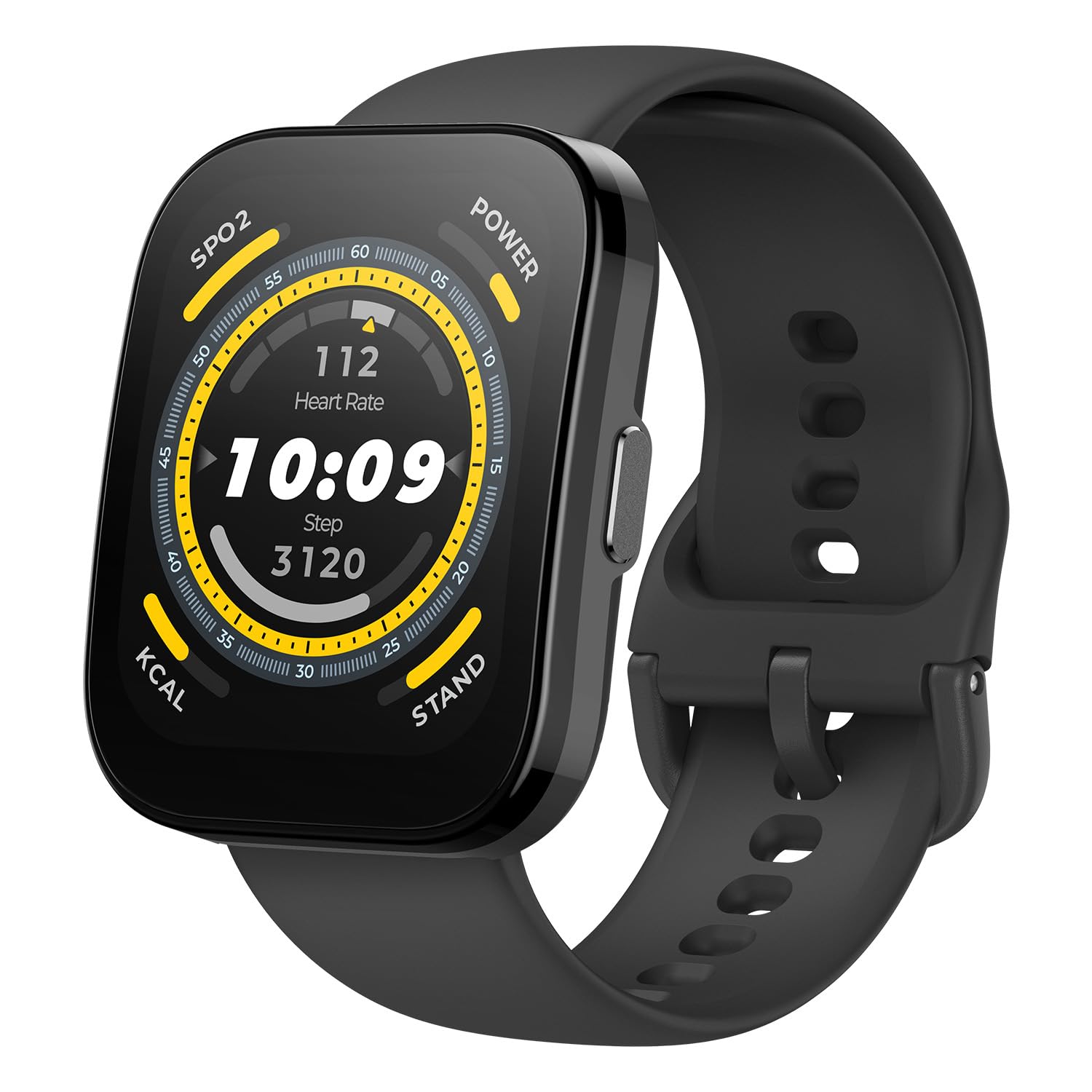
The Amazfit Bip 5 is a shockingly capable watch for around $60, featuring a large 1.91-inch display, built-in Bluetooth calling, and a claimed 26-day battery life in watch mode. It handles notifications, heart-rate monitoring, and over 120 sports modes, making it the best value for tight budgets. However, it lacks built-in GPS and its fitness tracking accuracy varies.
Main limitation: No built-in GPS and step/heart-rate accuracy can be inconsistent.
Skip if: Runners or anyone who needs precise GPS tracking without bringing a phone.
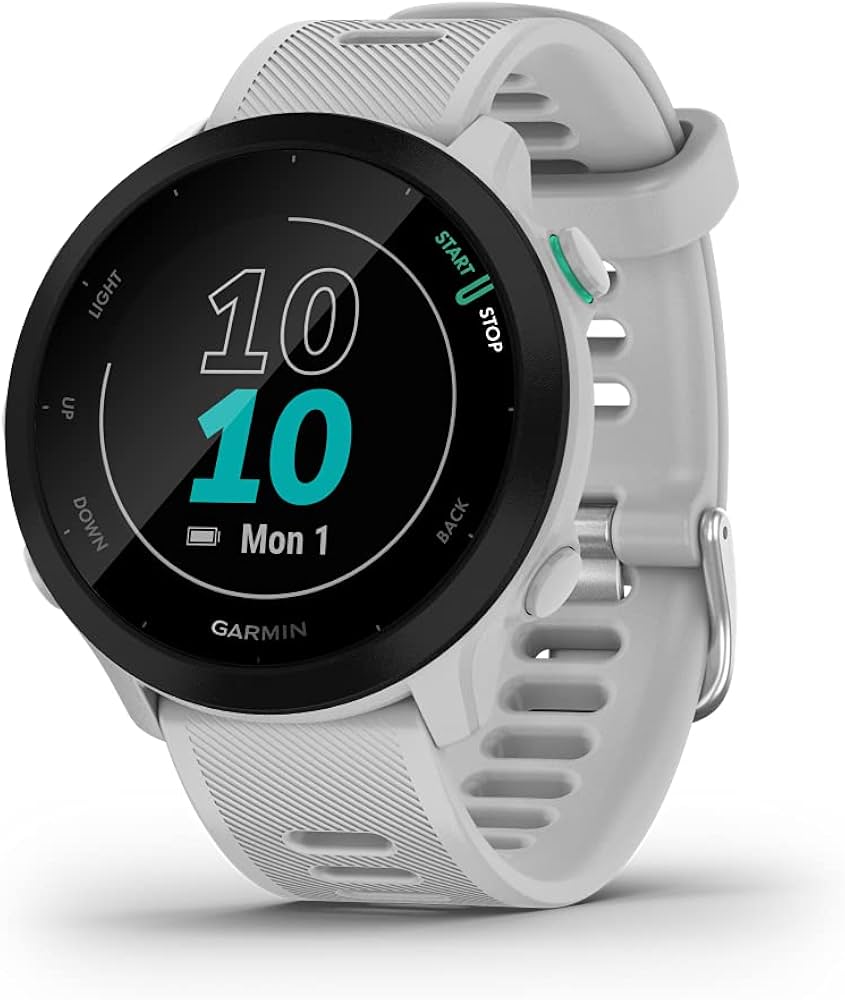
Garmin's entry-level running watch offers everything a casual runner needs: built-in GPS, heart-rate monitoring, recovery insights, and the Garmin Coach adaptive training plans. It's lightweight and reliable, and Garmin's ecosystem is the gold standard for running data. The trade-off is a low-res, non-touch display and limited smart features.
Main limitation: No touchscreen, no music storage, and the display looks dated next to AMOLED rivals.
Skip if: Anyone who wants a modern smartwatch for everyday use rather than a dedicated running tool.
Built tough to MIL-STD-810G standards with 10 ATM water resistance, the T-Rex 2 is ready for mud, rain, and the trail. It packs dual-band GPS, a 24-day battery, and 150+ sports modes including hiking, skiing, and swimming. The trade-off is its hefty, rugged design that doesn't hide under a dress shirt.
Main limitation: Bulky and lacks formal styling, making it less versatile as an everyday watch.
Skip if: Those with small wrists or anyone wanting a sleek, office-friendly smartwatch.

The Amazfit GTR 4 balances a premium AMOLED display with claimable 14-day battery life (5 days with heavy use). It includes dual-band GPS, Bluetooth calling, and a comprehensive set of health sensors. It's a fantastic all-rounder if you hate charging daily. The downside: the Zepp app can feel clunky, and there's no third-party app store.
Main limitation: Proprietary Zepp app lacks the polish and app ecosystem of Wear OS, and Bluetooth calling quality is average.
Skip if: People who rely on music streaming or lots of third-party watch apps.
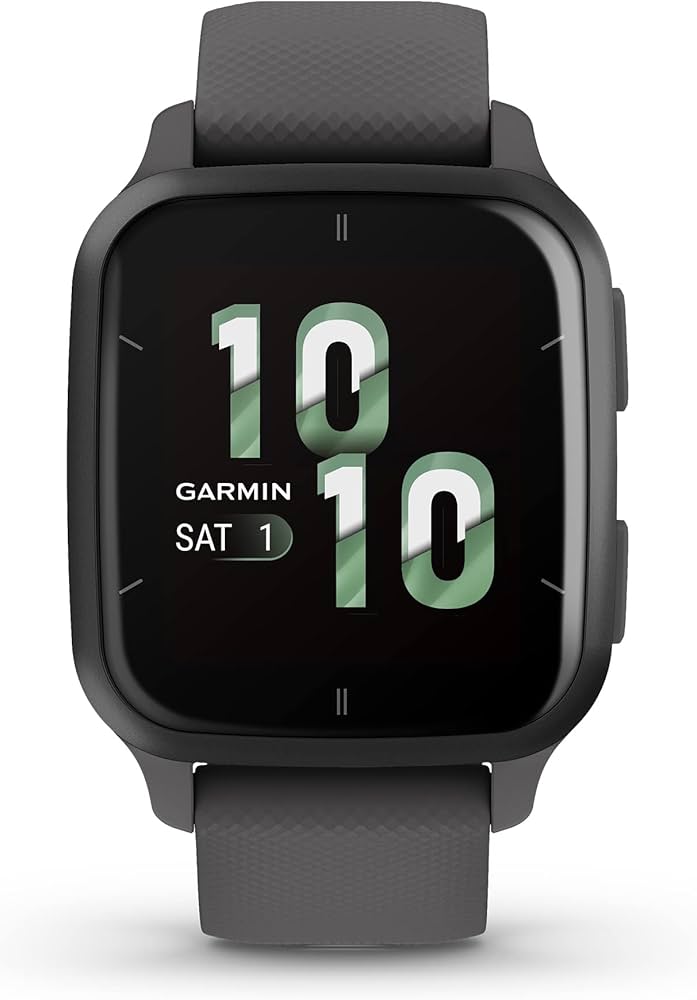
The Venu Sq 2 is a stylish square AMOLED smartwatch with built-in GPS, Garmin's excellent fitness tracking, and a bright always-on display option. It offers up to 11 days of battery life and includes advanced health features like HRV status and menstrual cycle tracking. The main compromise is a smaller screen than its round siblings and older sensor hardware.
Main limitation: Display is smaller than many competitors and the touchscreen can be sluggish.
Skip if: Those wanting a large always-on display or a more modern outdoor design.
Compare key specs and features of all our recommendations side-by-side
| Product | Recommendation | Rating | Price |
|---|---|---|---|
Samsung Galaxy Watch FE Rank #1 | 🏆 Top Pick | 8.8/10 | $149–$199 Check current price → |
Amazfit Bip 5 Rank #2 | 💰 Budget Pick | 7.8/10 | $60–$80 Check current price → |
Garmin Forerunner 55 Rank #3 | ⭐ Editor's Choice | 8.5/10 | $199–$219 Check current price → |
Amazfit T-Rex 2 Rank #4 | — | 8.2/10 | $169–$199 Check current price → |
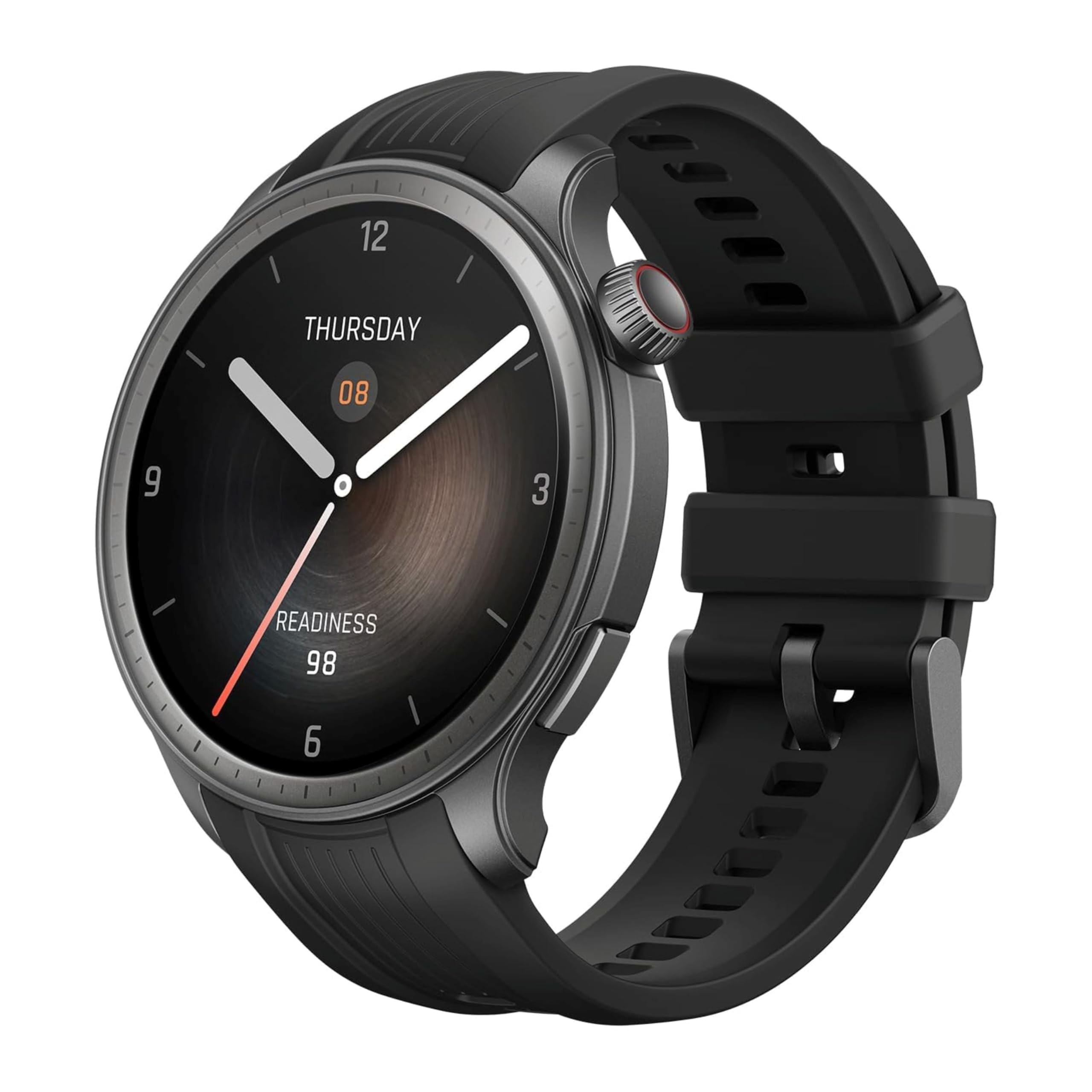 Amazfit GTR 4 Rank #5 | — | 4.4 4.4 | $179–$199 Check current price → |
Garmin Venu Sq 2 Rank #6 | — | 8.0/10 | $179–$199 Check current price → |
Common questions buyers have about this category.
At this price, you're getting consumer-grade sensors, not medical devices. They'll be accurate for steady-state exercise like jogging or cycling, and they're fine for tracking daily trends. But during high-intensity interval workouts, readings can lag or spike. Garmin and Amazfit tend to be more consistent than no-name brands—look for ones with dual-band GPS if you want better outdoor tracking.
Yes, many budget watches support Bluetooth calling and quick text replies. On Wear OS (like the Galaxy Watch FE), you can type, dictate, or use canned replies. On Amazfit and Garmin, you can usually read notifications and use quick replies, but audio calls are limited to some models (like the Amazfit GTR 4). Just remember these rely on your phone being nearby via Bluetooth—you won't get LTE connectivity.
If you're a runner or outdoorsy, Garmin wins on GPS accuracy, training analytics, and firmware longevity. If you want a stylish AMOLED display and longer battery life without the sporty look, Amazfit usually gives you more for less. Garmin's edge is that its data is deeper and its watches often hold resale value longer.
With typical daily use—notifications on, maybe a 30-minute GPS workout, and sleep tracking—you can expect 1-2 days on Wear OS watches, 5-7 days on Garmin Venu Sq 2, and 7-10 days on Amazfit GTR 4 or T-Rex 2. The Bip 5 can stretch to 10-14 days if you skip GPS, but its 26-day claim is misleading unless you disable most features.
No, all of these watches are free to use out of the box. Some advanced features, like Garmin's respiration tracking or Amazfit's future AI, may be offered through subscription tiers, but the core health and notification features are free. None of them require a mandatory monthly plan.
Most of them have built-in GPS, meaning they record your run or hike without needing your phone. Once you sync, you'll see the map. The Amazfit Bip 5 is the only one in this list without built-in GPS—it relies on your phone's location. If you want standalone GPS, avoid 'lite' versions and check the specs for 'built-in GPS'.
The Watch FE uses an older Exynos chip and has a slightly smaller display, but it still runs Wear OS 5 and includes the core Galaxy Watch features. The Watch 7 adds faster charging, a newer sensor, and more advanced software bells and whistles. For under $200, the FE is a great choice, but you won't get the latest AI-powered sleep insights or double-tap gestures.
Products we evaluated but did not recommend — and why.
