Get the App
Better experience on mobile
Our top smartwatch recommendations for iPhone and Android users, from sub-$100 fitness trackers to premium outdoor watches.
The smartwatch market has quietly split into two tribes: wrist computers that happen to tell time, and health trackers that happen to show notifications. The right choice depends less on raw specs and more on which phone is in your pocket, how often you want to charge, and what you actually want to track.
That split is why buying advice in this category is often unhelpful. A watch that is perfect for a marathon runner may frustrate someone who just wants to see texts and close their rings. A budget watch that lasts 10 days may feel cheap to someone used to an Apple Watch. The best smartwatch is not the one with the longest feature list—it is the one that matches your phone, your routine, and your tolerance for charging.
In this guide, we cover eight smartwatches across budget, midrange, and premium tiers. We looked at phone compatibility, health and fitness sensors, GPS accuracy, app ecosystems, battery life, and build quality. We also considered how each watch fits into daily life, not just how it performs in a spec sheet.
Whether you are an iPhone owner who wants the safest all-around pick, an Android user comparing Samsung and Google, or a fitness enthusiast who cares more about recovery metrics than app stores, there is a watch here for you. Every recommendation includes a genuine trade-off, because no smartwatch does everything perfectly.
The Apple Watch Series 11 remains the most polished smartwatch for iPhone owners, with seamless notifications, Apple Pay, strong health sensors, and a huge app library. It is the safest all-around choice if you want a watch that handles fitness, safety, and daily tasks without fuss. The main trade-off is battery life: most users still need to charge it nightly or every other day.
Main limitation: Battery life remains the weakest point, especially with always-on display and cellular use.
Skip if: Android users or anyone who wants week-long battery life should skip it.
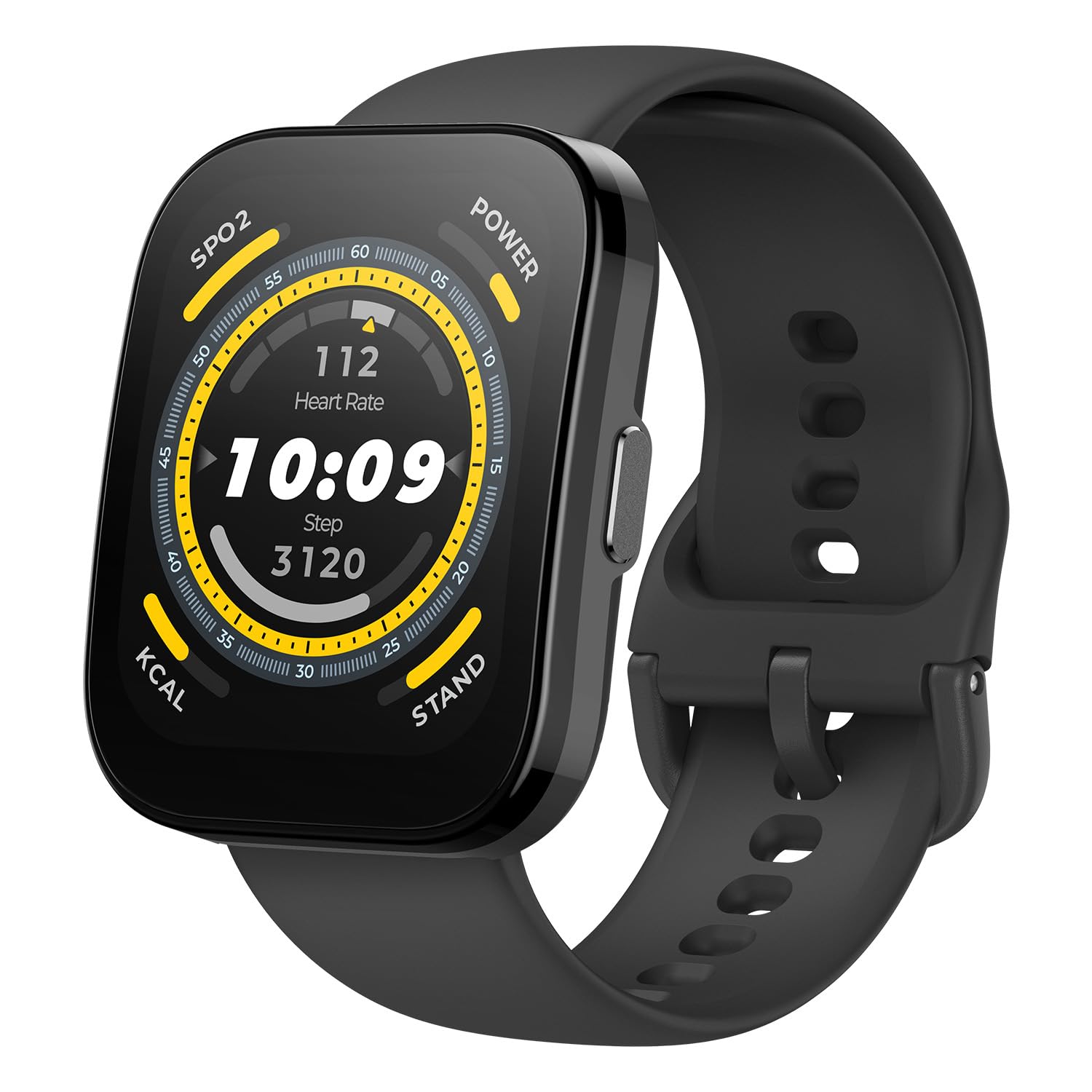
The Amazfit Bip 5 delivers the essentials—GPS, heart-rate tracking, Bluetooth calling, and a big color screen—for a fraction of the price of flagship watches. It is the best budget pick for Android users who want long battery life and basic smartwatch features. The trade-off is a less polished app, weaker sensor accuracy, and limited integration with iPhone.
Main limitation: Health tracking and app experience are noticeably less refined than pricier watches.
Skip if: iPhone users who rely on Apple Health or advanced smartwatch apps should skip it.

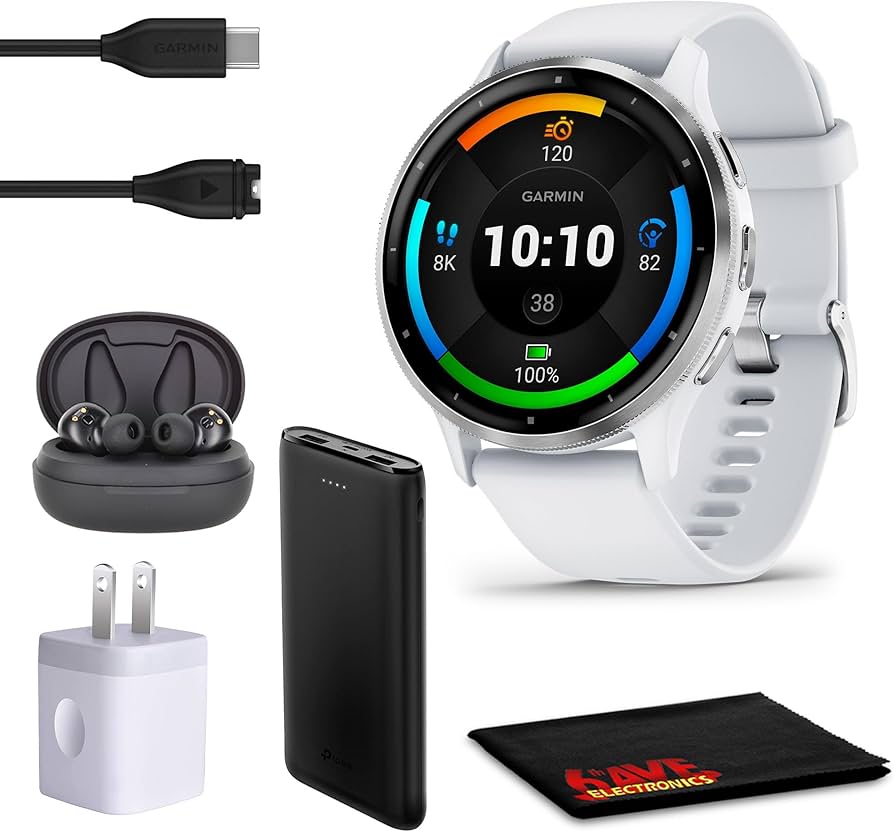
The Garmin Venu 3 is the best smartwatch for people who care more about health and fitness metrics than app stores. It offers excellent sleep and recovery tracking, built-in GPS, and roughly two weeks of battery life in smartwatch mode. The trade-off is a limited smartwatch app ecosystem and less polished voice assistant support.
Main limitation: Smart features and third-party apps are basic compared with Apple and Samsung watches.
Skip if: People who want a true wrist phone for messaging and apps should skip it.
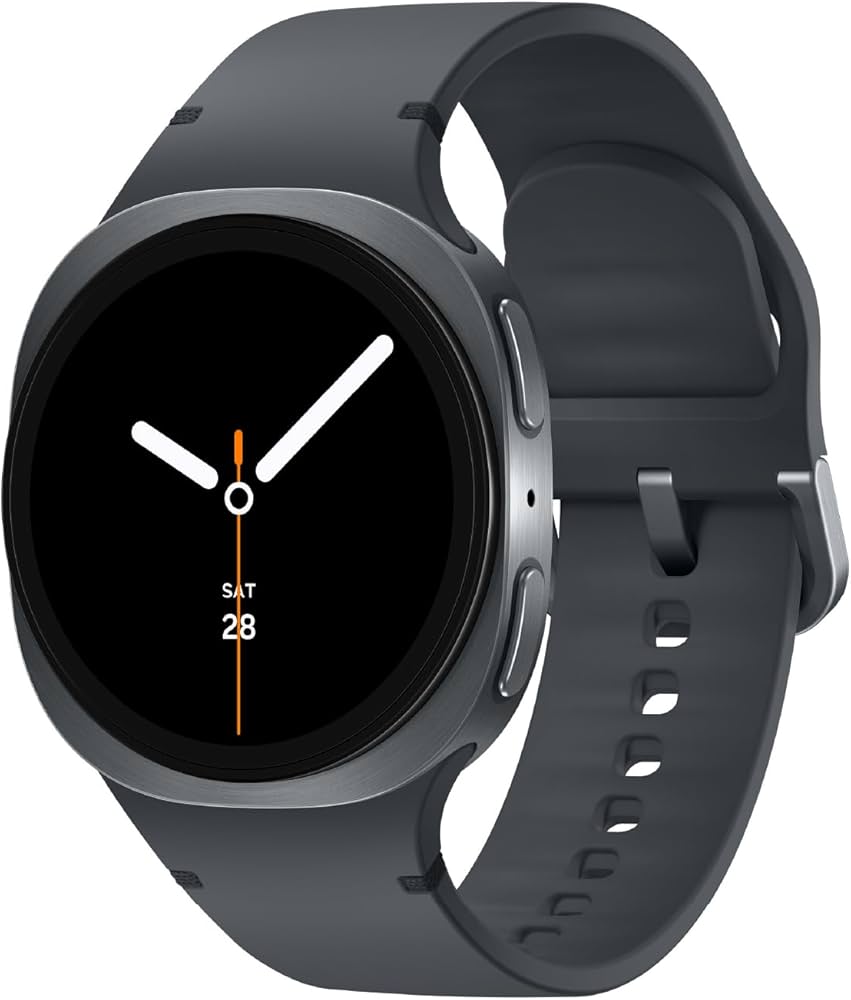
The Samsung Galaxy Watch 8 is the best Android smartwatch for Samsung phone owners, with Wear OS, Samsung Wallet, and deep integration with Galaxy devices. It offers solid health sensors, a bright display, and a sleek design. The main trade-off is battery life and the fact that many best features require a Samsung phone.
Main limitation: Battery life is modest, and some advanced features are Samsung-phone exclusive.
Skip if: iPhone owners or anyone wanting multi-day battery should skip it.
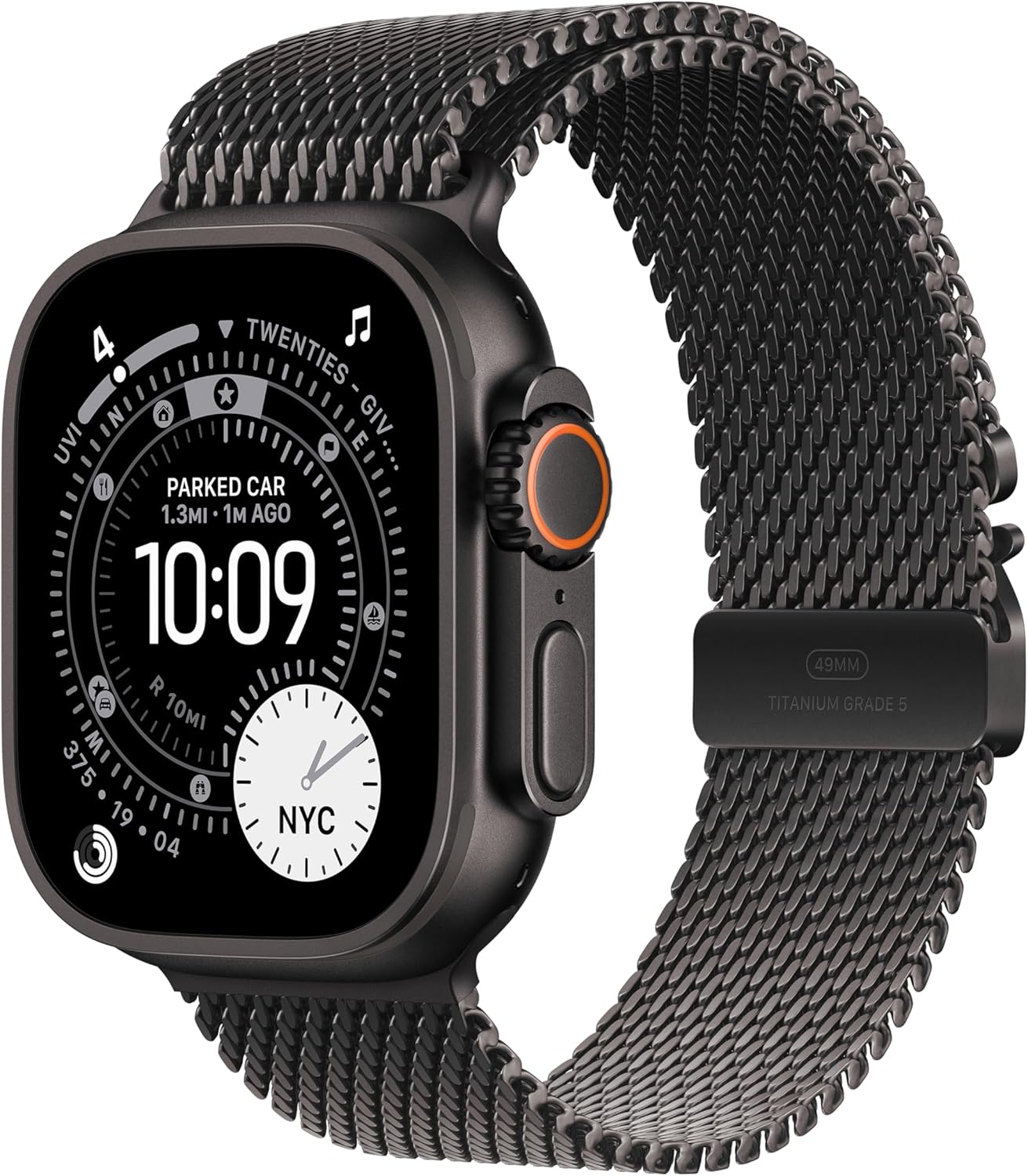
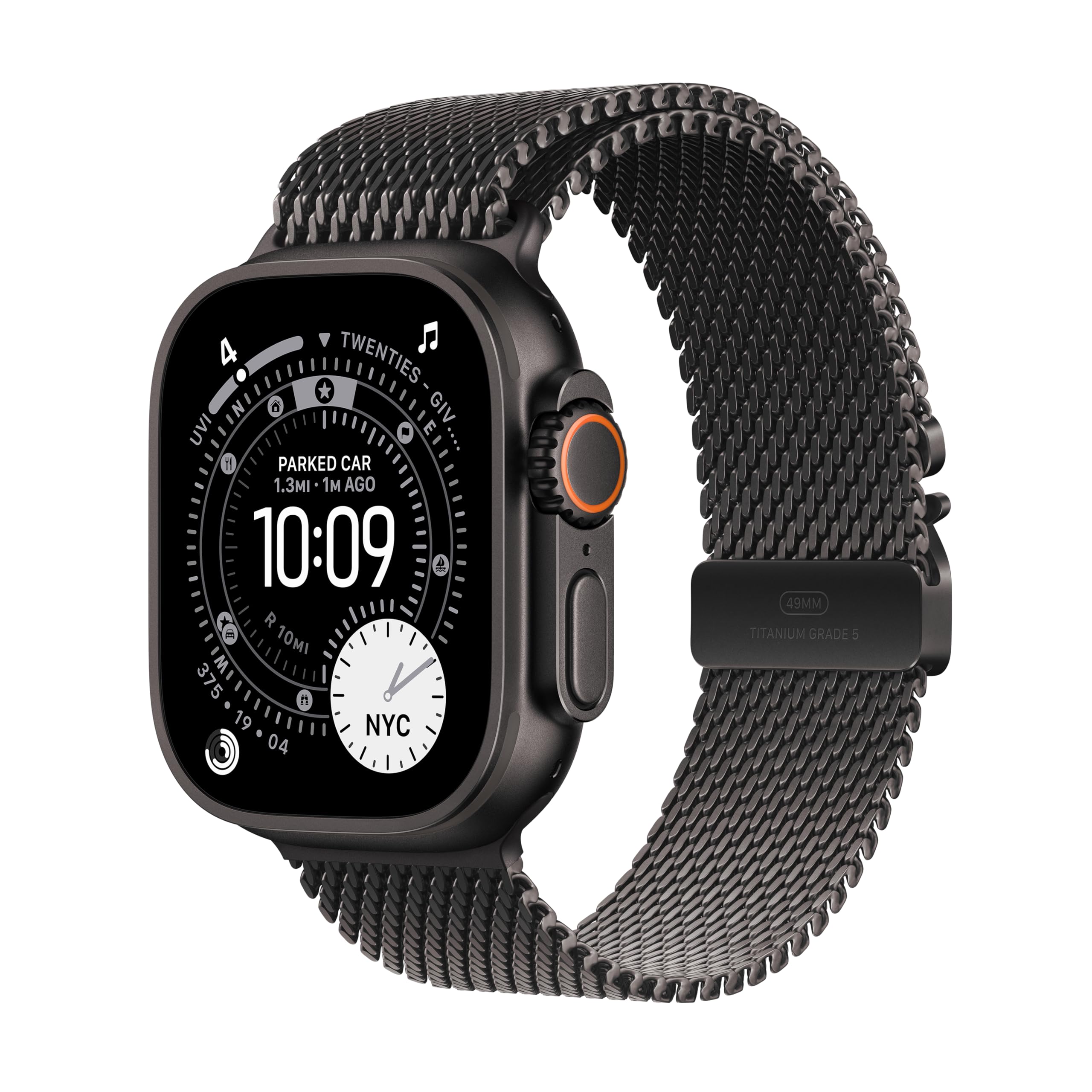
The Apple Watch Ultra 3 is a premium outdoor smartwatch with a rugged titanium case, dual-frequency GPS, and longer battery life than the standard Apple Watch. It is ideal for hikers, divers, and athletes who want iPhone integration in a tougher package. The trade-off is its high price, heavier feel, and battery life that still trails dedicated adventure watches.
Main limitation: It is expensive and heavy, and its battery life is not as long as Garmin or Amazfit adventure watches.
Skip if: Casual users who do not need diving, hiking, or cellular features should skip it.
The Garmin Forerunner 965 is a top-tier running and triathlon watch with multi-band GPS, training metrics, and a bright AMOLED display. It offers up to 23 days of battery in smartwatch mode and detailed performance analytics. The trade-off is a plastic case for the price and a smartwatch experience that lags behind Apple and Samsung.
Main limitation: The plastic build feels less premium, and smartwatch apps are limited.
Skip if: Buyers who want a fashion-forward everyday watch should skip it.
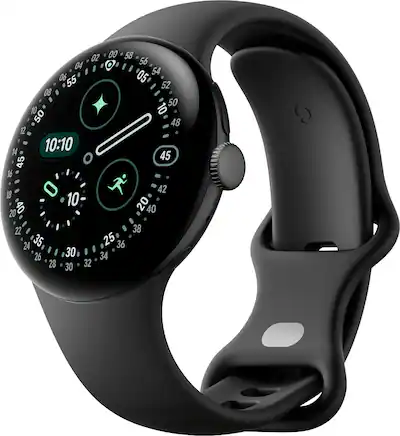
The Google Pixel Watch 4 is the best smartwatch for Pixel phone owners, with a clean Wear OS interface, Fitbit health tracking, and tight Google Assistant integration. It has a comfortable design and useful safety features. The main trade-off is roughly one-day battery life and the fact that it works best with Pixel phones.
Main limitation: Battery life is only about a day, and the experience is best on Pixel phones.
Skip if: Samsung phone users or anyone wanting multi-day battery should skip it.
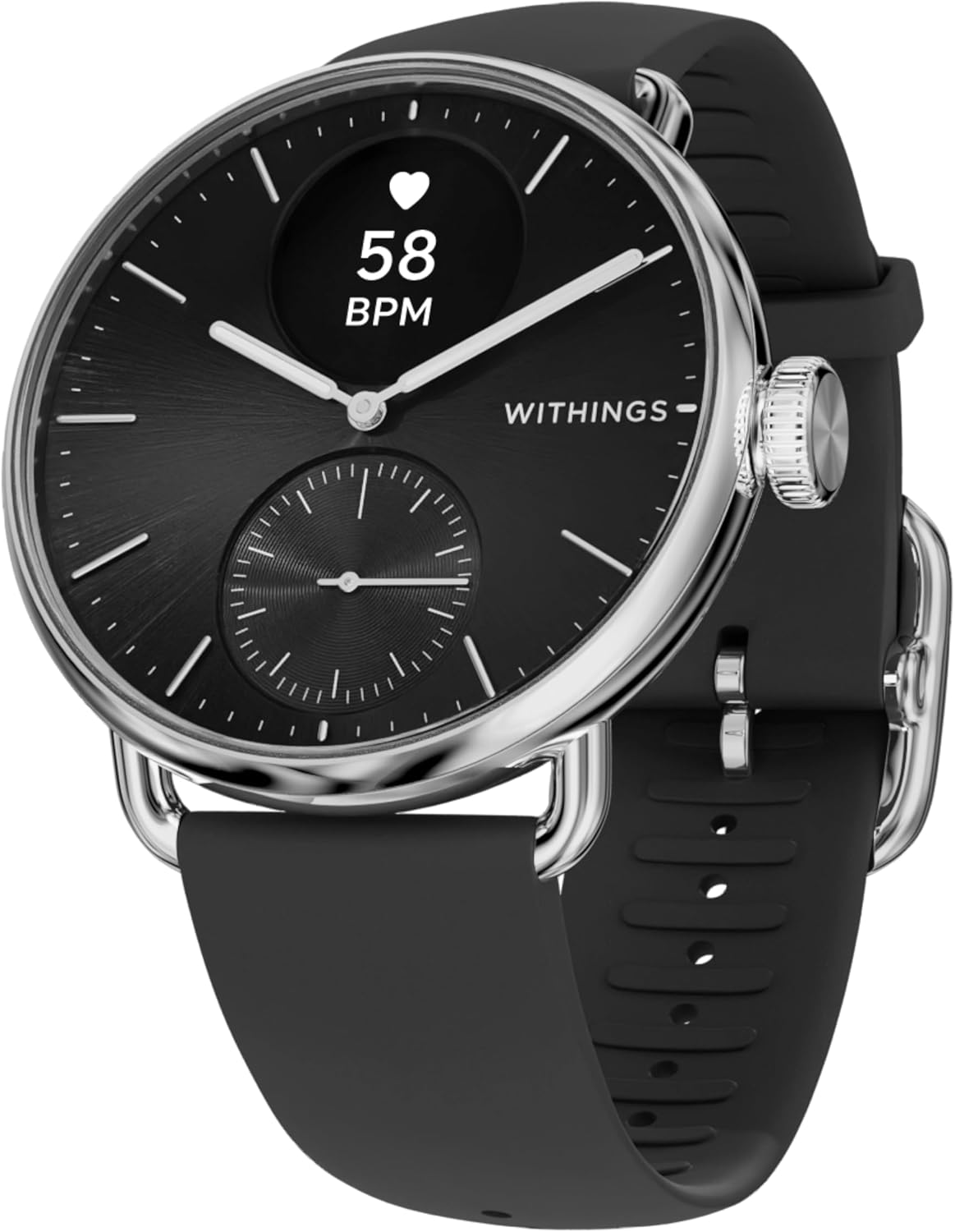
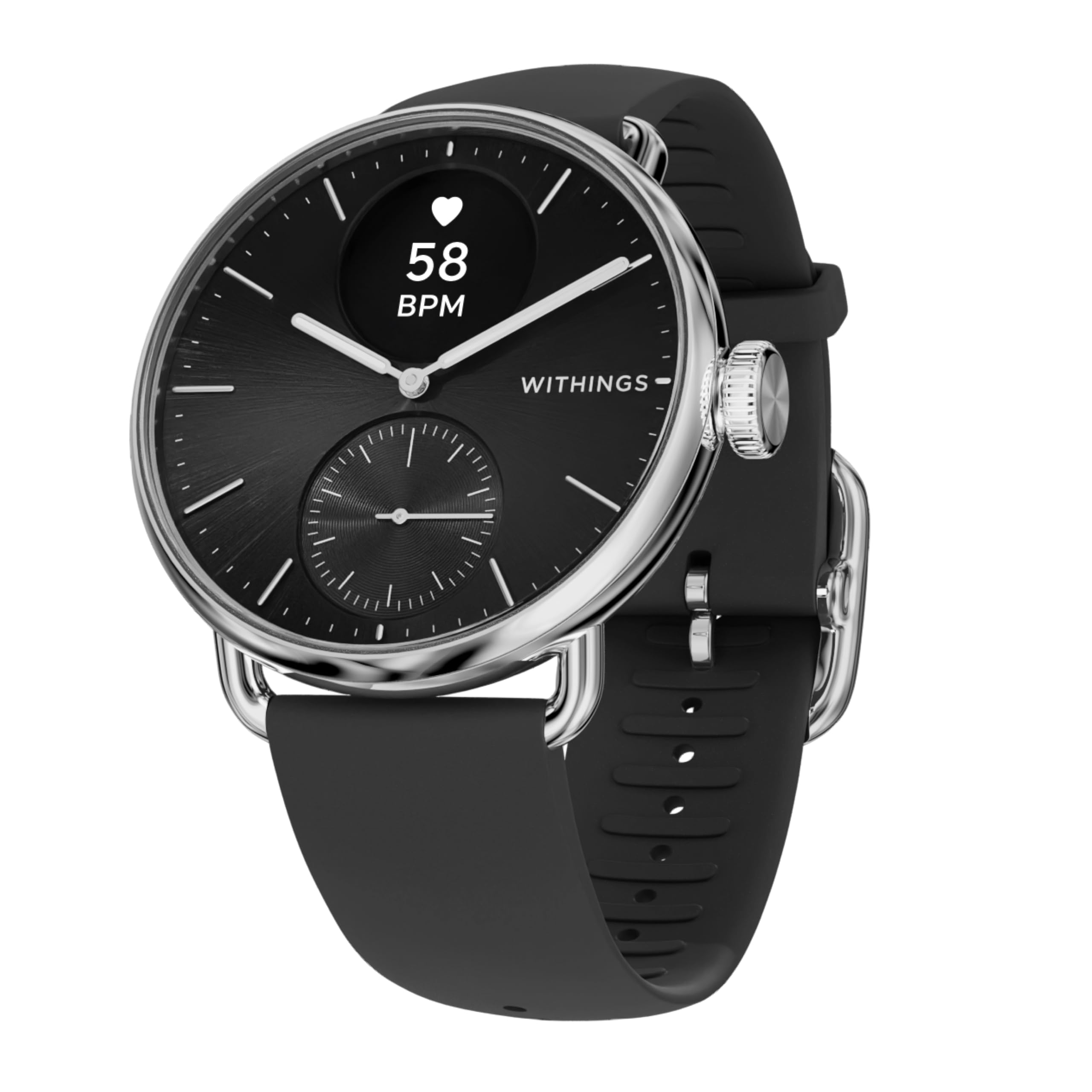
The Withings ScanWatch 2 is a hybrid smartwatch that looks like a traditional analog watch but hides a small digital display and medical-grade health sensors. It offers ECG, SpO2, and sleep tracking with up to 30 days of battery life. The trade-off is basic smart features and a small monochrome notification display.
Main limitation: Smart features are minimal, and the digital display is small and monochrome.
Skip if: Users who want an app-rich smartwatch or advanced workout metrics should skip it.
Compare key specs and features of all our recommendations side-by-side
| Product | Recommendation | Rating | Price |
|---|---|---|---|
Apple Watch Series 11 (GPS, 42mm/46mm) Rank #1 | 🏆 Top Pick | 9.4/10 | $399–$529 Check current price → |
Amazfit Bip 5 Rank #2 | 💰 Budget Pick | 8.0/10 | Around $70–$90 Check current price → |
 Garmin Venu 3 Rank #3 | ⭐ Editor's Choice | 4.5 4.5 | $399–$449 Check current price → |
Samsung Galaxy Watch 8 Rank #4 | — | 8.4/10 | $299–$379 Check current price → |
 Apple Watch Ultra 3 Rank #5 | — | 4.7 4.7 | $799–$849 Check current price → |
Garmin Forerunner 965 Rank #6 | — | 8.7/10 | $499–$599 Check current price → |
Google Pixel Watch 4 Rank #7 | — | 8.2/10 | $349–$399 Check current price → |
 Withings ScanWatch 2 Rank #8 | — | 8.0/10 | $349–$399 Check current price → |
Common questions buyers have about this category.
Apple Watch Series 11 is the best overall for iPhone users because it integrates deeply with iOS, Apple Pay, and Apple Health. If you need longer battery life and rugged outdoor features, the Apple Watch Ultra 3 is the premium alternative, but it costs significantly more.
It depends on your phone. Samsung Galaxy Watch 8 is best for Samsung phone owners, while Google Pixel Watch 4 is best for Pixel owners. Garmin Venu 3 is a strong cross-platform choice if fitness tracking and battery life matter more than apps.
Most reputable smartwatches are reasonably accurate for resting heart rate and general trends, but they are not medical devices. SpO2 and ECG features are useful for spotting potential issues, but you should confirm any concerning reading with a doctor.
Flagship Apple and Samsung watches typically last one to two days, while Garmin, Amazfit, and hybrid watches can last one to four weeks. If sleep tracking is important, choose a watch that can go at least several days between charges.
Many smartwatches, including Apple Watch, Samsung Galaxy Watch, and Garmin models, are water-resistant to 5 ATM or higher and can be used for swimming. However, leather bands and some hybrid watches are not swim-friendly, and water resistance can degrade over time.
Cellular is worth it if you want to leave your phone behind for runs, walks, or errands and still make calls, send messages, or stream music. If you always carry your phone, you can save money and battery life by choosing a GPS-only model.
A smartwatch adds notifications, apps, contactless payments, and often better displays, while a fitness tracker usually offers longer battery life and a lighter feel. If you mainly care about steps and sleep, a tracker may be enough; if you want a wrist computer, a smartwatch is the better fit.
Products we evaluated but did not recommend — and why.
