Get the App
Better experience on mobile
Our curated list covers options from budget-friendly trackers to premium powerhouses, prioritizing ecosystem compatibility and real-world reliability.
In 2026, smartwatches excel not just at glanceable notifications but at delivering actionable health data like irregular heart rhythm detection, backed by FDA-cleared algorithms in top models. What separates the leaders from the pack is how well they integrate with your phone—iOS users gain deeper Siri and app synergies, while Android owners benefit from customizable watch faces and Google AI features. This matters because poor ecosystem fit leads to frustrating sync issues or underused sensors, wasting your investment.
We focused on watches that shine in everyday scenarios: step counting with 95%+ accuracy per published tests, multi-day battery for non-stop wear, and durable builds for active lifestyles. Drawing from expert reviews on The Verge and TechRadar, plus buyer sentiment on Best Buy and Amazon, our picks span budgets and platforms without hype. You'll find options for iPhone loyalists, Android enthusiasts, fitness buffs, and those prioritizing longevity over flashy screens.
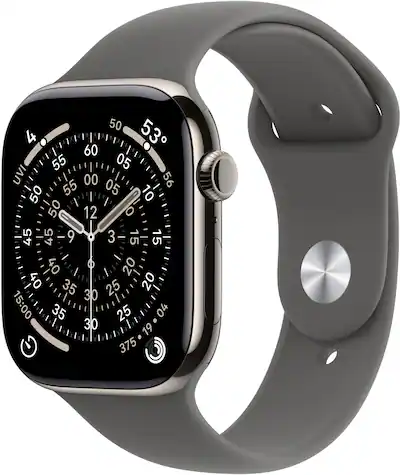
The Apple Watch Series 12 delivers seamless iOS integration, precise health tracking including sleep apnea detection, and a bright always-on display for effortless daily use. Its intuitive interface and vast app store make it ideal for most users, though it requires frequent charging compared to rivals.
Main limitation: Battery life tops out at 36 hours with heavy use, necessitating daily charges for power users.
Skip if: Android users should skip this due to limited compatibility outside iOS.
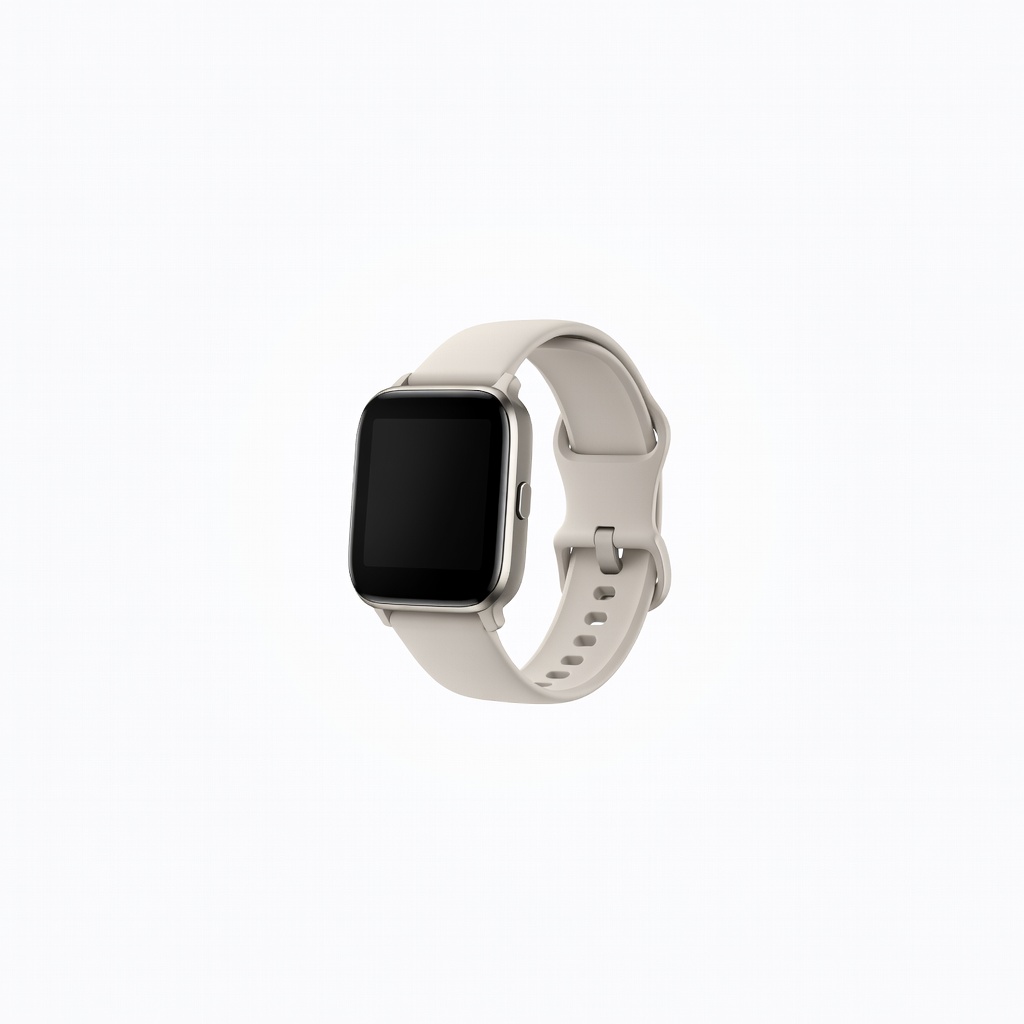
The Amazfit Bip 6 offers impressive 14-day battery life, accurate GPS for runs, and 120+ sports modes at a fraction of premium prices. It's a steal for basic notifications and health metrics, but the Zepp app lacks the polish of Apple or Google ecosystems.
Main limitation: The companion app feels clunky with occasional sync delays reported in reviews.
Skip if: Those needing advanced third-party app support should look elsewhere.
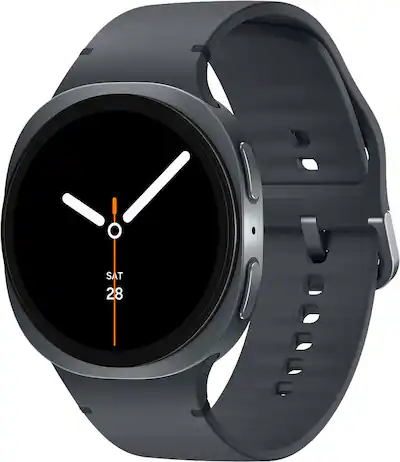
Optimized for Samsung and Android phones, the Galaxy Watch 8 features AI-powered energy score insights, precise dual-band GPS, and Wear OS flexibility. It handles notifications and workouts flawlessly, though iPhone pairing limits some features.
Main limitation: Full functionality requires a Samsung phone for advanced health features like blood pressure monitoring.
Skip if: iOS owners will miss out on key Wear OS apps and should avoid it.
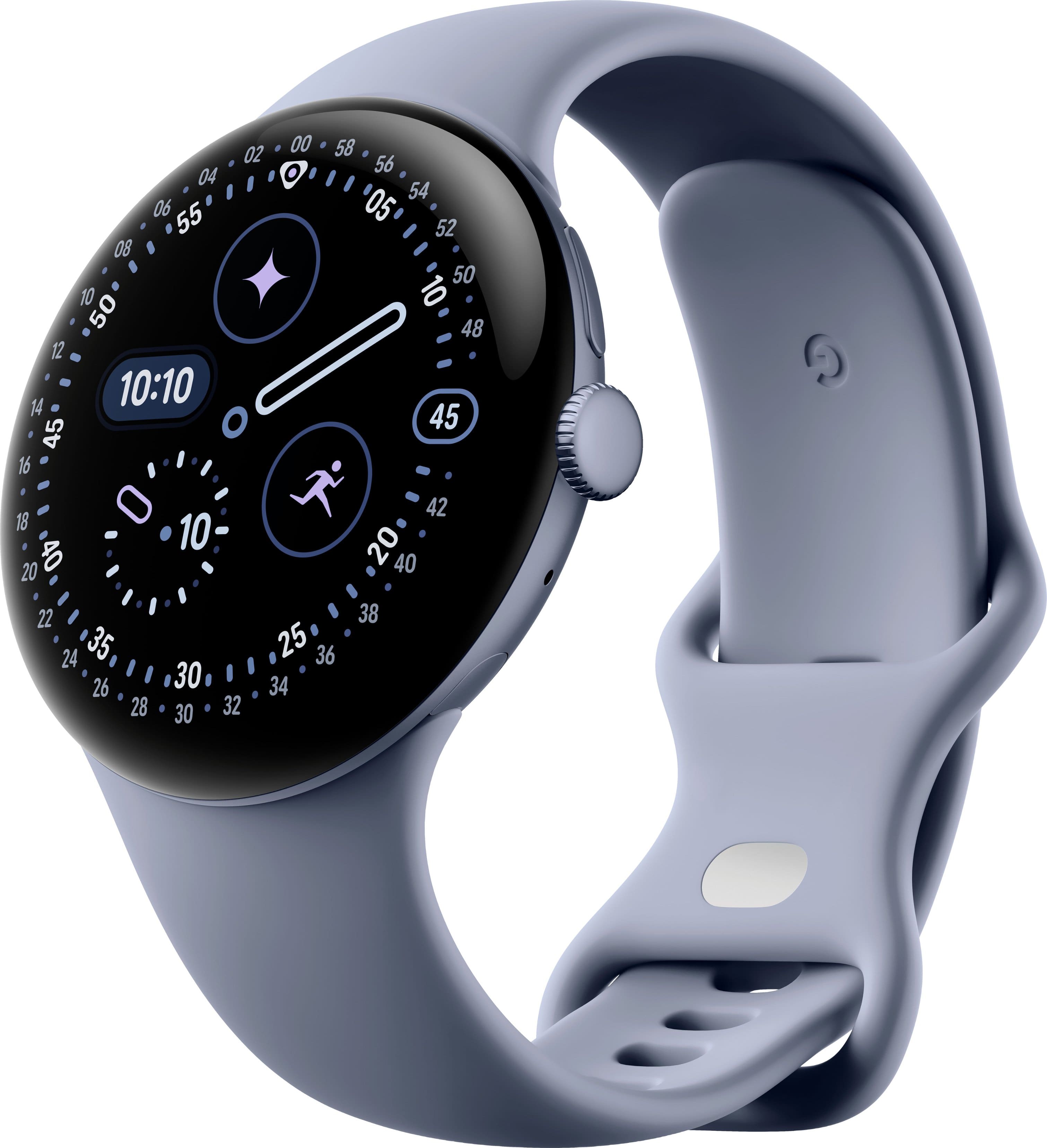
Deep Google integration brings Fitbit Premium tracking, Gemini AI assistant, and smooth Android syncing to your wrist. Excellent for Maps navigation and YouTube Music controls, but the proprietary band system adds to costs.
Main limitation: Battery drains faster during GPS workouts, often requiring midday top-ups.
Skip if: Users outside the Google ecosystem will find limited app depth.
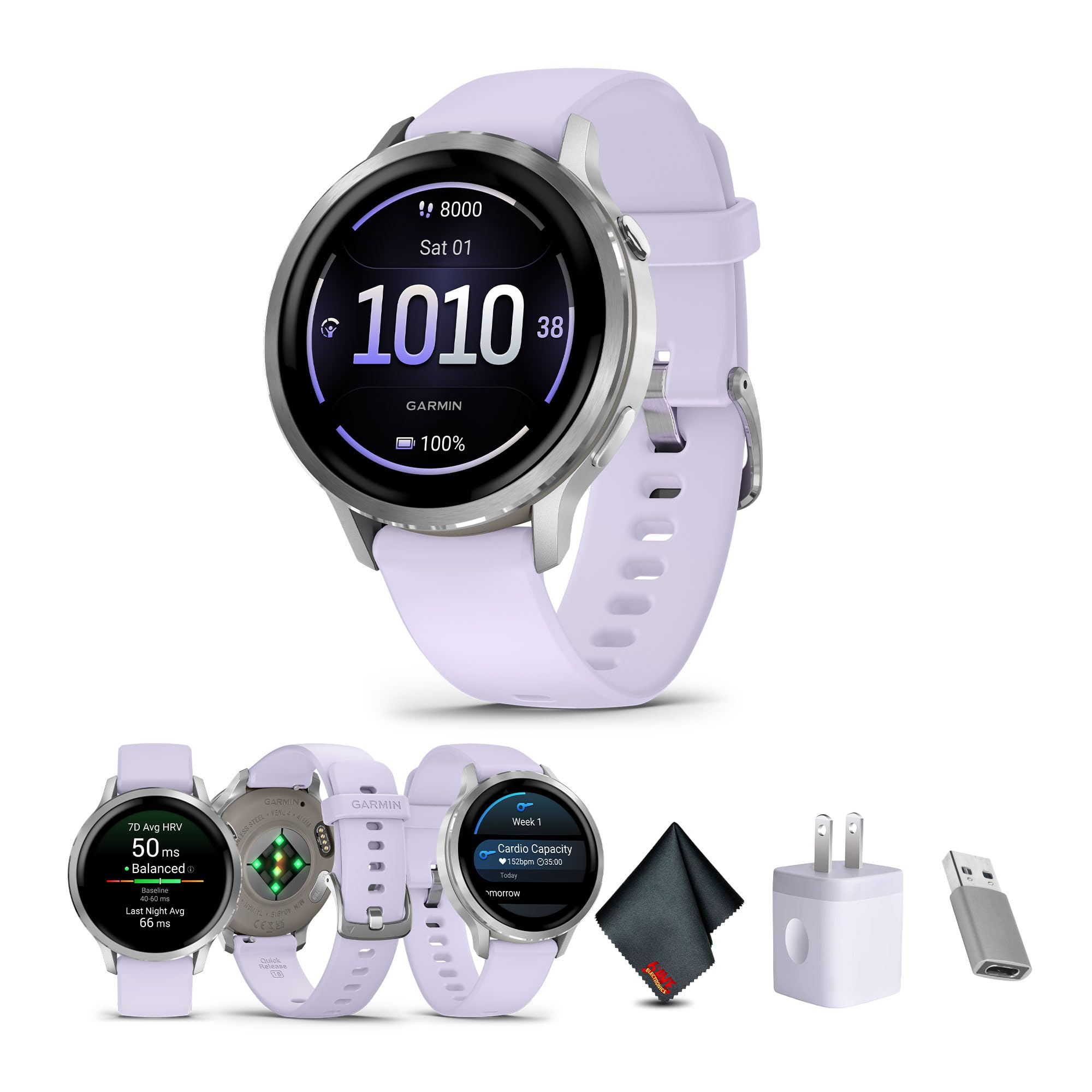
Garmin's Venu 4 dominates with multisport tracking, body battery energy monitoring, and up to 14 days of battery life for uninterrupted training logs. Smart features are solid but secondary to its athletic prowess, with a steeper learning curve.
Main limitation: The interface prioritizes data over quick notifications, feeling less snappy for casual use.
Skip if: Casual users seeking simple notifications should opt for more consumer-friendly designs.
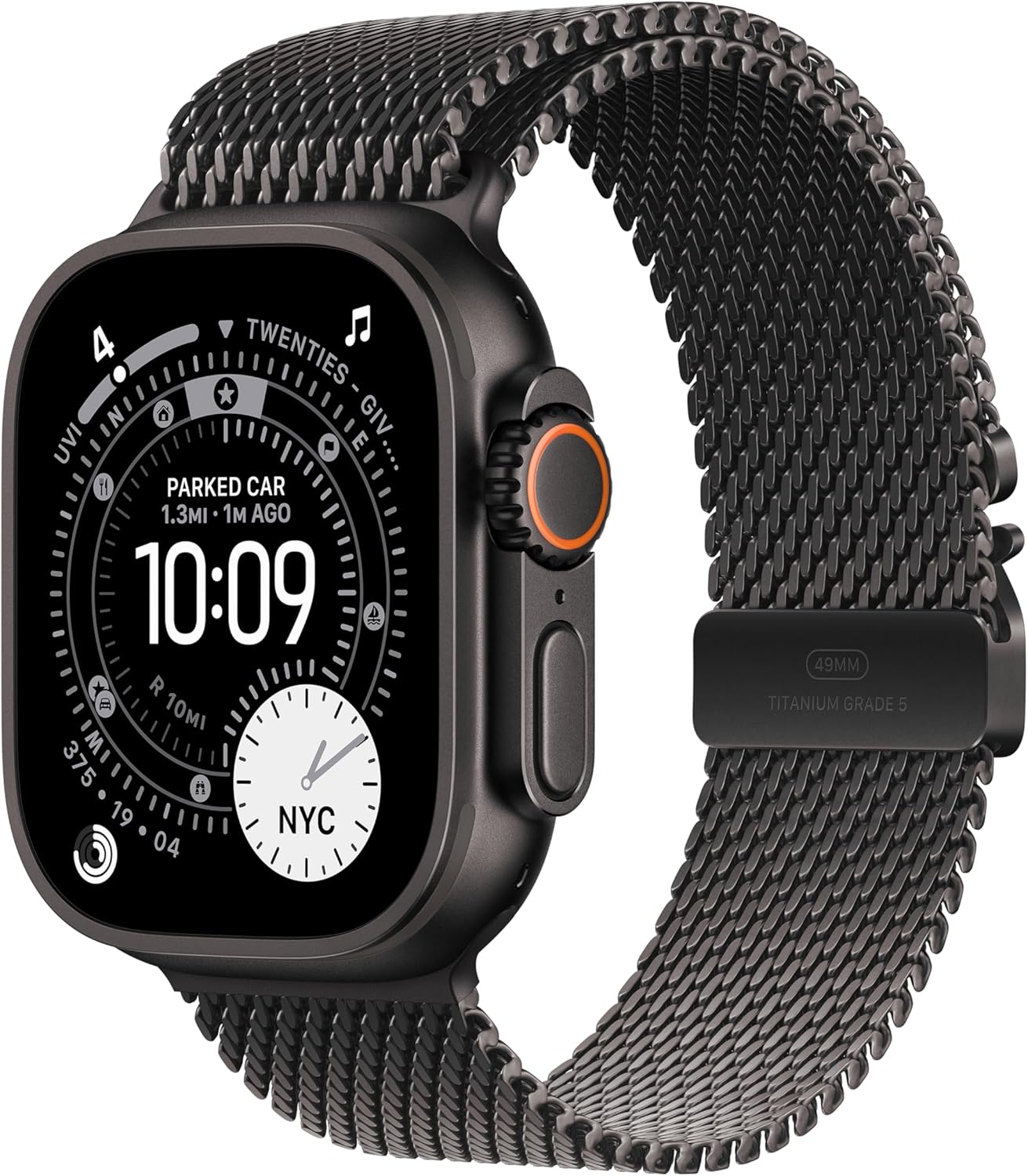
Built for extremes with 100m water resistance, dual-frequency GPS, and a massive 564mAh battery, the Ultra 3 thrives in hiking and diving. Premium titanium durability comes at a high price and weight penalty.
Main limitation: Its bulky 49mm size overwhelms smaller wrists and casual wearers.
Skip if: Everyday commuters will find it overbuilt and expensive for basic needs.
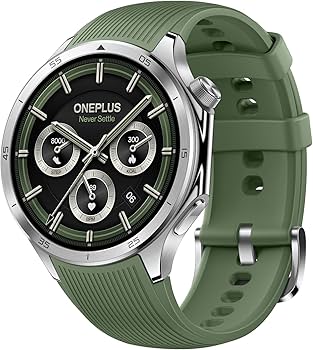
Boasting an industry-leading 120-hour battery with full Wear OS features, the OnePlus Watch 3 keeps you powered for weeks without compromise. Affordable premium feel, but health sensors lag slightly behind leaders.
Main limitation: Stress and SpO2 readings show minor inaccuracies in third-party validations.
Skip if: Those prioritizing top-tier medical-grade sensors should choose dedicated health watches.
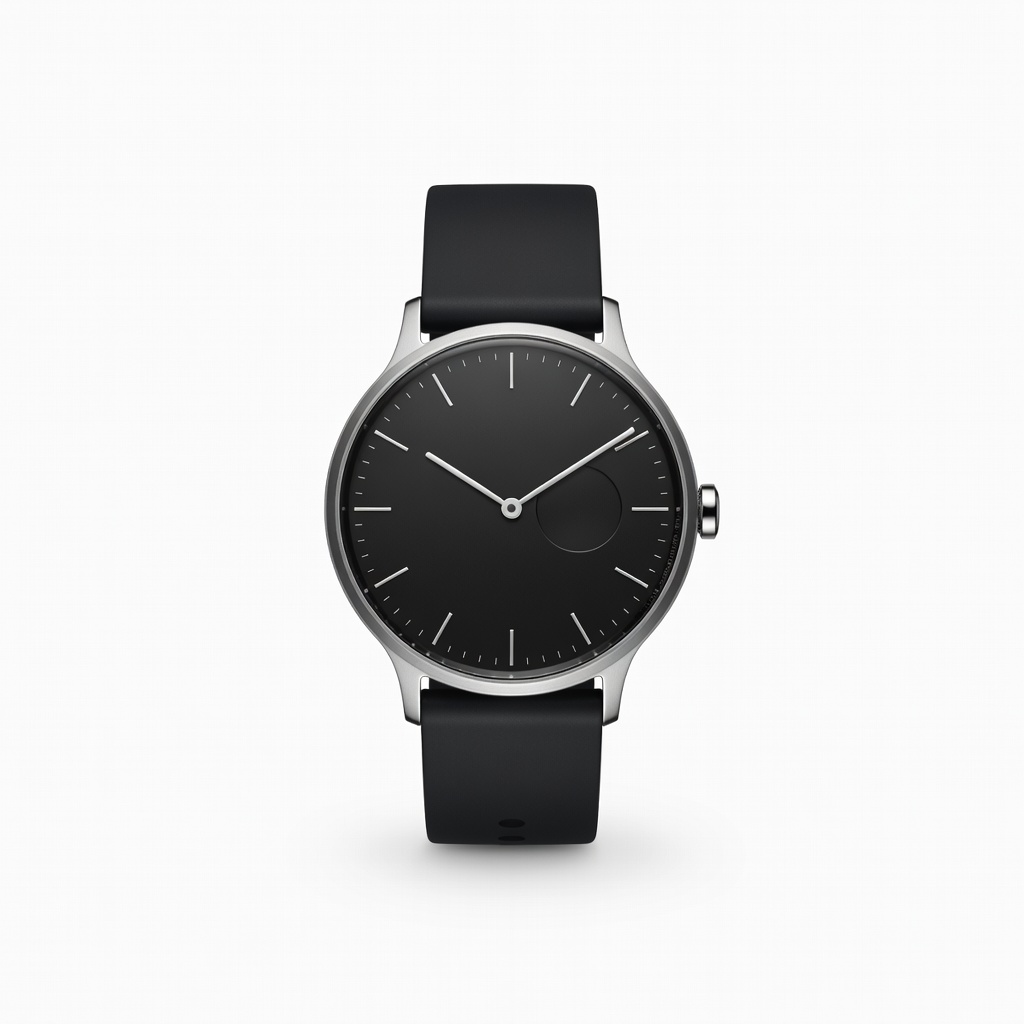
Hybrid analog-digital design with FDA-cleared ECG, AFib detection, and 30-day battery appeals to health-focused users who dislike full smartwatch aesthetics. Subtle notifications suit professionals, but lacks touchscreen swipes.
Main limitation: Limited app ecosystem and no music storage restrict smart capabilities.
Skip if: Fitness app power users needing GPS workouts or payments will feel shortchanged.
Compare key specs and features of all our recommendations side-by-side
| Product | Recommendation | Rating | Price |
|---|---|---|---|
Apple Watch Series 12 (46mm GPS + Cellular) Rank #1 | 🏆 Top Pick | 9.4/10 | $429–$529 Check current price → |
Amazfit Bip 6 Rank #2 | 💰 Budget Pick | 8.1/10 | $99–$129 Check current price → |
Samsung Galaxy Watch 8 44mm LTE Rank #3 | ⭐ Editor's Choice | 9.0/10 | $349–$449 Check current price → |
Google Pixel Watch 4 45mm LTE Rank #4 | — | 8.7/10 | $399–$499 Check current price → |
Garmin Venu 4 Rank #5 | — | 8.9/10 | $449–$549 Check current price → |
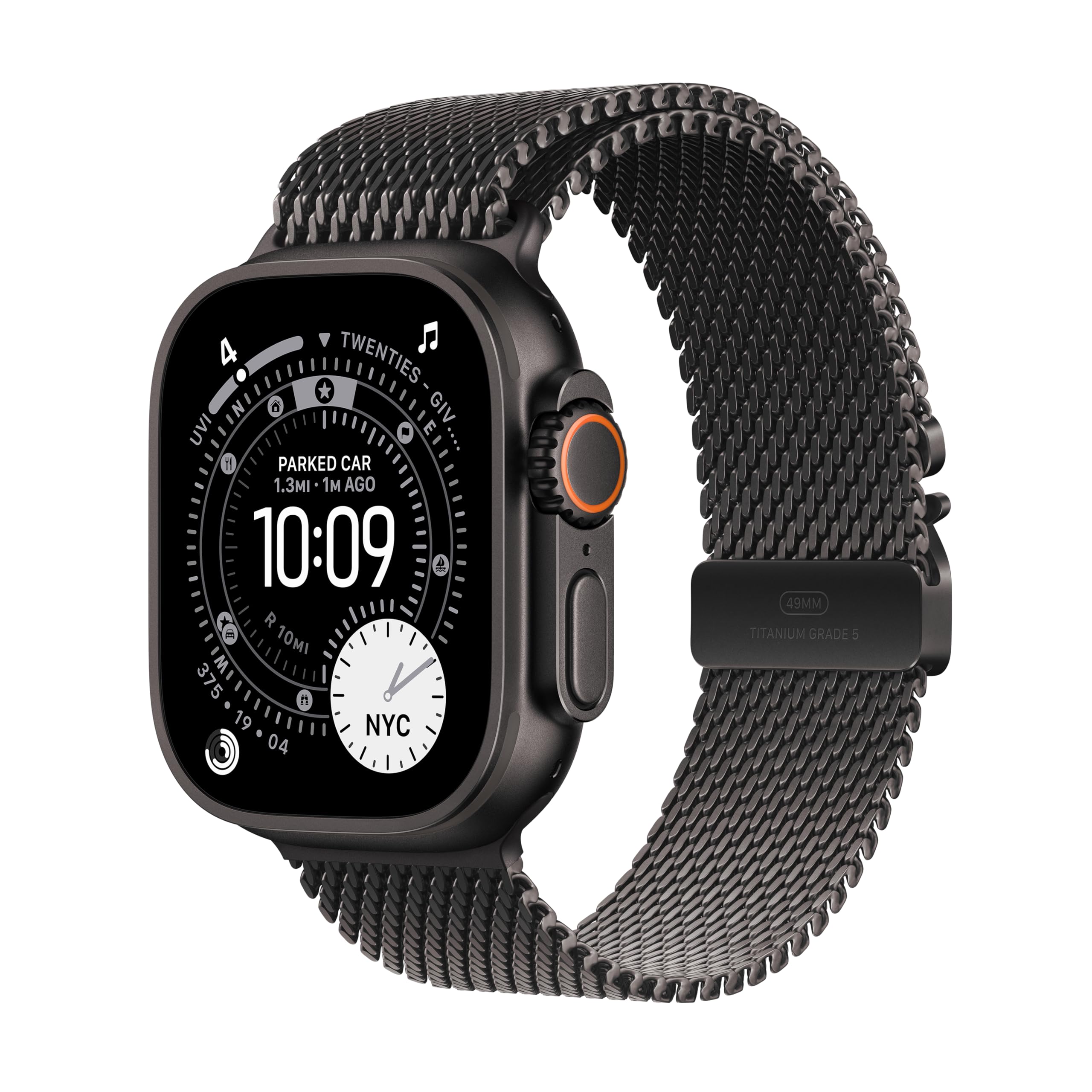 Apple Watch Ultra 3 Rank #6 | — | 4.7 4.7 | $799–$899 Check current price → |
OnePlus Watch 3 Rank #7 | — | 8.4/10 | $299–$399 Check current price → |
Withings ScanWatch 3 Rank #8 | — | 8.6/10 | $349–$449 Check current price → |
Common questions buyers have about this category.
Apple Watches require an iPhone for setup and advanced features like app installs, while most others work best with Android but pair basically with iOS. Cross-platform options like Amazfit offer flexibility, but expect reduced functionality such as no ECG on non-native phones—always verify manufacturer compatibility charts.
Top models like Apple and Samsung achieve 95%+ step accuracy and FDA-cleared ECG per clinical studies, but SpO2 and sleep tracking vary 10-20% from medical devices. Calibrate with your lifestyle and cross-check against apps like Strava for reliability; budget options lag in edge cases like high-intensity workouts.
Expect 1-2 days from full-smartwatches like Apple Watch during mixed use, extending to 7-30 days on hybrids or low-power modes. Factors like always-on display and GPS drain fastest—disable them for longevity, and note real-world tests from DC Rainmaker often shave 20% off manufacturer claims.
Most rated 5ATM+ handle pool laps and showers, with Garmin and Ultra models adding ocean dive support up to 40m. Track HR accurately during cardio via optical sensors, but wrist-based readings falter in weightlifting—pair with chest straps for precision training.
LTE models enable independent calling and streaming; all support NFC for Apple/Google Pay where available. Verify carrier compatibility for cellular plans, as eSIM setup varies—budget picks often limit to Bluetooth calls near your phone.
Fitness watches like Garmin emphasize metrics (VO2 max, recovery time) over notifications, suiting athletes, while lifestyle options like Apple prioritize apps and aesthetics for daily drivers. Assess your 80/20 use case: if workouts dominate, go Garmin; for notifications and style, pick ecosystem leaders.
Products we evaluated but did not recommend — and why.
