Get the App
Better experience on mobile
From Apple to Garmin and budget-rich Amazfit, these are the smartwatches that earn their spot on your wrist in 2026.
Smartwatches have become the new Swiss Army knife of wearables, but the real question isn't which one does the most — it's which one you'll actually tolerate wearing all day. The common mistake is buying a feature-packed device that doesn't align with your phone's OS, your personal battery sanity, or your fitness priorities. This list breaks down the 2026 landscape into clear categories, from the always-expensive Apple Watch to unheralded budget champs that deliver 90% of the experience for a third of the cost.
Before you settle on a model, understand the three camps: Apple's watchOS (only for iPhones), Google's Wear OS (used by Samsung, Google, and others), and fitness-first platforms like Garmin and Fitbit that sacrifice smartwatch tricks for endurance. Each has a different battery personality—Apple and Wear OS watches tend to need nightly charging, while Garmin can last weeks. That one constraint often determines whether a watch ends up in a drawer or on your wrist.
Our selections are based on a comprehensive review of published expert evaluations, manufacturer specifications, and verified owner feedback from across the internet. We prioritize battery life, sensor accuracy, ecosystem integrations, and price-to-performance value. We've also considered long-term software support, comfort, and whether the watch's niche actually fits a specific type of buyer.
From premium titanium dive-ready GPS to sub-$200 AMOLED stunners, the list covers every budget and use case. Whether you're an iPhone loyalist, a triathlete, or someone who simply wants to track steps without breaking the bank, the right smartwatch is here.
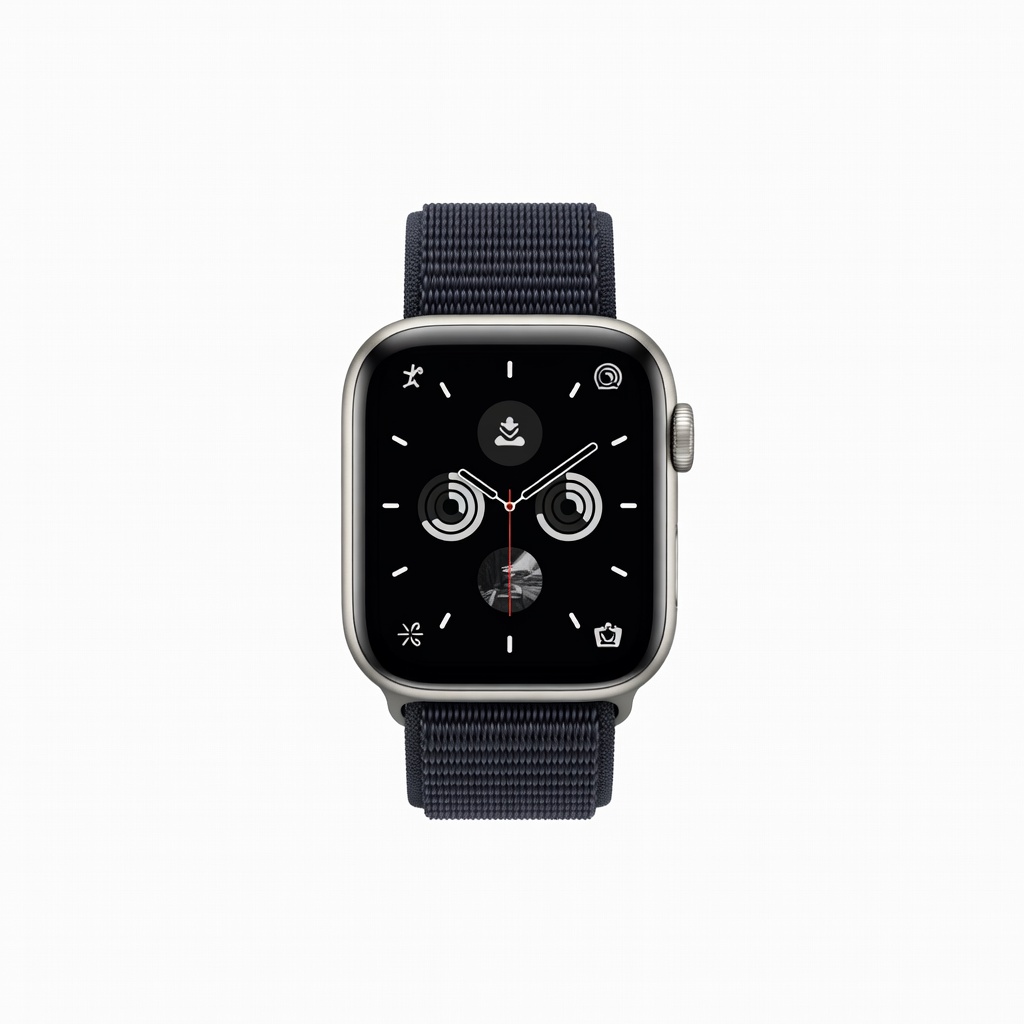
The closest thing to a universal smartwatch recommendation. Its bright wide-angle display, accurate health sensors, and unmatched integration with iPhone make it the default choice for most buyers. The trade-off is the one-day battery life that requires a nightly charge.
Main limitation: Battery life hasn't meaningfully improved since Series 7 — you'll still be tethered to a charger nightly.
Skip if: Anyone who needs multi-day battery life or uses an Android smartphone, because the Apple Watch is incompatible with Android.

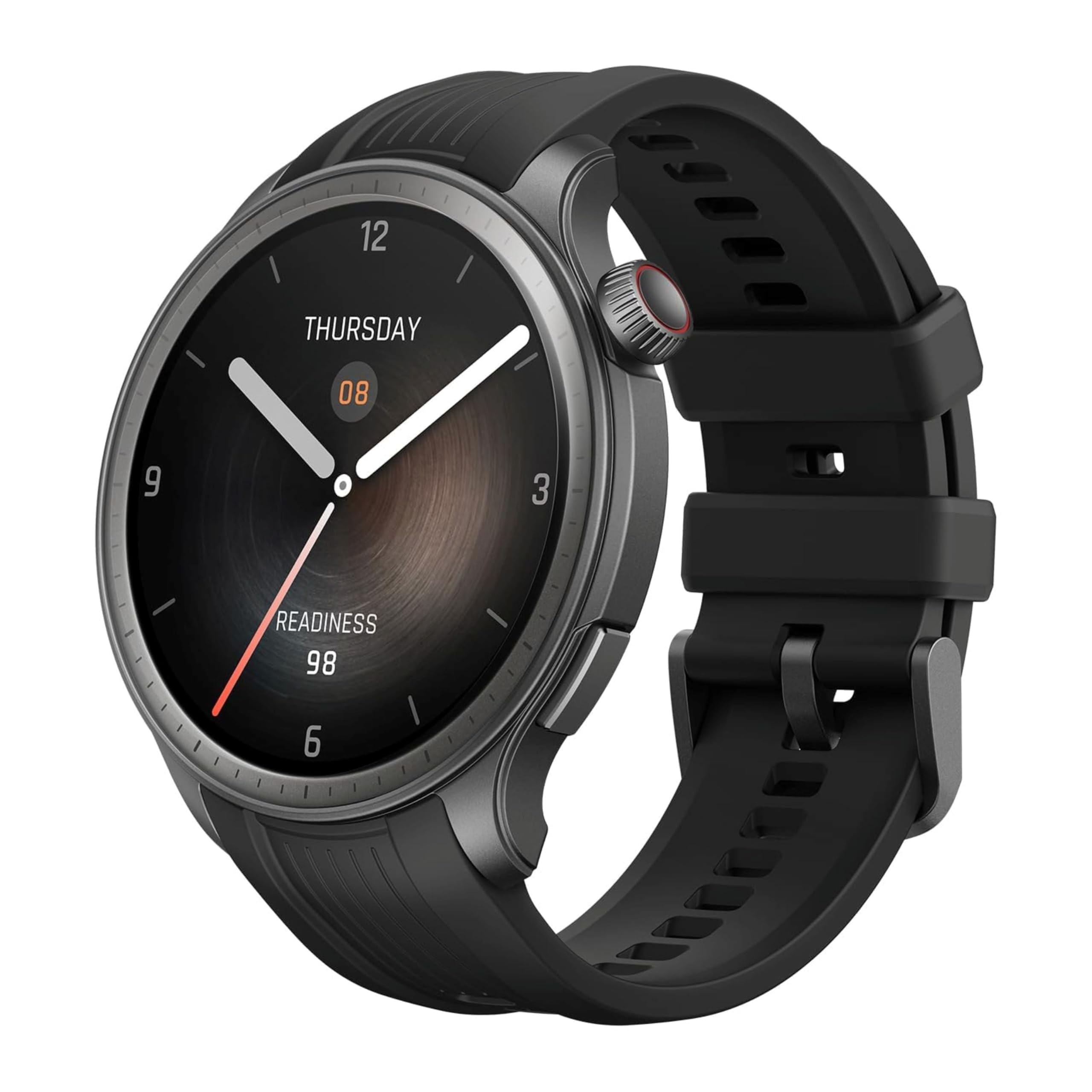
An incredible value that undercuts the competition by half without skimping on the essentials. Its two-week battery life and built-in GPS make it a steal for budget-conscious buyers. The limitation: its ecosystem and third-party app support feel barebones compared to the big two.
Main limitation: The app interface can be finicky, and there's no music streaming or cellular option.
Skip if: Those who rely on deep third-party integrations like Apple Health or Google Fit routines.
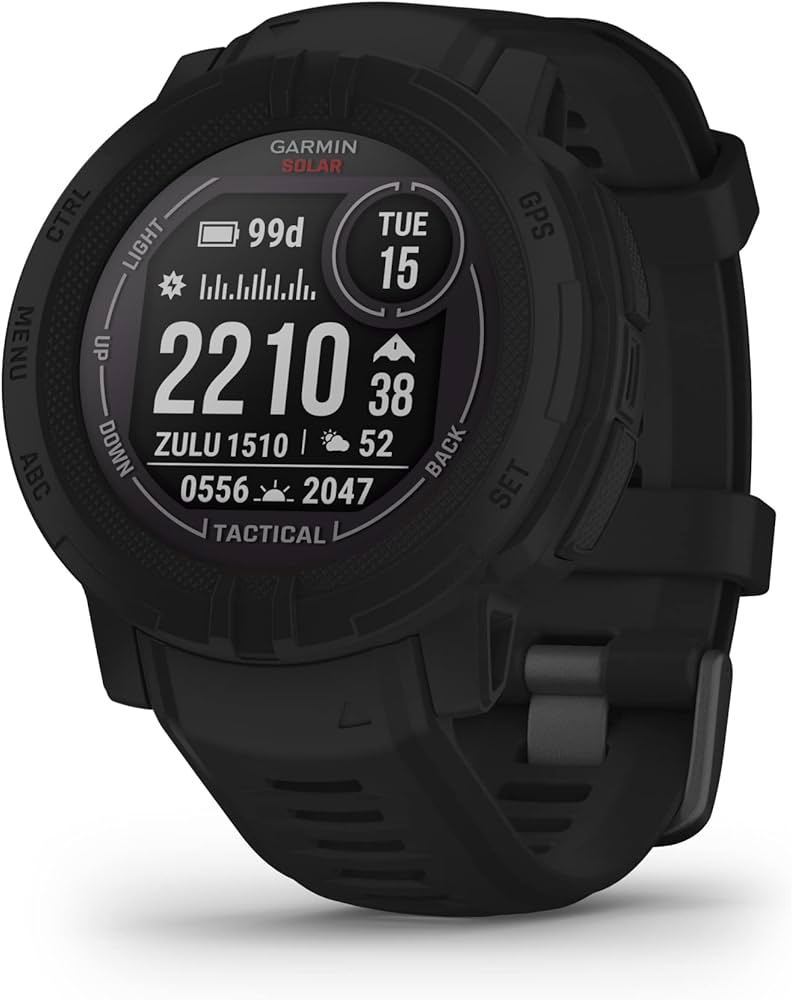
A tactical-grade rugged smartwatch that can run for weeks on a single charge thanks to Power Glass solar charging. It's built for outdoor enthusiasts who need something that won't quit in the field. The trade-off is a low-res, mono-chromatic display that feels decades behind modern smartwatches.
Main limitation: The MIP display looks dated and the smartwatch features are limited compared to color-screen rivals.
Skip if: Those who want a polished touchscreen experience or full music streaming offline.
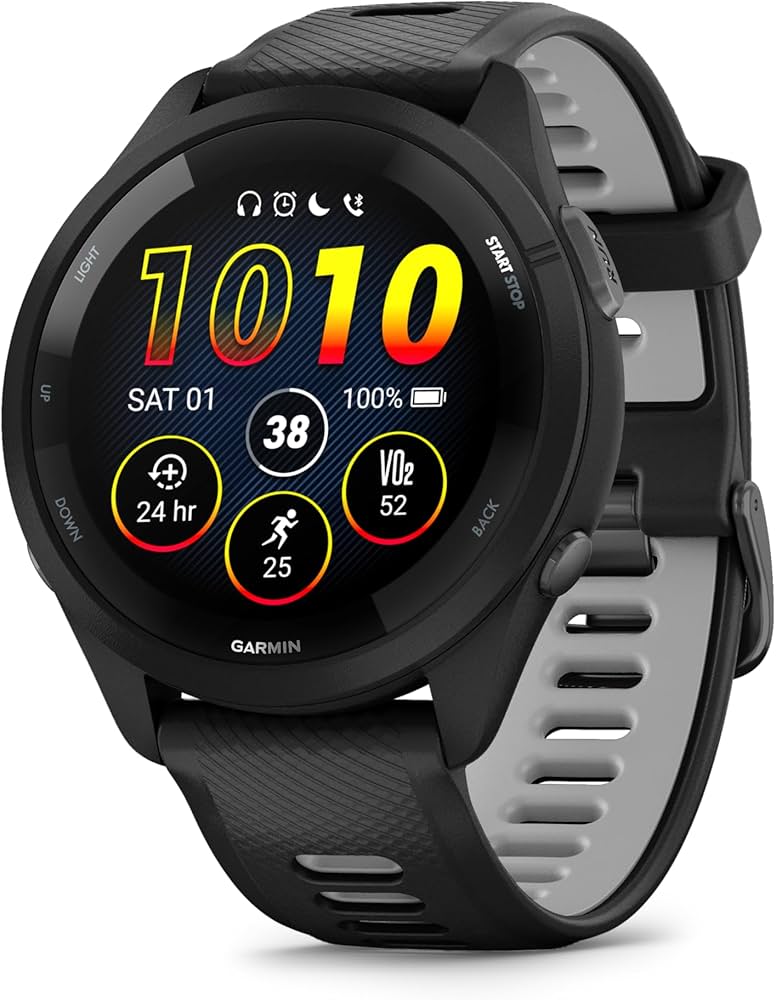
Garmin's training-focused watch nails the niche with advanced running dynamics, a full-color AMOLED touchscreen, and a 20-hour GPS battery that supports serious race prep. It's an easy sell for runners who want a dedicated training partner without stepping up to a $700 Fenix. The downside is limited smartwatch features and no on-wrist calls.
Main limitation: Music streaming still requires a separate subscription for some services, and you can't take calls from the watch.
Skip if: Runners who want a versatile everyday smartwatch for messaging and mobile payments, not just training.
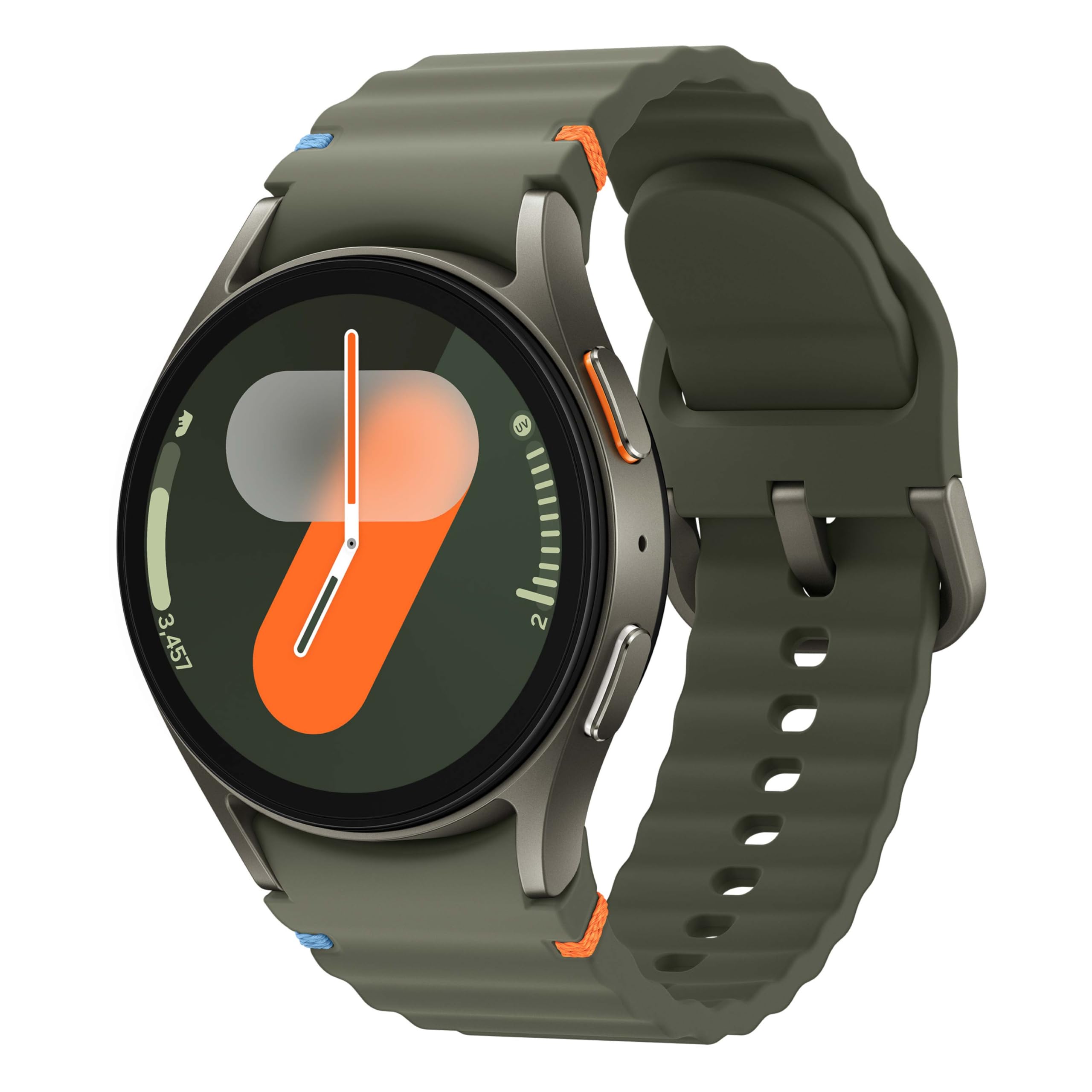
Samsung's flagship Wear OS watch brings the most polished smartwatch experience to Android, with a fast processor, gorgeous AMOLED, and Samsung Health features like body composition analysis. Its Wear OS 5 integration makes it the default choice for non-Google-branded Android phones. The catch: you need a Samsung phone to unlock full features like blood pressure and sleep apnea detection.
Main limitation: Most advanced health sensors are exclusive to Samsung Galaxy phones, and battery life remains a per-day affair.
Skip if: iPad users or anyone who owns a Pixel but wants the most seamless Google integration — Pixel Watch is better for that.
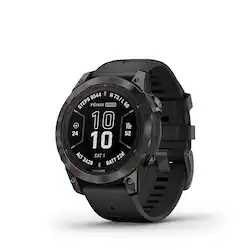
The ultimate expedition-grade watch — a titanium case, solar charging, multi-band GPS, and offline topographic maps that make it a navigation powerhouse. It's built to survive the most extreme adventures and offers nearly unlimited battery in battery-saver mode. The trade-off is heavy, bulky design and a premium price that will make casual buyers cry.
Main limitation: At 80g, it's cumbersome for daily wear and costs as much as a mid-range phone.
Skip if: Casual fitness enthusiasts who don't need peak navigation and want a lighter everyday watch.
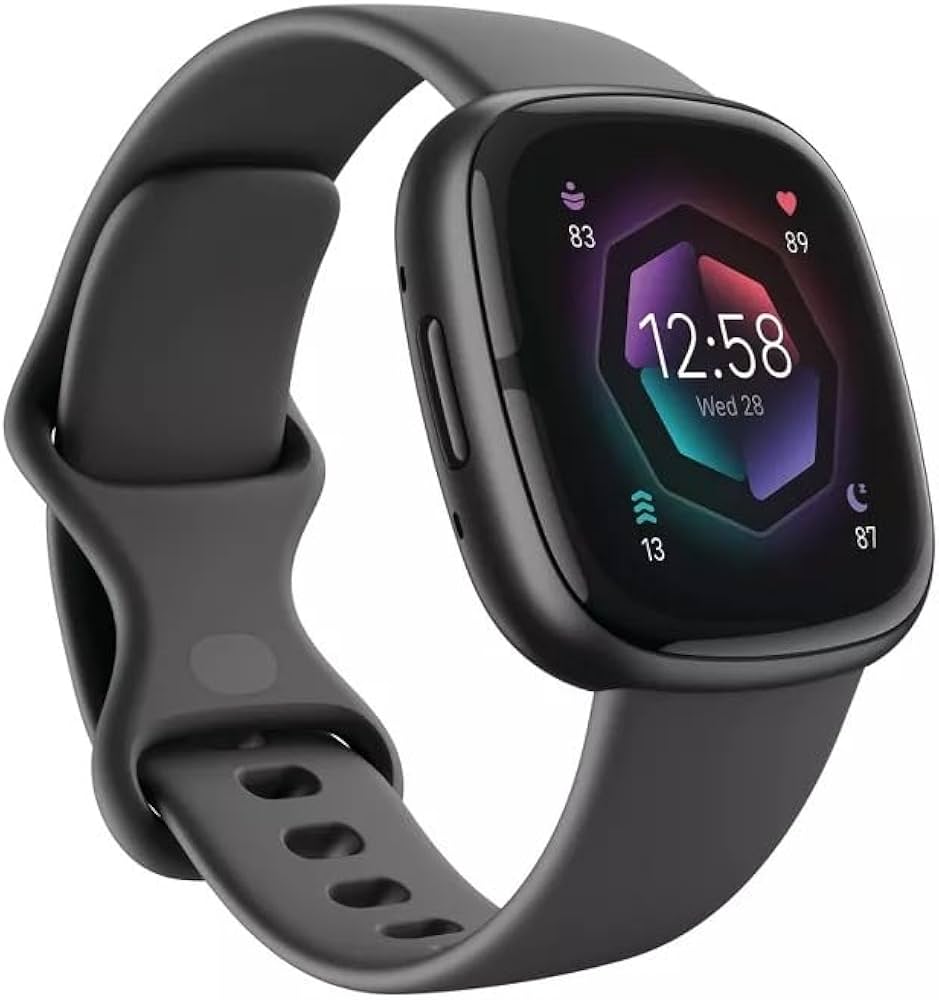
With an improved EDA scanner, an always-on cEDA sensor for stress detection, and a highly detailed Sleep Score, this watch is a wellness nerd's dream. Fitbit's companion app remains the gold standard for turning raw data into actionable habits. The downside is a painfully limited third-party app catalog compared to Wear OS and watchOS.
Main limitation: The absence of a Google Assistant and limited offline apps makes it feel like a smartwatch stuck in 2021.
Skip if: Users who want more than just health metrics — if you need to reply to messages or run demanding apps on-wrist, pass.
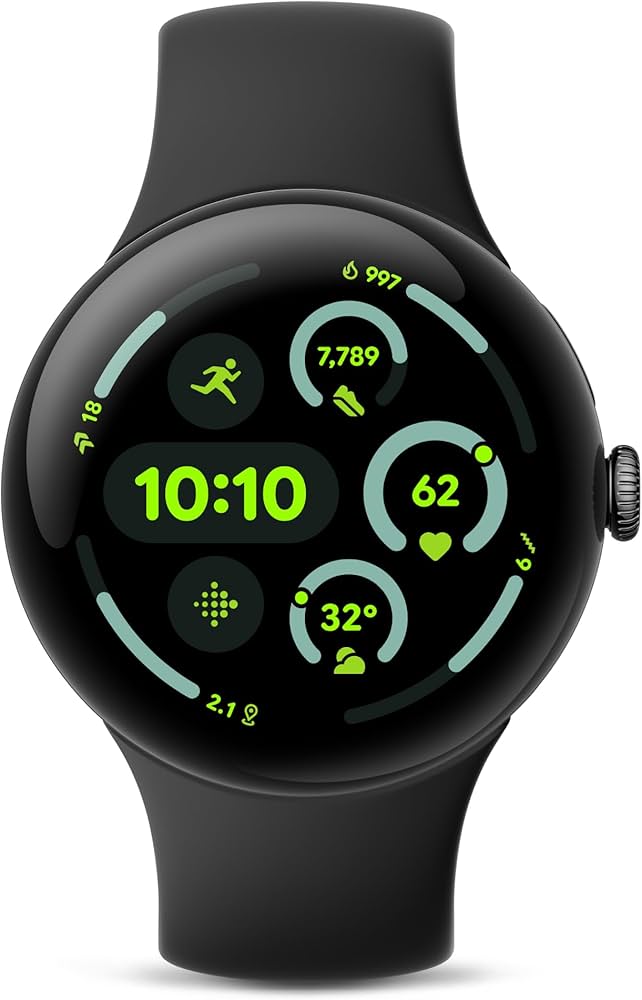
The Pixel Watch 3 packs a bright, all-glass circular display into a smaller 41mm case that's comfortable for narrow wrists. It also adds a better sensor suite, true multitasking with Wear OS 5, and tight Fitbit integration. But the 24-hour battery and the lack of a larger size option make it a hard sell for big-wristed users.
Main limitation: Battery life still falls short of a full two days, and there's still no larger case size to fit bigger wrists.
Skip if: Anyone with larger wrists or those who need more than 36 hours of battery life.
Compare key specs and features of all our recommendations side-by-side
| Product | Recommendation | Rating | Price |
|---|---|---|---|
Apple Watch Series 10 Rank #1 | 🏆 Top Pick | 9.2/10 | $399 – $799 Check current price → |
 Amazfit GTR 4 Rank #2 | 💰 Budget Pick | 4.4 4.4 | $150 – $200 Check current price → |
Garmin Instinct 2 Solar Rank #3 | ⭐ Editor's Choice | 8.3/10 | $449 – $499 Check current price → |
Garmin Forerunner 265 Rank #4 | — | 8.5/10 | $449 – $499 Check current price → |
Samsung Galaxy Watch 7 Rank #5 | — | 8.4/10 | $299 – $329 Check current price → |
Garmin Fenix 7 Pro Rank #6 | — | 8.6/10 | $899 – $1,249 Check current price → |
Fitbit Sense 2 Rank #7 | — | 7.8/10 | $200 – $300 Check current price → |
Google Pixel Watch 3 Rank #8 | — | 8.1/10 | $349 – $399 Check current price → |
Common questions buyers have about this category.
For iPhone users, the Apple Watch is the only option that offers full integration, including answering calls, replying to texts, and unlocking your Mac. Apple Watch also syncs seamlessly with Apple Health, so it's the easiest to maintain your health data. It's why we've named the Apple Watch Series 10 our Best Overall pick.
Battery life ranges from 18 hours (Apple Watch Series 10) to 14 days (Amazfit GTR 4) to *unlimited* with solar charging on the Garmin Instinct 2 Solar. Wear OS watches like the Pixel Watch 3 usually last around 24–36 hours, while Garmin fitness watches often last a week or more. Before buying, check the GPS battery rating rather than just 'smartwatch mode' if you plan on tracking workouts.
Technically no. Samsung Galaxy Watch runs Wear OS, which is compatible only with Android phones for full functionality—you can't even set it up when paired with an iPhone without a workaround. Apple blocks third-party smartwatch compatibility on iOS, so for iPhone you're limited to Apple Watch or a less integrated alternative like a Garmin with basic notifications.
In general, optically-based heart-rate and sleep tracking are accurate enough for everyday wellness insights, but they can be off by a few beats per minute during intense exercise. Medical features like ECG, blood oxygen, and sleep apnea detection are validated only for specific instruments that vary by brand and firmware. For reliable medical-grade readings, you'll still want a dedicated device, not a smartwatch.
AMOLED offers vibrant colors, higher resolution, and better visibility in low light, but it consumes more power, which cuts battery life. MIP (Memory-in-Pixel) is readable in direct sunlight and sips energy, but it looks dull and low-resolution by comparison. Garmin's Instinct 2 uses MIP for long battery life, while the Forerunner 265 and most Wear OS watches use AMOLED for a sharper look.
LTE is optional unless you want to leave your phone behind while exercising, make calls from the watch, or stream music on the go. It's a nice convenience but adds a monthly cost and cuts battery life significantly. If you always run with your phone, you can skip LTE and save money on both the watch and your cellular plan.
Products we evaluated but did not recommend — and why.
