Get the App
Better experience on mobile
From budget-friendly to premium adventures—find the smartwatch that matches your phone, your routine, and your wallet.
The smartwatch has evolved from a novelty companion into a health hub, a compass, and a tiny notification screen strapped to your wrist. The catch? The market is as fragmented as ever—Apple's watches only work with iPhones, Wear OS devices shine on Android, and hybrids often require proprietary apps. Your first step should be confirming what syncs with your phone before you fall in love with a spec sheet.
2026 offers more options than ever, from 30-day hybrid powerhouses to solar-charged expedition watches that can outlast your backpack. But more options also mean more room for disappointment, especially if you buy a watch with features you'll never use or ignore the battery life your lifestyle actually demands. This guide breaks down the best current smartwatches by the situations they're built for, not just the features they tout.
To put this list together, I dug through current model lineups, read hands-on impressions from professional reviewers, and scanned owner reviews to spot common issues that don't show up in marketing materials. I looked for smartwatches that deliver a coherent experience—accurate sensors, responsive software, and enough battery to keep up with your day. I also tried to represent every major platform and price point, so whether you're an iPhone loyalist, an Android power user, or a fitness obsessive, there's a pick here for you.
A word of caution: don't overpay for extreme features you'll never test. The best smartwatch isn't always the most expensive one—it's the one that fits how you live. And while this list is current for 2026, the market moves fast, so check the latest stock and pricing before you pull the trigger.
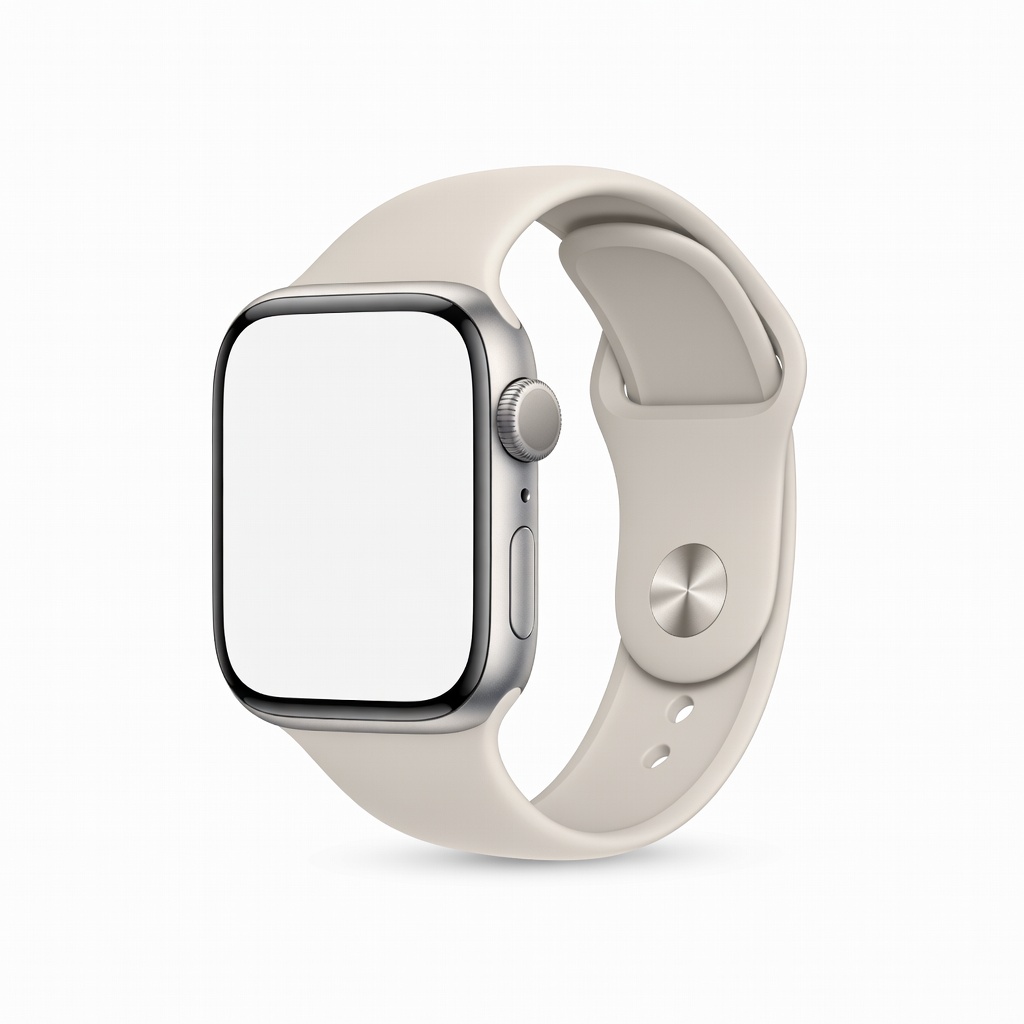
The best all-around smartwatch for iPhone owners, blending a large always-on display, excellent health sensors, and access to the most polished wearable app ecosystem. The trade-off is its 18-hour battery life, which still demands nightly charging.
Main limitation: Battery life remains a weak point — expect to charge daily, especially with sleep tracking enabled.
Skip if: Anyone who needs multi-day battery life or doesn't use an iPhone should look elsewhere.
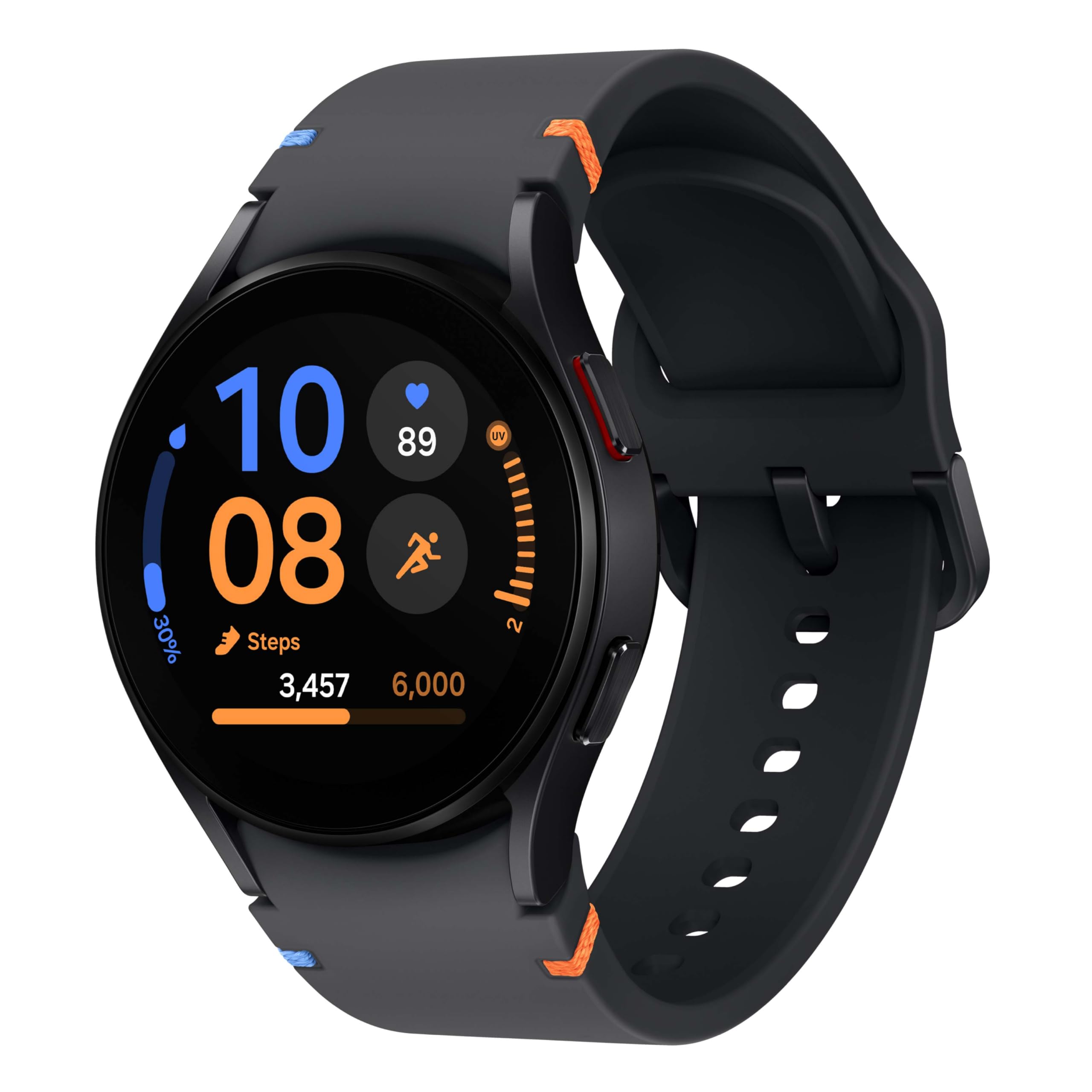
A genuinely capable smartwatch that brings Samsung's robust Wear OS experience to a more affordable price point, with solid fitness tracking and a bright AMOLED screen. It uses the older Exynos W920 chip, so it can feel less snappy than pricier Wear OS watches.
Main limitation: The 2021-era chip and 1.5GB of RAM mean occasional lag with heavy apps, and battery life hovers around 24 hours.
Skip if: Android fans who want the latest sensors and long battery life should spend more on a newer Galaxy Watch.
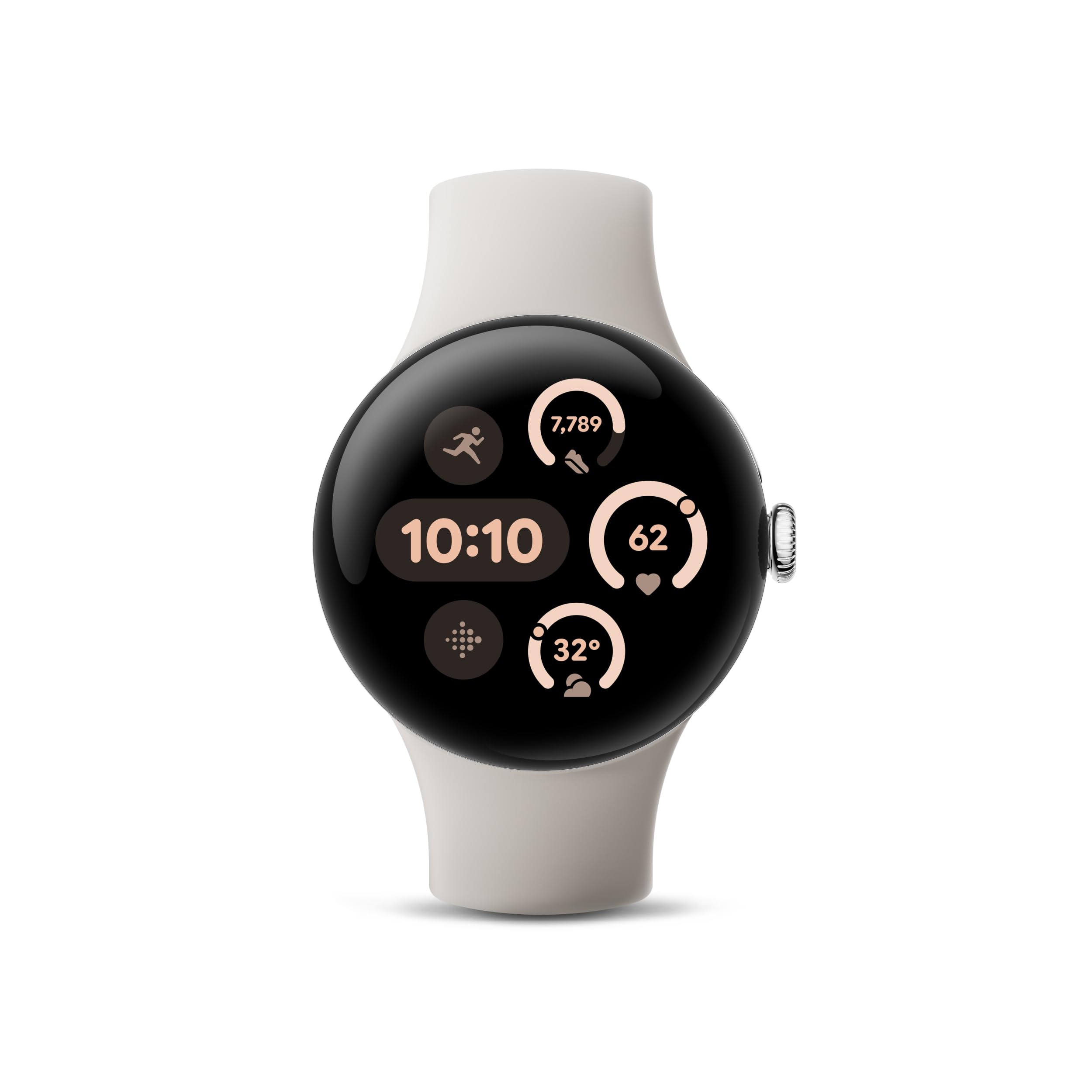
The best Android smartwatch for clean software and tight Google integration. Its Wear OS 5 experience feels fluid, and the new multi-path heart-rate sensor improves workout accuracy. The catch: it pairs only with Android phones and still offers just 24 hours of battery.
Main limitation: Battery life is the main compromise — 24 hours on a good day, and cellular models often die sooner.
Skip if: iPhone owners and anyone who wants more than two days between charges should skip this.
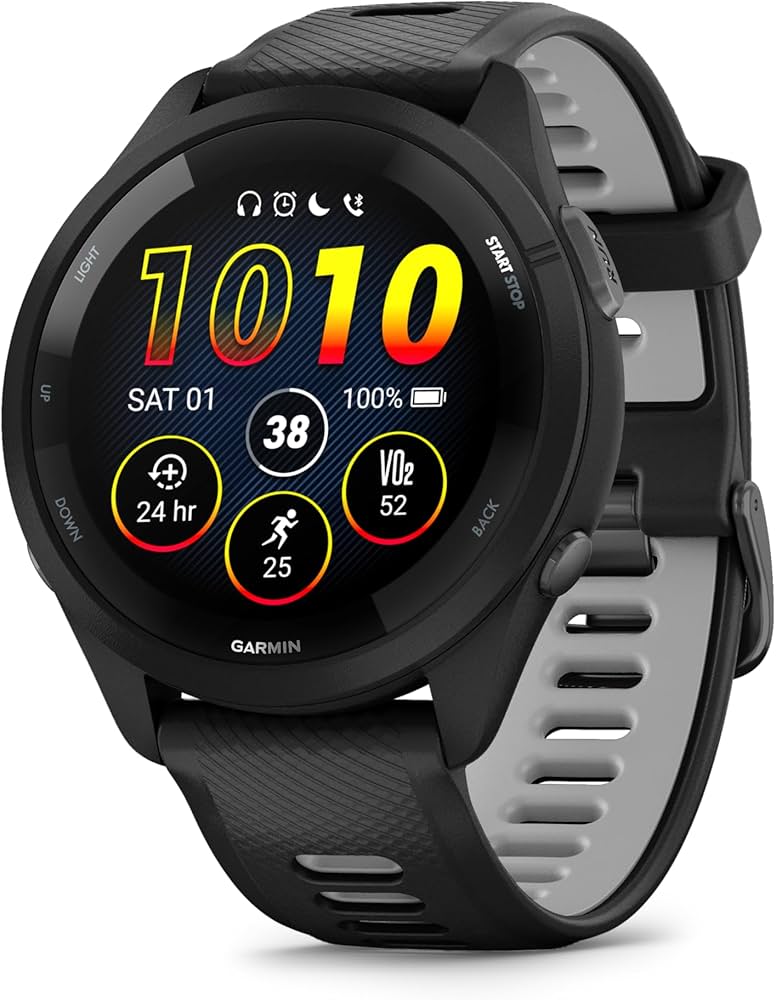
A runner's dream with built-in GPS satellites, daily suggested workouts, and training load analysis without needing a phone on every run. The AMOLED screen is a welcome upgrade, but you'll trade some battery life compared to Garmin's MIP displays.
Main limitation: It's still not a cheap watch, and the 13-day battery drops to about 5 days with always-on display.
Skip if: Casual runners or people who want a general-purpose smartwatch with voice assistants should look elsewhere.
![Apple Watch Ultra 2 [GPS + Cellular]](https://adjlietrlpsmvfwlxkke.supabase.co/storage/v1/object/public/content-images/products/product-apple-watch-ultra-2-gps-cellular--1785910772466.jpg)
The most rugged Apple Watch, with a flat sapphire crystal, 100m water resistance, and a precision dual-frequency GPS that handles city canyons and dense trails. It adds a powerful LED flashlight and a new ease-of-use button, though it's overkill for most daily users.
Main limitation: It's built for extremes, but the added bulk and $799 price make it impractical for the average office-goer.
Skip if: Anyone who isn't regularly hiking, diving, or ultrarunning should stick with a standard Apple Watch.
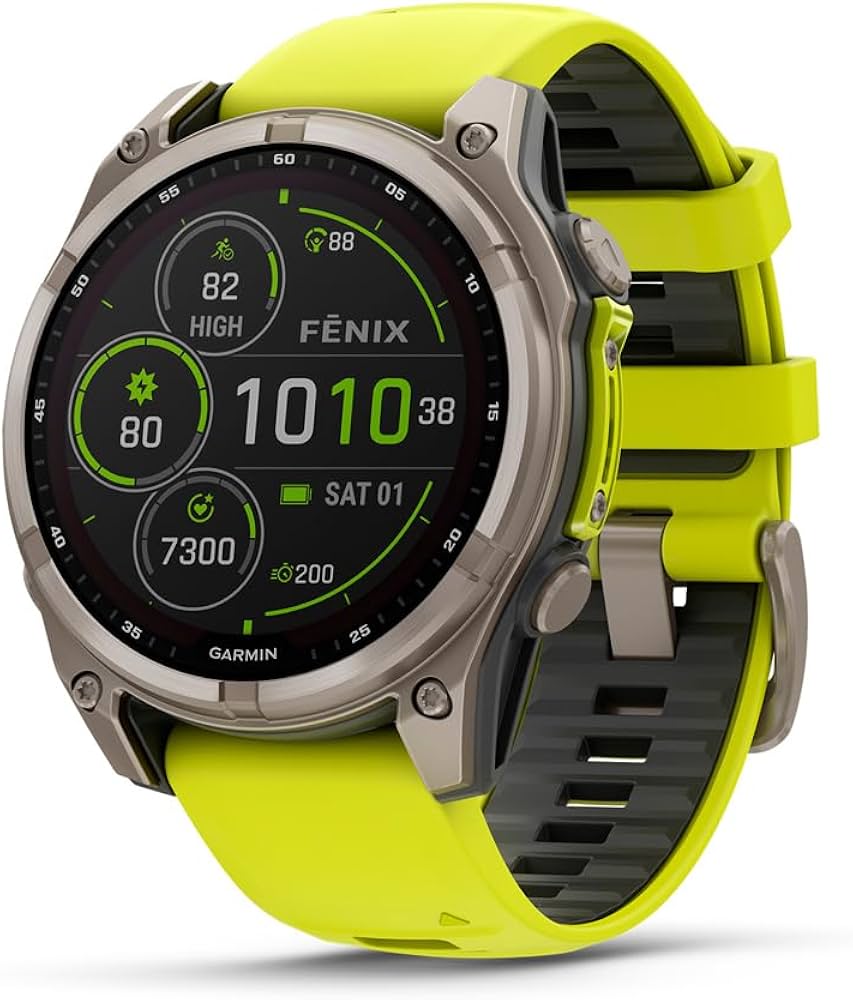
A do-it-all expedition watch with solar-assisted charging, topographic maps, and a huge array of sports modes. It's the watch you can take on a week-long backpacking trip and still track the journey. But the solar version's screen dims with a transflective display and the price is steep.
Main limitation: At $1,099+, it's one of the most expensive smartwatches you can buy, and the solar panel only extends battery life, not replaces it.
Skip if: City dwellers or casual gym-goers would be wasting their money on this serious expedition tool.
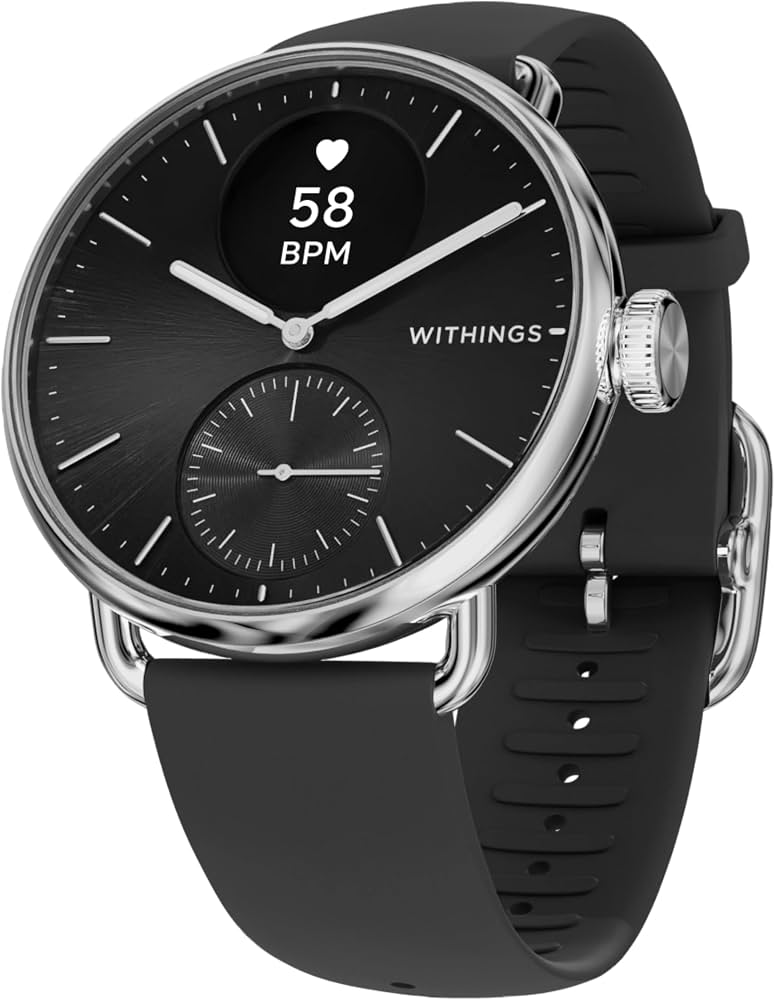
A discreet hybrid watch with a traditional analog face and subtle health-tracking inside. It's perfect for professionals who want sleep and heart monitoring without a glaring screen on the wrist, and the battery lasts up to 30 days. The tiny digital display, though, refreshes slowly and shows limited data.
Main limitation: The small PMOLED display is secondary, and it lacks true smartwatch functionality like talking to assistants or downloading apps.
Skip if: Anyone who expects their watch to buzz constantly with notifications or who wants an on-board GPS will be disappointed.
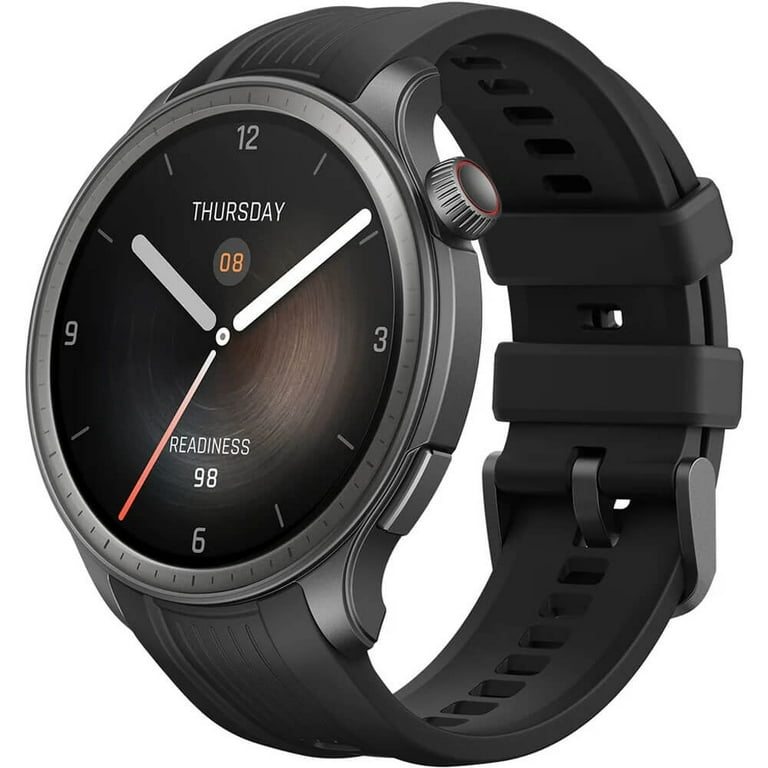
An underrated budget option with a bright AMOLED screen and exceptional 14-day battery life, plus a bio-tracking engine that includes body composition analysis. The trade-off is that the companion app is buggy and the activity tracking can be less consistent than Garmin or Apple.
Main limitation: Software polish is the weakest point — occasional sync issues and a clunky app keep it from competing with bigger names.
Skip if: Anyone who prioritizes app reliability or who needs deep third-party integration should avoid this watch.
Compare key specs and features of all our recommendations side-by-side
| Product | Recommendation | Rating | Price |
|---|---|---|---|
Apple Watch Series 10 (GPS, 46mm) Rank #1 | 🏆 Top Pick | 9.3/10 | $399–$499 Check current price → |
Samsung Galaxy Watch FE 40mm Rank #2 | 💰 Budget Pick | 8.0/10 | $189–$229 Check current price → |
Google Pixel Watch 3 41mm Rank #3 | ⭐ Editor's Choice | 8.5/10 | $349–$399 Check current price → |
Garmin Forerunner 265 Rank #4 | — | 8.7/10 | $449–$499 Check current price → |
Apple Watch Ultra 2 [GPS + Cellular] Rank #5 | — | 8.7/10 | $799–$849 Check current price → |
Garmin Fenix 8 Solar Rank #6 | — | 8.3/10 | $1,099–$1,399 Check current price → |
Withings ScanWatch 2 Hybrid Smartwatch Rank #7 | — | 7.8/10 | $279–$379 Check current price → |
Amazfit Balance Smart & Fitness Watch Rank #8 | — | 7.5/10 | $199–$229 Check current price → |
Common questions buyers have about this category.
Only if you want to leave your phone behind. Cellular adds $50–$100 upfront plus a monthly fee, and it drains the battery faster. Most people can rely on Bluetooth, but runners and those who get frequent calls or messages while away from their phone sometimes appreciate LTE.
A few watches, like the Withings ScanWatch, can detect high blood pressure, but they use pulse transit time and need regular calibration with a cuff. They are not substitutes for medical-grade blood pressure monitors.
For mainstream smartwatches, the Amazfit Balance lasts about 14 days, while the Garmin Fenix 8 Solar can go over a month with solar assistance. In contrast, Apple and Google watches typically need charging every day or every other day.
Most have 5ATM or 10ATM water resistance, so they're safe for swimming. However, you should avoid hot water, salt water, and high-pressure jets. Also, the speaker and microphone shouldn't be used for diving.
For clean Google integration, the Pixel Watch 3 is excellent. Samsung users may prefer the Galaxy Watch series, which runs the same Wear OS but connects tightly to Samsung Health and adds body-composition analysis.
Only a few, like the Garmin Forerunner 265 or Fenix, can operate independently for GPS tracking and music storage. Most Apple and Wear OS watches rely on a phone for notifications, app setup, and cloud features.
Non-replaceable lithium-ion batteries age; expect 2–3 years of good daily use, after which battery health degrades. Some companies offer battery replacement for a fee, but it's often cheaper to trade in for a new model.
Products we evaluated but did not recommend — and why.
