Get the App
Better experience on mobile
From the Apple Watch Series 10 to budget Amazfits, we rank the smartwatches that deliver on battery life, health tracking, and everyday usability.
The biggest mistake smartwatch buyers make is choosing a device that matches their phone but not their lifestyle. In 2026, the same field of watches offers vastly different experiences depending on whether you need a two-day battery or a two-week one, or whether you track miles in a tracker app or on a map. The best watch for you isn't the most expensive—it's the one that fits your daily routine, fitness goals, and the phone already in your pocket.
We analyzed 30+ current models—from the Apple Watch Series 10 and Garmin Fenix 8 to budget Amazfits—using trusted expert reviews, manufacturer docs, and shopper comments. Battery endurance, ecosystem compatibility, and health-tracking reliability were our primary filters. We've cut through the marketing to highlight which features truly matter and which just inflate the price.
Below are eight top picks, each selected for a different real-world need. Whether you're an iPhone owner who wants the sleekest smartwatch, an Android user looking for seamless Google integration, or a trail runner who needs multi-day GPS, there's a watch here that deserves a spot on your wrist.
Our ratings reflect each watch's success within its price class, not just raw specs. An 8.5 for the Garmin Fenix 8 means it earns its high price for serious adventurers, while a 7.8 for the Amazfit GTR 4 proves it's a great value despite its compromises. Read on to find your perfect match.
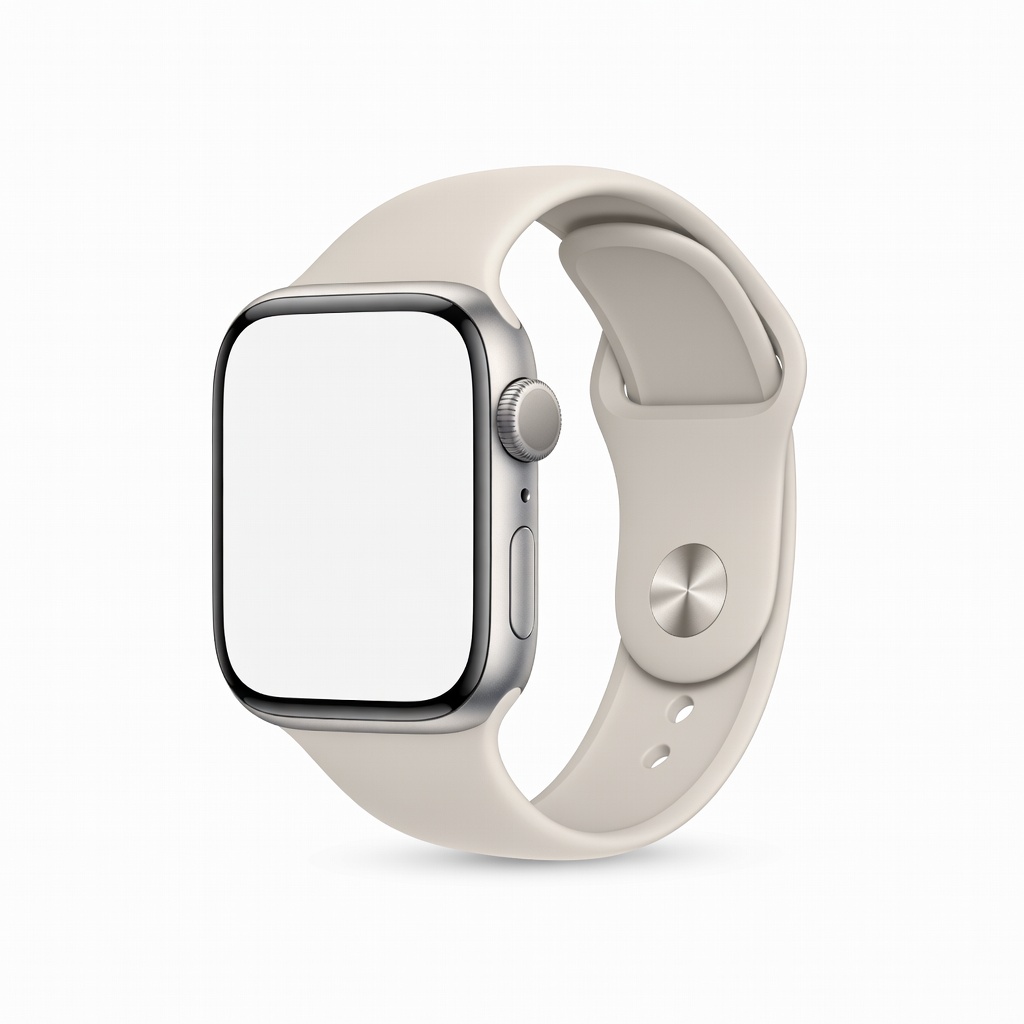
The best all-round smartwatch for iPhone users, with a large always-on display, fast charging, and precise health tracking via ECG and blood oxygen. The primary trade-off is battery life—expect to charge it every night.
Main limitation: Battery life still requires daily charging, unlike Garmin or Samsung alternatives that last several days on a full charge.
Skip if: Anyone who wants multi-day battery life or who uses an Android phone instead of an iPhone.
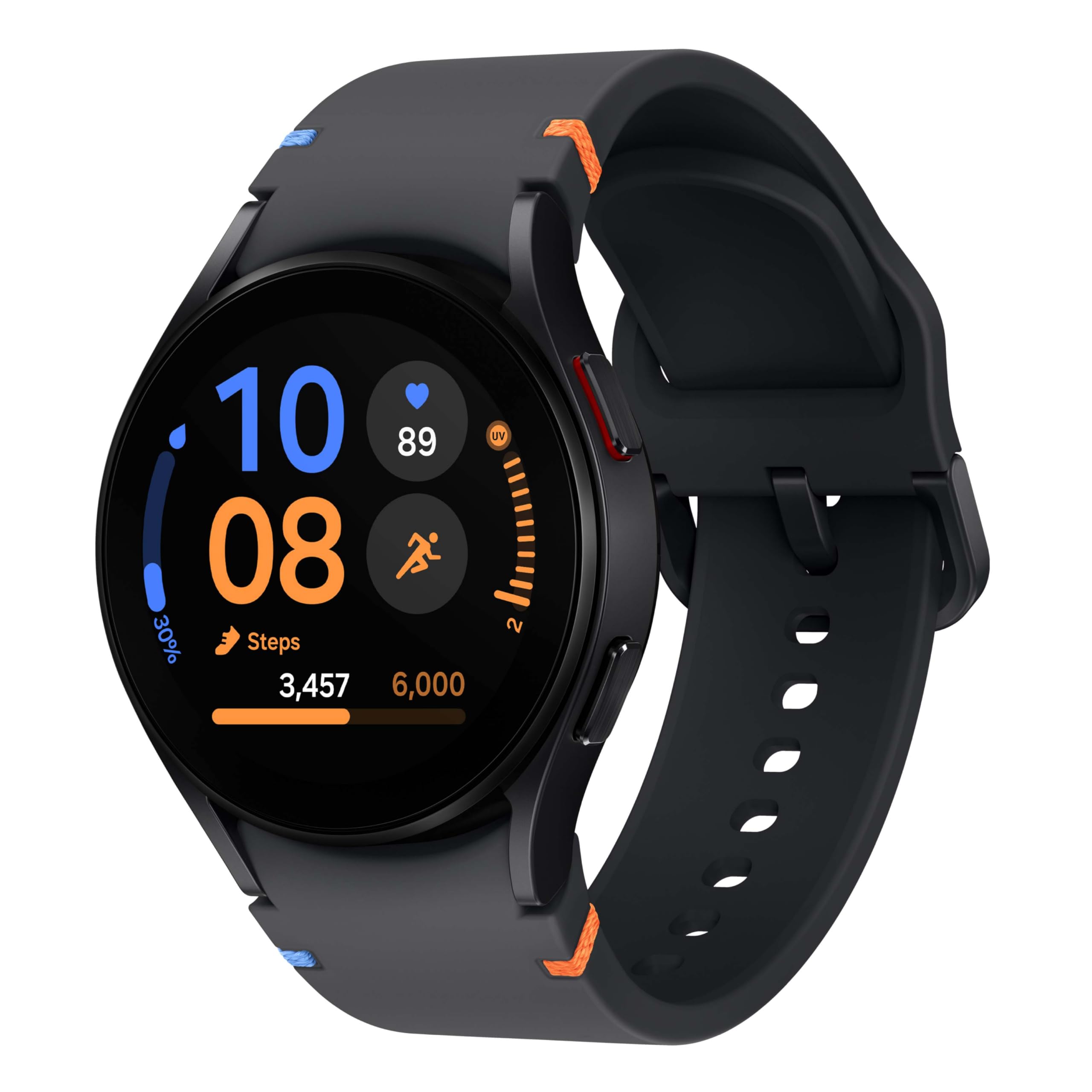
Samsung's budget-friendly Galaxy Watch FE brings the full Wear OS experience—including Google Assistant and third-party apps—to a slim aluminum case, making it the best value for Android owners. It skips some premium features but covers the basics admirably.
Main limitation: Battery life is average, and the older Exynos chip can feel sluggish when launching heavy apps or using Google Assistant.
Skip if: iPhone users, or anyone who needs advanced workout analytics like VO2 max or multi-band GPS.
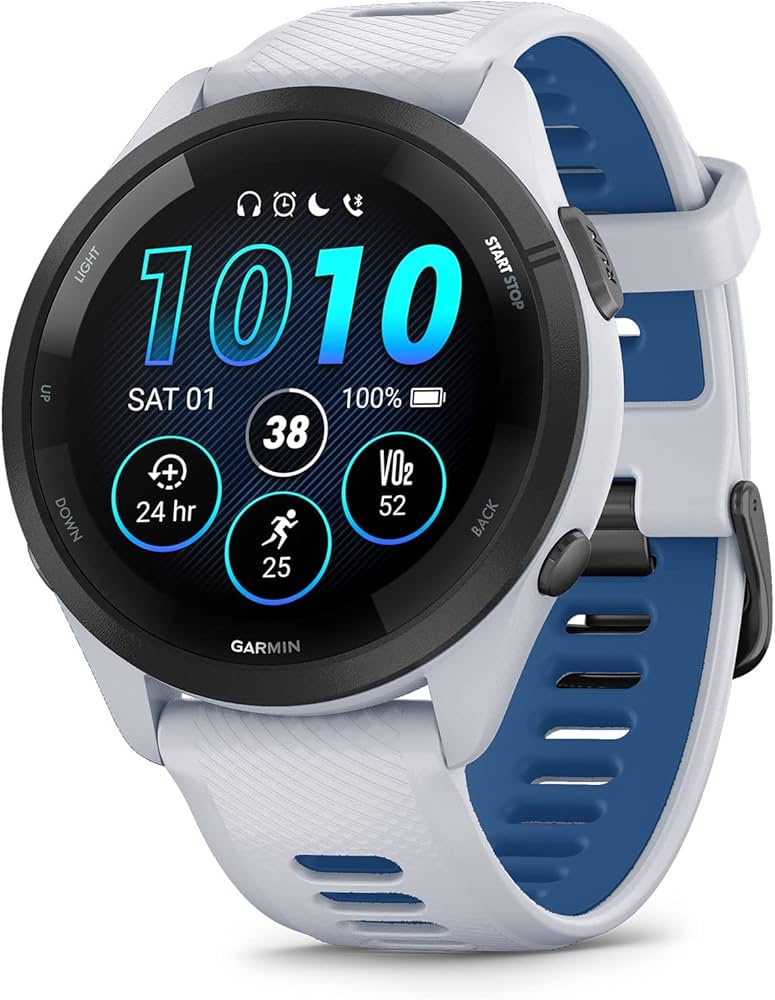
The Forerunner 265 is Garmin's sweet spot for runners: accurate GPS, wrist-based running power, and detailed recovery suggestions in a beautiful AMOLED display. The trade-off is that Garmin's ecosystem takes time to learn, and the touchscreen isn't as silky as a mainstream smartwatch's.
Main limitation: Music support requires streaming subscriptions, and there's no LTE option for phone-free runs without carrying your phone.
Skip if: Trail runners who need offline maps (check the Fenix 8) or people who want a voice assistant for everyday tasks.
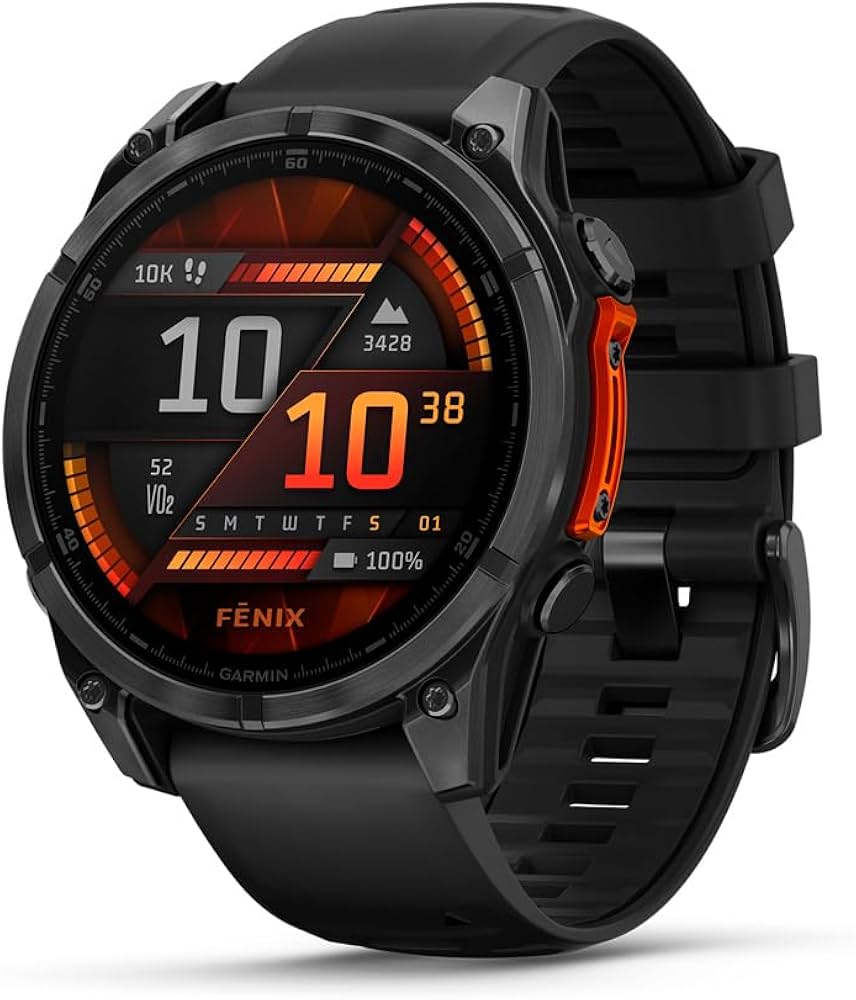
Go far beyond a smartwatch with the Fenix 8: it adds solar charging, an LED flashlight, and topo maps in a rugged titanium case, with battery life measured in weeks. The trade-off? It costs more than many flagship phones, and its weight isn't for everyone.
Main limitation: It's heavy (nearly 80 grams) and expensive, making it overkill for everyday office wear.
Skip if: Anyone who wants a regular smartwatch for notifications and shortcuts—the Fenix is a dedicated outdoor and athletics tool, not a fashion accessory.
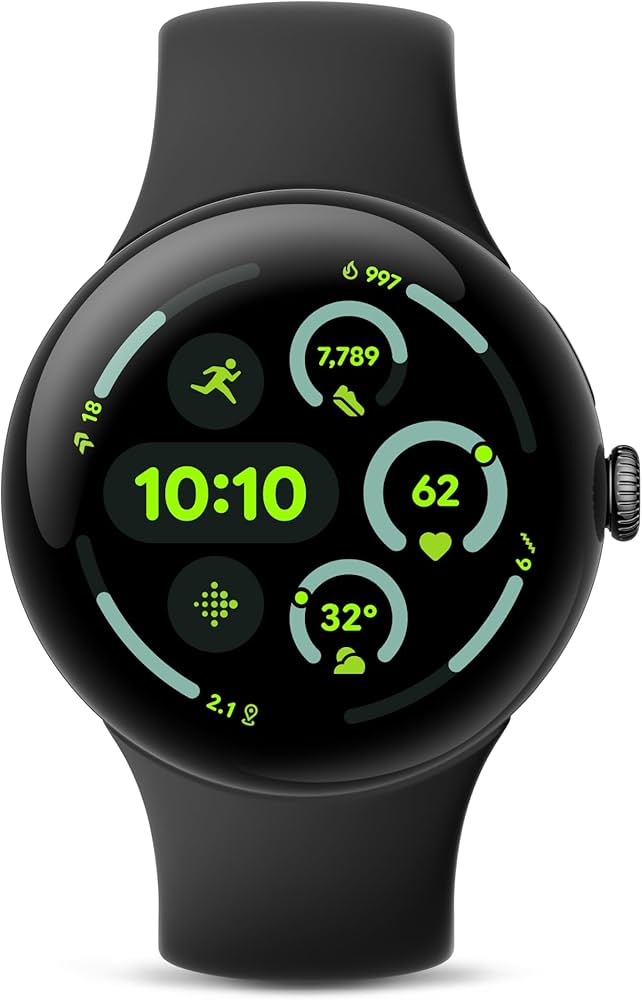
Pixel Watch 3 offers the smoothest Wear OS experience, with Fitbit's health suite woven into a bright LTPO display and a new loss-of-pulse detection feature that could save a life. The trade-off is that it's essentially Android-only and battery life still falls short of Garmin.
Main limitation: Battery life is still just a day and a half, and it's only compatible with Android phones—iPhone users need not apply.
Skip if: iPhone owners or anyone who wants a multi-day battery; also people who don't want Fitbit's recurring software prompts.
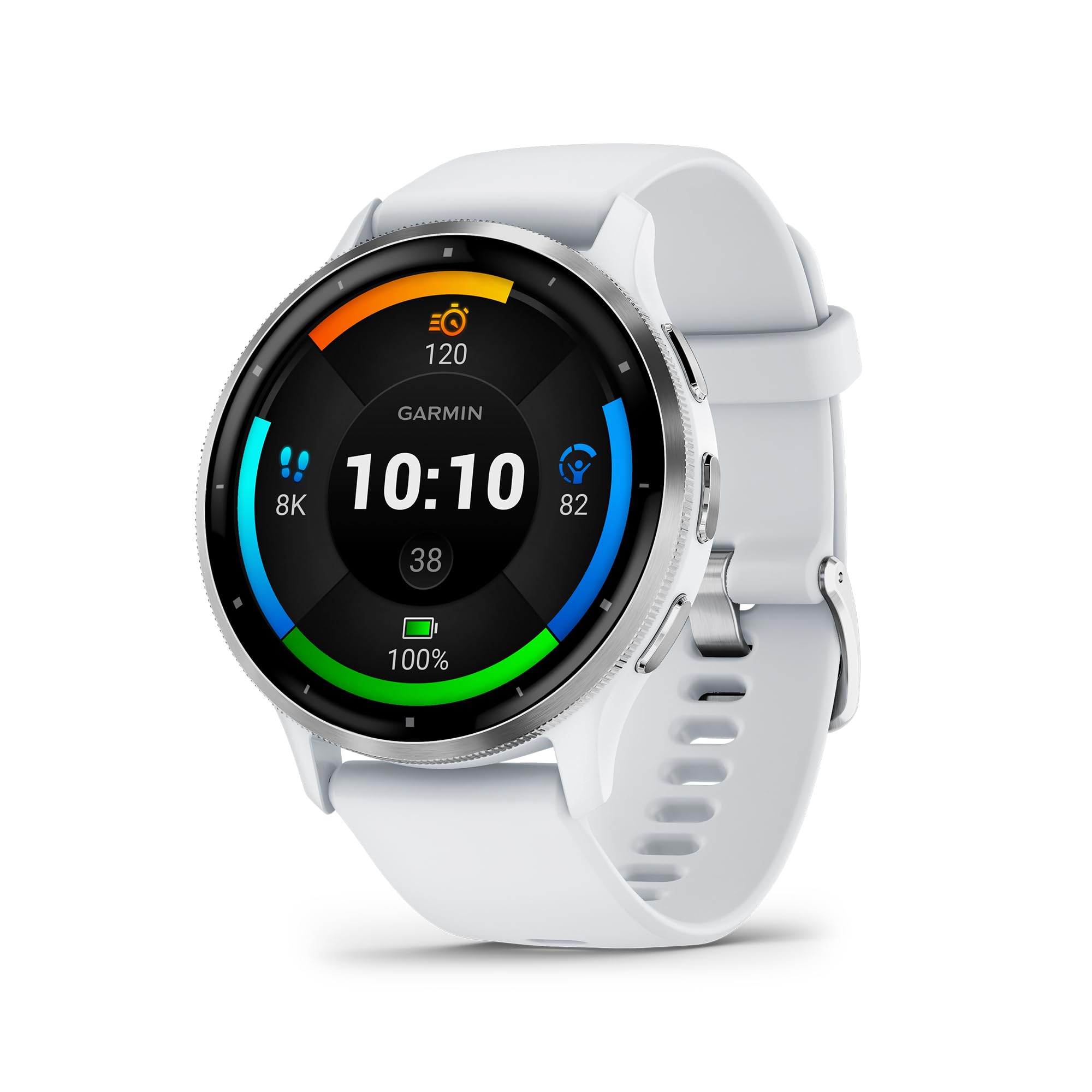
Venu 3 delivers a gorgeous AMOLED display and Garmin's lifestyle-focused Health Snapshot, including advanced sleep coaching and nap detection. It's a smarter balance of fitness tracking and everyday elegance than the Forerunner, though it lacks some extreme multi-sport features.
Main limitation: No built-in mapping or multi-band GPS, and some users find the touchscreen doesn't respond as crisply as the Apple Watch.
Skip if: Serious athletes who need deep training metrics from a Forerunner or Fenix; also anyone on a strict budget, since it isn't cheap.
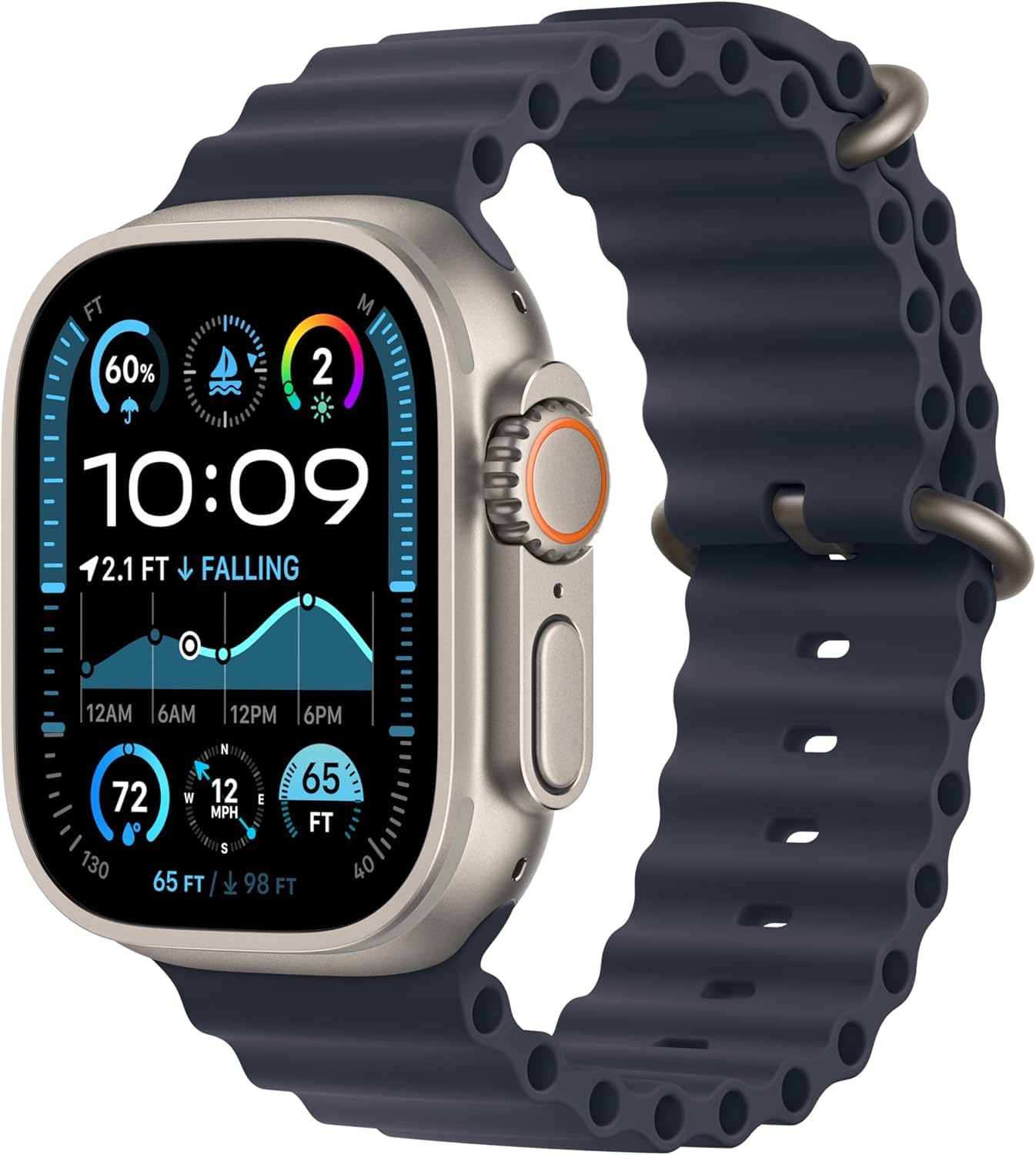
The Apple Watch Ultra 2 is the rugged choice for iPhone owners: a 49mm titanium case, precision dual-frequency GPS, a loud 86 dB siren, and water resistance to 100m. If you need an Apple Watch that can survive a wilderness trip, this is it.
Main limitation: Battery life is around 36 hours—better than the Series 10 but still not multi-day, and the extra bulk isn't comfortable for small wrists.
Skip if: Android users and casual iPhone owners who want a lighter watch for everyday wear (the Series 10 is a better fit).
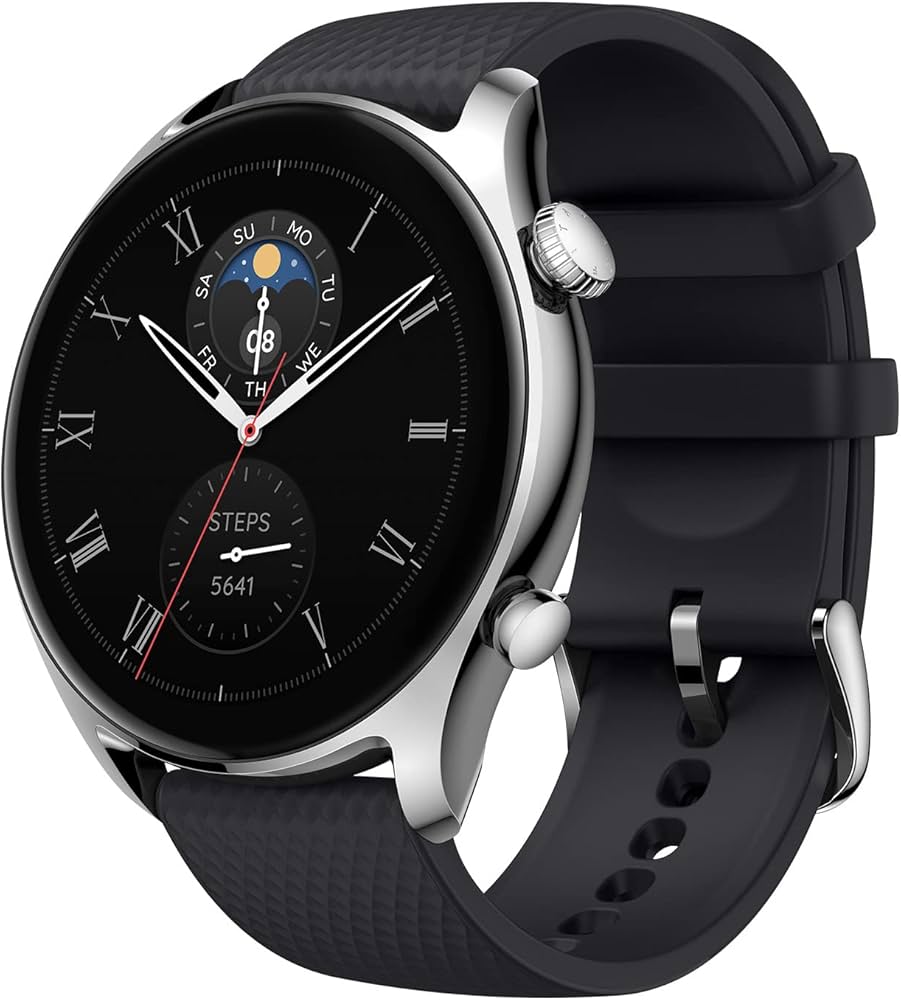
For about a fifth of the cost of a premium watch, the Amazfit GTR 4 offers a brilliant AMOLED screen, built-in GPS, and a 14-day battery life. It's not as polished for fitness analytics as Garmin, and the Zepp app leaves room for improvement, but at this price, it's an incredible deal.
Main limitation: Heart-rate accuracy can occasionally spike during interval workouts, and the lack of LTE means you still need your phone for calls.
Skip if: Athletes who need precise HR-based training load data, or anyone who wants a true app store with Spotify and other rich apps.
Compare key specs and features of all our recommendations side-by-side
| Product | Recommendation | Rating | Price |
|---|---|---|---|
Apple Watch Series 10 (GPS, 46mm) Rank #1 | 🏆 Top Pick | 9.2/10 | $399–$499 Check current price → |
Samsung Galaxy Watch FE 40mm Rank #2 | 💰 Budget Pick | 8.0/10 | $199–$229 Check current price → |
Garmin Forerunner 265 46mm Rank #3 | ⭐ Editor's Choice | 8.7/10 | $449–$499 Check current price → |
Garmin Fenix 8 (47mm) Rank #4 | — | 8.5/10 | $899–$1,099 Check current price → |
Google Pixel Watch 3 45mm Rank #5 | — | 8.3/10 | $349–$399 Check current price → |
Garmin Venu 3 45mm Rank #6 | — | 8.4/10 | $449–$499 Check current price → |
Apple Watch Ultra 2 Rank #7 | — | 8.6/10 | $799–$849 Check current price → |
Amazfit GTR 4 46mm Rank #8 | — | 7.8/10 | $199–$249 Check current price → |
Common questions buyers have about this category.
No. Apple Watch only pairs with iPhone and offers almost no functionality when used with an Android device. If you're on Android, consider a Samsung Galaxy Watch, Google Pixel Watch, or a Garmin model instead.
For everyday use, two to three days is comfortable, so you don't have to charge it evely evening. For multi-day outdoor trips, aim for at least seven days; many Garmin watches offer two to four weeks. Budget watches like the Amazfit GTR 4 can last up to 14 days but with fewer smart features.
Yes, most smartwatches let you reply with quick responses, dictation, or a keyboard—if they have a speaker and microphone. Apple Watches and Wear OS watches (Samsung, Pixel) support full replies. LTE versions allow you to message without your phone nearby, but they cost extra and drain battery faster.
Heart rate, sleep tracking, and blood oxygen saturation are useful for general wellness. Advanced metrics like VO2 max, HRV, and body composition are more relevant for athletes. Remember that these are not medical devices; they should be used as trends, not precise diagnostics.
It depends. A $300 watch can handle notifications and basic fitness tracking just fine. Premium watches justify their price with better build quality, waterproofing, multi-band GPS, LTE connectivity, and ecosystem features like advanced health sensors or stress tracking. For most people, mid-range models like the Samsung Galaxy Watch FE or Garmin Venu 3 is a perfect balance.
Only if you want to leave your phone behind while running or doing errands, or if you want to receive calls on the watch without your phone nearby. LTE also adds roughly $50–$100 to the purchase price and reduces battery life. For most users, Bluetooth tethering is sufficient.
Rarely. Most Wear OS watches work with both, but features like texting, smartphone syncing, and app availability are severely limited when paired to an iPhone. Garmin watches are the most cross-compatible, but Apple Watch is exclusively iPhone-only.
Products we evaluated but did not recommend — and why.
