Get the App
Better experience on mobile
A comprehensive guide to the best smartwatches for iPhone and Android users, fitness enthusiasts, and everyday wear.
The smartwatch you choose says as much about your phone as it does about your wrist. Because the best smartwatch for you is almost always determined by the phone in your pocket — or the activities you care about most. An Apple Watch is a non-starter for Android users, and a Galaxy Watch won't pair with an iPhone. Meanwhile, a Garmin might be overkill for someone who just wants notifications and sleep tracking.
That's why we've organized this guide around real-world use cases rather than a single "best" label. We looked at compatibility, battery life, health sensor accuracy, fitness features, app ecosystems, and design. We also considered price, because a $400 smartwatch that lasts a day is a very different value proposition from a $200 one that lasts two weeks.
Our picks span from an $80 budget model that covers the basics to a $799 rugged flagship for extreme athletes. We've noted each product's genuine trade-offs so you can decide what matters most to you. Whether you're upgrading your first smartwatch or replacing a worn-out one, the right choice comes down to your phone, your priorities, and your budget.
Below you'll find our top eight smartwatches for 2026, ranked by overall value and specialized strengths. We've also included a buying guide and FAQ to help you navigate the most common questions.
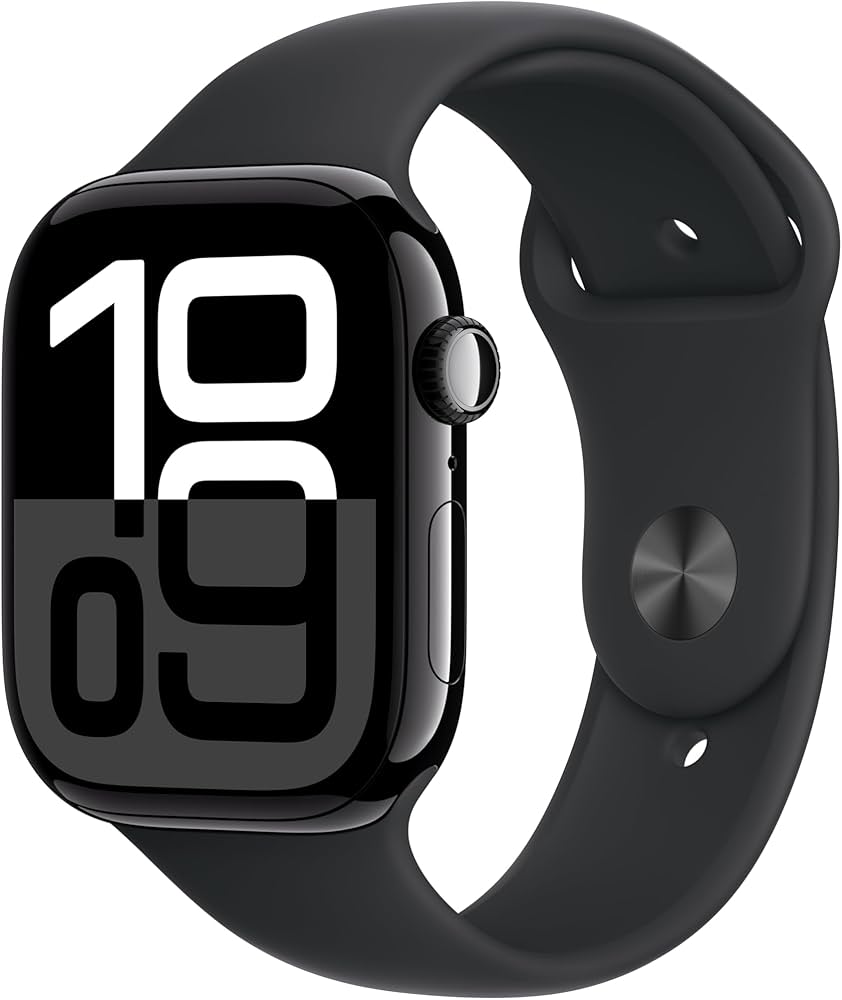
The most polished smartwatch experience for iPhone users, with a brilliant always-on display, comprehensive health sensors, and seamless integration with iOS. However, it only works with iPhones, and battery life still requires daily charging.
Main limitation: Battery life is limited to roughly a day, and it's completely incompatible with Android phones.
Skip if: Android users or anyone who wants a week-long battery life should look elsewhere.
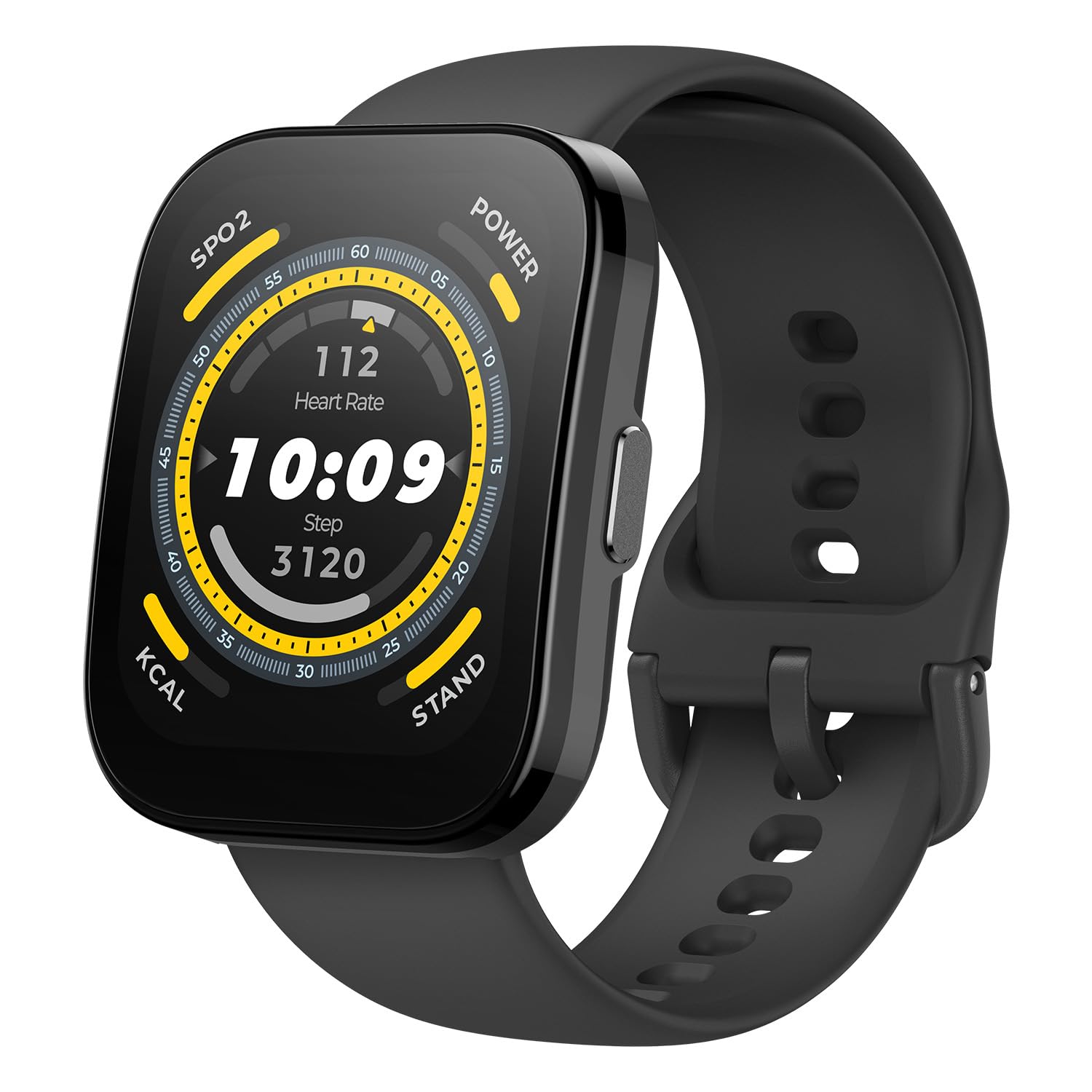
An incredibly affordable smartwatch that covers the basics well: heart rate, sleep tracking, built-in GPS, and a large display. It lacks advanced features like NFC payments and a polished app ecosystem.
Main limitation: The app experience is less refined, and it doesn't support contactless payments.
Skip if: If you need NFC payments or a vast app store, this isn't for you.

A fitness-first smartwatch with exceptional health tracking, including sleep coaching and recovery metrics, plus a bright AMOLED display. The smart features are limited compared to Apple or Samsung.
Main limitation: The app store is minimal, and voice assistant support is basic.
Skip if: Those who want a full smartwatch app ecosystem or frequent contactless payments.
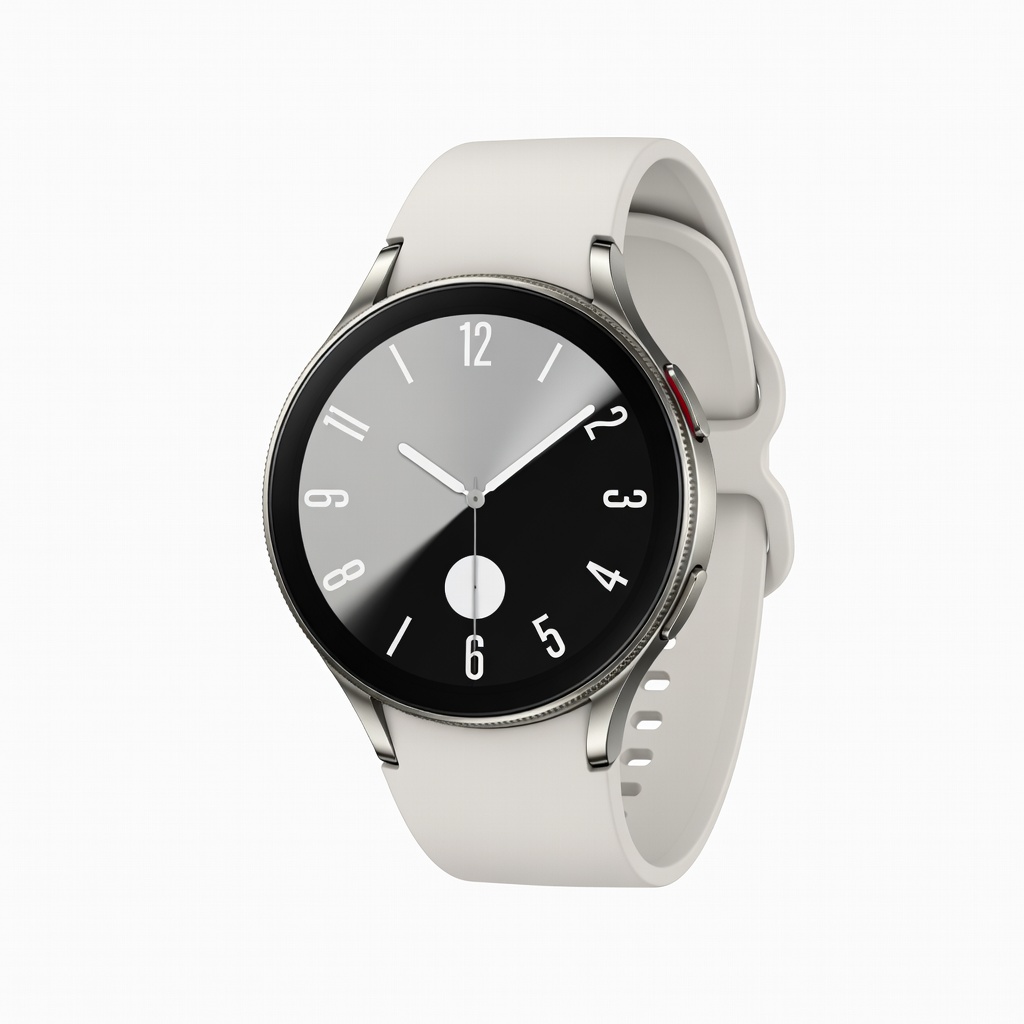
The best smartwatch for Android users, especially Samsung phone owners, with Wear OS, a sleek design, and advanced health sensors like body composition. Battery life is average.
Main limitation: Battery life is only about 1-2 days, and some features require a Samsung phone.
Skip if: iPhone users or those wanting multi-day battery life.
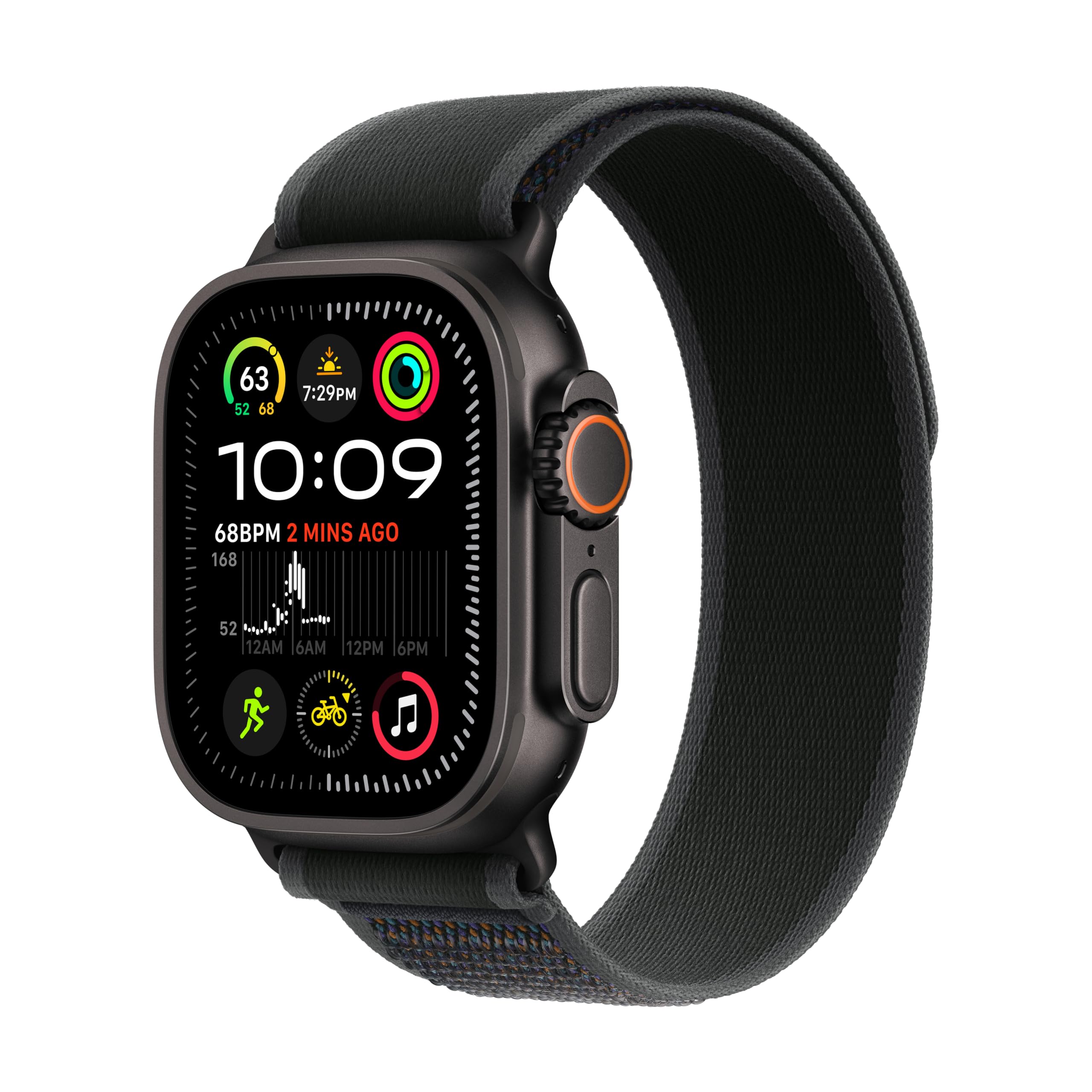
A rugged, premium smartwatch built for extreme sports and outdoor adventures, with a bright 3000-nit display, long battery life (up to 36 hours), and dual-frequency GPS. It's heavy and expensive.
Main limitation: It's bulky and overkill for everyday use, and the price is high.
Skip if: Casual users who don't need rugged features or extended battery life.
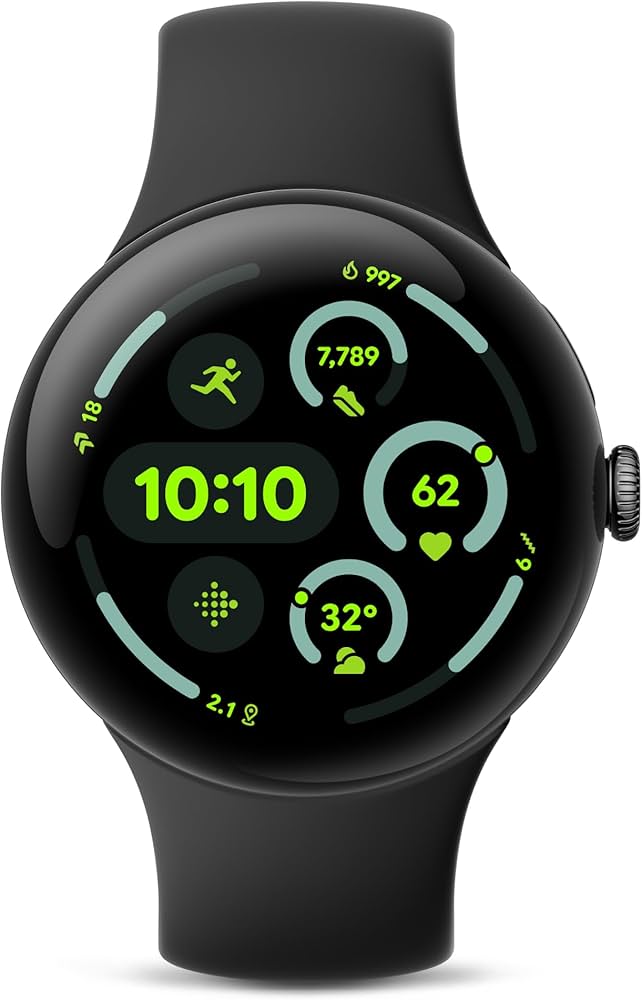
A sleek smartwatch that integrates deeply with Google services, offering Fitbit health tracking, a bright display, and a comfortable design. Battery life is mediocre.
Main limitation: Battery life is only about 24 hours, and it's Android-only.
Skip if: iPhone users or those wanting multi-day battery.
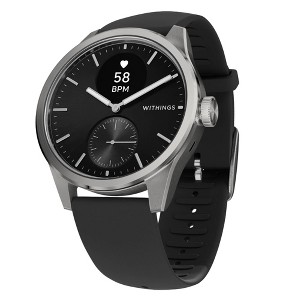
A hybrid smartwatch that looks like a traditional watch but hides advanced health sensors, including ECG, blood oxygen, and temperature. It has a small grayscale screen and limited smart features.
Main limitation: The digital display is small and monochrome, and it lacks third-party apps.
Skip if: Those who want a colorful touchscreen and extensive smart features.

A stylish smartwatch with exceptional battery life (up to 14 days), dual-band GPS, and a bright AMOLED display. The software is less polished than big-brand alternatives.
Main limitation: The app ecosystem is limited, and voice assistant support is basic.
Skip if: Users who want a rich app store or seamless integration with iOS/Android.
Compare key specs and features of all our recommendations side-by-side
| Product | Recommendation | Rating | Price |
|---|---|---|---|
Apple Watch Series 10 (GPS, 45mm) Rank #1 | 🏆 Top Pick | 9.3/10 | $399–$499 Check current price → |
Amazfit Bip 5 Rank #2 | 💰 Budget Pick | 8.0/10 | Around $80 Check current price → |
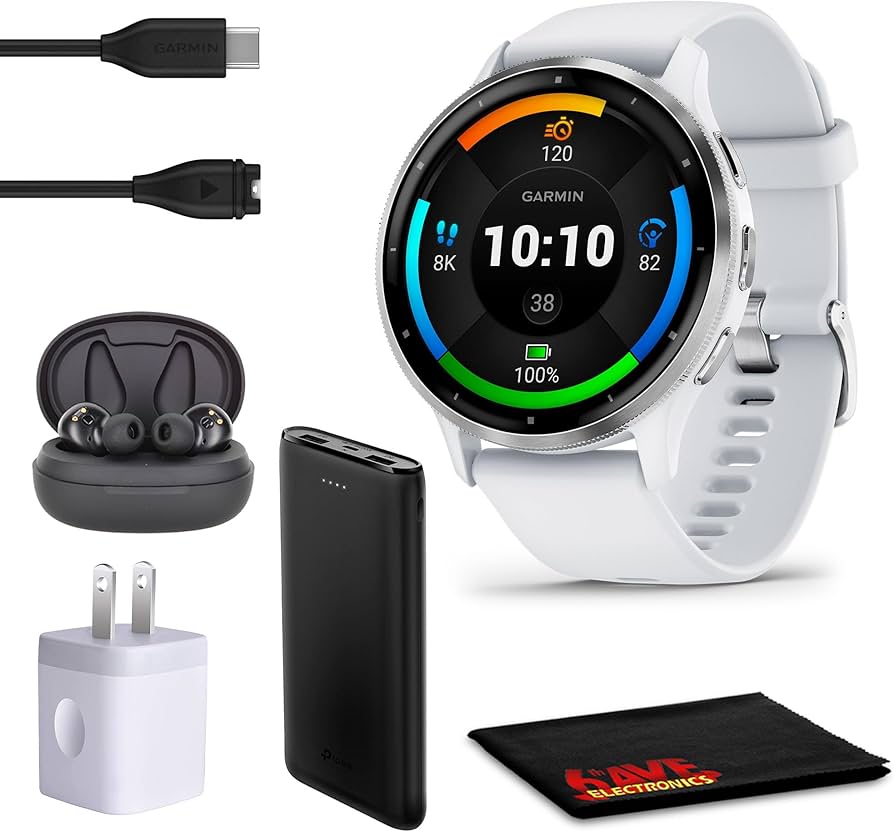 Garmin Venu 3 Rank #3 | ⭐ Editor's Choice | 4.5 4.5 | |
Samsung Galaxy Watch 7 (44mm Bluetooth) Rank #4 | — | 8.5/10 | $299–$339 Check current price → |
Apple Watch Ultra 2 49mm GPS + Cellular Rank #5 | — | 8.9/10 | |
Google Pixel Watch 3 (45mm Wi-Fi) Rank #6 | — | 8.4/10 | $349–$399 Check current price → |
Withings ScanWatch 2 42mm Rank #7 | — | 8.2/10 | |
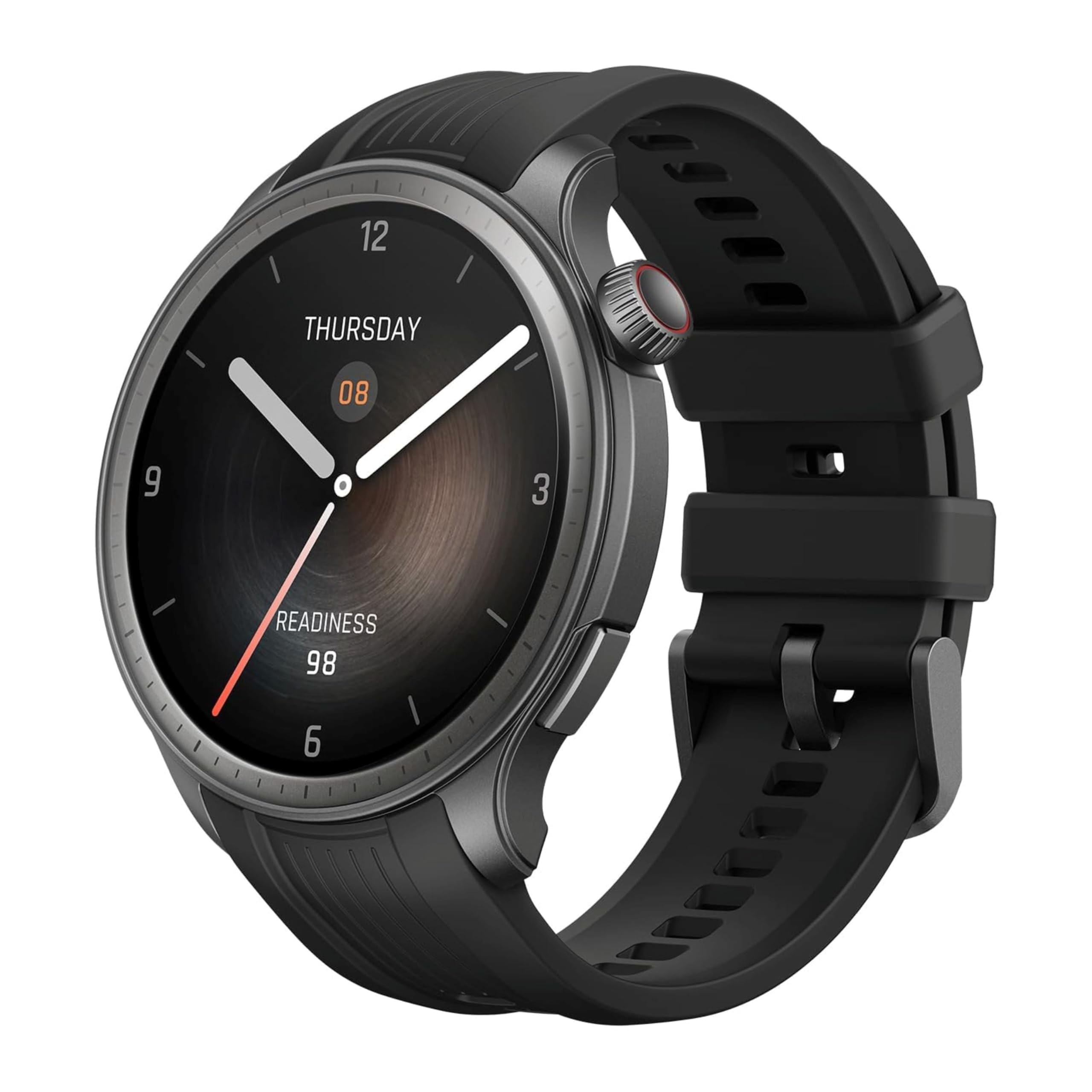 Amazfit GTR 4 Rank #8 | — | 4.4 4.4 |
Common questions buyers have about this category.
No, Apple Watches are only compatible with iPhones. If you have an Android phone, you'll need to choose a Wear OS watch (like Samsung Galaxy Watch or Google Pixel Watch) or a cross-platform brand like Garmin or Amazfit.
Most full-featured smartwatches last about 1–2 days on a charge, while fitness-focused and hybrid models can last 5–30 days. Battery life depends on usage, display brightness, and whether you use GPS or always-on display.
Garmin and Fitbit (now part of Google) are widely praised for sleep tracking accuracy, including detailed sleep stages and sleep scores. The Garmin Venu 3 and Google Pixel Watch 3 are excellent choices, but dedicated sleep trackers like the Oura Ring may be more comfortable for some.
No, the ECG feature itself is typically free to use once you set it up on a compatible watch. However, some advanced health insights or coaching plans (like Fitbit Premium) may require a subscription.
Cellular lets you make calls, send texts, and stream music without your phone, which is useful for runners or anyone who wants to leave their phone behind. But it adds $50–$150 to the upfront cost and usually requires a monthly carrier fee, so skip it unless you'll truly use it.
Smartwatches offer a full app ecosystem, notifications, and often contactless payments, while fitness trackers focus on health and exercise metrics with longer battery life. Hybrid watches blend traditional analog design with limited smart features.
Products we evaluated but did not recommend — and why.
