Get the App
Better experience on mobile
Find the perfect budget smartwatch with our curated list, from Wear OS multitaskers to rugged GPS trail companions.
The best smartwatch under $200 is the one that matches your priorities, not just the one with the longest spec sheet. While flagships push past $400, the sub-$200 segment has matured dramatically: you can get a full-color AMOLED screen, GPS, and health tracking for around $150 today. But that lowered price means trade-offs—whether in battery life, app support, or display quality. This guide breaks down the best options across six distinct use cases, from the do-it-all Galaxy Watch FE to a rugged GPS watch built for the outdoors.
We compared over 20 models, poring over manufacturer specs, user reviews, and expert opinion. Each pick earned a spot because it delivers above-average performance in its niche. We also factored in durability, software support, and real-world reliability—things that don't always appear on the spec sheet. You'll notice some familiar names (Samsung, Garmin, Fitbit) and some budget heroes (Amazfit) that offer surprising value.
Our selections range from $149 to $199, so everything here falls under the budget of $200. We've organized the list by use case so you can find the watch that fits your lifestyle—whether you're a serious runner, an outdoor adventurer, or just want a smartwatch that lasts a week on a charge. At the end, we've answered common questions and highlighted models we considered but didn't recommend.
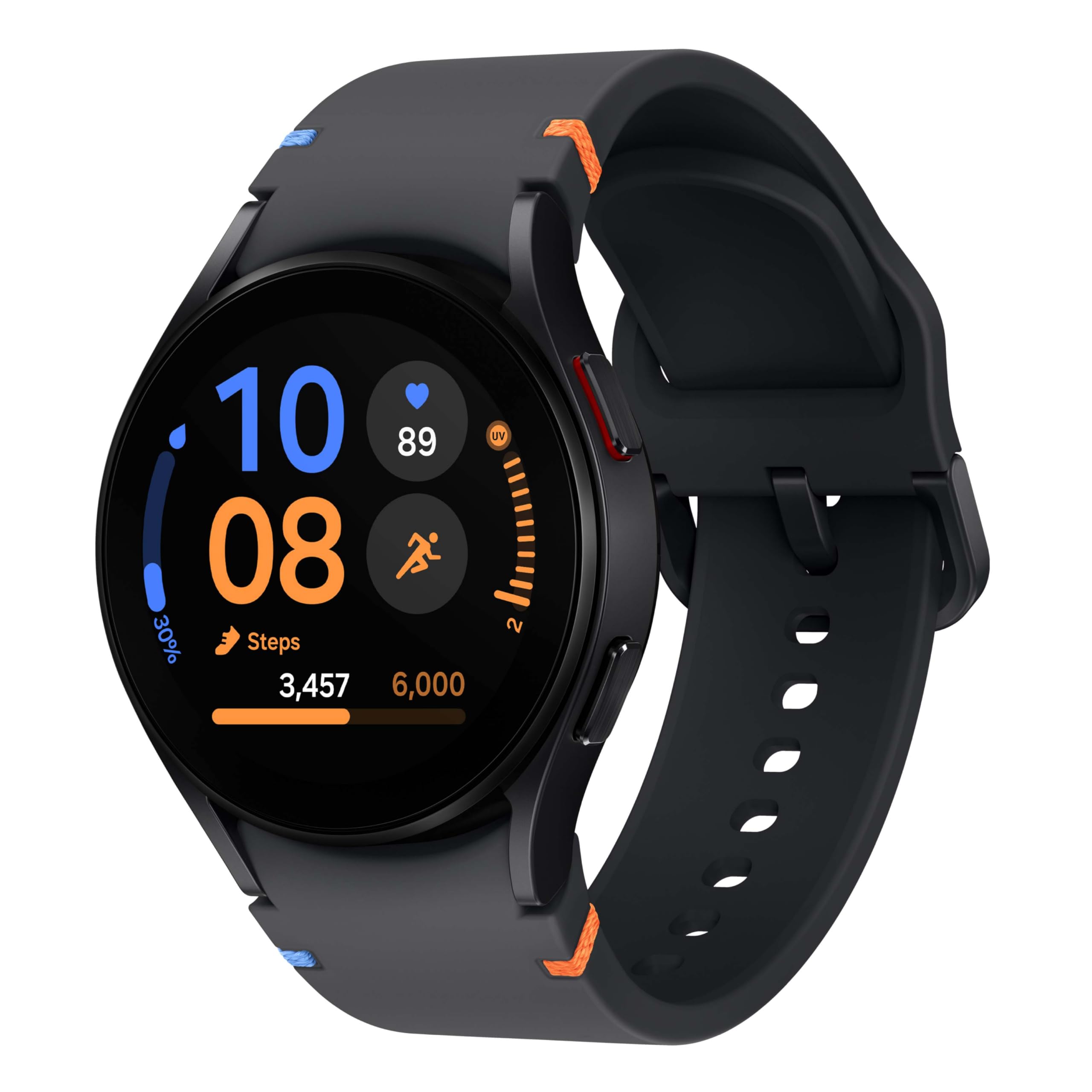
The Galaxy Watch FE offers the most complete smartwatch experience under $200, with Wear OS, a crisp AMOLED display, and Samsung Health’s excellent tracking. Its trade-off is battery life that lasts just around a day, so nightly charging is essential.
Main limitation: Battery life is modest—expect to charge it daily, especially with the screen always on.
Skip if: Anyone with an iPhone or those preferring two-plus days of battery life.
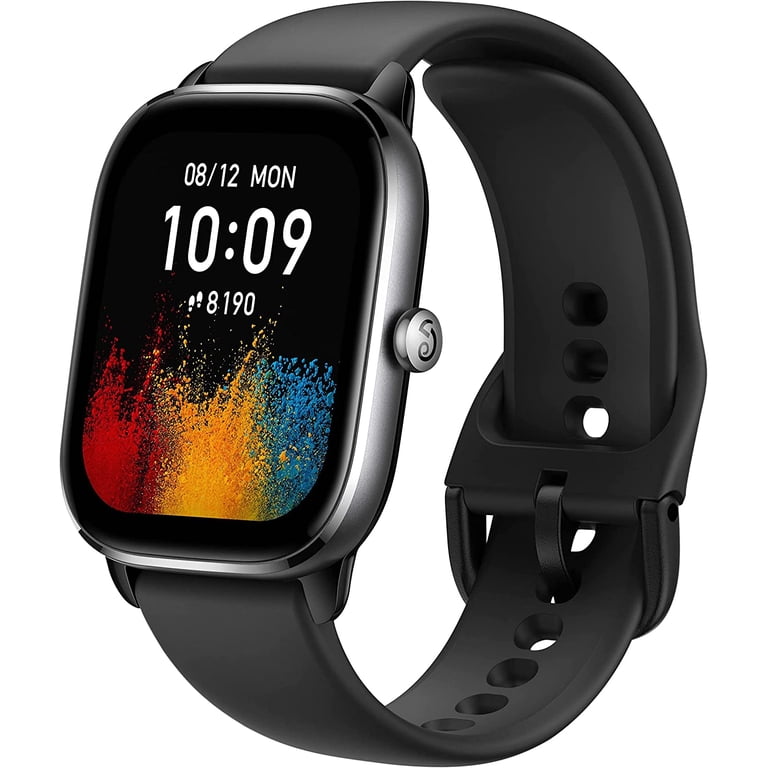
The Amazfit GTS 4 delivers a bright AMOLED screen, built-in GPS, and a battery that lasts up to eight days, all at a price well under $150. The compromise is a more limited app library and no contactless payments.
Main limitation: Limited third-party app support and no NFC payments in many regions.
Skip if: People who rely on Google Assistant or want a deep ecosystem of apps.
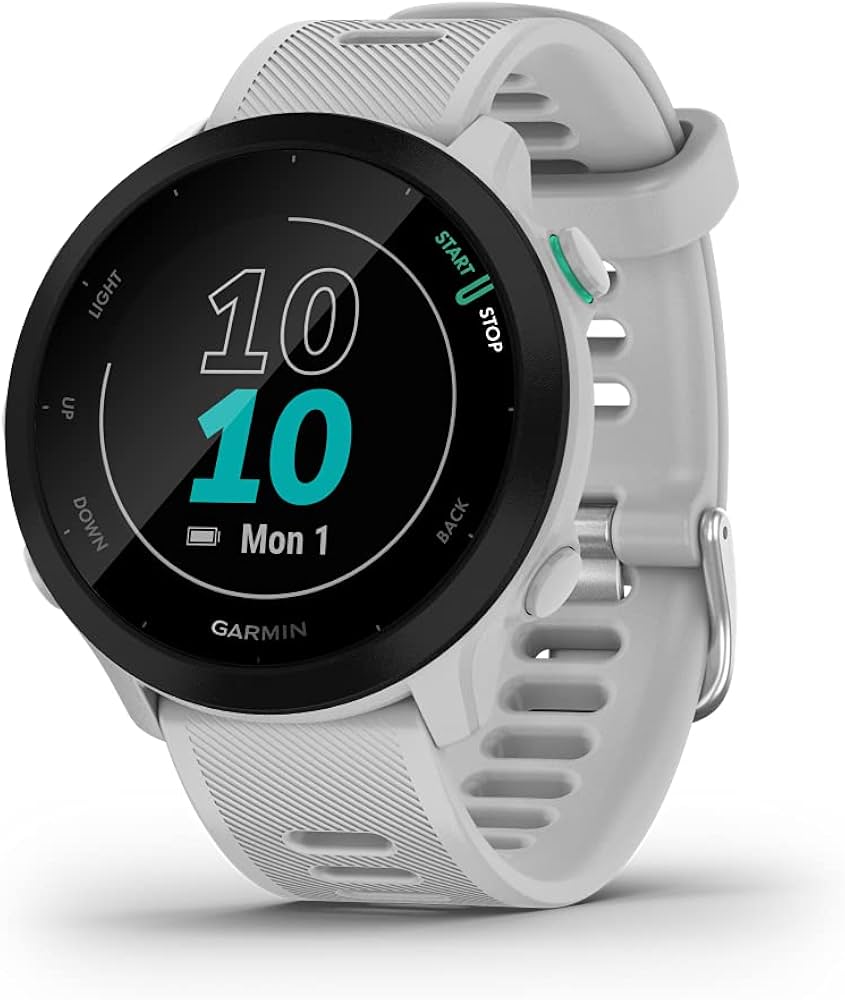
Garmin’s Forerunner 55 is a coaching and analytics powerhouse, tracking running dynamics, recovery, and race predictions at an entry-level price. Its trade-off is a low-res MIP display and limited smartwatch features like music streaming.
Main limitation: Display isn’t as vibrant and there’s no onboard music storage.
Skip if: Trail runners who want maps and advanced navigation (that’s the Forerunner 265 or Fenix series).
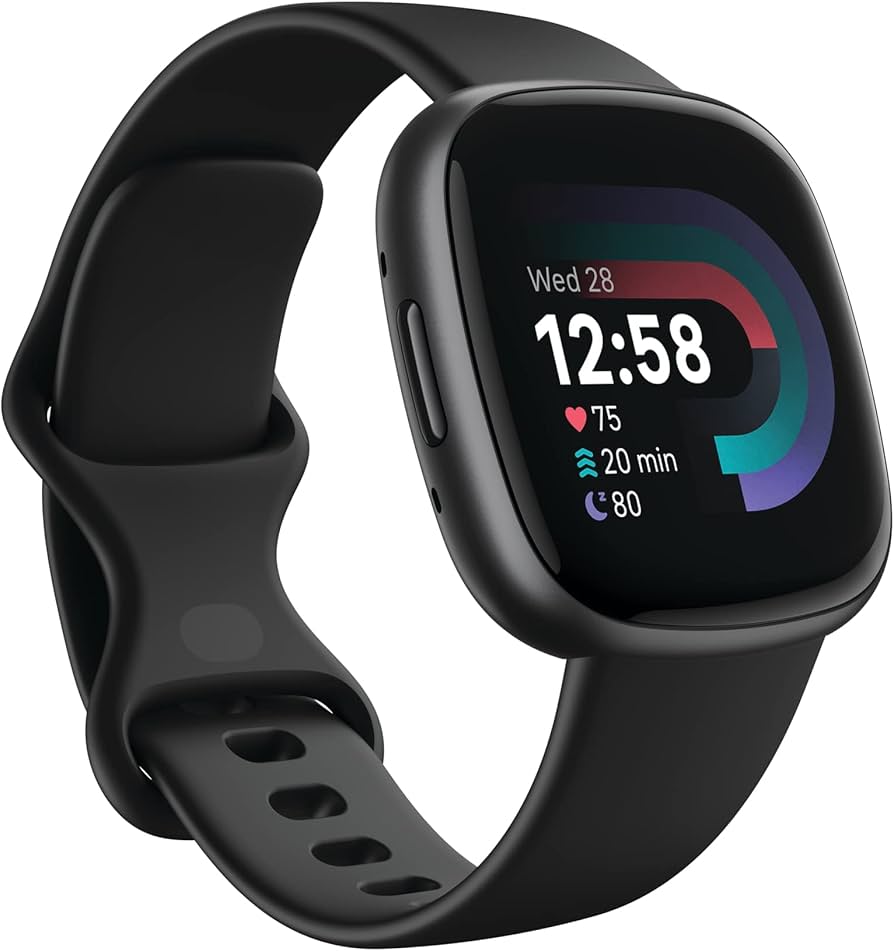
Fitbit’s sleep-tracking suite remains the gold standard, and the Versa 4 delivers it along with a comfortable design and a solid health platform. The trade-off is limited third-party apps and no built-in GPS for runs.
Main limitation: It lacks built-in GPS, so a phone is required for distance tracking, and the app selection is very limited.
Skip if: Runners needing GPS and offline playlists, or those who want native Android app support.
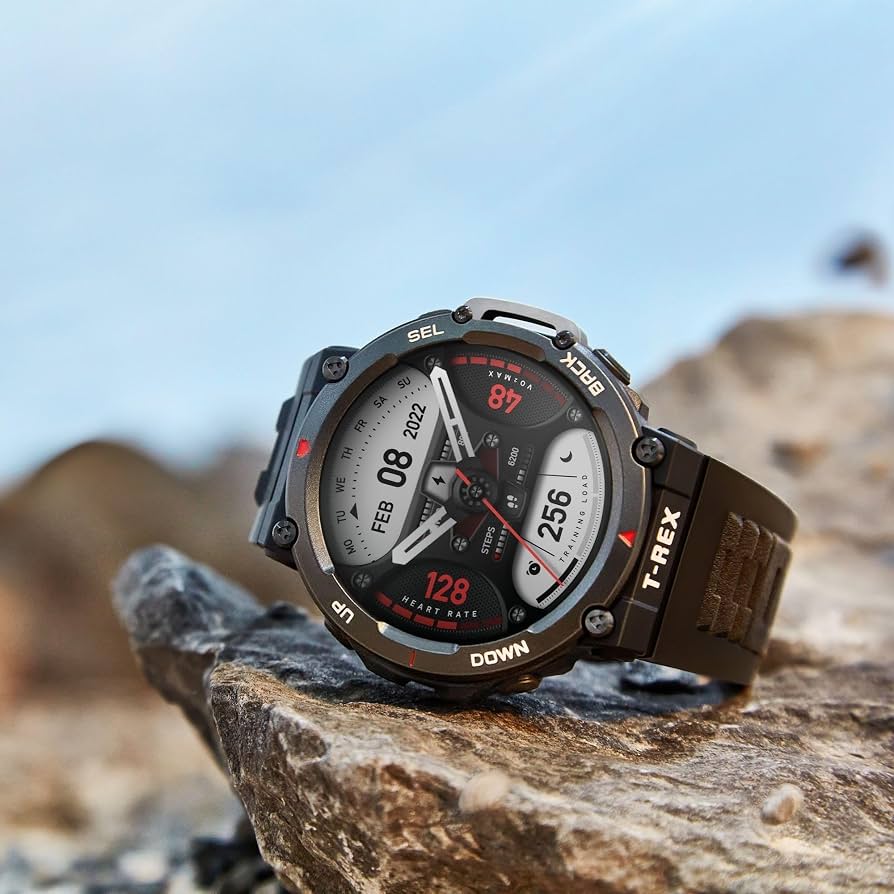
Built to withstand -40°F to 158°F and 15 military-grade tests, the T-Rex 2 comes with dual-band GPS, a 10-day battery, and a large AMOLED display. It’s a rugged outdoor companion, but it’s bulky and heavy on the wrist, and the software lacks the refinement of Garmin’s outdoor watches.
Main limitation: It’s hefty and the app interface isn’t as polished as Garmin’s.
Skip if: People who prefer a slim profile or need advanced mapping and topographic maps.

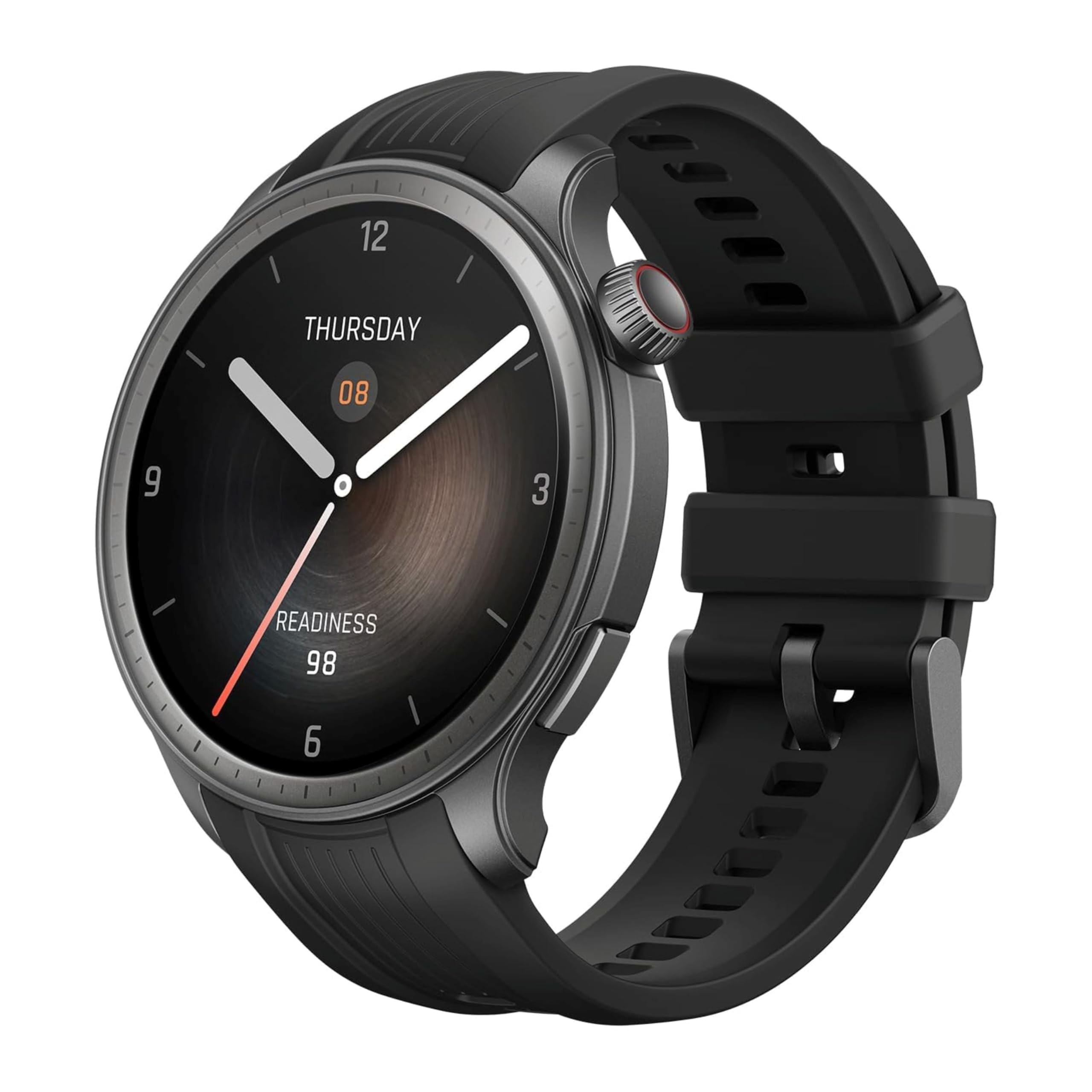
The GTR 4 can stretch to 12 days on a single charge, making it the watch you grab for trips or when you don’t want to pack a charger. It also adds a rotating crown and a bright AMOLED screen. The downside is the same as other Amazfit watches: limited third-party apps and no contactless payments.
Main limitation: No NFC payments and weak app ecosystem compared to Wear OS watches.
Skip if: Anyone who needs messaging responses beyond pre-set replies or serious app support.
Compare key specs and features of all our recommendations side-by-side
| Product | Recommendation | Rating | Price |
|---|---|---|---|
Samsung Galaxy Watch FE 40mm Rank #1 | 🏆 Top Pick | 9.0/10 | $199.99 Check current price → |
Amazfit GTS 4 Rank #2 | 💰 Budget Pick | 8.5/10 | $149.99 Check current price → |
Garmin Forerunner 55 Rank #3 | ⭐ Editor's Choice | 9.0/10 | $199.99 Check current price → |
Fitbit Versa 4 Rank #4 | — | 8.0/10 | $199.95 Check current price → |
Amazfit T-Rex 2 Rank #5 | — | 8.5/10 | $199.99 Check current price → |
 Amazfit GTR 4 Rank #6 | — | 4.4 4.4 | $179.99 Check current price → |
Common questions buyers have about this category.
Most are quite accurate for heart rate and steps, though wrist-based sensors can lag during high-intensity intervals. GPS distance is generally reliable on models with built-in GPS, but those without it use your phone's GPS. For serious athletes who want VO2 max and recovery insights, a Garmin watch under $200 offers surprisingly advanced metrics.
Yes, but with limitations. Samsung’s Galaxy Watch FE is Android-only, so it won't work with iOS. Amazfit and Garmin watches work with both iOS and Android, but iOS users lose features like quick replies and some notifications. Fitbit works with both, but the experience is better on Android where you can respond to texts.
Built-in GPS means the watch has a chip to track your route without your phone. Connected GPS uses your phone's GPS, so you have to carry your phone during workouts. Under $200, many Amazfit and Garmin watches have built-in GPS, while Fitbit Versa 4 does not.
It depends on the model and usage. Wear OS watches like Samsung's Galaxy Watch FE typically last about a day between charges. Garmin's Forerunner 55 lasts up to two weeks in smartwatch mode, and Amazfit watches often exceed a week. If battery life is your top priority, skip Wear OS and choose an Amazfit or Garmin.
Most models allow you to control music on your phone, but only a few support offline storage. For example, the Galaxy Watch FE can store music and connect to Bluetooth earphones, while the Amazfit GTS 4 can store music but lacks streaming apps like Spotify. Garmin Forerunner 55 has no music storage at all, so decide whether you need that.
Only a few. Samsung's Galaxy Watch FE includes Google Wallet, so you can use NFC payments on Android. Fitbit Versa 4 supports Fitbit Pay only in select models. Amazfit watches generally don't support NFC payments in the U.S. market.
Products we evaluated but did not recommend — and why.
