Get the App
Better experience on mobile
We've evaluated the best budget phones for performance, camera quality, battery life, and long-term software support.
The sub-$300 smartphone market in 2026 is a goldmine for smart shoppers. Gone are the days when budget phones felt like cheap plastic toys. Today, you can find phones with 120Hz displays, 50MP cameras, and batteries that last two days—all for the price of a pair of running shoes. But with so many options, it's easy to get overwhelmed. The key is to identify what matters most to you, whether that's a great camera, long battery life, or reliable software updates.
Our selection process isn't about picking the most popular phone; it's about finding the best phone for different types of users. We've considered performance, display technology, camera versatility, battery endurance, and how long the manufacturer will support the device with updates. We've also weighed real-world feedback from thousands of buyers to understand which phones hold up over time.
In this guide, we've shortlisted seven phones that stand out for various reasons. The Samsung Galaxy A26 5G is our top overall pick, offering a balanced package that most people will love. The Moto G Power is the budget champ for battery life, while the Google Pixel 8a takes the crown for camera quality. We also cover options with fast charging, expandable storage, large screens, and long-term software support.
So whether you're a student, a senior, or just someone who doesn't want to spend a fortune, there's a phone here for you. Let's dive in.
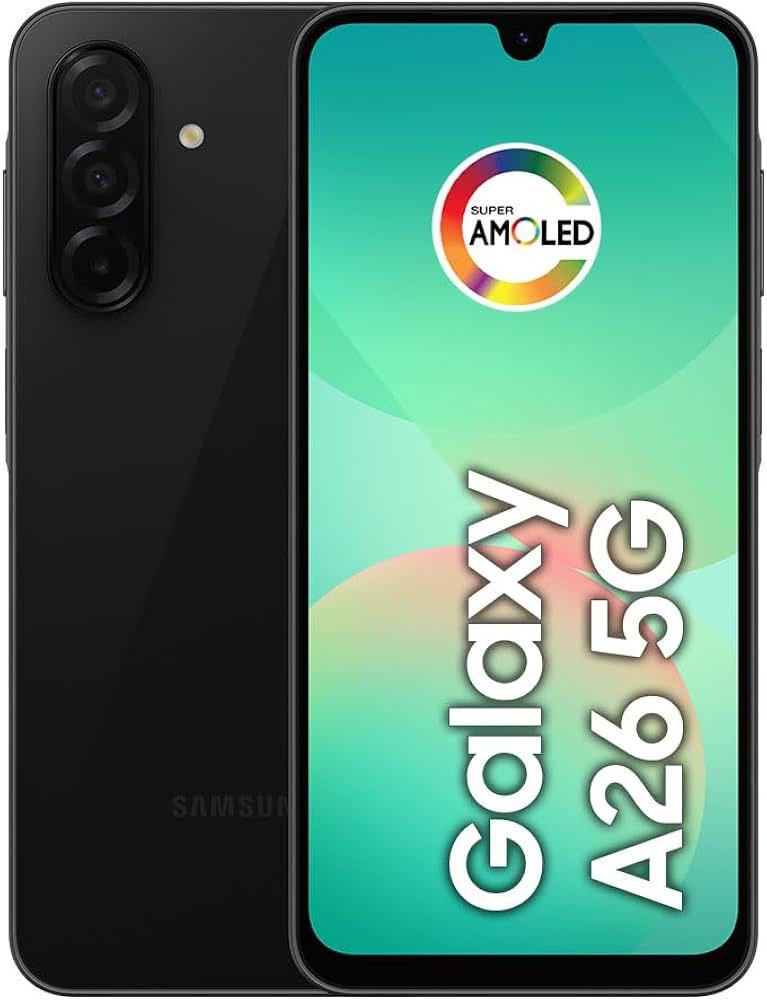
The Galaxy A26 5G offers a fantastic AMOLED display, reliable battery life, and Samsung's commitment to software updates, making it the most well-rounded phone under $300. Its Exynos processor handles daily tasks smoothly, though it's not a gaming powerhouse. The trade-off is its plastic build and average low-light camera.
Main limitation: The main weakness is the less powerful processor compared to similarly priced competitors, which affects heavy multitasking.
Skip if: If you're a mobile gamer, you'll want a phone with a faster chipset.
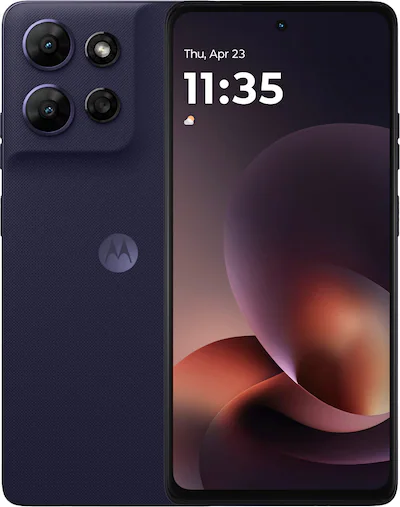
The Moto G Power 2026 is an incredible value, offering a massive battery, stock Android experience, and a surprisingly capable camera for under $200. It's perfect for users who want two-day battery life and a clean software experience without spending a lot. The trade-off is a duller display and slower charging compared to more expensive phones.
Main limitation: The display is only 720p and the charging speed tops out at 15W, which feels slow in 2026.
Skip if: If you watch a lot of HD videos, this screen might disappoint.
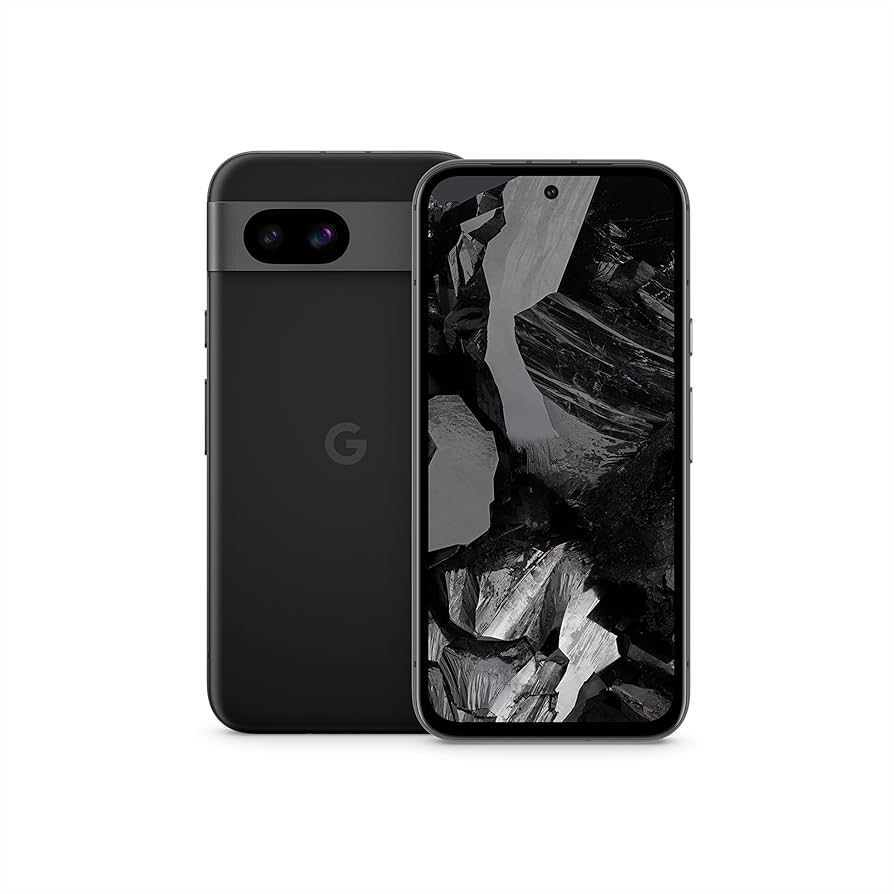
The Pixel 8a's camera remains the gold standard at this price, with computational photography that rivals phones twice its price. It also receives Google's guaranteed software updates for years, making it a smart long-term investment. However, the battery life is only average, and the large bezels feel dated.
Main limitation: The 90Hz display is bright but not as smooth as the 120Hz panels found on some competitors.
Skip if: If you need all-day battery life, the Galaxy A26 is safer.
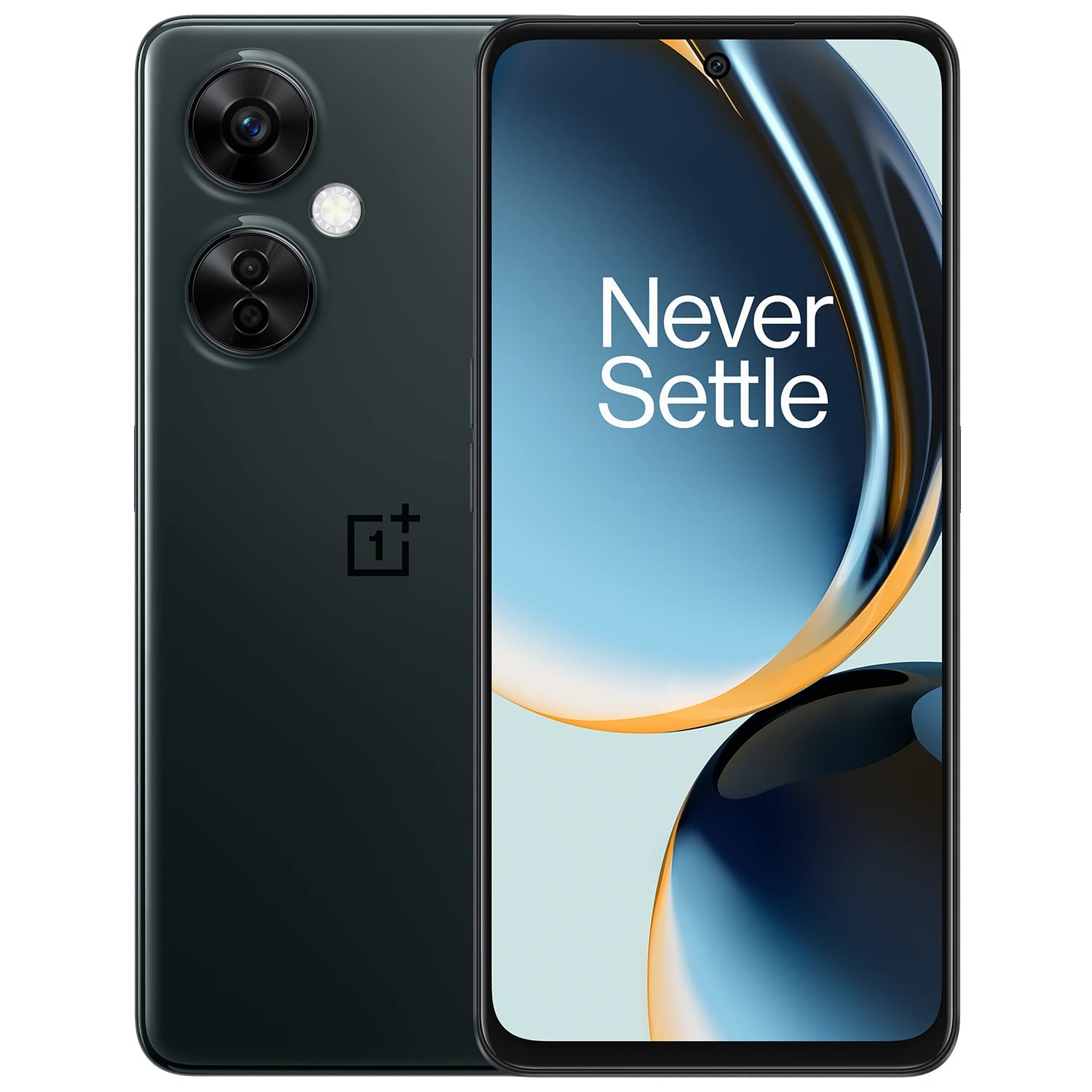
The Nord N30 5G is one of the few budget phones to include 50W fast charging, which takes you from 0 to 100% in about an hour. It also packs a 108MP camera and a smooth 120Hz display, making it a great all-rounder for the price. The downside is its older Snapdragon 695 chipset, which can feel sluggish under heavy load.
Main limitation: Only one major OS update is promised, which is poor for a mid-ranger.
Skip if: Those who want long-term software support should look elsewhere.
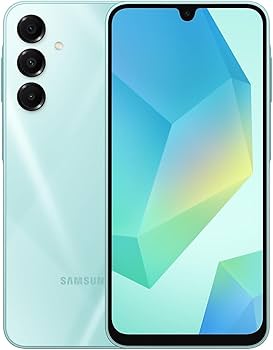
The Galaxy A16 5G offers a dedicated microSD slot with support for up to 1TB cards, making it perfect for storing movies, music, and photos. It also includes a headphone jack, a rarity in 2026. The trade-off is a basic 90Hz LCD and a less powerful processor.
Main limitation: The MediaTek Dimensity 6300 chip isn't great for gaming, and the camera is mediocre in low light.
Skip if: If you need a phone for gaming, choose the Nord N30.
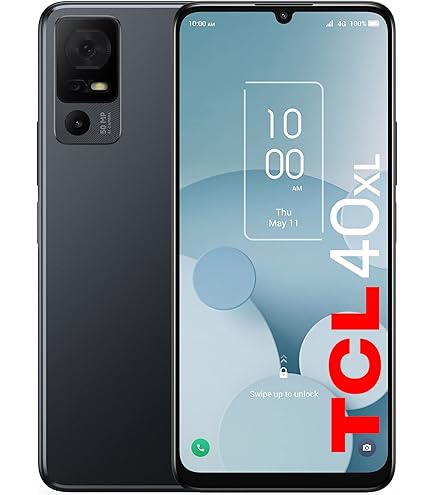
If you crave screen real estate, the TCL 40 XL's 6.8-inch display offers a cinematic experience for under $200. It also comes with NXTVISION software for enhanced color and contrast. The catch is a mediocre processor and only one OS update, so it's best for basic tasks.
Main limitation: The MediaTek Dimensity 6100+ is slow, and the phone's build quality feels cheaper than rivals.
Skip if: Power users who need smooth performance should skip this one.
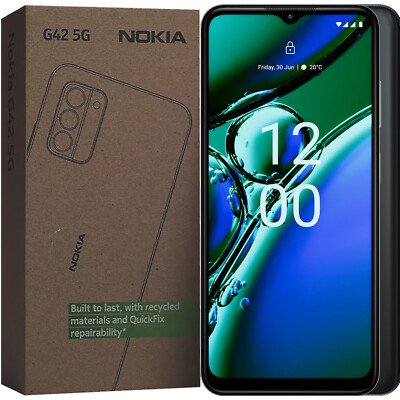
Nokia has promised 2 years of OS updates and 3 years of security patches for the G42, which is solid at this price. It also features a repairable design and a clean Android experience. The trade-off is a modest camera and a notch that feels outdated.
Main limitation: The Snapdragon 480+ chip is better suited for basic apps than heavy multitasking.
Skip if: If you need a good camera for social media, look at the Pixel.
Compare key specs and features of all our recommendations side-by-side
| Product | Recommendation | Rating | Price |
|---|---|---|---|
Samsung Galaxy A26 5G (2026) Rank #1 | 🏆 Top Pick | 9.0/10 | $279–$299 Check current price → |
Moto G Power 2026 Rank #2 | 💰 Budget Pick | 8.5/10 | $179–$199 Check current price → |
Google Pixel 8a Rank #3 | ⭐ Editor's Choice | 9.2/10 | $279–$299 Check current price → |
OnePlus Nord N30 5G Rank #4 | — | 8.0/10 | $229–$249 Check current price → |
Samsung Galaxy A16 5G Rank #5 | — | 7.5/10 | $199–$219 Check current price → |
TCL 40 XL 5G Rank #6 | — | 7.0/10 | $169–$189 Check current price → |
Nokia G42 5G Rank #7 | — | 7.5/10 | $199–$219 Check current price → |
Common questions buyers have about this category.
Absolutely. The budget phone market has matured significantly, and even sub-$200 phones now offer decent performance, good battery life, and modern features like 5G and fingerprint sensors. The key is to set realistic expectations and prioritize features that matter to you.
Samsung and Google are the leaders. Samsung's Galaxy A-series typically gets four years of OS updates, while the Google Pixel 8a offers seven years. Nokia also provides a clean, reliable Android experience with two years of OS updates and three years of security patches.
Not always. Used flagships can offer better cameras and processors, but they often have degraded battery life and may no longer receive software updates. A new budget phone gives you a fresh battery, warranty, and the latest software features, which can be more important for long-term satisfaction.
A 120Hz display makes scrolling and gaming feel smoother, but it's not a necessity. If you're a gamer, it's worth looking for, but for casual users, a good AMOLED panel at 60Hz or 90Hz can still look fantastic. In 2026, many budget phones offer 90Hz AMOLED screens, which are already a big upgrade.
Yes, most budget phones in 2026 support at least sub-6GHz 5G. That said, support for mmWave 5G is rare at this price, but you're unlikely to need it unless you're in very specific urban environments.
Yes, many budget phones, especially from Samsung and TCL, offer microSD card support. This is a great feature if you store lots of photos or videos, as cloud storage can get expensive over time.
The Moto G Power is excellent because of its clean interface, easy-to-navigate Android, and outstanding battery life. The Samsung Galaxy A26 is also a good choice if you prefer Samsung's One UI, which has a simple mode for easier use.
Products we evaluated but did not recommend — and why.
