Get the App
Better experience on mobile
A $300 budget doesn't mean you have to settle for a sluggish phone — these seven models deliver surprising value in 2026.
The sub-$300 smartphone market has quietly become the most exciting segment in mobile. Features that were once exclusive to $1,000 flagships — like 120Hz AMOLED displays, 50MP cameras, and multi-day battery life — have trickled down to phones that cost less than a week's groceries. For budget-conscious shoppers, this means you no longer have to settle for a sluggish, low-resolution device.
But with dozens of options vying for your attention, choosing the right phone requires looking beyond the spec sheet. A phone with a powerful processor might have a terrible update policy; a phone with a great camera might have a battery that dies by lunchtime. The key is matching the phone to your actual needs, whether that's all-day battery, a sharp display for streaming, or a camera that captures life's moments.
We've sifted through the current market to find seven phones that deliver genuine value under $300. Our picks are based on published expert reviews, manufacturer specifications, and aggregated buyer feedback from major retailers. We prioritized long-term software support, real-world battery life, display quality, and overall performance. Prices range from about $150 to $300, so there's something for every budget.
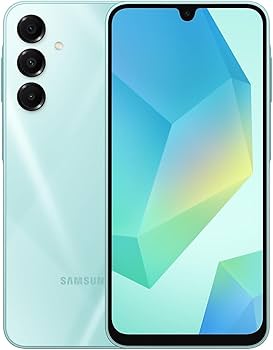
The Galaxy A16 5G strikes the best balance of price, performance, and long-term software support. It offers a smooth 90Hz AMOLED display, a dependable 50MP camera, and Samsung's commitment to six years of security updates. The main trade-off is its modest processor, which can stutter with heavy gaming.
Main limitation: The Exynos 1330 chipset isn't built for demanding 3D games, and the phone only supports 25W charging, which is slow by 2026 standards.
Skip if: Skip this if you need top-tier gaming performance or the fastest charging available.
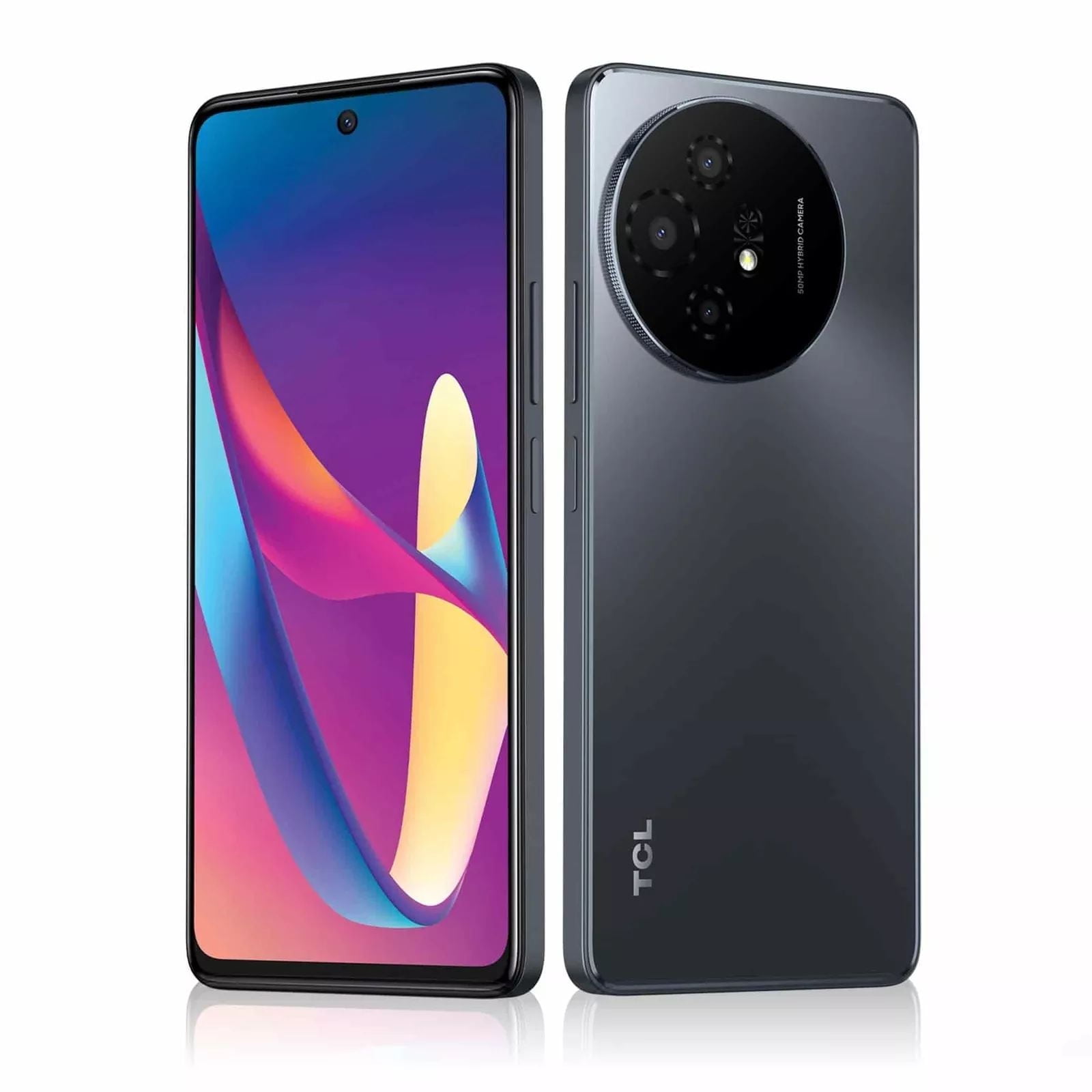
For under $200, the TCL 50 XL 5G delivers a massive 6.8-inch display, a clean Android experience, and surprisingly good battery life. It cuts corners on camera quality and build materials, but for the price, it's an exceptional value for streaming and browsing.
Main limitation: The camera struggles in low light, and the plastic body feels less premium than pricier alternatives.
Skip if: Skip this if camera quality is your top priority or you prefer a more compact phone.
The Pixel 6a remains the undisputed camera king under $300. Its 12.2MP main sensor and Google's computational photography produce images that rival phones costing twice as much. The trade-offs are a 60Hz display and slower charging, but for shutterbugs on a budget, it's unmatched.
Main limitation: The 60Hz refresh rate feels dated, and the 18W charging is slow compared to competitors.
Skip if: Skip this if you need a high-refresh-rate display for gaming or if you prefer a larger screen.
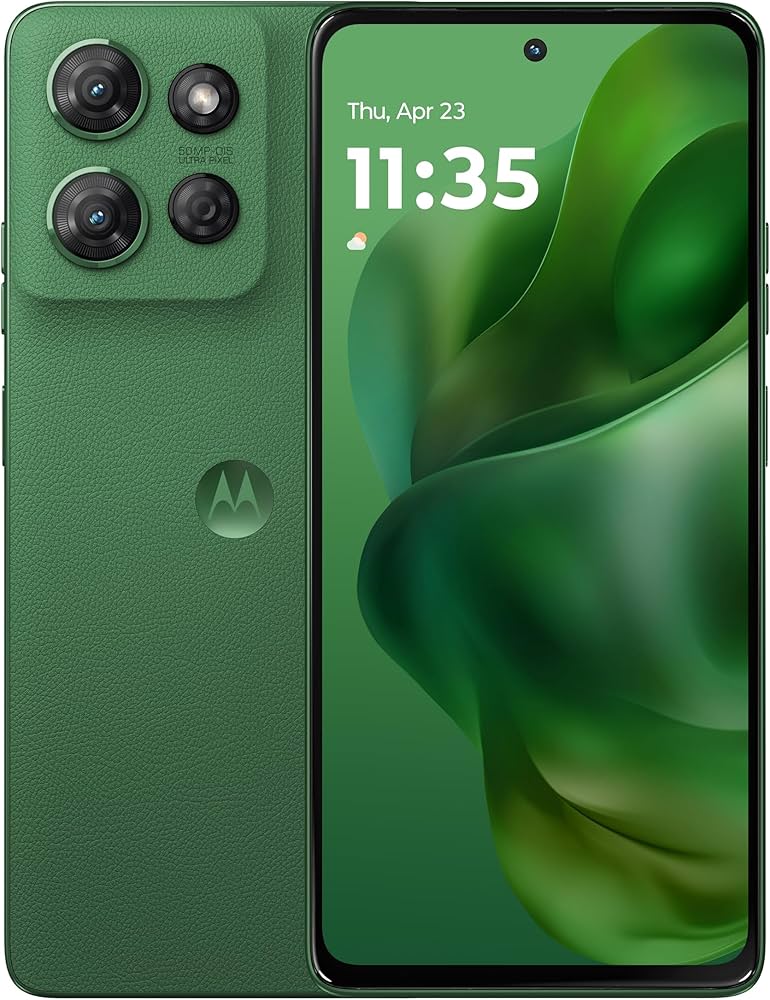
The Moto G Power 5G lives up to its name with a massive 6,000mAh battery that easily lasts two days on a single charge. It also offers a smooth 120Hz display and clean software. The catch: performance is modest, and the camera is merely average.
Main limitation: The MediaTek Dimensity 7020 chipset handles everyday tasks fine but can lag with heavy multitasking.
Skip if: Skip this if you need a phone for intensive gaming or professional-grade photography.
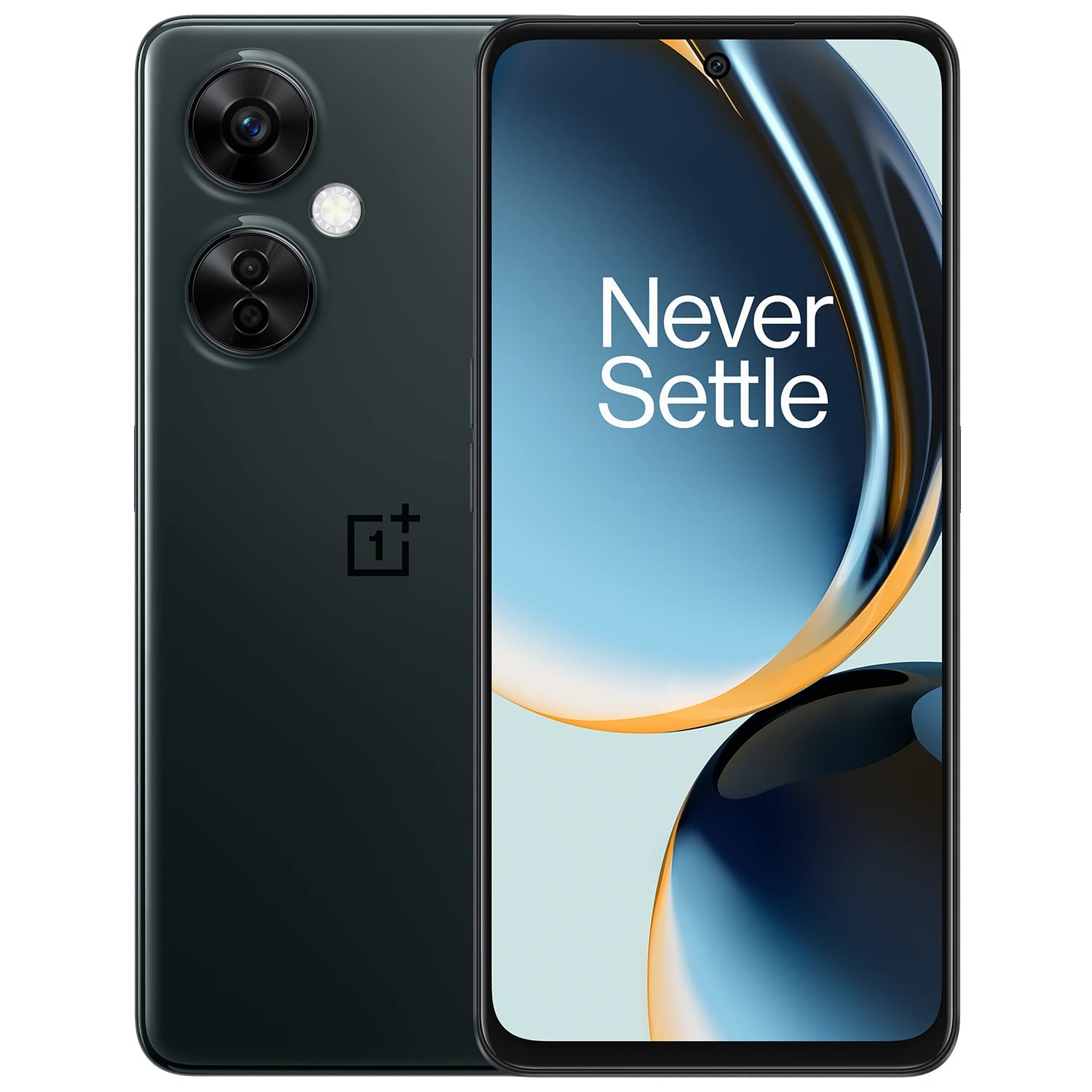
The Nord N30 5G punches above its price with a Snapdragon 695 chipset, 8GB of RAM, and 50W fast charging that refills the battery in under an hour. It's the smoothest sub-$300 phone for gaming and multitasking. The downside: limited software update commitment and a so-so camera.
Main limitation: OnePlus only promises one major OS update and three years of security patches, which is shorter than Samsung's policy.
Skip if: Skip this if you prioritize long-term software support or the best possible camera.
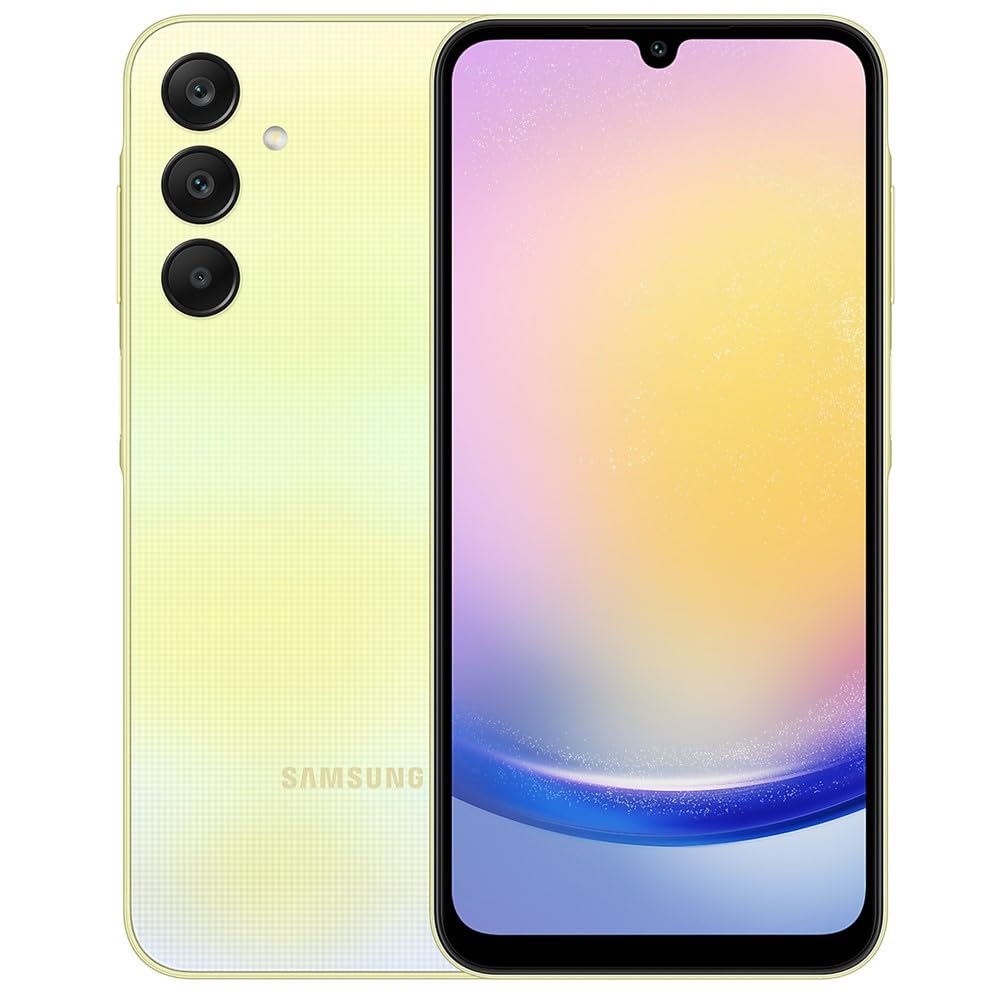
The Galaxy A25 5G features a vibrant 6.5-inch Super AMOLED display with a 120Hz refresh rate, making it a joy for scrolling and streaming. It also offers solid battery life and Samsung's long update policy. The main compromise is a plastic build and average low-light camera performance.
Main limitation: The Exynos 1280 chipset can struggle with demanding games, and the phone charges at only 25W.
Skip if: Skip this if you need flagship-level gaming performance or a premium glass-and-metal design.
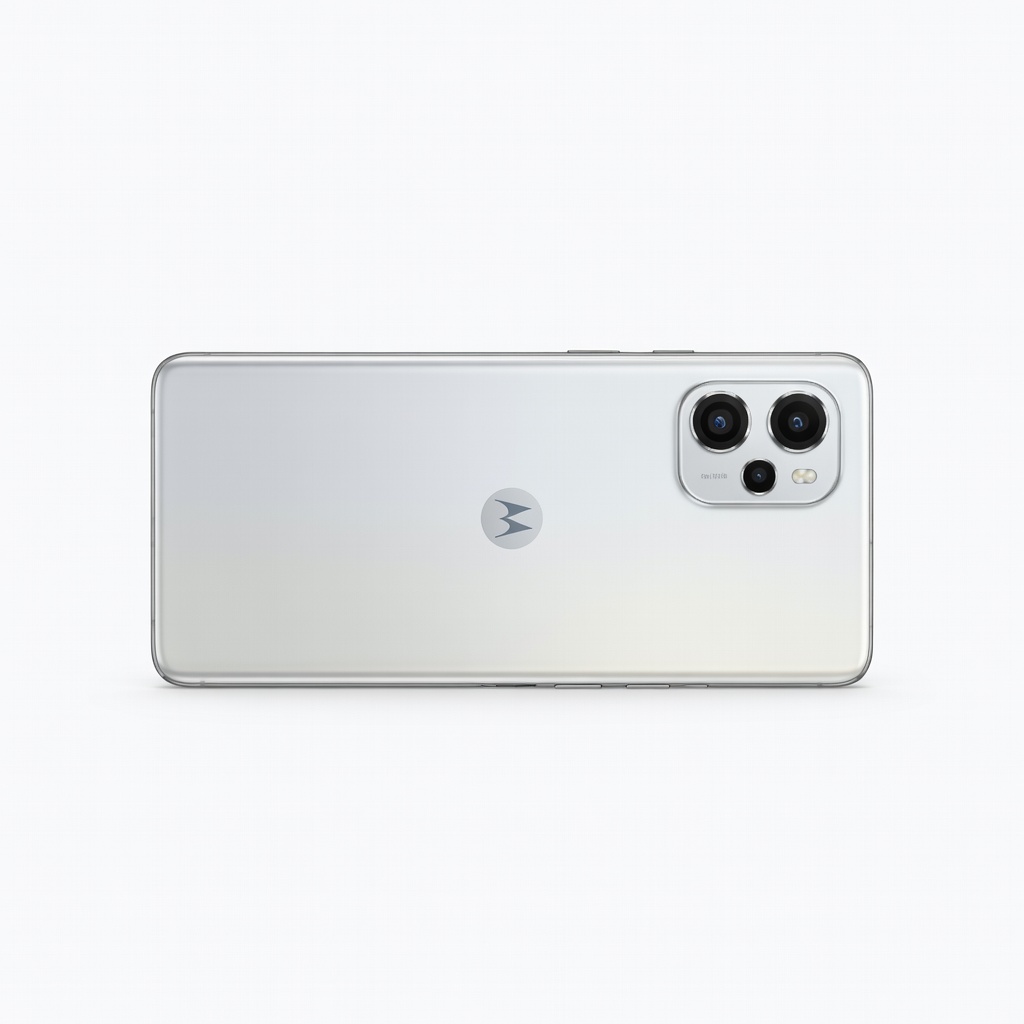
The Moto G Stylus 5G is the only sub-$300 phone with a built-in stylus, making it ideal for note-taking, sketching, and precise navigation. It also boasts a large 6.7-inch 120Hz display and a 5,000mAh battery. The trade-offs include a bulky design and average camera performance.
Main limitation: The stylus lacks pressure sensitivity and advanced features found on Samsung's S Pen, and the phone can feel heavy.
Skip if: Skip this if you don't need a stylus or prefer a more compact, lightweight phone.
Compare key specs and features of all our recommendations side-by-side
| Product | Recommendation | Rating | Price |
|---|---|---|---|
Samsung Galaxy A16 5G Rank #1 | 🏆 Top Pick | 8.8/10 | $199–$249 Check current price → |
TCL 50 XL 5G Rank #2 | 💰 Budget Pick | 8.0/10 | $149–$179 Check current price → |
Google Pixel 6a Rank #3 | ⭐ Editor's Choice | 8.7/10 | $249–$299 Check current price → |
Motorola Moto G Power 5G (2025) Rank #4 | — | 8.4/10 | $199–$249 Check current price → |
OnePlus Nord N30 5G Rank #5 | — | 8.3/10 | $249–$299 Check current price → |
Samsung Galaxy A25 5G Rank #6 | — | 8.2/10 | $249–$299 Check current price → |
Motorola Moto G Stylus 5G (2024) Rank #7 | — | 8.0/10 | $249–$299 Check current price → |
Common questions buyers have about this category.
5G is becoming standard, but for many users 4G LTE is still sufficient. However, 5G future-proofs your phone and often comes with better processors. If you plan to keep the phone for three years or more, 5G is worth having.
Very important. Budget phones often have less powerful hardware, so software updates can improve performance and security. Samsung and Google lead with four to six years of updates, while others offer only one or two years.
Yes, but with caveats. The Google Pixel 6a and Samsung Galaxy A25 5G take excellent photos in good light. Low-light performance is where they struggle compared to flagships, but for social media sharing, they are more than adequate.
The OnePlus Nord N30 5G offers the best gaming performance with its Snapdragon 695 and 8GB of RAM. It can handle most games at medium settings, but don't expect flagship-level graphics or frame rates.
It depends. Older flagships may have better cameras and build quality, but they often have shorter software support and degraded batteries. New budget phones come with fresh warranties and longer update commitments, making them a safer bet for long-term use.
128GB is the sweet spot for most users. If you take lots of photos or videos, look for 256GB or a microSD card slot. Many budget phones still offer expandable storage, which is a valuable feature for media hoarders.
Products we evaluated but did not recommend — and why.
