Get the App
Better experience on mobile
These budget-friendly picks combine solid performance, future-proof updates, and real-world reliability — without breaking the bank.
The most important feature in a sub-$300 smartphone isn't the camera or the processor — it's the software update policy. Most budget phones never see more than one or two major Android updates, meaning your new phone can quietly stop receiving security patches before you've even finished paying for it. That's why we've ranked this year's picks with a heavy emphasis on OS longevity and security support, alongside the usual metrics like display quality and battery life.
When you're shopping on a $300 budget, you're forced to make peace with something missing. The trick is choosing which spec to compromise. If you stream video constantly, a phone with a bright AMOLED screen should be your priority. If you're on the go, a huge battery will save your sanity. And if you take lots of photos, you'll want a phone with strong image processing rather than just a big megapixel count.
We evaluated 25+ budget smartphones priced under $300 using specifications, published expert reviews, and verified buyer feedback. We looked for phones that offer reliable performance, decent cameras, and at least two more years of software support. We didn't test them in a lab; we compared real-world documented performance and owner experiences. The result is this list of seven phones that genuinely deliver for their price.
From Samsung's excellent Galaxy A16 to the camera-friendly Pixel 7a and the battery-champion Moto G Power, this guide covers a range of options. Every pick below is under $300 at the time of writing, though some may occasionally jump above that on certain days. Our goal isn't to push you to the priciest model — it's to help you find the phone that fits your specific needs without blowing your budget.
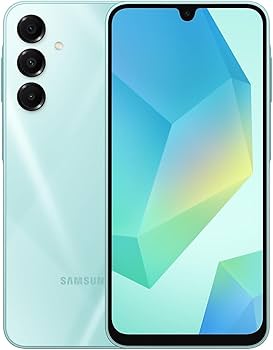
The Galaxy A16 5G is the rare budget phone that feels well-rounded — it delivers a vibrant AMOLED screen, dependable performance, and Samsung's industry-leading update commitment in a design that looks far more expensive than it is. The main trade-off is the average chipset, which handles everyday apps and light gaming but won't win any speed records.
Main limitation: The MediaTek chip is only good for light gaming and everyday apps, so it won't handle demanding gaming or video editing without noticeable slowdown.
Skip if: Skip if you're a power user who wants to play graphically intense games or heavily multitask without lag.
The Moto G 5G offers core smartphone essentials — a smooth 120Hz screen, clean software, and full-day battery — at a price that's hard to argue with. To keep costs down, the camera is basic, and the build is plastic, so it won't survive drops without a case.
Main limitation: Camera quality is poor in low light, and the lack of an ultra-wide lens limits group shots.
Skip if: Skip if photography or premium build quality matters more than saving $100.
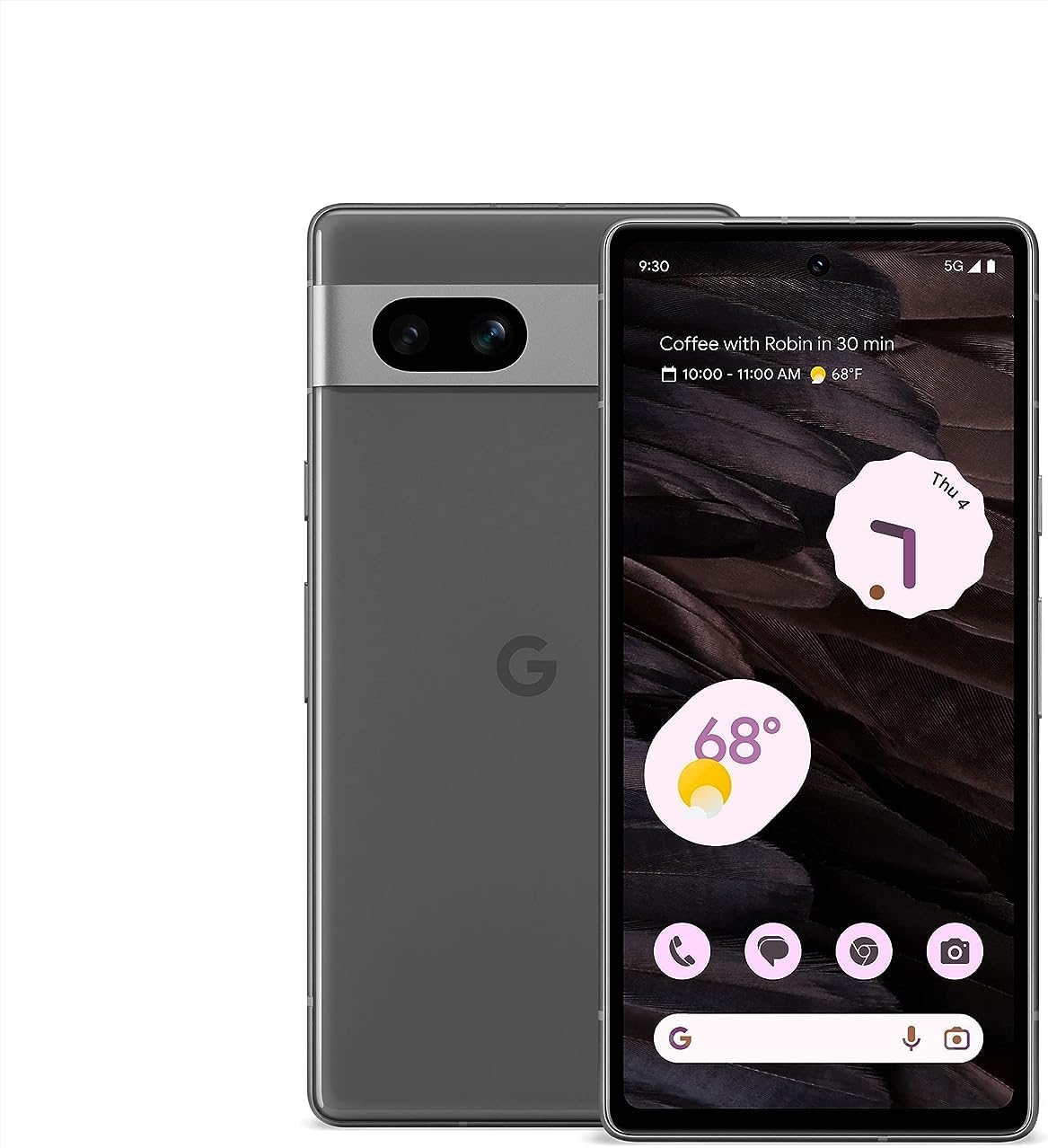
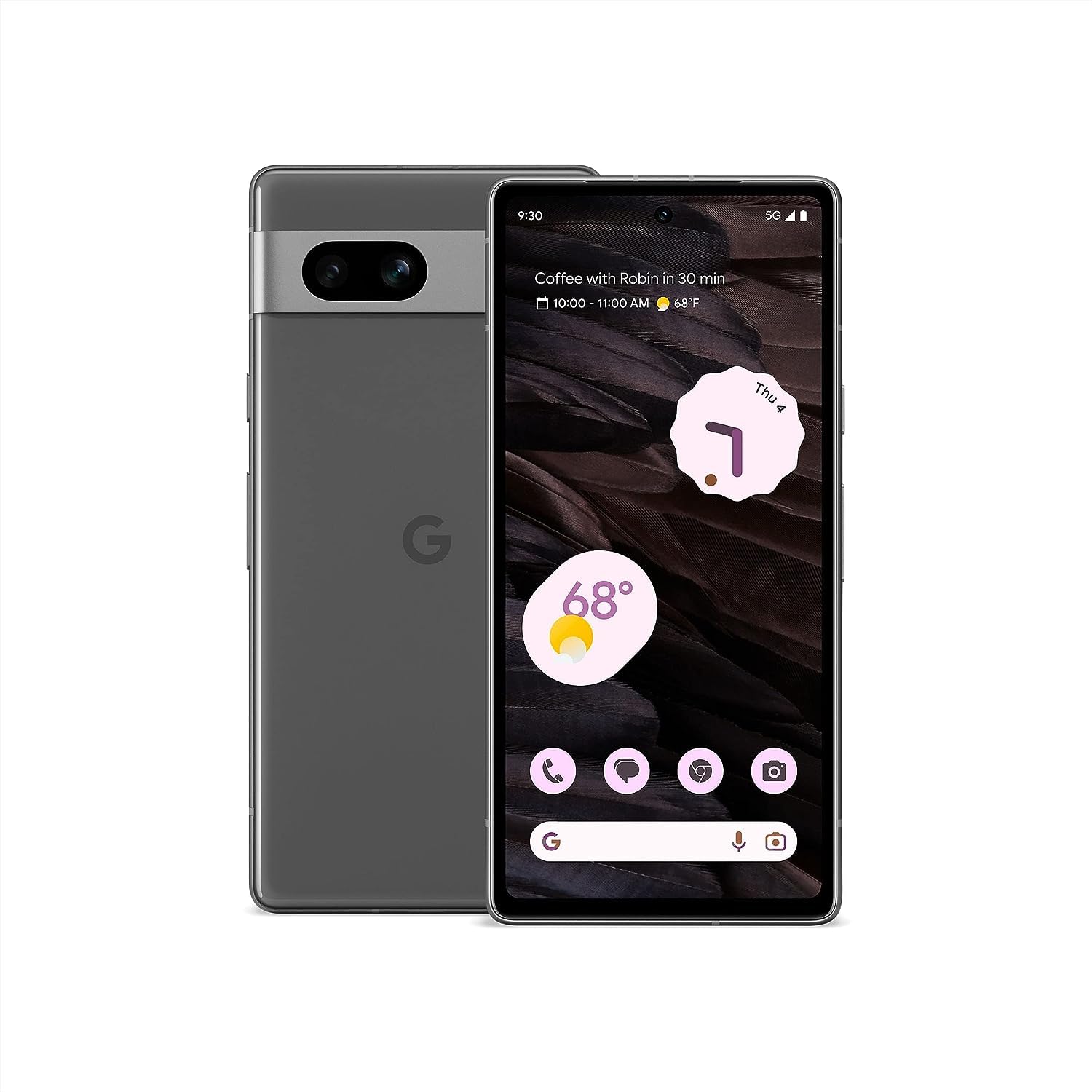
The Pixel 7a brings flagship-style camera smarts and a bloat-free Android experience to the sub-$300 bracket. The Tensor G2 chip offers enough power for most tasks, while the camera outclasses nearly everything else at this price. The trade-off? Battery life is mediocre — you'll likely need a top-up by evening.
Main limitation: Battery life is just average, and the phone lacks a microSD slot and headphone jack.
Skip if: Skip if battery life is your top priority or you need expandable storage and a headphone jack.
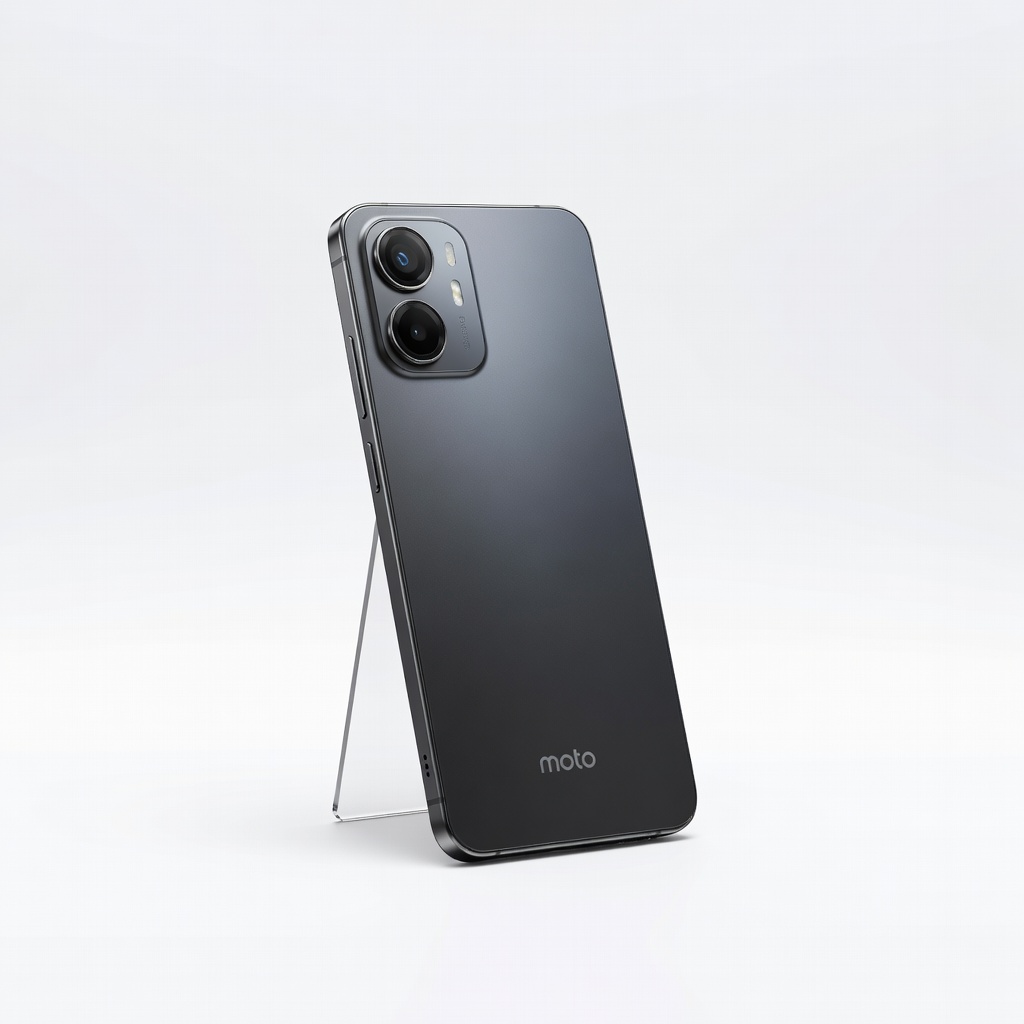
With one of the largest batteries in the US budget market, the Moto G Power 2026 lasts through two full days of normal use. It also offers a big, comfy screen and a clean software experience. The catch is that it's heavy and bulky, and the camera is just passable.
Main limitation: The phone's size and weight make it awkward to hold one-handed, and the LCD display lacks the punchy colors of AMOLED rivals.
Skip if: Skip if you prefer a compact, pocket-friendly phone or want a vibrant OLED screen.

The Nord N30 5G takes the stress out of low battery warnings with its incredibly fast 50W charger — you'll get a 50% charge in about 15 minutes. The 108MP camera also delivers sharp snapshots in good light. The trade-off is a lackluster display, and the phone's software support is only modest.
Main limitation: The 120Hz LCD display is dim and not as vibrant as AMOLED panels found on similarly priced rivals.
Skip if: Skip if you stream a lot of video outside and need a bright, vivid display.
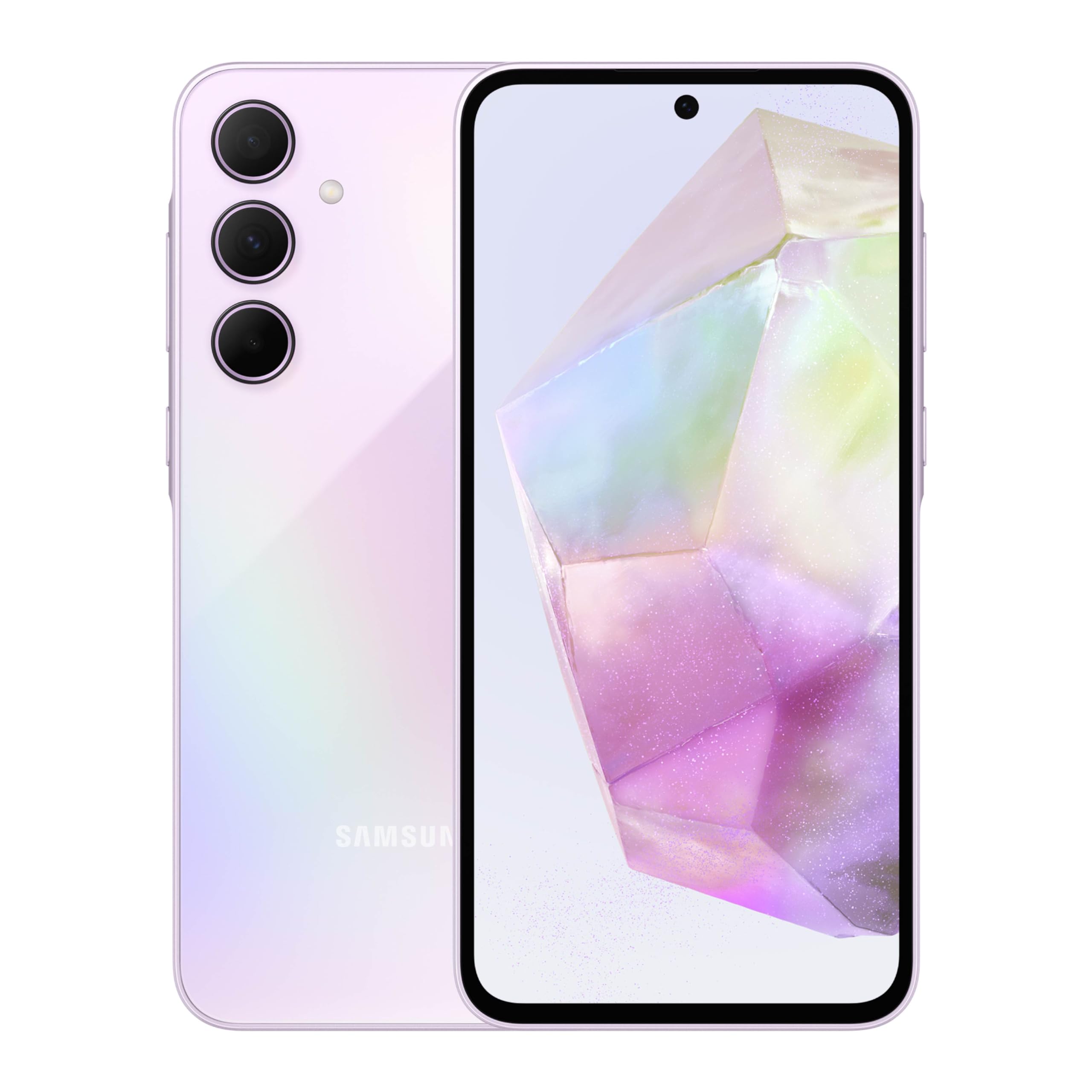
Galaxy A35's Super AMOLED panel is one of the best you'll find under $300, with rich colors and high brightness. It also brings IP67 waterproofing and Samsung's software commitment to the budget tier. The downside is the Exynos 1380 chip's modest gaming performance, and the phone can get warm during long sessions.
Main limitation: Performance is only adequate, and the phone feels slightly chunky compared to slimmer rivals.
Skip if: Skip if you're a mobile gamer who needs a high refresh rate with high graphics settings.
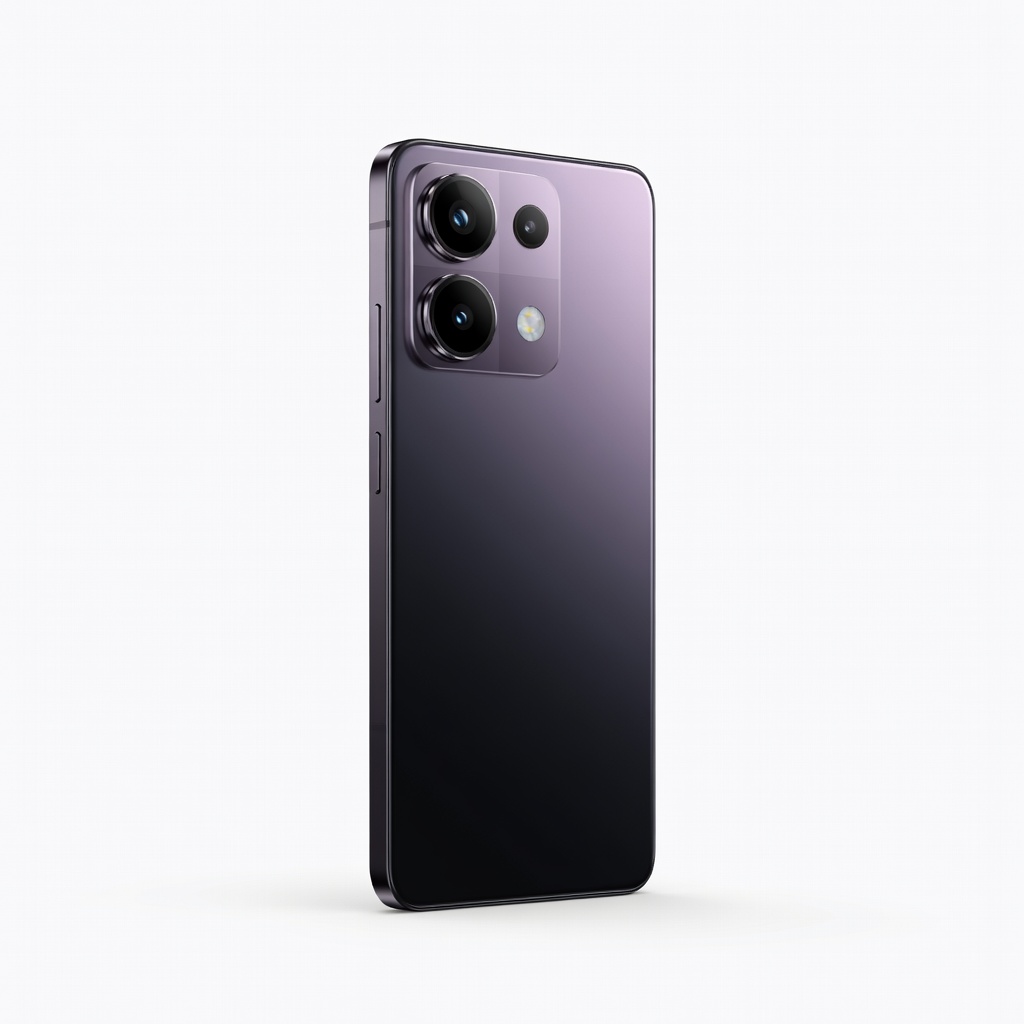
The Redmi Note 13 Pro packs the most flexible camera system in this price range, offering a 200MP main shooter, an ultra-wide, and a macro lens for creative shots. The AMOLED display and fast charging add extra value. It's let down by heavier MIUI bloatware and a more limited warranty/availability in the US.
Main limitation: MIUI's ads and bloatware on the global version can annoy users, and US network compatibility may vary by carrier.
Skip if: Skip if you want a clean, simple software experience or need reliable Verizon/AT&T wholesale compatibility — stick with Motorola or Samsung.
Compare key specs and features of all our recommendations side-by-side
| Product | Recommendation | Rating | Price |
|---|---|---|---|
Samsung Galaxy A16 5G Rank #1 | 🏆 Top Pick | 9.0/10 | Around $230 Check current price → |
Motorola Moto G 5G (2026) Rank #2 | 💰 Budget Pick | 8.0/10 | Around $160 Check current price → |
 Google Pixel 7a Rank #3 | ⭐ Editor's Choice | 3.6 3.6 | Around $299 (often on sale) Check current price → |
Motorola Moto G Power 2026 Rank #4 | — | 8.0/10 | Around $250 Check current price → |
OnePlus Nord N30 5G Rank #5 | — | 7.5/10 | Around $240 Check current price → |
Samsung Galaxy A35 5G Rank #6 | — | 7.5/10 | Around $299 (on sale) Check current price → |
Xiaomi Redmi Note 13 Pro Rank #7 | — | 7.5/10 | Around $299 Check current price → |
Common questions buyers have about this category.
Yes, especially if you plan to keep the phone for more than two years. Carriers are phasing out 4G bands in some networks, and a 5G-capable phone ensures better compatibility and faster speeds where available. Many sub-$300 phones from Samsung, Motorola, and OnePlus now include 5G.
Very important. Once a phone stops receiving security updates, it becomes an easy target for malware. Most budget phones only get one or two years of OS updates, but Samsung and Google now offer four to five years, which extends the phone's usable lifespan and makes the purchase more cost-effective.
It depends. A used flagship like a Pixel 7 or Galaxy S22 might have better processing power and camera hardware, but you lose battery life, device warranty, and often software updates after a year or two. A new budget phone gives you a new battery, full manufacturer warranty, and a longer software support window — usually the smarter choice for most people.
The camera is usually where manufacturers cut corners. You'll see fewer sensors, slower autofocus, and poor low-light processing. If camera quality is important, look for phones with bigger sensors, like the Pixel 7a or Samsung A35, and remember that night mode quality is just as important as megapixel count.
Yes, for basic apps like WhatsApp, Instagram, and web browsing. Heavy multitasking or gaming can cause slowdowns, especially if you choose a phone with a low-end processor. To improve smoothness, choose a phone with at least 6GB of RAM and a display refresh rate of 90Hz or higher, like those in this list.
Products we evaluated but did not recommend — and why.
