Get the App
Better experience on mobile
We found the best budget phones that deliver solid performance, long battery life, and reliable software support without breaking the bank.
The hardest part about buying a phone under $300 isn't finding a decent one—it's deciding which kind of decent you want. At this price point, every device makes a trade-off: some sacrifice camera quality for battery life, others swap long-term software updates for a smoother display. The good news is that in 2026, the budget market has matured to the point where even $200 phones feel smooth for everyday use. The catch? You need to know exactly which compromises matter to you.
The biggest mistake budget buyers make is chasing the highest specs sheet. A phone with a 108MP camera and a 120Hz screen might look great in the store, but if it only gets one year of Android upgrades, it won't stay secure or fast for long. On the flip side, a phone with a conservative chipset but three years of promised updates will often outlive its more flashy sibling. That's why our picks focus on total value: real-world performance, battery endurance, camera reliability, and how long the phone will last.
We've scoured expert reviews, spec sheets, and user feedback across hundreds of budget phones to filter down the seven that stand out for specific needs. Whether you're a photographer on a budget, a gamer who needs big battery, or simply someone who wants a reliable 5G phone for calls and social media, you'll find a pick that fits. Below our top seven, we've also listed a few phones you should avoid and a detailed buying guide.
No phone in this list is perfect—if they were, they'd cost more. But each one earns its place by doing at least one thing exceptionally well while keeping the rest acceptable for the price. Read on to find the one that's right for you.
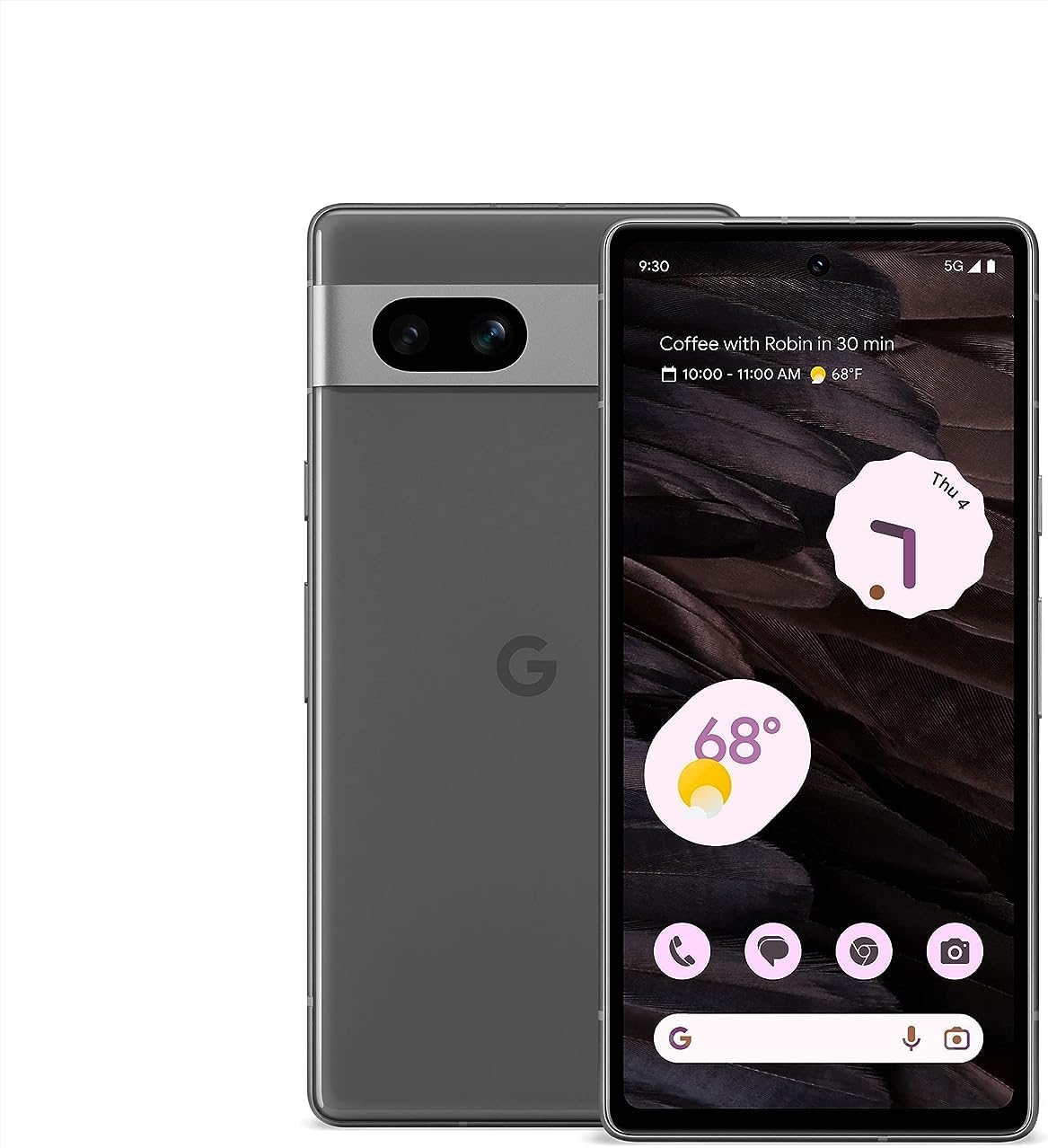
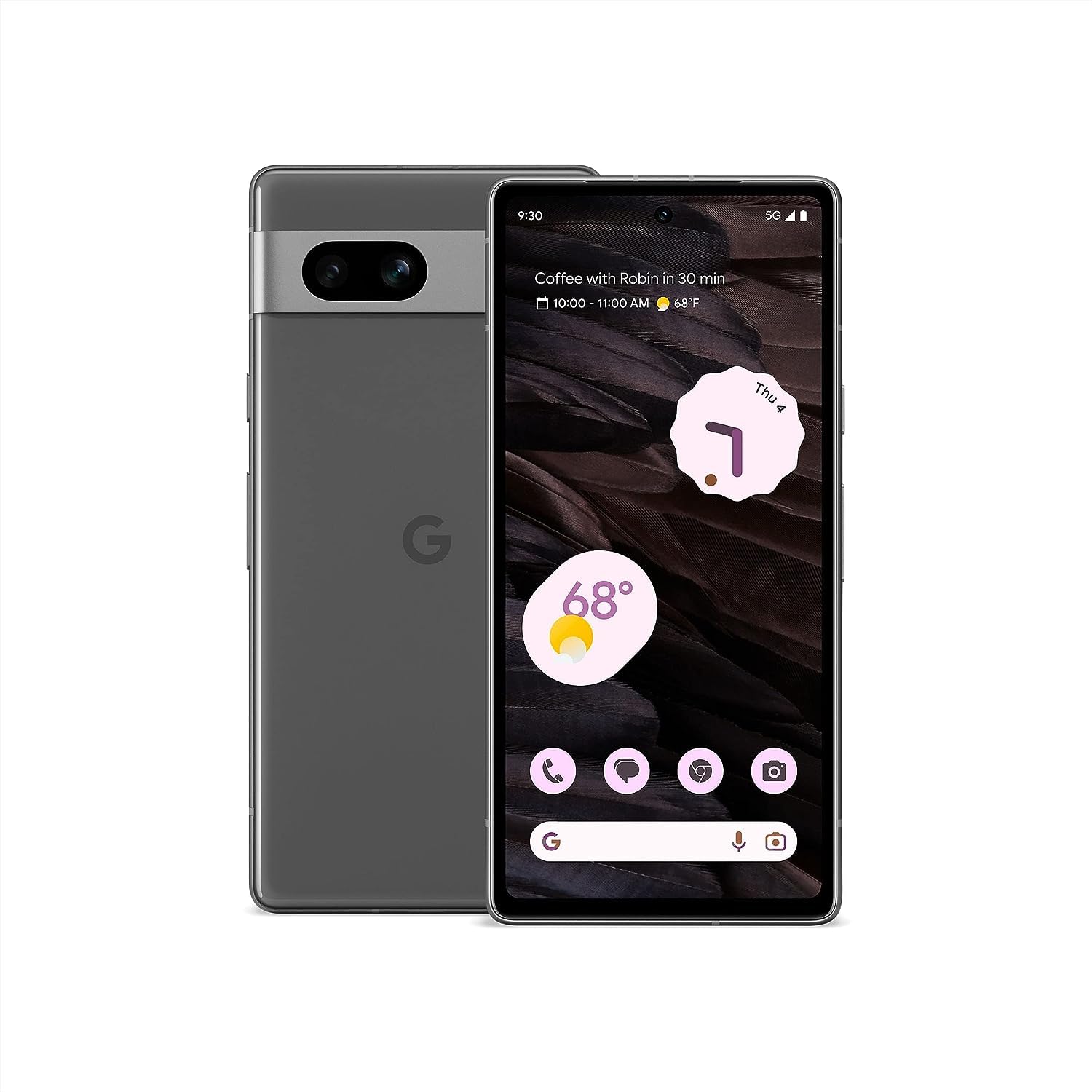
The Pixel 7a gives you near-flagship camera quality and a clean, bloat-free Android experience that stays fast for years. Its main trade-off is battery life, which can feel tight on heavy days.
Main limitation: Battery life is mediocre, and wired charging is limited to 18W, which is slower than many similarly priced phones.
Skip if: Heavy users who need a phone to last from dawn to midnight without topping up.
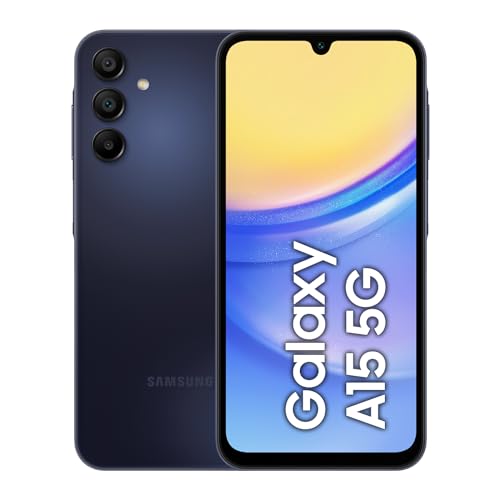
The Galaxy A15 5G packs a vibrant Super AMOLED screen and dependable all-day battery into a sub-$200 package, making it the best value for cash-strapped shoppers. It sacrifices processing power for its price, but handles everyday tasks with ease.
Main limitation: The MediaTek chipset is only adequate, and the display's max brightness is hard to see in direct sunlight.
Skip if: Mobile gamers or anyone who plans to multitask heavily on a small screen.
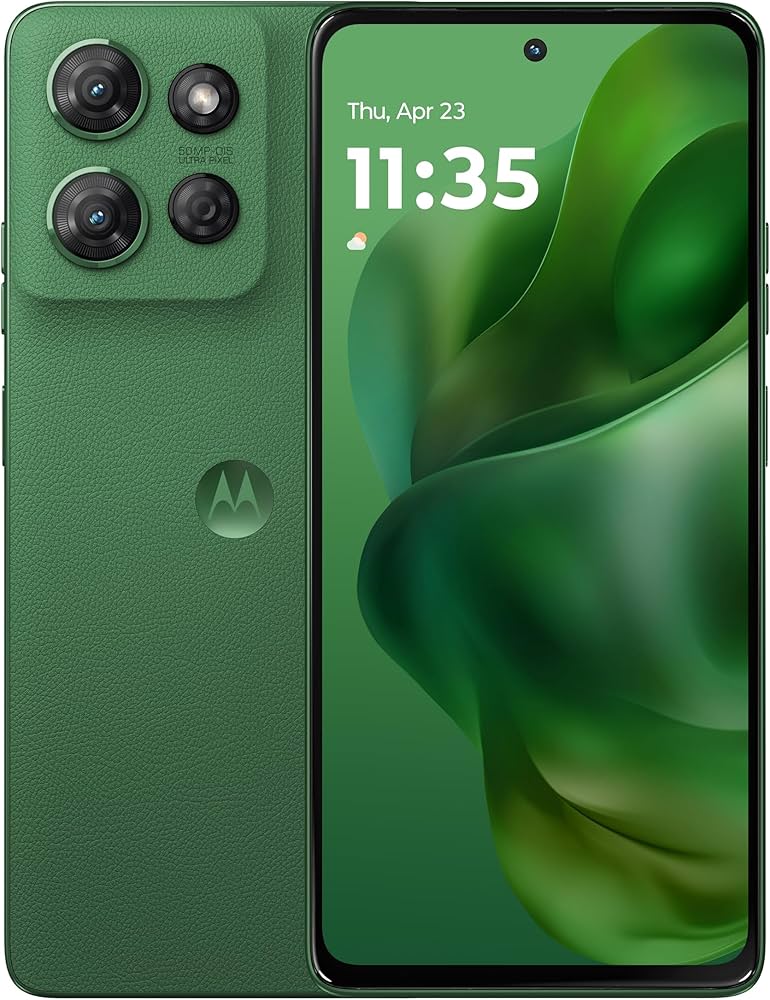
The Moto G Power 5G lives up to its name with a massive 5000mAh cell and efficient chipset, easily pushing through two full days of moderate use. The catch is an LCD panel that's less vibrant than AMOLED screens on rivals.
Main limitation: The LCD display is fine for everyday use, but it lacks the contrast and punch of AMOLED screens found on costlier budget phones.
Skip if: Media enthusiasts who prioritize vivid colors and deep blacks over outstanding endurance.
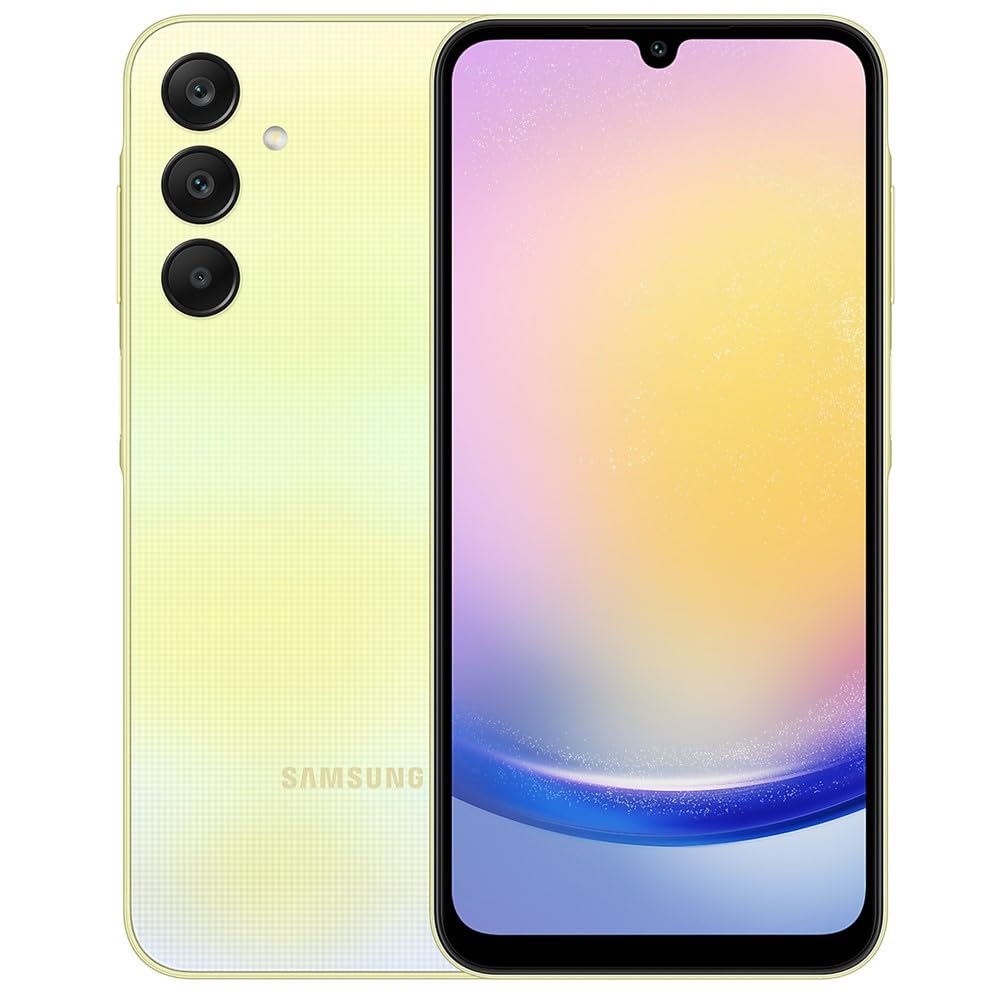
The Galaxy A25 5G delivers a silky 120Hz AMOLED screen that you'd expect to find on phones costing twice as much, plus a solid dual-SIM setup and expandable storage. Its camera and battery are decent, but it lacks the Pixel 7a's photographic magic.
Main limitation: Charging speed is limited to 15W, and the phone's plastic frame collects scratches more easily than metal.
Skip if: Battery enthusiasts who want the fastest possible charging or wireless charging.
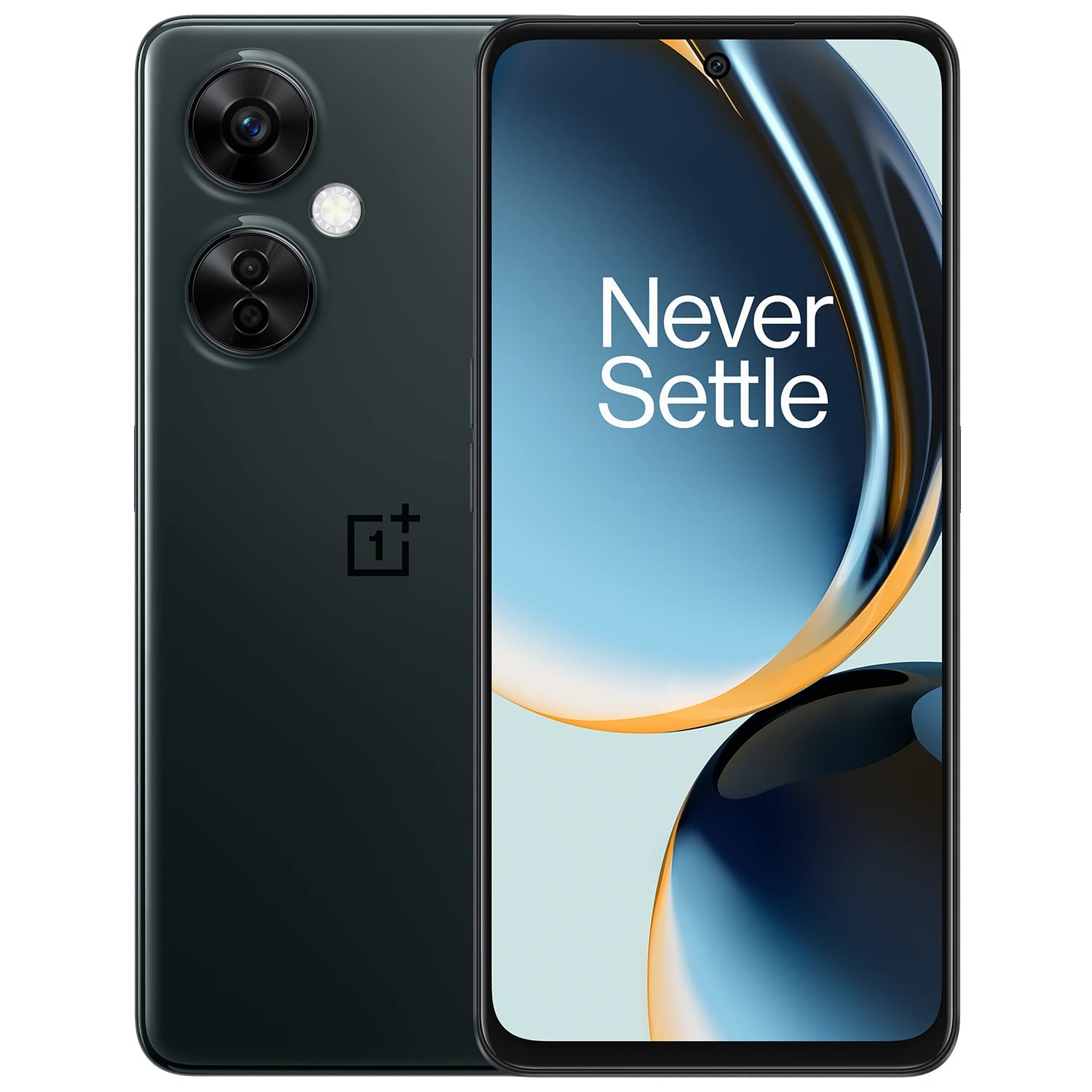
The Nord N30 5G is the speed demon of the group, offering 50W wired charging that fills its 5000mAh battery from zero to full in about an hour. It also has a lovely 120Hz LCD and a clean version of OxygenOS.
Main limitation: The phone's camera is only average, and it's slated to receive just one major Android update, which is stingy for the price.
Skip if: Anyone who plans to keep their phone for more than two years or needs consistently great low-light photos.
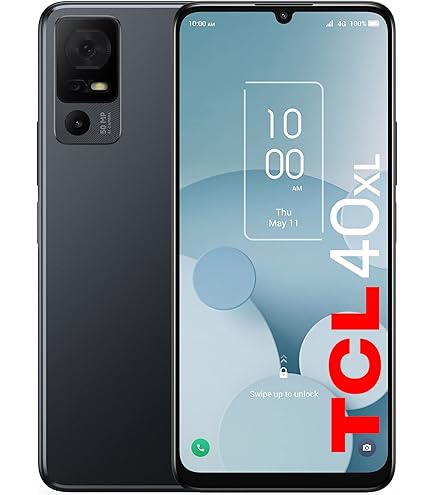
The TCL 40 XL 5G offers one of the largest displays in this price class at 6.75 inches, making it a great choice for media lovers and seniors who struggle with tiny text. It's a heavy, plastic-feeling device with modest performance, but for basic tasks it's more than enough.
Main limitation: The HD+ resolution is noticeably less sharp than, say, the Galaxy A15's AMOLED, and the processor stutters when juggling multiple apps.
Skip if: Power users or anyone who wants a crisp, pixel-dense screen for reading or editing photos.
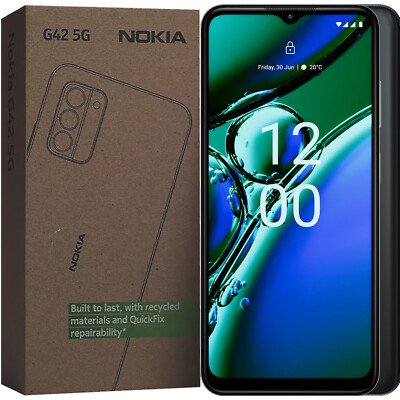
The Nokia G42 5G is a budget phone you can actually repair yourself: it features a removable back cover and a battery that's easy to replace, a rarity in 2026. It also benefits from clean Android with two years of upgrades, though its performance is just adequate.
Main limitation: The Snapdragon 480+ chip is slow for heavy apps, and the 720p screen is dull and low-resolution compared to rivals.
Skip if: Users who want to play graphically intense games or need a sharp, high-resolution display.
Compare key specs and features of all our recommendations side-by-side
| Product | Recommendation | Rating | Price |
|---|---|---|---|
 Google Pixel 7a Rank #1 | 🏆 Top Pick | 3.6 3.6 | Around $299 Check current price → |
Samsung Galaxy A15 5G Rank #2 | 💰 Budget Pick | 8.0/10 | Around $199 Check current price → |
Motorola Moto G Power 5G (2025) Rank #3 | ⭐ Editor's Choice | 8.2/10 | Around $249 Check current price → |
Samsung Galaxy A25 5G Rank #4 | — | 8.3/10 | Around $299 Check current price → |
OnePlus Nord N30 5G Rank #5 | — | 7.8/10 | Around $229 Check current price → |
TCL 40 XL 5G Rank #6 | — | 7.4/10 | Around $189 Check current price → |
Nokia G42 5G Rank #7 | — | 7.2/10 | Around $199 Check current price → |
Common questions buyers have about this category.
Absolutely. The Google Pixel 7a, Samsung Galaxy A25, and Motorola Moto G Power all produce great daylight photos with good sharpness and dynamic range. Low-light performance is where budget phones struggle, so expect more noise and less detail in dim conditions compared to $500+ phones.
Yes, if you plan to keep the phone for at least two years. 5G is now standard on all our picks, and as carriers expand coverage, you'll benefit from faster speeds. Just make sure the phone supports the necessary bands for your carrier—most do, but check compatibility for smaller providers.
Sometimes. A certified refurbished Google Pixel 7 or Samsung Galaxy S21 can outperform a new budget phone for around the same price, but you trade away the full warranty and might get a battery that's already degraded. If you're comfortable with that, it's a viable path; otherwise, a new phone like the Samsung Galaxy A15 offers more peace of mind.
It depends. A 90Hz or 120Hz screen makes scrolling and animations feel noticeably smoother, which is nice for general use and gaming. But it can drain battery faster. If you're a light user, a standard 60Hz display on a phone like the TCL 40 XL is fine; if you notice stutter quickly, prioritize the Galaxy A25's 120Hz panel.
For most people, 128GB of internal storage is a good baseline, but you can get by with 64GB if you use cloud storage. Some phones like the Galaxy A15 and Moto G Power allow microSD expansion, which is a cheap way to add space. Avoid buying models with 32GB—they'll run out fast even with moderate use.
Yes, especially for security. Budget phones from major brands like Google and Samsung offer two to three years of OS upgrades and four or more years of security patches, while smaller brands might drop support after a year. An outdated Android version can be vulnerable to malware and miss out on new features.
Yes, but not at high settings. Phones like the Pixel 7a and Galaxy A25 can handle popular titles like Genshin Impact and PUBG at low-to-medium settings. For smoother gaming, look for phones with a 120Hz display and a more powerful chipset, like the OnePlus Nord N30, but temper your expectations—you won't get flagship performance.
Products we evaluated but did not recommend — and why.
