Get the App
Better experience on mobile
From $180 budget essentials to $1,500 camera flagships, these are the phones that best balance performance, updates, and value in 2026.
The most important smartphone spec in 2026 isn't the processor name or the megapixel count — it's how long the manufacturer will keep supporting the phone. A device that stops receiving security updates in two years is a bad buy no matter how good its launch-day camera looks, and that reality has reshaped which phones are worth recommending.
That doesn't mean everyone needs the same phone. A parent who mostly texts and streams has different priorities than a mobile gamer, a travel photographer, or someone who wants a folding phone that fits in a small pocket. The right choice depends on the features you'll actually use, not the ones that look best on a spec sheet.
For this guide, we looked at current 2026 models across budget, midrange, and premium tiers. We weighed software update commitments, camera consistency, battery life, display quality, performance, carrier compatibility, and price. We also considered how each phone fits a specific kind of buyer, because the best overall pick is rarely the best pick for everyone.
You'll find options from roughly $180 to $1,500, including compact flagships, camera-focused phones, gaming devices, foldables, and ultra-budget essentials. Each recommendation includes a genuine trade-off so you can decide whether it matches your needs.
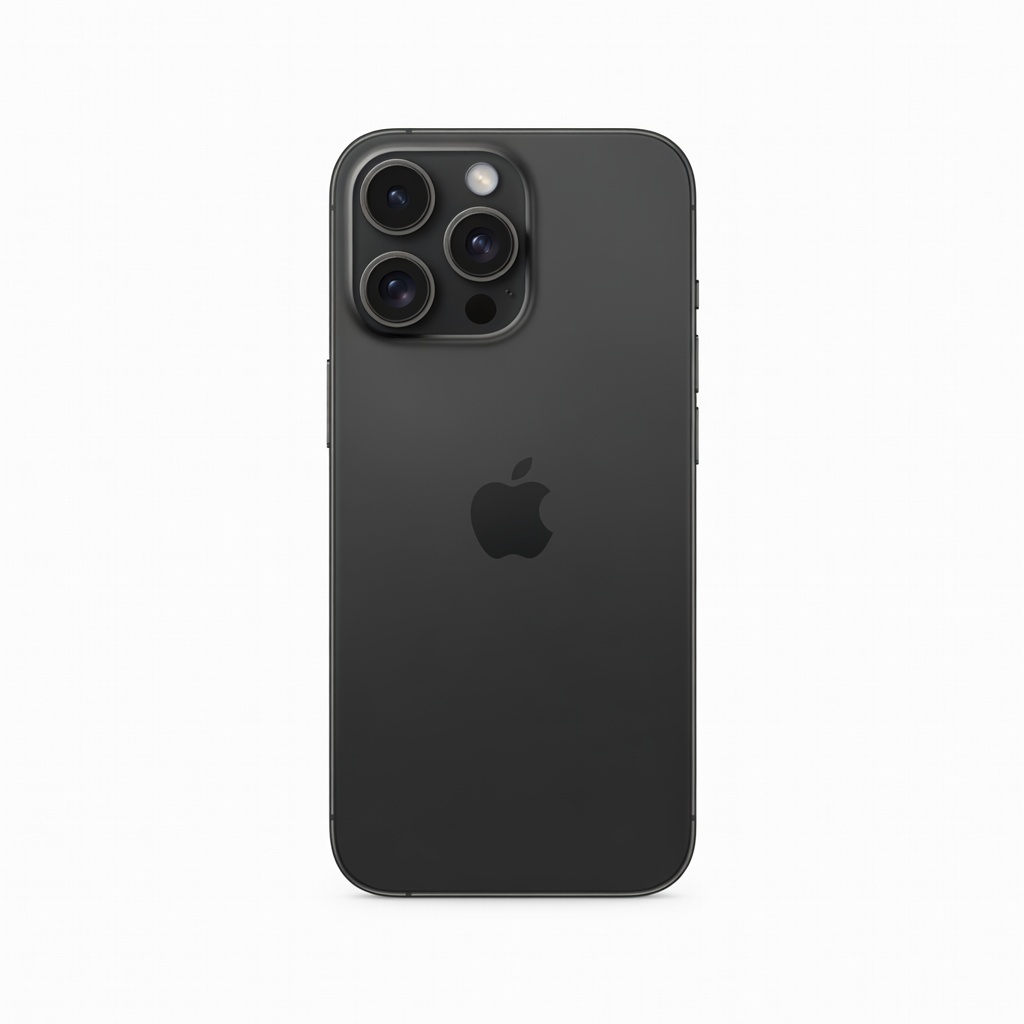
The iPhone 17 is the best all-around phone for most people because it combines flagship performance, a great display, and reliable cameras with Apple's long update commitment. It lacks a telephoto lens and charges slower than several Android rivals.
Main limitation: No dedicated telephoto camera, and wired charging is slower than many Android competitors.
Skip if: Skip it if you need a long optical zoom, expandable storage, or the fastest possible charging speeds.
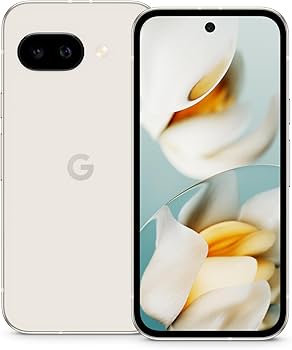
The Pixel 9a is the best budget phone for most people thanks to its excellent camera processing, clean Android software, and long update policy. Its Tensor chip can run warm during gaming, and charging is slower than some cheap Android rivals.
Main limitation: Tensor G4 struggles with sustained gaming performance and can warm up under load.
Skip if: Skip it if you prioritize gaming performance, expandable storage, or extremely fast charging.
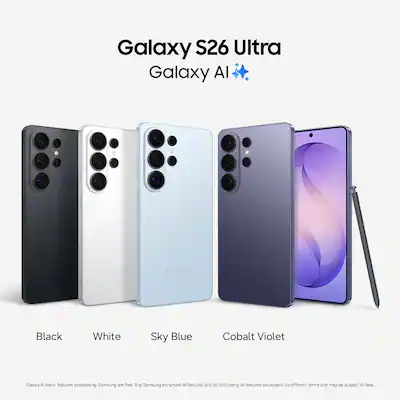
The Galaxy S26 Ultra is the most capable Android phone for productivity and photography, with an S Pen, versatile quad cameras, and a bright large display. It's expensive and bulky, so casual users may not need everything it offers.
Main limitation: The high price and large size make it a tough sell for anyone who wants a compact or affordable phone.
Skip if: Skip it if you want a small phone, rarely use a stylus, or have a strict budget under $1,000.

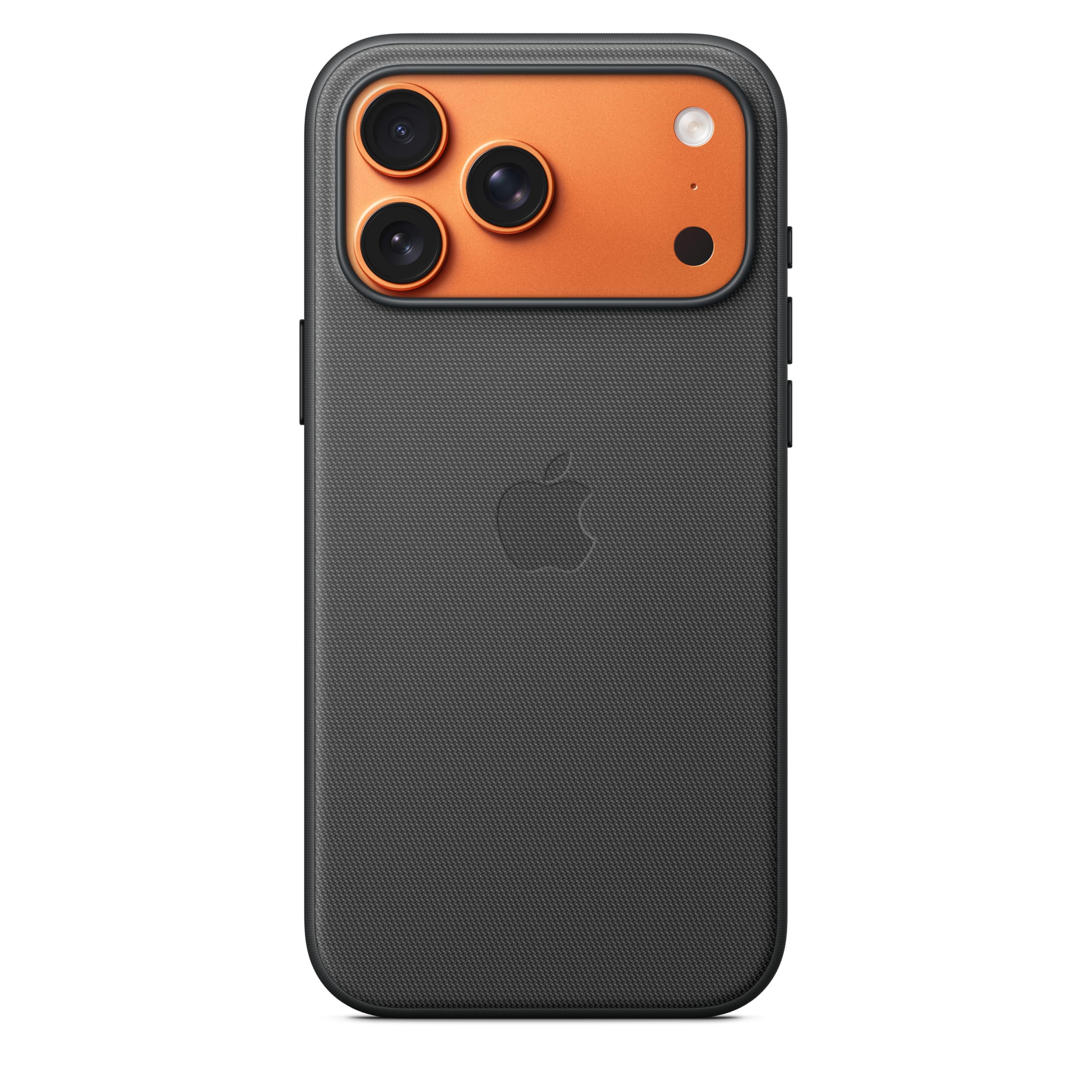
The iPhone 17 Pro Max is the best phone for video creators, offering pro-level recording, strong stabilization, and excellent battery life. It's heavy and very expensive, and its zoom range still falls short of the best Android super-telephotos.
Main limitation: Heavy design and premium price, plus optical zoom doesn't reach as far as some Android rivals.
Skip if: Skip it if you want a lightweight phone, need 10x optical zoom, or don't shoot much video.
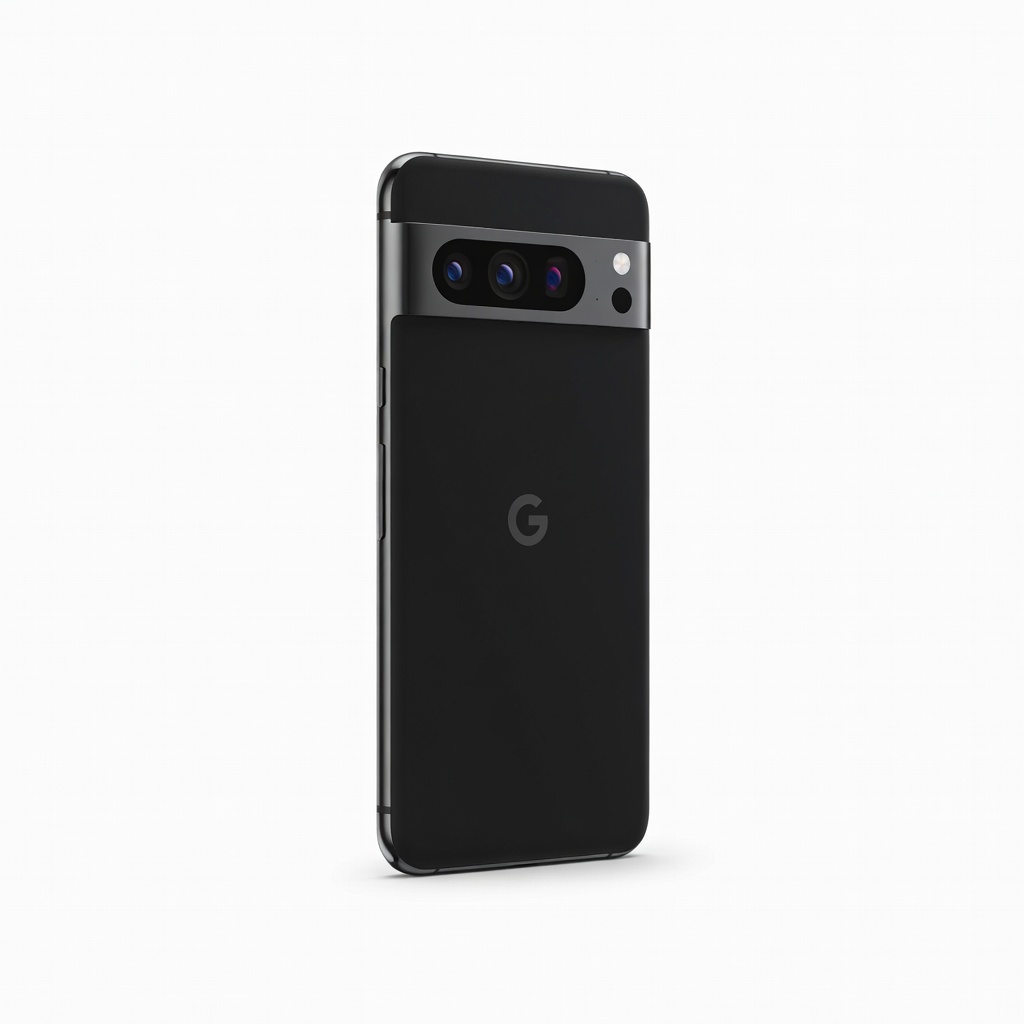
The Pixel 10 Pro is the best point-and-shoot camera phone for most people, with Google's computational photography and a useful telephoto lens. It trades raw gaming speed and maximum battery life for camera and AI features.
Main limitation: Tensor G5 isn't as fast as the latest Snapdragon chips for demanding games.
Skip if: Skip it if gaming performance or marathon battery life is your top priority.
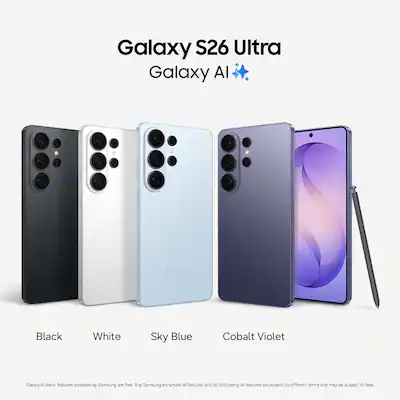
The Galaxy S26 is one of the few true compact Android flagships, pairing top-tier performance with a pocket-friendly design. Its smaller battery won't last as long as larger models under heavy use.
Main limitation: Smaller battery capacity than Plus and Ultra models.
Skip if: Skip it if you need all-day heavy-use battery life or S Pen support.
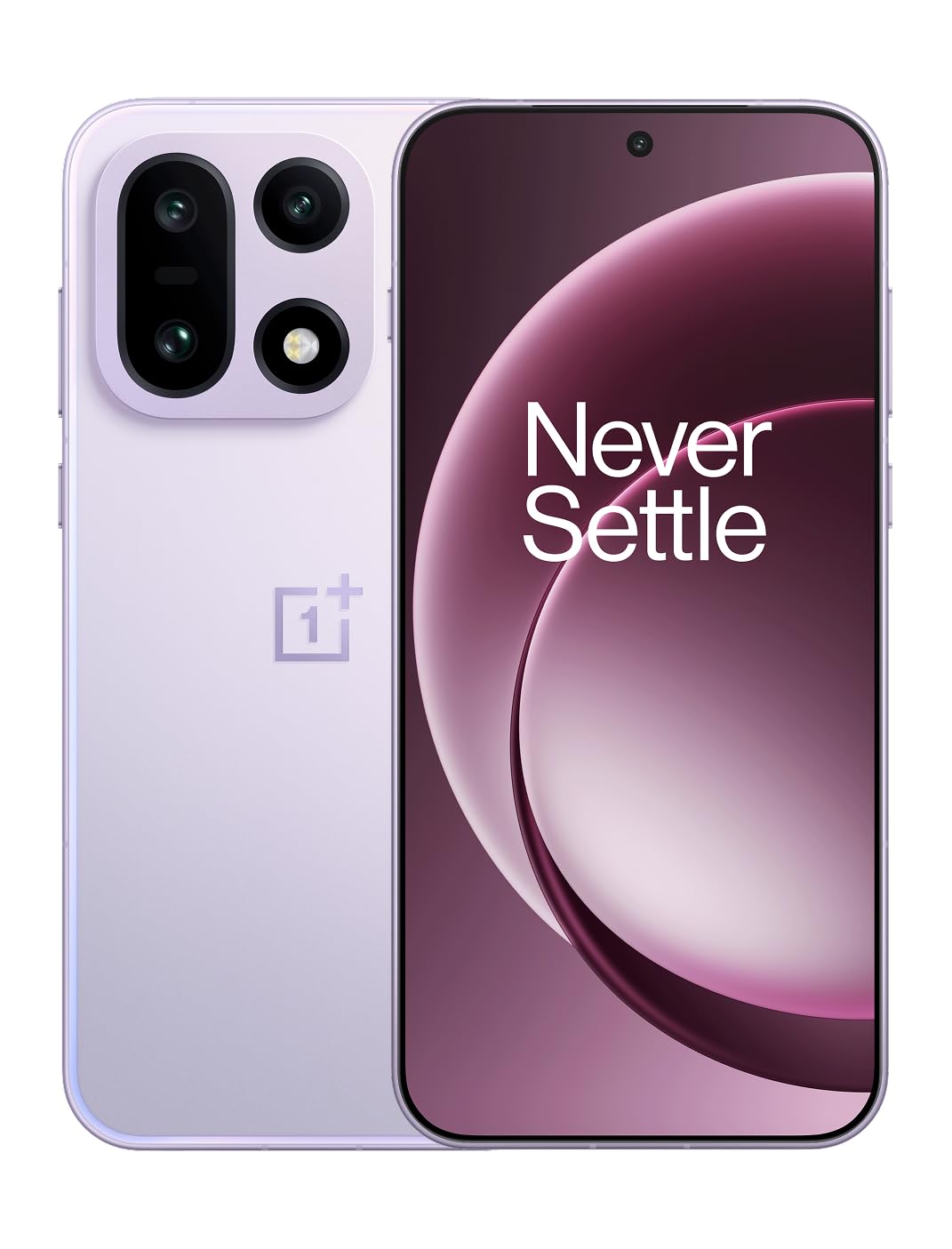
The OnePlus 15 stands out for battery life and charging speed, with enough performance for almost any task. Its cameras are good but not class-leading, and U.S. carrier support is less universal than Samsung or Apple.
Main limitation: Camera consistency and U.S. carrier compatibility trail the biggest brands.
Skip if: Skip it if you need the absolute best camera or rely on a carrier with limited OnePlus support.
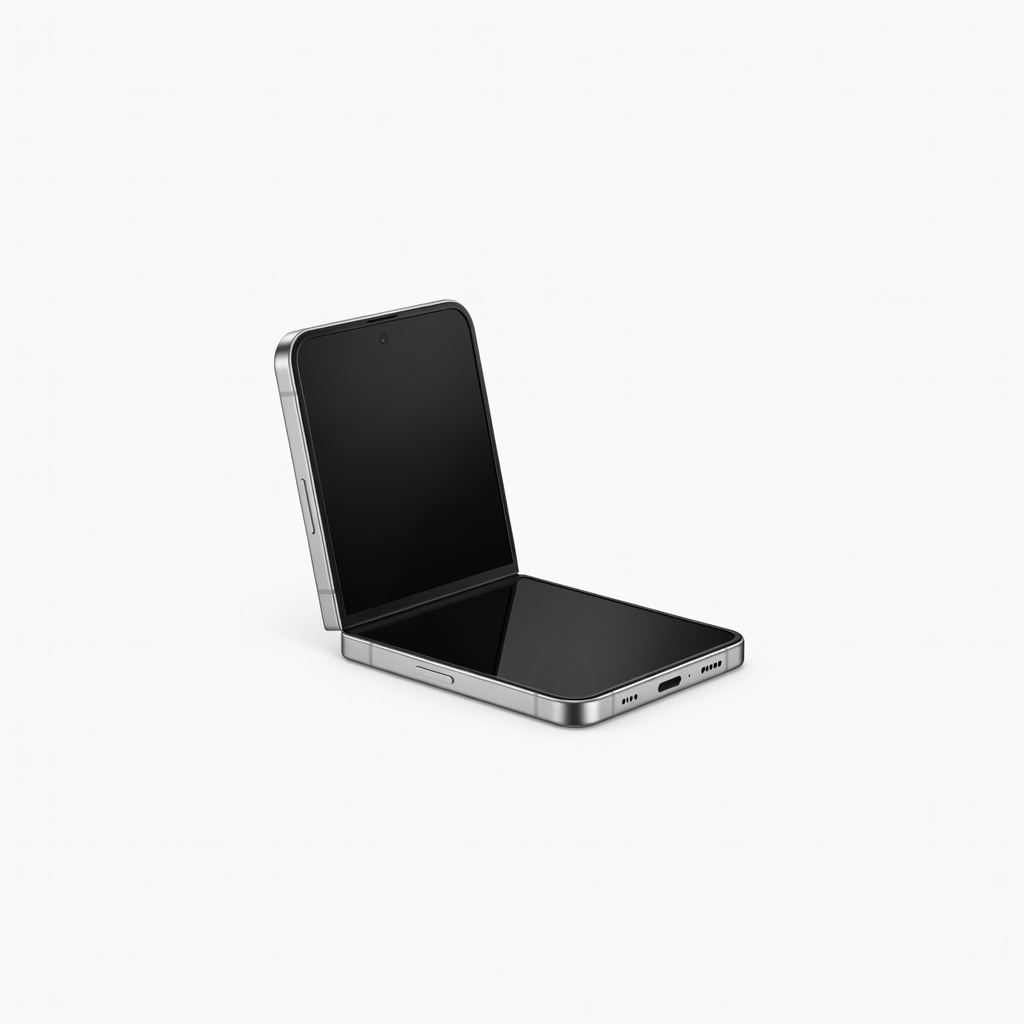
The Galaxy Z Flip 7 is the most pocketable way to get a modern flagship experience, with a useful cover screen and improved durability. Its battery life and camera hardware can't match non-folding phones at the same price.
Main limitation: Battery life and camera hardware lag behind similarly priced bar phones.
Skip if: Skip it if you need maximum battery life, the best camera, or the lowest cost per feature.
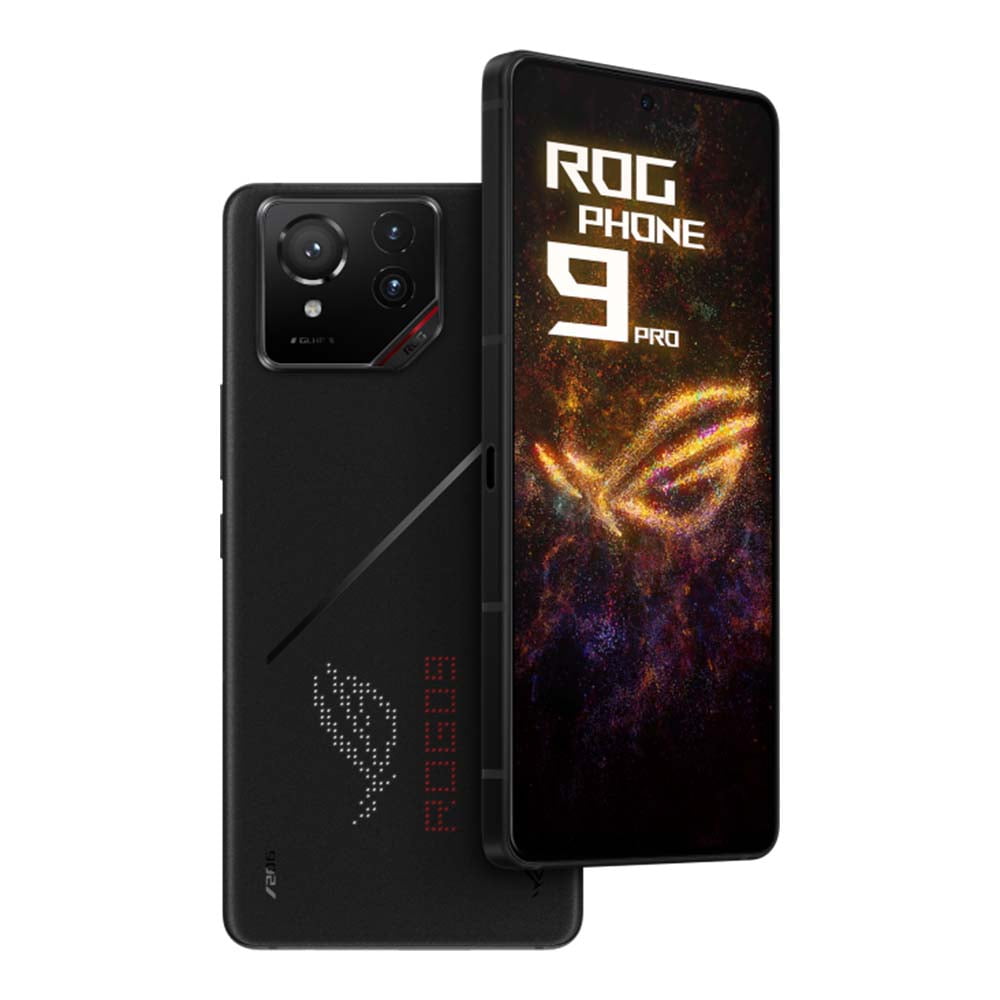
The Asus ROG Phone 9 Pro is the best phone for mobile gaming, with shoulder triggers, a fast display, and cooling hardware. It's bulky and its cameras are average, so it's not ideal as a general-purpose phone.
Main limitation: Bulky gamer design and average camera performance.
Skip if: Skip it if you want a slim everyday phone or top-tier camera.
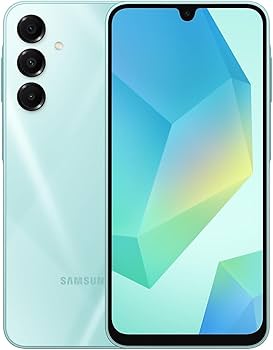
The Galaxy A16 5G is a solid ultra-budget pick that covers calls, messaging, streaming, and basic apps with 5G and a large screen. It's slow for gaming and takes only average photos, so it's best for light users.
Main limitation: Modest processor performance makes heavy apps and games feel sluggish.
Skip if: Skip it if you play demanding games, take lots of photos, or want wireless charging.
Compare key specs and features of all our recommendations side-by-side
| Product | Recommendation | Rating | Price |
|---|---|---|---|
Apple iPhone 17 Rank #1 | 🏆 Top Pick | 9.3/10 | $799–$899 Check current price → |
Google Pixel 9a Rank #2 | 💰 Budget Pick | 8.5/10 | $399–$499 Check current price → |
Samsung Galaxy S26 Ultra Rank #3 | ⭐ Editor's Choice | 9.2/10 | $1,299–$1,499 Check current price → |
 Apple iPhone 17 Pro Max Rank #4 | — | 4.3 4.3 | $1,199–$1,599 Check current price → |
Google Pixel 10 Pro Rank #5 | — | 9.0/10 | $999–$1,099 Check current price → |
Samsung Galaxy S26 Rank #6 | — | 8.8/10 | $799–$899 Check current price → |
OnePlus 15 Rank #7 | — | 8.7/10 | $899–$999 Check current price → |
Samsung Galaxy Z Flip 7 Rank #8 | — | 8.3/10 | $999–$1,099 Check current price → |
Asus ROG Phone 9 Pro Rank #9 | — | 8.5/10 | $999–$1,199 Check current price → |
Samsung Galaxy A16 5G Rank #10 | — | 7.6/10 | $179–$249 Check current price → |
Common questions buyers have about this category.
For most people, the sweet spot is $400–$800. That range buys excellent cameras, smooth performance, and long software support without paying for premium extras like folding screens or S Pen. If you only need basics, a $200–$300 phone can work, but expect slower performance and shorter update windows.
A flagship is worth it if you want the best camera system, fastest processor, and longest software support. Midrange phones have closed the gap on everyday performance, but they often compromise on telephoto cameras, water resistance, or update length. Buy a flagship only if you'll use those advantages regularly.
In 2026, leading brands like Google, Samsung, and Apple often provide five to seven years of OS and security updates on many models. Budget brands may offer only two to four years. Check the specific model's update policy before buying, because it directly affects resale value and long-term security.
5G is now standard on most phones above $200, so you usually don't need to pay extra for it. Real-world speed depends more on your carrier's coverage and network congestion than on the phone itself. If you're on a tight budget, a good 4G phone can still be fine, but 5G is worth having for future-proofing.
For most people, the Google Pixel 10 Pro and Apple iPhone 17 Pro Max are the strongest all-around camera phones, though they excel in different ways. Pixel phones tend to produce more consistent point-and-shoot results, while iPhones are favored for video and color consistency. Samsung's Ultra models offer the most versatile zoom range.
Modern foldables like the Galaxy Z Flip 7 have improved hinges and water resistance, and they can handle daily use for many people. However, they still have a visible crease, and their battery life and cameras often trail non-folding phones at the same price. If durability is your top concern, a standard bar phone remains the safer choice.
Unlocked phones give you more flexibility to switch carriers and often avoid carrier bloatware, but you may pay full price upfront. Carrier deals can lower the upfront cost, but they often come with bill credits, long commitments, and sometimes locked devices. Compare the total cost over two to three years before deciding.
Products we evaluated but did not recommend — and why.
