Get the App
Better experience on mobile
From flagship powerhouses to budget-friendly workhorses, we rank the best phones of 2026 based on real-world performance, camera quality, and value.
In 2026, the smartphone market has matured to the point where even sub-$500 phones take excellent photos and last a full day. The real differentiators are software longevity, AI features, and how the hardware is tuned to fit your daily routine. For this guide, we looked past the spec sheet hype and focused on phones that deliver a consistently smooth experience without forcing you to compromise.
Our top picks span all price ranges—from the latest luxury flagships to budget-minded models that prove you don't have to spend a fortune for a great device. We considered camera systems, battery life, display quality, and how well each phone holds up after a year of use. We also paid attention to niche needs: gaming, compact design, content creation, and even headphone jacks.
No phone is perfect, so every recommendation below comes with an honest caveat about its trade-off. Whether you're a power user, a photographer, or just someone who wants a reliable phone for social media and calls, you'll find a match here. Because in 2026, the best smartphone isn't the one with the most specs—it's the one you don't have to replace in a year.

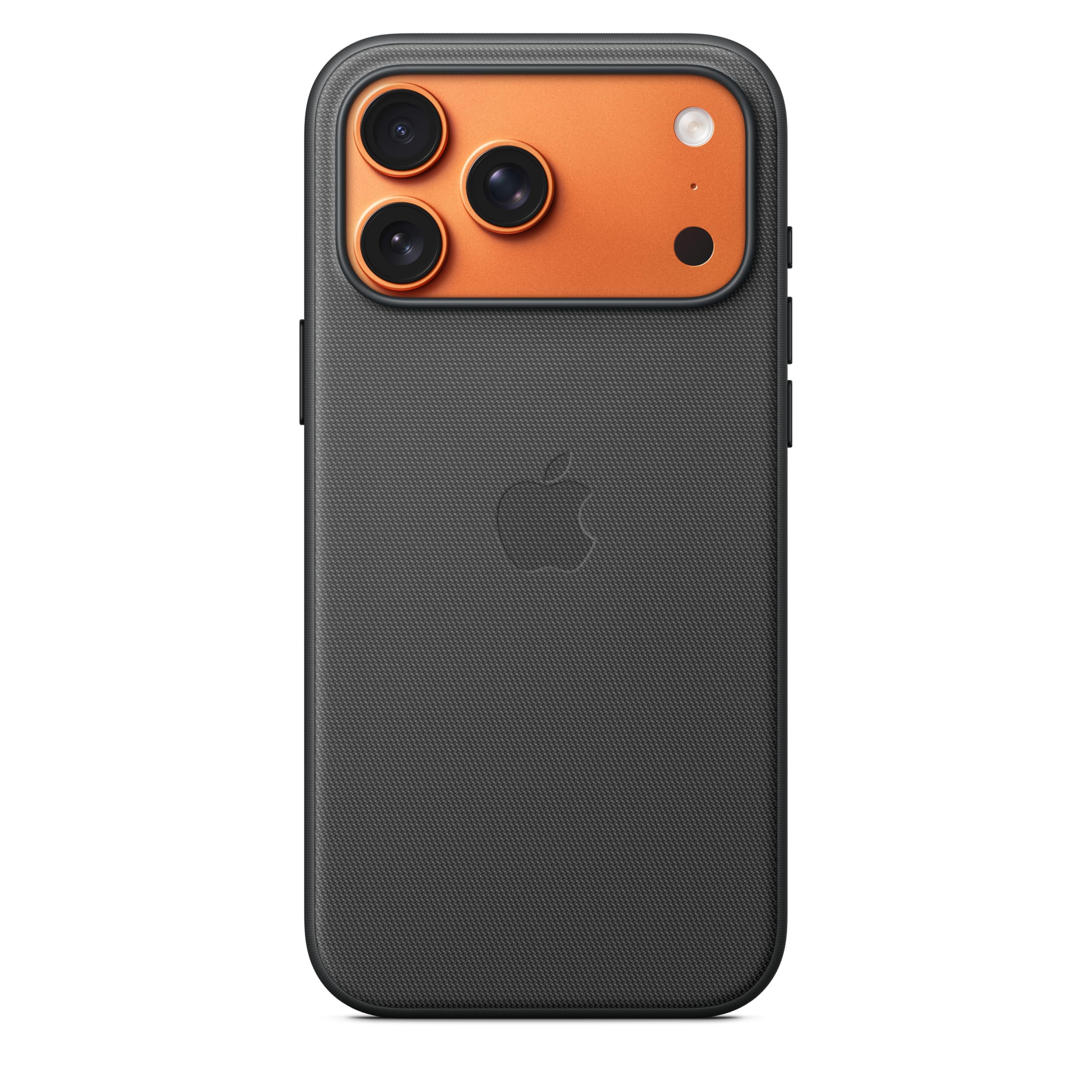
The iPhone 17 Pro Max is the best smartphone for most people in 2026. It offers class-leading A19 Pro performance, a stunning ProMotion display, and a triple-camera system that produces excellent photos and videos in any light. The trade-off is its hefty price and the continued Lightning-to-USB-C transition headaches for some accessories.
Main limitation: It's one of the most expensive smartphones on the market, and the 48MP camera upgrade is marginal over the 15 Pro Max for average snapshot takers.
Skip if: Skip it if you're happy with your current flagship or want the best value for your money—mid-range phones are now 90% as good for half the price.
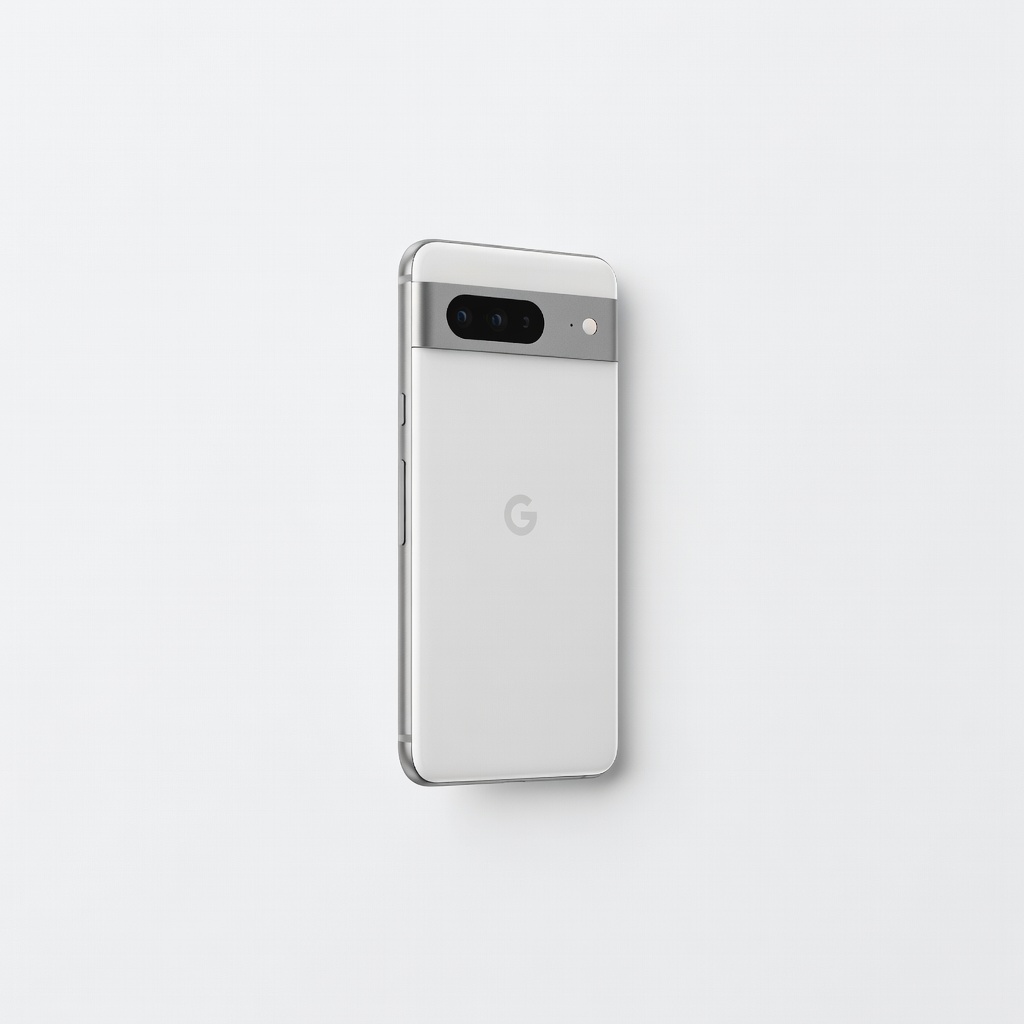
The Pixel 10a proves you don't need a $1,000 phone for a great experience. It packs the new Tensor G6 chip, a fantastic 50MP main camera, and Google's clean software with seven years of updates—all at a budget price. The trade-off is a 60Hz display and average build quality that feels a bit plasticky.
Main limitation: The display is only 60Hz, which makes scrolling feel less smooth compared to the 90Hz/120Hz found on pricier phones.
Skip if: Skip it if you want a premium design or a high refresh rate screen—consider a last-gen flagship instead.
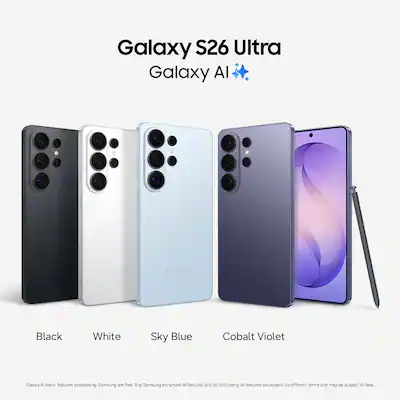
The Samsung Galaxy S26 Ultra is the ultimate workhorse, with the built-in S Pen, Samsung DeX desktop mode, and the Galaxy AI suite that optimizes multitasking. It's a laptop replacement in your pocket. The trade-off is its massive size and the fact that you'll likely never use all its advanced features.
Main limitation: Its massive 6.9-inch display and 220g weight make it awkward for one-handed use, and the S Pen is still not included in some older cases.
Skip if: Skip it if you want a phone that's comfortable to handle all day or if you never use a stylus—you'll be paying for features you won't use.
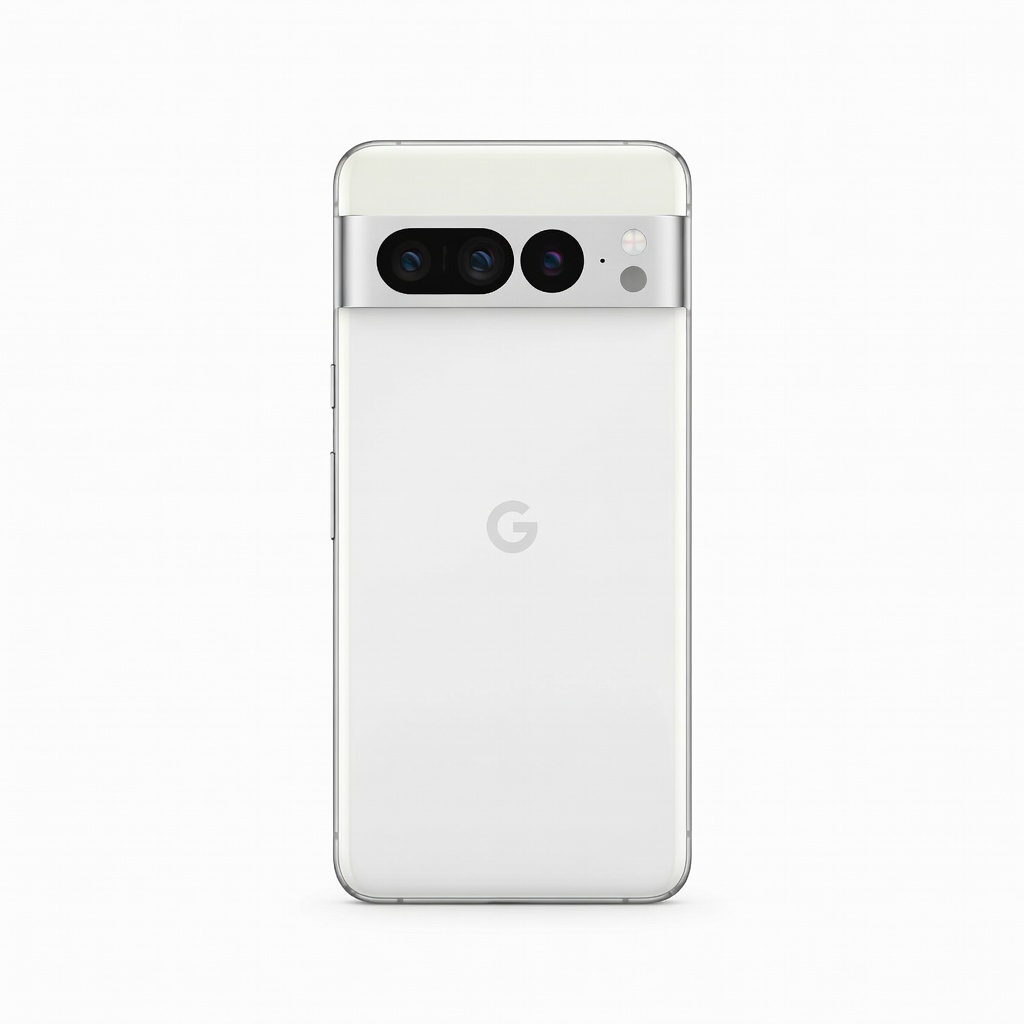
The Pixel 11 Pro takes mobile photography to a new level with its upgraded camera hardware and Google's magic editing tools. You get a 50MP main sensor, a 48MP ultrawide, and a 64MP periscope telephoto with 5x optical zoom—plus the best computational photography in the business. The trade-off is a conservative design and a hump that makes it wobble on flat surfaces.
Main limitation: The camera bar protrudes noticeably and the phone doesn't support the fastest wired charging standards offered by rivals.
Skip if: Skip it if you're not a shutterbug and prefer a sleek design over camera prowess.
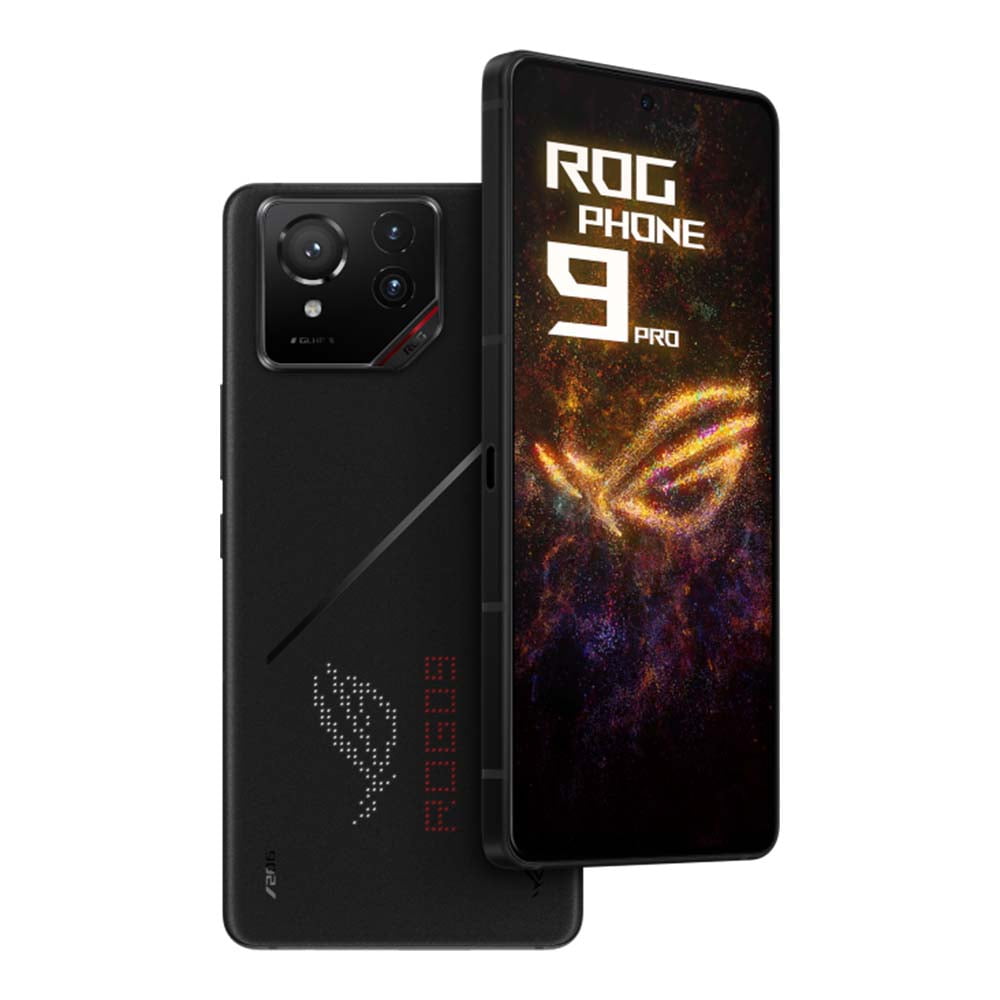
The ROG Phone 9 Pro is a gaming monster with a Snapdragon 8 Elite Gen 4 chip, a 165Hz AMOLED display, and shoulder triggers that give console-level control. It also has a huge 5,800mAh battery with 65W charging, so gaming sessions last. The trade-off is its bulky design and gaming-centric software that feels over-the-top for everyday use.
Main limitation: It's bulky and gamer-styled, which may look odd in a business meeting, and the camera quality is merely average for the price.
Skip if: Skip it if you don't play many games—you could get a lighter flagship with a better camera for less money.
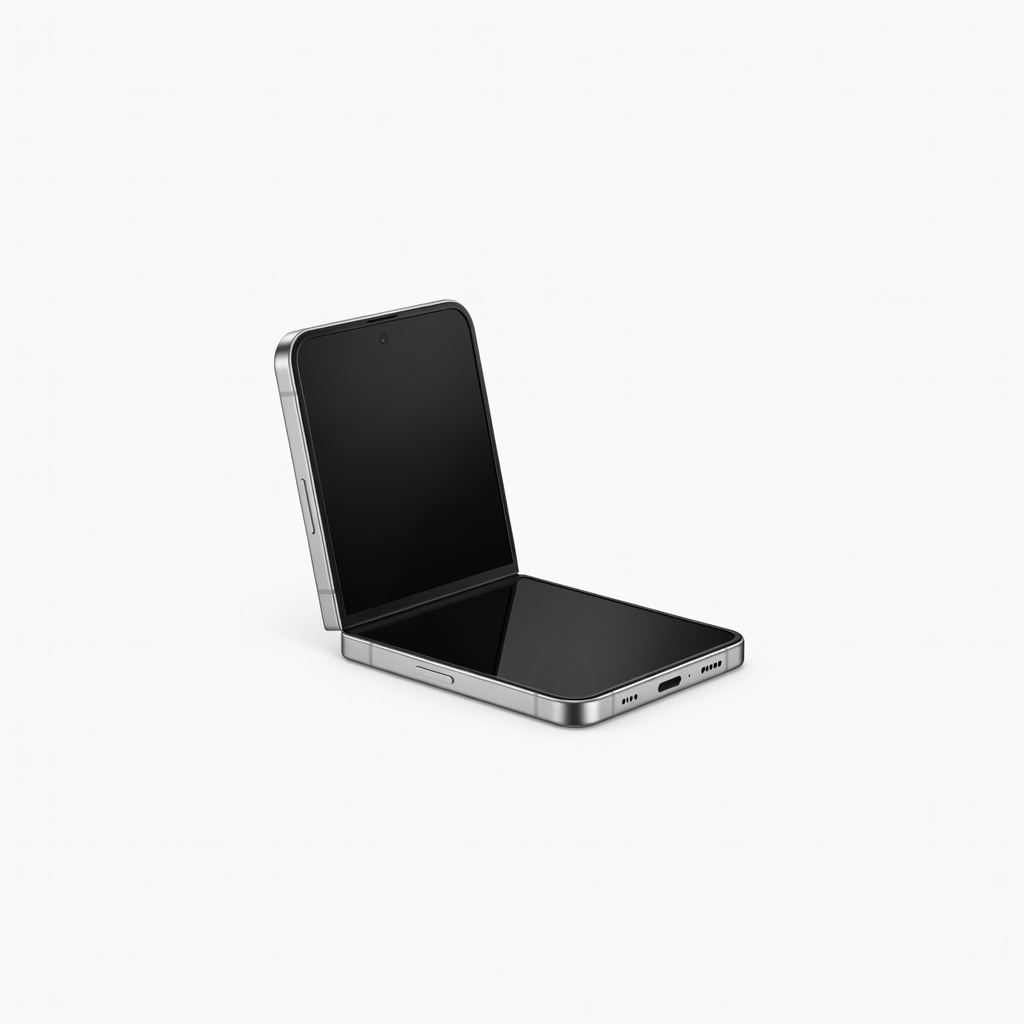
The Z Flip 7 flips the smartphone back to the flip-phone era, offering a 3.4-inch cover display and a 6.7-inch foldable interior that fits any pocket. It's a fashion statement and a productivity tool with Flex Mode, and the hinge feels more durable than before. The trade-off is, you're still paying a premium for a phone the mains screen is creased.
Main limitation: The crease is still visible, and the battery is smaller than a typical flagship, leading to just over a day of use.
Skip if: Skip it if you need a large battery or you're unconvinced about foldable screen longevity.
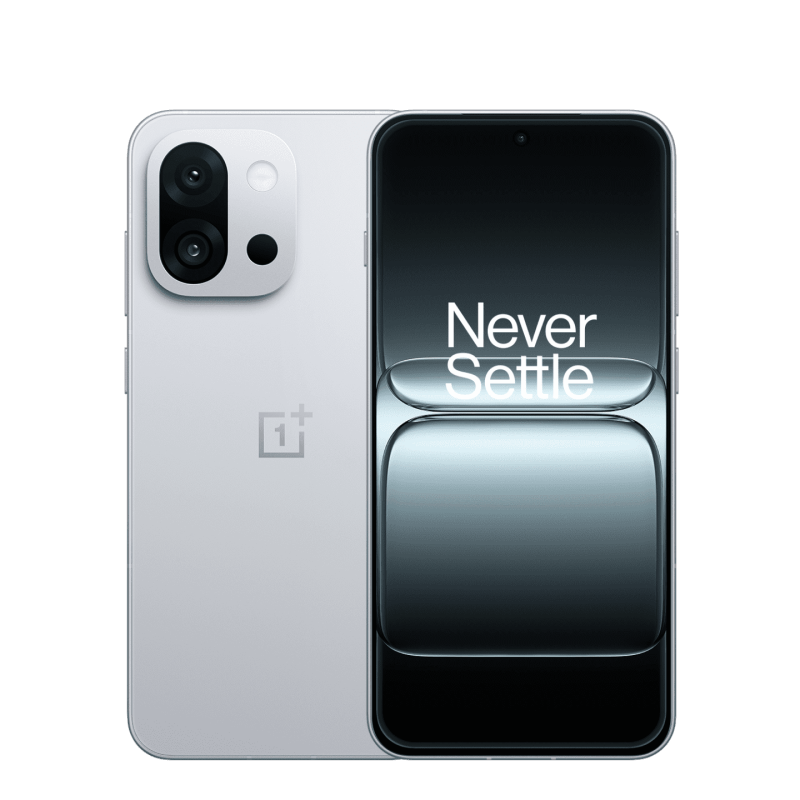
The OnePlus 13T is a compact flagship that focuses on speed—both in performance and charging. It features the Snapdragon 8 Elite chip and a huge 6,100mAh battery that charges at 100W wired speed, going from zero to 100% in under 30 minutes. The trade-off is the plastic-ish build and a camera that's fine but not best-in-class.
Main limitation: The 5,200mAh battery is large but the 100W charging generates heat, and the design doesn't feel as premium as Samsung or Apple.
Skip if: Skip it if wireless charging is a must-have—the 13T lacks it—or if you prioritize camera zoom.
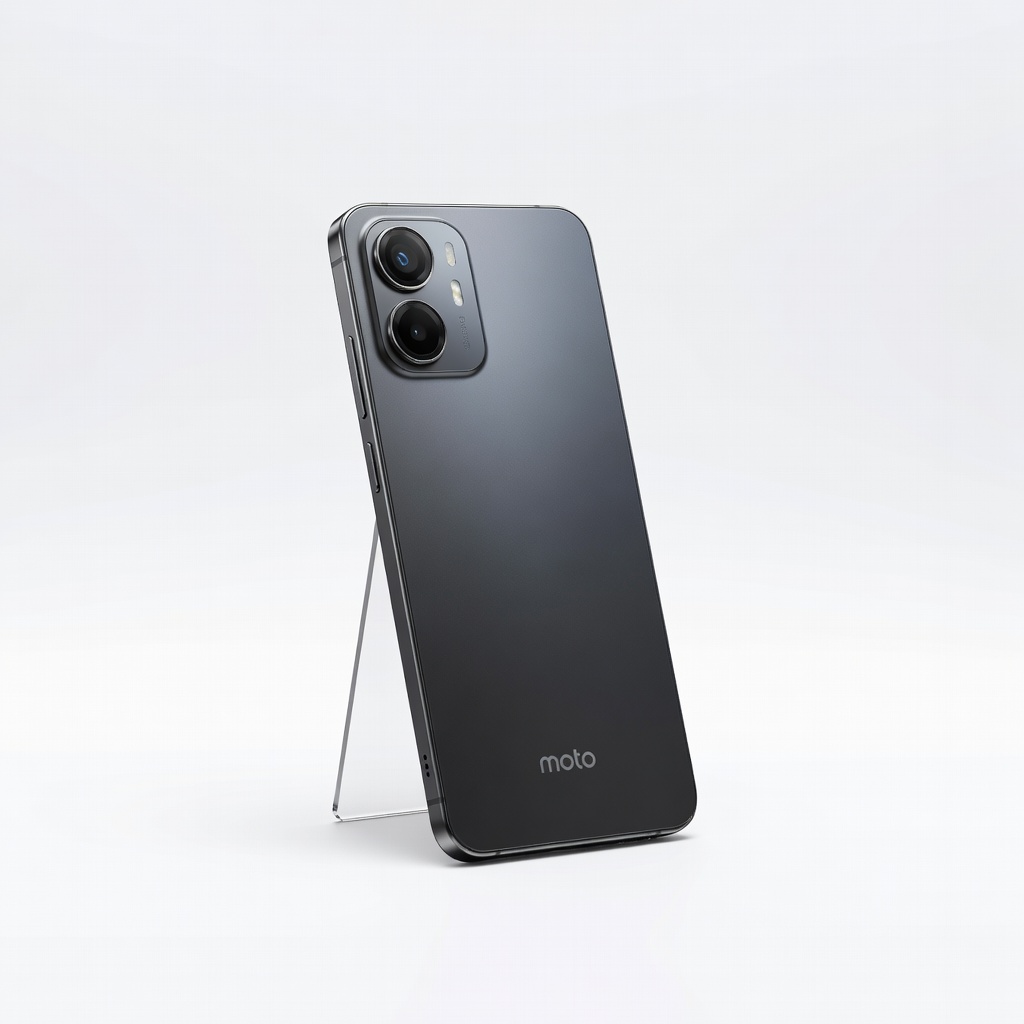
The Moto G Power 2026 is the undisputed battery champion, lasting up to three days on a single charge thanks to its 6,000mAh battery and efficient Snapdragon 6 series chip. It's a no-nonsense budget phone with a clean Android experience. The trade-off is a lackluster screen (60Hz, 720p) and a camera that struggles in low light.
Main limitation: The display resolution is only HD+ and tops out at 60Hz, making it look less crisp and smooth than rivals.
Skip if: Skip it if you watch a lot of high-def video or need a solid camera for night shots.
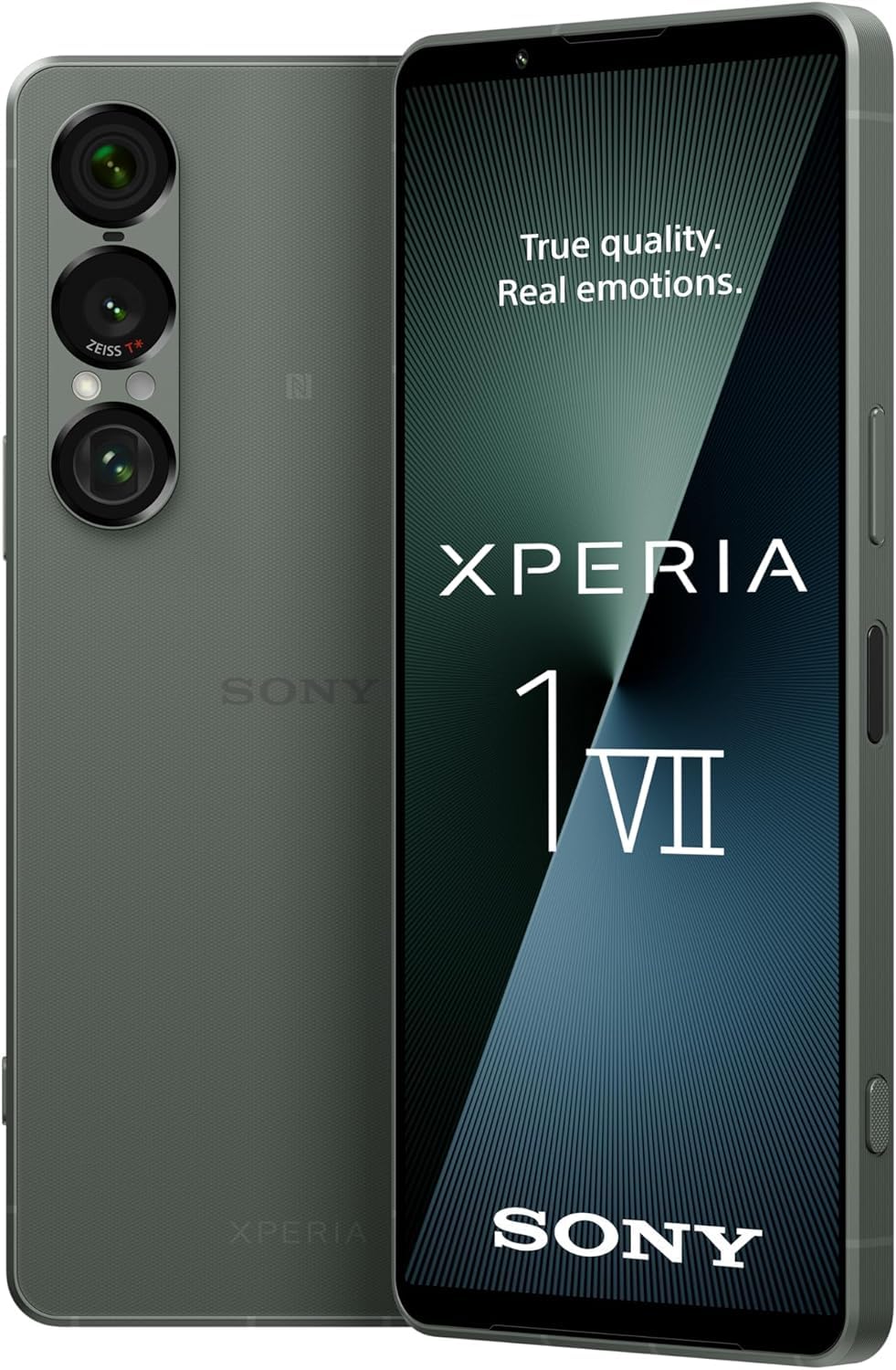
The Xperia 1 VII is for creators who want complete control: it features a 4K OLED display, a Sony Alpha camera interface with Pro video modes, and a 3.5mm headphone jack for audio monitoring. It also has a dedicated shutter button and a 21:9 aspect ratio perfect for cinema. The trade-off is a niche feature set and a high price that only makes sense if you actually use those features.
Main limitation: It lacks the mainstream AI camera gimmicks and its 4K display drains battery, plus the software gets slower updates than Google or Samsung.
Skip if: Skip it if you're not into video recording or want a phone with more casual camera software.
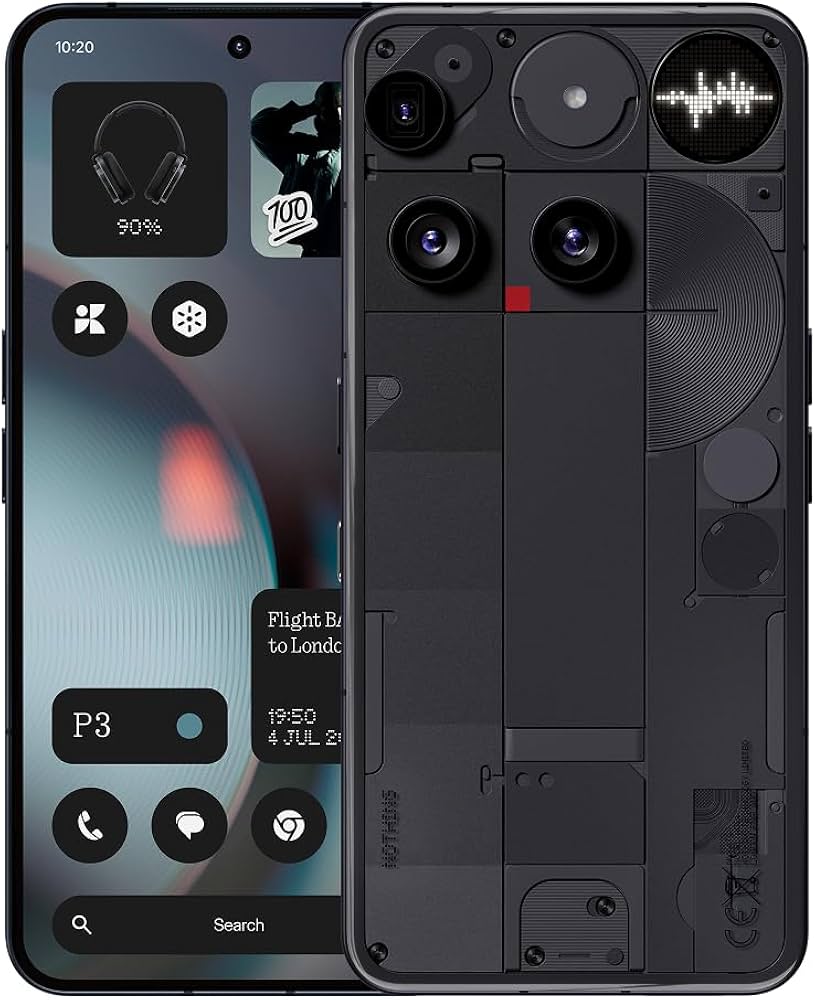
The Nothing Phone (3) stands out with its transparent back and Glyph Interface—a matrix of LED strips that you can customize for notifications and gaming effects. It runs a near-stock Android with nothing you need to delete, and its mid-range price makes it an accessible fashion statement. The trade-off is a camera that's a step behind rivals in the same price bracket.
Main limitation: The Glyph lights are fun but consume battery, and the camera doesn't match the Pixel or iPhone in challenging conditions.
Skip if: Skip it if you prioritize camera quality over aesthetics or need a phone that doesn't draw attention.
Compare key specs and features of all our recommendations side-by-side
| Product | Recommendation | Rating | Price |
|---|---|---|---|
 Apple iPhone 17 Pro Max Rank #1 | 🏆 Top Pick | 4.3 4.3 | $1,199–$1,599 Check current price → |
Google Pixel 10a Rank #2 | 💰 Budget Pick | 8.5/10 | $499–$599 Check current price → |
Samsung Galaxy S26 Ultra Rank #3 | ⭐ Editor's Choice | 9.0/10 | $1,299–$1,699 Check current price → |
Google Pixel 11 Pro Rank #4 | — | 8.8/10 | $999–$1,099 Check current price → |
Asus ROG Phone 9 Pro Rank #5 | — | 8.7/10 | $1,099–$1,199 Check current price → |
Samsung Galaxy Z Flip 7 Rank #6 | — | 8.2/10 | $1,099–$1,199 Check current price → |
OnePlus 13T Rank #7 | — | 8.4/10 | $749–$849 Check current price → |
Motorola Moto G Power 2026 Rank #8 | — | 7.5/10 | $299–$349 Check current price → |
Sony Xperia 1 VII Rank #9 | — | 8.0/10 | $1,299–$1,399 Check current price → |
Nothing Phone 3 Rank #10 | — | 8.1/10 | $699–$799 Check current price → |
Common questions buyers have about this category.
For most people, 128GB is the absolute minimum, and 256GB is the sweet spot because 4K video and high-res photos eat storage quickly. If you rely on cloud storage and stream everything, 128GB might suffice, but 256GB gives you breathing room without paying too much. Apps are also getting bigger—the average app now takes up hundreds of megabytes. Choose 256GB or higher if you plan to use your phone for 3-4 years.
Yes, foldables have improved dramatically since the first generation. The Galaxy Z Flip 7 and Z Fold 7 now have IP48 water resistance, stronger hinges, and screens that flex up to 200,000 folds without creasing. However, they're still more delicate than traditional slabs and more expensive to repair. If you're tough on phones or want to use one without a case, a non-folding flagship is safer.
It depends on what matters most to you. The Google Pixel 10a offers a great camera and long software support for under $500, but a last-gen flagship like the iPhone 15 Pro or Samsung Galaxy S23 Ultra has a premium build, a higher refresh rate, and better battery life. Last-gen flagships also drop in price, often landing near the same price as new mid-range phones. If you want the best of both worlds—amazing specs at a discount—buy a one-year-old flagship, but check that it still gets software updates for at least three more years.
Battery life is crucial. A phone that lasts all day is non-negotiable for most people. In 2026, a 5,000mAh battery is the standard for flagships, and with efficient chips, it should easily get you through 12-16 hours of heavy use. If you're a heavy gamer or streamer, consider a phone with a 6,000mAh battery like the Motorola Moto G Power 2026 or the OnePlus 13T. Also pay attention to charging speed—a phone that charges in 30 minutes can save you time when you're in a pinch.
No, but some users prefer having one. The Sony Xperia 1 VII and the Motorola Moto G Power 2026 still include a 3.5mm jack, which is handy for wired headphones without an adapter. However, most 2026 flagships have switched fully to USB-C audio or Bluetooth, and the audio quality via a USB-C DAC is often better. If you're not an audiophile, the lack of a headphone jack shouldn't be a dealbreaker.
A 120Hz display refreshes the image twice as often as a 60Hz panel, making scrolling, animations, and gaming feel smoother and more responsive. The difference is noticeable immediately when you switch back to a 60Hz screen—everything feels slightly stuttery. However, most content is still 60fps, so you won't see a benefit in every app. Batteries do drain slightly faster at 120Hz, but modern phones have adaptive refresh rates that drop down to 1Hz for static content. If you use your phone for reading and light apps, 60Hz is fine, but a 120Hz screen is a worthwhile upgrade if you game or scroll a lot.
Optical zoom is a game-changer for capturing distant subjects without losing crisp detail. A phone with 2x or 3x optical zoom can take better portraits and more detailed shots of scenes than a digital zoom, which just crops and sharpens. If you often capture events, concerts, or wildlife, a periscope zoom lens (like on the Pixel 11 Pro or S26 Ultra) is worth the premium. For casual photographers who shoot mostly close-up and everyday moments, a good main camera with software cropping is usually enough.
Products we evaluated but did not recommend — and why.
