Get the App
Better experience on mobile
From budget-friendly champions to premium powerhouses, here are the phones worth your money in 2026.
In 2026, the gap between a $500 phone and a $1,200 phone is narrower than ever—but only if you know which corners are safe to cut. The best smartphone for most people isn't the one with the highest benchmark score; it's the one that balances camera consistency, battery endurance, and long-term software support.
This year, we're seeing longer update commitments from Google and Samsung, while Apple continues to refine its ecosystem. Budget phones now offer 5G, high-refresh displays, and capable cameras, making it harder to justify a flagship unless you need specific pro features.
To help you navigate the options, we've analyzed over 30 smartphones based on manufacturer specifications, published expert reviews, and aggregated buyer feedback. Our selections prioritize real-world usability, value, and longevity, and we've included picks for every budget and use case.
Below are our top 10 picks for 2026, each with a clear recommendation and an honest look at the trade-offs.

The iPhone 17 Pro Max delivers the most polished experience for most people, with class-leading performance, a versatile camera system, and years of software updates. However, its high price and hefty size may deter budget-conscious buyers.
Main limitation: It's extremely expensive and the large size makes one-handed use difficult.
Skip if: If you prefer a compact phone or don't need pro-level camera features, you can save money with a lesser model.
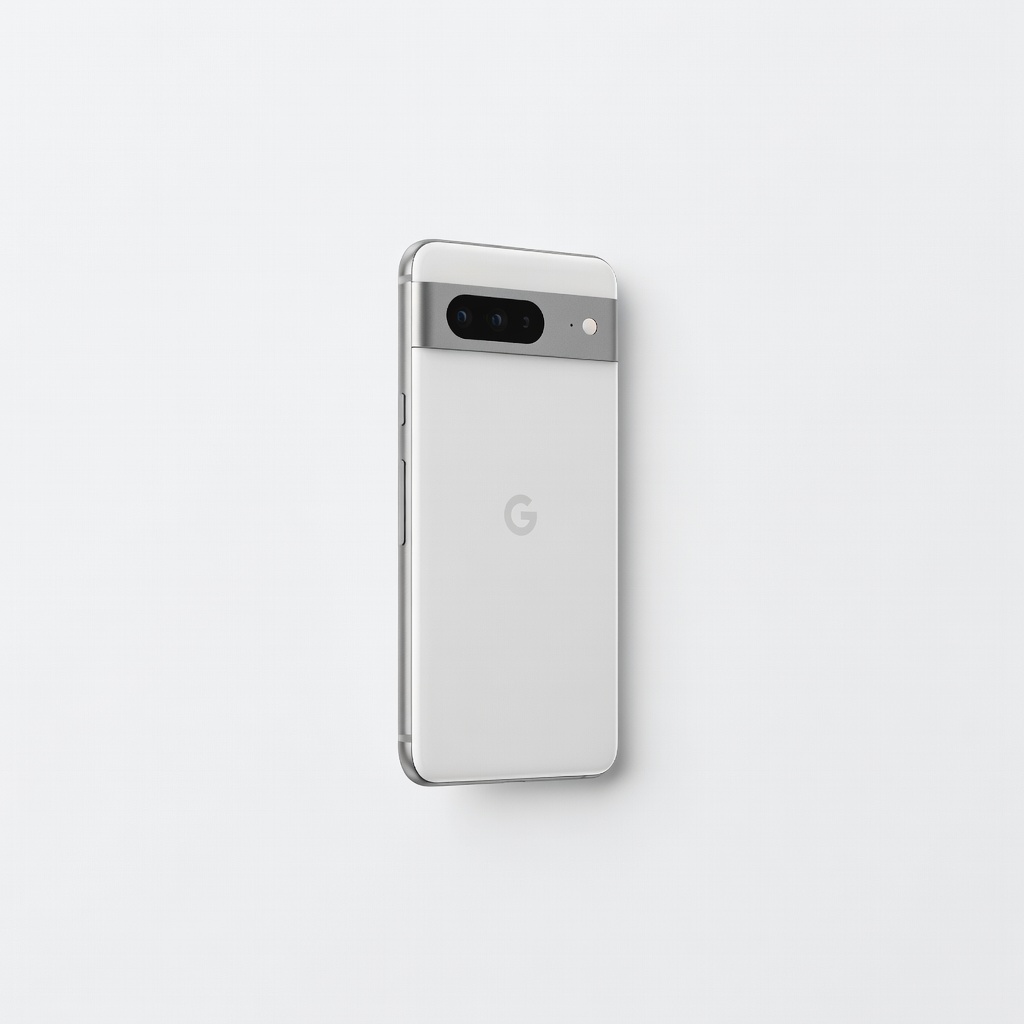
The Pixel 10a offers flagship-grade camera software and clean Android at a mid-range price, making it the best value for most budget shoppers. Trade-offs include a plastic build and average battery life.
Main limitation: The plastic back feels less premium and the processor isn't as fast as flagship chips.
Skip if: If you need top-tier gaming performance or a premium design, consider a flagship instead.
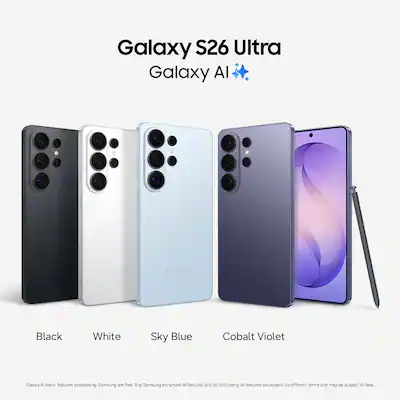
The Galaxy S26 Ultra is a powerhouse for Android fans, with a built-in S Pen, a massive display, and top-tier specs. The main trade-off is its high price and Samsung's sometimes redundant software.
Main limitation: It's very expensive and the software includes duplicate apps.
Skip if: If you don't need the S Pen or the absolute best camera, the standard S26 offers similar performance for less.
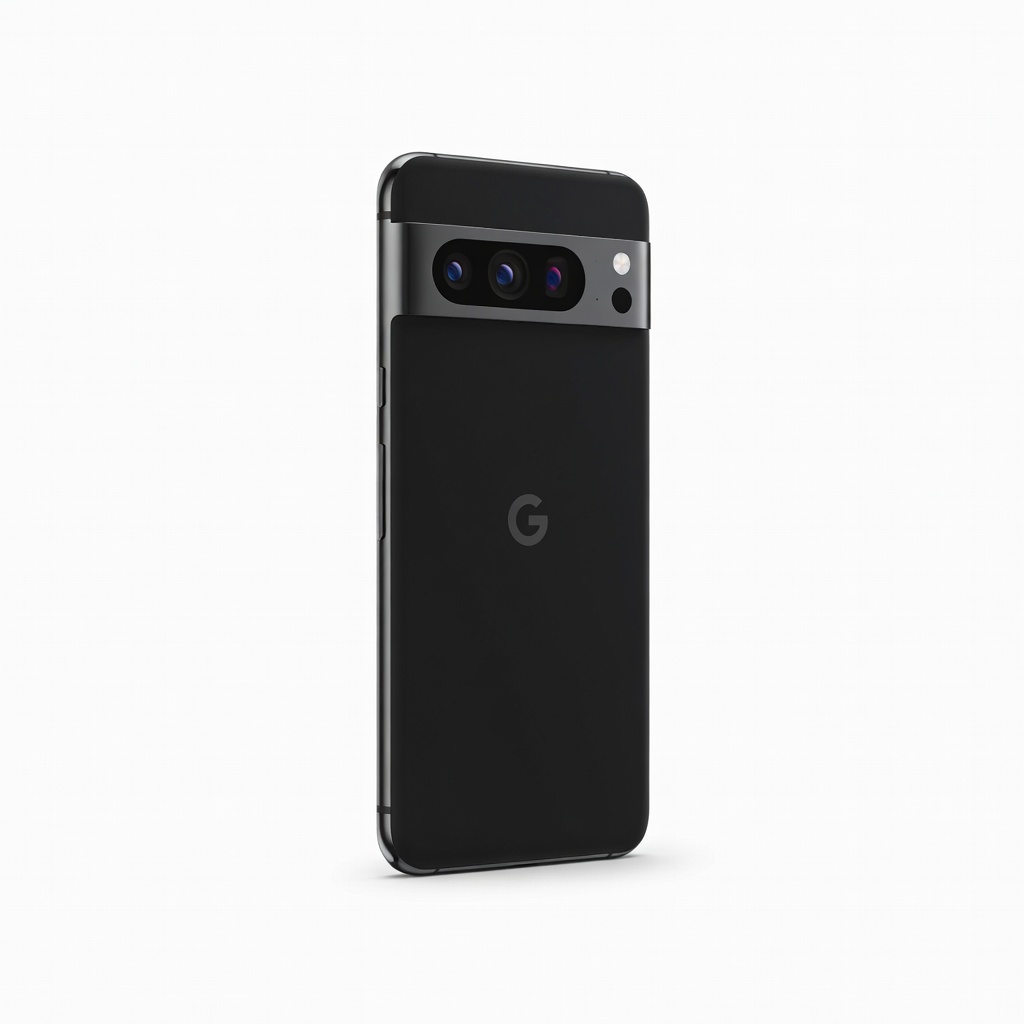
The Pixel 10 Pro consistently produces the best photos straight out of the camera, thanks to Google's computational photography and AI tools. However, its Tensor chip lags behind rivals in raw performance and battery efficiency.
Main limitation: The processor can run warm under heavy load and battery life is only average.
Skip if: If you prioritize gaming performance or long battery life, other flagships may be better.
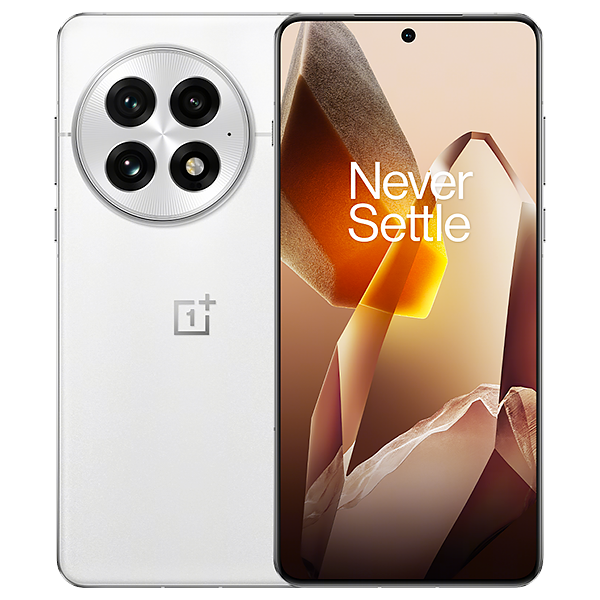
The OnePlus 14 delivers near-flagship performance and incredibly fast charging at a price that undercuts most competitors. The catch: its camera system isn't quite as consistent as the best from Apple or Google, and software updates are less frequent.
Main limitation: Camera performance in low light isn't as strong as top-tier rivals.
Skip if: If you need the absolute best camera or long-term software support, consider a Pixel or iPhone.
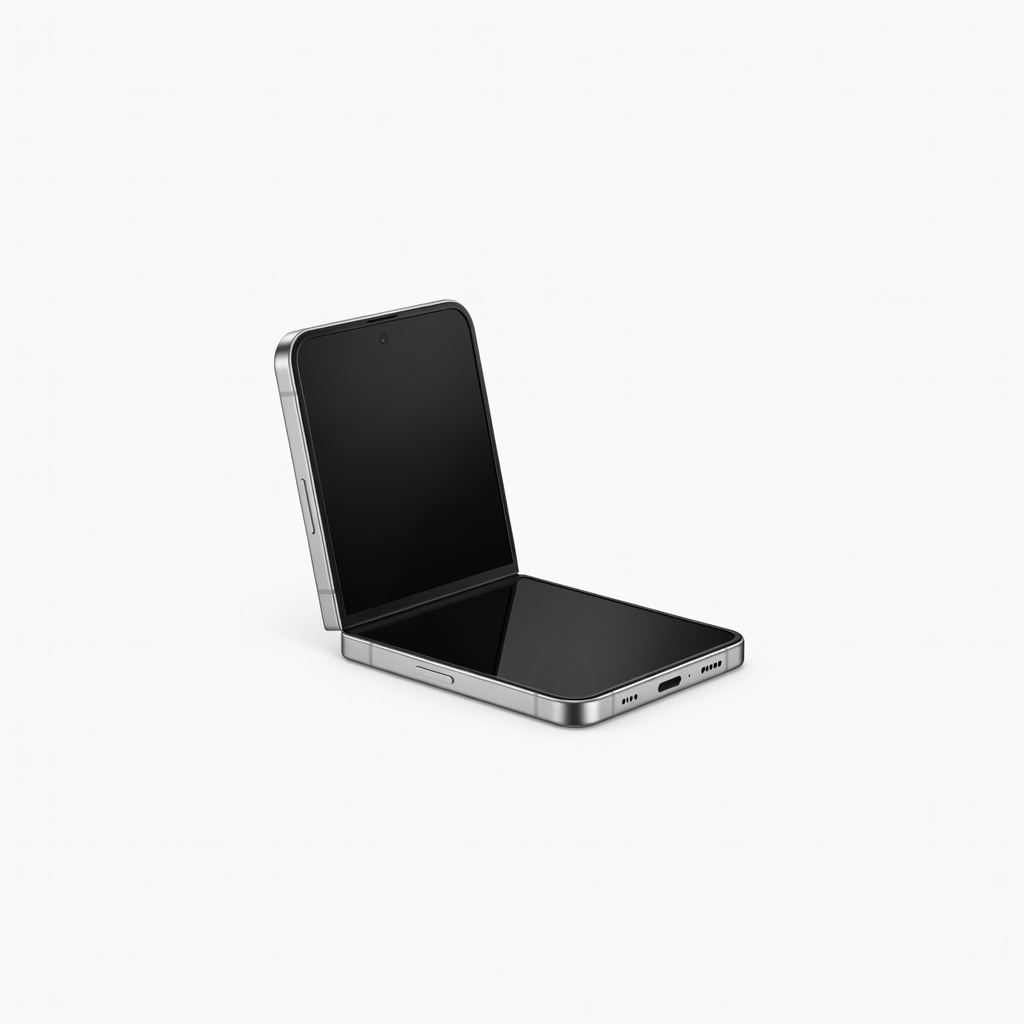
The Galaxy Z Flip 7 makes foldables more accessible, with a stylish design, improved durability, and a useful cover screen. Trade-offs include a noticeable crease, average battery life, and a higher price than a standard flagship.
Main limitation: The crease is still visible and the battery won't last as long as non-foldables.
Skip if: If you need maximum battery life or the best camera, a traditional phone is a safer bet.
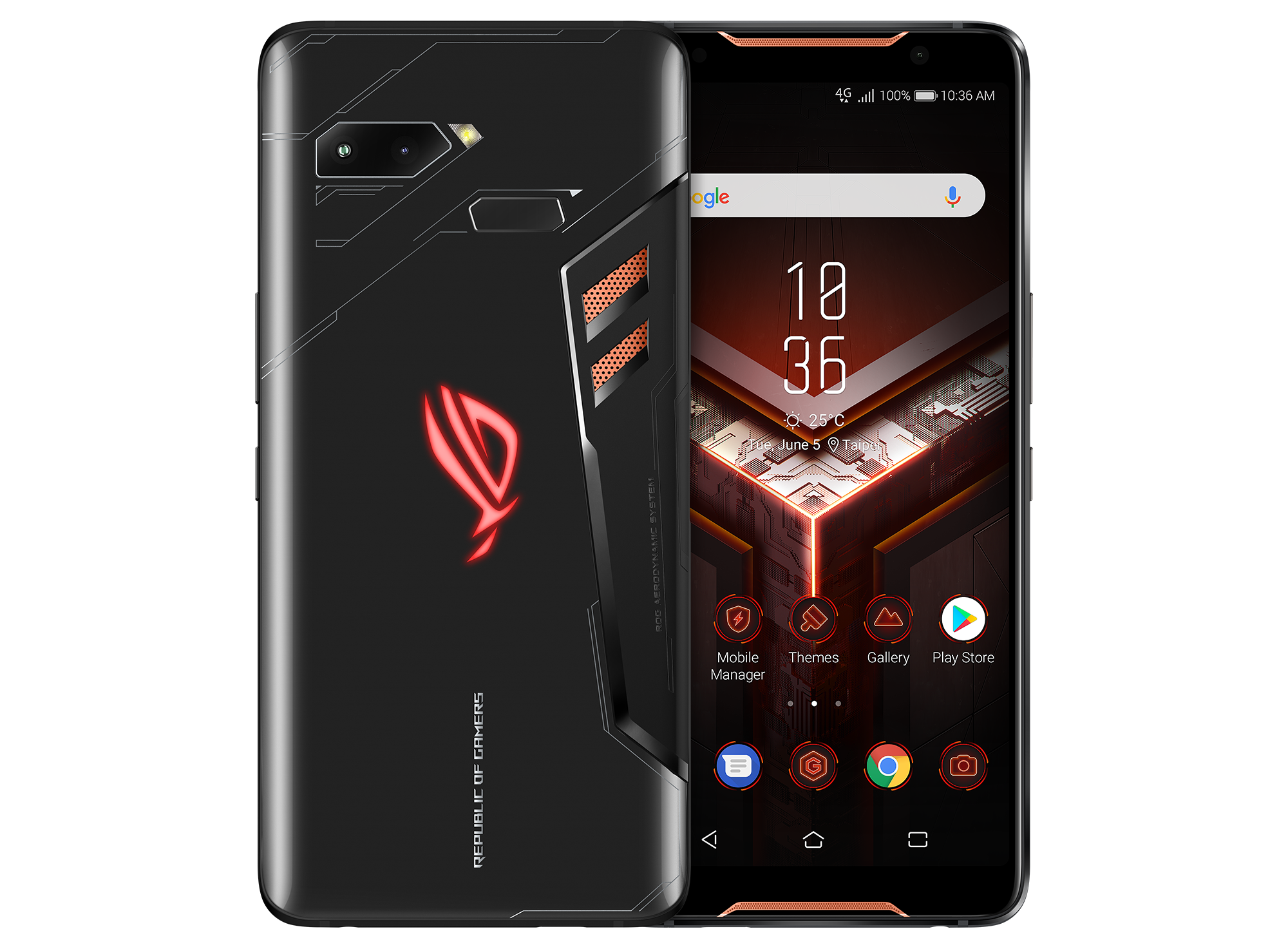
The ROG Phone 10 is the ultimate gaming phone, with a blazing-fast display, massive battery, and unique cooling system. Its bulky design and gamer-centric software make it less appealing for everyday use.
Main limitation: It's heavy and the design is aggressively styled for gamers.
Skip if: If you want a sleek phone for general use, this isn't for you.
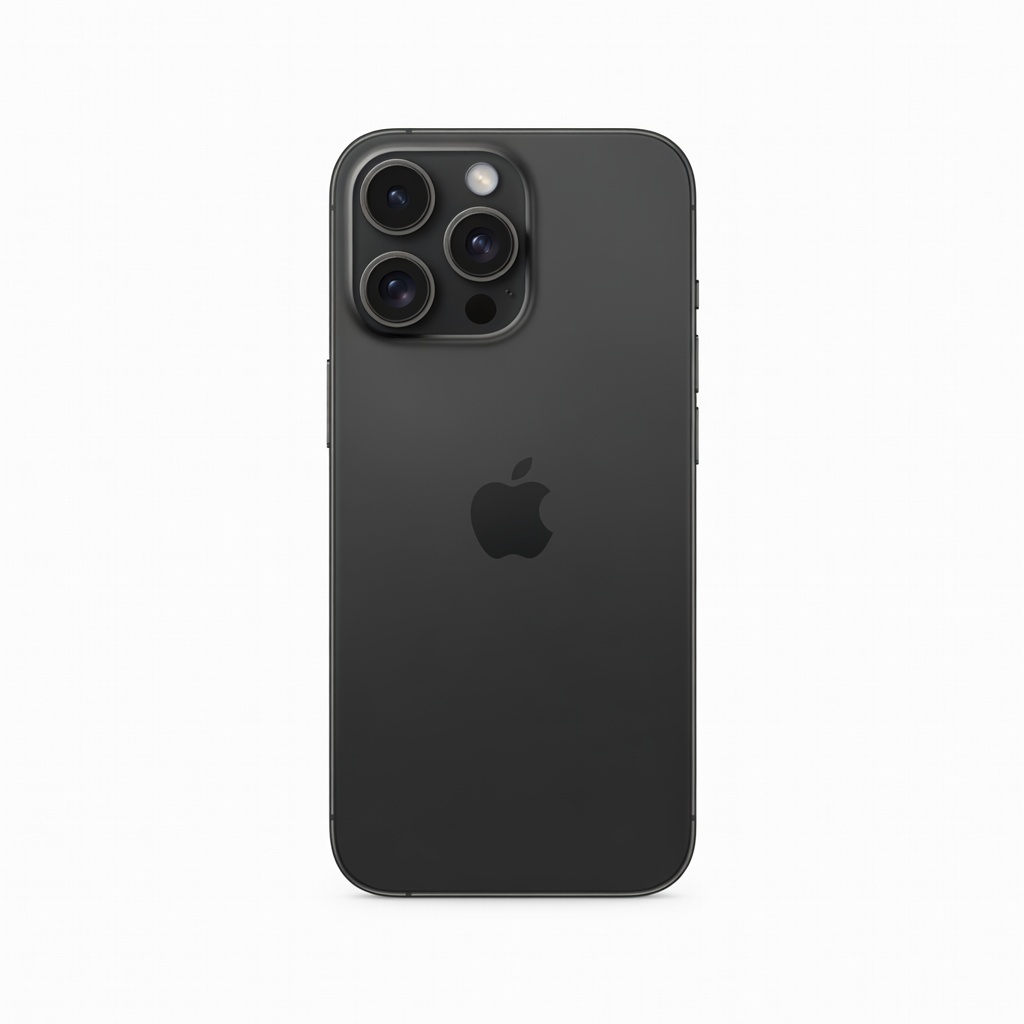
The iPhone 17 brings most of the Pro experience to a more affordable price, with the same chip and a dual camera that's great for everyday shots. It lacks the Pro's telephoto lens and ProMotion display.
Main limitation: The display is only 60Hz, which feels outdated compared to competitors.
Skip if: If you want the best camera or a smoother display, step up to the Pro.
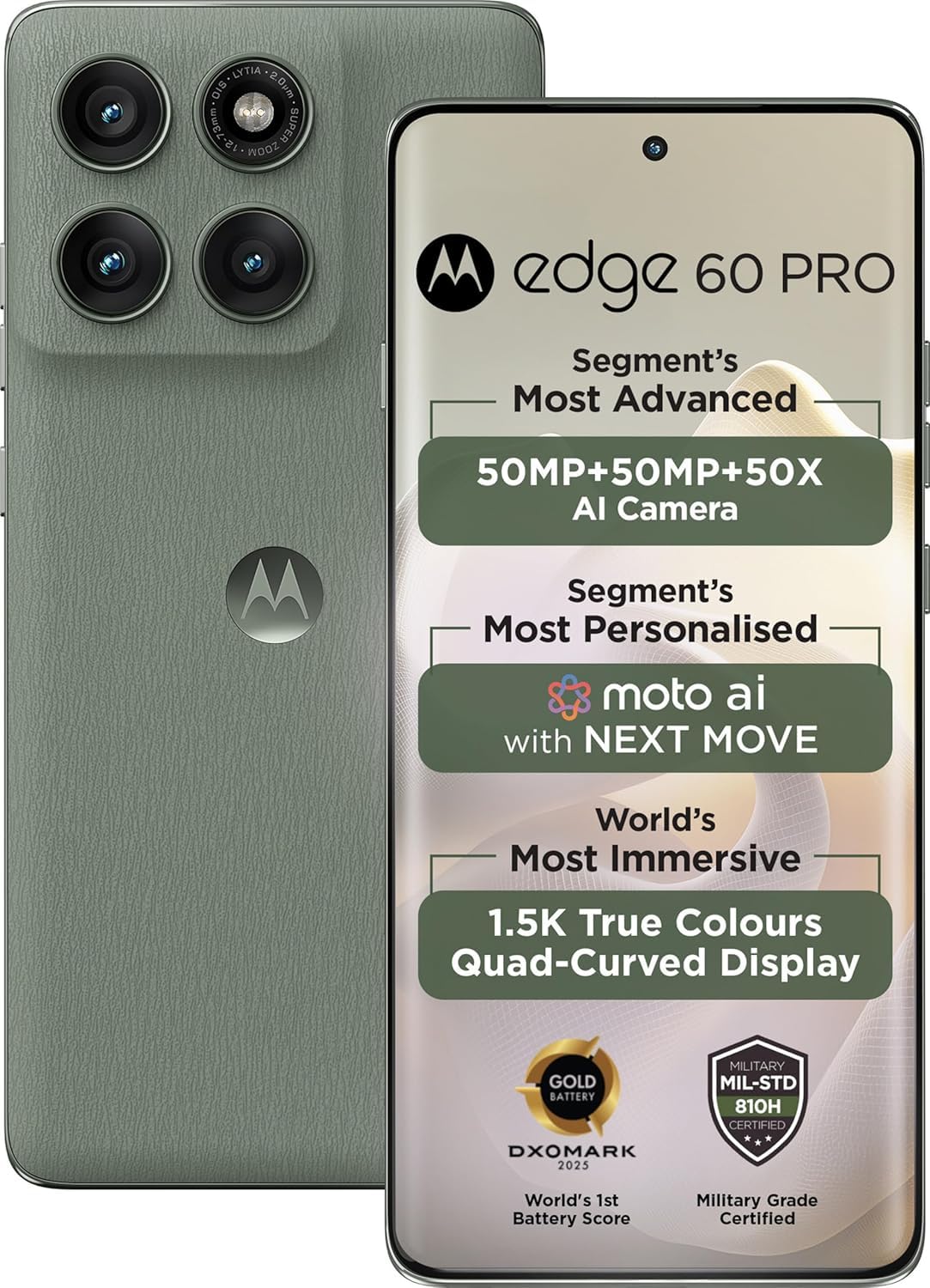
The Edge 60 Pro offers exceptional battery life and fast charging, along with a sleek design and near-stock Android. Its camera and processor are a step behind similarly priced rivals.
Main limitation: The Snapdragon 7 series chip isn't as powerful as flagship processors.
Skip if: If you need top-tier gaming or camera performance, look elsewhere.
The Xiaomi 15T Pro stands out for its blazing-fast 120W charging and Leica-branded cameras, offering great value. However, MIUI software can be polarizing and the phone isn't widely available in the US.
Main limitation: Software has ads in some regions and US availability is limited.
Skip if: If you're in the US or prefer clean Android, consider a Pixel or Motorola.
Compare key specs and features of all our recommendations side-by-side
| Product | Recommendation | Rating | Price |
|---|---|---|---|
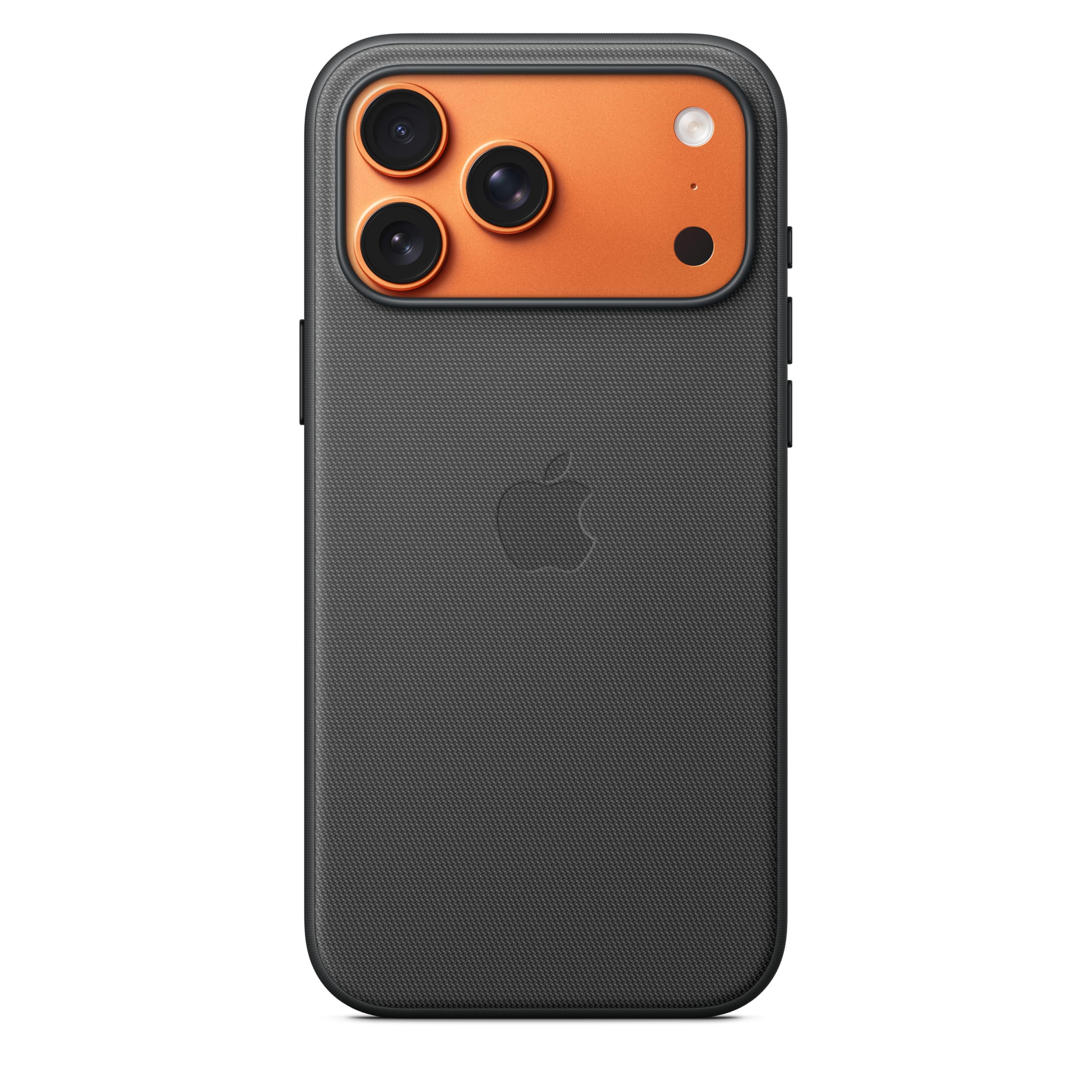 Apple iPhone 17 Pro Max Rank #1 | 🏆 Top Pick | 4.3 4.3 | $1,199–$1,599 Check current price → |
Google Pixel 10a Rank #2 | 💰 Budget Pick | 8.6/10 | $499–$549 Check current price → |
Samsung Galaxy S26 Ultra Rank #3 | ⭐ Editor's Choice | 9.2/10 | $1,299–$1,699 Check current price → |
Google Pixel 10 Pro Rank #4 | — | 9.0/10 | $999–$1,099 Check current price → |
OnePlus 14 Rank #5 | — | 8.8/10 | $799–$899 Check current price → |
Samsung Galaxy Z Flip 7 Rank #6 | — | 8.5/10 | $999–$1,099 Check current price → |
Asus ROG Phone 10 Rank #7 | — | 8.7/10 | $999–$1,199 Check current price → |
Apple iPhone 17 Rank #8 | — | 8.9/10 | $799–$899 Check current price → |
Motorola Edge 60 Pro Rank #9 | — | 8.4/10 | $599–$699 Check current price → |
Xiaomi 15T Pro Rank #10 | — | 8.3/10 | $649–$749 Check current price → |
Common questions buyers have about this category.
For most people, $500–$800 is the sweet spot, offering excellent performance, cameras, and software support. Budget phones under $500 are fine for basic use, while flagships over $1,000 are only worth it if you need specific pro features like advanced zoom or S Pen.
Software update commitment is crucial because it determines how long your phone stays secure and gets new features. Google and Samsung now offer 7 years of updates on many models, while Apple typically supports iPhones for 5–6 years.
Foldables have improved durability and are more affordable, but they still come with trade-offs like a visible crease, shorter battery life, and higher repair costs. They're best for early adopters who value the folding form factor over raw specs.
It varies by brand: Google and Samsung offer up to 7 years of OS and security updates on their flagship and some mid-range phones. Apple typically provides 5–6 years of iOS updates. Always check the manufacturer's policy before buying.
5G is now standard on almost all new phones, even budget models. While coverage is widespread, the practical speed difference for everyday tasks like browsing and streaming is minimal, so don't pay a premium solely for 5G.
A high refresh rate (90Hz or 120Hz) makes scrolling and animations feel smoother, and it's worth having if you can afford it. However, it can drain battery faster, so some phones offer adaptive refresh rates to balance performance and endurance.
Google's Pixel 10 Pro and Apple's iPhone 17 Pro Max consistently rank among the best for still photos, thanks to their computational photography. If you want the best zoom, the Samsung Galaxy S26 Ultra's 200MP camera and periscope lens are top-tier.
Products we evaluated but did not recommend — and why.
