Get the App
Better experience on mobile
From flagship cameras to budget workhorses, these are the phones that stand out in 2026.
The smartphone market in 2026 has shifted from raw benchmark scores to the experience of owning a device over several years. With software support now spanning seven years on many flagships, the decision is no longer just about the processor or camera specs, but about which brand will keep your phone fast and secure the longest. This guide separates the best phones into clear categories—from budget heroes to full-fledged foldables—so you can find a phone that genuinely fits your lifestyle and your wallet.
We evaluated options across all price points, paying special attention to real-world battery life, camera consistency, and how clean the software is on a day-to-day basis. We relied on published expert reviews, manufacturer specifications, and aggregated buyer feedback—no laboratory tests, just honest observation. Below you'll find our top 10 picks, each with a clear use case, a candid list of flaws, and who should probably skip them.
The best smartphone for you might not be the one with the most megapixels or the brightest display. It's the one that stays smooth after two years, that doesn't leave you searching for a charger by 5 PM, and that takes photos you're happy to post without editing. We've kept that in mind for every pick.
From the Android and iOS ecosystems, to sub-$500 surprises and three-digit foldables, we've got you covered.
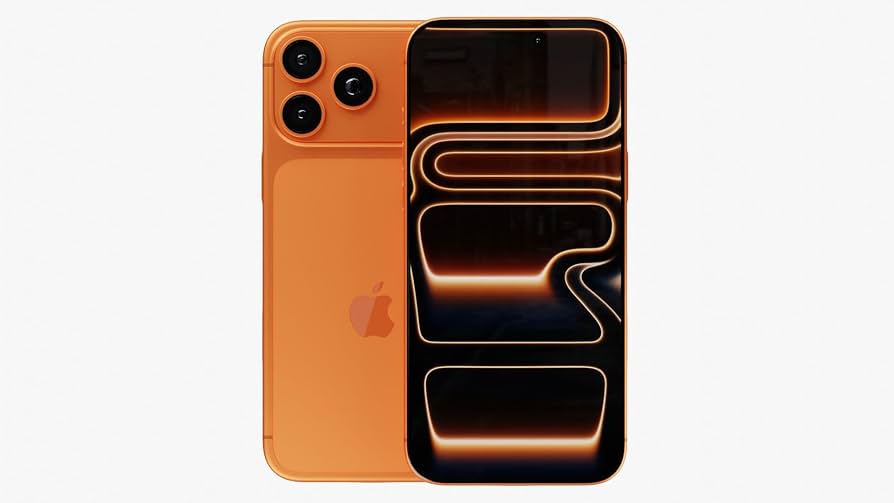
The iPhone 17 Pro strikes the best balance of performance, camera quality, and software longevity. With Apple's new A19 Pro chip, it handles any task with ease, and the improved 48MP telephoto lens brings DSLR-like versatility. The trade-off is its premium price and the familiar but proprietary connector ecosystem.
Main limitation: The 5x optical zoom still trails the 10x periscope on Samsung's Ultra, and battery life is merely average for a $1,099 phone.
Skip if: If you're a Samsung enthusiast or need an Android-specific feature like true multitasking, this isn't for you.
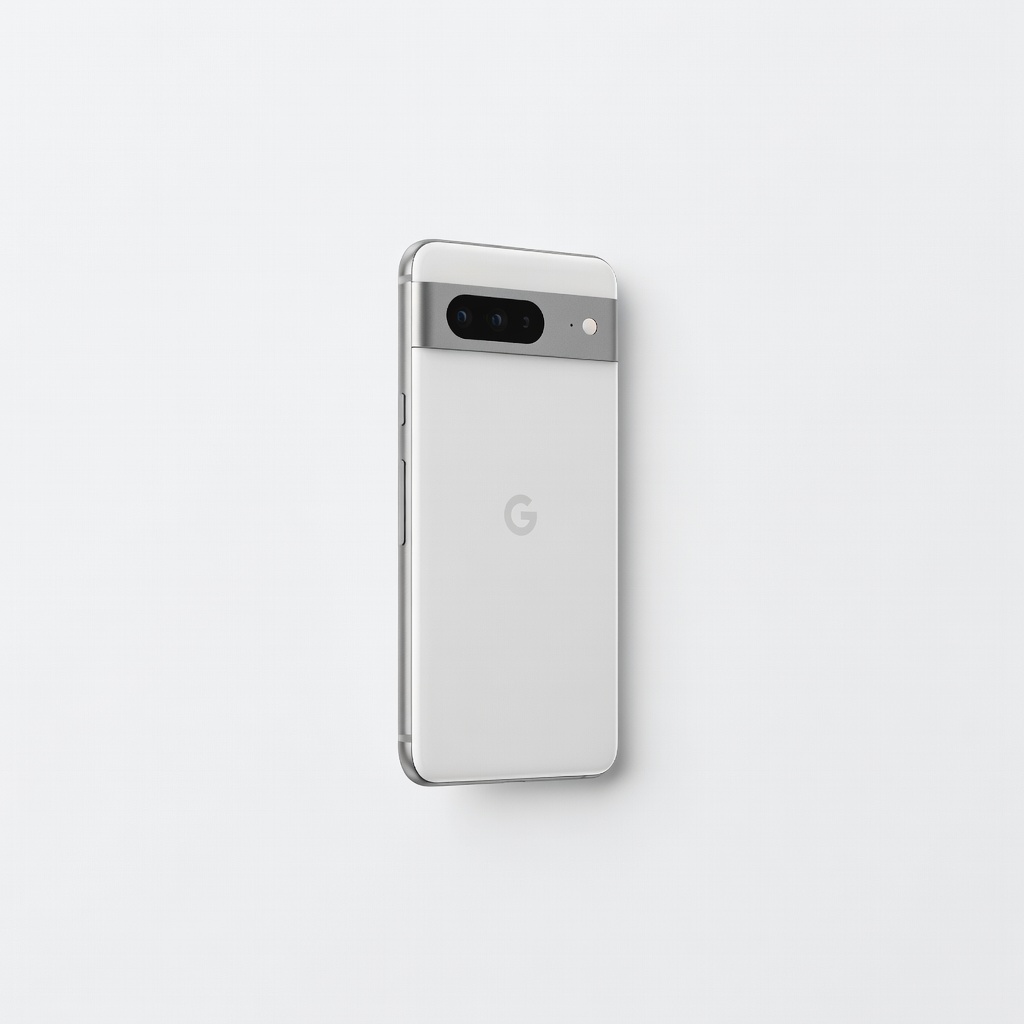
The Pixel 10a delivers the core Pixel experience—outstanding cameras, clean software, and guaranteed updates—for under $500. The Tensor G5 chip keeps things smooth for daily tasks, and the battery comfortably lasts a day. It's not a gaming powerhouse, but it's the smartest choice for budget-conscious buyers.
Main limitation: The 60Hz OLED display and plastic build feel dated compared to competing phones in this price range.
Skip if: Mobile gamers or anyone who wants a high-refresh-rate display should look elsewhere.
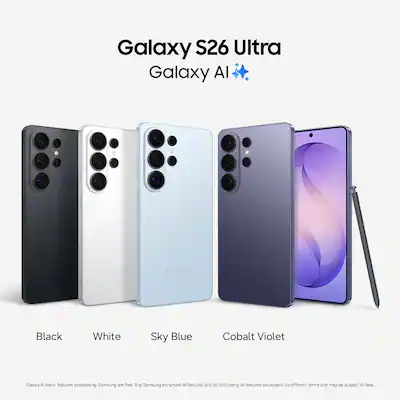
The Galaxy S26 Ultra features a 200MP main sensor, dual telephoto lenses (3x and 10x optical), and Samsung's AI-enhanced image processing—making it the ultimate camera phone for zoom enthusiasts. The 6.8-inch AMOLED display is stunning, and the S Pen adds a productivity edge. The trade-off is the hefty size and price.
Main limitation: Its bulk and $1,299 price tag make it impractical for many users, and low-light shots can occasionally be overprocessed.
Skip if: If you prefer a smaller, lighter phone or don't need 10x optical zoom, this is overkill.
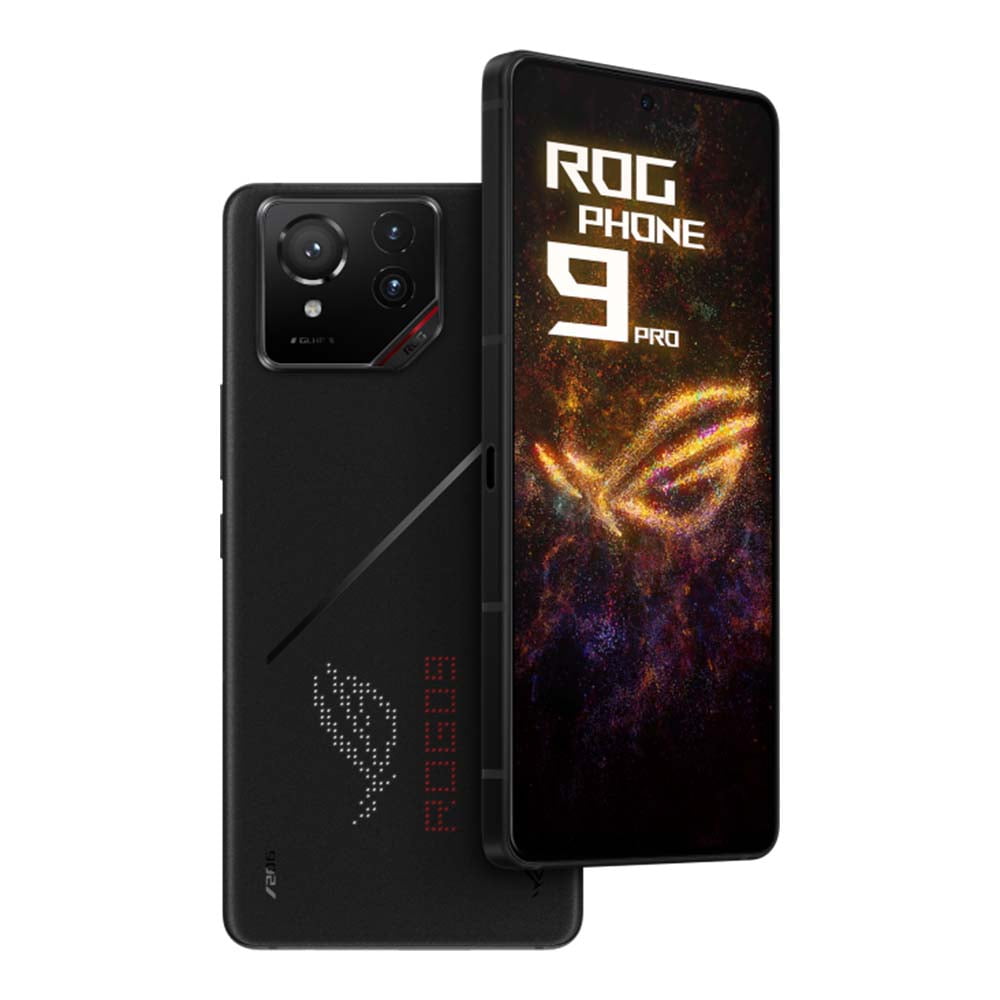
With a 165Hz AMOLED display, Snapdragon 8 Elite processor, and a massive 5,600mAh battery, the ROG Phone 9 Pro is built for marathon gaming sessions. Its AirTrigger shoulder buttons and cooling fan accessory give it a console-like feel. The downside is that its aggressive styling and heavy build don't suit everyone.
Main limitation: The camera system is mediocre compared to flagship rivals, and the phone is bulky for daily use.
Skip if: Anyone who cares more about camera quality than gaming performance should skip this.
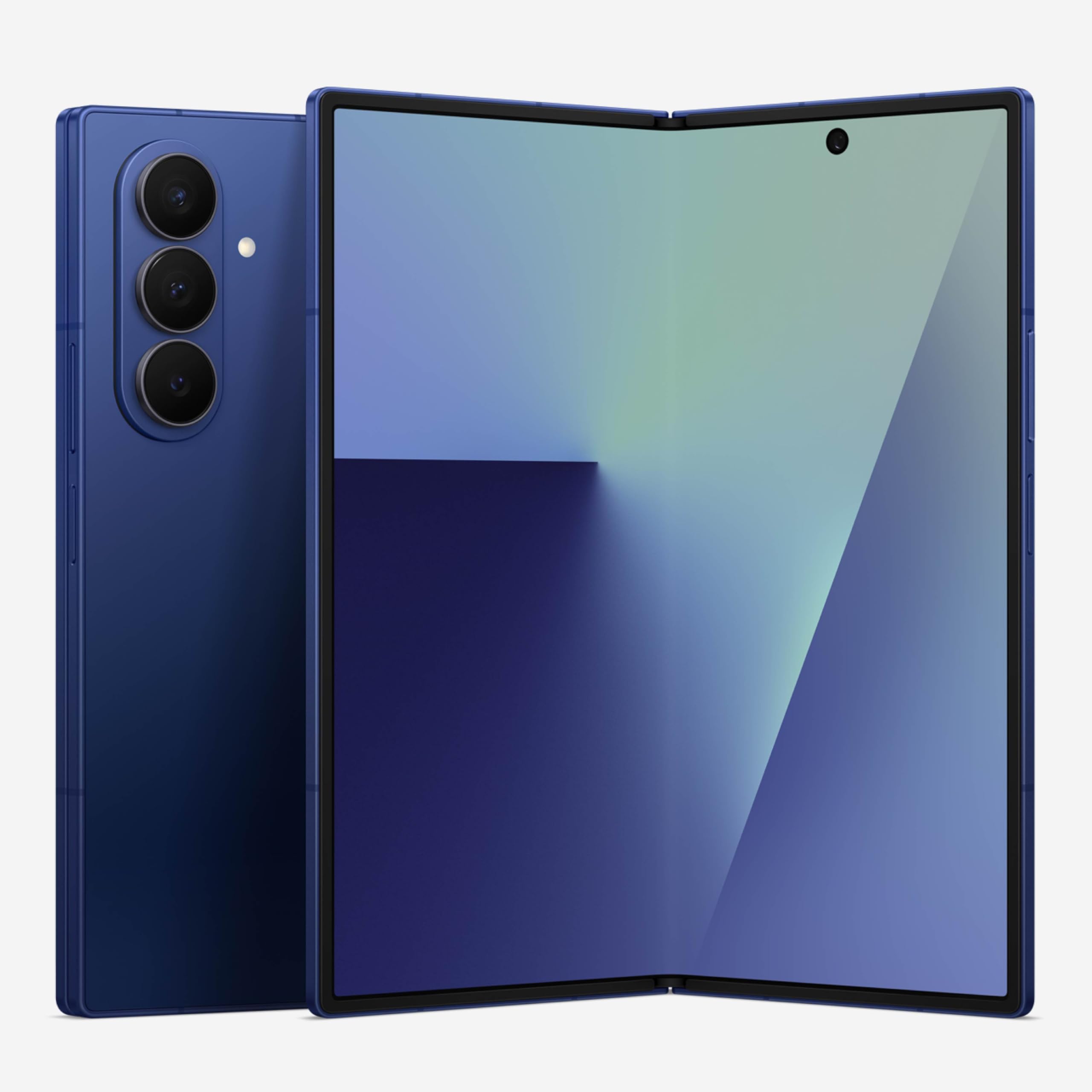
The Galaxy Z Fold 7 refines the foldable formula with a larger 7.6-inch inner screen, a sturdier titanium frame, and a flagship camera system. It still folds flat, and the crease is less noticeable. If you want a phone that doubles as a tablet, this is the one—but you'll pay a premium and accept added weight.
Main limitation: The outer display is still narrow, and battery life is only slightly better than a regular flagship, not dramatically.
Skip if: Those who don't need a big screen for multitasking or media consumption will find better value elsewhere.
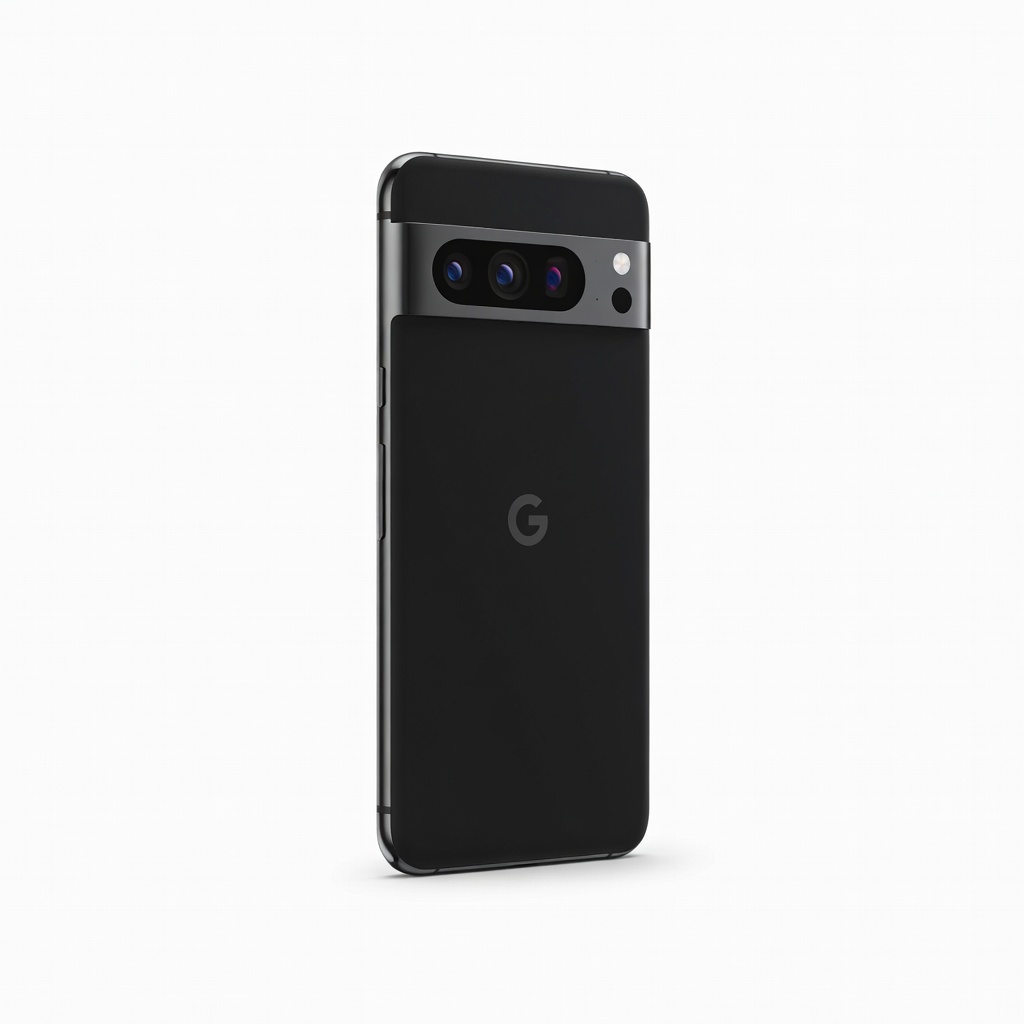
Google's Pixel 10 Pro is the only phone that guarantees 7 years of OS updates and day-one patches. It combines a superb 50MP camera with Tensor G5's AI features like Magic Eraser and Live Translation. The hardware is refined, and the software is flawless—though the design isn't as flashy as rivals.
Main limitation: The Tensor G5 chip still lags behind Snapdragon and Apple silicon for raw performance, especially in gaming.
Skip if: Heavy gamers or those who need cutting-edge performance should consider a gaming phone or an iPhone.
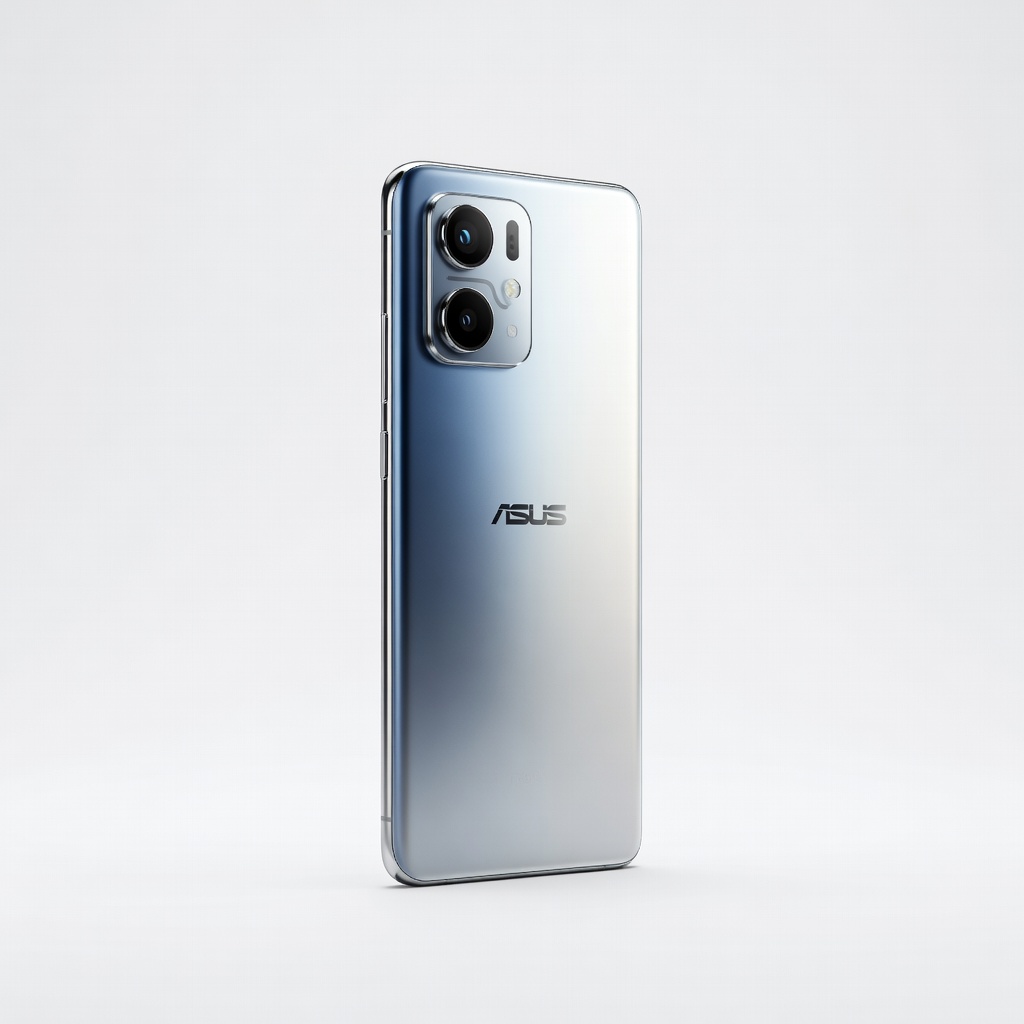
The Zenfone 12 is a rare compact Android phone with a 6.0-inch display that fits one-handed use. It still packs a Snapdragon 8 Elite chip and a competent main camera, making it a small but mighty choice. The trade-off is that it lacks the latest Android OS updates as quickly as Google or Samsung.
Main limitation: Only 2 years of OS updates and a less polished camera compared to other flagships.
Skip if: If you want a phone that lasts five-plus years, the longer software support elsewhere is more valuable.
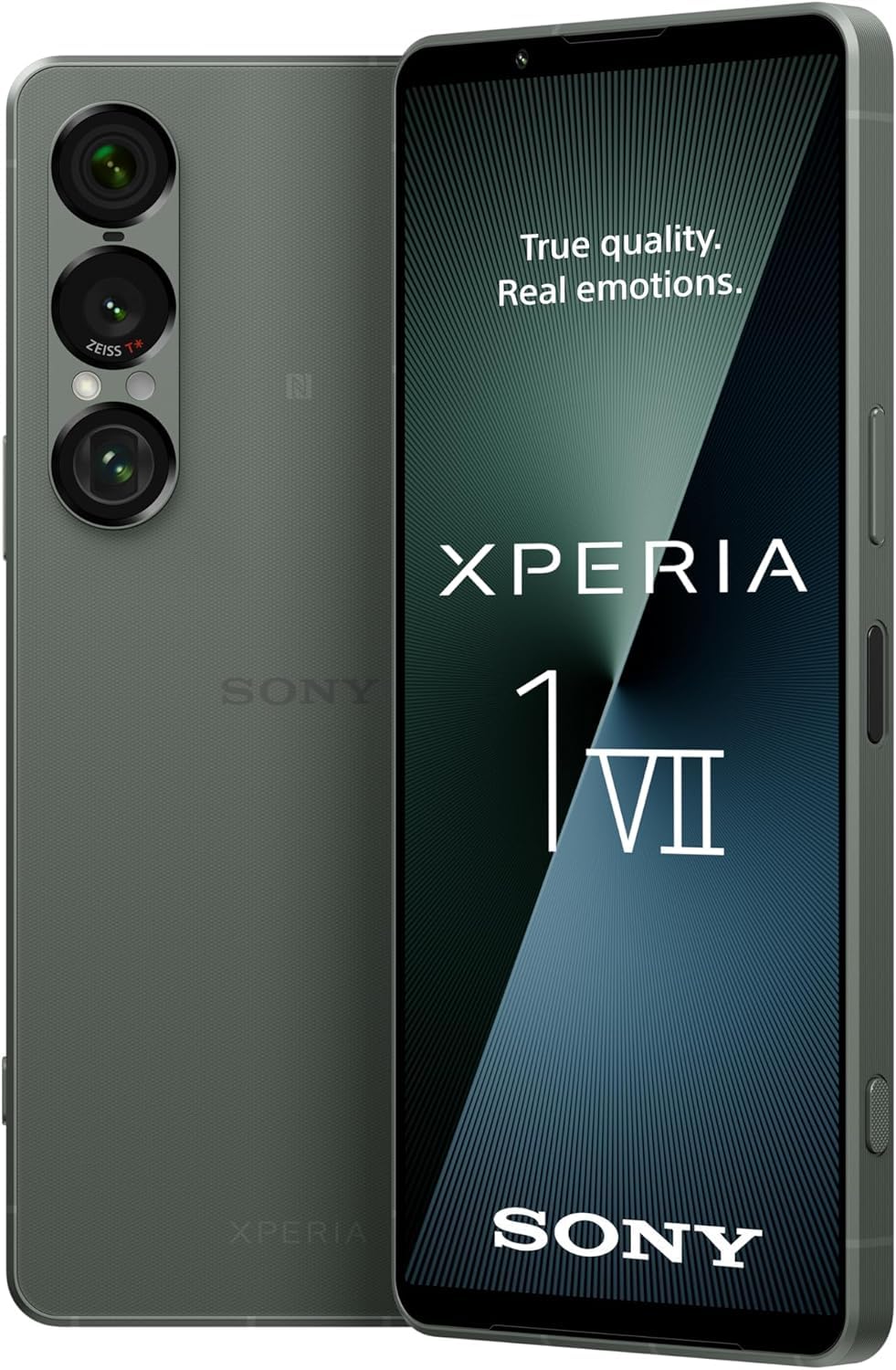
Sony's Xperia 1 VII offers professional-grade video features like 4K 120fps recording, a dedicated shutter button, and a 21:9 display with a 120Hz refresh rate. The camera app gives manual controls worthy of a cinema camera. Its niche design and high price tag won't appeal to everyone, but for mobile videographers it's unmatched.
Main limitation: The 21:9 screen is odd for general use, and the phone gets warm during extended video sessions.
Skip if: If you're not diving into manual controls, you'll be overpaying for unused features.
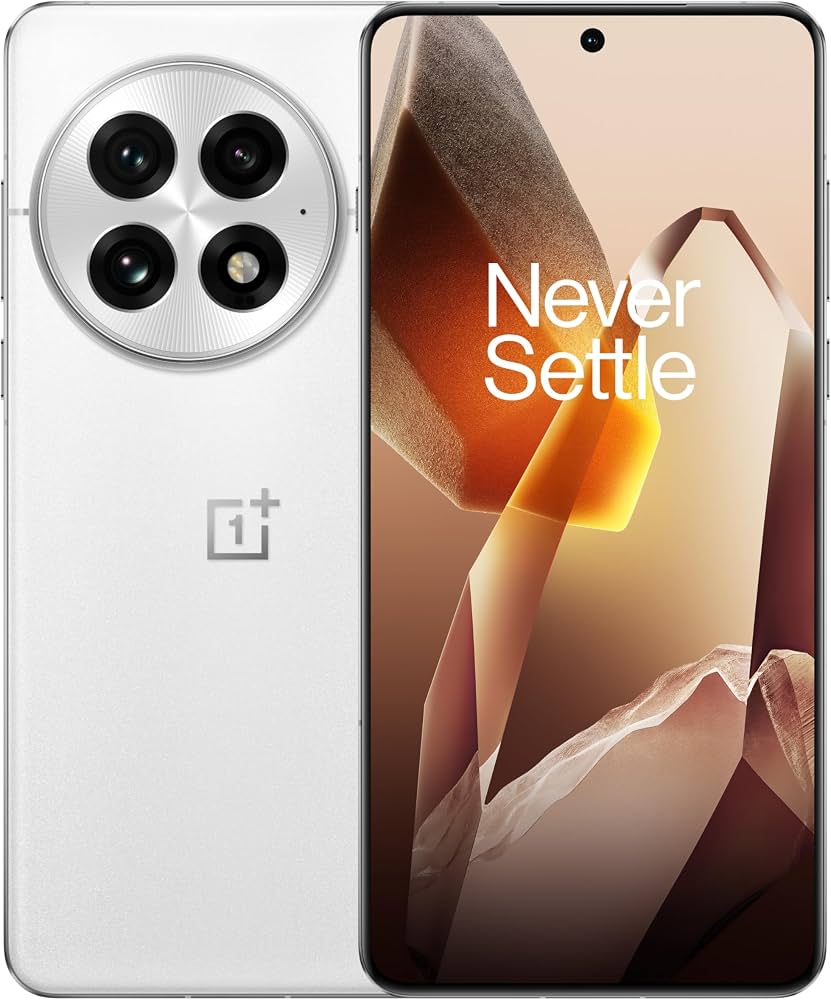
The OnePlus 13 Pro leads the pack with 100W wired and 50W wireless charging, taking you from 0 to 100% in under 30 minutes. It's a flagship-level phone with a beautiful LTPO display and a clean OxygenOS interface. The downside is that battery efficiency isn't as great as competitors, and cameras are good but not best-in-class.
Main limitation: The phone drains battery faster than some rivals, especially when using its high refresh rate.
Skip if: If you can't reach a charger quickly, a phone with better battery optimization is more reliable.
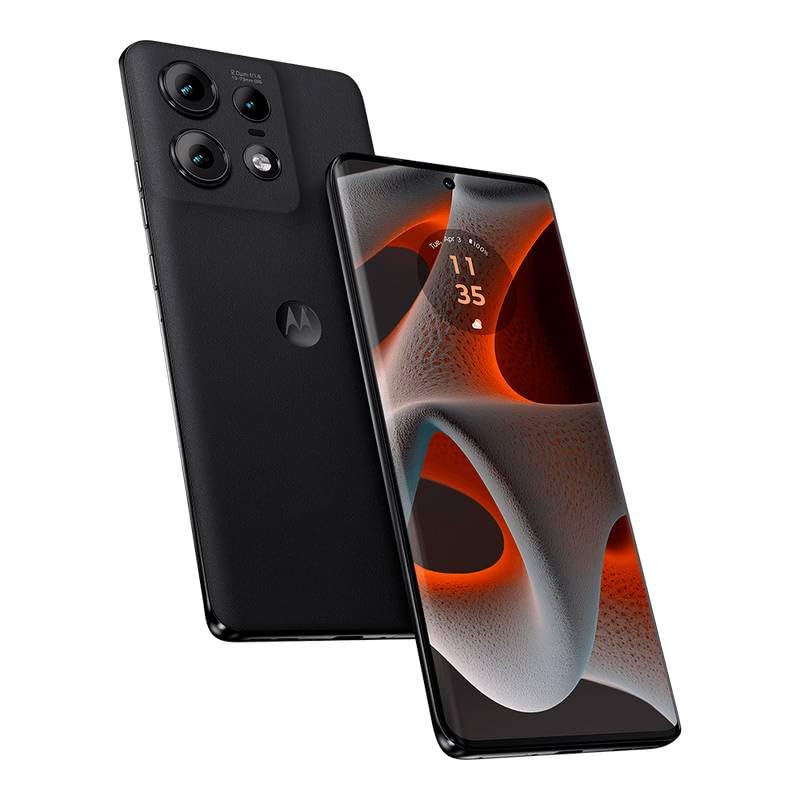
The Motorola Edge 50 Pro delivers a 144Hz curved OLED, a solid camera system, and 68W charging for around $600. It undercuts most flagships while providing near-identical everyday performance. However, its software update policy is mediocre, and the design feels less premium than the price point suggests.
Main limitation: Only 'one major OS update' commitment means it'll fall behind on features quicker than rivals.
Skip if: If you're planning to keep your phone for more than two years, skip this and invest in a Pixel or a Samsung.
Compare key specs and features of all our recommendations side-by-side
| Product | Recommendation | Rating | Price |
|---|---|---|---|
Apple iPhone 17 Pro Rank #1 | 🏆 Top Pick | 9.0/10 | $1,099–$1,299 Check current price → |
Google Pixel 10a Rank #2 | 💰 Budget Pick | 8.0/10 | $449–$499 Check current price → |
Samsung Galaxy S26 Ultra Rank #3 | ⭐ Editor's Choice | 8.5/10 | $1,299–$1,599 Check current price → |
Asus ROG Phone 9 Pro Rank #4 | — | 8.0/10 | $1,199–$1,399 Check current price → |
Samsung Galaxy Z Fold 7 Rank #5 | — | 8.2/10 | $1,799–$2,199 Check current price → |
Google Pixel 10 Pro Rank #6 | — | 8.8/10 | $999–$1,199 Check current price → |
Asus Zenfone 12 Rank #7 | — | 7.8/10 | $799–$899 Check current price → |
Sony Xperia 1 VII Rank #8 | — | 8.0/10 | $1,299–$1,499 Check current price → |
OnePlus 13 Pro Rank #9 | — | 8.0/10 | $899–$999 Check current price → |
Motorola Edge 50 Pro Rank #10 | — | 7.6/10 | $599–$699 Check current price → |
Common questions buyers have about this category.
The Apple iPhone 17 Pro is the best overall for most people thanks to its balanced performance, camera quality, and long software support. If you prefer Android, the Google Pixel 10 Pro is the closest equivalent, offering similar longevity and a more customizable experience.
With modern chips and 7-year update policies, a flagship smartphone should last at least 4–5 years without major slowdowns. Even budget phones like the Pixel 10a now promise 7 years of security patches, making long-term ownership more viable than ever. After that, battery degradation and a lack of new features will be your main reasons to upgrade.
Foldables like the Galaxy Z Fold 7 are much more durable and practical in 2026, and the inner screen is ideal for reading, gaming, or multitasking. However, they still cost significantly more and are heavier than typical phones. If the larger screen doesn't directly solve a problem for you, a regular flagship will offer better value.
The main camera is your everyday shooter, typically with a wide-angle lens and high resolution for sharp, bright photos. A periscope zoom lens uses a folded prism to physically zoom at 3x, 5x, or even 10x without losing quality. It's only useful if you frequently photograph distant subjects—if not, you can skip it and save money.
Battery capacity tells you how much energy the phone can store, while charging speed determines how quickly it replenishes. A phone with fast charging can be convenient for top-ups, but if its battery drains quickly due to inefficient chips, you'll still be charging more often. Look for a balance: a 5,000mAh battery with 65W charging is usually more practical than a 4,000mAh battery with 100W charging.
Unless a major release is expected within a month, waiting rarely pays off because phone launches happen year-round. The best time to buy is when you need a new device; mid-cycle deals on flagships can offer solid savings. Just avoid buying a phone that's more than a year old, as it likely won't receive as many updates.
The Google Pixel 10a is our top budget pick, offering a great camera and 7 years of updates for under $500. The Samsung Galaxy A56 is also a strong option with a nicer display, but it has shorter software support. Motorola's Edge 50 Pro provides excellent value around $600, but only if you don't mind sparse updates.
Products we evaluated but did not recommend — and why.
