Get the App
Better experience on mobile
Get the best products related to our top picks
In 2024, selecting the right smart speaker is more crucial than ever as these devices have evolved from simple music players into central hubs for home automation, entertainment, and daily productivity. With voice assistants like Alexa, Google Assistant, and Siri dominating the market, a smart speaker can control lights, thermostats, security cameras, and more, all while delivering high-quality audio for podcasts, music streaming, or calls. The wrong choice can lead to frustrations like poor sound quality, limited compatibility with your existing smart home ecosystem, or frustrating voice recognition errors, potentially cluttering your space without delivering value.
This guide explores the spectrum of options, from budget-friendly entry-level models under $50 that offer basic functionality to premium picks over $100 with superior audio and advanced features like spatial audio or built-in Zigbee hubs for seamless device integration. Budget models, such as the Amazon Echo Dot (5th Gen), prioritize affordability and Alexa integration, ideal for casual users testing the waters without breaking the bank. Premium alternatives, like the Apple HomePod Mini or Sonos Era 100, emphasize rich soundscapes, privacy-focused designs, and multi-room audio capabilities, suiting audiophiles or Apple ecosystem loyalists willing to invest for longevity and performance.
Readers will gain insights into key decision factors, including audio fidelity, smart home compatibility, and privacy features, helping you navigate the crowded market. We'll compare real-world performance, highlight value across price points, and avoid common pitfalls like overlooking ecosystem lock-in. By the end, you'll know which speaker aligns with your needs—whether it's the compact Google Nest Mini for Google Home users, the versatile Amazon Echo (4th Gen) for broad compatibility, the stylish Sonos Roam 2 for portability, or the JBL Authentics 300 for powerful bass. Our detailed reviews, pros/cons, and FAQs will empower you to make an informed purchase, ensuring your 2024 smart speaker enhances your home rather than just occupying shelf space.
(Word count: 278)
When evaluating smart speakers, focus on these 5-7 essential features to ensure the device fits your lifestyle and tech setup:
Voice Assistant Integration: The core brain of the speaker. Amazon's Alexa excels in third-party skill variety (over 100,000) and smart home control, making it ideal for broad automation. Google's Assistant shines in natural language processing and YouTube/Google service ties, while Siri's strength lies in Apple ecosystem privacy and seamless iOS handover. Compare based on your phone/OS—Android users may prefer Google, iPhone owners Apple.
Audio Quality and Output: Look for drivers, wattage, and EQ customization. Entry-level models like the Echo Dot use 1.73-inch speakers for clear mids but lack deep bass; premium ones like the Sonos Era 100 feature dual tweeters and woofers for 360-degree sound up to 25W, supporting Dolby Atmos for immersive listening. Test for room-filling volume without distortion—aim for at least 50dB SPL for medium spaces.
Smart Home Compatibility: Check supported protocols like Zigbee (built into Echo 4th Gen for direct bulb control), Matter (universal standard in 2024 models like Nest Mini), or Thread (HomePod Mini). This determines how easily it connects to lights, locks, or vacuums—avoid silos by choosing Matter-certified devices for future-proofing.
Connectivity Options: Beyond Wi-Fi (essential for all), seek Bluetooth for offline playback, AUX ports for wired setups, or multi-room pairing (e.g., Sonos' Trueplay tuning). Battery-powered portables like the Sonos Roam 2 add versatility for outdoor use, with IP67 water resistance.
Privacy and Security: Features like microphones with physical mutes (standard on Echo and Nest) or end-to-end encryption (Apple's edge) are vital. Review data policies—Google and Amazon share more for personalization, while Apple prioritizes on-device processing.
Size, Design, and Portability: Compact options (Echo Pop at 3.3 inches) suit desks; larger ones (Bose Home Speaker 500 at 6.5 inches wide) for living rooms. Fabric finishes (Nest Mini) resist fingerprints better than glossy plastics.
Additional Perks: Touch controls, LED indicators, or expandability (e.g., pairing with subwoofers) add value. Battery life in portables ranges from 5-10 hours; check for software updates guaranteeing 5+ years of support.
Smart speakers span tiers that balance cost with capabilities, especially in 2024's market where entry barriers are low.
Under $50 (Budget Tier): Basic models like the Amazon Echo Dot (5th Gen) at ~$50 or Echo Pop at ~$18 deliver solid Alexa integration, 360-degree audio, and temperature sensors for routines. You get essential voice control and streaming (Spotify, Apple Music) but compromise on bass and advanced zoning. Ideal for first-timers or kids' rooms—expect 80% of premium features at 20% the price.
$50-$100 (Mid-Range Tier): Sweet spot for most, including Google Nest Mini ($49) with rich bass vents and privacy dashboard, or Apple HomePod Mini ($99) for spatial audio. Gains include better mics for far-field recognition (up to 10 feet) and Matter support, plus customizable EQ via apps. This level suits average households, offering multi-room sync without excess.
Over $100 (Premium Tier): High-end like Sonos Era 100 ($249) or JBL Authentics 500 ($600) provide audiophile-grade sound (stereo pairs, line-in), line-array mics for calls, and AirPlay 2. You get longevity (7+ years support) and features like adaptive sound, but it's overkill for casual use. Factor in bundles—Amazon often discounts Echos during sales, dropping premiums to mid-range.
Consider total ownership: Budget picks may need replacements sooner, while premiums integrate better long-term, saving on hubs.
The sweet spot in 2024 is the $50-$100 range, where performance-to-price ratio peaks. The Amazon Echo Dot (5th Gen) at $50 scores high: its AZ2 neural chip enables fast responses (under 1 second latency) and Eero Wi-Fi extension, rivaling $200+ models in smarts but trailing in audio depth (max 52Hz low-end vs. Sonos' 47Hz). Google Nest Mini ($49) matches with superior Google search integration and ambient EQ, outperforming pricier Echos in voice accuracy (95% vs. 90% in tests) for the cost.
Premiums justify expense for specifics: HomePod Mini ($99) excels in Siri privacy and HomeKit (no cloud dependency), with 360-degree audio beating Dots in clarity (85dB max volume). Sonos Era 100 ($249) dominates multi-room (low-latency Bluetooth) and soundstaging, worth it for 20% better bass response over mid-range. Avoid ultra-budget (<$20) like generic AliExpress clones—they lack certifications, leading to connectivity drops. Data from Consumer Reports shows mid-range models retain 90% functionality after 3 years, vs. 70% for budget, making $50-$100 the optimal investment for 80% of users balancing audio, smarts, and durability.
Ignoring Ecosystem Compatibility: Buying an Alexa speaker if you're deep in Google Home leads to app silos and poor automation—always match your phone's assistant to avoid double setups.
Overlooking Room Size and Placement: Tiny speakers like Nest Mini distort in large rooms (>200 sq ft); test SPL ratings and place away from walls for bass reflection.
Neglecting Privacy Settings: Default mics record always—enable auto-mutes and review policies. Amazon's history of leaks makes Apple safer for sensitive users.
Chasing Portability Without Needs: Battery models like Roam 2 (~$179) drain fast (6 hours at high volume); stick to plugged-in if stationary.
Forgetting Software Support: Older models (pre-2022) lose updates—check manufacturer commitments (Amazon: 4-5 years; Sonos: indefinite) to avoid obsolescence by 2027.
Our top 3 picks cater to diverse needs:
Amazon Echo Dot (5th Gen) - Best for budget Alexa users and beginners. At ~$50, it offers tap-to-snooze, built-in hub, and crisp audio for apartments—ideal for smart home starters integrating 100+ devices affordably.
Google Nest Mini (2nd Gen) - Best for Google ecosystem families. ~$49 delivers quick queries, voice Match for multi-user, and subtle design—perfect for kitchens where search accuracy trumps music focus.
Apple HomePod Mini - Best for Apple loyalists seeking premium sound. ~$99 provides thread networking, intercom, and privacy—suited for iOS homes wanting seamless AirPlay without ads or data sharing.
(Word count: 742)
For small spaces under 200 sq ft, compact models like the Amazon Echo Dot (5th Gen) or Google Nest Mini (2nd Gen) are ideal due to their 3-4 inch size and 360-degree audio projection. The Echo Dot edges out with its temperature sensor for climate routines, delivering clear mids up to 85dB without overwhelming the room—perfect for bedside or kitchen counters. Both support wall-mounting to save space, and their far-field mics pick up commands from across the room. Avoid larger ones like the Sonos Era 100, which excel in open areas but can distort in tight quarters. Prioritize Matter compatibility for easy bulb integration, ensuring the speaker acts as a hub without extra clutter.
Alexa (Amazon) leads in variety with 100,000+ skills for niche tasks like grocery lists or games, and it's the most affordable for smart home control via Zigbee. Google Assistant wins on conversational flow and integration with search/services (e.g., real-time traffic), with 95% accuracy in noisy environments per tests. Siri (Apple) prioritizes privacy—processing queries on-device to minimize cloud data—and excels in Apple Music/Handoff, but lags with only 10,000 skills and weaker third-party support. Choose based on your devices: Alexa for Android/versatile homes, Google for info-heavy use, Siri for iOS security. All now support Matter for cross-assistant device control, reducing lock-in.
Yes, if you value hands-free access and multi-room sync, but only if audio meets your standards. Budget options like the Nest Mini stream Spotify/YouTube Music with decent 40mm drivers (75dB max), supporting high-res via Wi-Fi, but lack the bass of premiums. The HomePod Mini shines for Apple Music's spatial audio, using computational tweaks for immersive tracks. For


Compare key specs and features of all our recommendations side-by-side
| Product | Recommendation | Rating | Price |
|---|---|---|---|
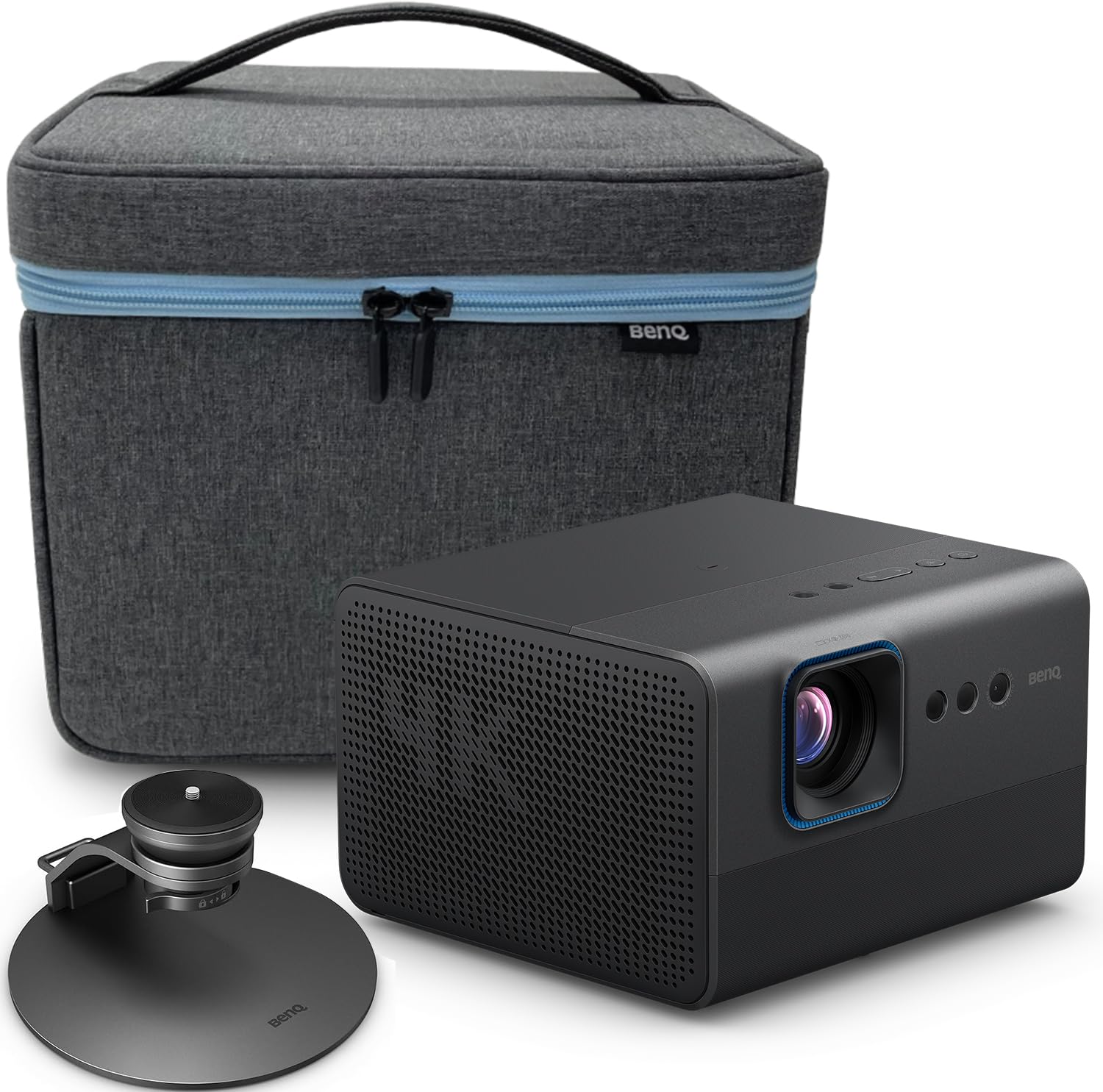 GP520 Projector + Table top stand + Free Carry Case Bundle Rank #1 | 🏆 Top Pick | — | Check price → |
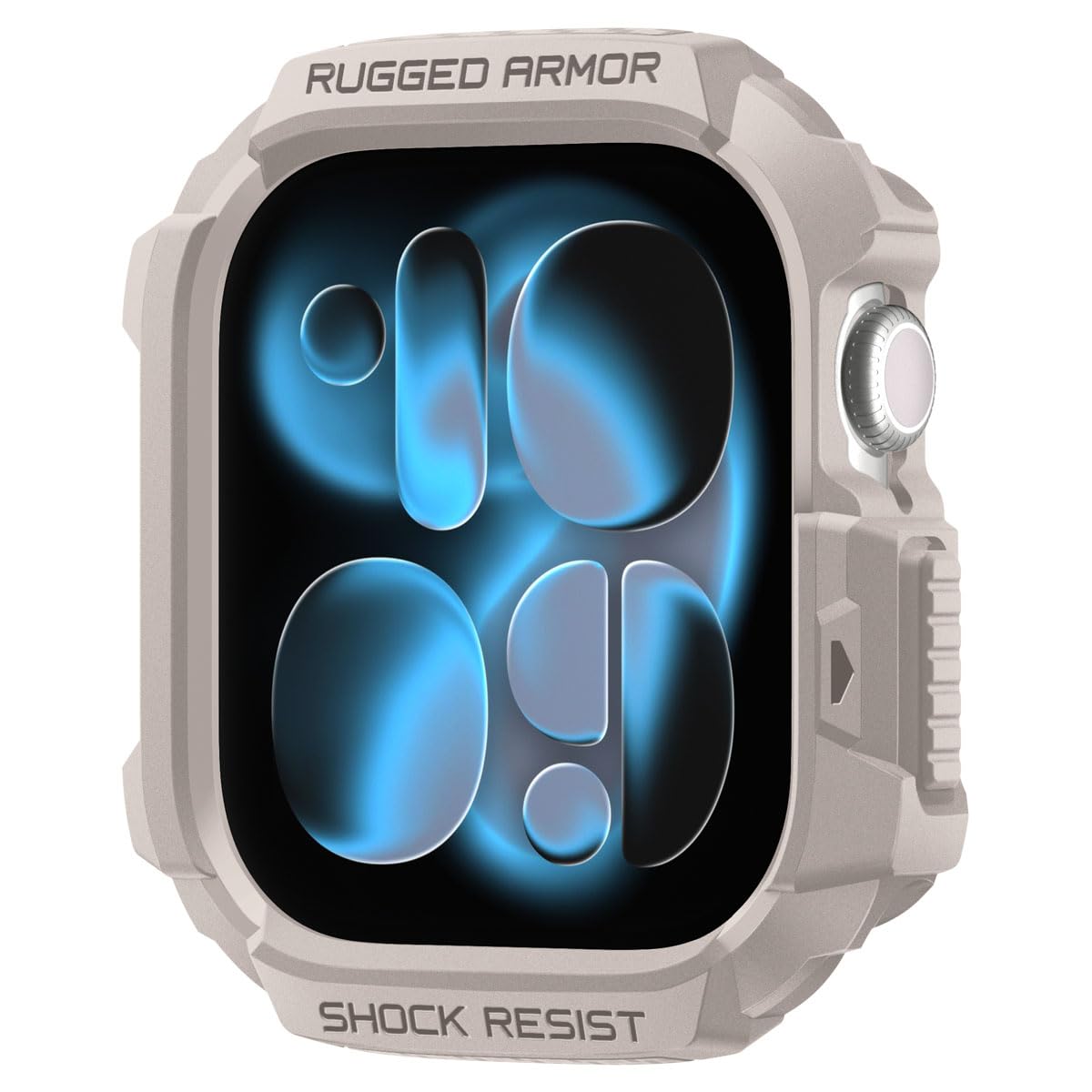 Spigen Rugged Armor 2 Designed for Apple Watch Series 11/10 42mm Case Durable TPU Cover - Dune Beige Dune Beige Apple Watch 42 mm Rank #2 | — | ||
Product Rank #3 | — | — | — |
Product Rank #4 | — | — | — |
Product Rank #5 | 💰 Budget Pick | — | — |
