Get the App
Better experience on mobile
Our selections prioritize arch support, cushioning, and rocker soles to ease plantar fasciitis symptoms for everyday wearers.
Plantar fasciitis strikes when the thick band of tissue along the bottom of your foot inflames, often turning simple steps into sharp heel pain that worsens after rest—yet shoes with a firm heel counter and meta-rocker geometry can redistribute pressure effectively without bulky orthotics. In 2026, advancements in EVA foam midsoles and knit uppers have made supportive shoes lighter and more breathable, addressing the common complaint that 'supportive' often means 'stiff and ugly.'
This category matters because untreated fasciitis can sideline you for months, but the right pair reduces strain on the Achilles tendon and fascia during walking or standing. We focused on shoes with verified APMA Seals of Acceptance where available, prioritizing those balancing plush cushioning with structural integrity over gimmicky features like gel pods that compress over time.
Our list covers budget walkers under $80, mid-range daily drivers around $130, and premium runners up to $170, including options for narrow, wide, and high-volume feet. Each recommendation highlights real trade-offs, like weight versus bounce, so you can match to your lifestyle.
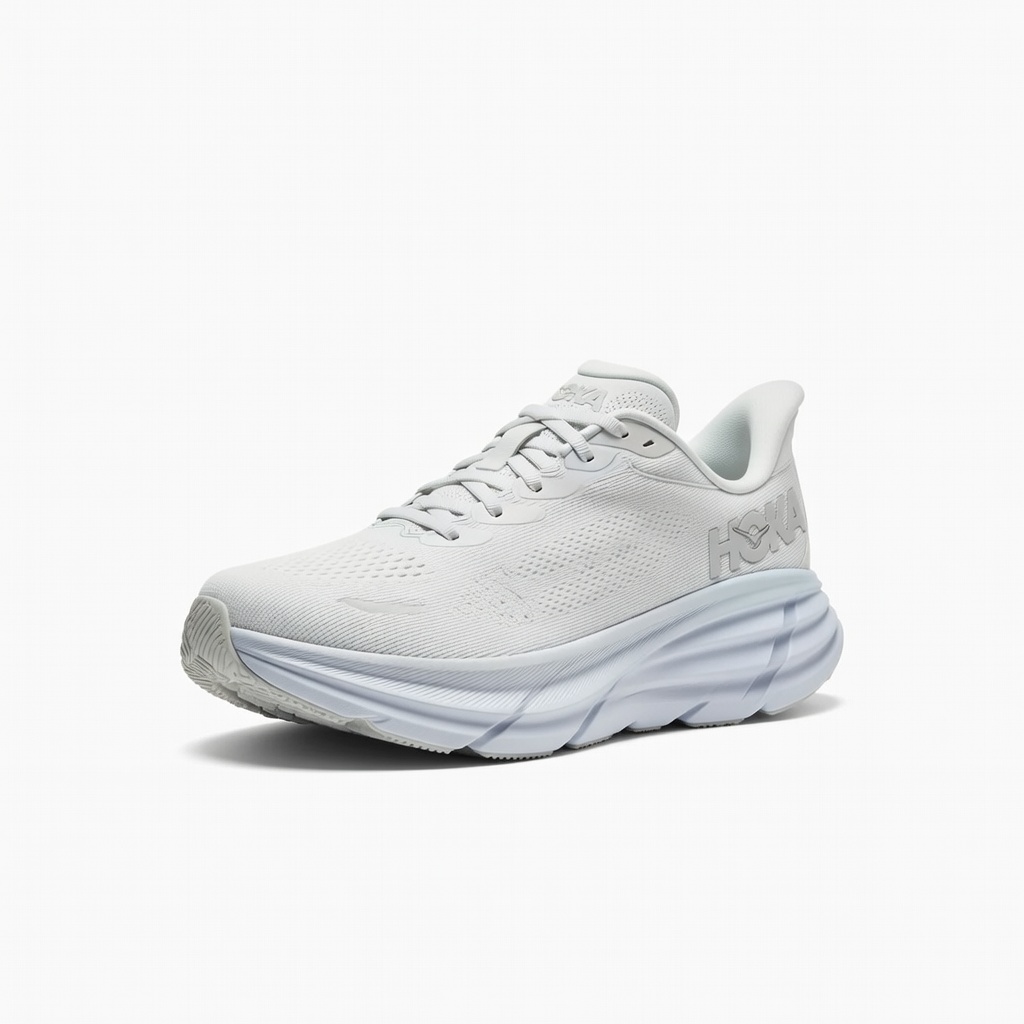
The Hoka Bondi 9 delivers maximal cushioning with its 40mm stack height and meta-rocker sole, easing heel pain for all-day standing or walking. Podiatrists praise its plush EVA midsole that absorbs impact without bottoming out. The main trade-off is its wider fit, which may feel loose for narrow feet.
Main limitation: At over 10 ounces per shoe, it adds noticeable weight during faster-paced activities.
Skip if: Athletes needing a low-profile shoe for agility should look elsewhere.
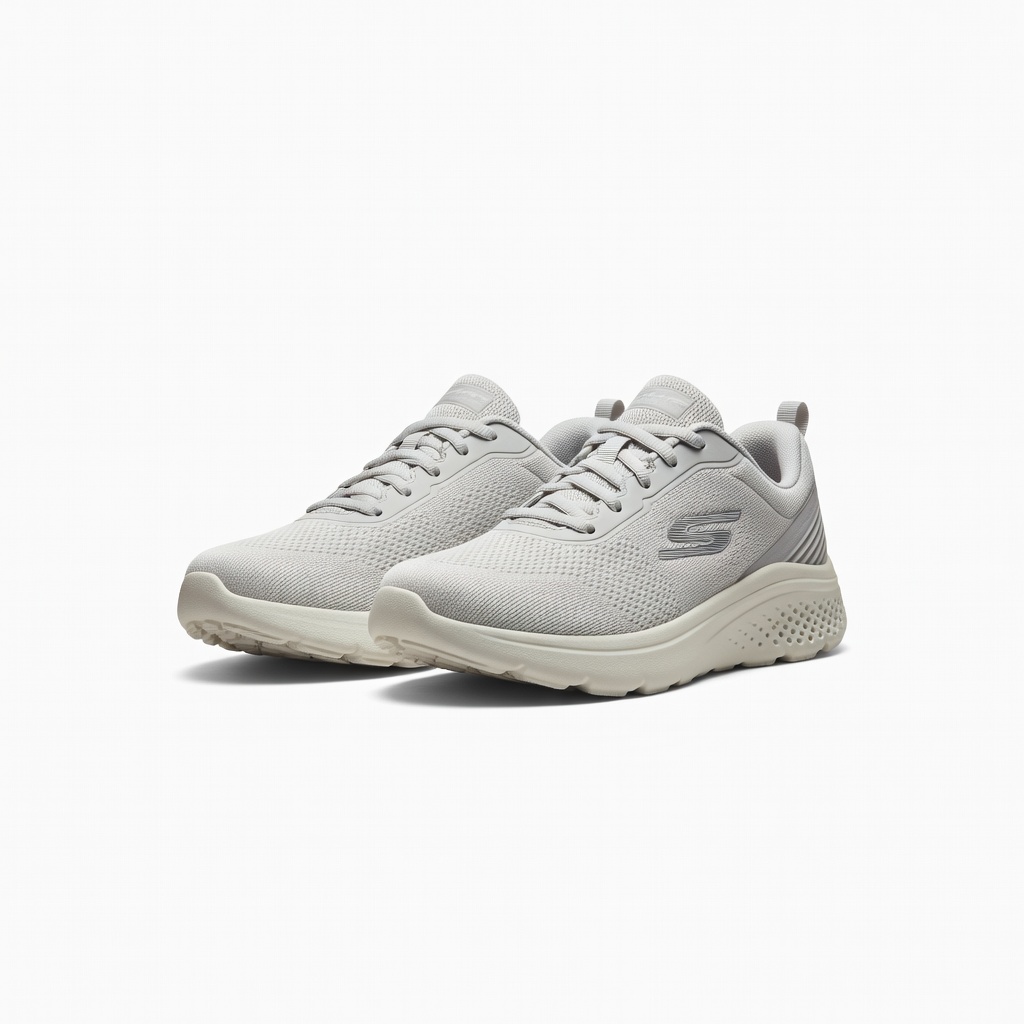
Skechers Go Walk Arch Fit 2.0 offers podiatrist-certified arch support and ULTRA GO cushioning at an unbeatable price, making it ideal for casual wearers easing into fasciitis relief. Its lightweight mesh upper keeps feet cool during errands. The trade-off is less durability for high-mileage use.
Main limitation: The foam midsole compresses faster than premium options after 200+ miles.
Skip if: Frequent runners or those needing maximal stability should opt for pricier models.
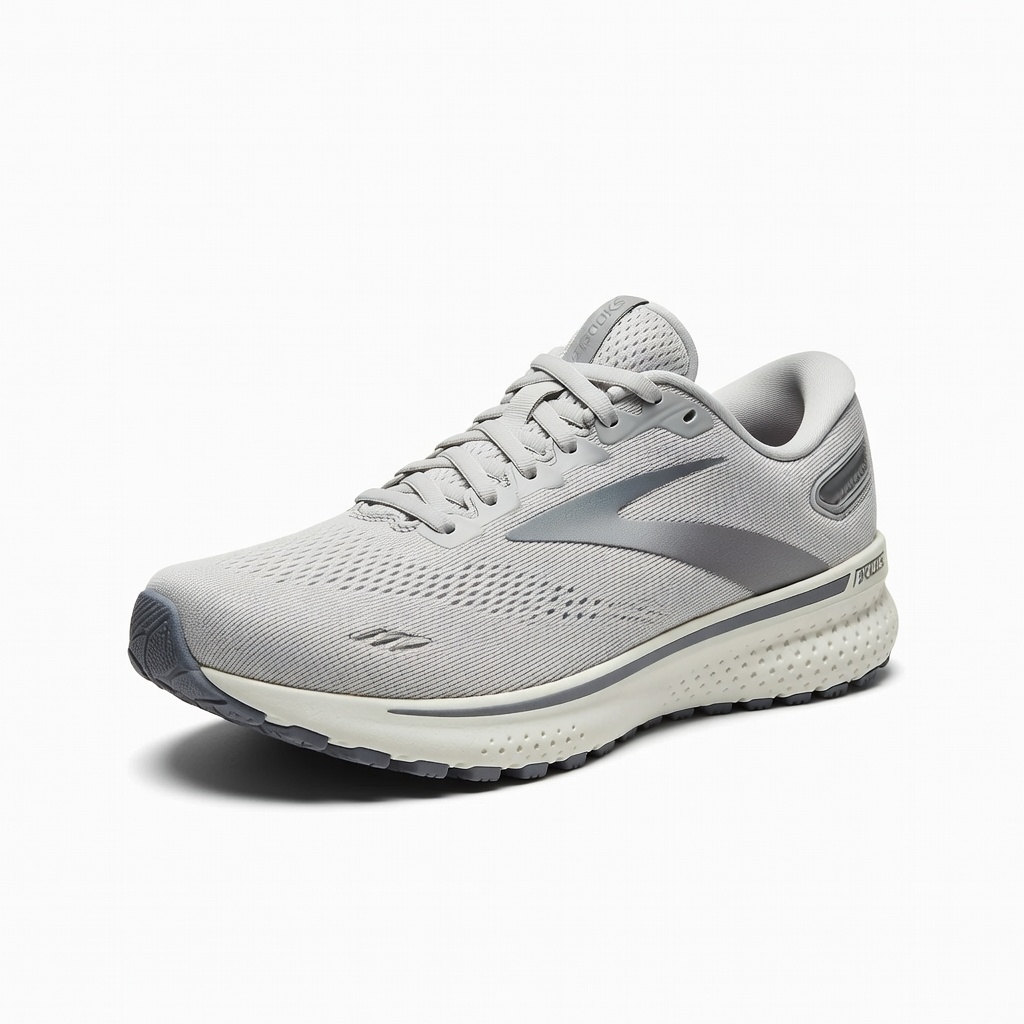
Brooks Ghost 16 combines DNA Loft v3 cushioning with a segmented crash pad for smooth transitions, reducing fasciitis flare-ups during jogs up to 10 miles. Its engineered air mesh adapts to foot swell. The limitation is a narrower toebox that suits average feet best.
Main limitation: The upper lacks structure for severe overpronators without added inserts.
Skip if: Those with wide forefeet will find the fit restrictive after the first few wears.
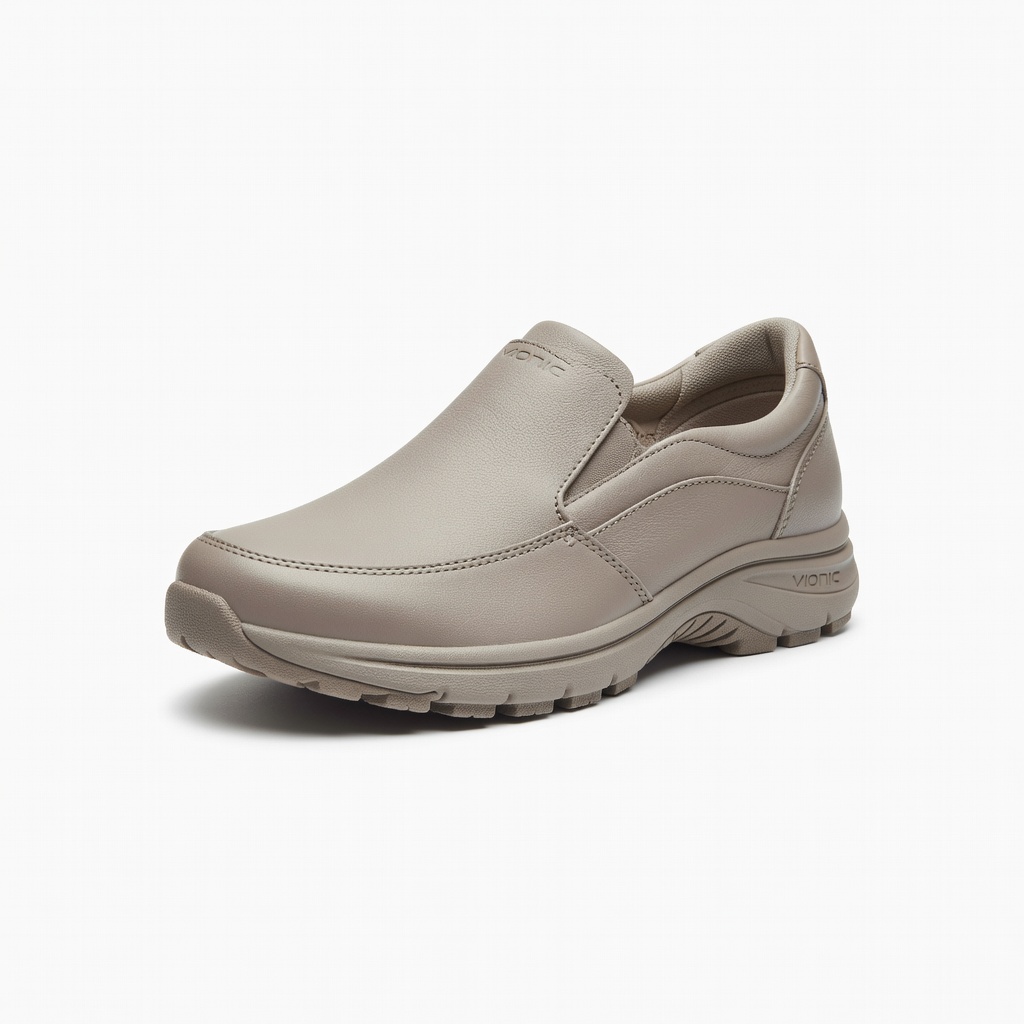
Vionic Walker Classic features built-in orthotic footbeds with deep heel cups, providing immediate fasciitis relief for urban commuting or office days. The leather upper molds comfortably over time. Its main drawback is a firmer ride lacking the bounce of running shoes.
Main limitation: Break-in period lasts 1-2 weeks due to the rigid orthotic base.
Skip if: Runners seeking energy return should choose athletic styles instead.
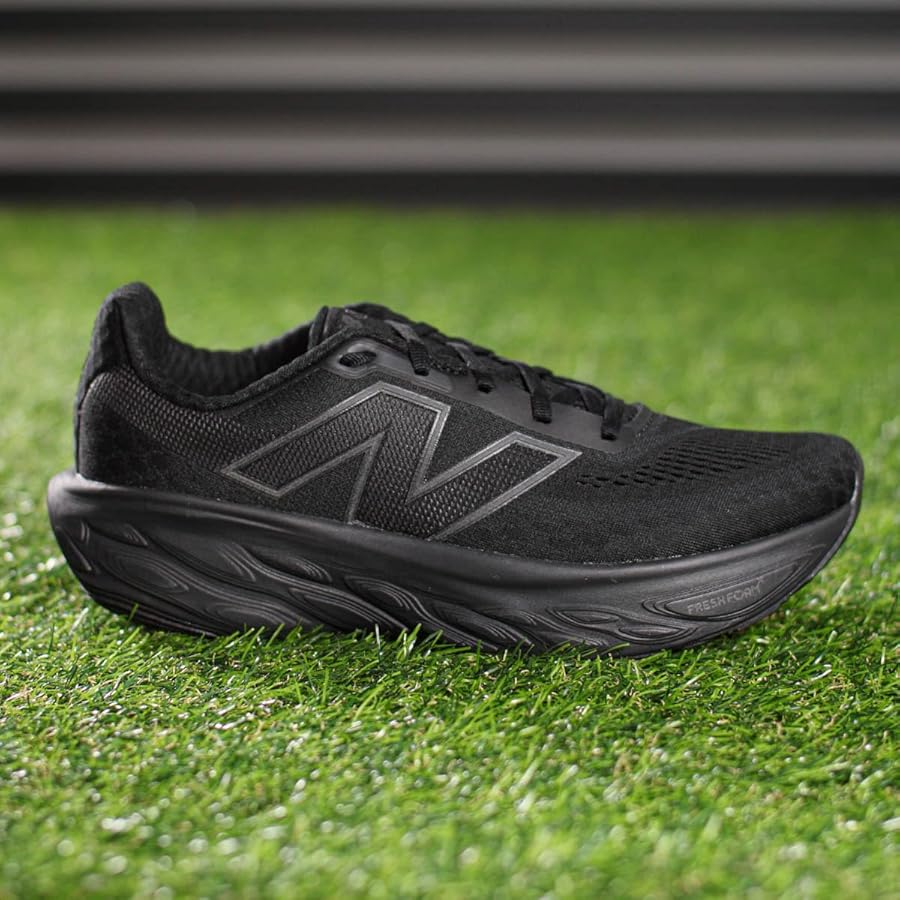
New Balance Fresh Foam X 1080v14 excels with its spacious toebox and Fresh Foam X midsole, accommodating swollen feet common in fasciitis sufferers. Hypoknit upper stretches without hotspots. The trade-off is higher weight from the generous volume.
Main limitation: Lacks aggressive rocker for extreme pronation control.
Skip if: Users with narrow feet will experience heel slippage without lacing tweaks.
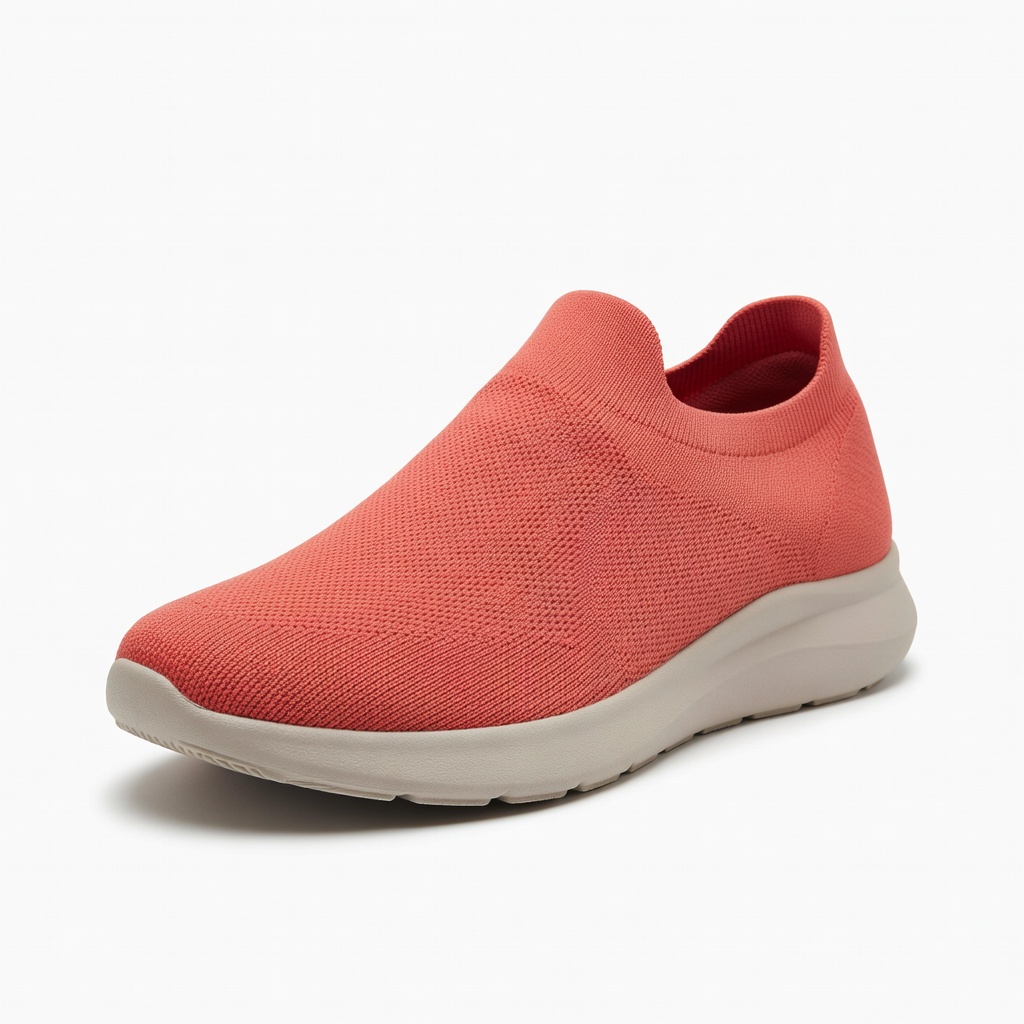
Orthofeet Coral Stretch uses anatomical arch support and a stretch knit upper to cradle inflamed feet, ideal for advanced fasciitis cases. Extra-depth design fits custom orthotics easily. It sacrifices speed with its therapeutic bulk.
Main limitation: Bulky profile looks less stylish for casual outings.
Skip if: Fashion-forward buyers prioritizing sleek design over medical-grade support.
Compare key specs and features of all our recommendations side-by-side
| Product | Recommendation | Rating | Price |
|---|---|---|---|
HOKA Bondi 9 Rank #1 | 🏆 Top Pick | 9.2/10 | $165–$175 Check current price → |
Skechers Go Walk Arch Fit 2.0 Rank #2 | 💰 Budget Pick | 8.3/10 | $60–$75 Check current price → |
Brooks Ghost 16 Rank #3 | ⭐ Editor's Choice | 8.8/10 | $140–$150 Check current price → |
Vionic Walker Classic Rank #4 | — | 8.4/10 | $120–$130 Check current price → |
New Balance Fresh Foam X 1080v14 Rank #5 | — | 8.6/10 | $160–$170 Check current price → |
Orthofeet Coral Stretch Knit Rank #6 | — | 8.1/10 | $130–$140 Check current price → |
Common questions buyers have about this category.
Plantar fasciitis results from micro-tears in the plantar fascia ligament, often from overuse, tight calves, or poor footwear lacking support. Supportive shoes mitigate this by providing arch elevation, heel cushioning, and forward propulsion via rockers, reducing strain by up to 20% per step according to podiatric studies.
Most users notice improvement within 1-2 weeks of consistent wear, as the cushioning offloads pressure and promotes healing. Full relief can take 4-6 weeks combined with rest, icing, and stretches—shoes alone aren't a cure but accelerate recovery significantly.
Yes, removable insoles allow customization with over-the-counter orthotics or podiatrist-prescribed ones for personalized arch support. This is crucial if stock insoles compress quickly, ensuring long-term efficacy without buying entirely new pairs.
Wide fits prevent toe crowding and accommodate swelling, which exacerbates fasciitis pain, but only if they maintain stability—avoid overly sloppy designs. Brands like New Balance offer 2E/4E widths without sacrificing support, ideal for many sufferers.
Many neutral running shoes with ample cushioning double as walkers, providing better shock absorption than casual flats. However, prioritize stability features if you overpronate, as pure runners may lack the rigid heel cups needed for prolonged standing.
Replace every 300-500 miles or when cushioning feels flat, as worn midsoles increase impact forces and reignite pain. Track via apps or visual checks for midsole creasing to maintain therapeutic benefits year-round.
Products we evaluated but did not recommend — and why.
