Get the App
Better experience on mobile
Six genuinely supportive shoes — from an $85 budget pick to premium max-cushion models — chosen for arch support, heel stability, and fit range.
Plantar fasciitis has a signature nobody forgets: the first few steps out of bed, when the heel feels like it's being torn. That timing isn't random. The plantar fascia tightens overnight while the foot is pointed, and that first morning stretch loads a band of tissue that hasn't been under tension for hours. A shoe can't fix that — but footwear is one of the few variables in the equation you control every single day, and it's usually the first thing a clinician will ask about.
The shoes that tend to help share a handful of structural traits. A moderate heel-to-toe drop keeps the fascia from being stretched under load. A cushioned but not mushy midsole absorbs impact at heel strike. A firm heel counter keeps the foot from rolling inward or outward at the wrong moment. And a contoured arch surface supports the foot without forcing it into a shape it doesn't want to hold. Shoes that hit all four are rare in fashion footwear and common in running and walking categories — which is why this list skews that direction.
An honest caveat: the clinical evidence on footwear specifically is thinner than the internet suggests. Most guidance around plantar fasciitis combines stretching (particularly the plantar fascia and calf), load management, and sometimes orthotics, with footwear as supporting cast rather than cure. Zero-drop and "barefoot-style" shoes, often marketed as more natural, show up in published reviews as frequently aggravating symptoms rather than resolving them. Nothing here is medical advice, and persistent or severe heel pain deserves a clinician's attention.
Below are six picks across price tiers: a max-cushion daily shoe that suits most people, a genuinely supportive budget option under $100, an all-day standing shoe, a stability shoe for overpronators, a wide-platform model built to hold custom orthotics, and a recovery shoe for after activity. Each entry notes a real trade-off, because no single shoe fits every foot.
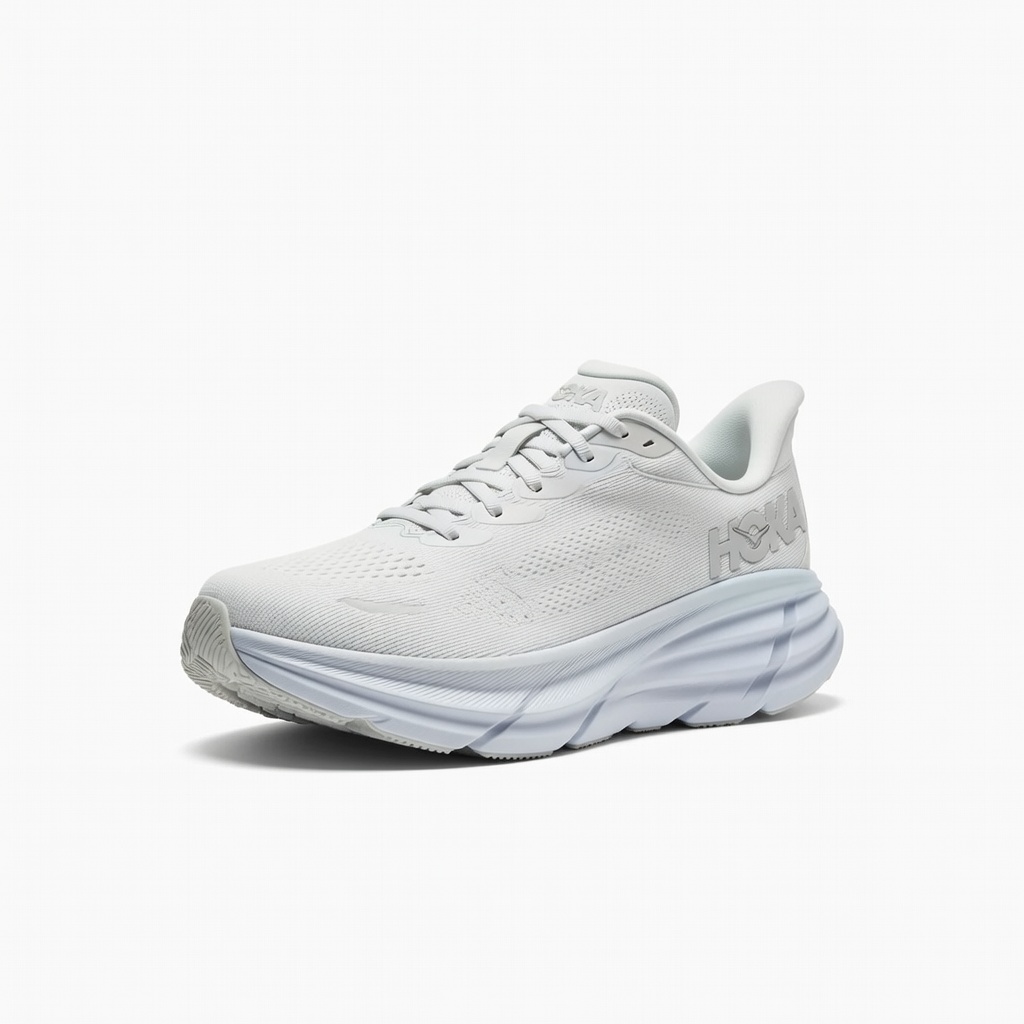
The Bondi 9 pairs a thick, resilient EVA midsole with a rocker geometry that rolls the foot forward instead of letting it sit and load the heel — the combination that makes it a frequent recommendation in running and foot-health coverage. It also comes in wide and extra-wide widths, which matters more than most buyers expect. The trade-off is that all that foam is bulky, relatively heavy, and soft enough that some wearers want more ground feel.
Main limitation: The tall, soft stack can feel unstable on uneven ground, and the rocker geometry doesn't suit every gait.
Skip if: Skip it if you have ankle instability, prefer firm ground feel, or want a low-profile shoe for casual wear.
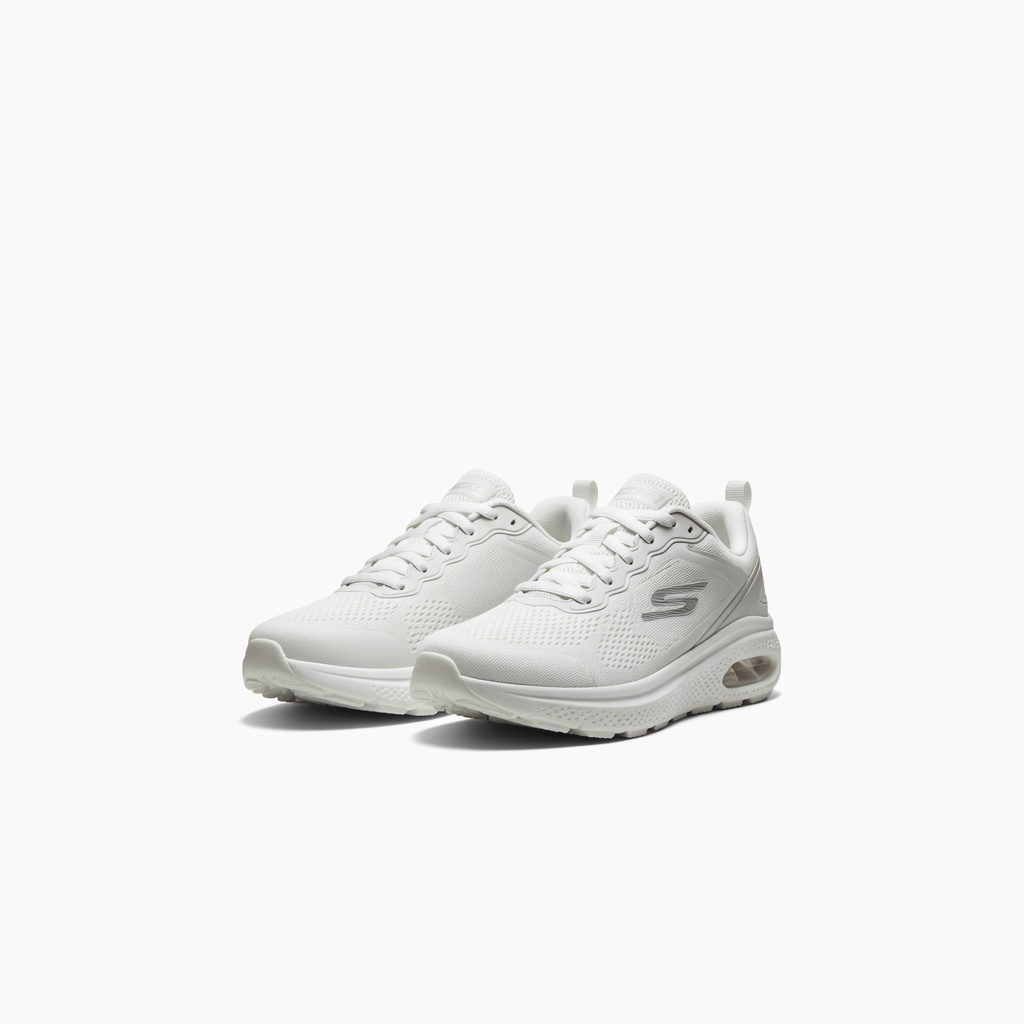
The Arch Fit line is the rare sub-$100 shoe with an actual arch-support story: Skechers says the insole was developed with podiatrist input, and it's removable, so you can swap in your own orthotic without buying a wider shoe. For everyday errands and light walking, it delivers more support than most fashion sneakers at twice the price. What you give up is durability — the foam and insole compress noticeably faster than a $160 running shoe.
Main limitation: The cushioned insole and midsole pack down relatively quickly, so expect to replace them sooner than premium shoes.
Skip if: Skip it if you run regularly or need a shoe that will hold its structure through a full year of daily wear.
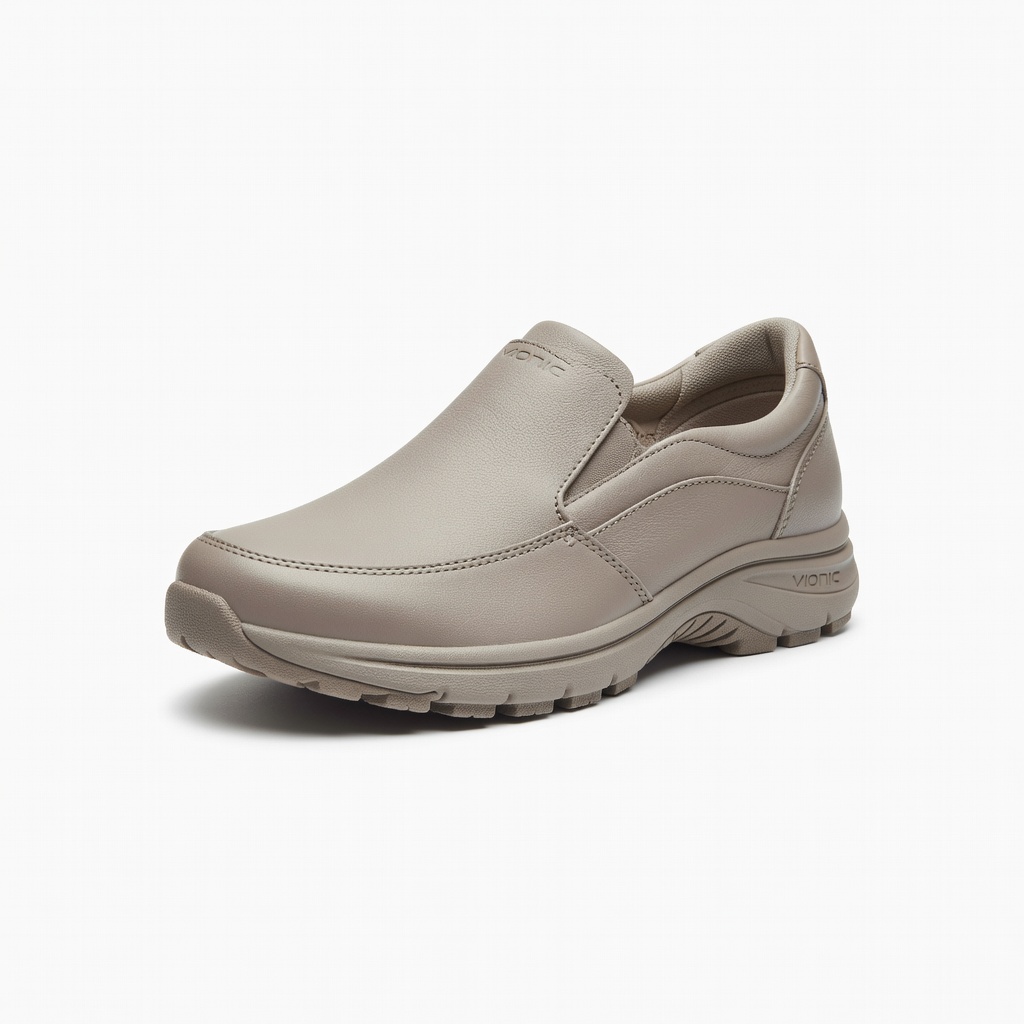
Vionic was founded by a podiatrist, and the Walker Classic is the clearest expression of that: a deep, contoured footbed with a raised arch and a heel cup that holds the foot in place through a long shift on hard floors. The firmer platform and leather upper hold their shape far longer than foam-first competitors. The styling is unmistakably orthopedic, and the ride is firm rather than plush.
Main limitation: The firm, deep footbed can feel aggressive at first, and the look is more clinical than stylish.
Skip if: Skip it if you want plush max-cushioning underfoot or a shoe that reads as a lifestyle sneaker.
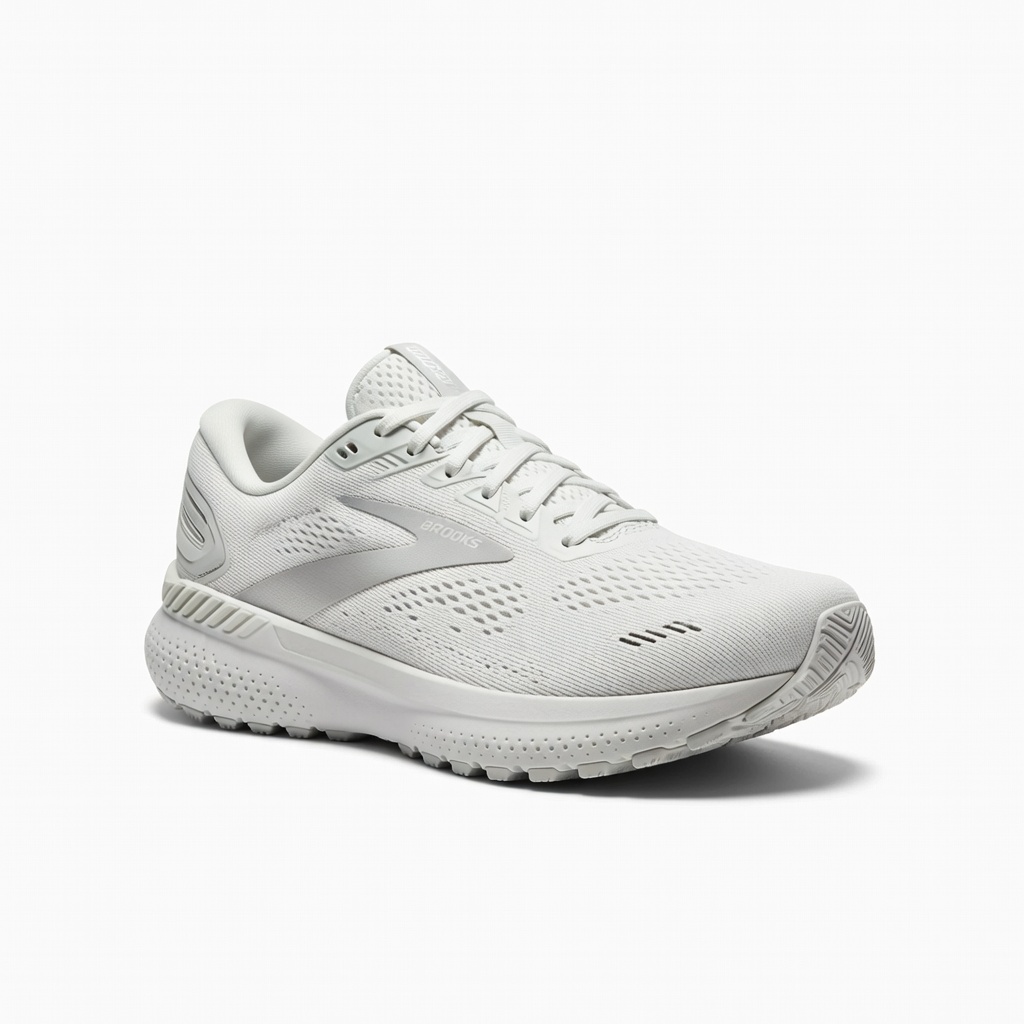
If your heel pain comes with a foot that rolls inward, the Adrenaline's GuideRails system adds support at the edges of the shoe without the hard medial posts that make old-school stability shoes feel like orthotics. The DNA Loft v3 midsole is soft enough for daily comfort and comes in wide and extra-wide. It's a directional pick — overpronators get more from it than neutral-footed buyers do.
Main limitation: It's firmer and less cushioned under the heel than max-cushion models, which matters during an acute flare-up.
Skip if: Skip it if you have a neutral gait and simply want the softest possible landing.
The Echelon is built around a broad, stable platform with a full-length removable insole and extra depth — the combination that makes it one of the more reliable hosts for custom orthotics in a mainstream running shoe. It comes in wide and extra-wide, which is often the deciding factor for buyers with high-volume feet. It's heavier than most daily trainers and won't win any style awards.
Main limitation: It's relatively heavy and the ride is moderate rather than plush, so it feels utilitarian underfoot.
Skip if: Skip it if you don't wear orthotics — you're paying for accommodation depth you won't use.
The OOmg Sport is designed for the hours after activity rather than during it: OOFOS says its OOfoam midsole absorbs more impact than conventional EVA, and the contoured footbed cradles the arch in a way that many people with heel pain find comfortable around the house. It's light enough to pack and machine washable. The trade-off is real, though — there's minimal heel counter structure, so it's a complement to a supportive shoe, not a replacement.
Main limitation: The soft foam and minimal heel counter provide little stability for long walks or all-day standing.
Skip if: Skip it if you need one shoe to cover work, errands, and exercise — it isn't built for that.
Compare key specs and features of all our recommendations side-by-side
| Product | Recommendation | Rating | Price |
|---|---|---|---|
HOKA Bondi 9 Rank #1 | 🏆 Top Pick | 9.3/10 | $155–$175 Check current price → |
Skechers Arch Fit 2.0 Rank #2 | 💰 Budget Pick | 8.1/10 | $75–$95 Check current price → |
Vionic Walker Classic Rank #3 | ⭐ Editor's Choice | 8.8/10 | $130–$160 Check current price → |
Brooks Adrenaline GTS 24 Rank #4 | — | 8.6/10 | $140–$160 Check current price → |
Saucony Echelon 9 Rank #5 | — | 8.3/10 | $150–$170 Check current price → |
OOFOS OOmg Sport Rank #6 | — | 8.0/10 | $130–$150 Check current price → |
Common questions buyers have about this category.
Comfort and support aren't the same thing. Shoes that tend to help share a few structural traits — a moderate heel-to-toe drop, cushioning under the heel, a heel counter that holds the foot steady, and some arch contour — and plenty of comfortable fashion sneakers have none of them. That said, footwear is one input among several, and clinicians generally pair shoe changes with stretching and load management rather than relying on shoes alone.
Not automatically. Price usually buys better foam, more durable uppers, and a wider range of widths, but the budget pick on this list delivers meaningful arch support for around half the cost of a premium running shoe. The real risk with cheaper shoes is faster breakdown — compressed insoles and collapsed midsoles can erase the savings if you replace them twice as often.
Sometimes, and it depends entirely on whether the insole is removable and how much depth the shoe has. The Saucony Echelon 9 and Brooks Adrenaline GTS 24 ship with removable insoles and enough room to accommodate a full-length orthotic, while many Vionic styles have a built-in footbed meant to be worn as-is. If you wear orthotics, bring them when you try shoes on and consider sizing up half a size if the fit gets tight.
There's no guaranteed timeline, and improvement typically comes from a combination of factors rather than footwear alone. Many people notice less morning pain within a few weeks of switching to more supportive shoes and starting a consistent stretching routine, but plantar fasciitis can take months to resolve. If pain is severe, one-sided, or getting worse, that's a conversation for a clinician rather than a shoe purchase.
Only if a clinician has cleared you to continue, and if you do, a shoe with both cushioning and some stability is the safer choice. The Brooks Adrenaline GTS 24 and HOKA Bondi 9 are common picks for runners managing heel pain, while the OOFOS OOmg Sport is designed for after activity, not during it. Sudden jumps in mileage are a far more common trigger than the wrong shoe model.
Buying on cushioning alone. An ultra-soft shoe without a firm heel counter or arch structure can let the foot move in ways that keep irritating the fascia, and soft foams often pack down within a few months. The second most common mistake is going too flat — zero-drop and worn-out shoes are marketed as more natural but show up repeatedly in published reviews as aggravating symptoms rather than easing them.
A common guideline is every 300–500 miles of walking or running, or roughly every 6–12 months of everyday wear, but cushioning loss matters more than the calendar. Visible midsole creasing, a flat feeling under the heel, or the return of morning pain after a period of improvement are all signs to replace them. Rotating two pairs can slow foam breakdown and give each shoe time to recover between wears.
Products we evaluated but did not recommend — and why.
