Get the App
Better experience on mobile
A carefully selected guide to arch-supporting, heel-cushioning shoes for every budget and lifestyle.
Plantar fasciitis isn't just about cushioning—the most effective shoes combine a firm arch support, a well-cushioned heel, and a stiff forefoot to reduce tension on the plantar fascia. Shoes that are too soft allow your foot to sink and stretch the band, making heel pain worse. That's why a structured running shoe often beats a squishy 'comfort' sneaker.
We evaluated a wide range of options, from budget daily walkers to premium work shoes, using published podiatrist recommendations, manufacturer specs, and verified buyer feedback. Our top picks focus on three things: arch support, heel stability, and midsole density. We also considered real trade-offs like weight, fit, and durability.
The list breaks down into six different use cases: max-cushioned everyday shoes, budget options, shoes for all-day standing, running-specific stability shoes, slip-resistant work shoes, and recovery slides. You'll likely need more than one pair—a supportive daily shoe plus a recovery sandal can make a noticeable difference.
Below are our editor's picks for 2026, followed by a buying guide to help you match the right shoe to your foot type and activity level.
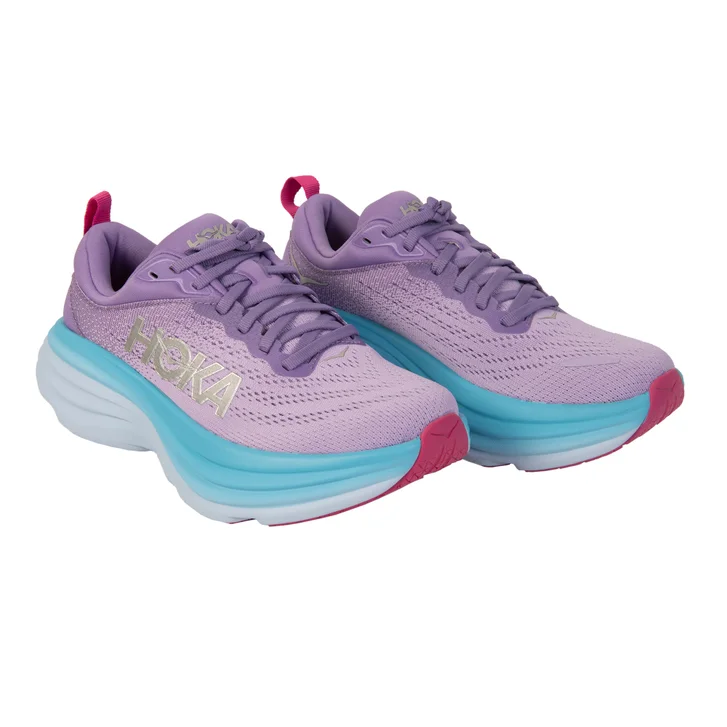
The Bondi 8 is the go-to max-cushion shoe for plantar fasciitis relief. Its oversized midsole absorbs impact while the early-stage rocker geometry helps you roll forward without putting extra strain on the heel. The trade-off is a bulky silhouette that may feel clunky for casual wear.
Main limitation: The thick sole raises your center of gravity, and some users find the heel-to-toe drop less stable on uneven surfaces.
Skip if: If you need a lightweight shoe for speedwork or a narrow fit, this isn't the most agile option.
Skechers Arch Fit shoes include a podiatrist-designed insole with a contoured arch that offers surprising support for the price. The 2.0 Stature is a clean, everyday sneaker with enough cushioning for light walking. Its synthetic leather upper is easy to clean, but the sole is not as durable as pricier rivals.
Main limitation: The foam midsole breaks down faster than premium shoes, so you may need to replace them sooner with daily wear.
Skip if: If you need serious motion control for overpronation, this isn't structured enough for heavy mileage.
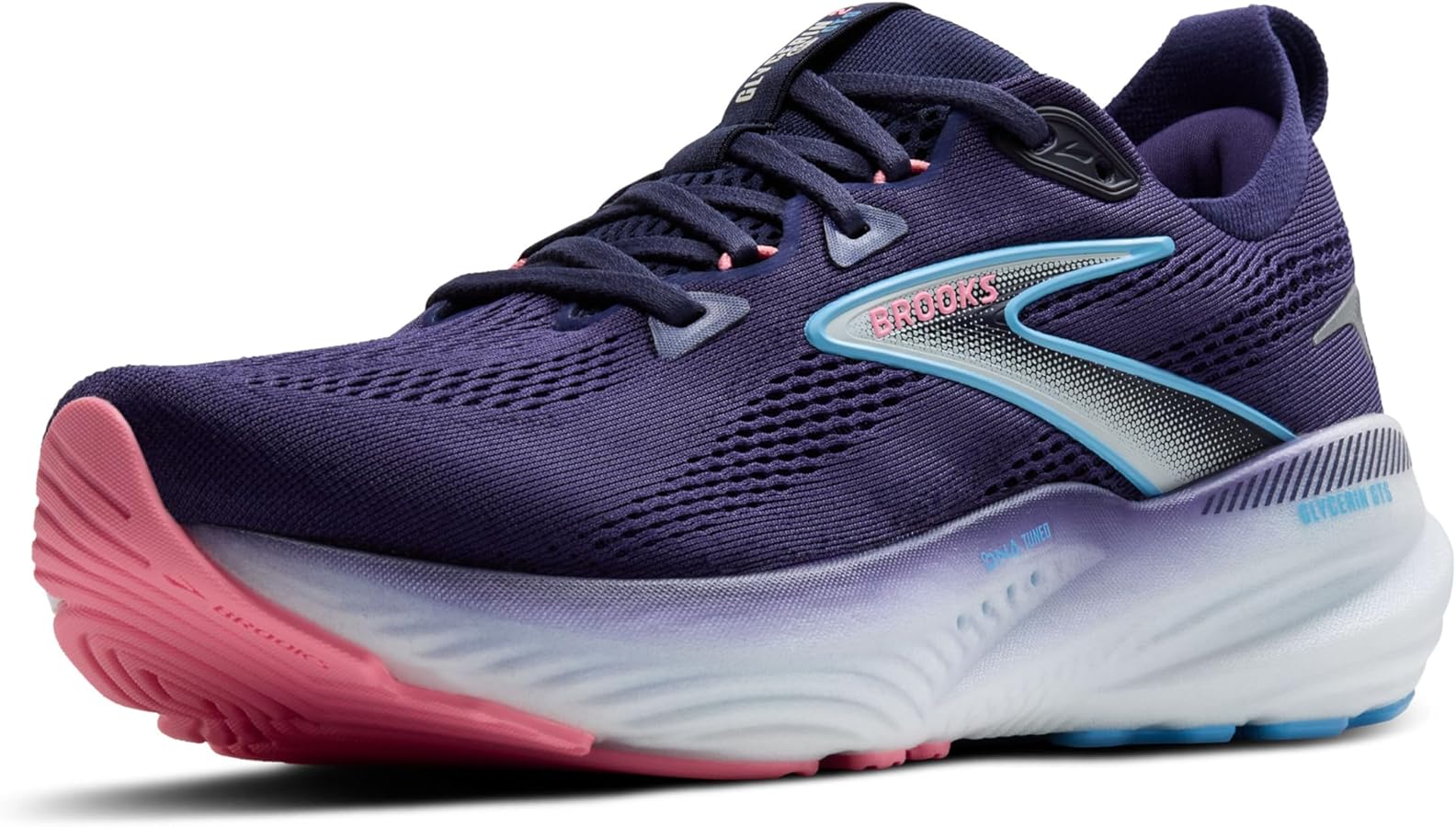
The Glycerin GTS combines Brooks' softest DNA Loft v3 cushioning with mild stability guidance, making it a solid pick for people who are on their feet all day. The plush heel absorbs shocks, while the GuideRails support system keeps excess motion in check. It runs slightly long and narrow, so sizing up is common.
Main limitation: The upper can feel warm for hot climates, and the midsole is noticeably softer than some stability shoes.
Skip if: If you need a very firm, reactive ride for fast running, the plush feeling may be too mushy.
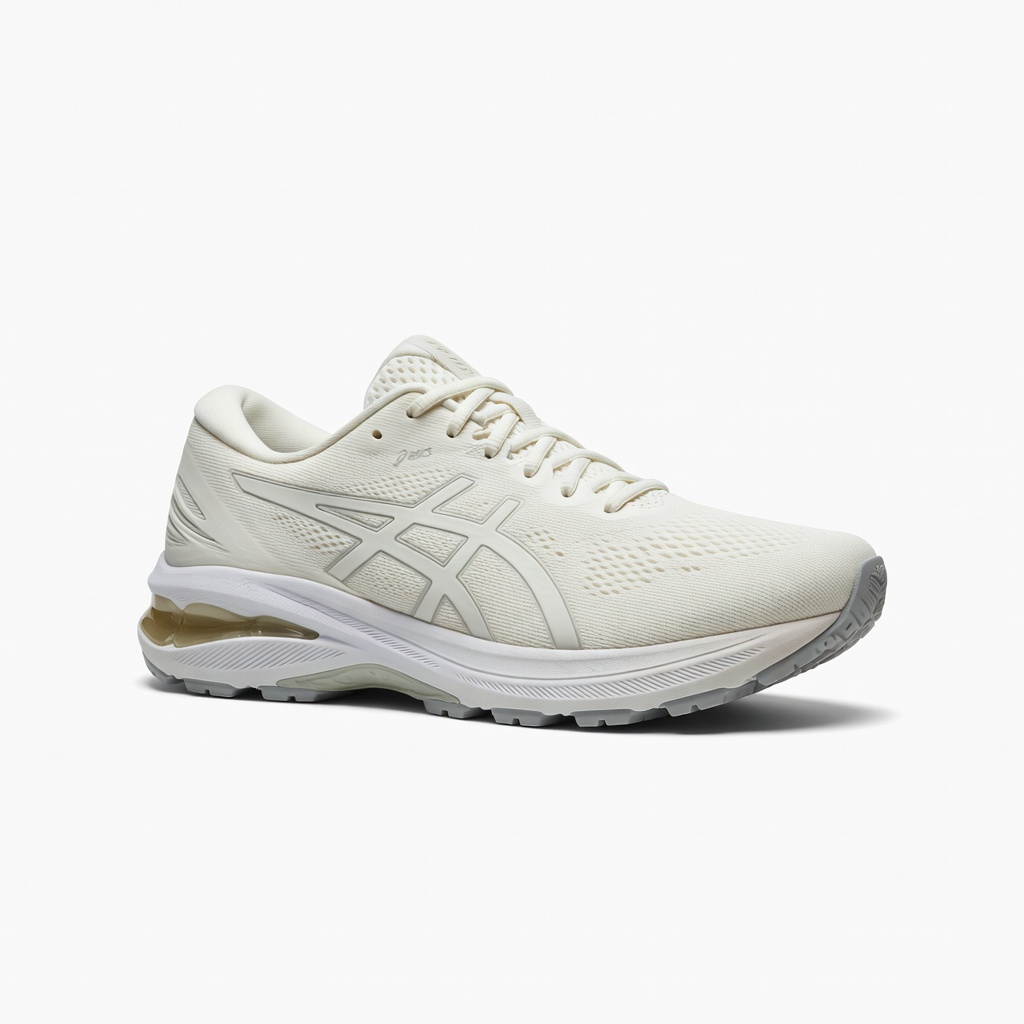
The Gel-Kayano series is a long-standing stability shoe that pairs a dynamic DuoMax support system with responsive FF BLAST PLUS cushioning. It's lighter than previous versions and provides the pronation control that many plantar fasciitis runners need. The trade-off is a narrower toe box than some neutral shoes.
Main limitation: The fit runs snug in the forefoot, and the firm arch support may feel aggressive for neutral feet.
Skip if: If you have high arches and don't overpronate, this shoe may feel too rigid on the medial side.
The Bondi SR is the work-ready version of the Bondi with a slip-resistant outsole that meets ASTM standards and a leather upper for easy cleaning. It keeps the same max-cushioned rocker sole that relieves plantar fascia strain. Its heavier weight and warmer upper are the main downsides.
Main limitation: It's one of the heaviest shoes on this list, and the leather upper doesn't breathe as well as mesh.
Skip if: If you're looking for a lightweight gym shoe or need a breathable summer sneaker, skip it.
The OOahh Slide is a recovery sandal that uses OOfoam to absorb 37% more impact than traditional shoe foam, giving your plantar fascia a break after exercise or a long day. Its contoured footbed cradles the arch and heel. They're not meant for long walks, but they excel as house shoes and post-workout recovery.
Main limitation: The open-back design offers no heel support, and the foam can feel too soft for those who need firm structure.
Skip if: If you need shoes for walking around the city or all-day wear before your heel pain improves, these aren't a substitute.
Compare key specs and features of all our recommendations side-by-side
| Product | Recommendation | Rating | Price |
|---|---|---|---|
Hoka One One Bondi 8 Rank #1 | 🏆 Top Pick | 9.0/10 | Around $165 Check current price → |
Skechers Arch Fit 2.0 - Stature Rank #2 | 💰 Budget Pick | 8.0/10 | Around $85 Check current price → |
Brooks Glycerin GTS 22 Rank #3 | ⭐ Editor's Choice | 8.8/10 | Around $160 Check current price → |
ASICS Gel-Kayano 31 Rank #4 | — | 8.6/10 | Around $160 Check current price → |
HOKA ONE ONE Bondi SR Rank #5 | — | 8.4/10 | Around $170 Check current price → |
Oofos Ooahh Slide Rank #6 | — | 7.8/10 | Around $60 Check current price → |
Common questions buyers have about this category.
Look for firm arch support, a structured heel cup, and a midsole with moderate density—not overly soft. Motion-control shoes can help overpronators, while a rocker sole reduces the load on your plantar fascia during toe-off. Avoid completely flat or flimsy designs that allow your foot to collapse inward.
Shoes alone rarely cure plantar fasciitis. They reduce pain by cushioning and supporting the foot, but you'll likely need a combination of stretching, calf and toe strengthening, and possibly night splints. Think of shoes as the foundation of a broader treatment plan.
For athletic shoes, replace them every 300–500 miles; for daily wear, that usually means every four to six months. If the heel foam shows deep compression lines, lacks bounce, or the upper starts to sag, it's time for a new pair. Worn-out shoes can reduce support and trigger a flare-up.
Not always. Some budget options like Skechers Arch Fit provide excellent support at half the price of premium models. Expensive shoes may have better durability or lighter materials, but the most important factor is how well the shoe matches your foot shape and arch type. A a good fit beats a high price tag.
Yes. Running shoes often have the best combination of cushioning, support, and outsole durability, making them great for everyday standing and walking. Just avoid trail or minimalist shoes, which lack the necessary stability. Look for road-running or walking-specific models with supported midsoles.
Most of the shoes listed have removable insoles, so you can replace them with custom orthotics. For orthotics to work well, choose a shoe with a deep, stable toe box and a moderately firm midsole—like the Hoka Bondi 8 or Brooks Glycerin GTS 22. Avoid ultra-soft shoes, as they can make rigid orthotics feel uncomfortable.
Products we evaluated but did not recommend — and why.
