Get the App
Better experience on mobile
Find the right support, cushioning, and stability to ease heel pain and get you back on your feet.
The key to plantar fasciitis relief isn't just plush cushioning—it's structured arch support and a firm heel cup that keep your foot in neutral alignment. Many popular sneakers feel soft at first but lack the stability needed to reduce stress on the plantar fascia, leaving you with persistent heel pain. That's why the best shoes for this condition combine a supportive midsole, a contoured footbed, and sometimes motion-control features to guide your foot through a healthier gait.
The shoes below were selected not only for their advanced supportive designs but also for their real-world track record among people with plantar fasciitis. From max-cushioned Hokas to budget-friendly Skechers, each pick has earned its place based on published reviews, manufacturer claims, and buyer feedback. We've also included options for walking, standing, running, and casual wear, so you can find a shoe that fits both your foot and your lifestyle.
Price wasn't the only factor—we considered fit, adjustability, and specific features that matter if you're on your feet all day. Some shoes offer deep heel cups to cradle your calcaneus, others have extended corrective rods to control overpronation, and a few feature rocker soles to ease the transition as you roll from heel to toe. Understanding these details can make the difference between a temporary fix and lasting comfort.
Whether you're a runner logging miles, a healthcare worker clocking 12-hour shifts, or someone who just wants a shoe that doesn't hurt to walk in, there's a pick here for you. We'll walk you through what to look for in a plantar fasciitis shoe, which features matter most, and how to choose the right pair for your specific foot shape and activity level.
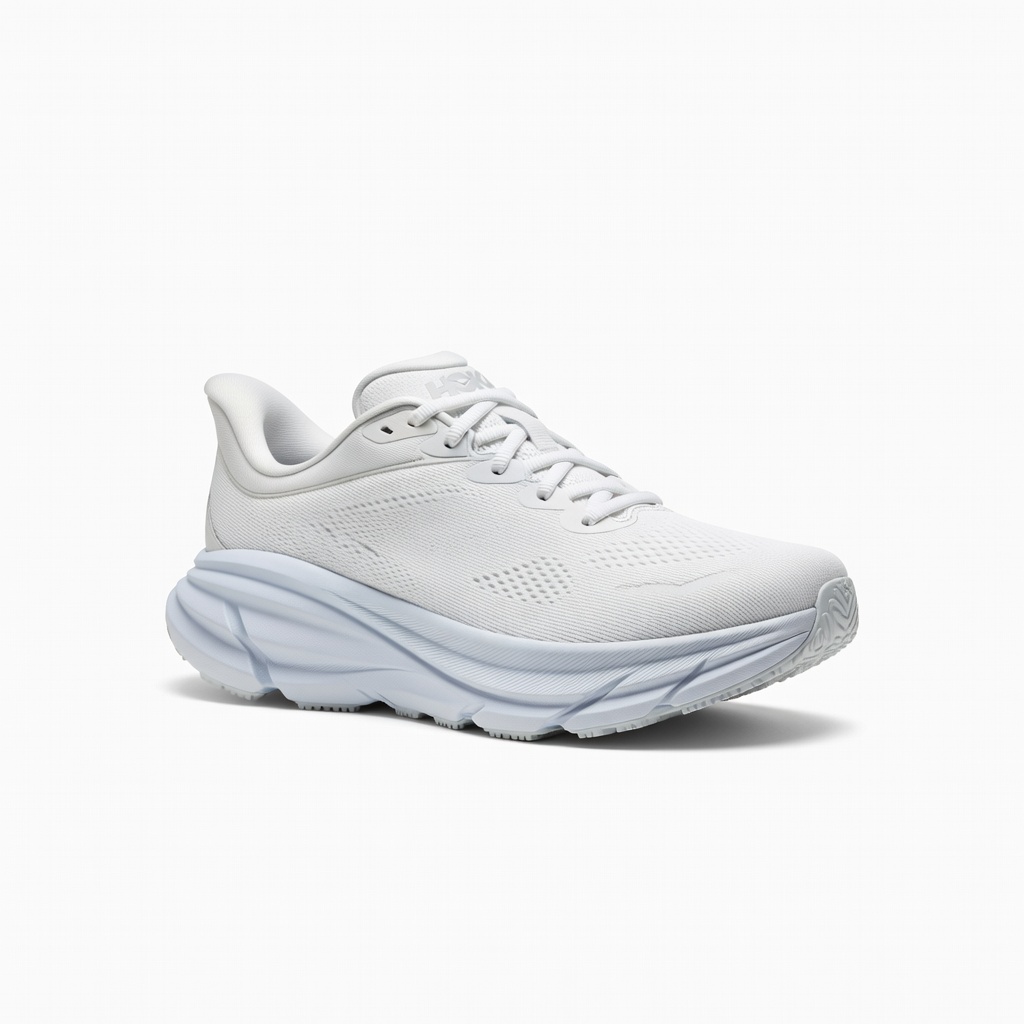
The Hoka Bondi 8 combines maximal cushioning with a wide, stable base that absorbs impact and reduces heel pressure. Its meta-rockered sole promotes a smooth, efficient stride, making it a top choice for both everyday wear and long walks. The trade-off is a high price tag and a bulky silhouette that may not suit narrow or petite feet.
Main limitation: The high stack height can feel unstable on uneven terrain, and the price is steep.
Skip if: Skip if you need a shoe for high-intensity running or prefer a sleek, minimal look.
This budget-friendly shoe features a podiatrist-designed Arch Fit insole that conforms to your foot, offering immediate arch support and shock absorption. It's lightweight and flexible, ideal for casual daily use or light walking. However, it's less durable than premium options and may not offer enough support for severe plantar fasciitis.
Main limitation: The outsole wears relatively quickly and the support breaks down after 300–400 miles.
Skip if: Skip if you need maximum support for a severe case or plan to use them for intense workouts.
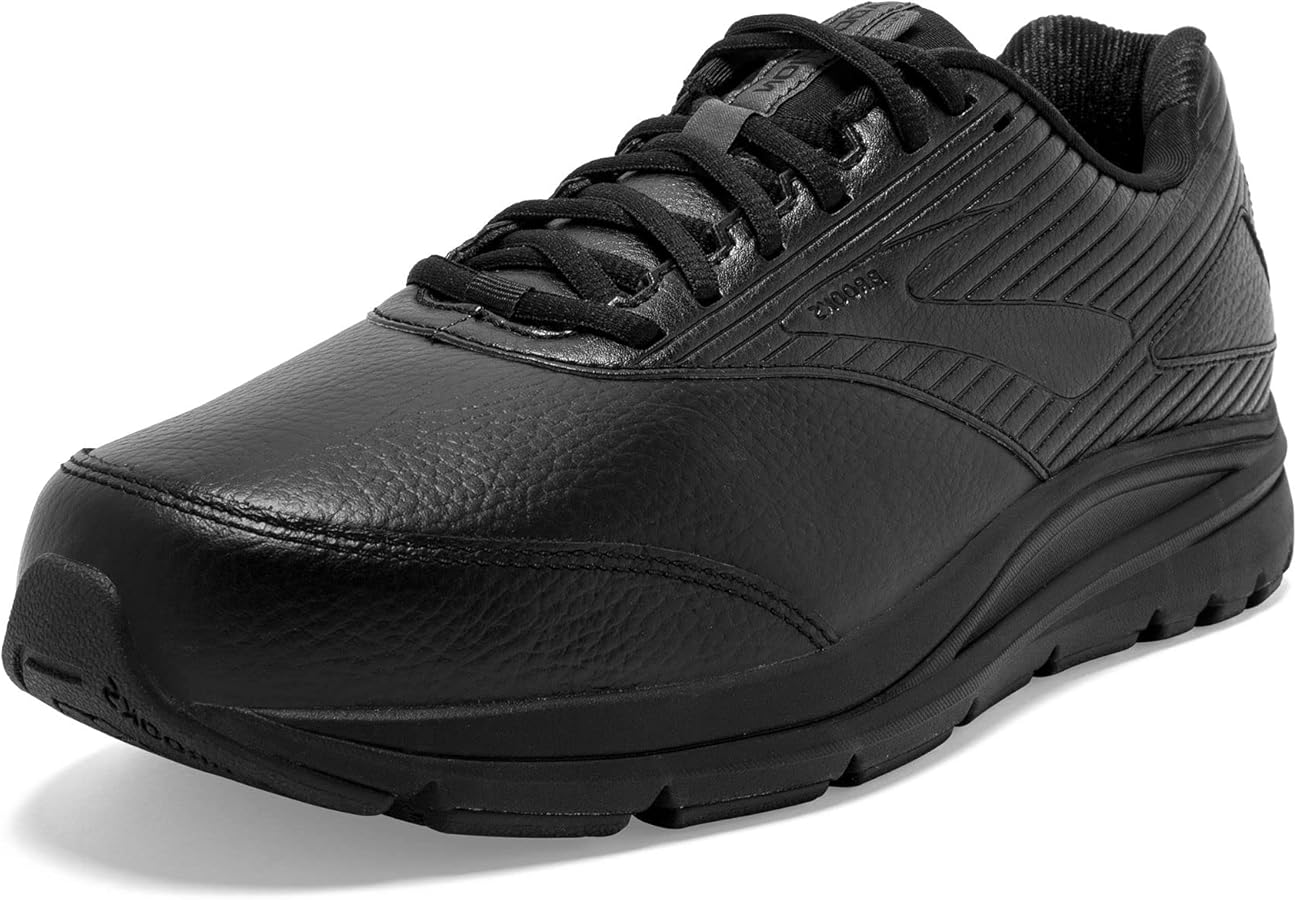
Engineered for walking, the Addiction Walker 2 provides excellent motion control with its extended Progressive Diagonal Rollbar, keeping overpronation in check. The BioMoGo DNA cushioning adapts to your stride, and the slip-resistant outsole adds safety. It's a reliable choice for long walks, but the design is functional rather than stylish, and the shoe runs heavy.
Main limitation: The shoe is heavy and lacks flexibility, which may be too stiff for some users.
Skip if: Skip if you want a running shoe or need something lightweight for travel.
Vionic's Orthaheel Technology—a deep heel cup, contoured insole, and supportive arch—helps align your feet from the ground up, making it a great option for all-day wear on hard surfaces. The walker style has plenty of room for toe splay and a removable insole for custom orthotics. The main downside is that it looks more like a medical shoe than a fashion sneaker.
Main limitation: The styling is dated and may not fit well with casual outfits.
Skip if: Skip if you prioritize style and want a shoe that looks like an ordinary sneaker.
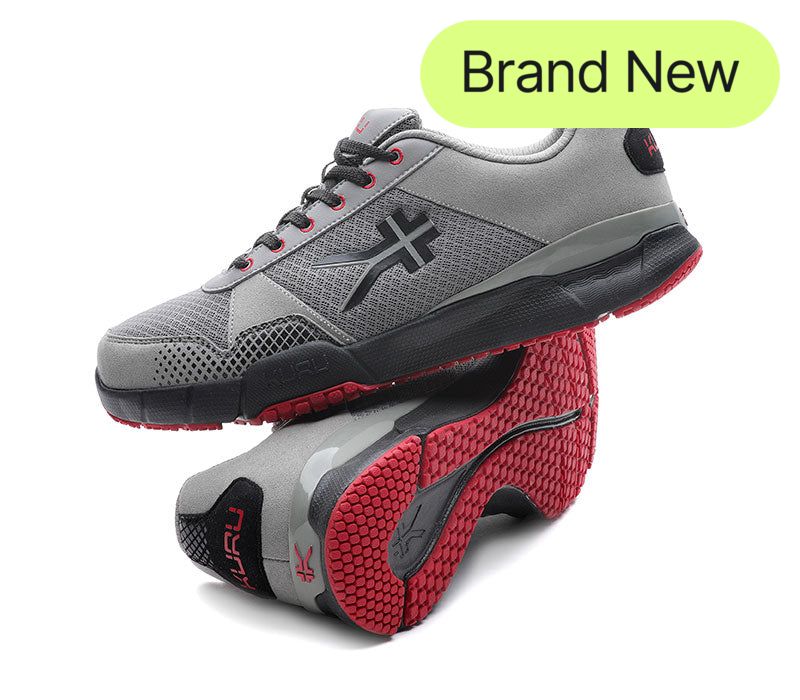
Kuru's patented KURUSOLE engages a flexible, rocker-shaped heel that molds to your foot, absorbing joint impact and evening out pressure. The Quantum also has a firm heel counter and a reinforced arch that provides exceptional heel pain relief. It's a solid choice for those with stubborn heel pain, though the heel cup may feel stiff initially and break-in is required.
Main limitation: The distinctive heel design requires a break-in period and may feel awkward at first.
Skip if: Skip if you don't want to deal with a break-in period or require a roomy toe box.
The New Balance 928v3 is a motion-control walking shoe with a dense midsole and Rollbar stability technology for maximum pronation control. Available in multiple widths, it's a go-to for flat feet and severe overpronation. It's extremely supportive but has a dated look and limited cushioning for hard impacts.
Main limitation: The plushness is lower compared to modern trainers, and the design looks old-school.
Skip if: Skip if you want a modern aesthetic or need a shoe for moderate support rather than extreme pronation control.
Compare key specs and features of all our recommendations side-by-side
| Product | Recommendation | Rating | Price |
|---|---|---|---|
Hoka Bondi 8 Rank #1 | 🏆 Top Pick | 9.0/10 | $165–$180 Check current price → |
Skechers Arch Fit Vector Rank #2 | 💰 Budget Pick | 8.2/10 | $75–$90 Check current price → |
Brooks Addiction Walker 2 Rank #3 | ⭐ Editor's Choice | 8.5/10 | $130–$150 Check current price → |
Vionic Walker Rank #4 | — | 8.0/10 | $120–$140 Check current price → |
KURU Quantum Rank #5 | — | 8.3/10 | $140–$160 Check current price → |
New Balance 928v3 Rank #6 | — | 7.8/10 | $130–$150 Check current price → |
Common questions buyers have about this category.
Look for a firm heel counter, a contoured arch support that matches the shape of your foot, and moderate cushioning in the heel and forefoot. A rocker sole can also help reduce stress on the plantar fascia. Many effective shoes also offer motion control to prevent overpronation, which is often a contributing factor.
Not all of them. Shoes like the Hoka Bondi 8 are excellent for running because they offer high cushioning and a smooth ride, while walking-specific shoes like the Brooks Addiction Walker 2 or New Balance 928v3 are better for walking and standing. If you plan to run, choose a shoe marketed as a running shoe with adequate flexibility and heel-to-toe transition.
Yes, many of the recommended shoes have removable insoles, allowing you to replace them with custom orthotics. Shoes like the Vionic Walker and Skechers Arch Fit are known to accommodate orthotics well. However, always check the depth of the shoe and ensure it doesn't feel too tight with both orthotics and your foot inside.
Most supportive shoes lose their cushioning and structural integrity after 300–500 miles of use, or roughly 6–12 months for everyday wear. If you have plantar fasciitis, it's important to replace your shoes before they break down, as worn-out shoes can worsen foot pain. Pay attention to midline creases in the foam and reduced arch support.
Yes, many of the picks are available in wide and extra-wide widths. The New Balance 928v3 is particularly known for offering a range of widths, while brands like Hoka and Brooks typically provide wide options for popular models. Always check the product listing to ensure your size is available.
Not necessarily—price is only one factor. Some budget shoes, like the Skechers Arch Fit, offer good support for mild to moderate symptoms. However, premium shoes often use more durable materials and advanced technologies that can provide longer-lasting relief. It's best to focus on the shoe's features and fit rather than the price tag alone.
If you have plantar fasciitis, it's wise to wear supportive shoes both indoors and outdoors, especially on hard floors. Many people experience more pain when walking barefoot on hard surfaces, so consider wearing your shoes indoors as well. Some brands like Vionic offer indoor slippers with the same orthotic support, which can be a good addition.
Products we evaluated but did not recommend — and why.
