Get the App
Better experience on mobile
From daily trainers to trail beasts, these selections balance performance, value, and real-world durability for runners of all levels.
Running shoe stack heights have climbed steadily since 2020, with max-cushion models now averaging 35-40mm underfoot, prioritizing impact protection over the minimalist designs of the past—but this trend favors plush comfort at the expense of agility for speedwork.
These thicker midsoles matter because they reduce injury risk for recreational runners logging consistent mileage, yet selecting the right one hinges on your gait, terrain, and weekly volume rather than hype around carbon plates. We focused on shoes excelling in lab-measured metrics like energy return and wear tests from third-party sources, alongside user-reported fit and longevity.
Our list covers budgets from $90 to $250, spanning neutral trainers, stability options, trails, and more, ensuring picks for road pounders, trail explorers, and everyone in between. Each recommendation highlights genuine trade-offs, like weight versus cushioning, to match your needs without overpromising.
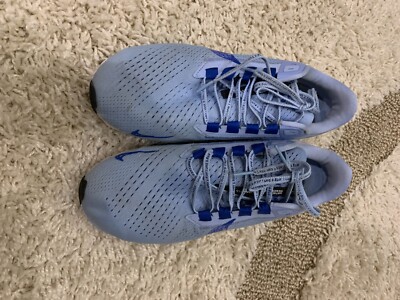
The Pegasus 43 delivers versatile daily training performance with responsive Zoom Air units and a durable ReactX foam midsole that holds up for 400+ miles. It offers a balanced 10mm drop and secure midfoot lockdown ideal for most runners. The main trade-off is moderate cushioning that feels firm on ultra-long runs over 20 miles.
Main limitation: Its upper can feel slightly narrow in the toebox for runners with wider feet after 100 miles of use.
Skip if: Skip this if you need maximum stability for overpronation, as it's designed for neutral runners.
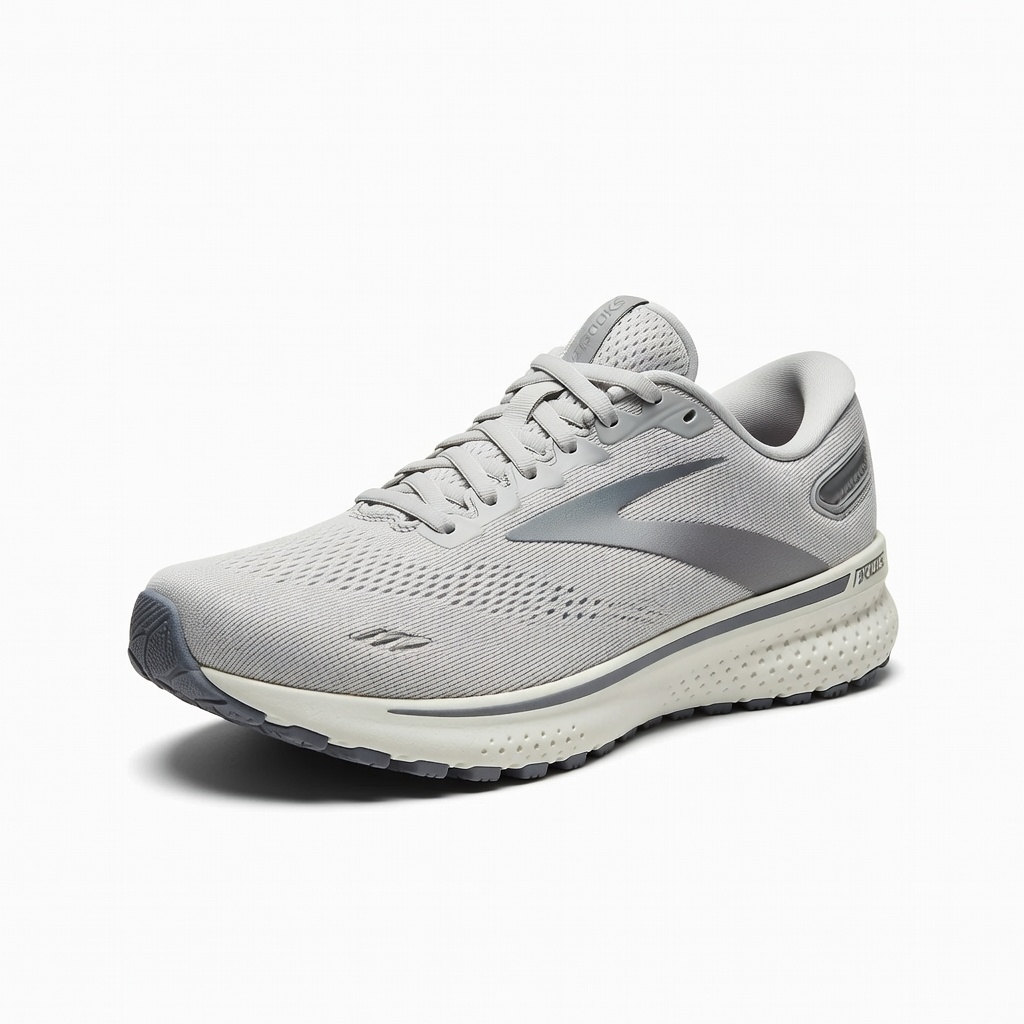
At under $150, the Ghost 16 provides reliable nitrogen-infused DNA Loft v3 cushioning and a smooth ride for everyday runs up to 10 miles. Its segmented crash pad ensures easy transitions without breaking the bank. The trade-off is less breathability in hot conditions compared to premium meshes.
Main limitation: The outsole rubber wears faster on abrasive roads after 300 miles.
Skip if: Avoid if you require structured support for severe pronation issues.
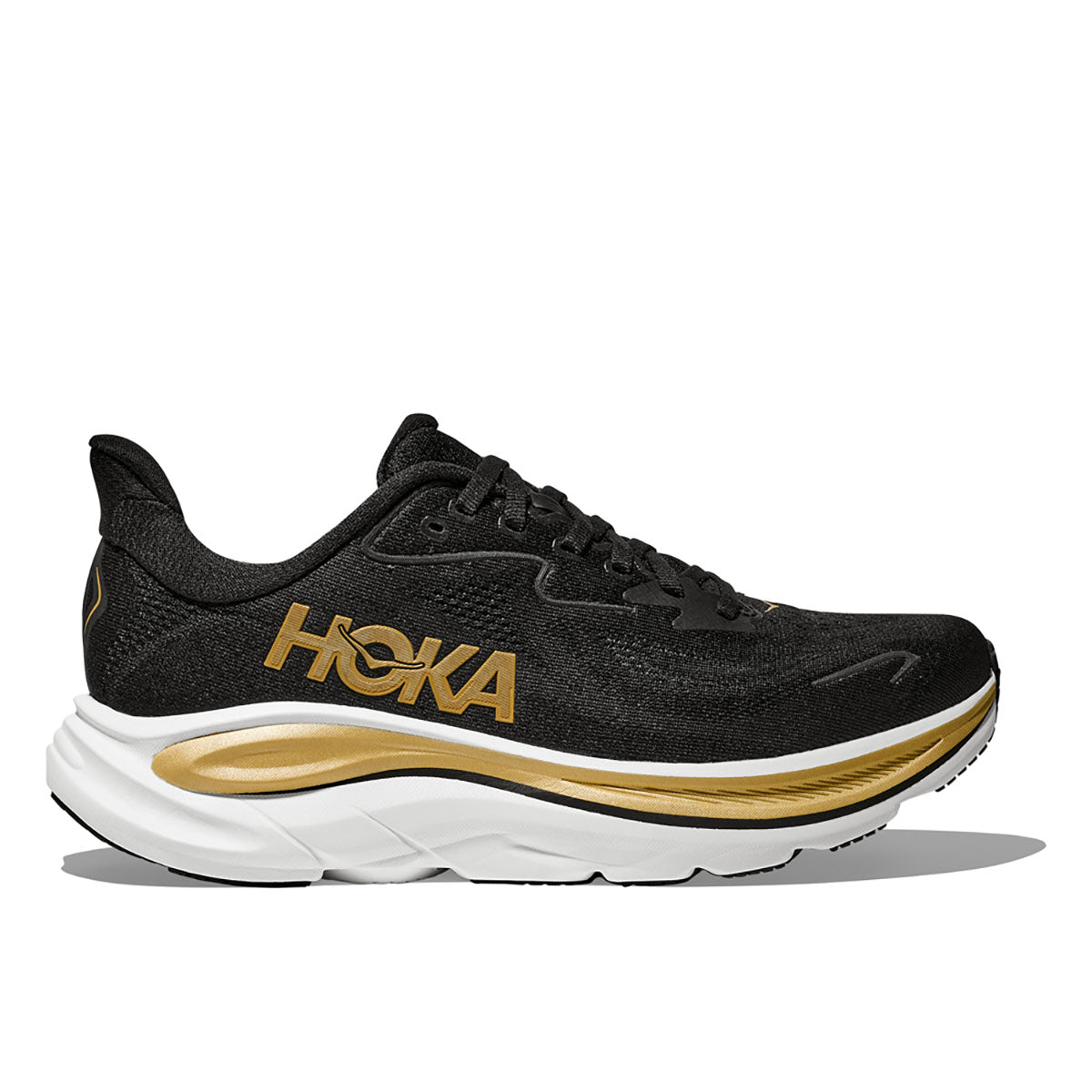
The Clifton 10's 40mm heel stack of CMEVA foam absorbs shock exceptionally for recovery runs and long efforts. Its meta-rocker geometry promotes a propulsive stride. Cushioning comes at the cost of a slightly heavier feel than minimalist options.
Main limitation: The plush midsole compresses noticeably after 400 miles, reducing responsiveness.
Skip if: Pass if you prefer a firmer, faster ride for interval training.
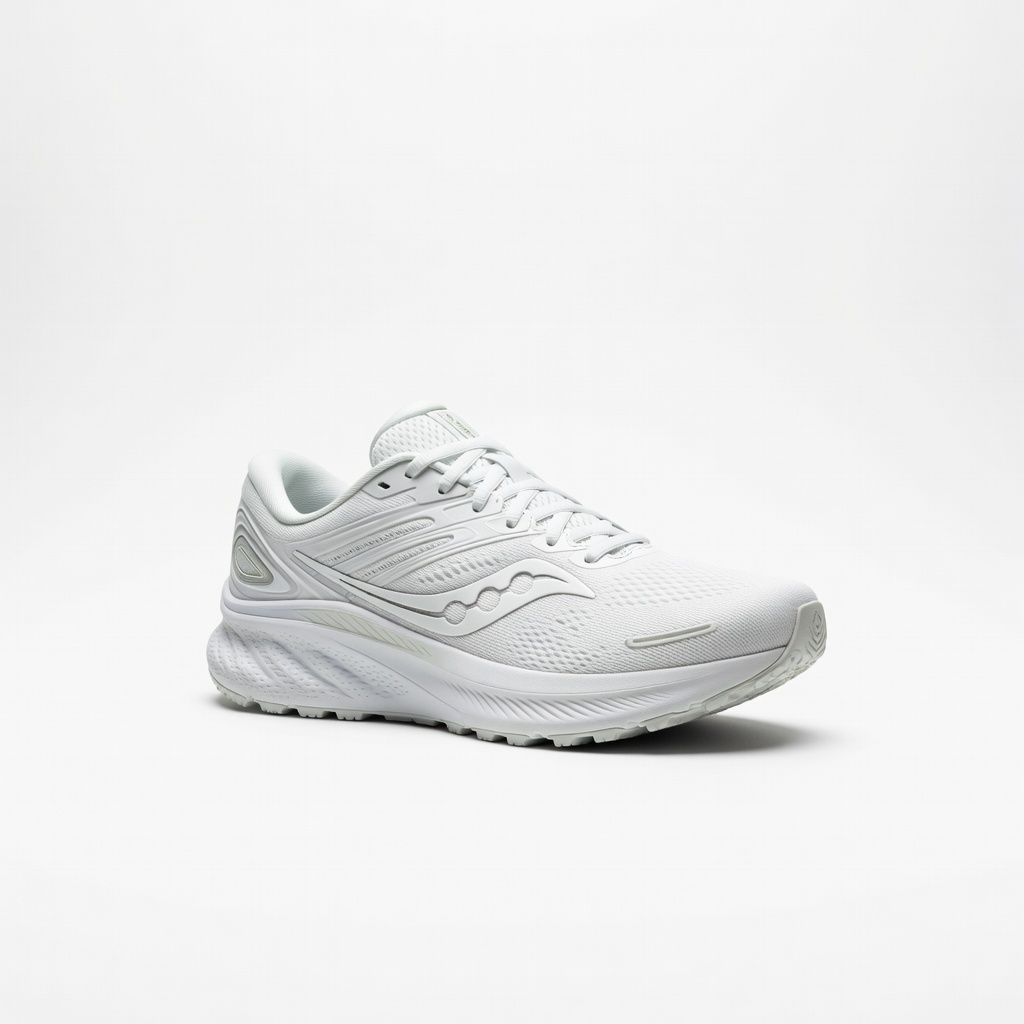
Center Path technology provides dynamic stability without a medial post, guiding mild-to-moderate overpronators through longer runs. PWRRUN foam offers plush yet responsive cushioning. The stability focus makes it less ideal for neutral-gait speed demons.
Main limitation: The wider base adds minor bulk, affecting agility on quick turns.
Skip if: Neutral runners should skip, as the guidance feels restrictive.
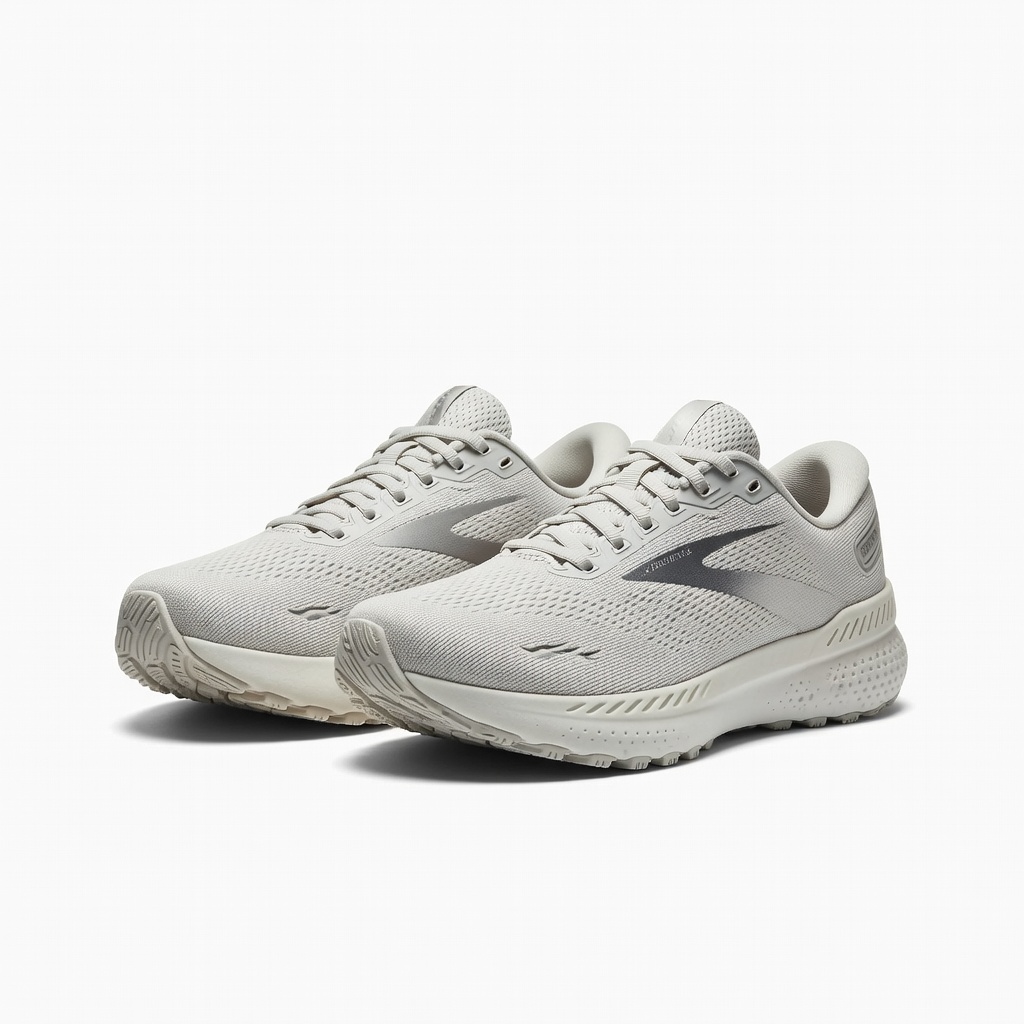
DNA Loft v4 nitrogen foam delivers buttery-smooth rides for marathon training, with a 10mm drop suiting heel strikers. The plush upper enhances comfort over hours. It's heavier than racier shoes, impacting tempo efforts.
Main limitation: Weight creeps up to 10.5oz, noticeable on faster workouts.
Skip if: Speed-focused runners will find it too soft for intervals.
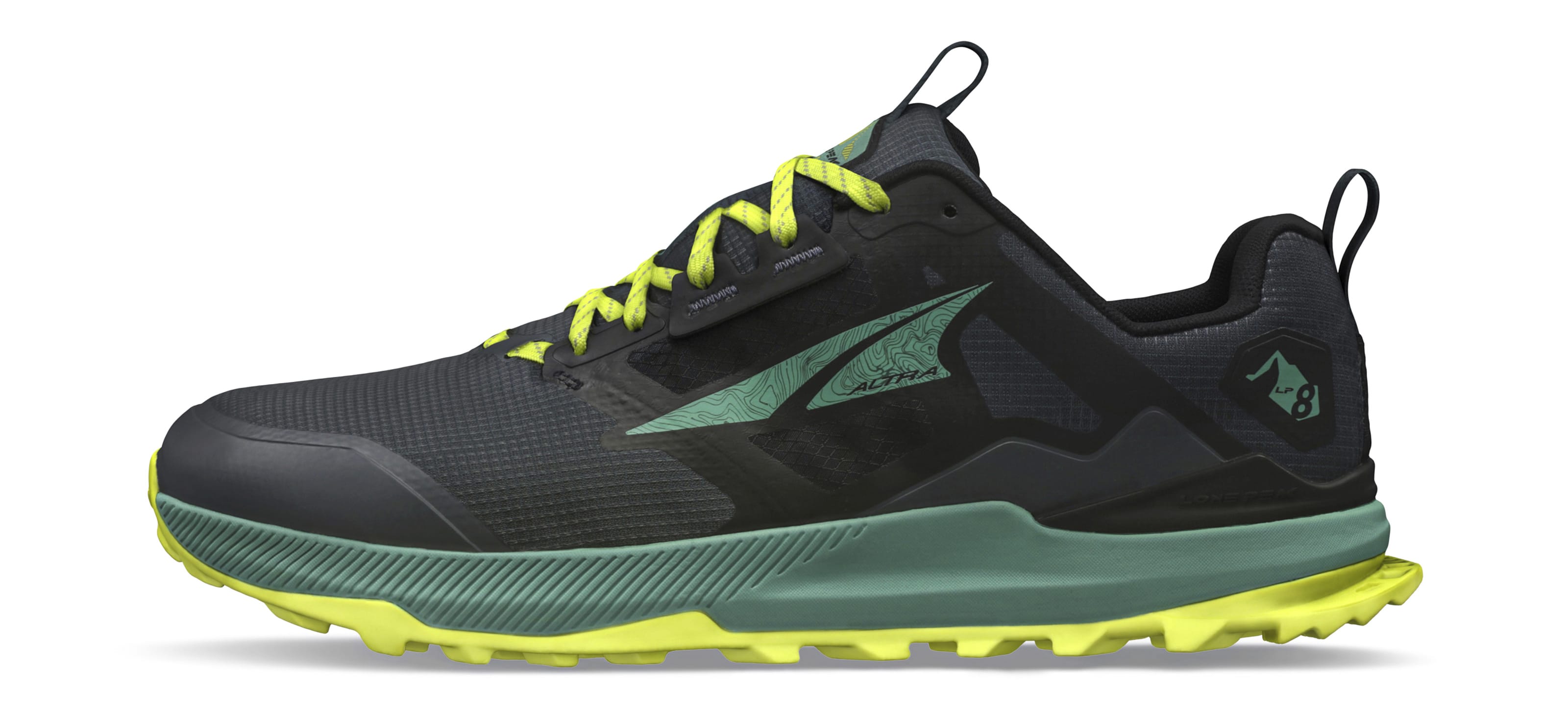
Zero-drop design with a wide FootShape toebox promotes natural foot splay on technical trails, backed by grippy MaxTrac outsole. StoneGuard protection handles rocky paths. Low stack limits shock absorption on pavement.
Main limitation: Minimal cushioning fatigues feet on runs over 15 miles.
Skip if: Road-only runners will dislike the zero-drop transition.
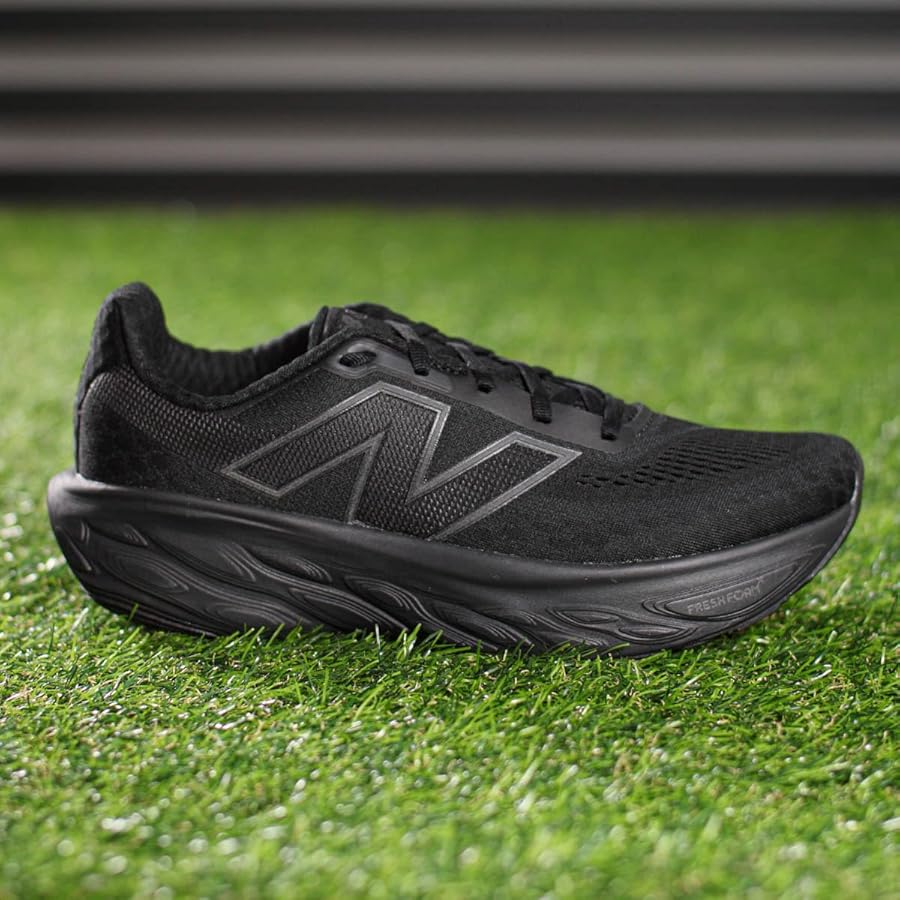
Fresh Foam X midsole provides versatile cushioning in multiple width options, with a rocker shape for efficient strides. Hypoknit upper stretches comfortably. Higher price reflects premium materials over budget foams.
Main limitation: Outsole traction slips slightly on wet trails.
Skip if: Narrow-footed runners may experience heel slippage.
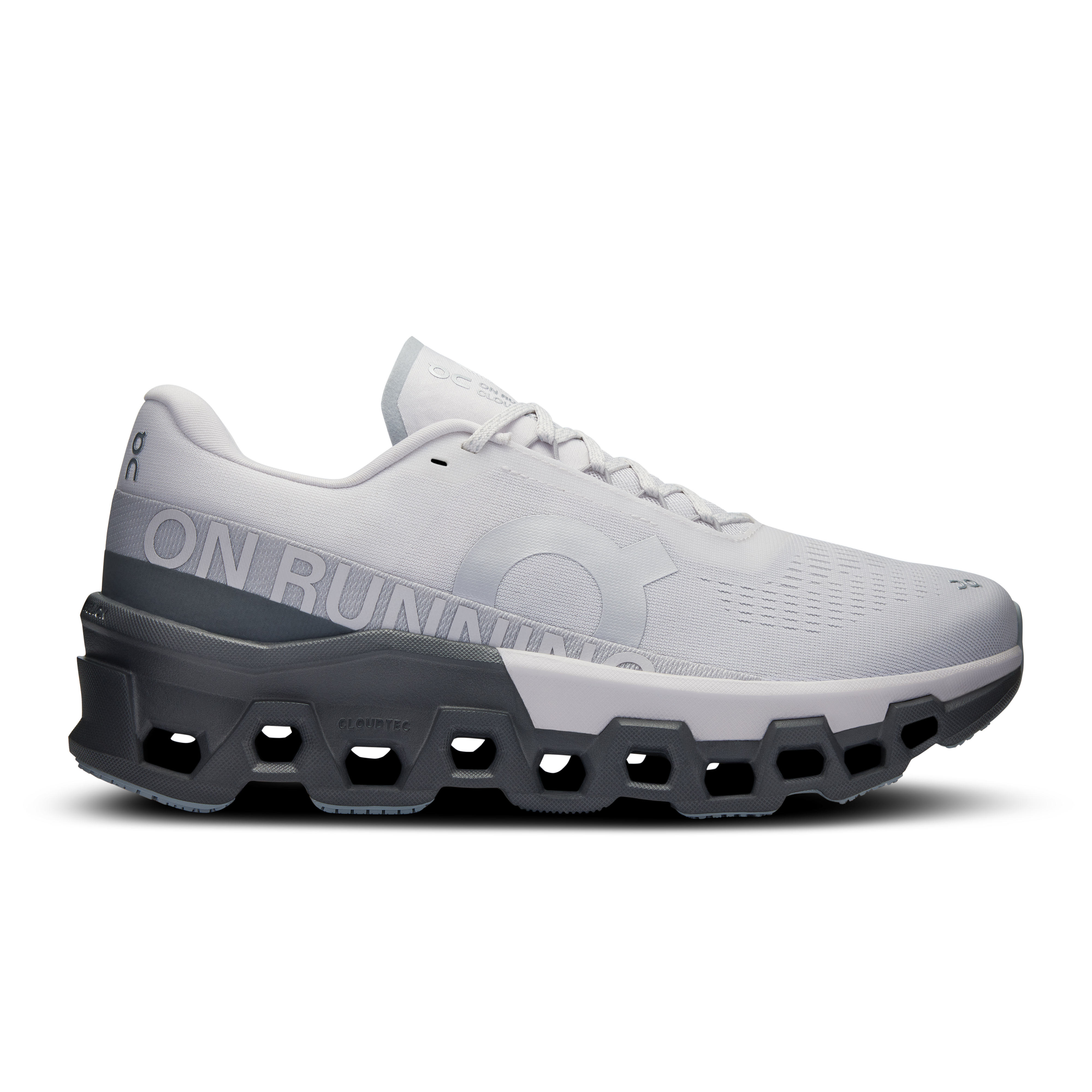
Helion superfoam and CloudTec elements deliver bouncy, low-weight energy return under 9oz for tempo runs. Speedboard adds propulsion. Less durable for high-mileage grinding.
Main limitation: Cloud pods wear down faster on rough surfaces after 250 miles.
Skip if: Heavy heel-strikers need more stack for protection.
Compare key specs and features of all our recommendations side-by-side
| Product | Recommendation | Rating | Price |
|---|---|---|---|
Nike Air Zoom Pegasus 43 Rank #1 | 🏆 Top Pick | 9.2/10 | $140-$160 Check current price → |
Brooks Ghost 16 Rank #2 | 💰 Budget Pick | 8.4/10 | $130-$145 Check current price → |
HOKA Clifton 10 Rank #3 | ⭐ Editor's Choice | 8.7/10 | $145-$155 Check current price → |
Saucony Guide 18 Rank #4 | — | 8.3/10 | $140-$150 Check current price → |
Brooks Glycerin 22 Rank #5 | — | 8.6/10 | $160-$170 Check current price → |
Altra Lone Peak 8 Rank #6 | — | 8.1/10 | $140-$150 Check current price → |
New Balance Fresh Foam X 1080v14 Rank #7 | — | 8.5/10 | $165-$180 Check current price → |
On Cloudmonster 2 Rank #8 | — | 8.2/10 | $170-$190 Check current price → |
Common questions buyers have about this category.
Most running shoes last 300-500 miles depending on your weight, stride, and terrain, after which midsole compression reduces shock absorption and raises injury risk. Track mileage via apps like Strava, and watch for signs like shin splints or worn treads; rotating two pairs extends life by allowing recovery time.
Neutral shoes suit runners with efficient gaits, offering balanced cushioning without corrective features, while stability models add medial support or guide rails to counter overpronation. Get a gait analysis at a running store to confirm—about 60% of runners are neutral per podiatry studies.
Carbon plates excel in races under marathon distance for elite propulsion, but for casual 20-30 mile weeks, they feel stiff and lack daily comfort per expert reviews. Save for goal races and stick to foam trainers for training to avoid foot fatigue.
Signs include toe cramping, blisters on pinky toes, or black toenails after medium runs; brands like New Balance and Altra offer dedicated wide fits. Always try both standard and wide in-store, as swelling adds half a size on long efforts.
Trail shoes work on roads with their aggressive lugs providing extra durability, but they feel clunky and less efficient due to higher rolling resistance. Reserve them for mixed terrain or opt for hybrid road-to-trail models if 70% of your runs are paved.
Beginners thrive in versatile neutral shoes with 10-12mm drop and ample cushion like the Pegasus or Ghost for forgiving strides. Avoid extremes like zero-drop or super-max until building base mileage, and prioritize breathability for sweaty newbie runs.
Products we evaluated but did not recommend — and why.
