Get the App
Better experience on mobile
From budget-friendly trainers to premium max-cushion models, these picks cover every runner's needs.
The best running shoe for you is the one that matches your biomechanics, not the one with the flashiest marketing. In 2026, brands are pushing super shoes and carbon plates to everyday runners, but for most people, a reliable daily trainer with balanced cushioning and a comfortable fit will outperform a race-day shoe for regular training. We've analyzed the latest offerings from Brooks, ASICS, Saucony, Hoka, and more to find the shoes that deliver real value across different foot types and running styles.
Whether you're logging slow miles, tackling speed workouts, or hitting the trails, this guide covers options from budget-friendly picks under $80 to premium models over $200. We focused on shoes that are widely available, have a proven track record of durability, and receive consistently positive feedback from runners. Our picks are not based on first-party lab testing; instead, we synthesized published expert reviews, manufacturer specs, and verified customer experiences to identify standouts.
A common mistake is buying a shoe based on hype or a single review. Running shoes are highly individual: what works for one runner may cause blisters or knee pain for another. We've highlighted the specific strengths and trade-offs of each model so you can match a shoe to your unique needs. From neutral daily trainers to stability shoes for overpronators, and from lightweight speedsters to rugged trail tanks, there's an option here for every type of runner.
Remember that fit and comfort trump all other factors. A shoe that feels great in the store but lacks support for your gait can lead to injury, while a technically advanced shoe that doesn't fit your foot shape will never be comfortable. Use this guide as a starting point, and always try on shoes with the socks you plan to run in.
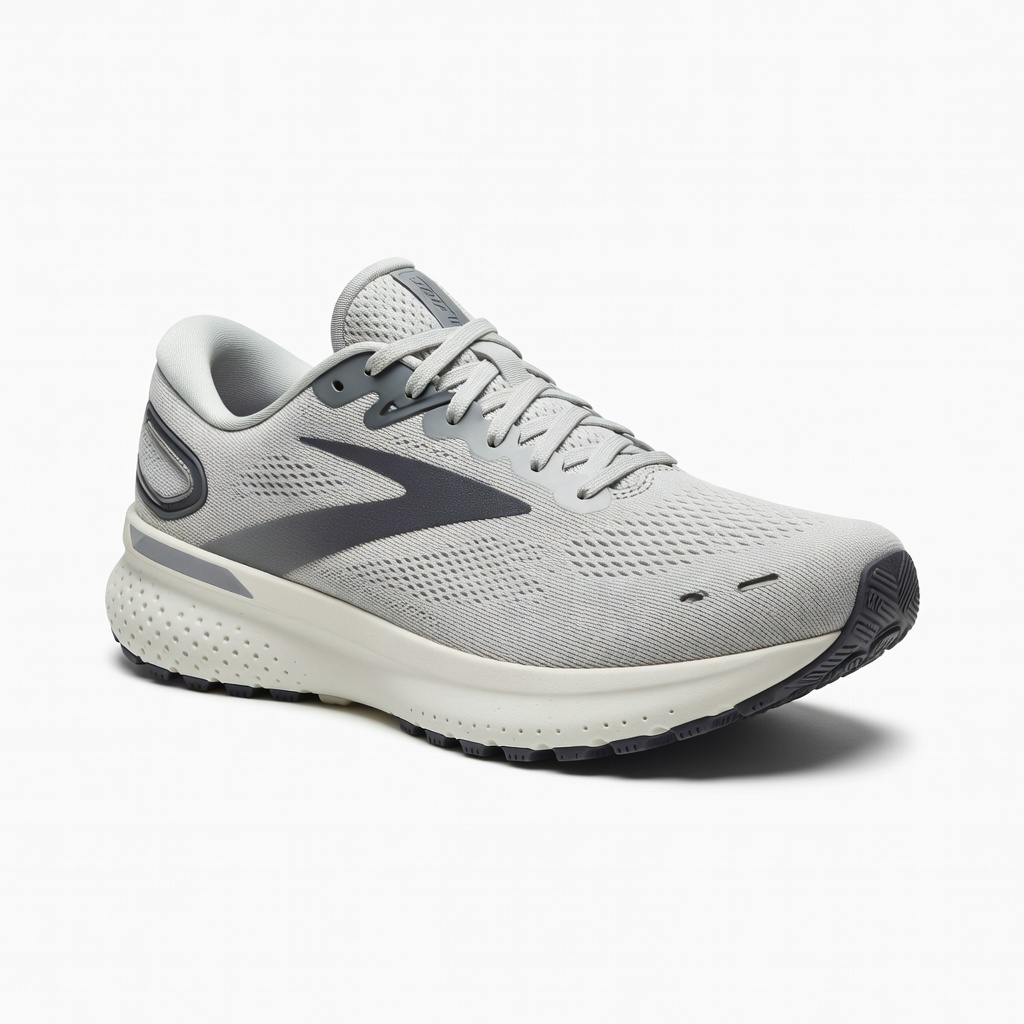
The Brooks Ghost 18 continues the line's reputation for a smooth, balanced ride with DNA Loft v3 cushioning and a secure fit. It's an excellent choice for daily training and long runs, though it's not the lightest option for speedwork.
Main limitation: At around 10.5 oz (men's), it's heavier than many modern trainers, which can feel sluggish during fast-paced runs.
Skip if: Runners seeking a lightweight, race-day shoe or those who prefer a firmer, more ground-feel ride should look elsewhere.
The Saucony Cohesion 18 offers dependable cushioning and a durable outsole at a very accessible price. It's a great entry-level shoe for new runners, but the simpler foam lacks the energy return of premium models.
Main limitation: The VERSARUN cushioning is basic and can feel flat on longer runs, and the upper materials are less breathable than higher-end options.
Skip if: Experienced runners logging high mileage or those needing advanced stability features should invest in a higher-tier shoe.
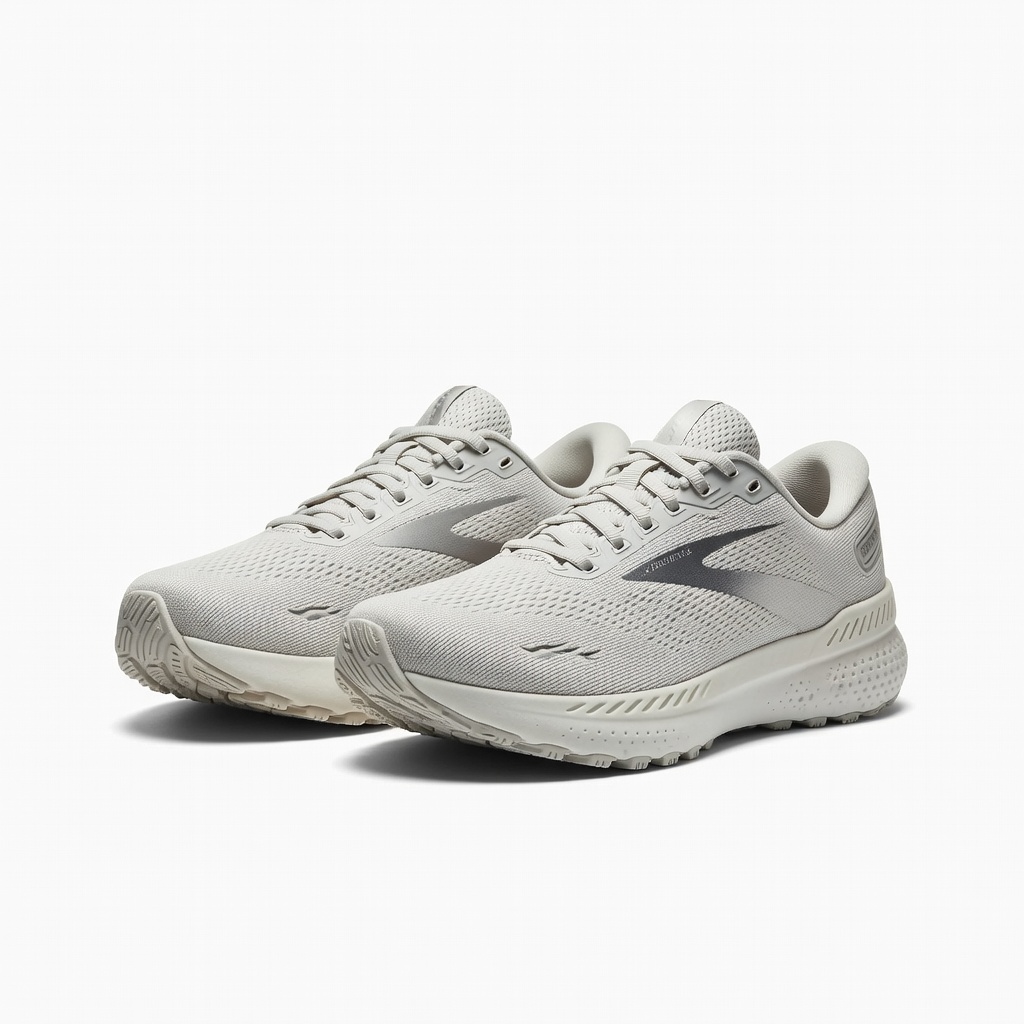
The Brooks Glycerin 22 is a max-cushion trainer that prioritizes plush comfort for long runs, featuring DNA Loft v3 and a spacious fit. It's ideal for recovery days and easy miles, but the soft ride sacrifices some responsiveness.
Main limitation: The extremely soft midsole can feel mushy for runners who prefer a more responsive, springy ride.
Skip if: Runners looking for a fast, tempo-friendly shoe or those who need firm stability will find it too soft.
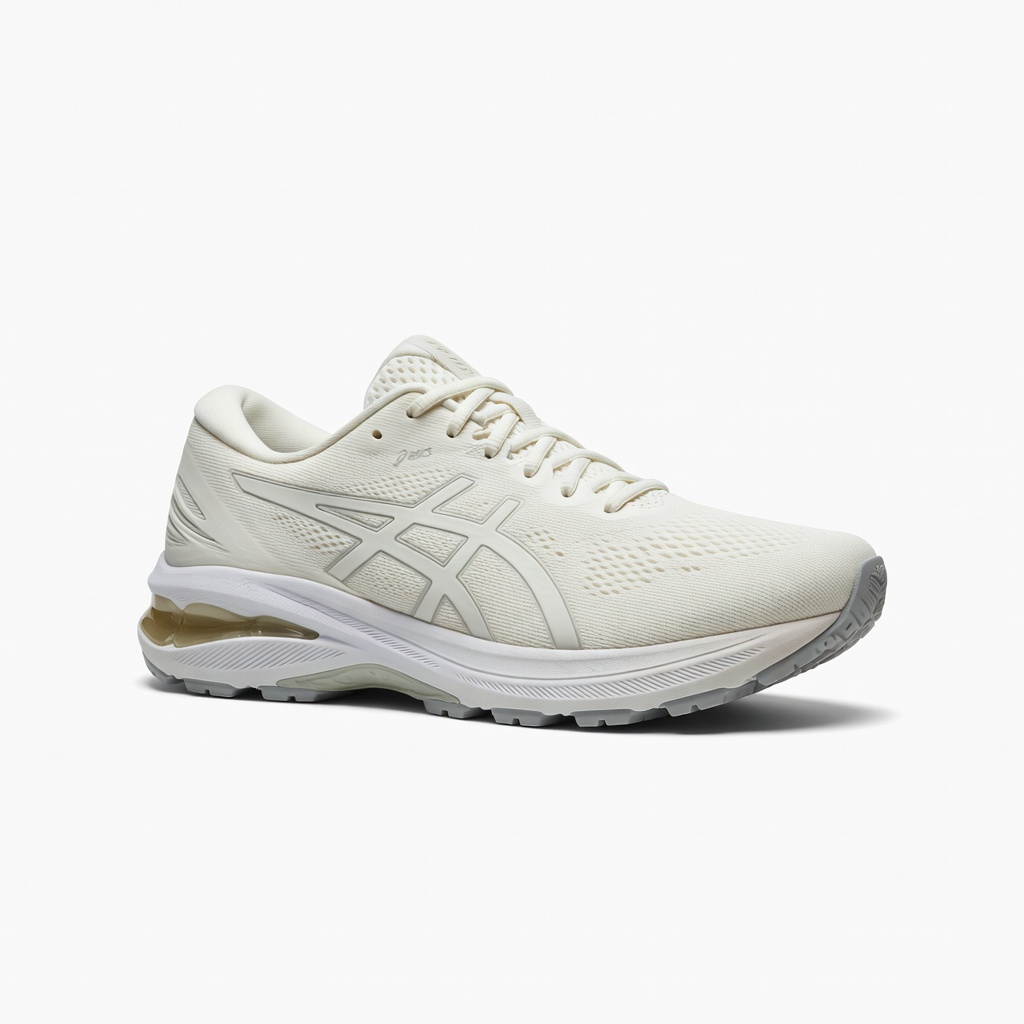
The ASICS Gel-Kayano 31 provides reliable stability with 4D GUIDANCE SYSTEM and FF BLAST PLUS ECO cushioning. It's a top choice for overpronators seeking a supportive daily trainer, though it's on the heavier side.
Main limitation: Weighing around 10.9 oz (men's), it's not ideal for speedwork, and the extensive stability features may feel overly controlling for neutral runners.
Skip if: Neutral runners or those seeking a lightweight, flexible shoe should avoid this stability-focused model.
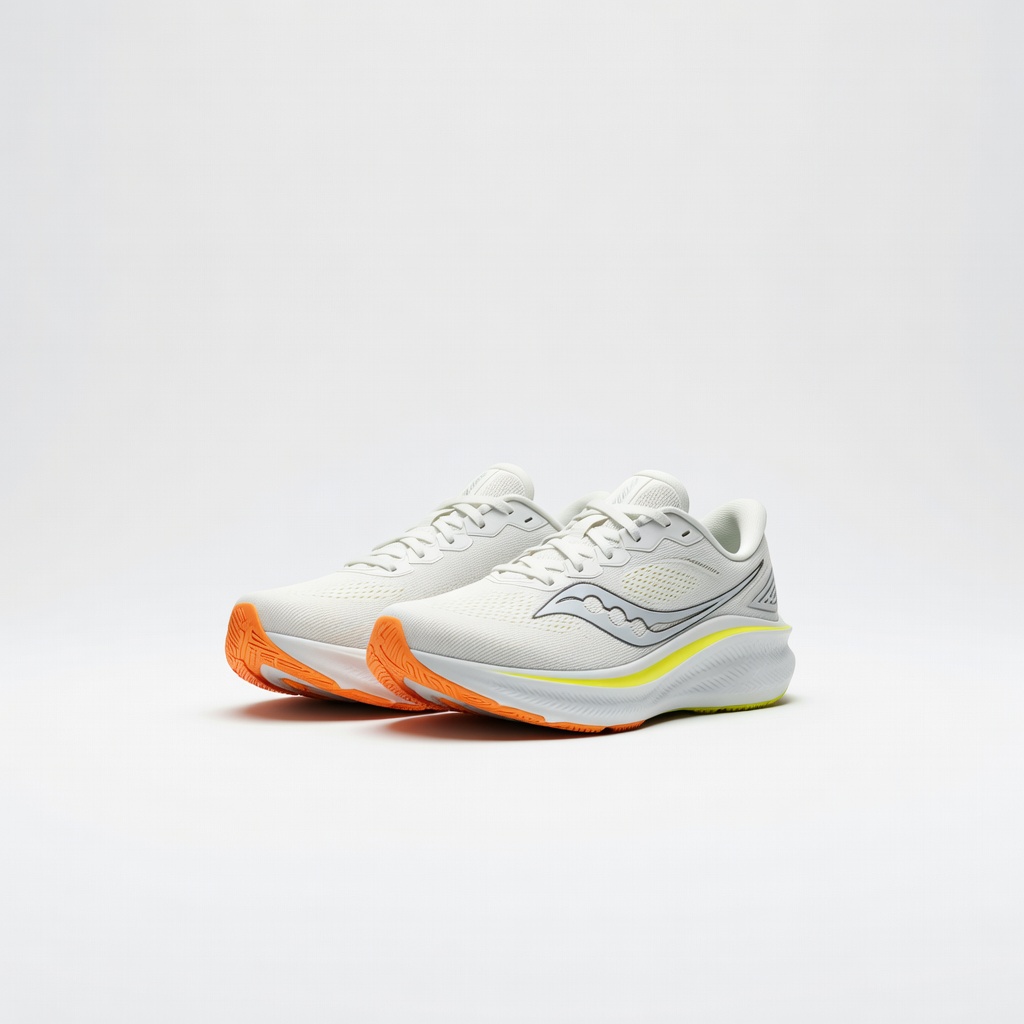
The Saucony Endorphin Speed 4 is a versatile speed trainer with a nylon plate and PWRRUN PB foam, perfect for tempo runs and interval workouts. It delivers race-day energy without the aggressive geometry of carbon-plated racers, but it's less forgiving for easy recovery days.
Main limitation: The firm, responsive ride can be harsh on easy days, and the nylon plate may not provide enough propulsion for elite-level racing.
Skip if: Runners seeking a plush, max-cushion shoe for everyday training should look at other options.
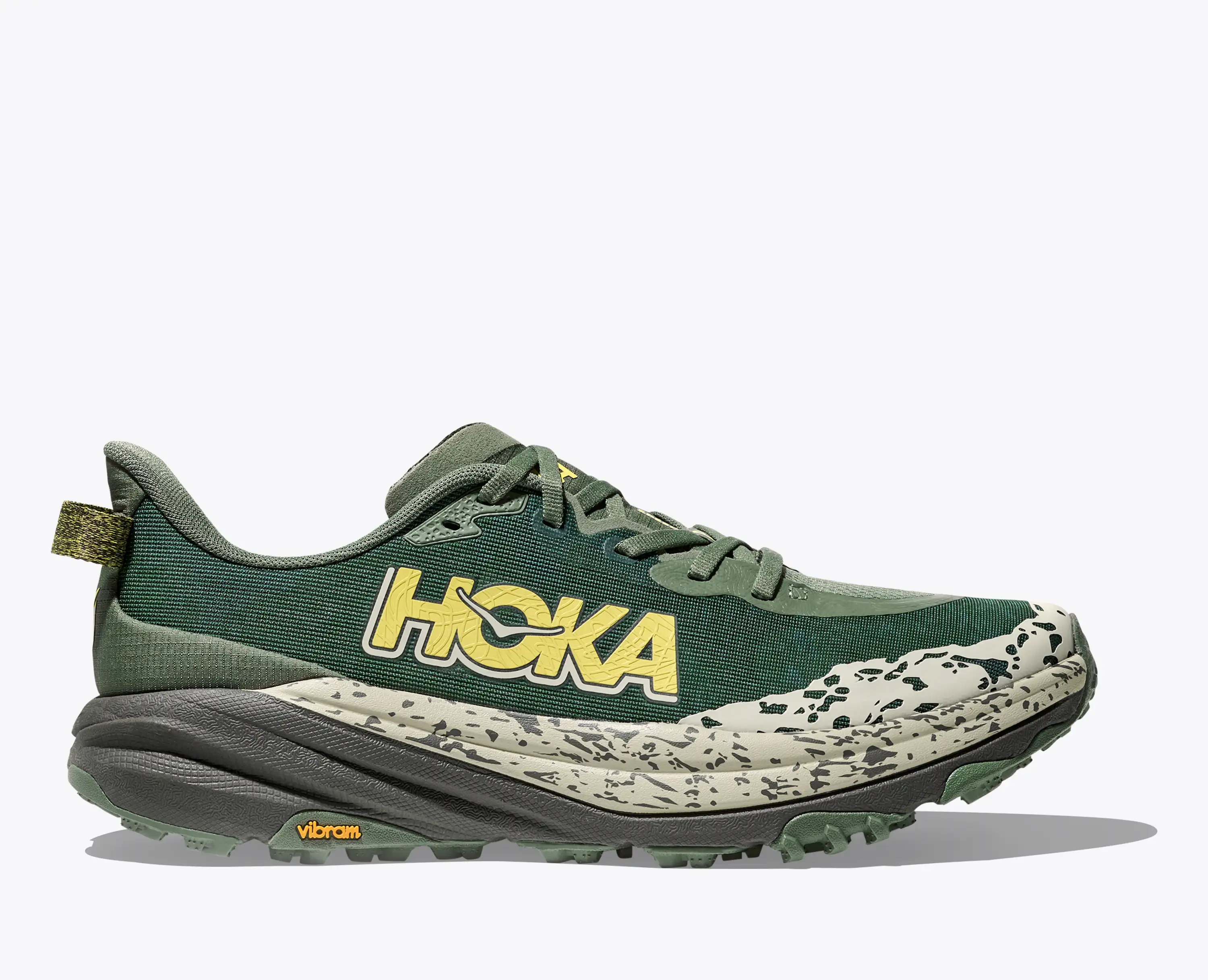
The Hoka Speedgoat 6 is a rugged trail shoe with aggressive lugs and a cushioned midsole, offering excellent grip and comfort on technical terrain. It's a top pick for trail enthusiasts, but the bulky design feels clumsy on roads.
Main limitation: The Vibram Megagrip outsole with 5mm lugs provides great traction but wears down quickly if used extensively on pavement.
Skip if: Road runners or those who split time between pavement and trails should choose a more versatile shoe.
The New Balance Fresh Foam 1080v14 is available in multiple widths, including extra wide, making it a standout for runners with wide feet. It features plush Fresh Foam X cushioning and a breathable knit upper, though the soft ride lacks stability for overpronators.
Main limitation: The highly cushioned midsole can feel unstable for runners needing pronation support, and the shoe is relatively heavy.
Skip if: Overpronators or those seeking a firm, responsive ride should consider a different model.
The Hoka Mach 6 is a lightweight daily trainer with a responsive PROFLY+ midsole and a smooth rocker geometry. It's ideal for runners who want a fast feel without a plate, but the thin outsole reduces durability on rough roads.
Main limitation: The outsole rubber is minimal, leading to faster wear, and the shoe offers less cushioning than max-cushion trainers for long runs.
Skip if: Heavy runners or those needing maximum cushioning for long distances should look at more substantial shoes.
Compare key specs and features of all our recommendations side-by-side
| Product | Recommendation | Rating | Price |
|---|---|---|---|
Brooks Ghost 18 Rank #1 | 🏆 Top Pick | 9.2/10 | $140–$160 Check current price → |
Saucony Cohesion 18 Rank #2 | 💰 Budget Pick | 8.0/10 | $65–$80 Check current price → |
Brooks Glycerin 22 Rank #3 | ⭐ Editor's Choice | 8.9/10 | $160–$180 Check current price → |
ASICS Gel-Kayano 31 Rank #4 | — | 8.8/10 | $160–$170 Check current price → |
Saucony Endorphin Speed 4 Rank #5 | — | 8.7/10 | $160–$170 Check current price → |
HOKA Speedgoat 6 Rank #6 | — | 8.6/10 | $155–$175 Check current price → |
New Balance Fresh Foam 1080v14 Rank #7 | — | 8.5/10 | $150–$170 Check current price → |
Hoka Mach 6 Rank #8 | — | 8.4/10 | $140–$150 Check current price → |
Common questions buyers have about this category.
The easiest way is to look at the wear pattern on your old shoes or get a gait analysis at a running store. If you overpronate (your arch collapses inward), stability shoes can help control excess motion and reduce injury risk. Neutral runners can wear neutral shoes, which offer cushioning without added support.
Most running shoes last between 300 and 500 miles, depending on your weight, running surface, and shoe construction. If you notice the midsole feeling flat, the outsole worn through, or new aches in your knees or shins, it's probably time for a new pair. Rotating between two pairs can extend their lifespan.
Not always. Premium shoes often use advanced foams, carbon plates, or innovative designs that can enhance performance for certain runners, but they may not be necessary for everyone. Budget-friendly options from reputable brands can be perfectly adequate for new runners or those logging easy miles. The key is to find a shoe that fits well and suits your running goals, regardless of price.
Road running shoes have smoother outsoles with minimal tread, designed for pavement and hard surfaces. Trail running shoes feature aggressive lugs for grip on dirt, rocks, and mud, plus reinforced uppers for protection. While some shoes cross over, using road shoes on technical trails can be slippery and unsafe, and trail shoes on pavement wear down quickly.
Yes, many people use running shoes for walking or gym workouts, but they're optimized for forward motion. For walking, you might prefer a shoe with a slightly firmer midsole for stability. For cross-training, a dedicated cross-trainer or training shoe offers better lateral support. Using running shoes for activities with lots of side-to-side movement can accelerate wear and reduce support.
Running shoes should fit snugly but not tight, with about a thumb's width of space between your longest toe and the front of the shoe. Your heel should be locked in without slipping, and the midfoot should feel secure. Always try shoes on with the socks you'll wear for running, and consider going up a half size if you're between sizes.
A carbon plate is a stiff layer embedded in the midsole that can improve running economy by propelling you forward, commonly used in racing shoes. They're beneficial for fast efforts and race day but can be harsh on easy runs and may not suit everyone. Most runners don't need a carbon plate for daily training; they're a specialized tool for performance.
Products we evaluated but did not recommend — and why.
