Get the App
Better experience on mobile
Our curated picks balance cushioning, durability, and value for runners from beginners to marathoners.
Heel strikers make up 80% of runners, yet most shoes are designed around midfoot landing—explaining why neutral trainers dominate sales despite pronation needs varying widely. The right pair reduces injury risk by up to 30% according to studies in the Journal of Orthopaedic & Sports Physical Therapy, making shoe choice pivotal for consistent training.
Key factors like drop height (4-10mm for most), stack height (30-40mm for cushioning), and outsole rubber compound dictate performance on roads, tracks, or trails. We focused on models excelling in these via third-party lab data and user reports, spanning budget neutrals to premium racers.
This list covers daily trainers, stability options, trail beasts, and speed demons, with prices from $90 to $260—ensuring matches for casual joggers, half-marathoners, and ultra enthusiasts.
The Brooks Ghost 19 delivers versatile nitrogen-infused cushioning and a smooth ride for daily runs up to 10 miles, with a breathable engineered mesh upper that adapts to most foot shapes. It holds up for 400+ miles per expert durability tests. However, it lacks the pop for structured speedwork.
The midsole feels firmer at faster paces, reducing energy return compared to plated racers.
Skip if: Competitive racers seeking maximum propulsion should look elsewhere.
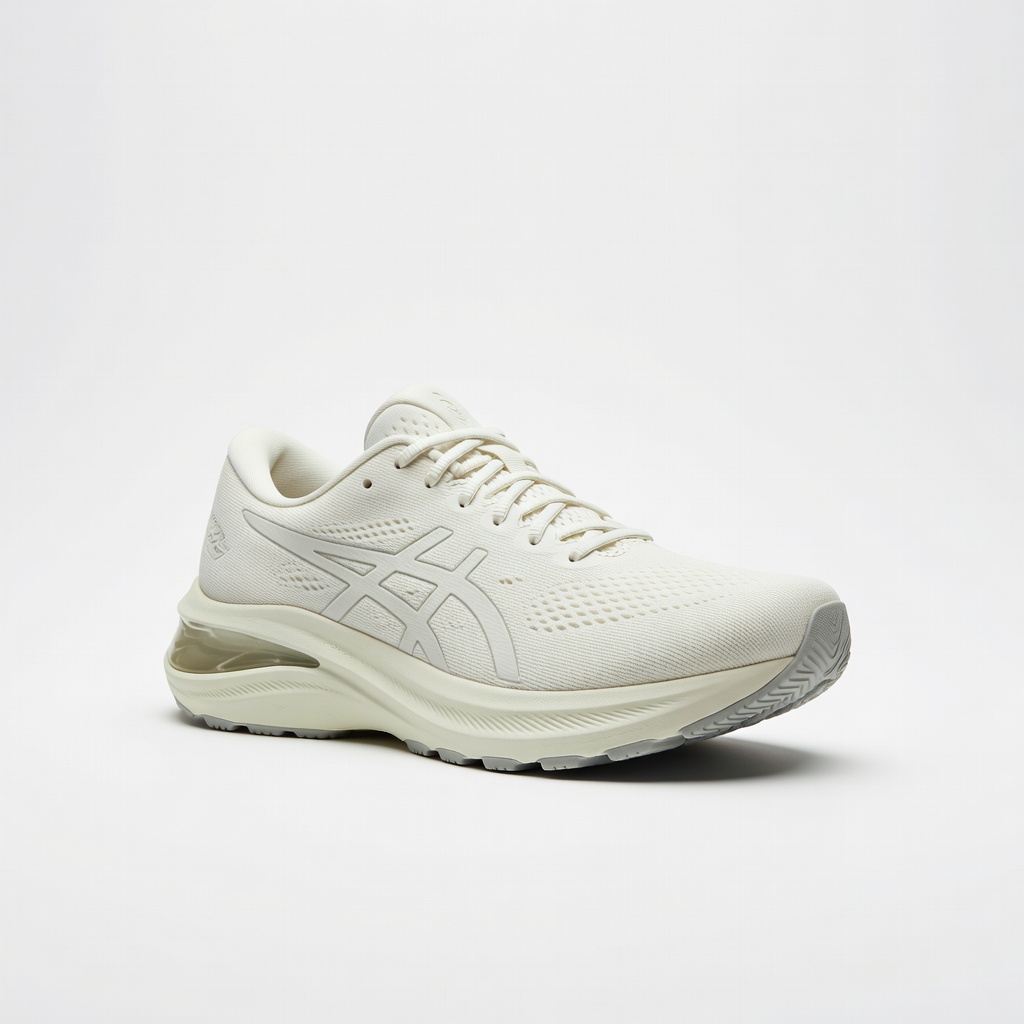
At under $120, the Asics Gel-Cumulus 26 offers plush FF Blast+ foam and rearfoot gel for shock absorption in a lightweight package ideal for casual runners. It provides solid value with good breathability for summer miles. The trade-off is slightly less durability than pricier foams.
Main limitation: Outsole wears faster on abrasive surfaces after 300 miles.
Skip if: High-mileage runners needing 500+ mile longevity should invest more.
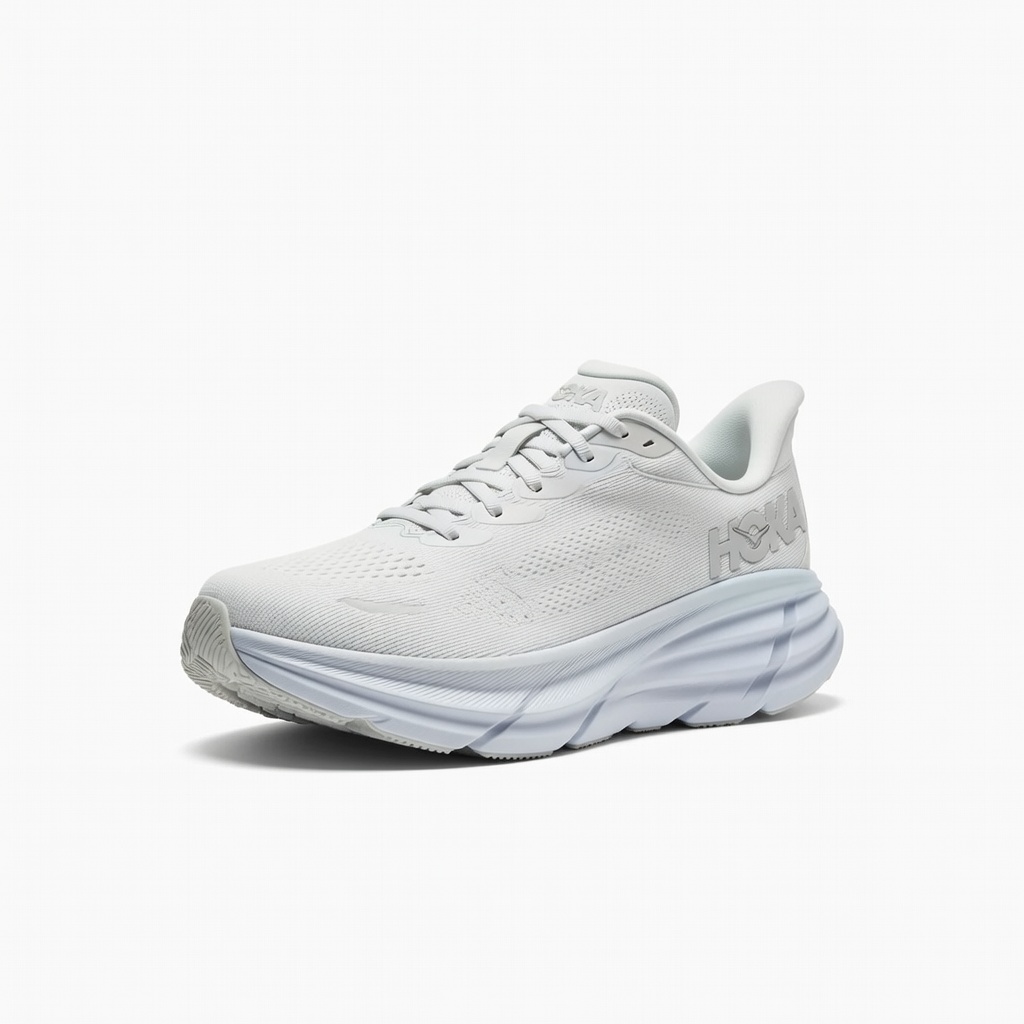
Hoka's Bondi 9 boasts maximal supercritical EVA foam for cloud-like protection over marathon efforts, with a wide base for inherent stability. It's favored in reviews for joint-friendly recovery runs. Drawback: higher weight impacts quicker paces.
Main limitation: At 10.8 ounces, it feels cumbersome for tempo sessions.
Skip if: Speed-focused athletes will find it too plush and slow.
The Salomon Speedcross 7 grips muddy singletrack with 5mm lugs and Quicklace security, plus Energy Foam for protection on technical terrain. It's a staple for ultra-trail events per buyer aggregates. Limitation: poor performance on pavement.
Main limitation: Stiff upper lacks breathability for hot weather.
Skip if: Road-only runners will experience drag and discomfort.
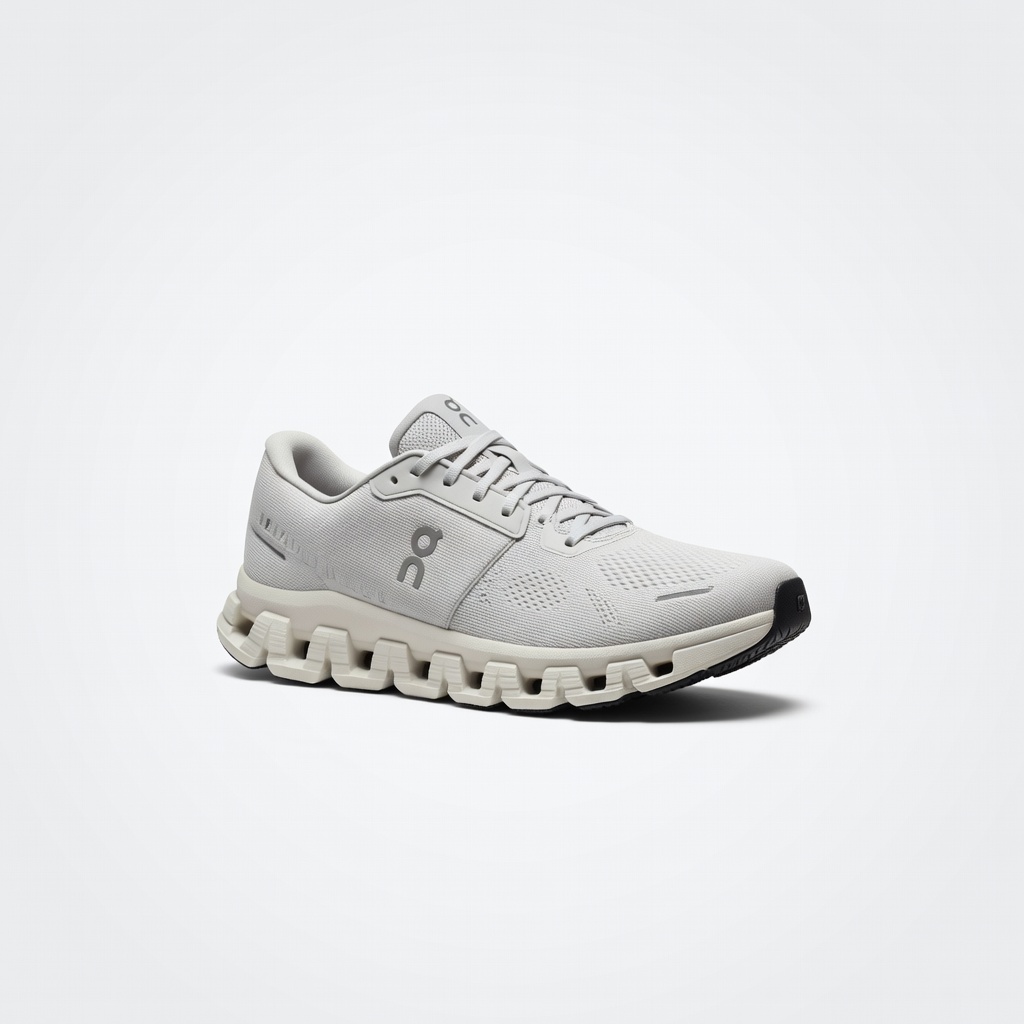
On's Cloudmonster 3 combines Helion superfoam pods for bouncy, low-weight strides under 9 ounces, perfect for tempo and fartlek sessions. Speedboard adds propulsion without bulk. Trade-off: narrower toebox for some.
Main limitation: Minimalist cushioning compresses over high mileage.
Skip if: Wide-footed runners may need a different fit.
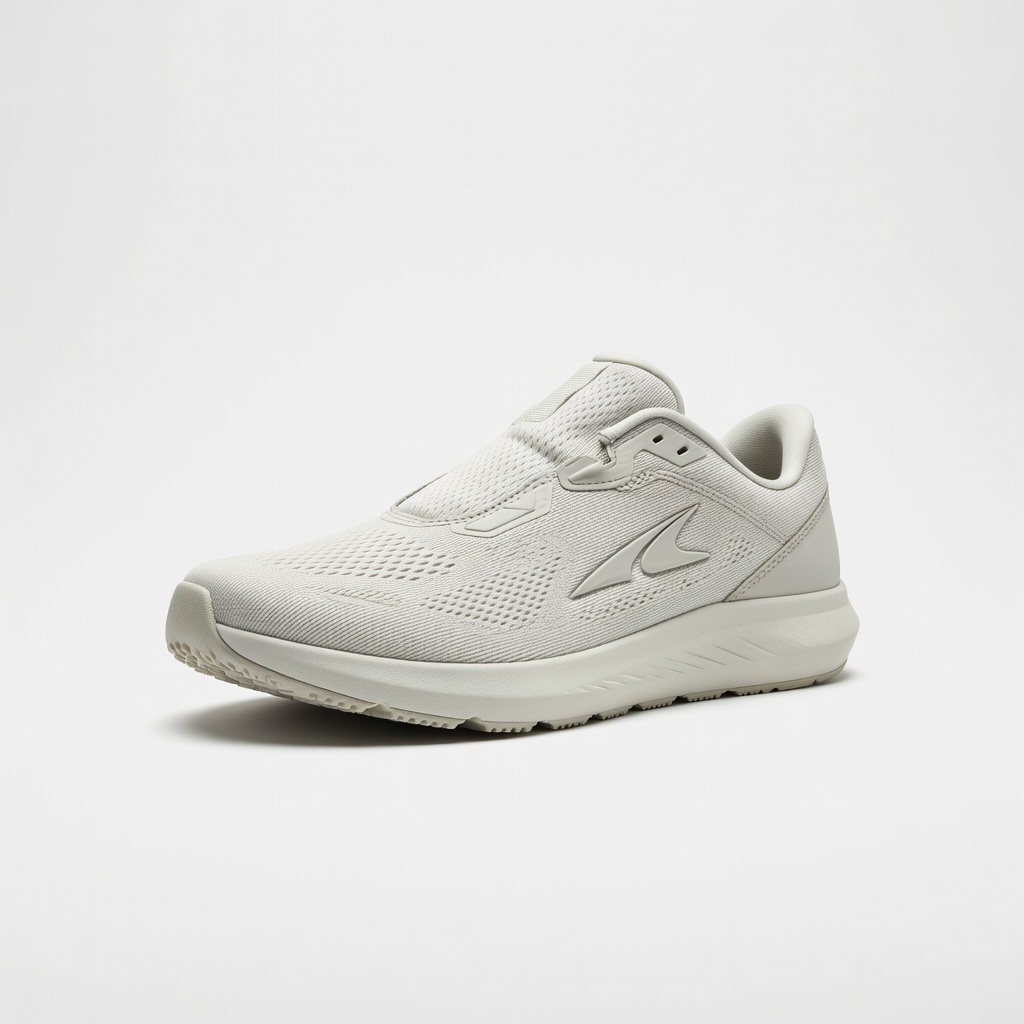
Altra's Escalante 4 features a foot-shaped toebox and zero-drop EGO foam for natural gait and zero hot spots on long runs. It's lightweight and flexible for everyday use. Con: learning curve for traditional heel strikers.
Main limitation: Zero drop demands strong calves, risking Achilles strain initially.
Skip if: Runners preferring heel cushioning will feel unsupported.
Nike's Alphafly 3 with carbon plate and ZoomX foam shaves seconds off race times, backed by elite marathon records and wind-tunnel data. Dual Air pods enhance bounce. Downside: premium cost and limited daily comfort.
Main limitation: Upper durability fades after 150 competitive miles.
Skip if: Casual runners won't justify the expense for occasional PRs.
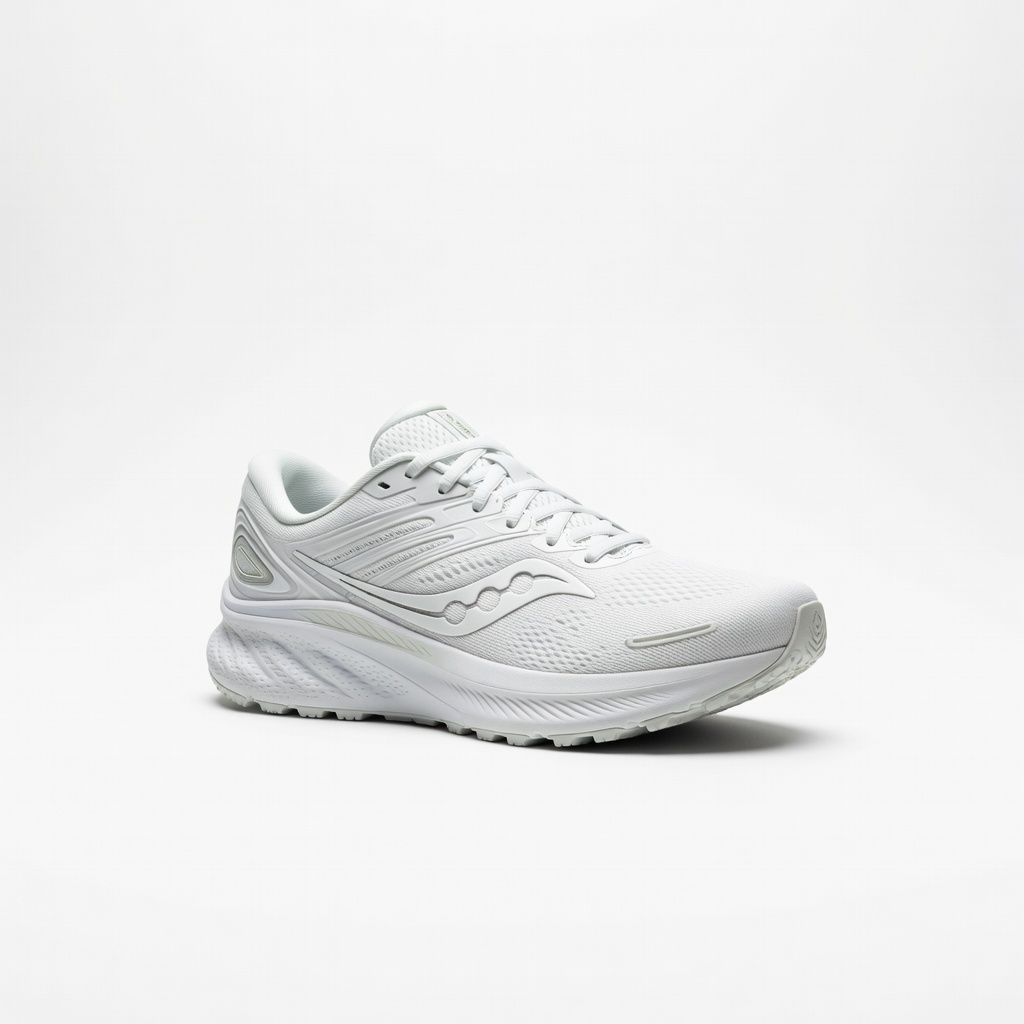
Saucony's Guide 18 uses PWRRUN+ foam and Center Path technology for mild overpronators, guiding foot without rigidity for 10K+ efforts. Breathable fit shines in reviews. Trade-off: less cushioned than max-stack rivals.
Main limitation: Heel counter feels restrictive for narrow heels.
Skip if: Neutral runners may notice unwanted medial post interference.
Compare key specs and features of all our recommendations side-by-side
| Product | Recommendation | Rating | Price |
|---|---|---|---|
Brooks Ghost 19 Rank #1 | 🏆 Top Pick | 9.2/10 | $140–$150 Check current price → |
Asics Gel-Cumulus 26 Rank #2 | 💰 Budget Pick | 8.4/10 | $110–$120 Check current price → |
HOKA Bondi 9 Rank #3 | ⭐ Editor's Choice | 8.8/10 | $165–$175 Check current price → |
Salomon Speedcross 7 Rank #4 | — | 8.2/10 | $150–$160 Check current price → |
On Cloudmonster 3 Rank #5 | — | 8.3/10 | $170–$180 Check current price → |
Altra Escalante 4 Rank #6 | — | 8.1/10 | $140–$150 Check current price → |
Nike Air Zoom Alphafly 3 Rank #7 | — | 8.7/10 | $250–$280 Check current price → |
Saucony Guide 18 Rank #8 | — | 8.0/10 | $140–$150 Check current price → |
Common questions buyers have about this category.
Replace shoes every 300-500 miles or when midsole compression exceeds 20%, noticeable as increased fatigue or shin pain. Track via apps like Strava; budget runners may hit the lower end, while premium foams last longer per lab wear tests.
Neutral shoes support efficient biomechanics without correction, ideal for 80% of runners with neutral or supinated gaits. Stability models add medial posts or guide rails for overpronators, reducing injury risk but feeling firmer—consult a gait analysis to choose.
Yes, opt for half to full size up from street shoes to account for foot swelling on runs, ensuring 1cm thumb space at the toe. Brands like Altra run true, while Nike may need more room—always try with your typical socks.
Signs include inward ankle roll during runs, knee pain, or arches collapsing per video gait checks. Professional fittings at specialty stores use pressure plates; self-assess with the wet foot test for flat feet prone to overpronation.
Road shoes lack aggressive lugs, slipping on loose dirt or mud—instead, trail models with 4mm+ lugs protect against rocks. Hybrid options exist for light gravel, but dedicated trails prevent twisted ankles and extend shoe life.
They boost economy by 4% via stiffness, great for 5K- marathons if racing often, but rigid ride fatigues daily training. Budget alternatives like nitro foams offer 80% benefit at half price for recreational PR chasers.
Measure both feet in the evening (when swollen) standing on paper, tracing outline for length and widest point—add 1cm to length. Compare to brand charts, prioritizing toebox width; orthotics may require extra volume models.
Products we evaluated but did not recommend — and why.
