Get the App
Better experience on mobile
From cheap daily trainers to carbon-plated racers, these are the running shoes that earn their place in your rotation.
Running shoe companies keep pushing heavier foam, carbon plates, and higher price tags, but the secret to a good run is simpler than you think: a shoe that fits your foot and matches your stride. Before you get caught up in stack heights and pronation jargon, you need to understand what your feet do when you run, where you'll run, and how many miles you plan to log. The right pair can make every run feel smoother and more comfortable, while the wrong pair can lead to blisters, aches, and even injury.
We've done the homework for you—digging through manufacturer specs, trusted expert reviews, and thousands of user reviews to separate hype from genuinely great running shoes. We didn't 'lab test' these shoes in our own facility; instead, we compiled the consensus from reliable sources and filtered it through practical experience running on roads, tracks, and trails. The result is a list that covers every training need and budget, so you don't have to overpay for features you don't need.
Our top pick, the Brooks Ghost 16, is a dependable, well-rounded trainer that suits a wide range of neutral-footed runners. But we also highlight specialized options for specific needs: a plush everyday companion from Hoka, a supportive stability shoe for overpronators, a snappy speed trainer with a nylon plate, a carbon-fiber racer for race day, a versatile trail shoe, and a wide-fit hero from New Balance. We've also included a budget shoe that proves you don't need to spend a fortune to run comfortably.
Choosing the right running shoe ultimately comes down to fit, function, and honesty about what you're looking for. Use this guide to match your unique foot mechanics and running goals with a shoe that will support you mile after mile. We've noted the trade-offs for each model so you can decide what matters most to you.
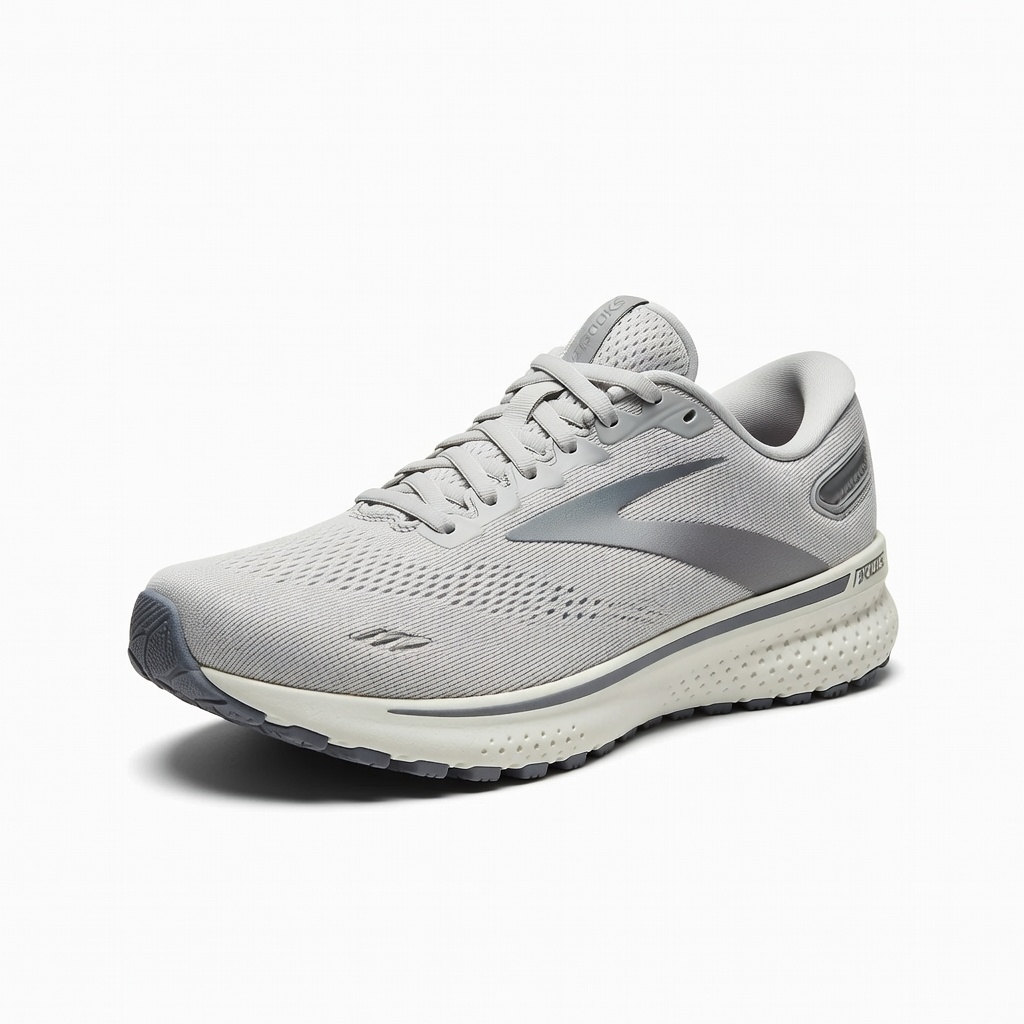
The Brooks Ghost 16 offers a balanced blend of soft cushioning and reliable rebound, making it a versatile daily trainer that suits neutral runners of all levels. It uses Brooks' DNA LOFT v3 foam that softens impact without feeling mushy, delivering a smooth ride on easy runs and longer distances. The trade-off is a traditional stack height that lacks the rocker feel of newer max-cushion shoes.
Main limitation: The upper can run warm in hot weather due to its thick mesh construction.
Skip if: Runners seeking maximum energy return or a highly cushioned rocker-shaped shoe for marathon training.
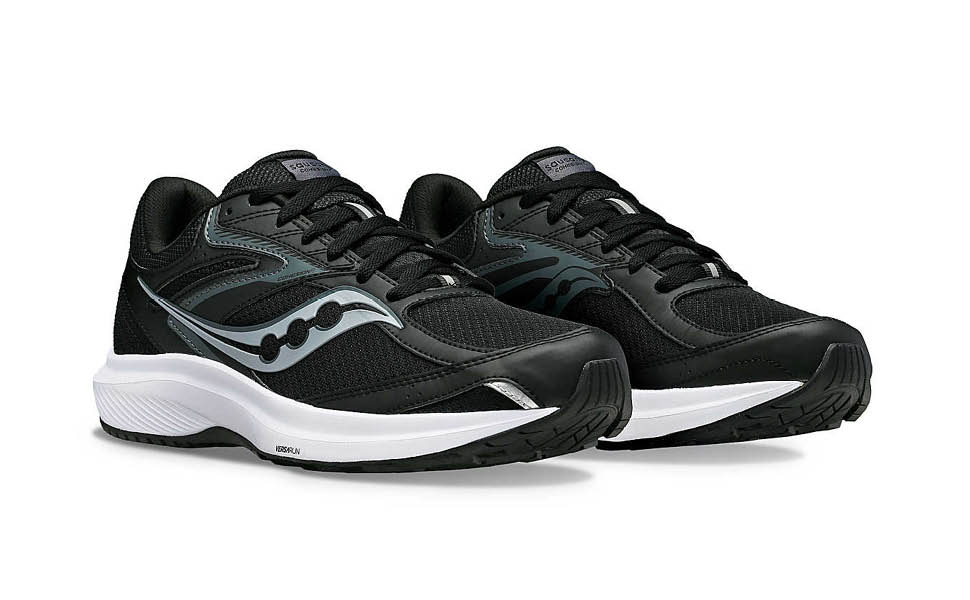
The Saucony Cohesion 17 is a no-frills neutral trainer that nails the essentials—durable foam, a breathable upper, and a price that won't hurt. It's a great first shoe or a reliable daily trainer for easy runs and shorter distances. Trade-off: it's heavier and firmer than premium trainers, so it won't offer high energy return or long-run comfort.
Main limitation: The midsole can flatten quickly with heavy use, reducing its lifespan compared to more expensive shoes.
Skip if: Runners wanting a plush ride for long runs or a responsive trainer for speed work.
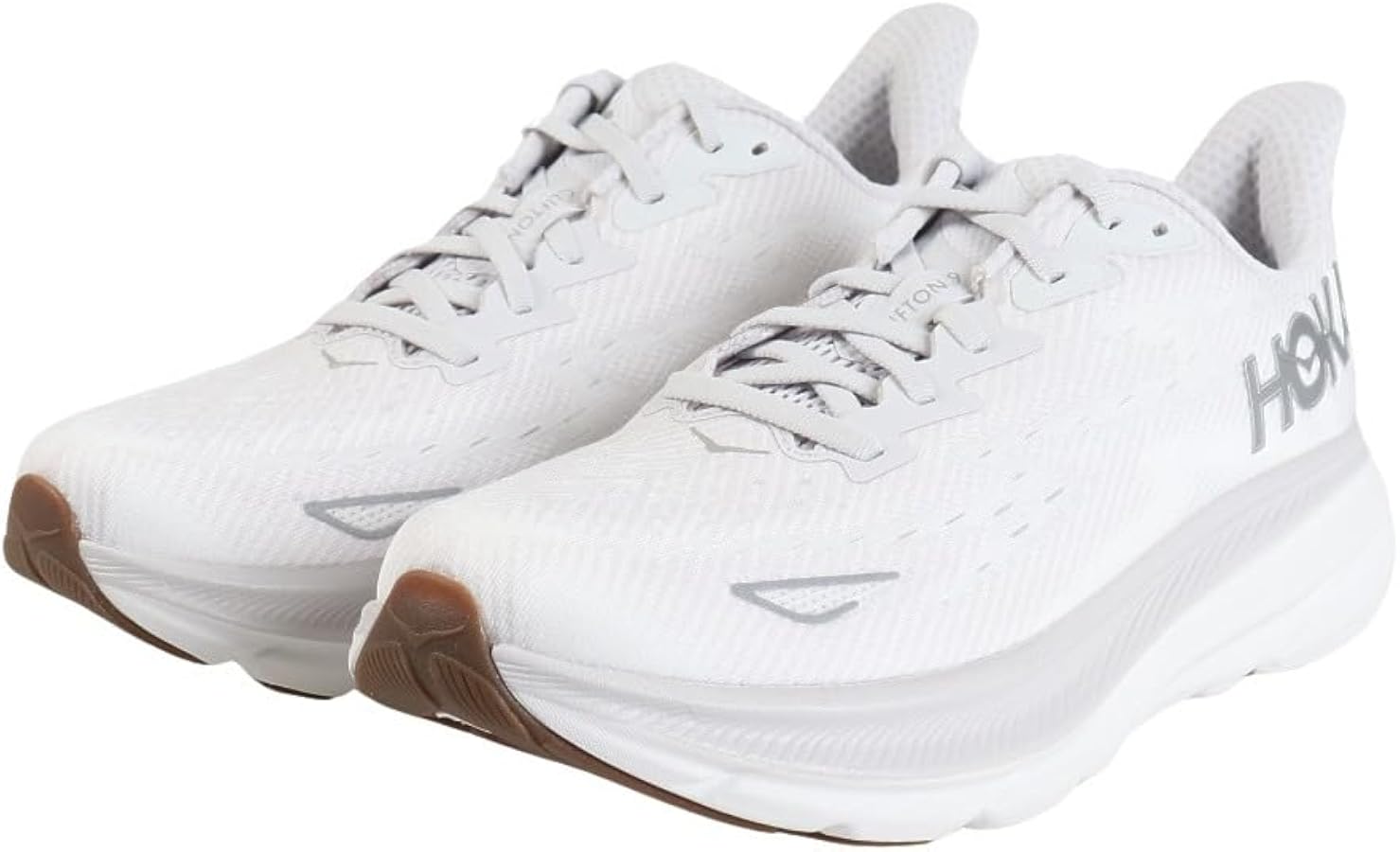
The Hoka Clifton 9 delivers Hoka's signature thick foam in a lighter package, making every step feel soft and smooth. The rockered geometry encourages an effortless stride, perfect for recovery runs and daily mileage. The trade-off is that the high stack height makes it less stable on uneven ground, and the exposed foam outsole can wear down quickly if you drag your feet.
Main limitation: The tall platform can feel slightly wobbly at high speeds or on uneven surfaces.
Skip if: Runners who prefer ground feel or a firmer, more connected ride.
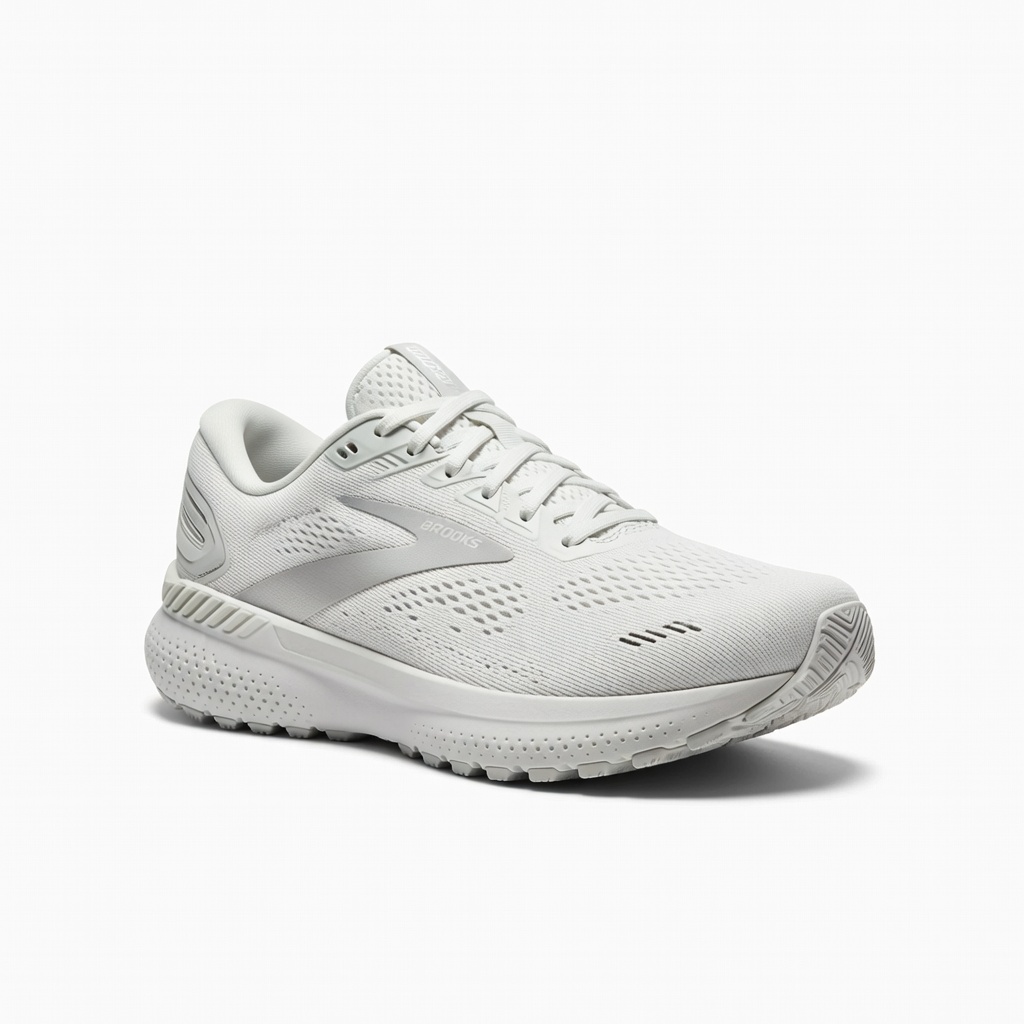
The Adrenaline GTS 24 pairs soft cushioning with GuideRails support to keep overpronation in check without a harsh medial post. It's a dependable stability shoe that protects knees and hips over the long miles. The trade-off is that the support system adds stiffness and noticeable weight compared to neutral shoes.
Main limitation: The GuideRails support can feel intrusive for neutral runners or those with only mild pronation.
Skip if: Neutral runners looking for maximum flexibility or a lightweight everyday trainer.
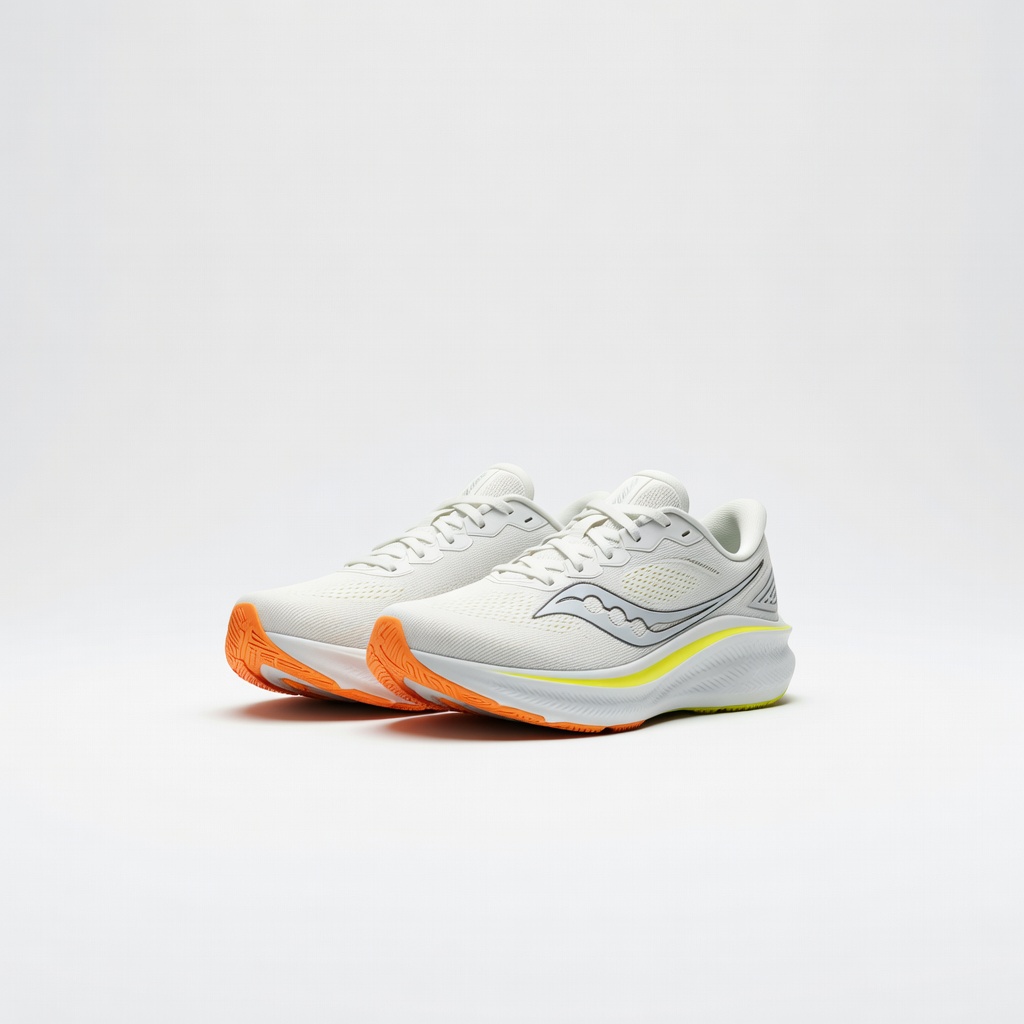
With a nylon plate and PWRRUN PEBA foam, the Endorphin Speed 4 is a snappy, energetic trainer that shines during tempo runs and interval training. It's fast but forgiving enough for daily miles. The trade-off is that the plate is less propulsive than carbon models, and the upper may not hold up as well for heavy runners.
Main limitation: The outsole lacks coverage in the forefoot, so it shows wear quickly on harsh road surfaces.
Skip if: Runners who only want a race-day shoe or need max cushioning for long recovery runs.
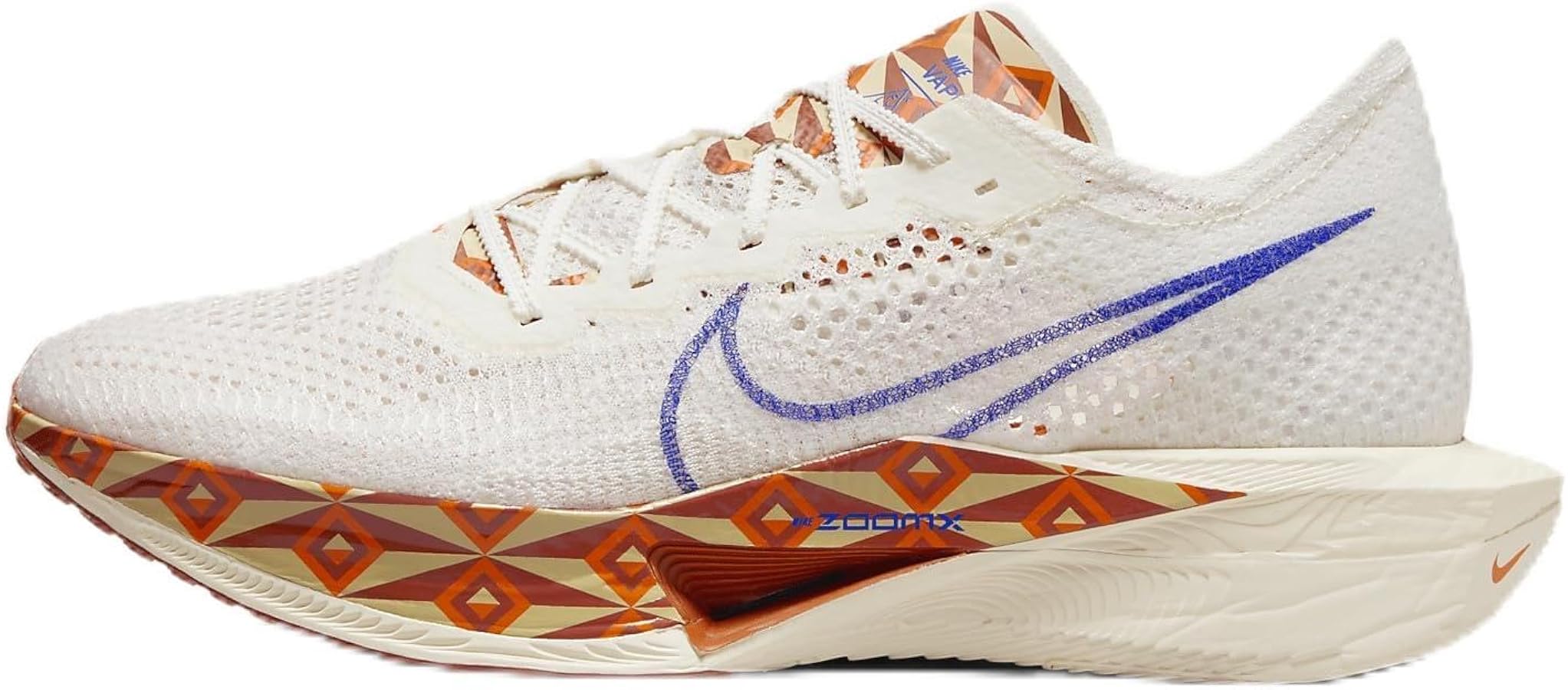
The Vaporfly 3 is a super shoe with a full-length carbon plate and ZoomX foam that delivers a propulsion you can feel. It's engineered for marathon race day when every second counts. The trade-off is that the aggressive geometry and narrow fit make it unstable for walking or slower-paced runners.
Main limitation: Its high price and minimal upper durability make it impractical for everyday training.
Skip if: Runners who are not chasing a personal best or who prefer a more stable race-day shoe.
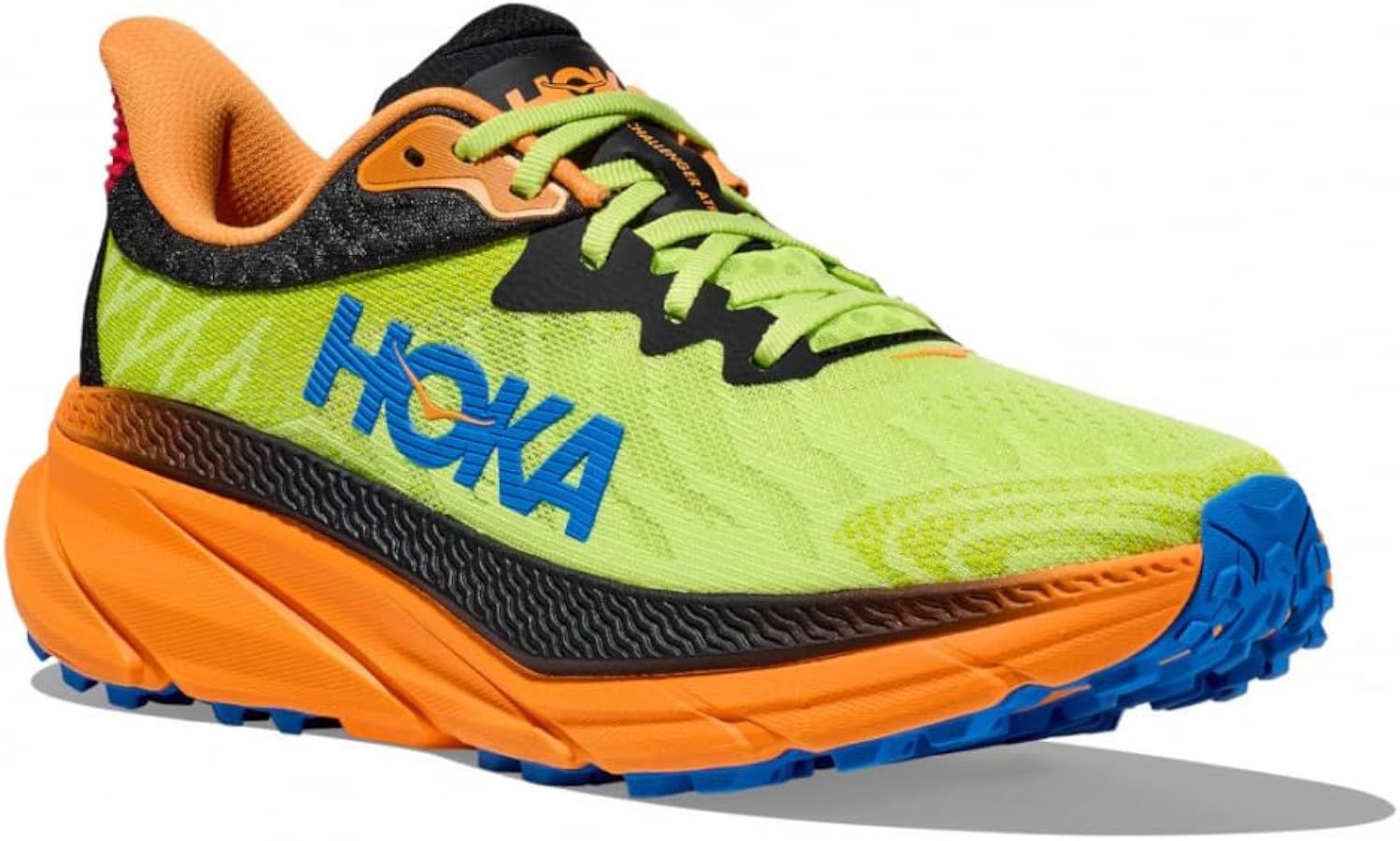
The Hoka Challenger 7 is a go-anywhere trail shoe with moderate traction and the same plush cushioning Hoka is known for. It transitions comfortably from pavement to packed dirt for hybrid runs. The trade-off is that its lugs are shallow, so it struggles in muddy or technical terrain where a specialized mudeater would be needed.
Main limitation: The midsole offers less protection against sharp rocks than higher-lugged, sturdier trail shoes.
Skip if: Serious trail runners on steep, technical trails or in consistently wet, muddy conditions.
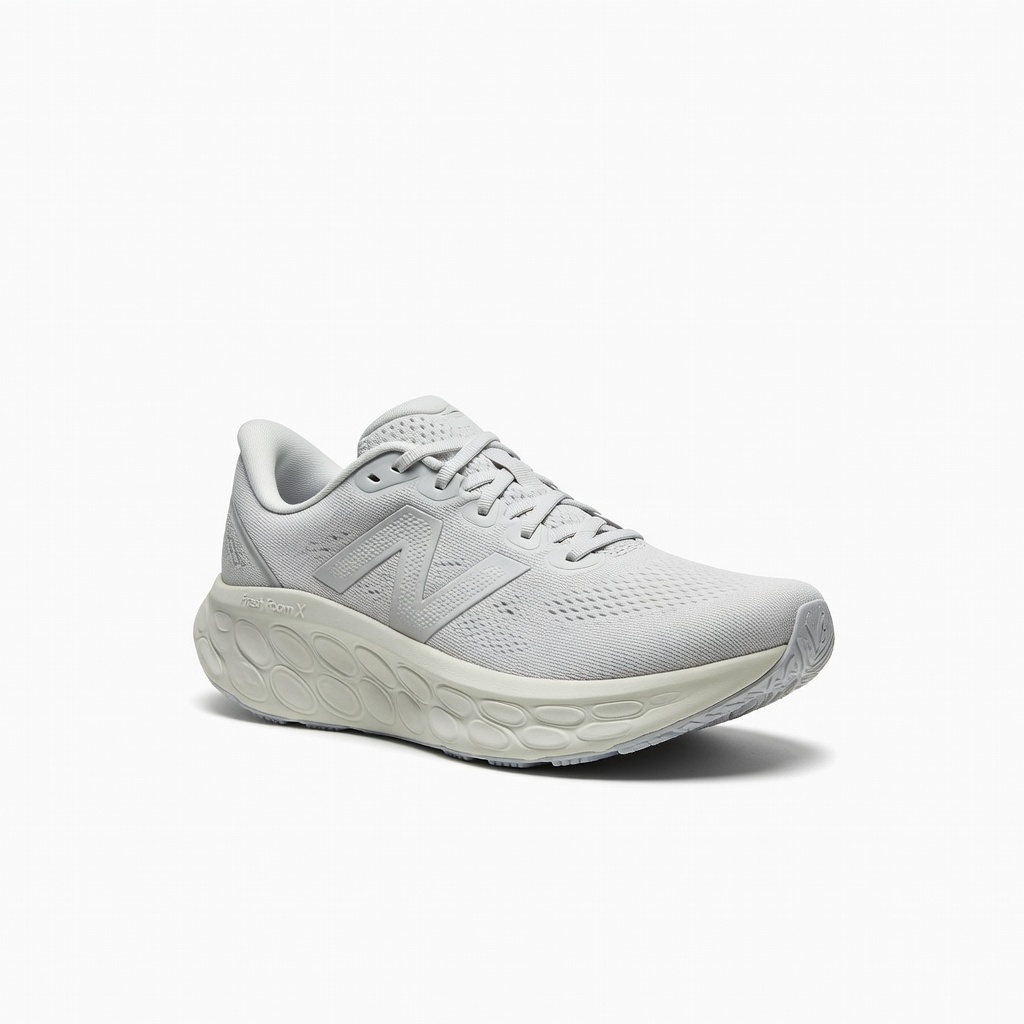
The 1080v13 is a plush, premium trainer with available wide sizing and a roomy toe box, making it the most comfortable choice for wide-footed runners. Fresh Foam X provides a soft, smooth ride that's ideal for everyday miles. The trade-off is that the extra width and cushioning add weight, making it less agile for speedwork.
Main limitation: The tongue can slip out of place during runs due to its thin construction.
Skip if: Runners with narrow feet who want a snug lockdown or those seeking a lightweight trainer.
Compare key specs and features of all our recommendations side-by-side
| Product | Recommendation | Rating | Price |
|---|---|---|---|
Brooks Ghost 16 Rank #1 | 🏆 Top Pick | 9.0/10 | $150–$160 Check current price → |
Saucony Cohesion 17 Rank #2 | 💰 Budget Pick | 7.5/10 | $60–$75 Check current price → |
Hoka Clifton 9 Rank #3 | ⭐ Editor's Choice | 8.7/10 | $145–$155 Check current price → |
Brooks Adrenaline GTS 24 Rank #4 | — | 8.6/10 | $160–$170 Check current price → |
Saucony Endorphin Speed 4 Rank #5 | — | 8.8/10 | $140–$180 Check current price → |
Nike Vaporfly 3 Rank #6 | — | 8.9/10 | $220–$260 Check current price → |
Hoka Challenger 7 Rank #7 | — | 8.2/10 | $140–$150 Check current price → |
New Balance Fresh Foam X 1080v13 Rank #8 | — | 8.4/10 | $150–$180 Check current price → |
Common questions buyers have about this category.
Check your foot strike and arch height. Neutral runners (with normal arches) are fine in neutral shoes like the Brooks Ghost, while overpronators (flat feet or collapsed arches) often need stability shoes with support features like the Adrenaline GTS 24. If you're unsure, look at the wear pattern on your current shoes: if the inner edge of the sole shows more wear, you may overpronate.
Expect to pay between $60 and $260 for a quality pair, depending on the technology and brand. Budget shoes like the Saucony Cohesion 17 are adequate for beginners and easy mileage, but premium shoes offer better foam compounds, more durability, and more comfort. For a serious runner, spending $120–$180 on a solid daily trainer is typical, while race-day super shoes cost $200 or more.
For beginners, a moderate drop of 8-10mm is generally the safest choice. It offers a balanced feel and supports easier adaptation to running. Low-drop (0-4mm) and zero-drop shoes, like the Altra Torin, require gradual transition to avoid Achilles and calf strain, so they're better for experienced runners who want to strengthen their feet.
Most running shoes last 300–500 miles, depending on your weight, running surface, and shoe durability. If you run 20 miles per week, that's roughly every 4–6 months. Check for worn-out tread, flattened midsoles, or new aches and pains—these are signs it's time for a new pair. Rotating two pairs of shoes can extend their life.
Yes, many runners are most comfortable with a half size up from their dress shoe size, because feet swell during running and need extra room. Make sure to leave about a thumb's width of space between your longest toe and the end of the shoe. This minimizes the risk of black toenails and blisters, especially on long runs or in hot weather.
Daily trainers, like the Brooks Ghost 16, are built for durability, cushioning, and comfort across everyday miles. They're heavier but more versatile and last longer. Racing shoes, like the Nike Vaporfly 3, prioritize weight, energy return, and propulsion with a carbon plate, but they sacrifice durability and stability. Racing shoes are best reserved for race day and high-intensity sessions.
High-cushioned shoes can help some runners reduce impact forces, but they're not a magic cure. If you're injury-prone, focus on a shoe that matches your pronation and provides a stable base—like the Adrenaline GTS 24 for overpronators. A firm, well-fitting shoe is often more protective than a very soft one, since it offers better ground feel and reduces instability.
Products we evaluated but did not recommend — and why.
