Get the App
Better experience on mobile
Find the right stability and motion control shoes to keep overpronation in check mile after mile.
Flat feet don't have to mean flat-out pain, but they do require smarter shoe choices. When your arches collapse inward with each stride—a condition called overpronation—your ankles roll excessively, which can lead to shin splints, plantar fasciitis, and knee pain. The right running shoe acts as a corrective tool, guiding your foot into a more efficient gait cycle without feeling like a rigid cast.
Not all stability shoes are created equal. Some rely on firm medial posts that can feel intrusive, while others use holistic support systems that work with your natural motion. Cushioning matters too: too soft and you lose stability; too firm and you dread every mile. The ideal shoe for flat feet balances support, comfort, and weight, and the best choice depends on your degree of overpronation, mileage, and terrain.
In this guide, we've researched dozens of models and narrowed them down to seven standout picks for 2026. We considered everything from budget-friendly daily trainers to premium motion control shoes and max-cushion stability options. Whether you're training for a marathon or just starting a couch-to-5K, there's a pair here that will help you run comfortably.
Our selections are based on published expert reviews, manufacturer specs, and verified buyer feedback—not on first-party lab testing. Every recommendation includes an honest trade-off so you can decide if it's right for you.
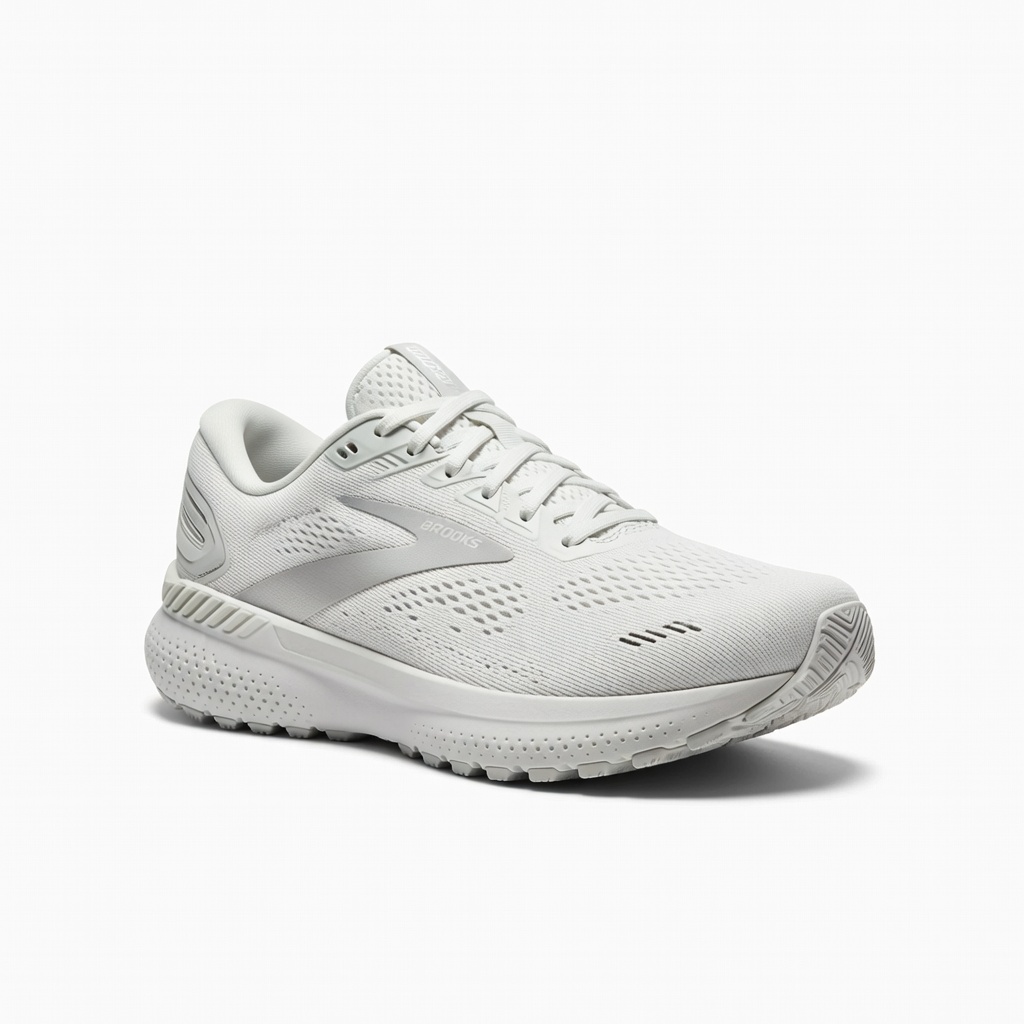
The Brooks Adrenaline GTS 24 is a go-to stability shoe for flat-footed runners, offering reliable GuideRails support that reduces overpronation without feeling intrusive. Its DNA LOFT v2 cushioning provides a soft yet responsive ride, and the engineered mesh upper delivers breathable comfort. However, it's not the lightest option for tempo runs.
Main limitation: At around 10.2 oz (men's), it's heavier than some performance-oriented stability shoes.
Skip if: Runners seeking a lightweight racing shoe for flat feet should look elsewhere.
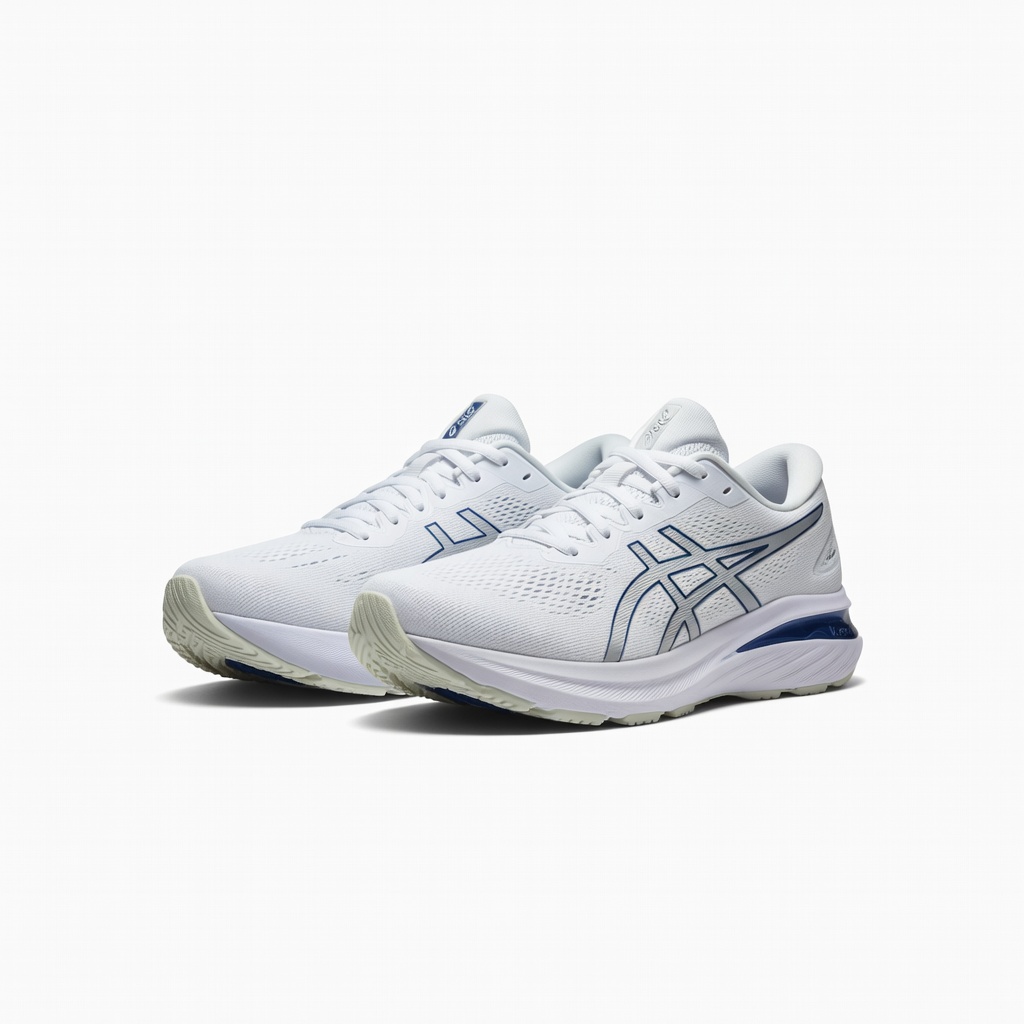
The Asics GT-2000 12 offers dependable stability at a more accessible price. It features a dual-density midsole with LITETRUSS technology to control overpronation, and rearfoot GEL cushioning for smooth landings. It's a solid choice for everyday runs, though the cushioning is firmer than premium models.
Main limitation: The ride can feel a bit firm for heavier runners or those needing max cushioning.
Skip if: Runners who prioritize plush cushioning over support may want to upgrade.
The Brooks Beast GTS 24 is a motion control powerhouse designed for runners with severe flat feet or heavy overpronation. It combines maximum support with DNA LOFT cushioning for a forgiving ride, and its wide platform enhances stability. The trade-off is its substantial weight and bulk.
Main limitation: It's one of the heaviest running shoes on the market, which can be fatiguing over long distances.
Skip if: Runners with mild overpronation or those seeking a lightweight shoe will find it overbuilt.
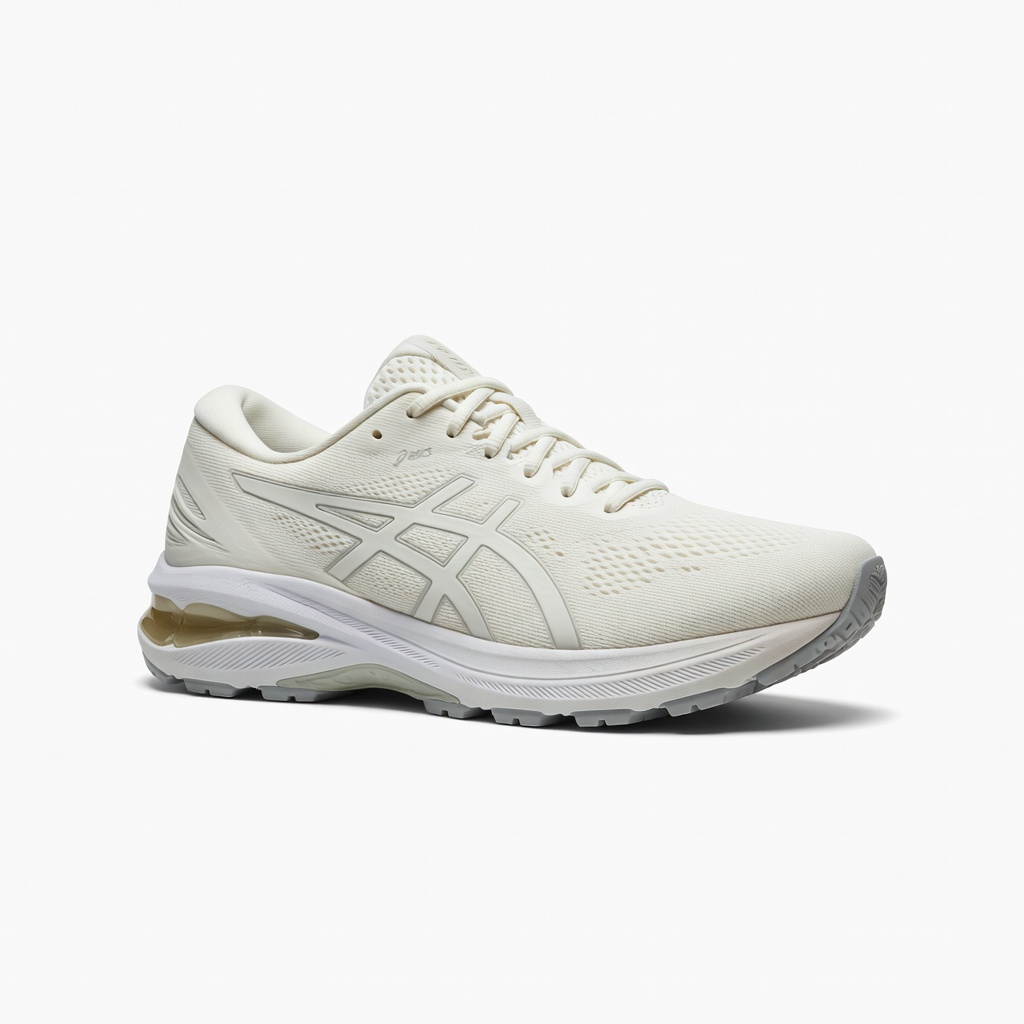
The Asics Gel-Kayano 31 is a premium stability shoe that excels over long distances, thanks to its 4D GUIDANCE SYSTEM that adapts to your stride. It offers plush FF BLAST+ cushioning and excellent durability, making it a favorite for marathon training. However, it's a significant investment.
Main limitation: The high price point may be prohibitive for casual runners.
Skip if: Budget-conscious runners or those who prefer a firmer ride should consider alternatives.
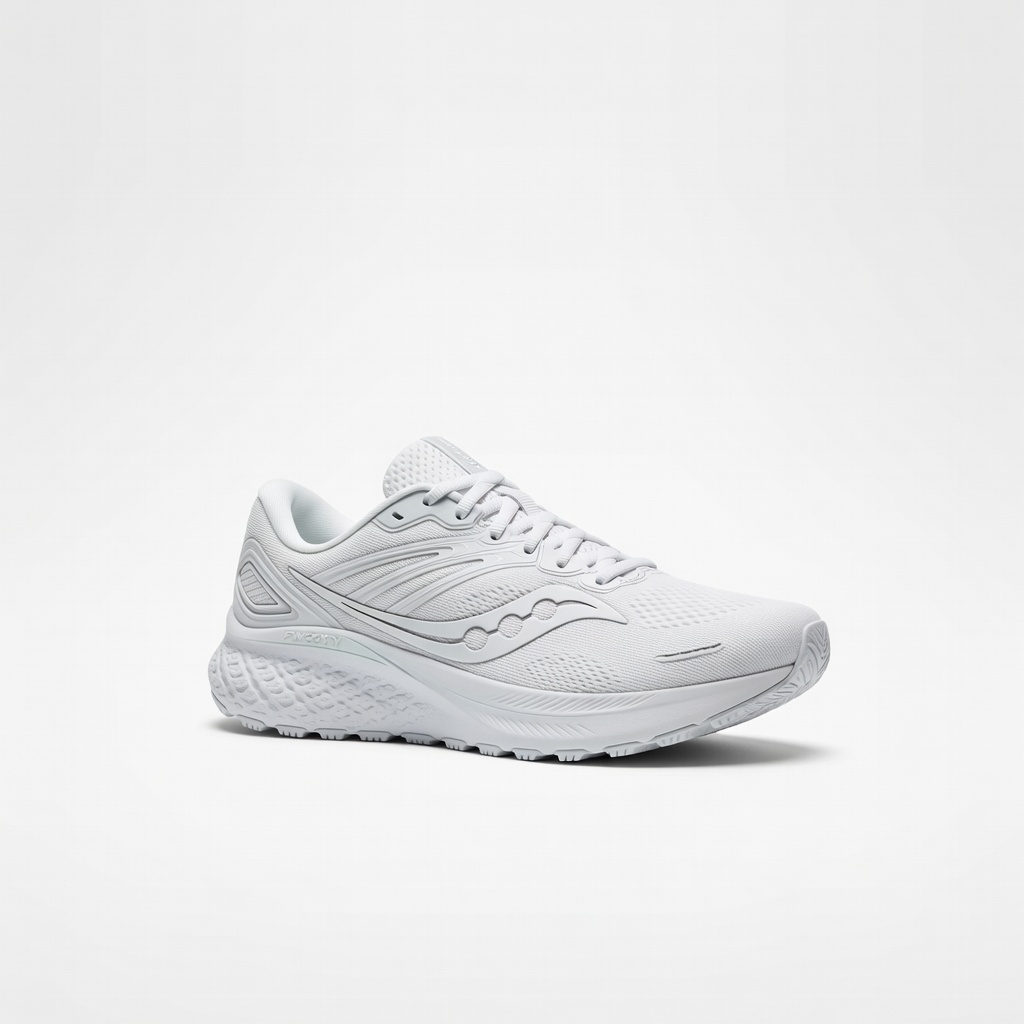
The Saucony Guide 17 provides a balanced ride for daily training, with PWRRUN cushioning and a Center Path Technology that guides the foot without feeling controlling. It's comfortable and versatile for various workouts. The fit runs slightly narrow, so wide-footed runners may need to size up.
Main limitation: The upper may feel snug for runners with wide feet.
Skip if: Runners with severe overpronation may need a more supportive shoe.
The New Balance 860 v14 is a stable daily trainer that comes in multiple widths, including extra wide, making it a great fit for flat-footed runners with broad feet. It features a dual-density midsole with a medial post for support and ABZORB cushioning for impact absorption. The ride is somewhat firm, but reliability is high.
Main limitation: The cushioning is firmer than some competitors, which may not suit those seeking a plush feel.
Skip if: Runners who prefer soft, maximal cushioning should look at other options.
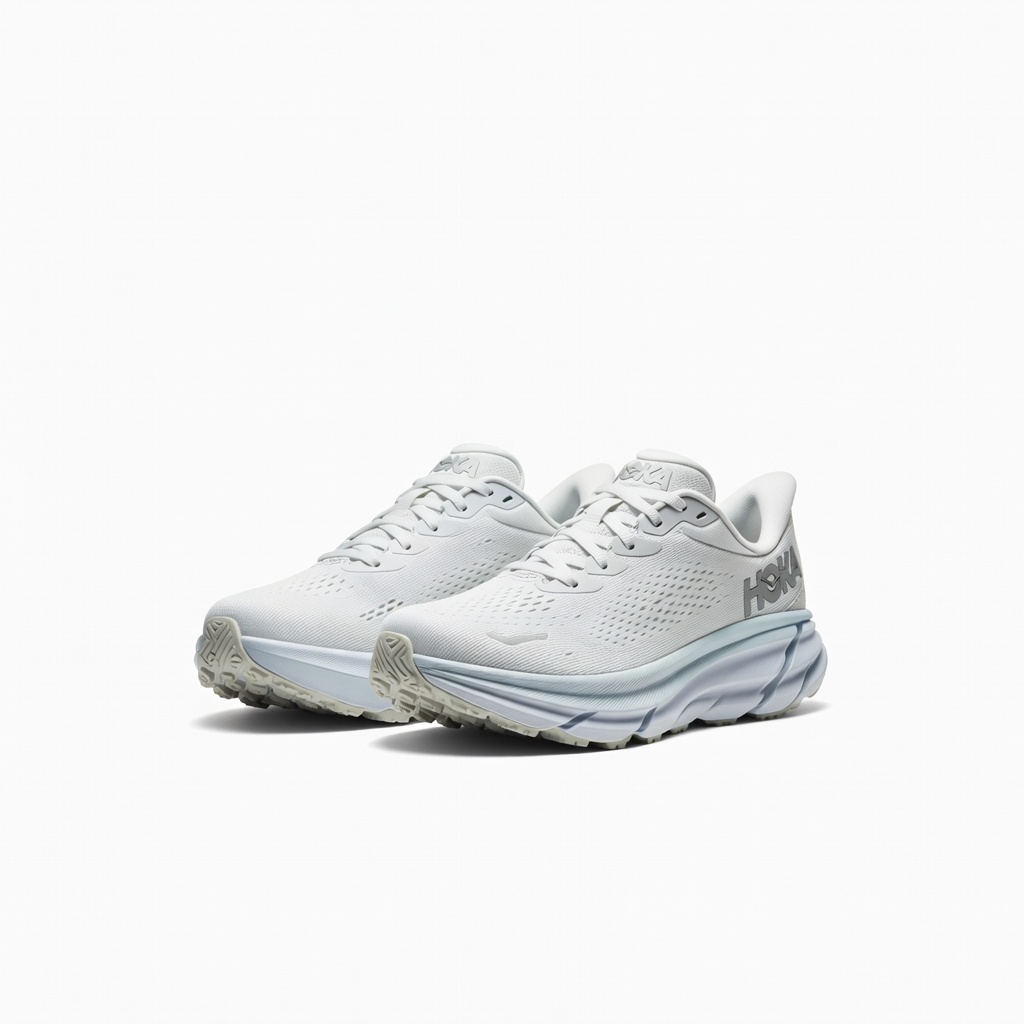
The Hoka Gaviota 5 offers maximum cushioning without sacrificing stability, thanks to its H-Frame base and J-Frame support. It's ideal for runners who want a plush ride but still need overpronation control. The shoe is on the heavier side and has a high stack height that may feel unstable for some.
Main limitation: The high stack height can feel tippy on uneven terrain.
Skip if: Runners who prefer a low-to-the-ground feel or need a lightweight shoe should avoid.
Compare key specs and features of all our recommendations side-by-side
| Product | Recommendation | Rating | Price |
|---|---|---|---|
Brooks Adrenaline GTS 24 Rank #1 | 🏆 Top Pick | 9.0/10 | $140–$160 Check current price → |
ASICS GT-2000 12 Rank #2 | 💰 Budget Pick | 8.3/10 | $100–$120 Check current price → |
Brooks Beast GTS 24 Rank #3 | ⭐ Editor's Choice | 8.7/10 | $160–$180 Check current price → |
ASICS Gel-Kayano 31 Rank #4 | — | 8.8/10 | $160–$180 Check current price → |
Saucony Guide 17 Rank #5 | — | 8.5/10 | $140–$160 Check current price → |
New Balance 860 v14 Rank #6 | — | 8.4/10 | $130–$150 Check current price → |
HOKA Gaviota 5 Rank #7 | — | 8.6/10 | $170–$190 Check current price → |
Common questions buyers have about this category.
Stability or motion control shoes are generally best for flat feet because they counteract overpronation, the excessive inward rolling of the foot. Stability shoes offer mild to moderate support with a medial post or guide rail, while motion control shoes provide maximum support with a firmer midsole and wider base.
The choice depends on the severity of your overpronation. If your arches collapse significantly and you experience pain in your knees, hips, or shins, motion control shoes may be necessary. For mild to moderate overpronation, stability shoes are usually sufficient and more comfortable for daily training.
Some runners with flat feet can run in neutral shoes if they don't overpronate severely, but it's generally not recommended because neutral shoes lack the medial support needed to control excessive inward rolling. Without proper support, you may be at higher risk of injury. It's best to consult a specialty running store for a gait analysis.
Most running shoes lose their cushioning and structural integrity after 300 to 500 miles, depending on your weight, running surface, and gait. For flat-footed runners, worn-out shoes can exacerbate overpronation, so it's wise to replace them sooner if you notice increased aches or a flattened midsole.
Premium stability shoes often use lighter, more responsive foams and advanced support systems that can enhance comfort and performance, but they aren't necessary for everyone. A mid-range shoe like the Asics GT-2000 offers excellent value, while high-end models like the Gel-Kayano provide extra cushioning and durability for long-distance runners.
Overpronation is when the arch collapses excessively inward during the gait cycle, causing the ankle and leg to rotate inward. This can lead to injuries such as shin splints, plantar fasciitis, and knee pain. Proper footwear helps control this motion and aligns your stride more efficiently.
Many flat-footed runners benefit from over-the-counter or custom orthotic insoles, which can provide additional arch support and cushioning. However, if you choose a shoe with built-in stability features, you may not need extra insoles. It's best to try the shoe first and add insoles only if you still need more support.
Products we evaluated but did not recommend — and why.
