Get the App
Better experience on mobile
Our picks for flat-footed runners of all budgets, from daily trainers to maximum-stability workhorses.
Flat feet don't sentence you to a lifetime of shin splints and knee pain—but they do demand shoes that respect your arch's tendency to roll inward. The right stability shoe doesn't just block pronation; it guides your foot through a smoother, more efficient gait. The problem is that most so-called 'stability' shoes are actually tuned for mild overpronation, leaving flat-footed runners with insufficient support or an overly aggressive, board-like feel.
The good news is that today's stability trainers are smarter and more comfortable than ever. Brands have traded clunky medial posts for dynamic support frames, cushioned foams, and adaptive technologies that react to your stride. Whether you're logging easy miles, training for a marathon, or just starting to run, there's a shoe that can keep your feet happy without feeling like you're running in bricks.
This buyer's guide focuses exclusively on running shoes designed for flat feet and overpronation. We've analyzed current model specs, expert reviews, and real runner feedback to identify 7 options across every price point. Expect honest trade-offs: the most supportive shoes tend to be heavier and pricier, while budget picks often sacrifice a little cushioning or premium comfort. Our goal is to help you match a shoe's strengths to your specific needs, not just to the hype.
We've broken our selections into categories: a Best Overall pick, a Budget pick, an Editor's Choice for a specific niche, and specialized choices for wide feet, severe overpronation, and more. Before you buy, check the FAQ and buying considerations sections to avoid common mistakes like buying a neutral shoe by mistake or choosing a stability level that's too weak for your gait.
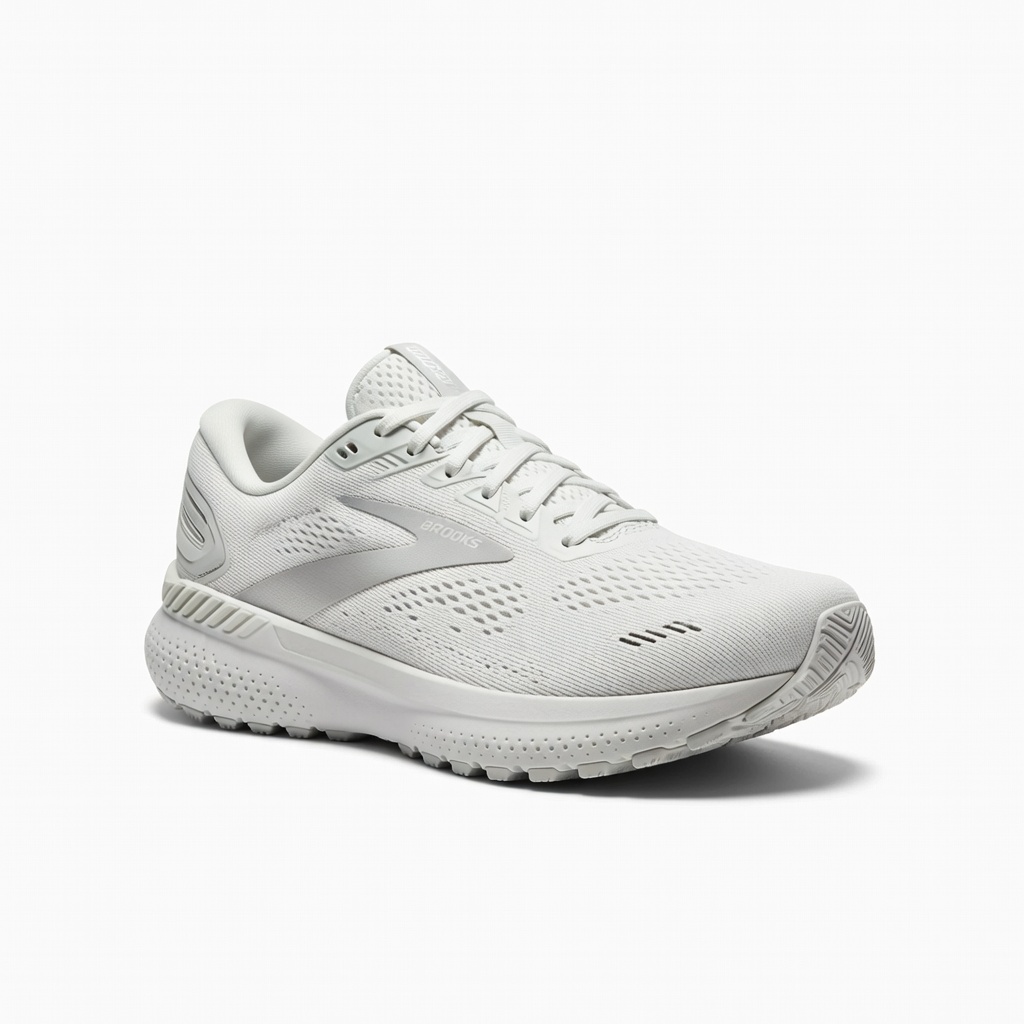
The Brooks Adrenaline GTS 24 remains the gold standard for runners with flat feet, offering a balanced blend of GuideRails support, soft DNA LOFT v3 cushioning, and a dependable fit mile after mile. It guides rather than forces, making it a top pick for daily training. The trade-off is a familiar, slightly hefty build—not the most exciting ride, but a reliable workhorse.
Main limitation: The standard width can feel snug for high-volume feet, so many will need to go up a width.
Skip if: Runners who prefer a minimalist or barefoot feel should skip this traditional stability shoe.
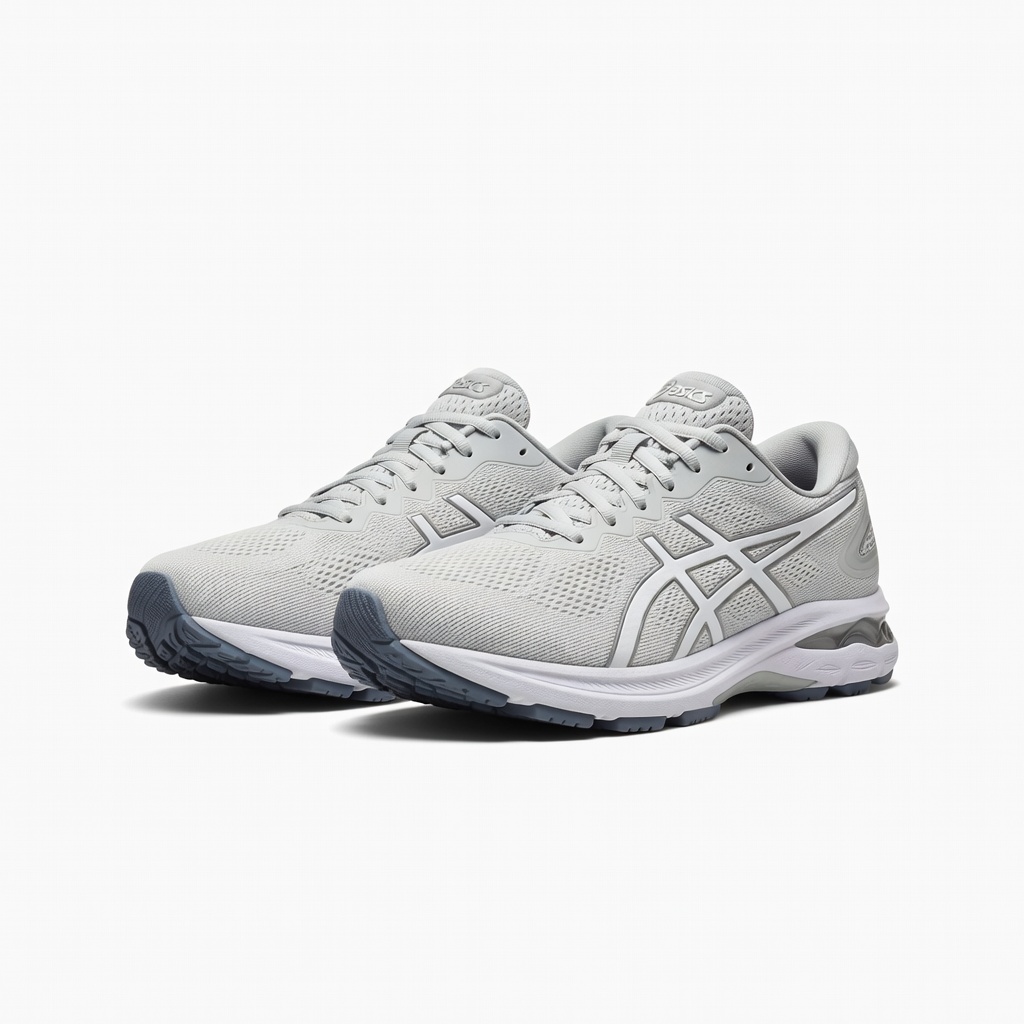
The ASICS GT-1000 13 delivers reliable stability and cushioning at a price that won't break the bank, making it an excellent entry point for flat-footed runners. Its LITEGEL midsole and guidance line keep the ride smooth, though it lacks the plushness of premium trainers. This is a practical, durable option for walkers and beginners.
Main limitation: The upper can retain heat, making it less comfortable in warm weather.
Skip if: Runners who need maximum arch support for severe overpronation should look to a higher-tier stability shoe.
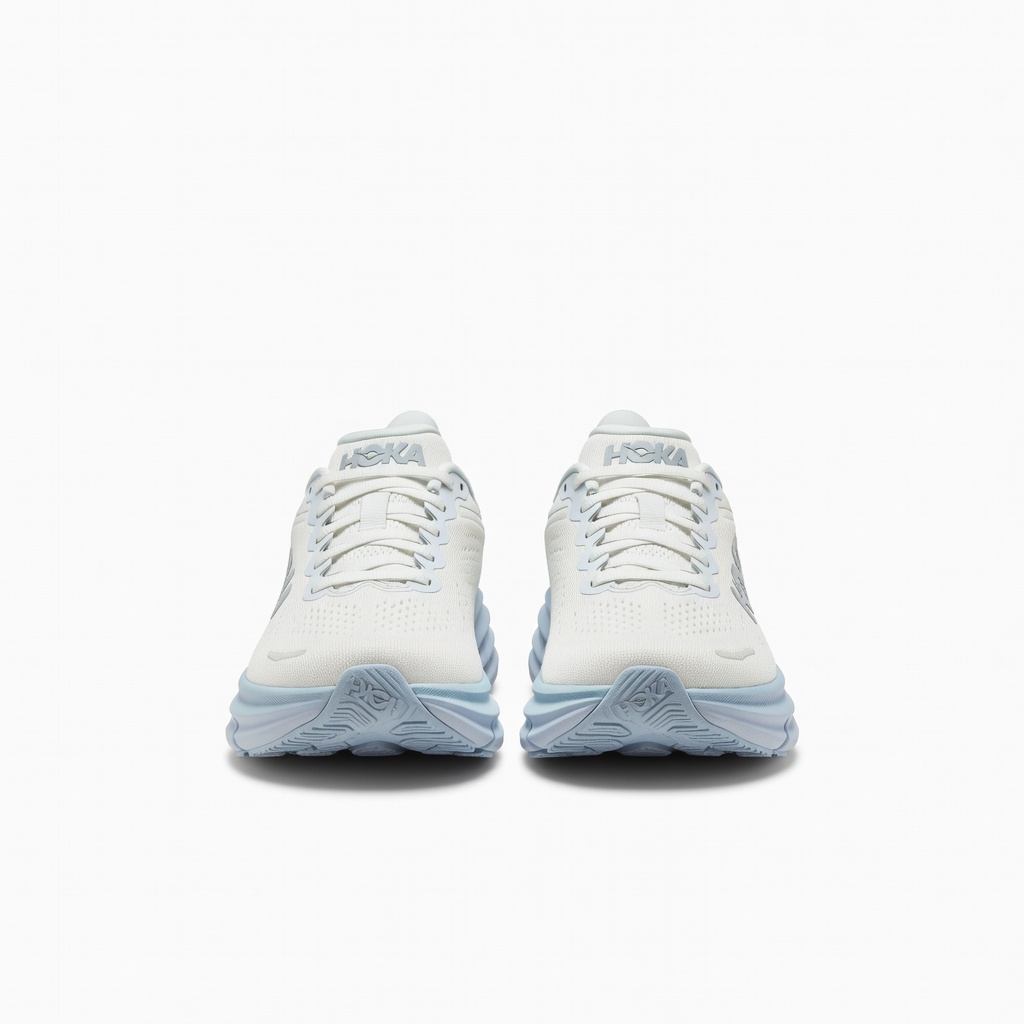
The Hoka Arahi 7 pairs flat-feet-friendly support with Hoka's signature stack of cushion, making it a top choice for plush yet stable miles. Its J-Frame structure guides the foot naturally without aggressive posting, and the early-stage Meta-Rocker encourages a smooth roll-through. The catch is that the high stack reduces ground feel, which can feel unstable on uneven trails.
Main limitation: The maximal cushioning reduces ground feel, which some might find tippy on uneven terrain.
Skip if: Runners who prefer a more responsive, ground-hugging ride won't enjoy the Arahi's soft platform.
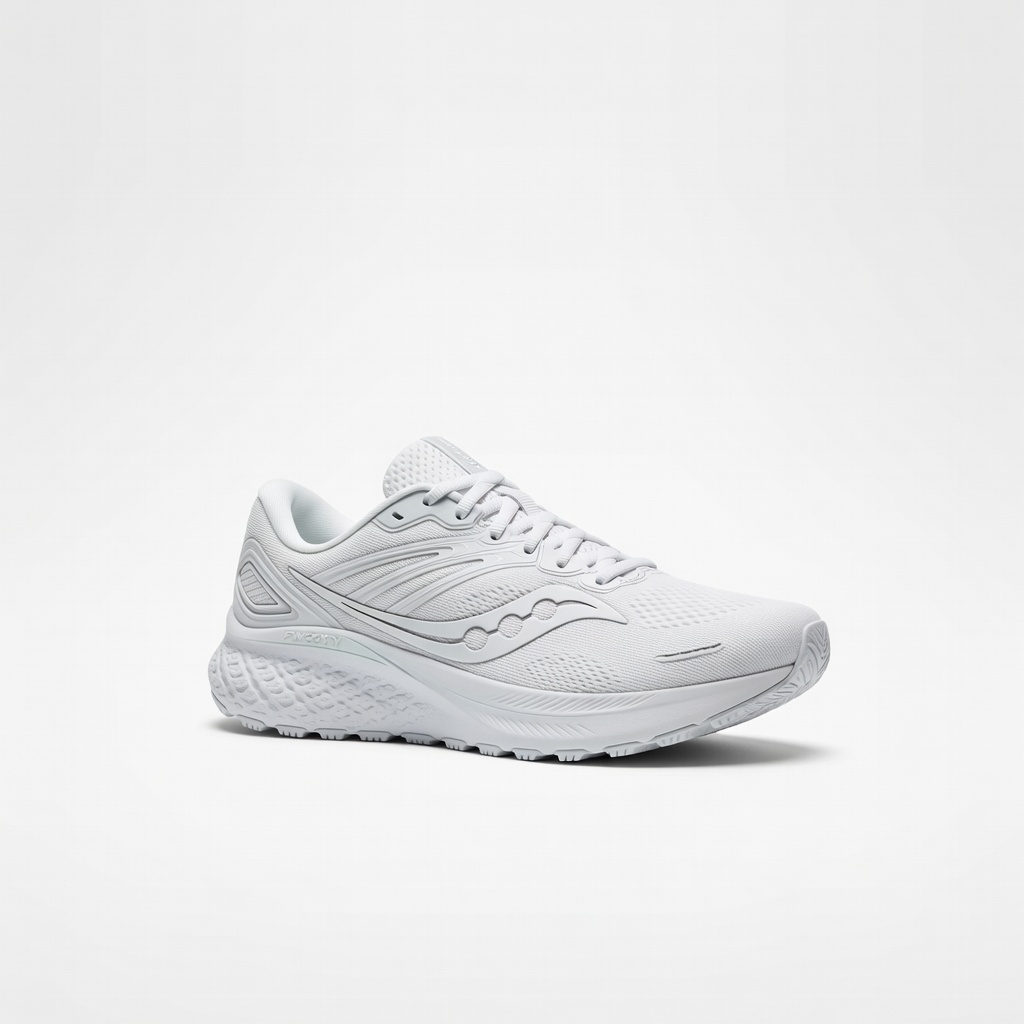
The Saucony Guide 17 offers a smooth, balanced stability ride with PWRRUN foam and a CenterPath device that keeps the foot aligned. It's a versatile trainer that works for everything from easy runs to tempo efforts, though its support is milder than aggressive stability shoes. The Guide is a great all-rounder for those who want one shoe for multiple types of runs.
Main limitation: The support may not be enough for runners who need firm arch correction.
Skip if: Runners with severe overpronation requiring a rigid medial post should consider a firmer option.
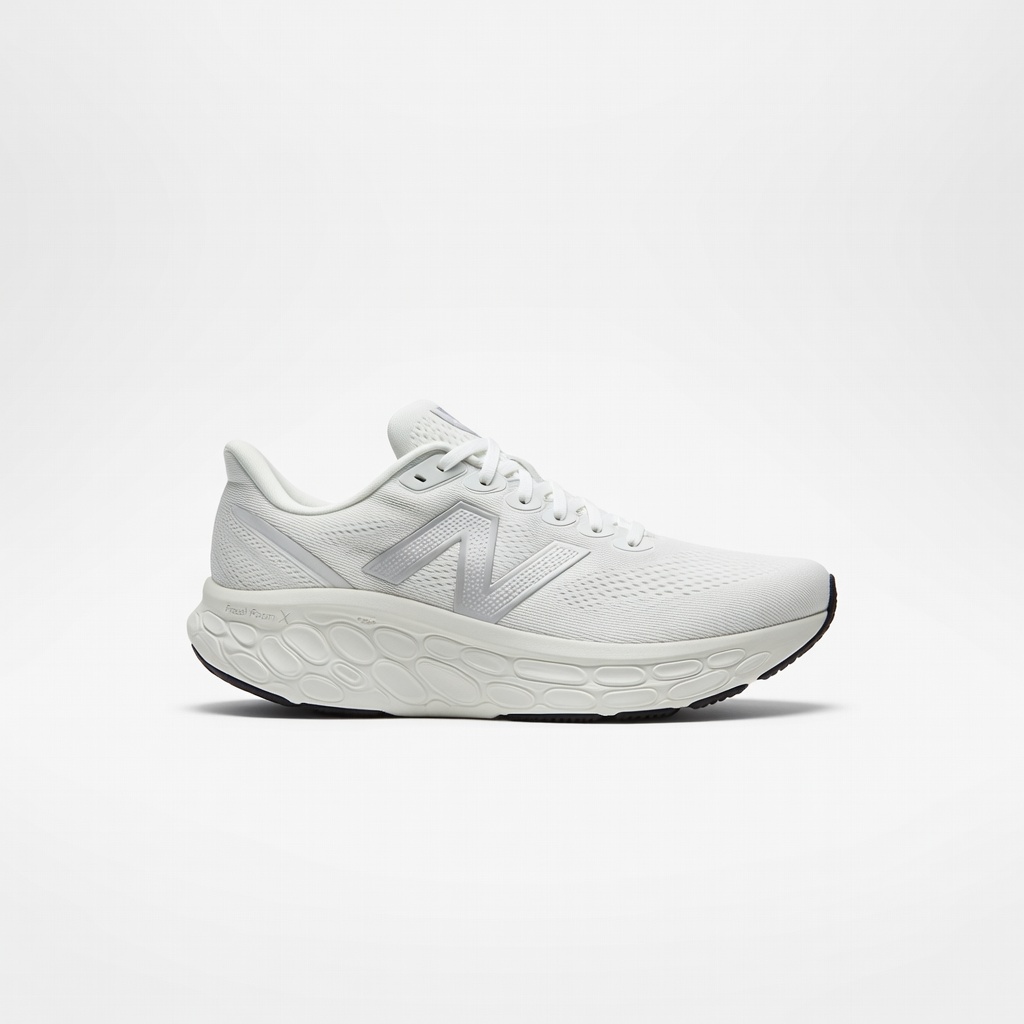
The New Balance Fresh Foam X 860v14 provides dependable stability with a comfortable, roomier fit that many runners with flat feet appreciate. It's one of the few stability shoes available in 2E and 4E widths, and the Fresh Foam midsole offers a soft yet supported ride. The trade-off is a firmer medial post that some may find intrusive.
Main limitation: The medial post can feel obtrusive for runners who need only mild guidance.
Skip if: Neutral runners or those with narrow feet should skip the 860's cumbersome structure.
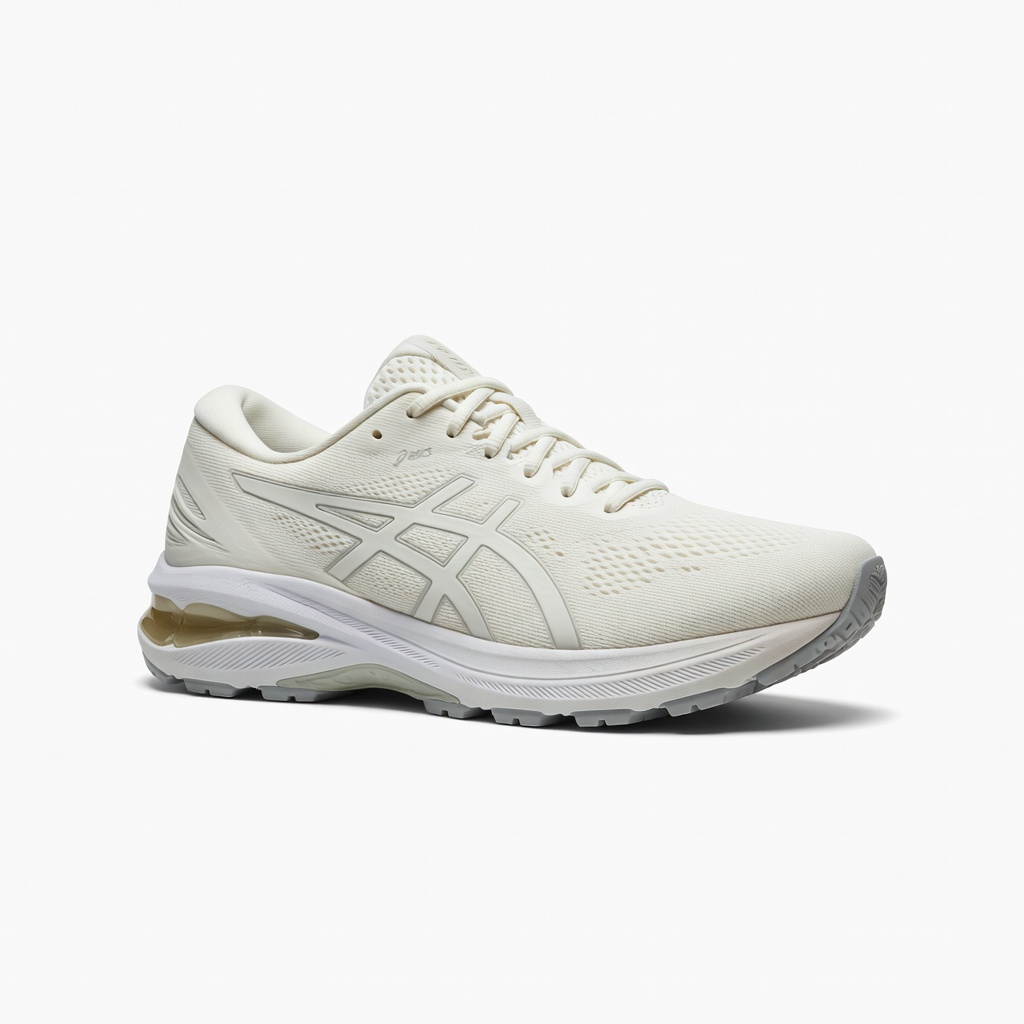
The ASICS Gel-Kayano 31 is the plush, premium answer for runners who need aggressive arch support and heavier stability. With its 4D GUIDANCE SYSTEM and high stack, it cradles flat feet in comfort, though it's one of the heaviest and most expensive options in this category. If you're willing to spend for maximum support, the Kayano is a standout.
Main limitation: The substantial weight and high price make it less ideal for speedwork or casual runners.
Skip if: Budget-minded runners or those who prefer a lighter feel should not opt for the Kayano.
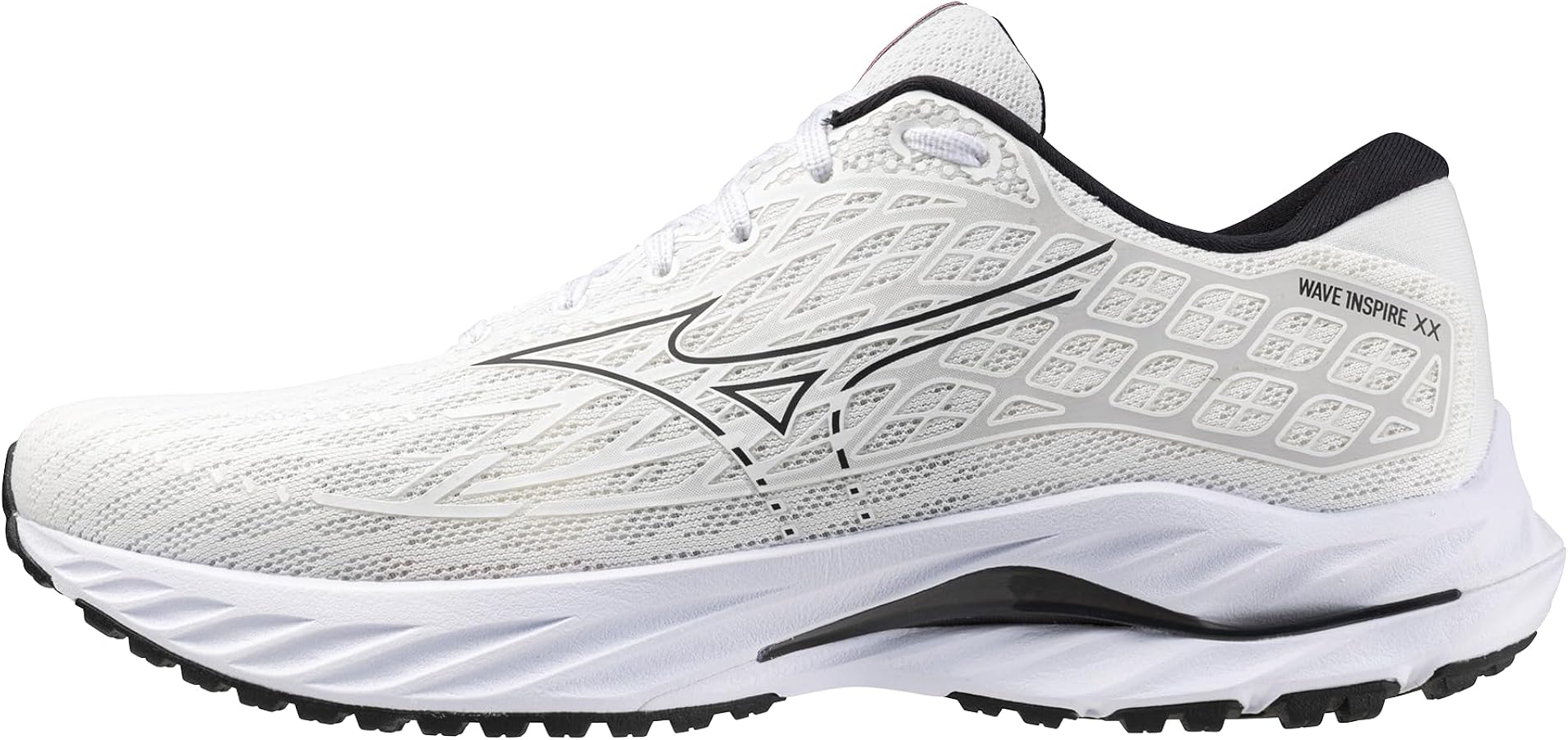
The Mizuno Wave Inspire 20 combines wave-cushioning with a stability plate, offering a smooth, efficient ride for flat-footed runners who prefer a snug, secure fit. Its reinforced heel cup and midfoot support hold the arch well, though the narrower toe box may not accommodate wide feet. This shoe connects you to the ground better than max-cushion rivals.
Main limitation: The snug fit can be too narrow in the forefoot for runners who need extra room.
Skip if: Runners with wide feet or those looking for maximum cushioning should skip the Inspire.
Compare key specs and features of all our recommendations side-by-side
| Product | Recommendation | Rating | Price |
|---|---|---|---|
Brooks Adrenaline GTS 24 Rank #1 | 🏆 Top Pick | 9.0/10 | $139.95 Check current price → |
ASICS GT-1000 13 Rank #2 | 💰 Budget Pick | 8.0/10 | $99.95 Check current price → |
HOKA Arahi 7 Rank #3 | ⭐ Editor's Choice | 8.5/10 | $140.00 Check current price → |
Saucony Guide 17 Rank #4 | — | 8.0/10 | $134.99 Check current price → |
New Balance Fresh Foam X 860v14 Rank #5 | — | 7.8/10 | $139.99 Check current price → |
ASICS Gel-Kayano 31 Rank #6 | — | 8.2/10 | $160.00 Check current price → |
Mizuno Wave Inspire 20 Rank #7 | — | 7.5/10 | $129.99 Check current price → |
Common questions buyers have about this category.
A simple wet-foot test can tell you: wet your foot, step on a piece of cardboard, and look at the footprint. If your whole foot prints solid with little or no inward curve, you likely have flat feet. You can also look for symptoms like overpronation (your ankles roll in when you walk), foot fatigue, or arch pain after standing long periods.
If you have low arches but no symptoms of overpronation, a neutral shoe might work, but it's risky. Flat feet typically cause excessive inward rolling, which neutral shoes don't control. Over time this can lead to shin splints, plantar fasciitis, or knee problems. If you're unsure, a stability shoe is a safer choice.
Stability shoes provide moderate pronation support, usually through a firmer medial post or a guide rail, and are ideal for mild to moderate overpronation. Motion-control shoes are more aggressive, with a rigid heel counter and a thick post that limits excessive rolling—these are for severe overpronation and heavier runners. The Key: choose the level that matches your degree of pronation.
Not necessarily. Most stability shoes are designed with built-in arch support that works for the average flat foot. However, if you have a specific structural imbalance or chronic pain, a custom orthotic from a podiatrist can be beneficial. Many stability shoes have removable insoles, so you can swap in your own orthotics without losing the shoe's support.
No, price doesn't always equal better support. Expensive shoes like the Gel-Kayano use premium materials and extra cushioning, but a budget shoe like the GT-1000 can be just as effective for many runners. Focus on the level of stability, the fit, and whether the shoe's support geometry matches your pronation pattern instead of assuming higher price = better.
General guidance is every 300–500 miles, but for stability shoes, the support structure degrades gradually, even if the outsole looks fine. If you notice new aches or pains in your feet, knees, or hips, it's likely time to replace them. Rotating between two pairs can also extend the life of each.
A great starting point is a budget-friendly stability shoe like the ASICS GT-1000 or a balanced option like the Brooks Adrenaline. Beginners should look for a shoe that feels comfortable out of the box, provides adequate arch support, and doesn't flood the foot with too much cushioning. It's worth getting a gait analysis to ensure you're buying the right level of support.
Products we evaluated but did not recommend — and why.
