Get the App
Better experience on mobile
Rowing machines are unique from other fitness machines, as they generally don’t use weights, but resistance instead.
Choosing the right rowing machine under $500 is crucial for anyone looking to build cardio endurance, strengthen their core, and tone muscles without breaking the bank. Rowing machines offer a low-impact full-body workout that mimics the fluid motion of rowing on water, making them ideal for home gyms, apartments, or beginners. Unlike treadmills or ellipticals, rowers engage 86% of your muscles, providing efficient calorie burn—up to 600-800 per hour—while being gentle on joints. However, the sub-$500 market is flooded with options, from basic magnetic resistance models to more advanced air or water-based ones, and not all deliver on durability or smooth performance.
Budget rowing machines (under $200) prioritize affordability with simple features like manual magnetic resistance, but they often lack advanced metrics like heart rate monitoring or app integration, leading to quicker wear. Mid-range picks ($200-$400) strike a balance, offering quieter operation, foldable designs, and basic consoles for tracking strokes and distance. Premium under-$500 options (near $500) edge closer to high-end with water or air resistance for a more authentic feel, though they may compromise on build quality compared to $1,000+ machines like Concept2.
This guide will help you navigate these choices by breaking down key features, budget tiers, performance trade-offs, and pitfalls to avoid. You'll learn how to match a machine to your fitness level, space constraints, and goals—whether you're a newbie aiming for daily cardio or someone rehabbing an injury. We'll review five standout models: the Sunny Health & Fitness SF-RW5515, Stamina X Magnetic Rower, Fitness Reality 1000 Plus, Merax Magnetic Rowing Machine, and Echanfit Water Rower. By the end, you'll have the tools to select a reliable rower that fits your lifestyle and delivers value without the premium price tag.
(Word count: 278)
When evaluating rowing machines under $500, focus on these 5-7 essential features to ensure a machine aligns with your workout needs and space.
Resistance Type: The core of any rower. Magnetic resistance (common in budgets under $300) uses magnets for smooth, quiet adjustments—ideal for apartments. Air resistance (like fans) provides dynamic intensity that increases with effort, mimicking wind on water, but it's noisier. Water rowers (under $500) use a tank for a realistic splash and sway, though they require maintenance to prevent algae. Avoid cheap plastic paddles; opt for ergonomic handles.
Build Quality and Weight Capacity: Look for steel frames over plastic for longevity. Most sub-$500 models support 250-300 lbs, but premium ones hit 350 lbs. Check user weight against capacity—exceeding it voids warranties. Foldable designs save space (e.g., vertical storage under 10 sq ft), but ensure stability with anti-slip foot pedals and adjustable straps.
Console and Tracking: Basic LCDs show time, distance, calories, and strokes per minute (SPM). Advanced ones under $500 add pulse grips or Bluetooth for app syncing (e.g., Kinomap). Aim for at least 8 resistance levels; fewer means limited progression.
Ergonomics and Comfort: Seat height (12-14 inches) affects entry/exit, especially for taller users (up to 6'4" inseam). Padded seats prevent chafing during 30+ minute sessions. Rail length (48-54 inches) accommodates stroke—shorter for compact spaces, longer for powerful pulls.
Noise and Portability: Under $500, magnetic is quietest (<50 dB). Air/water models hit 60-70 dB. Wheels for moving (20-50 lbs machines) are standard, but check floor protectors to avoid scratches.
Warranty and Assembly: 1-year warranties are typical; longer (2-3 years) signal quality. Assembly time (30-60 minutes) with included tools is a plus—avoid models needing pro setup.
Additional Perks: Transport wheels, bottle holders, or pre-programmed workouts add value without inflating cost.
In the under-$500 range, prices break into tiers reflecting features and durability.
Under $200 (Entry-Level): Basic magnetic rowers like the Merax model. You get 8-12 resistance levels, a simple console, and foldability, but expect lighter frames (40-50 lbs) and 250 lb capacity. Great for beginners or occasional use (3x/week), but they may wobble under aggressive rowing. Value: High for casual cardio, low for heavy daily sessions.
$200-$350 (Mid-Range): Sweet spot for most. Models like Sunny SF-RW5515 or Stamina X offer steel construction, 250-300 lb capacity, and Bluetooth options. You gain quieter operation, longer rails, and better cushions—suitable for intermediates (4-5x/week). Trade-off: No water/air resistance, so less "real" feel.
$350-$500 (Upper Budget): Near-premium like Echanfit Water or Fitness Reality 1000 Plus. Includes water tanks or advanced air systems, 350 lb capacity, and app integration. Ideal for serious home users wanting immersion without $1,000+ spend. Drawback: Bulkier (60+ lbs), harder to move.
Overall, allocate 60% of budget to core mechanics (resistance/frame), 30% to electronics, 10% to extras. Factor shipping ($20-50) and mats ($30) for total cost.
The sweet spot is $250-$350, where performance peaks without diminishing returns. At $200, you get 80% of premium functionality (smooth magnetic pull, accurate tracking) for half the price of a $1,000 air rower. For example, the Sunny SF-RW5515 delivers 16 levels and 250 lb capacity rivaling $600 models, but lacks the wind resistance of pricier Concept2 clones.
Under $200, performance dips—noisier chains, inaccurate calorie reads (off by 20%). Over $350, gains are marginal: water rowers add realism but require cleaning, and apps may glitch on budget Bluetooth. Test drag factor (air/water) for intensity; magnetic tops at level 8-10 equivalence. For tall users (>6'2"), prioritize rail length over price—$300 models outperform $150 short ones. Ultimately, ROI is highest in mid-range: durable for 2-3 years of regular use, vs. cheapies lasting 1 year.
Ignoring User Height/Inseam: Short rails (<48 inches) cramp tall rowers, causing poor form and injury. Measure inseam first—add 6 inches for ideal rail.
Overlooking Resistance Progression: Beginners pick fixed-resistance; intermediates need 12+ levels to avoid plateaus. Test in-store if possible.
Neglecting Space and Storage: Non-foldable models eat 8x2 ft; ensure vertical fold for small rooms. Forget mats, and vibrations damage floors.
Chasing "Free" Apps Without Compatibility: Bluetooth promises integration, but cheap sensors fail with iOS/Android. Verify OS support.
Skimping on Weight Capacity: Exceeding limits (e.g., 200 lb user on 220 lb machine) bends frames. Add 50 lbs buffer for safety.
Our top three:
(Word count: 742)
Rowing machines in this price range provide an effective, low-impact cardio workout that engages the legs (60%), core (20%), and upper body (20%), burning 400-700 calories per 30-45 minutes depending on intensity. Unlike running, they minimize joint stress, making them suitable for all ages and rehab. Under $500, you get reliable magnetic or basic water/air resistance for smooth strokes, tracking consoles for SPM and distance, and foldable designs for home use. They won't match $1,000+ models in app ecosystems or infinite resistance, but for 3-5 sessions weekly, they build endurance and strength effectively. Start with 10-15 minute rows at 20-24 SPM to avoid strain, progressing as fitness improves.
Magnetic (e.g., Sunny SF-RW5515) is quietest and lowest maintenance, with preset levels for consistent effort—best for apartments or beginners. Air (rarer under $500, like some Stamina variants) ramps resistance dynamically with speed, offering variable challenge for HIIT but generates noise (60 dB). Water (Echanfit) feels most natural with fluid pull and visual feedback, ideal for immersive sessions, but needs cleaning. Choose magnetic for ease (80% of budget picks), air for power training, water for realism if you have space. Test resistance curve: magnetic is linear, air/water exponential for advanced users.
Most under-$500 rowers assemble in 20-60 minutes with included Allen wrenches, screws, and manuals— no power tools required. Magnetic models like Merax are simplest (4-6 steps: attach rail, seat, console). Water rowers like Echanfit add tank filling (5-10 liters), taking extra time. Common issues: aligning foot pedals or console wires. Watch YouTube tutorials for your model (e.g., Sunny's 5-minute video). If DIY-averse, opt for pre-assembled options or pay $50 for service. Always tighten bolts post-first use to prevent loosening.
Unfolded, expect 6-8 ft long x 2 ft wide x 1.5-2 ft high—clear this for full strokes. Folded, they shrink to 4-5 ft x 2 ft x 2-3 ft vertically (magnetic like Fitness Reality) or horizontally (water like Echanfit). Place on a mat (3x6 ft, $20-40) to absorb sweat/vibration. For small spaces (<100 sq ft), prioritize foldables with wheels. Avoid basements with humidity for water models to prevent mold. Measure doorways for delivery (boxes 4-5 ft long).
Capacities range 250-350 lbs: Merax/Stamina at 250 lbs for lighter folks, Sunny


Compare key specs and features of all our recommendations side-by-side
| Product | Recommendation | Rating | Price |
|---|---|---|---|
 Boat Engine Box Ignition Unit Fit for 2-Stroke 9.9 15 25HP C25 CV25 2 Cyl Outboard Motor 695-85540-11 695-85540 Rank #1 | 🏆 Top Pick | — | |
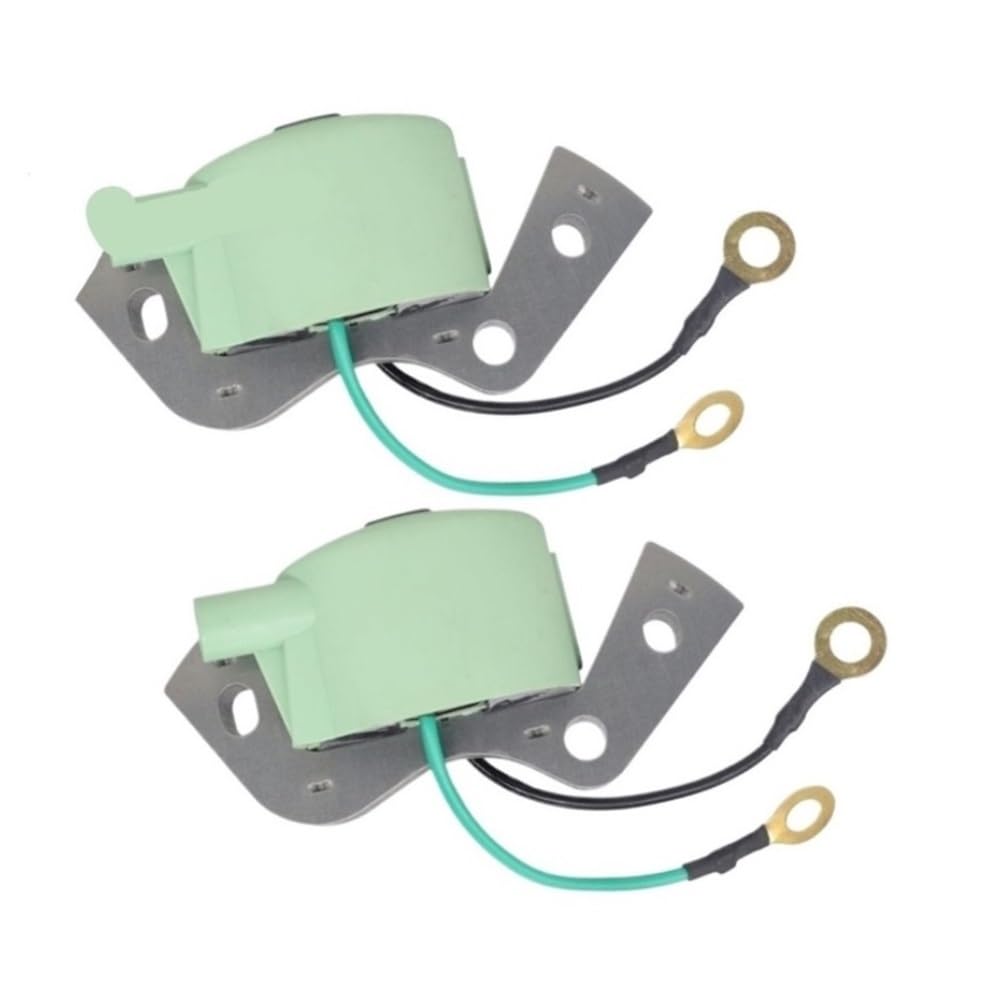 Ignition Coil Fit for Outboard Engines 802371 580416 18-5181 582931 802371A1 584477 2 x Ignition Coil Rank #2 | — | ||
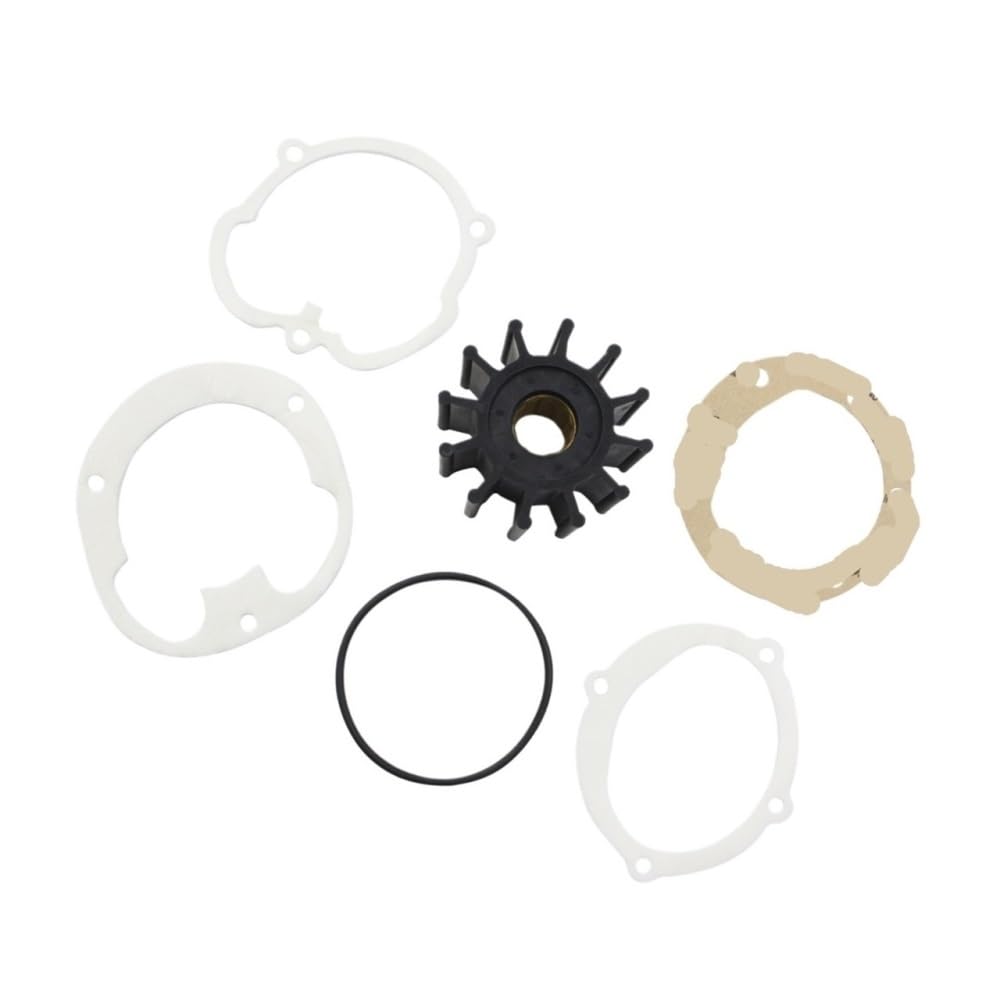 Water Pump Impeller Kit Fit for Marine Engine 09-1027B 1027B-9 18-3020 1210-0001 1210-0003 1210-0001-P Rank #3 | — | — | |
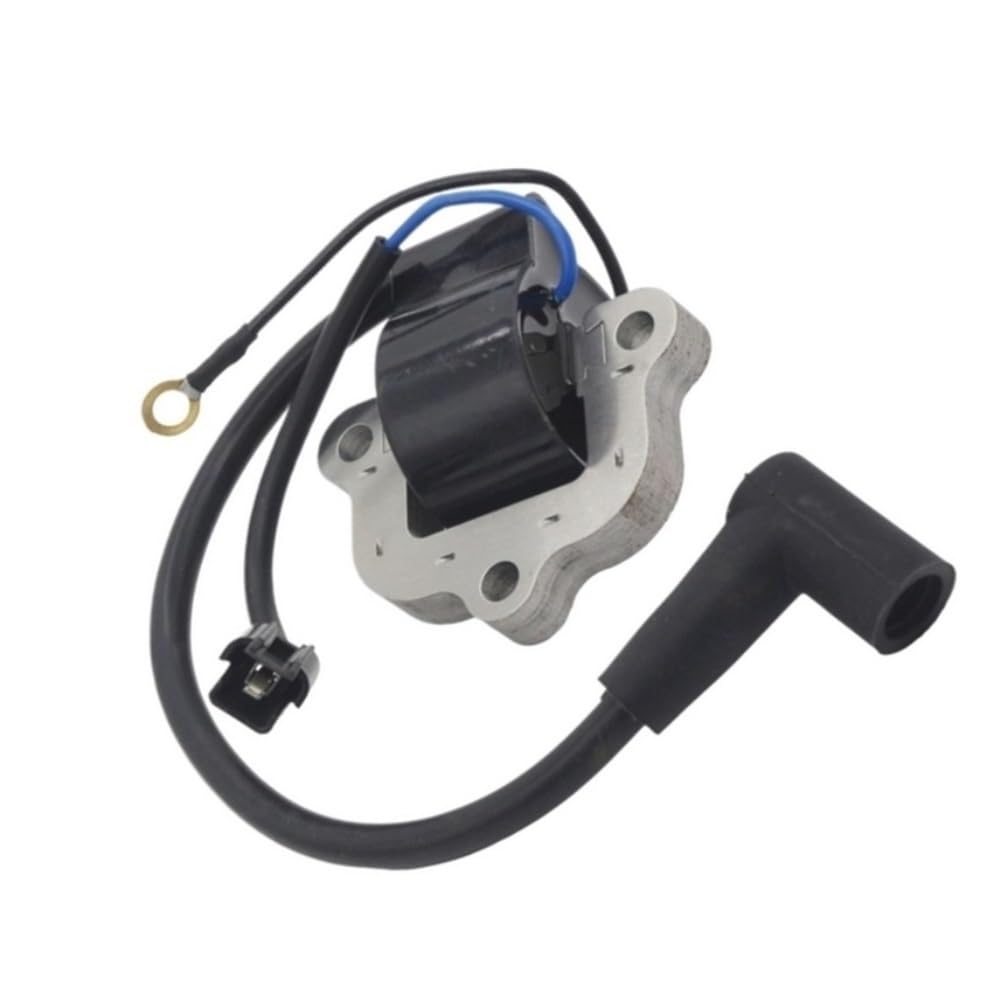 Ignition Coil Assembly Fit for OMC 9.9 15 40 Hp Outboards Engines 502880 581407 0581407 18-5196 Rank #4 | — | — | |
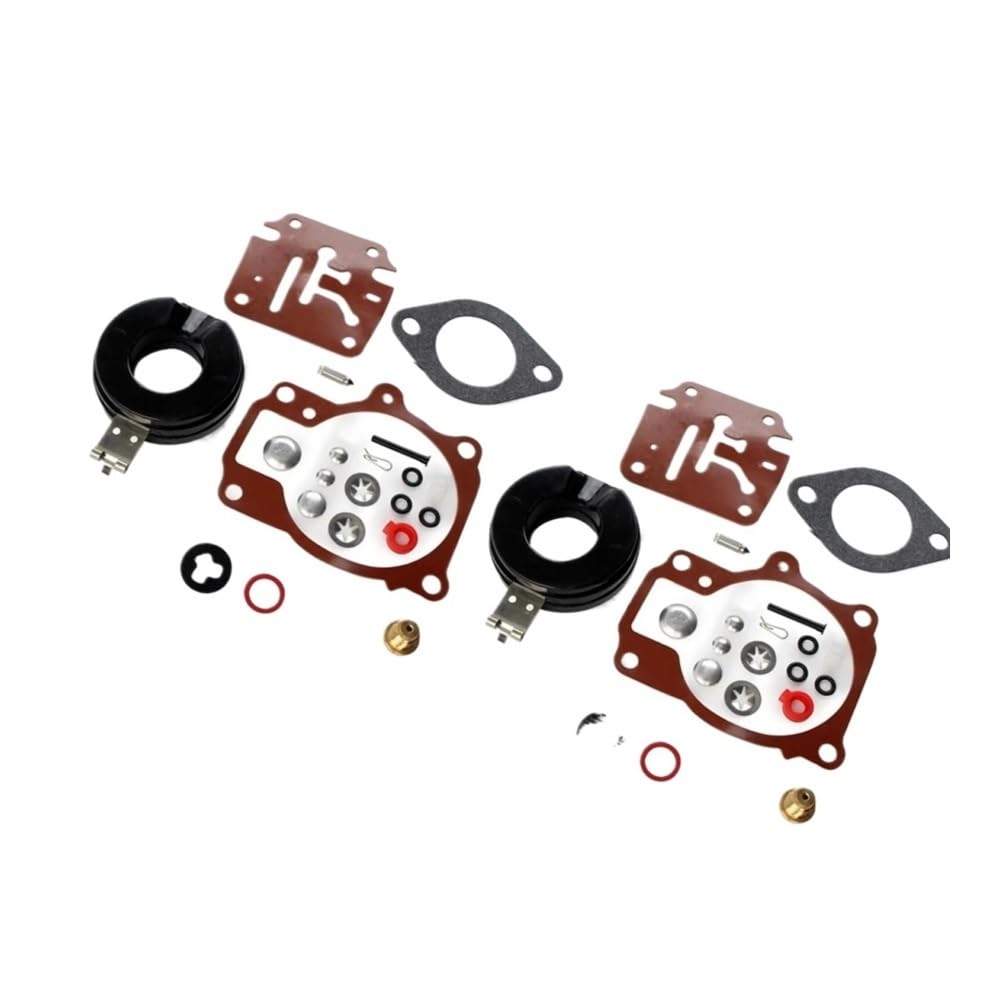 Carburetor Rebuild Kit with Float for 20 25 30 35 40 50 55 60 65 70 75HP Outboard 392061 398729 0396701 2 Set Rank #5 | 💰 Budget Pick | — |
