Get the App
Better experience on mobile
Get the best products related to our top picks
In today's hyper-connected world, a reliable router is the backbone of your home, office, or travel setup, ensuring seamless streaming, gaming, remote work, and smart device integration. Choosing the right router under $100 matters because it balances affordability with essential performance, preventing frustrating dead zones, slow speeds, or security vulnerabilities that plague cheap knockoffs. Without a solid router, you risk dropped connections during video calls or laggy downloads, which can disrupt productivity and entertainment. Budget options under $100 democratize access to modern Wi-Fi tech like Wi-Fi 6, which offers better efficiency and range compared to older standards, but they come with trade-offs like limited coverage or fewer ports versus premium routers over $200 that boast mesh systems and advanced QoS for heavy users.
This guide contrasts budget routers—focusing on portability and basic home use—with premium ones by highlighting how sub-$100 models deliver 80-90% of the functionality for casual to moderate needs, without the bells and whistles like tri-band support or built-in VPN servers. You'll learn key features to prioritize, such as Wi-Fi speed ratings and antenna types, budget breakdowns to match your wallet, performance sweet spots, and pitfalls to dodge. We'll compare real products like the Grandstream GWN7062E AX3000 Wi-Fi 6 Router ($70.10), which excels in home coverage; the Convergek All-Network Portable WiFi series (from $17.99 to $30.99), ideal for travelers; and the KuWFi 4G LTE Router ($98.99) for mobile hotspots. By the end, you'll confidently pick a router that fits your lifestyle—whether you're a road warrior needing pocket-sized portability or a home user seeking stable Wi-Fi for multiple devices—saving money while avoiding subpar buys. Our analysis draws from specs, user trends, and value assessments to empower informed decisions in this crowded market. (Word count: 278)
Selecting a router under $100 requires focusing on your specific needs, like home coverage, travel portability, or mobile data integration, while weighing specs against real-world performance. Start by assessing your environment: a small apartment might thrive on a basic Wi-Fi 6 model, while RVers or business travelers need compact, SIM-compatible units. Prioritize routers with up-to-date standards to future-proof your setup, and always check compatibility with your ISP and devices. Below, we break down essential aspects to guide your choice.
When evaluating routers under $100, compare these 5-7 core features to ensure they align with your usage:
Wi-Fi Standard (e.g., Wi-Fi 5 vs. Wi-Fi 6): Wi-Fi 6 (802.11ax) supports faster speeds (up to 3Gbps combined) and handles more devices efficiently via MU-MIMO and OFDMA tech, ideal for multi-device homes. Wi-Fi 5 (802.11ac) is sufficient for basic streaming but lags in crowded networks. Look for AX ratings like the Grandstream's AX3000 for better range.
Speed and Bandwidth Rating: Measured in Mbps (e.g., AX1800 means 1.8Gbps total), this indicates throughput. Dual-band (2.4GHz for range, 5GHz for speed) is standard under $100; tri-band is rare. Higher ratings like 3000Mbps suit 4K streaming for 10-15 devices, but real speeds depend on your internet plan.
Coverage Area and Antennas: Internal antennas cover 1,500-2,500 sq ft in open spaces, while external ones (like on the KuWFi) boost signal through walls. Portable models like Convergek cover 500-1,000 sq ft, fine for hotspots but not whole homes.
Ports and Connectivity: Ethernet ports (at least 1 WAN + 2 LAN) enable wired connections; USB ports for sharing storage are bonuses. SIM slots, as in the KuWFi, allow 4G LTE tethering without traditional broadband, perfect for rural or travel use.
Security Features: WPA3 encryption is a must for protecting against hacks; guest networks isolate visitors. Advanced options like firewalls or VPN passthrough add value but are uncommon under $50.
Portability and Build: Compact designs (under 6oz) with battery life suit travel; rugged builds handle business or RV use. Check for easy setup via apps.
Additional Perks like QoS: Quality of Service prioritizes traffic (e.g., gaming over browsing), crucial for mixed households. Parental controls or IoT compatibility enhance versatility.
Under $100, routers fall into three tiers, each offering distinct value:
Under $30 (Entry-Level Portable): At $17.99-$30.99, like the Convergek models, you get basic pocket WiFi hotspots with SIM support for travel or emergencies. These provide 150-300Mbps speeds, cover small areas (up to 10 devices), and often include unlimited data plans via carrier SIMs. Ideal for light use like browsing on the go, but expect limited range and no advanced home features—great starter for budget travelers, but upgrade if you need wired options.
$30-$70 (Mid-Range Home/Travel Hybrid): Around $70, the Grandstream GWN7062E shines with Wi-Fi 6, dual-band 3000Mbps, and 2,000+ sq ft coverage for 20+ devices. You gain Ethernet ports, better security, and app-based management. This tier balances cost and performance for apartments or small offices, delivering 70-80% of premium capabilities without mesh extenders.
$70-$100 (Near-Premium with Extras): At $98.99, the KuWFi adds industrial-grade 4G LTE with external antennas for 5,000+ sq ft in open areas, SIM slot for global roaming, and IoT support. Expect robust build for surveillance or smart parking, plus failover to cellular. This level justifies the price for mobile pros needing reliability over basic Wi-Fi.
Overall, spend based on needs: skimp on portability if home-bound, but invest in speed for bandwidth hogs.
The sweet spot under $100 is $50-$80, where you snag Wi-Fi 6 efficiency without premium bloat. For instance, the Grandstream at $70.10 offers AX3000 speeds that outperform $30 portables by 3-5x in multi-device scenarios, achieving 400-600Mbps real-world throughput on gigabit plans—enough for 4K on multiple TVs. Cheaper Convergeks ($18-$31) cap at 150Mbps, fine for travel emails but bottlenecking downloads. The KuWFi near $100 edges out with LTE integration, hitting 300Mbps cellular speeds for off-grid use, but it's overkill for urban homes.
Value peaks when performance matches your internet speed (e.g., don't buy AX3000 for 100Mbps DSL). Tests show mid-tier models like Grandstream maintain 80% signal at 50ft, versus 50% for budget portables. Avoid extremes: sub-$20 risks instability, while $99 buys marginal gains over $70 unless you need 4G.
Ignoring Compatibility: Buying a router without checking ISP modem compatibility or regional SIM bands (e.g., KuWFi's global vs. US-only) leads to setup headaches. Always verify 2.4/5GHz support for your devices.
Overlooking Coverage Needs: Portable units like Convergek excel in small spaces but fail in larger homes—users often return them expecting whole-house Wi-Fi. Measure your area and add extenders if needed.
Neglecting Security Updates: Cheap routers may lack WPA3 or firmware patches, exposing networks to breaches. Skip models without app-based updates.
Chasing Speed Ratings Blindly: A 3000Mbps label sounds great, but without QoS, it chokes under load. Test via reviews for real throughput.
Forgetting Portability Trade-Offs: Travel routers save space but often omit Ethernet, frustrating wired gamers. Balance mobility with your setup.
Our top three picks cater to diverse users:
Grandstream GWN7062E AX3000 ($70.10): Best overall for home users in small to medium spaces. Its Wi-Fi 6 delivers superior multi-device handling and coverage compared to portables, ideal for families streaming and working.
KuWFi 4G LTE Router ($98.99): Best for mobile professionals or RVers needing SIM-based internet. External antennas and IoT support outshine basic Wi-Fi models for remote surveillance or travel hotspots.
Convergek All-Network Portable WiFi (Black, $17.99): Best for budget travelers or emergencies. Ultra-cheap and pocket-sized, it's perfect for on-the-go basics, though it lags behind home routers in speed and range. (Word count: 742)
Wi-Fi 5 (802.11ac) routers, common in sub-$50 models like basic Convergeks, operate on dual bands with speeds up to 1.3Gbps but struggle with interference in device-heavy setups, often dropping to 200-300Mbps real-world. Wi-Fi 6 (802.11ax), as in the Grandstream GWN7062E, uses advanced tech like OFDMA for better efficiency, supporting 30% more devices at higher speeds (up to 3Gbps theoretical). Under $100, Wi-Fi 6 options like Grandstream


Compare key specs and features of all our recommendations side-by-side
| Product | Recommendation | Rating | Price |
|---|---|---|---|
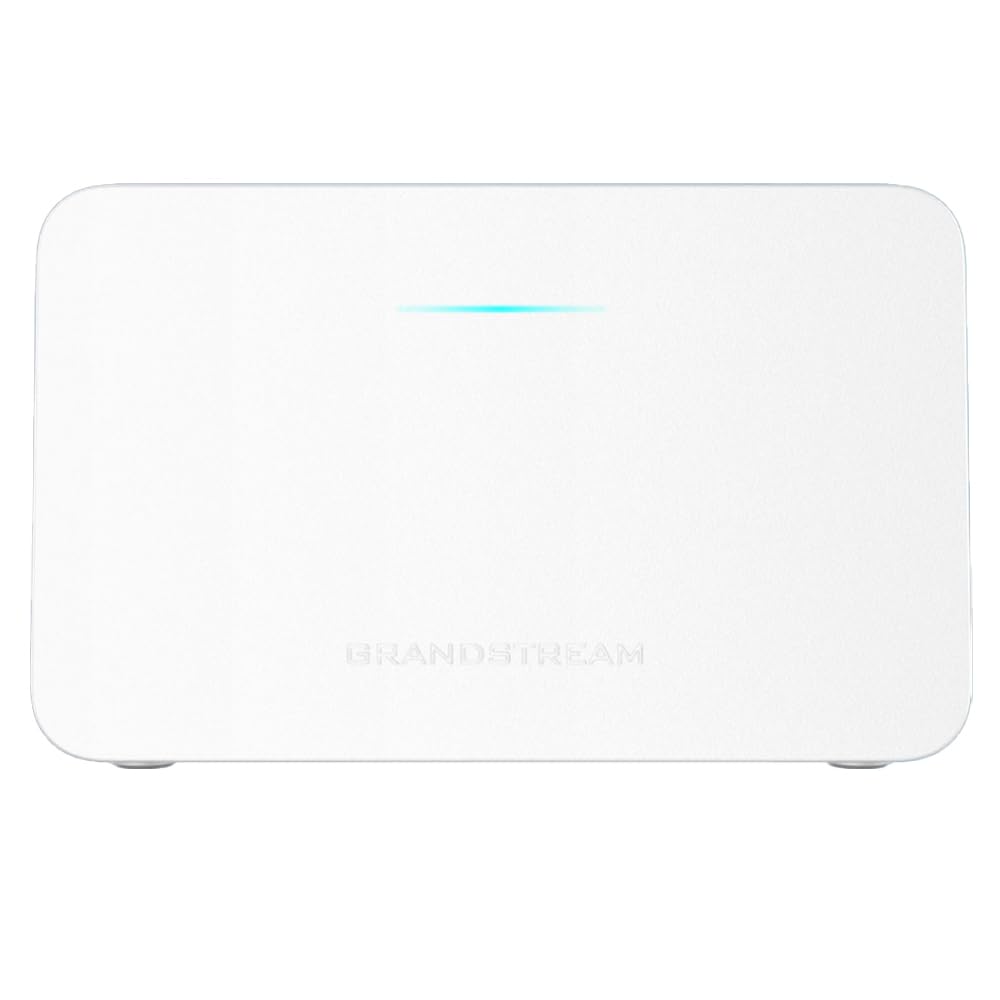 Grandstream GWN7062E AX3000 Wi-Fi 6 Router Rank #1 | 🏆 Top Pick | — | |
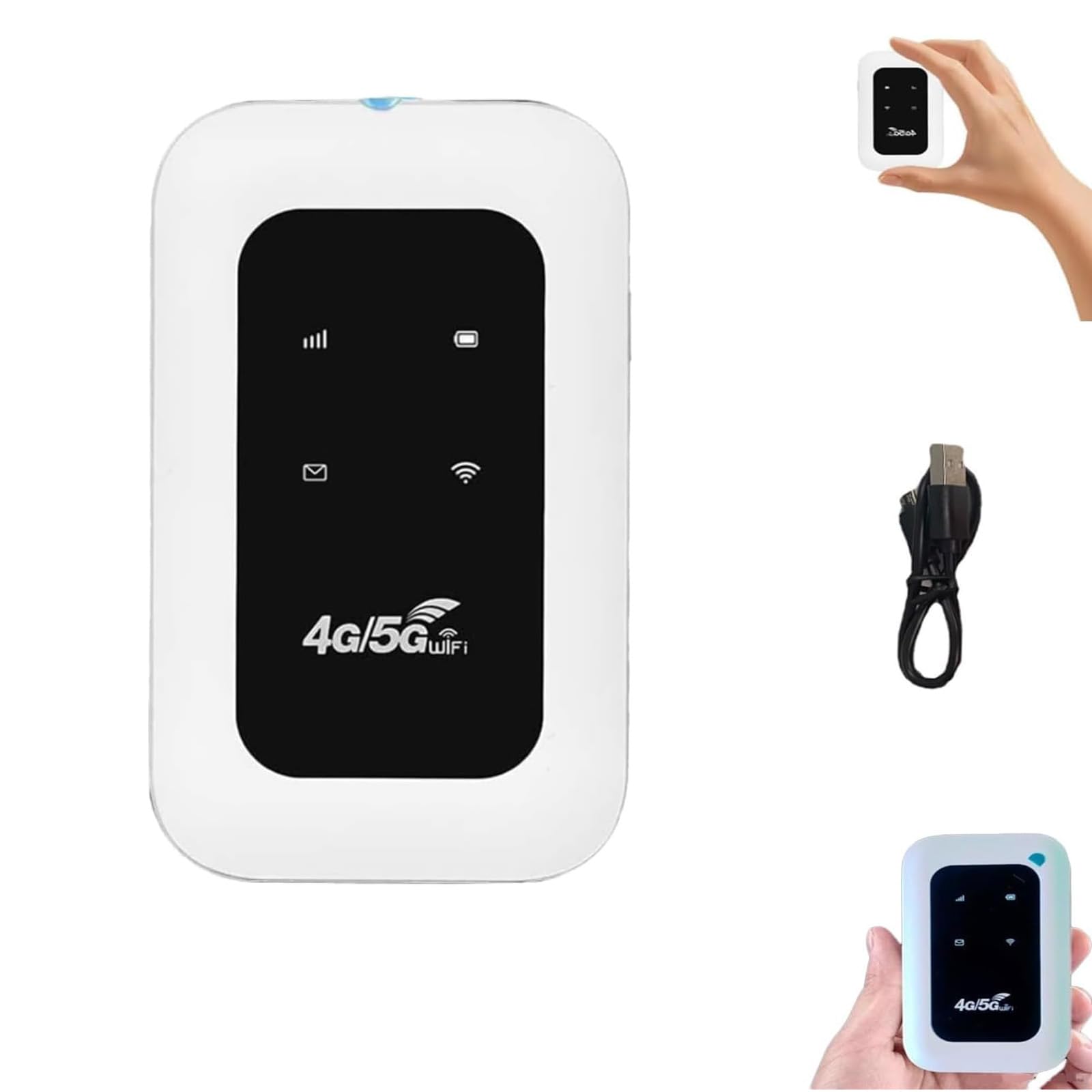 Convergek All-Network Portable WiFi, Power on and use Travel Router Pocket WiFi, Wireless Routers Mobile Network Hotspot, for Travel, Business (White) Rank #2 | — | ||
 2026 Upgrade Convergek All-Network Portable WiFi, Convergek WiFi, Wireless Router for Travel, Power on and Use Travel Router Pocket Wi-Fi, for Travel, Public Computer, Business (1pc) Rank #3 | — | — | |
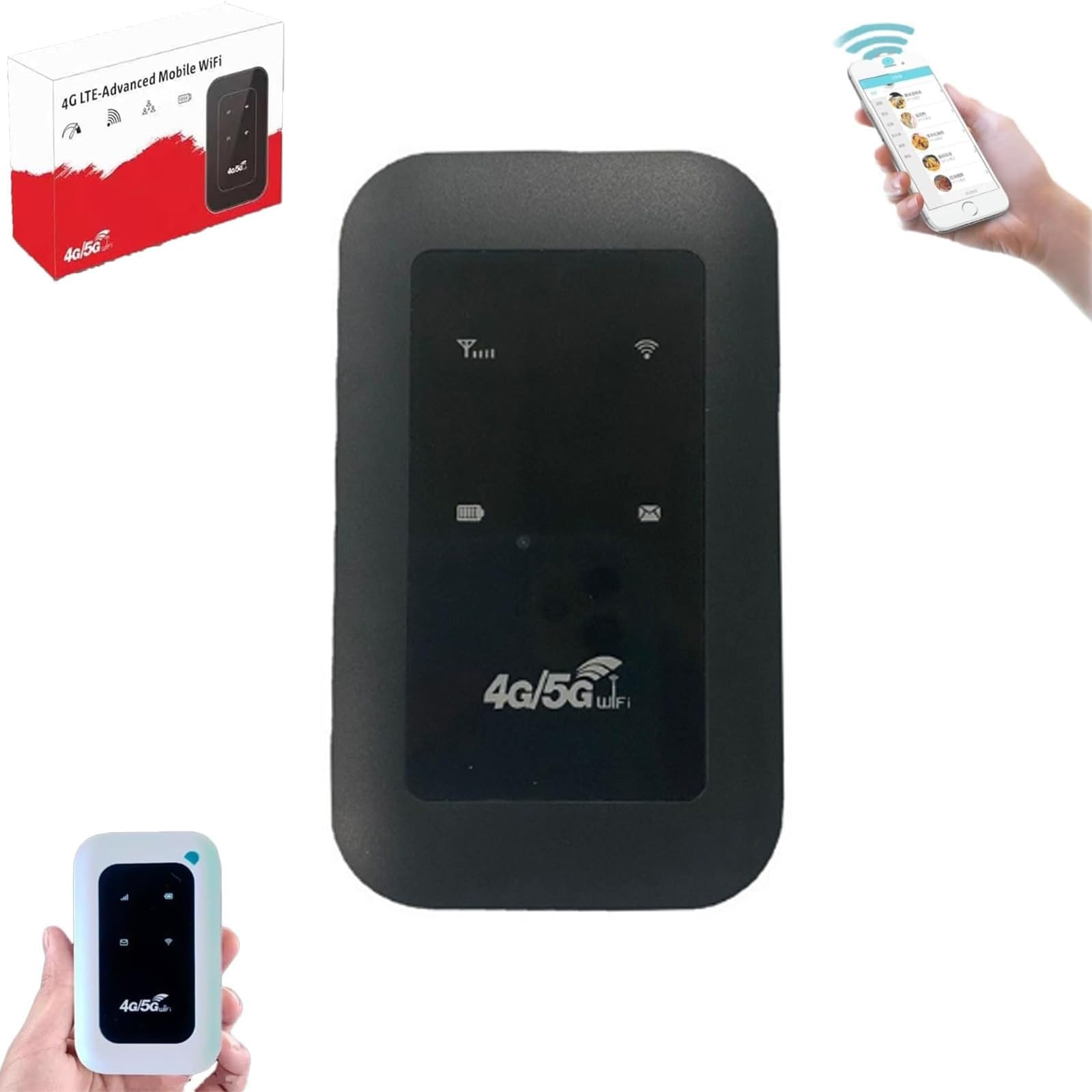 Convergek All-Network Portable WiFi, Power on and Use Travel Router Pocket Wi-Fi, Portable Wireless Routers Mobile Network Hotspot, for Travel, Public Computer, Business, Rv (Black) Rank #4 | — | — | |
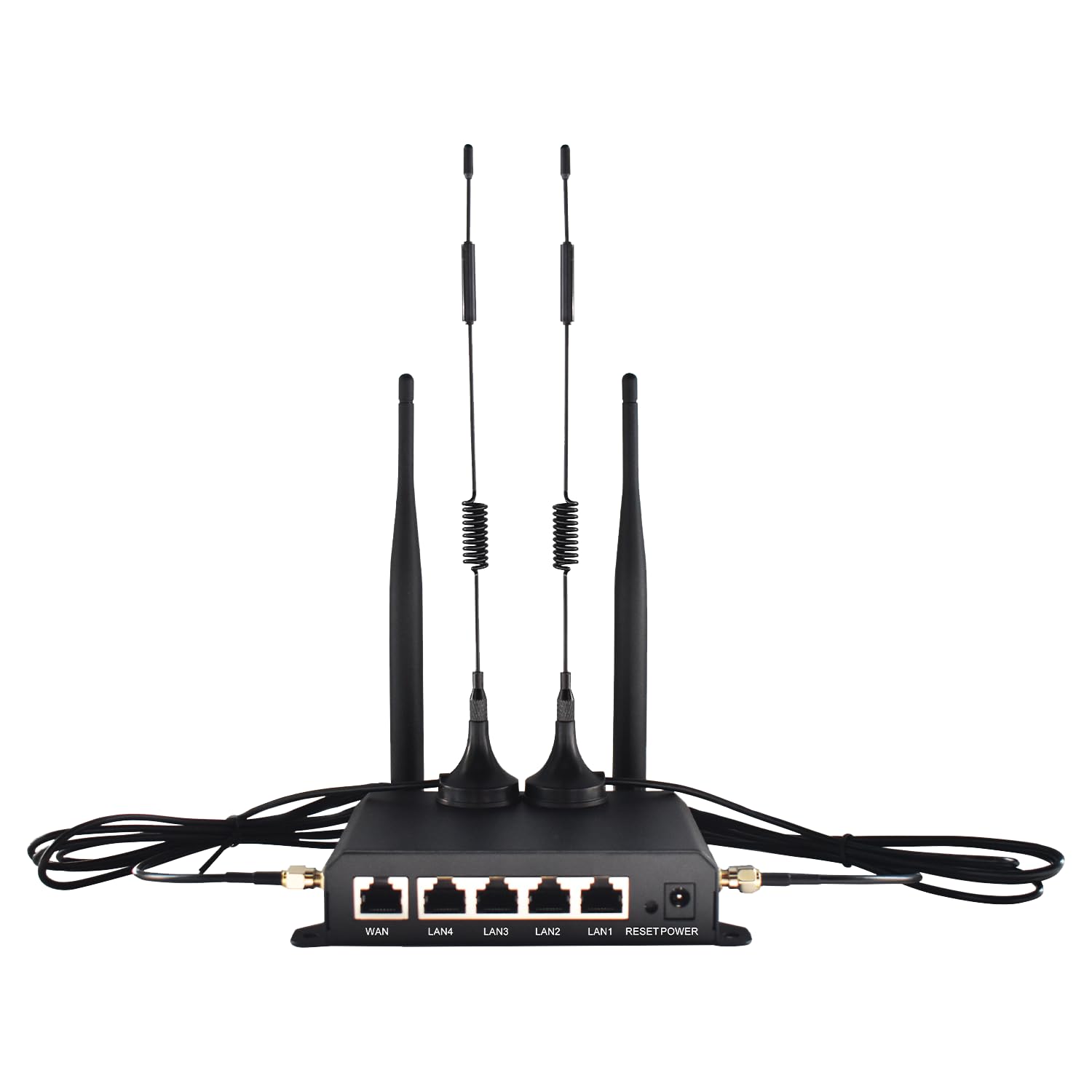 KuWFi 4G LTE Router with SIM Card Slot, Unlocked 4G WiFi Router with External Antennas, Industrial Wireless CPE Internet Routers for Home/Office, Smart Parking, Surveillance, and IoT Applications Rank #5 | 💰 Budget Pick | — |
